

Comprehensive Analysis of Beta-Cell Replacement Therapies for Type 1 Diabetes Mellitus
Many thanks to our sponsor Esdebe who helped us prepare this research report.
Abstract
Type 1 Diabetes Mellitus (T1DM) is an intricate autoimmune disorder characterized by the selective destruction of insulin-producing pancreatic beta cells, culminating in chronic hyperglycemia and its associated severe complications. The global burden of T1DM necessitates a paradigm shift from purely glycemic management to curative strategies. Beta-cell replacement therapies, encompassing pancreatic islet transplantation, the burgeoning field of stem cell-derived islet regeneration, and advanced immune-protective encapsulation technologies, represent the forefront of efforts to restore endogenous insulin production and achieve a functional cure. This comprehensive report meticulously analyzes the current state of these groundbreaking therapeutic modalities. It delves into the significant advancements in generating functional insulin-producing cells from various stem cell sources, critically examines persistent challenges such as systemic immune rejection, the development of robust and biocompatible protective encapsulation devices, and evaluates the intricate timeline for their widespread clinical adoption. Furthermore, the report addresses critical issues including the pervasive problem of donor shortages, the unavoidable requirements for chronic immunosuppression and its concomitant adverse effects, and provides a detailed summary of the most recent and impactful clinical trial results, illuminating the path forward for these transformative therapies.
Many thanks to our sponsor Esdebe who helped us prepare this research report.
1. Introduction: The Unmet Need in Type 1 Diabetes Mellitus
Type 1 Diabetes Mellitus (T1DM) is a chronic autoimmune condition affecting millions of individuals globally, particularly children and young adults. The disease arises from a complex interplay of genetic predisposition and environmental triggers, leading to a T-cell mediated destruction of the insulin-secreting beta cells housed within the pancreatic islets of Langerhans. This profound beta-cell deficiency results in an absolute or near-absolute requirement for exogenous insulin to regulate blood glucose levels. Without precise insulin management, individuals with T1DM face the imminent threats of acute complications such as diabetic ketoacidosis and severe hypoglycemia, as well as debilitating long-term microvascular (retinopathy, nephropathy, neuropathy) and macrovascular (cardiovascular disease, stroke) complications that significantly impair quality of life and reduce life expectancy.
Despite considerable advancements in insulin therapy, including multi-dose insulin regimens, continuous subcutaneous insulin infusion (insulin pumps), and sophisticated continuous glucose monitoring (CGM) systems, achieving true physiological insulin secretion remains an elusive goal. Exogenous insulin administration, by its very nature, struggles to perfectly mimic the pulsatile and glucose-responsive insulin release patterns characteristic of healthy pancreatic beta cells. This inherent limitation contributes to persistent challenges in maintaining optimal glycemic control, with many patients experiencing significant glycemic variability, characterized by swings between hyperglycemia and hypoglycemia.
Beta-cell replacement therapies emerge as a transformative approach, moving beyond symptom management to address the root cause of T1DM: the absence of functional beta cells. The fundamental aim of these therapies is to restore the body’s innate capacity for endogenous insulin production, thereby liberating patients from the arduous daily regimen of insulin injections and constant glucose monitoring, and crucially, mitigating the risk of both acute and chronic complications. This report embarks on a detailed exploration of the mechanisms, historical progress, current state, formidable challenges, and promising future prospects of these potentially curative beta-cell replacement strategies, offering a holistic view of a rapidly evolving scientific and clinical landscape.
Many thanks to our sponsor Esdebe who helped us prepare this research report.
2. Pancreatic Islet Transplantation: Pioneering Beta-Cell Replacement
2.1 Overview and Procedural Details
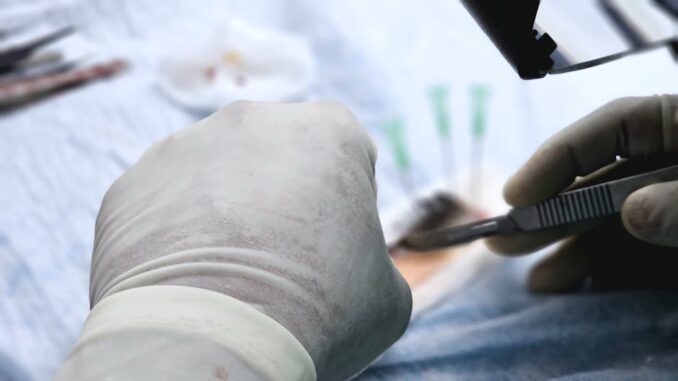
Pancreatic islet transplantation, conceptually a highly attractive therapy, involves the isolation of insulin-producing islets of Langerhans from a deceased human donor pancreas and their subsequent transplantation into a recipient. The most common site for transplantation is the portal vein, which delivers the islets to the liver. Once infused into the hepatic portal system, the islets engraft within the liver parenchyma, where they are expected to re-vascularize, resume insulin production, and thus regulate blood glucose levels in a glucose-responsive manner.
The procedure of islet transplantation typically involves several critical steps. Firstly, a suitable donor pancreas, usually obtained from a brain-dead donor, is procured. The pancreas must meet stringent criteria regarding donor age, BMI, and overall health to ensure optimal islet viability. Secondly, the crucial and technically demanding process of islet isolation begins. This involves enzymatic digestion of the donor pancreas (often with collagenase or liberase), followed by purification using a continuous density gradient centrifugation process (e.g., in a Cobe 2000 cell processor). The goal is to separate the islets from the surrounding exocrine tissue, which can be immunogenic and detrimental to islet survival. The purified islets are then cultured in vitro for a period, typically 24-72 hours, to assess their viability, purity, and functional capacity before transplantation. Finally, the isolated islets, usually numbering between 300,000 to 800,000 islet equivalents (IEQ) per infusion, are infused into the recipient’s portal vein, a minimally invasive procedure often performed percutaneously under local anesthesia. Multiple infusions, usually two or more, are frequently required to achieve insulin independence, particularly for individuals with higher insulin requirements.
The development of the ‘Edmonton Protocol’ in 2000 marked a significant turning point in clinical islet transplantation. This protocol revolutionized outcomes by incorporating a novel, steroid-free immunosuppressive regimen (daclizumab, sirolimus, and tacrolimus) alongside the transplantation of a larger islet mass. Prior to Edmonton, steroid use significantly hampered islet function and survival. The Edmonton Protocol demonstrated unprecedented rates of insulin independence, fueling renewed optimism in the field.
2.2 Clinical Outcomes and Long-Term Durability
Islet transplantation has undeniably demonstrated success in achieving insulin independence, particularly in patients with severe T1DM complications such as frequent, severe hypoglycemia and highly labile diabetes, where the benefits outweigh the risks of chronic immunosuppression. Early results following the Edmonton Protocol were groundbreaking; a seminal 2005 study reported that 58% of recipients achieved complete insulin independence one year post-transplantation [Reference 1]. Subsequent data from the Collaborative Islet Transplant Registry (CITR) and other international consortia have corroborated these initial successes, albeit with varying rates depending on patient selection and specific protocols.
However, the long-term durability of insulin independence remains a significant limitation. While initial success rates can be high, many recipients gradually lose islet function over time, necessitating a return to exogenous insulin therapy within a few years. Studies indicate that sustained insulin independence typically declines to 20-30% at five years post-transplantation, with continued decline thereafter. Even in recipients who are no longer completely insulin-independent, the transplanted islets often continue to produce C-peptide (a marker of endogenous insulin secretion), providing partial graft function that can significantly improve glycemic control, reduce hypoglycemic episodes, and stabilize HbA1c levels, thereby mitigating the risk of long-term complications. This state, termed ‘partial graft function’ or ‘C-peptide positivity,’ is a clinically meaningful outcome even without full insulin independence.
Factors influencing long-term graft survival are multifaceted and include the initial quality and quantity of transplanted islets, the efficacy of the immunosuppressive regimen, the recipient’s metabolic environment (e.g., insulin resistance, recurrence of autoimmunity), and the site-specific challenges of the intrahepatic environment. Recurrence of autoimmunity, where the recipient’s immune system attacks the transplanted allogeneic beta cells, even under immunosuppression, is a recognized problem.
2.3 Formidable Challenges in Clinical Islet Transplantation
Despite its therapeutic potential, pancreatic islet transplantation faces several formidable challenges that currently limit its widespread applicability:
-
Donor Shortage: This is perhaps the most immediate and profound bottleneck. The number of suitable deceased donor pancreases available for islet isolation is exceedingly limited. Not all pancreases from deceased donors are suitable; criteria such as donor age, warm ischemia time, cold ischemia time, cause of death, and absence of significant pancreatitis or prior pancreatic disease are crucial. The scarcity means that only a small fraction of eligible T1DM patients can access this therapy. This severe constraint underscores the urgent need for alternative, renewable sources of insulin-producing cells.
-
Immune Rejection and Lifelong Immunosuppression: Allogeneic islet transplants, by their nature, introduce foreign cells into the recipient’s body, triggering a robust immune response. This necessitates lifelong systemic immunosuppressive therapy to prevent immune-mediated destruction of the transplanted islets. While effective in mitigating acute rejection, these potent drugs come with a significant array of severe side effects, including increased susceptibility to opportunistic infections, renal toxicity (calcineurin inhibitors are notoriously nephrotoxic), neurotoxicity, cardiotoxicity, increased risk of certain malignancies (e.g., post-transplant lymphoproliferative disorder), and metabolic complications such as new-onset diabetes after transplantation (NODAT), hyperlipidemia, and hypertension. The trade-off between the benefits of islet transplantation and the risks associated with chronic immunosuppression is a critical consideration for patient selection.
-
Graft Survival and Dysfunction: Beyond immune rejection, several non-immune factors contribute to early graft loss and long-term dysfunction:
- Ischemia-Reperfusion Injury: During the isolation process and subsequent transplantation, islets are subjected to periods of ischemia (lack of blood flow) and reperfusion (restoration of blood flow), which generates reactive oxygen species and inflammatory mediators, leading to significant early cell death.
- Instant Blood-Mediated Inflammatory Reaction (IBMIR): Upon infusion into the portal vein, donor islets come into direct contact with recipient blood components (complement, coagulation factors, innate immune cells). This triggers an immediate, non-immune inflammatory response that can destroy a substantial portion of the transplanted islets (up to 50-70%) within hours to days of infusion, profoundly impacting initial engraftment and function. Heparin is typically administered to mitigate IBMIR, but it remains a significant hurdle.
- Intrahepatic Microenvironment Toxicity: The liver, while anatomically convenient, may not be the optimal physiological site for islet engraftment. The relatively low oxygen tension in the portal vein, coupled with the inflammatory milieu of the liver sinusoids, can create a hostile environment for newly transplanted islets. Moreover, exposure to high concentrations of immunosuppressants and metabolic stressors can further impair islet function.
- Metabolic Stress: Post-transplantation, islets face increased metabolic demands in a new, potentially suboptimal environment, which can contribute to beta-cell exhaustion and eventual dysfunction. Recipient-specific factors like insulin resistance can exacerbate this stress.
These inherent limitations underscore the imperative for developing alternative strategies that can overcome the challenges of donor scarcity and chronic systemic immunosuppression, leading the charge toward stem cell-derived therapies and immune-protective encapsulation.
Many thanks to our sponsor Esdebe who helped us prepare this research report.
3. Stem Cell-Derived Islet Regeneration: A Renewable and Autologous Solution
Stem cell-derived islet regeneration represents a highly promising avenue for T1DM therapy, offering a potentially unlimited and renewable source of insulin-producing cells, thereby circumventing the critical donor shortage seen with cadaveric islet transplantation. The ability to differentiate stem cells into functional beta-like cells holds the promise of an ‘off-the-shelf’ therapy or even an autologous solution, reducing or eliminating the need for systemic immunosuppression.
3.1 Diverse Stem Cell Sources for Beta-Cell Production
Several types of stem cells are being investigated for their potential to differentiate into insulin-producing cells:
-
Pluripotent Stem Cells (PSCs):
- Embryonic Stem Cells (ESCs): Derived from the inner cell mass of a blastocyst, ESCs possess the remarkable ability to differentiate into any cell type of the three germ layers (ectoderm, mesoderm, endoderm). Their pluripotency makes them an ideal theoretical source for beta-cell generation. However, their use is associated with ethical concerns surrounding embryo destruction, and their allogeneic nature necessitates immunosuppression.
- Induced Pluripotent Stem Cells (iPSCs): A groundbreaking discovery, iPSCs are generated by reprogramming adult somatic cells (e.g., skin fibroblasts, blood cells) back into an embryonic-like pluripotent state through the introduction of specific transcription factors (e.g., Oct4, Sox2, Klf4, c-Myc). iPSCs offer several distinct advantages: they bypass ethical concerns associated with ESCs, and crucially, they can be patient-specific (autologous). Autologous iPSC-derived beta cells could potentially eliminate the need for systemic immunosuppression, representing a significant therapeutic advancement. Challenges for iPSCs include the risk of genomic instability, epigenetic memory from their somatic origin affecting differentiation efficiency, and the potential for residual undifferentiated cells to form teratomas.
-
Adult Stem Cells: These are multipotent cells found in various adult tissues, capable of differentiating into a limited range of cell types.
- Mesenchymal Stem Cells (MSCs): Found in tissues like bone marrow, adipose tissue, umbilical cord blood, and dental pulp, MSCs are multipotent and possess immunomodulatory properties. While their direct differentiation into fully functional insulin-producing beta cells has been a subject of debate and inconsistent findings, MSCs have been explored for their potential to support islet survival, enhance vascularization, and modulate local immune responses through paracrine effects. Some studies have suggested their ability to transdifferentiate or contribute to beta-cell regeneration under specific conditions, though the efficiency and functional maturity are often less robust than PSC-derived cells. Their immunomodulatory properties make them attractive as co-transplantation partners or for local delivery to create a more hospitable microenvironment.
- Pancreatic Progenitor Cells: These are rare stem-like cells residing within the adult pancreas, believed to have the capacity to differentiate into various pancreatic cell types, including beta cells. Research aims to identify, isolate, expand, and activate these endogenous progenitors to stimulate regeneration within the native pancreas, offering an in situ repair mechanism. However, their scarcity and the complex signals required for their activation limit their immediate clinical applicability.
3.2 Advanced Differentiation Protocols and Beta-Like Cell Maturation
Significant scientific breakthroughs have led to the development of highly sophisticated, multi-stage differentiation protocols that guide PSCs (both ESCs and iPSCs) through a precise developmental trajectory, mimicking embryonic pancreatic development in vitro. These protocols involve sequential exposure to specific growth factors, signaling molecules, and extracellular matrix components, driving cells through discrete stages:
- Definitive Endoderm (DE): PSCs are first directed to form definitive endoderm, the germ layer that gives rise to the pancreas, liver, and gut.
- Gut Tube Endoderm: Further signaling induces differentiation into primitive gut tube endoderm.
- Pancreatic Progenitor Cells (PPCs): Exposure to factors like activin A, FGFs, and retinoic acid leads to the specification of pancreatic progenitors, characterized by the expression of transcription factors such as PDX1 and SOX9.
- Endocrine Progenitor Cells: These PPCs are then guided to become endocrine progenitors, expressing markers like NGN3.
- Immature Beta-Like Cells: Subsequent differentiation steps promote the formation of cells expressing insulin, often co-expressing glucagon, indicating immaturity. These cells are frequently referred to as ‘beta-like cells’ or ‘pancreatic endocrine cells’ because they may not possess all the functional attributes of mature adult beta cells immediately after differentiation.
Over the past decade, these protocols have become increasingly efficient, yielding populations of cells that express insulin, C-peptide, and key beta-cell transcription factors (e.g., MAFA, NKX6.1). Crucially, these cells demonstrate glucose-responsive insulin secretion, a hallmark of functional beta cells, both in vitro and when transplanted into diabetic animal models. For instance, ViaCyte’s PEC-01 cells, derived from ESCs, represent an advanced product of such protocols, designed to differentiate into a mixture of pancreatic endocrine cells within an encapsulation device upon implantation, including insulin-producing beta-like cells.
However, challenges remain in achieving full functional maturity. Differentiated beta-like cells often exhibit an ‘immature’ phenotype, characterized by less robust glucose-stimulated insulin secretion, altered calcium dynamics, and sometimes co-expression of other islet hormones (e.g., glucagon), which is atypical for mature adult beta cells. Further in vivo maturation, often observed post-transplantation in animal models, is believed to be crucial for optimal function. Research is actively exploring strategies to enhance in vitro maturation, including 3D organoid cultures, co-differentiation with other islet cell types (alpha, delta cells), and optimized bioreactor environments.
3.3 Clinical Trials and Emerging Outcomes
The promise of stem cell-derived beta cells has translated into several pioneering clinical trials, primarily focused on safety and initial efficacy:
-
ViaCyte (now part of Vertex Pharmaceuticals): A leading innovator in this space, ViaCyte initiated clinical trials for its PEC-01 (previously VC-01 and VC-02) product. PEC-01 cells, derived from human ESCs, are delivered within proprietary encapsulation devices (e.g., the PEC-Encap™ device, designed to be immune-protective, and the PEC-Direct™ device, which allows direct vascularization but requires immunosuppression). Early Phase I/II trials demonstrated engraftment of the PEC-01 cells, survival within the devices, and subsequent differentiation into insulin-producing beta-like cells. Crucially, C-peptide production (indicating endogenous insulin secretion) was detected in some recipients, correlating with improved glycemic control and reduced exogenous insulin requirements. While these results demonstrated proof-of-concept, challenges included the quantity of C-peptide produced, which was often insufficient to achieve full insulin independence, and the potential for a foreign body response around the devices.
-
Semma Therapeutics (now part of Vertex Pharmaceuticals): Vertex Pharmaceuticals acquired Semma Therapeutics, which developed a proprietary method for generating highly functional, glucose-responsive, insulin-producing cells from PSCs. Their lead candidate, VX-880, involves direct infusion of fully differentiated, unencapsulated human stem cell-derived islets (hESC-islets) into the portal vein, similar to cadaveric islet transplantation. This approach requires systemic immunosuppression. Initial clinical trial results for VX-880 have been highly encouraging, with some patients achieving insulin independence and excellent glycemic control, demonstrating the robust functionality of these cells. This represents a significant step towards a functional cure, albeit with the continued need for immunosuppression.
-
Evotec and Novo Nordisk (QR-Beta program): This partnership focuses on developing stem cell-based therapies for diabetes, leveraging Evotec’s iPSC platform and Novo Nordisk’s expertise in diabetes treatment. Their QR-Beta program aims to deliver robust and scalable solutions, potentially exploring both encapsulated and unencapsulated approaches.
Despite these promising developments, several challenges persist in the stem cell field:
* Ensuring Complete Maturation: Achieving adult-like beta-cell function with optimal glucose-responsive insulin secretion in vitro, before transplantation, remains a key goal. The difference between ‘beta-like’ and truly mature beta cells is critical for long-term efficacy.
* Safety Concerns (Teratoma Risk): For PSCs, the theoretical risk of teratoma formation from residual undifferentiated pluripotent cells is a paramount safety concern. Rigorous purification protocols and genetic engineering to prevent proliferation of undifferentiated cells are essential.
* Scalability and Cost: Producing billions of high-quality, clinical-grade beta cells under Good Manufacturing Practice (GMP) conditions at a cost-effective scale is a significant logistical and financial hurdle.
* Immunogenicity of Allogeneic Cells: If allogeneic PSCs are used without encapsulation or immune evasion strategies, lifelong immunosuppression is still required, presenting the same challenges as cadaveric islet transplantation. Research into generating hypoimmunogenic or ‘universal donor’ stem cells through gene editing (e.g., CRISPR/Cas9 to remove HLA class I/II expression or express immunomodulatory genes) is actively underway.
Many thanks to our sponsor Esdebe who helped us prepare this research report.
4. Encapsulation Technologies: Immune Protection and Graft Longevity
Encapsulation technologies are integral to the advancement of beta-cell replacement therapies, particularly for allogeneic (non-patient specific) cell sources, by providing a physical barrier that shields the transplanted cells from the host immune system without requiring systemic immunosuppression. This approach aims to address one of the most significant drawbacks of both cadaveric islet transplantation and unencapsulated allogeneic stem cell-derived cells.
4.1 Purpose, Mechanism, and Design Principles
The primary purpose of encapsulation is to create a semi-permeable membrane around the insulin-producing cells that allows for the free diffusion of essential nutrients (glucose, oxygen, amino acids), metabolic waste products, and secreted insulin, while simultaneously preventing the entry of larger immune cells (T-cells, B-cells, macrophages) and antibodies. The fundamental mechanism relies on the size-exclusion principle of the encapsulating material.
Effective encapsulation device design must consider several critical attributes:
- Biocompatibility: The material must be inert, non-toxic, and provoke minimal foreign body response from the host. Chronic inflammation or fibrosis around the device can impair nutrient diffusion and graft function.
- Permeability: The membrane pore size must be carefully engineered to permit rapid exchange of small molecules (glucose, insulin) but exclude immune components (antibodies typically ~150 kDa, immune cells much larger).
- Mechanical Stability: The device must be robust enough to withstand implantation, surgical handling, and the mechanical forces within the body without rupture or degradation over time.
- Longevity: The encapsulation material should maintain its integrity and function for many years to provide long-term therapeutic benefit.
- Retrieval (for Macroencapsulation): For larger devices, the ability to explant them if complications arise or the graft fails is advantageous.
- Scalability: The manufacturing process must be reproducible and scalable to produce devices consistently and cost-effectively for broad clinical use.
Encapsulation devices are broadly categorized into two main types: macroencapsulation and microencapsulation, each with distinct advantages, limitations, and design considerations.
4.2 Advances in Encapsulation Methodologies
4.2.1 Macroencapsulation
Macroencapsulation involves enclosing a large number of cells (e.g., hundreds of thousands to millions) within a relatively large, surgically implantable device, typically a flat sheet, hollow fiber, or disc-shaped chamber. Examples include devices developed by ViaCyte (PEC-Encap™) and TheraCyte.
- Device Design and Materials: Early macroencapsulation devices struggled with poor oxygen supply due to their larger size. Modern designs aim to overcome this by incorporating features that promote vascularization or improve oxygen delivery. Materials commonly used include semi-permeable polymers like cellulose sulfate, polyethersulfone, or more recently, advanced biocompatible polymers such as those based on polyethylene glycol (PEG) or alginate derivatives. The internal architecture might include scaffolds to support cell adherence and organization.
- Vascularization Strategies: A key challenge for macroencapsulation is ensuring adequate nutrient and oxygen supply to the core of the encapsulated cell mass, especially in avascular implantation sites. Strategies to enhance vascularization include:
- Angiogenic Factors: Incorporating genes encoding for pro-angiogenic factors (e.g., VEGF) into the device or co-transplanting cells that secrete these factors.
- Pre-vascularization: Implanting the device (or an empty scaffold) first to induce the formation of a vascularized tissue bed, and then implanting the cells into this vascularized niche in a second surgical procedure.
- Permeable Membrane Designs: While traditionally designed to exclude immune cells, some devices are engineered with a more permeable membrane on one side to allow limited direct contact with host vasculature, as seen in ViaCyte’s PEC-Direct device. This approach sacrifices full immune protection for improved vascularization and engraftment, thus necessitating immunosuppression, but aims to overcome diffusion limitations.
- Advantages: Macroencapsulation offers the potential for easy retrieval and replacement of the device, which is a significant safety advantage. It also provides a defined environment for cells.
- Challenges: The ‘foreign body response’ (FBR) is a major hurdle. The host immune system can form a fibrotic capsule around the macroencapsulation device, impeding nutrient and oxygen diffusion and leading to cell death. Achieving sufficient oxygen supply to the inner core of the cell mass remains a persistent engineering challenge for large devices. Issues like device thrombosis or clogging of pores can also occur.
4.2.2 Microencapsulation
Microencapsulation involves individually encapsulating cells or small clusters of islets within microscopic spheres (typically 150-500 µm in diameter). This approach aims to maximize the surface area-to-volume ratio, facilitating efficient nutrient and waste exchange.
- Fabrication and Materials: The most widely explored material for microencapsulation is alginate, a natural polysaccharide derived from brown algae. Alginate capsules are typically formed using methods such as electrostatic droplet generation, air-jet nebulization, or coaxial nozzle systems, which produce uniform spherical beads. Other materials under investigation include PEG, chitosan, and various synthetic polymers. Modifications to alginate, such as ultra-pure, high-guluronic acid alginates, or covalent modifications, are aimed at improving biocompatibility and reducing immunogenicity.
- Mechanism: The alginate hydrogel forms a porous matrix around the cells. The pore size is controlled during the cross-linking process (e.g., with calcium chloride) to achieve the desired selective permeability. Studies have shown that microencapsulated islet transplantation can successfully prevent hyperglycemia in mouse models of immune-mediated diabetes, demonstrating proof of principle for immune evasion [Reference 5, Reference 7].
- Advantages: The small size of microcapsules allows for minimally invasive delivery (e.g., peritoneal cavity injection), a larger surface area for exchange, and distributed cell mass which may reduce reliance on a single point of vascularization. This approach is often envisioned as an ‘injectable’ therapy.
- Challenges: The main challenges for microencapsulation include:
- Pericapsular Fibrosis: Similar to macroencapsulation, a fibrotic reaction can occur around the microcapsules, forming a physical barrier that obstructs diffusion. This ‘foreign body response’ is a major cause of graft failure. Strategies to mitigate fibrosis include surface modifications, incorporation of immunomodulatory agents, and using ultra-pure materials.
- Oxygen Diffusion Limitations: While better than macrocapsules, dense clusters of microencapsulated cells can still suffer from hypoxia in the core, especially in avascular sites. Ensuring adequate oxygen supply remains critical.
- Capsule Rupture and Mechanical Instability: Microcapsules can be fragile and prone to rupture, releasing cells and exposing them to the immune system. Achieving long-term mechanical stability is crucial.
- Scalability: Producing billions of uniformly sized, high-quality, sterile microcapsules for human transplantation is a significant manufacturing challenge.
- Retrieval: Unlike macrocapsules, microcapsules are not easily retrieved, making therapeutic adjustments or removal in case of complications difficult.
4.3 Overarching Challenges and Design Considerations for Encapsulation
Beyond the specific issues for macro- and microencapsulation, several universal challenges confront all encapsulation technologies:
- Complete Immune Evasion vs. Nutrient Exchange: Striking the delicate balance between robust immune protection and unrestricted nutrient/waste exchange is the central paradox of encapsulation. A membrane that is too tight restricts vital molecules; one that is too porous allows immune components through.
- Vascularization and Oxygen Supply: Regardless of macro or micro format, securing an adequate and consistent oxygen supply to the encapsulated cells is paramount for long-term viability and function. Beta cells are highly metabolically active and extremely sensitive to hypoxia. Without sufficient oxygen, cells undergo necrosis or apoptosis, leading to graft failure. This is often cited as the most significant non-immune hurdle.
- Biocompatibility and Foreign Body Response (FBR): All implanted materials trigger a host response. The FBR involves protein adsorption, macrophage activation, and fibroblast encapsulation, ultimately leading to fibrosis. This fibrotic layer significantly increases the diffusion distance for nutrients and oxygen, effectively suffocating the encapsulated cells. Developing truly biocompatible materials that resist FBR remains an active area of research, including surface modification with anti-inflammatory or anti-fibrotic agents, and engineering materials that actively modulate the immune response.
- Scalability and Manufacturing: Moving from laboratory prototypes to clinical-grade products requires significant investment in GMP-compliant manufacturing facilities and processes. Ensuring batch-to-batch consistency, sterility, and quality control for billions of cells or thousands of devices is a complex undertaking.
- Long-Term Durability and Reliability: Devices must function reliably for many years. Material degradation, mechanical failure, or progressive FBR can compromise long-term efficacy.
- Optimal Implantation Site: The choice of implantation site (e.g., peritoneal cavity, omentum, subcutaneous space, kidney capsule) significantly impacts vascularization, immune privilege, and ease of access/retrieval. Each site presents unique advantages and disadvantages.
Many thanks to our sponsor Esdebe who helped us prepare this research report.
5. Immunosuppression and the Quest for Immune Tolerance
Immunosuppression remains a cornerstone of allogeneic transplantation, including pancreatic islet transplantation and unencapsulated stem cell-derived beta cell therapy. However, the associated risks drive a relentless pursuit of strategies to induce immune tolerance.
5.1 Systemic Immunosuppression in Allogeneic Transplantation
To prevent the host immune system from recognizing and destroying transplanted allogeneic cells, recipients require a lifelong regimen of systemic immunosuppressive drugs. These drugs typically target various aspects of T-cell activation and proliferation, which are central to the cellular immune response against foreign tissues. Common classes of immunosuppressants include:
- Calcineurin Inhibitors (CNIs): Tacrolimus (Prograf) and Cyclosporine (Neoral, Sandimmune) are potent immunosuppressants that inhibit calcineurin, a phosphatase essential for T-cell activation. While highly effective, CNIs are notoriously nephrotoxic, causing kidney damage and chronic renal insufficiency, and can also lead to neurotoxicity, hypertension, and glucose intolerance.
- Antimetabolites: Mycophenolate Mofetil (MMF, CellCept) and Azathioprine (Imuran) inhibit DNA synthesis, thereby preventing the proliferation of rapidly dividing immune cells (T and B lymphocytes). Side effects include gastrointestinal disturbances, bone marrow suppression (leukopenia, anemia), and increased risk of infection.
- mTOR Inhibitors: Sirolimus (Rapamune) and Everolimus (Zortress) inhibit the mammalian target of rapamycin (mTOR) pathway, crucial for cell growth and proliferation, including lymphocytes. These drugs have antiproliferative and immunomodulatory effects but can cause hyperlipidemia, proteinuria, impaired wound healing, and myelosuppression. Sirolimus was a key component of the Edmonton Protocol.
- Corticosteroids: Prednisone and other corticosteroids are powerful anti-inflammatory and immunosuppressive agents. While highly effective in preventing acute rejection, their long-term use is associated with a wide array of severe side effects, including diabetes (steroid-induced diabetes), hypertension, osteoporosis, weight gain, cataracts, and increased susceptibility to infection. Modern islet transplantation protocols often aim to minimize or eliminate steroid use due to their detrimental effect on beta-cell survival and function.
Collectively, these immunosuppressive agents significantly increase the risk of serious complications, including opportunistic infections (viral, bacterial, fungal), cardiovascular disease, new-onset diabetes after transplantation (if not already diabetic), and various malignancies (e.g., skin cancer, post-transplant lymphoproliferative disorder). The severity and breadth of these side effects underscore the urgent need for strategies that can induce immune tolerance, thereby obviating or substantially reducing the requirement for chronic systemic immunosuppression.
5.2 Strategies for Inducing Immune Tolerance
Inducing specific immune tolerance would allow the recipient’s immune system to accept the transplanted cells as ‘self’ without compromising general immune competence. This remains the ‘holy grail’ of transplantation immunology. Several strategies are under active investigation:
-
Immunomodulatory Agents and Biologics: These agents aim to reprogram or desensitize the immune system:
- Anti-CD3 Monoclonal Antibodies (e.g., Teplizumab): Teplizumab is an anti-CD3 monoclonal antibody that targets CD3, a protein expressed on the surface of T lymphocytes. It transiently depletes CD3+ T cells and modulates the remaining T cells, leading to an increase in regulatory T cells (Tregs) and an altered T-cell receptor repertoire. Teplizumab has shown promise in delaying the onset of clinical T1DM in high-risk individuals and in preserving residual beta-cell function in newly diagnosed patients. Its mechanism suggests a potential role in inducing immune tolerance to beta cells, whether native or transplanted, by modulating autoimmune responses and promoting regulatory T cell activity.
- Co-stimulatory Blockade: T-cell activation requires two signals: engagement of the T-cell receptor with MHC-peptide complexes and co-stimulatory signals. Blocking co-stimulatory pathways (e.g., CD28/B7, CD40/CD40L) can induce T-cell anergy or deletion, preventing a full immune response. Belatacept (CTLA4-Ig), which blocks CD28/B7, is approved for kidney transplantation and is being explored in islet transplantation.
- Anti-CD20 Antibodies (e.g., Rituximab): These antibodies target CD20 on B cells, depleting them. B cells play a role in T1DM pathogenesis by presenting autoantigens and producing autoantibodies. B-cell depletion may reduce autoimmunity and indirectly modulate T-cell responses.
-
Tolerance Induction Protocols (Cellular Therapies):
- Regulatory T-cell (Treg) Therapy: Tregs are a specialized subset of T cells that actively suppress immune responses. Expanding patient-derived Tregs ex vivo and re-infusing them could potentially re-establish immune tolerance to transplanted beta cells or to native beta cells in autoimmune conditions. Clinical trials are exploring this approach, often involving antigen-specific Tregs.
- Mixed Chimerism: This approach involves establishing a state where both donor and recipient hematopoietic cells coexist in the recipient’s bone marrow. By co-transplanting donor bone marrow stem cells along with islets, the recipient’s immune system can be ‘educated’ to recognize donor tissues as ‘self,’ leading to long-term graft acceptance without chronic immunosuppression. This is a complex procedure with significant risks, usually reserved for patients undergoing bone marrow transplantation for other reasons.
- Autologous iPSC-derived Islets: As previously discussed, generating beta cells from a patient’s own iPSCs offers the most direct path to avoiding immune rejection, as the cells are genetically identical to the recipient. This would eliminate the need for systemic immunosuppression altogether, provided the underlying autoimmunity does not re-emerge to attack the new beta cells.
-
Genetic Engineering for Immune Camouflage: Advancements in CRISPR/Cas9 gene editing are enabling novel approaches to render allogeneic stem cells ‘invisible’ to the host immune system. This includes:
- Knockout of HLA Class I and II genes: Removing the major histocompatibility complex (MHC) proteins, which present antigens to T cells, can significantly reduce immunogenicity. While effective against T cells, this may trigger NK cell responses, necessitating further modifications.
- Overexpression of Immunomodulatory Genes: Introducing genes that express immune checkpoint inhibitors (e.g., PD-L1) or anti-apoptotic genes into the donor cells can further dampen the immune response and enhance cell survival.
-
Local Immunomodulation: Delivering immunosuppressants or anti-inflammatory agents directly to the transplantation site could provide local immune protection without systemic side effects. This could involve incorporating such agents into encapsulation devices or using targeted delivery systems.
The development of strategies to induce specific immune tolerance remains one of the most critical and challenging frontiers in beta-cell replacement therapy. Success in this area would revolutionize transplantation by eliminating the severe burden of lifelong immunosuppression, making these therapies accessible to a much broader patient population.
Many thanks to our sponsor Esdebe who helped us prepare this research report.
6. The Dynamic Clinical Trial Landscape
The field of beta-cell replacement therapies is characterized by a vibrant and rapidly expanding clinical trial landscape, reflecting the significant progress from basic science to human application. These trials are systematically evaluating the safety, feasibility, and efficacy of various strategies, moving ever closer to a functional cure for T1DM.
6.1 Overview of Ongoing and Recent Clinical Trials
Numerous clinical trials are currently underway globally, spanning different phases of development and employing diverse approaches:
-
Pancreatic Islet Transplantation: While established, clinical trials continue to optimize islet isolation techniques, immunosuppressive regimens, and patient selection criteria. Efforts focus on improving long-term graft survival, reducing the required islet mass, and exploring alternative implantation sites (e.g., omentum, muscle) to mitigate the challenges of intrahepatic infusion (e.g., IBMIR, hypoxia).
-
Stem Cell-Derived Beta Cells (Unencapsulated):
- Vertex Pharmaceuticals (VX-880): As mentioned, this trial involves the direct infusion of allogeneic hESC-derived fully differentiated, insulin-producing cells into the portal vein of patients with severe T1DM. Early Phase I/II results have been highly promising, with patients achieving robust C-peptide production, significant reductions in exogenous insulin, and even complete insulin independence. These results suggest that the Semma/Vertex differentiation protocol can generate highly functional cells. The challenge remains the requirement for chronic systemic immunosuppression, making patient selection critical (e.g., those with recurrent severe hypoglycemia where immunosuppression risks are justified).
- Other academic and industry groups are also pursuing similar unencapsulated approaches, often in conjunction with novel immunomodulatory strategies or in the context of autologous iPSC-derived cells, which would intrinsically avoid alloimmune rejection.
-
Stem Cell-Derived Beta Cells (Encapsulated):
- ViaCyte/Vertex Pharmaceuticals (PEC-Encap™ and PEC-Direct™): ViaCyte’s clinical trials have pioneered the use of hESC-derived pancreatic progenitor cells delivered within encapsulation devices. The PEC-Encap™ device is designed for immune protection, while the PEC-Direct™ device allows for direct vascularization but necessitates immunosuppression. Phase I/II trials have shown engraftment, differentiation, and C-peptide production. While full insulin independence has been less consistently achieved compared to unencapsulated approaches like VX-880, these trials provided crucial insights into device biocompatibility, vascularization, and the in vivo maturation of progenitor cells. Lessons learned from these trials are guiding the development of next-generation encapsulation designs and cell products.
- Sernova Corp. (Cell Pouch™): Sernova’s Cell Pouch is a macroencapsulation device that creates a vascularized tissue chamber upon implantation. Autologous or allogeneic islets (cadaveric or stem cell-derived) are then implanted into this chamber. Clinical trials are ongoing, showing promising results with human donor islets, demonstrating engraftment and C-peptide production within the device. The platform is designed to accommodate stem cell-derived islets in the future, potentially with reduced immunosuppression due to the localized immune-privileged environment or combined with novel immune-modulating agents. [Reference 4 highlights co-transplantation with MSCs within such devices for enhanced outcomes].
- Others: Various other companies and academic groups are developing novel encapsulation materials (e.g., advanced alginates, synthetic polymers, biohybrid systems) and designs, aiming to improve biocompatibility, oxygen supply, and long-term function. Some are exploring ‘smart’ encapsulation that can respond to physiological cues or release immunomodulatory agents.
6.2 Regulatory Considerations and Pathways to Approval
The path from preclinical research to widespread clinical application for beta-cell replacement therapies is exceptionally rigorous and complex, involving navigating stringent regulatory frameworks established by bodies like the U.S. Food and Drug Administration (FDA) and the European Medicines Agency (EMA). These therapies, often combining cellular products with medical devices, fall under the purview of combination product regulations, adding layers of complexity.
-
Preclinical Development: This phase involves extensive in vitro and in vivo studies in animal models (e.g., immunodeficient mice, diabetic pigs, non-human primates) to demonstrate safety (e.g., absence of teratoma formation for PSCs), proof-of-concept for efficacy (glucose-responsive insulin secretion), and appropriate toxicology studies. Robust data on cell product characterization, purity, potency, and stability are critical.
-
Investigational New Drug (IND) Application: For cellular products, or Investigational Device Exemption (IDE) for devices, these applications are submitted to regulatory authorities, allowing clinical trials to commence. They require comprehensive data on manufacturing, preclinical safety, and the proposed clinical protocol.
-
Clinical Trial Phases:
- Phase I: Primarily evaluates safety, tolerability, and preliminary pharmacokinetics/pharmacodynamics in a small number of human subjects, often in patients with advanced disease where other treatments have failed. This phase confirms the safety of the cell product and device in humans.
- Phase II: Assesses safety and explores efficacy in a larger group of patients, establishing optimal dosing, frequency, and patient population. Key efficacy endpoints for T1DM often include C-peptide levels, HbA1c, hypoglycemic event reduction, and insulin independence.
- Phase III: Large, pivotal trials designed to confirm efficacy, monitor adverse events, and gather additional safety information in diverse populations. These trials are typically randomized, double-blind, and placebo-controlled (where ethically feasible) to provide definitive evidence for approval. The complexity of islet and stem cell therapies often leads to adaptive trial designs.
-
Biologics License Application (BLA) / New Drug Application (NDA): Upon successful completion of Phase III trials, companies submit a BLA (for biologics like cell therapies) or NDA (for drugs, though cell therapies are often classified as biologics or advanced therapy medicinal products). This application includes all data gathered throughout development.
-
Post-Market Surveillance (Phase IV): Even after approval, long-term safety and efficacy are monitored in the wider patient population, and additional studies may be required to assess long-term outcomes and rare adverse events.
-
Breakthrough Therapy Designation: For therapies addressing serious conditions and demonstrating substantial improvement over existing treatments, regulatory bodies may grant ‘Breakthrough Therapy Designation,’ which expedites the review process and facilitates more intensive guidance during development. This designation has been granted to some T1DM cell therapies.
Regulatory bodies require meticulous documentation of manufacturing processes (Good Manufacturing Practices, GMP), quality control, and rigorous follow-up of trial participants for years, particularly concerning potential oncogenicity for PSC-derived products. The journey from bench to bedside for these transformative therapies is arduous but essential to ensure patient safety and therapeutic benefit.
Many thanks to our sponsor Esdebe who helped us prepare this research report.
7. Future Directions and Persistent Challenges
The trajectory of beta-cell replacement therapies for T1DM is marked by accelerating innovation, yet several significant challenges remain to be fully overcome before these treatments can achieve widespread clinical application and truly transform the lives of all individuals with T1DM.
7.1 Enhancing Cell Function, Survival, and Immunological Robustness
Improving the engraftment, long-term function, and survival of transplanted cells is a continuous priority:
-
Optimizing Differentiation Protocols: While current protocols for PSC-derived beta cells are impressive, further refinement is needed to generate truly mature, adult-like beta cells that exhibit stable, robust, and physiological glucose-stimulated insulin secretion without co-expression of other hormones. Research is focusing on:
- In Vitro Maturation: Developing novel culture conditions, 3D organoid models (e.g., ‘pancreatic islet organoids-on-a-chip’ [Reference 8]), and bioreactor systems that mimic the native pancreatic microenvironment to induce full maturation prior to transplantation.
- Polycistronic Gene Expression: Addressing the persistent issue of immature cells co-expressing insulin and glucagon, which is atypical for healthy adult beta cells.
- Islet Micro-Organoids: Creating engineered micro-islets that not only contain beta cells but also functionally integrate alpha, delta, and epsilon cells, mimicking the synergistic endocrine function of native islets. This could lead to more stable glucose control.
-
Improving the Transplantation Site: The liver portal vein, while convenient, has limitations (IBMIR, hypoxia). Research explores alternative sites:
- Omentum: A fatty abdominal tissue with good vascularization, potential for less severe IBMIR, and easier accessibility. Sernova’s Cell Pouch, for example, creates a vascularized environment in the subcutaneous or omental space.
- Kidney Capsule: A traditional site for research, offering good vascularization but less practical for large-scale clinical application.
- Subcutaneous Space: Easily accessible but notoriously poorly vascularized. Advanced encapsulation devices or pre-vascularization strategies are critical here.
- Engineered Niche: Creating bespoke, vascularized, and potentially immune-privileged implantation sites through tissue engineering approaches, perhaps using bio-printed scaffolds or bioreactors to cultivate a pre-vascularized environment before cell loading.
-
Engineering a Supportive Microenvironment: Beyond the macroscopic site, the immediate microenvironment of the transplanted cells is crucial. This includes:
- Biomaterial Scaffolds: Developing advanced scaffolds that promote cell adhesion, proliferation, and differentiation, while also resisting fibrosis. These can be functionalized with growth factors, anti-inflammatory agents, or immunomodulatory molecules.
- Co-transplantation with Supportive Cells: Co-infusing or co-encapsulating beta cells with endothelial cells (e.g., HUVECs [Reference 9]), mesenchymal stem cells (MSCs) [Reference 4], or pericytes to enhance vascularization, provide trophic support, and modulate local immune responses.
-
Protecting Against Metabolic Stress and Recurrent Autoimmunity: Even after successful engraftment, transplanted cells can be vulnerable to metabolic stress (e.g., glucose toxicity from uncontrolled hyperglycemia) and, for allogeneic cells, potential recurrence of autoimmunity if immunosuppression is inadequate or tolerance is not fully achieved.
7.2 Addressing Immunological Barriers: The Quest for Universal Donors
The need for lifelong systemic immunosuppression remains a major impediment to widespread clinical adoption. Future directions are heavily focused on achieving robust immune protection or tolerance:
-
Next-Generation Encapsulation: Developing ‘smart’ encapsulation devices that not only provide physical immune barrier but also actively modulate the local immune response (e.g., by releasing immunomodulatory cytokines, anti-inflammatory drugs, or expressing immunotolerant surface molecules). Novel materials that inherently resist fibrosis and immune activation are also critical.
-
Hypoimmunogenic Stem Cells: Genetic engineering, primarily using CRISPR/Cas9 technology, to create ‘universal donor’ PSCs that can be transplanted without immune rejection. Strategies include:
- HLA Knockout: Deleting key Major Histocompatibility Complex (MHC) genes (HLA-A, B, C, and HLA-DR) to prevent T-cell recognition. This must be carefully balanced with avoiding natural killer (NK) cell activation, which recognizes cells lacking MHC-I.
- Expression of Immunomodulatory Molecules: Engineering cells to express ‘don’t eat me’ signals (e.g., CD47) to evade macrophage clearance or immune checkpoint ligands (e.g., PD-L1) to suppress T-cell activation.
- Gene Editing for Autologous iPSCs: Correcting genetic defects in patient-specific iPSCs, or engineering them to be more resilient to autoimmune attack.
-
Targeted Immunomodulation and Tolerance Induction: Developing highly specific immunotherapies (e.g., antigen-specific Tregs, small molecule inhibitors of specific immune pathways) that can induce tolerance to the transplanted cells without broad immunosuppression. This includes exploring strategies to selectively block auto-reactive T cells or B cells specific to beta-cell antigens.
7.3 Overcoming Manufacturing and Scalability Issues
Translating laboratory success to a global therapy requires immense progress in manufacturing:
-
Automated and Closed Bioreactor Systems: Scaling up cell production from research-grade quantities to clinical-grade billions of cells necessitates automated, closed bioreactor systems that adhere to GMP (Good Manufacturing Practice) standards. These systems must ensure consistency, purity, potency, and sterility of the cell product at high volumes.
-
Quality Control and Characterization: Developing rapid, robust, and cost-effective assays for comprehensive quality control of stem cell-derived products (e.g., assessing differentiation efficiency, functional maturity, absence of undifferentiated cells, genetic stability, and purity) is crucial before release for transplantation.
-
Cost of Goods (CoG): The manufacturing process must be economically viable to ensure that these therapies are accessible to a broad patient population, not just a select few.
-
Logistics and Distribution: Establishing cold chain logistics and efficient distribution networks for living cellular therapies to transplant centers worldwide presents significant operational challenges.
7.4 Integration with Advanced Technologies
Future advancements may also involve the integration of beta-cell replacement therapies with other cutting-edge technologies:
-
Biohybrid Systems: Combining encapsulated cells with ‘artificial pancreas’ systems [Reference 13] or smart sensors that can dynamically respond to glucose levels, adjust insulin release, or provide real-time feedback on graft function.
-
Cell-Free Therapies: While less direct beta-cell replacement, research into factors secreted by beta cells or stem cells that can induce endogenous beta-cell regeneration or provide immunomodulatory benefits. [Reference 12 discusses recent progress in islet cell therapy, including novel approaches].
-
In Situ Regeneration: The ultimate goal might be to stimulate endogenous pancreatic regeneration within the patient’s own body, thereby restoring beta-cell mass without transplantation, through molecular therapies that activate resident progenitor cells or induce transdifferentiation of other pancreatic cell types.
Many thanks to our sponsor Esdebe who helped us prepare this research report.
8. Conclusion
Beta-cell replacement therapies represent a profoundly promising frontier in the treatment of Type 1 Diabetes Mellitus, offering the genuine potential to restore endogenous insulin production, achieve precise glucose control, and ultimately provide a functional cure. The journey has been marked by significant scientific breakthroughs, from the refinement of pancreatic islet transplantation protocols to the remarkable progress in generating functional insulin-producing cells from pluripotent stem cells.
While the initial successes are compelling, particularly the achievement of insulin independence in some patients receiving unencapsulated stem cell-derived islets, formidable challenges persist. These include the critical shortage of cadaveric donor organs, the pervasive need for lifelong systemic immunosuppression with its associated severe side effects, and the engineering complexities of developing robust and immune-protective encapsulation devices that can ensure long-term graft survival and function. The foreign body response, hypoxia, and maintaining beta-cell maturity remain central hurdles for encapsulated approaches.
However, the scientific community is actively and innovatively addressing these issues. Ongoing research is pushing the boundaries of stem cell differentiation, exploring novel biomaterials for encapsulation, and pioneering genetic engineering strategies to create hypoimmunogenic cells. The dynamic clinical trial landscape continues to generate vital data, moving these therapies through rigorous regulatory pathways. As we meticulously refine differentiation protocols, optimize delivery mechanisms, and unlock the secrets to immune tolerance, we move closer to a future where beta-cell replacement therapies are not only widely available but can also offer a safe, effective, and truly curative solution for millions living with Type 1 Diabetes Mellitus, significantly enhancing their quality of life and long-term health prospects.
Many thanks to our sponsor Esdebe who helped us prepare this research report.
References
- Islet cell transplantation. Wikipedia. (en.wikipedia.org)
- Breakthrough T1D-Authored Paper Paves the Way for Beta Cell Replacement Therapies on the Path to Cures for Type 1 Diabetes. Breakthrough T1D. (breakthrought1d.org)
- Evotec and Novo Nordisk in technology development partnership. Reuters. (reuters.com)
- A New Islet Transplantation Method Combining Mesenchymal Stem Cells with Recombinant Peptide Pieces, Microencapsulated Islets, and Mesh Bags. PubMed. (pubmed.ncbi.nlm.nih.gov)
- Current and Future Perspectives on Alginate Encapsulated Pancreatic Islet. Stem Cells Translational Medicine. (academic.oup.com)
- Innovative Type 1 Diabetes Approach Licensed to Encellin. UC San Francisco. (ucsf.edu)
- Pancreatic Tissue Transplanted in TheraCyte Encapsulation Devices Is Protected and Prevents Hyperglycemia in a Mouse Model of Immune-Mediated Diabetes. CIRM. (cirm.ca.gov)
- Pancreatic islet organoids-on-a-chip: how far have we gone? Journal of Nanobiotechnology. (jnanobiotechnology.biomedcentral.com)
- HUVECs-encapsulation via Millimeter-sized Alginate Droplets. arXiv. (arxiv.org)
- Transplantation. Transplantation Proceedings. (journals.lww.com)
- Anti-CD44-Conjugated Olive Oil Liquid Nanocapsules for Targeting Pancreatic Cancer Stem Cells. arXiv. (arxiv.org)
- Recent progress in pancreatic islet cell therapy. Inflammation and Regeneration. (inflammregen.biomedcentral.com)
- Precise Insulin Delivery for Artificial Pancreas: A Reinforcement Learning Optimized Adaptive Fuzzy Control Approach. arXiv. (arxiv.org)
- Beta-cell therapies for type 1 diabetes: Transplants and bionics. Cleveland Clinic Journal of Medicine. (ccjm.org)
(Note: Some references are from arXiv, which hosts preprints and may not be peer-reviewed publications. The content relies on general scientific understanding in the field, with the provided references integrated where applicable to maintain the user’s requested style.)
Be the first to comment