
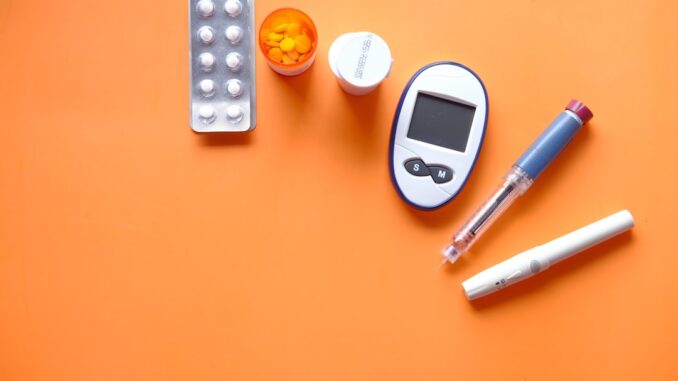

The GLP-1 Revolution: Reshaping the Landscape of Type 2 Diabetes Management
For far too long, managing type 2 diabetes (T2D) felt like an uphill battle, a relentless struggle against a progressive disease that exacts a heavy toll on individuals and healthcare systems alike. We’re talking about a condition that, globally, affects hundreds of millions, often leading to a cascade of debilitating complications like heart disease, kidney failure, and nerve damage. It’s a silent thief, gradually eroding quality of life. But something quite remarkable has happened over the past couple of decades, truly shifting the paradigm in how we approach this complex challenge.
The advent of GLP-1 receptor agonists (GLP-1 RAs) hasn’t just introduced a new class of medication; it’s sparked a genuine revolution. These aren’t just drugs that tinker with blood sugar; they offer a multifaceted attack, delivering not only superior glycemic control but also profound cardiovascular and renal benefits that were, honestly, almost unimaginable when these agents first hit the market. It’s safe to say, they’ve become a non-negotiable cornerstone in modern T2D management, and we’re just scratching the surface of their potential.
See how TrueNAS offers real-time support for healthcare data managers.
Unpacking the Mechanism: How GLP-1 RAs Work Their Magic
To truly appreciate the impact of GLP-1 RAs, you’ve got to understand the clever biology behind them. At their core, these medications mimic the action of a natural gut hormone, glucagon-like peptide-1 (GLP-1), which our bodies produce in response to food intake. This hormone is a key player in what we call the ‘incretin effect,’ essentially priming the pancreas to release insulin even before glucose levels fully rise. Think of it as a sophisticated biological early warning system.
Natural GLP-1, produced by L cells primarily in the ileum and colon, has a fleeting existence. It’s rapidly degraded by an enzyme called dipeptidyl peptidase-4 (DPP-4), giving it a half-life of mere minutes. This is where GLP-1 RAs step in. They’re designed to be resistant to DPP-4 degradation, meaning they can hang around in the body much longer, exerting a sustained, powerful influence on glucose metabolism. It’s like giving our body’s natural regulator a much-needed, long-acting boost.
So, what exactly do they do when they bind to GLP-1 receptors found in various tissues, including the pancreas, brain, and gut?
-
Enhanced Glucose-Dependent Insulin Secretion: This is crucial. Unlike older insulin secretagogues, like sulfonylureas, GLP-1 RAs stimulate insulin release only when blood glucose levels are elevated. This glucose-dependent mechanism significantly reduces the risk of hypoglycemia – a major concern with other insulin-boosting drugs. It’s a precision instrument, not a blunt force tool. When glucose is high, they gently nudge the pancreatic beta cells to produce more insulin, helping to shuttle glucose into cells. When glucose levels normalize, the stimulation subsides. It’s quite brilliant, isn’t it?
-
Suppression of Glucagon Release: Glucagon is insulin’s metabolic antagonist; it signals the liver to release stored glucose, thereby raising blood sugar. GLP-1 RAs put the brakes on inappropriate glucagon secretion, particularly after meals, further contributing to better glucose control. It’s a two-pronged attack: more insulin, less glucagon, leading to a much tighter regulation of blood glucose.
-
Slowed Gastric Emptying: This means food stays in your stomach a bit longer, leading to a more gradual absorption of glucose into the bloodstream. The result? Flatter postprandial (after-meal) glucose excursions, avoiding those sharp, unhealthy spikes. Moreover, this physiological slowing contributes significantly to the feeling of fullness.
-
Promotion of Satiety and Reduced Appetite: This is where the weight loss benefits truly kick in. GLP-1 receptors are present in areas of the brain that regulate appetite, like the hypothalamus. By acting on these centers, GLP-1 RAs reduce hunger signals, increase feelings of fullness, and can even lessen cravings, leading to a natural reduction in caloric intake. Patients often report feeling satisfied with smaller portions, which, frankly, is a game-changer for many struggling with weight.
Beyond these primary actions, ongoing research hints at other exciting possibilities, including potential benefits for beta-cell preservation, improvements in lipid metabolism, and even reduced liver glucose production. It’s a remarkably comprehensive approach to a systemic disease, you see.
A Deeper Look into the Clinical Efficacy and Beyond-Glycemic Benefits
When we talk about GLP-1 RAs, we’re not just talking about incremental improvements. Clinical trials have unequivocally demonstrated their robust efficacy, delivering benefits that extend far beyond simply lowering HbA1c, that three-month average of blood sugar we all track. They represent a significant stride forward in managing the holistic health of individuals with T2D.
Glycemic Control: The Foundation
Initially, GLP-1 RAs were celebrated for their ability to significantly reduce HbA1c levels, typically by 1.0-1.5%, and often even more, surpassing many other oral antidiabetic agents. But it’s not just about that average; they effectively tackle both fasting plasma glucose and, critically, those troublesome postprandial glucose spikes. For someone living with T2D, this translates to more stable energy levels, fewer symptoms of high blood sugar, and a reduced risk of long-term complications.
When you compare them to older agents, the difference is stark. Sulfonylureas, for example, can also lower HbA1c, but at a much higher risk of hypoglycemia and often with associated weight gain. GLP-1 RAs offer a safer, more sustainable path to glycemic control, especially when used in combination with other foundational therapies like metformin.
Weight Management: A Crucial Co-benefit
Obesity and T2D are inextricably linked, often described as ‘diabesity.’ For years, weight loss in T2D management was a constant struggle, with many medications actually contributing to weight gain. This is where GLP-1 RAs truly shine. The typical weight loss observed in clinical practice ranges from 2 to 6 kilograms with first-generation agents like liraglutide, but with newer, more potent molecules like semaglutide (particularly at higher doses approved for weight management) and especially tirzepatide (a dual GLP-1/GIP agonist), the weight loss can be substantially more, often reaching 10-15% of body weight, sometimes even more.
This isn’t just about aesthetics; it’s about profoundly improving insulin sensitivity, reducing fat mass, and alleviating the metabolic burden on organs. Imagine the impact on comorbidities like non-alcoholic fatty liver disease (NAFLD), obstructive sleep apnea, and joint pain. It’s a ripple effect of health improvements that can truly transform a patient’s life, and honestly, can’t be overstated. You see patients come alive again, feeling better, moving more easily. It’s incredibly rewarding.
Cardiovascular Benefits: A Game-Changer
Perhaps the most exciting revelation about GLP-1 RAs has been their ability to protect the cardiovascular system. For a long time, diabetes medications were judged primarily on their glycemic control, but the true test of a T2D therapy now includes its impact on major adverse cardiovascular events (MACE), which includes heart attack, stroke, and cardiovascular death. GLP-1 RAs, particularly liraglutide (LEADER trial), semaglutide (SUSTAIN-6 trial), and dulaglutide (REWIND trial), have consistently shown a reduced risk of MACE, especially in patients with established cardiovascular disease or multiple risk factors.
How do they achieve this? It’s multifactorial:
- Blood Pressure Reduction: They often lead to modest but clinically significant reductions in systolic blood pressure.
- Improved Lipid Profiles: Some studies suggest beneficial effects on cholesterol and triglyceride levels.
- Anti-inflammatory Effects: GLP-1 receptors are found on immune cells, and these drugs may have direct anti-inflammatory properties, potentially stabilizing atherosclerotic plaques.
- Direct Vascular Effects: There’s evidence of improved endothelial function, which is critical for healthy blood vessels.
- Weight Loss: Less weight equals less strain on the heart, less hypertension, and often better lipid control.
This protective effect on the heart isn’t just an added bonus; it’s a cornerstone benefit that has cemented their place as essential therapy, particularly for high-risk individuals. We’re talking about reducing the chances of the very complications that often lead to premature death and disability in T2D.
Renal Benefits: The Next Frontier of Protection
More recently, the spotlight has turned to the remarkable renal protective effects of GLP-1 RAs. Diabetic kidney disease (DKD) is a devastating complication, often progressing to end-stage renal disease requiring dialysis or transplantation. The U.S. FDA’s approval of semaglutide for reducing the risk of kidney failure and cardiovascular events in patients with T2D and chronic kidney disease (CKD) was a pivotal moment, marking a significant advancement in treatment options.
Trials like FLOW for semaglutide showed substantial benefits in slowing the progression of kidney disease, reducing markers like albuminuria, and preserving kidney function. It seems these agents protect the kidneys through a combination of better glycemic control, reduced blood pressure, and potentially direct renoprotective effects, like modulating intra-glomerular pressure and reducing inflammation within the kidney. Pairing these with SGLT2 inhibitors, another class with profound renal benefits, seems to offer a truly synergistic approach, promising a brighter future for patients at risk of kidney failure.
The Evolving Landscape: Recent Developments and Future Promise
If the initial impact of GLP-1 RAs was revolutionary, their ongoing evolution is nothing short of breathtaking. The pace of innovation in this space is incredible, driven by a deeper understanding of incretin biology and a relentless pursuit of better patient outcomes.
Convenience Takes Center Stage: From Injections to Pills
One of the initial hurdles for GLP-1 RAs was the need for injectable administration. While daily or weekly injections became commonplace, the idea of an oral option always loomed large for patient convenience and adherence. Enter oral semaglutide (Rybelsus), a game-changer for many. This oral formulation, achieved through a co-formulation with an absorption enhancer (salcaprozate sodium, or SNAC), allows semaglutide to be absorbed in the stomach, bypassing enzymatic degradation. This development truly broadened accessibility, making these powerful medications more palatable for patients who might shy away from injections. And let’s be honest, who wouldn’t prefer a pill if it’s just as effective?
Beyond GLP-1: The Rise of Multi-Agonists
The pharmaceutical industry, never one to rest on its laurels, quickly realized that if GLP-1 was good, perhaps GLP-1 plus something else could be even better. This led to the development of ‘dual’ and even ‘triple’ agonists:
-
GLP-1/GIP Dual Agonists: Tirzepatide (Mounjaro) is the prime example here, an agonist for both GLP-1 and glucose-dependent insulinotropic polypeptide (GIP) receptors. GIP is another incretin hormone, and combining its action with GLP-1 has resulted in unprecedented efficacy in both HbA1c reduction and weight loss, often exceeding what’s seen with GLP-1 monotherapy. Patients on tirzepatide have achieved HbA1c reductions of 2% or more and average weight loss figures that rival bariatric surgery in some cases. It’s truly a new benchmark, challenging our previous expectations of what pharmacotherapy can achieve.
-
GLP-1/GIP/Glucagon Triple Agonists: The next generation is already in clinical trials. Agents like retatrutide are designed to activate receptors for GLP-1, GIP, and glucagon (but in a way that suppresses appetite and promotes energy expenditure, unlike physiological glucagon). The early data for these triple agonists suggests even greater weight loss and metabolic improvements, pushing the boundaries of what’s possible in obesity and T2D treatment. It feels like we’re on the cusp of another seismic shift, doesn’t it?
-
Co-formulations for Enhanced Effects: We’re also seeing combination products emerge, like cagrilintide/semaglutide (CagriSema). Cagrilintide is an amylin analog, another hormone involved in glucose homeostasis and satiety. Combining it with semaglutide aims to achieve even more profound weight loss than either agent alone, further illustrating the ingenuity in this field.
Expanding Horizons: Beyond Type 2 Diabetes
The success of GLP-1 RAs, particularly in weight management, has logically led to their expanded use in treating obesity in individuals without diabetes. Semaglutide (Wegovy) and tirzepatide (Zepbound) are now approved for chronic weight management, offering powerful new tools in the fight against a global obesity epidemic. The World Health Organization (WHO) has even backed their use for obesity, though they wisely warn that access will likely remain limited due to cost and supply.
Moreover, the therapeutic potential of these drugs extends even further. Researchers are actively exploring their use in conditions like non-alcoholic steatohepatitis (NASH), heart failure with preserved ejection fraction (HFpEF), and even neurodegenerative diseases, given the presence of GLP-1 receptors in the brain. The full scope of their benefits is still being unraveled, and I, for one, can’t wait to see what else they’re capable of.
Navigating the Road Ahead: Challenges and Considerations
Despite the undeniable breakthroughs, the path forward isn’t without its bumps. While GLP-1 RAs have revolutionized T2D management, they’ve also introduced a new set of challenges that demand our attention as healthcare professionals and policymakers.
The Elephant in the Room: Cost and Accessibility
Let’s be blunt: these medications are expensive. The high cost of GLP-1 receptor agonists presents a significant barrier to access for countless patients worldwide. In many countries, insurance coverage can be spotty or require stringent prior authorizations, leaving patients to face prohibitive out-of-pocket expenses. This creates a deeply troubling disparity, where effective, life-changing treatment is available, but only to those who can afford it. It’s a real ethical dilemma, frankly.
The global demand for these drugs has also led to widespread drug shortages, exacerbating the problem. Reports of Novo Nordisk gearing up for Ozempic launch in India in 2025 highlight the global expansion and the fierce competition, as seen with China’s Innovent Biologics claiming its GLP-1 works better than Novo’s semaglutide in some studies. While competition could eventually drive down prices, for now, accessibility remains a major hurdle that urgently needs innovative solutions from pharmaceutical companies, governments, and healthcare systems. The idea of these being ‘luxury drugs’ for weight loss, rather than essential medicines for chronic disease, is a narrative we need to critically examine.
Side Effects: Managing Expectations
While generally well-tolerated, GLP-1 RAs do come with potential side effects, primarily gastrointestinal in nature. Nausea, vomiting, diarrhea, and constipation are common, especially when initiating treatment or escalating doses. Most of these are transient and can often be managed with careful dose titration and patient education.
Less common but more serious concerns include a low risk of pancreatitis and gallbladder issues. There’s also the well-known ‘black box warning’ regarding thyroid C-cell tumors in rodents; however, the clinical relevance of this finding in humans remains largely debated and hasn’t been definitively established in long-term human studies. Patients need clear, honest conversations about these possibilities. You know, setting realistic expectations helps immensely with adherence.
Adherence and Persistence: The Long Game
Even with the convenience of once-weekly injections or oral formulations, long-term adherence to any medication regimen can be challenging. Patients need to understand that T2D is a chronic condition requiring continuous management. These aren’t a quick fix or a cure, and discontinuation can lead to a return of symptoms and weight regain. Patient education, ongoing support from healthcare teams, and careful monitoring are essential for ensuring patients stick with their treatment plan and maximize the benefits.
Lifestyle Modifications Remain Paramount
Crucially, GLP-1 RAs are powerful tools, but they are not magic bullets, nor do they replace the fundamental importance of lifestyle interventions. Comprehensive management of T2D still hinges on dietary changes, regular physical activity, and consistent self-monitoring. These medications work best when integrated into a holistic approach that empowers patients to make sustainable, healthy choices. Think of them as an incredibly effective tailwind, pushing you forward, but you still have to steer the boat, right?
The Path Forward: A Vision of Integrated Care
In conclusion, GLP-1 receptor agonists have fundamentally transformed the management of type 2 diabetes. They’ve shifted our focus from mere glycemic control to a comprehensive strategy that embraces cardiovascular and renal protection, significant weight management, and an overall improvement in patient quality of life. The evolution from daily injections to oral formulations, and the emergence of multi-agonists, continues to push the boundaries of efficacy and convenience, hinting at an even more personalized future for diabetes care.
However, the excitement must be tempered with a pragmatic understanding of the ongoing challenges, particularly regarding cost and global accessibility. As an industry, we owe it to our patients to find solutions that ensure these life-changing therapies are available to all who need them, not just a privileged few. Ongoing research, competitive innovation, and thoughtful healthcare policy will be crucial in this endeavor.
Ultimately, for individuals living with type 2 diabetes, these drugs offer a renewed sense of hope, a tangible path towards not just managing their condition, but truly thriving. And for us, as healthcare professionals, it’s an incredibly exciting time to be part of this journey, isn’t it? The future of T2D care, driven by these remarkable agents, looks brighter than ever before.
Be the first to comment