
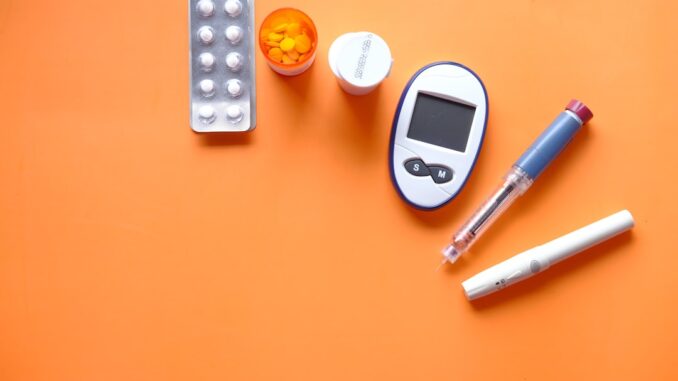

A New Horizon in Diabetes Care: Medtronic and Abbott Unite for Enhanced Management
For anyone navigating the complexities of diabetes, the relentless mental and physical toll is profoundly understood. It isn’t just about blood sugar numbers; it’s the constant vigilance, the calculations, the worry. But what if that burden could be lightened, substantially? What if technology could genuinely offer a seamless, almost invisible layer of support, working tirelessly in the background? Well, friends, we’re seeing another monumental stride in that direction.
Medtronic, a titan in medical technology, has just rolled out its acclaimed MiniMed™ 780G insulin pump system, now beautifully integrated with Abbott’s cutting-edge Instinct™ sensor, across the United States. This isn’t just another product launch; it’s a deeply significant collaboration, truly marking a pivotal moment in how we approach diabetes management. Think about it: combining Medtronic’s decades of expertise in intelligent insulin delivery with Abbott’s innovative continuous glucose monitoring (CGM) technology creates a formidable partnership, doesn’t it?
Safeguard patient information with TrueNASs self-healing data technology.
This synergy promises to elevate the standard of care, offering a more intuitive and less intrusive way for millions to manage their condition. It’s about bringing together two best-in-class components to create something greater than the sum of its parts, moving us closer to a truly automated, worry-free existence for those living with diabetes.
The MiniMed™ 780G System: A Brain for Your Body
Let’s be frank, managing Type 1 diabetes is practically a full-time job. You’re constantly monitoring, adjusting, calculating carbs, and trying to anticipate your body’s every move. It’s exhausting. This is where the MiniMed™ 780G truly shines. It’s renowned for its advanced automated insulin delivery capabilities, almost like having a tiny, dedicated endocrinologist tucked away on your belt. This system doesn’t just deliver insulin; it thinks.
What makes it so impressive, you ask? It’s the sophisticated algorithm, often dubbed the SmartGuard™ technology, at its core. This intelligent system adjusts insulin levels every five minutes based on real-time glucose readings. Imagine, predictive capabilities that anticipate trends, making micro-corrections to your basal insulin and delivering automatic correction boluses when needed. It’s designed to keep you within a personalized target range, aiming for an optimal glucose level, often around 100 mg/dL, though you can adjust that target somewhat with your doctor. This means fewer highs, fewer lows, and crucially, less mental heavy lifting on your part.
I recall speaking with a patient once, ‘Sarah,’ who’d spent years meticulously counting carbs, setting alarms, and waking up in a cold sweat, worried about overnight lows. The introduction of an automated insulin delivery system, particularly one like the 780G, absolutely transformed her life. ‘It’s like I finally got to turn off a part of my brain that’s been running 24/7 since I was a teenager,’ she told me, her eyes welling up a bit. ‘I’m sleeping better, truly sleeping, for the first time in years, and I don’t feel like I’m constantly fighting my own body.’ That’s the real-world impact we’re talking about.
The system’s ability to automatically deliver correction boluses is a huge step forward. Traditional pumps might suggest a correction, but you’d still have to confirm and deliver it. The 780G streamlines this, proactively keeping glucose levels stable. This constant, gentle guidance dramatically improves a crucial metric in diabetes care: Time in Range (TIR). For those unfamiliar, TIR is the percentage of time a person’s blood glucose levels remain within a healthy target range (typically 70-180 mg/dL). Clinicians and patients alike recognize that a higher TIR significantly reduces the risk of long-term complications like nerve damage, kidney disease, and vision problems. Achieving greater than 70% TIR is a common goal, and systems like the 780G make this far more attainable.
The Instinct™ Sensor: Small Size, Big Impact
Now, let’s talk about the other half of this powerful duo: Abbott’s Instinct™ sensor. You see, an intelligent pump is only as good as the data it receives. Garbage in, garbage out, right? This is where the Instinct™ sensor truly shines, providing the high-quality, real-time glucose information the 780G’s algorithm needs to perform optimally.
Abbott has been a formidable player in the CGM space, especially known for its FreeStyle Libre family of sensors, which have democratized glucose monitoring for millions worldwide. The Instinct™ sensor is their latest innovation, and it’s quite something. It proudly holds the title of the world’s smallest and thinnest sensor. Does that sound like a minor detail? It isn’t, not by a long shot. For a device worn on your body for days on end, size and discretion are paramount. It’s less intrusive, easier to wear discreetly under clothing, and less prone to getting snagged or bumped during daily activities. Imagine, a tiny disc, barely noticeable, continuously sending vital data to your pump.
Perhaps its most celebrated feature, however, is its extended wear time: up to 15 days of continuous use. When you compare this to many other sensors that require changes every 7 to 10 days, you quickly realize the convenience factor. Fewer sensor changes mean less hassle, less waste, and more uninterrupted data collection. It’s one less thing to worry about in an already busy life. Plus, and this is a big one, the Instinct™ sensor is factory calibrated, meaning no fingersticks are typically required for calibration once it’s applied, which is a massive quality of life improvement for anyone who remembers the days of multiple daily finger pricks.
The seamless communication between the Instinct™ sensor and the MiniMed™ 780G pump, likely via robust Bluetooth technology, ensures that the algorithm receives accurate, minute-by-minute glucose readings. This precise input allows the pump to make those critical, automated insulin adjustments with confidence, creating a truly unified and highly effective system.
Why This Collaboration Matters: Breaking Down Silos
This integration isn’t merely a technical feat; it represents a significant shift in the diabetes technology landscape. Traditionally, many closed-loop or automated insulin delivery systems were often ‘vertically integrated,’ meaning a single company supplied both the pump and the sensor. Medtronic, by embracing Abbott’s Instinct™ sensor, is strategically expanding its sensor portfolio, offering users more choice, and frankly, I think that’s a brilliant move. Why limit options when the goal is truly personalized care?
Dr. Steve Edelman, a highly respected figure in the diabetes community who also lives with Type 1 diabetes and founded Taking Control of Your Diabetes, perfectly articulated the impact. ‘Bringing together the Instinct sensor with the excellent algorithm of the MiniMed 780G system creates an extremely effective combination,’ he shared. He’s seen firsthand the benefits: ‘With the MiniMed 780G system, my patients have seen improved time in range, and now with the Instinct sensor, it’s a seamless experience.’ And honestly, when someone who lives with the condition every single day speaks, you listen. A ‘seamless experience’ means less fumbling, less frustration, and ultimately, more time living and less time managing.
This strategic partnership highlights a growing recognition within the industry that focusing on best-of-breed components, regardless of the manufacturer, can yield superior results for the patient. Medtronic isn’t just relying on its own excellent Simplera Sync™ and Guardian™ 4 sensors; it’s broadening its horizons to include other top-tier options. This approach makes sense, doesn’t it? Different people have different preferences, skin sensitivities, and lifestyles. Offering a diverse portfolio ensures that more individuals can find a solution that genuinely fits their unique needs.
Que Dallara, Executive Vice President and President of Medtronic Diabetes, rightly emphasized the significance of this launch: ‘This milestone marks an important next step in our work to bring the proven clinical outcomes of our MiniMed 780G system to more people living with diabetes.’ It’s about accessibility, about ensuring that the benefits of advanced automation aren’t confined to a select few but are extended to a wider patient population. It’s an admirable goal, one that benefits everyone.
The Competitive Landscape and Future Implications
The diabetes technology market is fiercely competitive, with innovators like Tandem Diabetes Care (partnering with Dexcom CGMs) and Insulet (with their Omnipod Dash and 5 systems, also integrating with Dexcom) constantly pushing the boundaries. Medtronic’s collaboration with Abbott positions them robustly in this dynamic environment. By integrating a leading external sensor, they’re not just playing catch-up; they’re demonstrating a commitment to open innovation and patient choice, which is a powerful differentiator.
What does this mean for the future? We’re on the cusp of truly transformational changes. We can anticipate even smarter algorithms, potentially incorporating more sophisticated AI and machine learning to predict glucose excursions with even greater accuracy, leading to hyper-personalized insulin delivery. Miniaturization of devices will continue, with the promise of even smaller pumps, perhaps entirely patch-based systems that are almost invisible. Sensors could offer even longer wear times, or even be implantable for months at a time, further reducing the physical and mental burden.
Beyond just glucose and insulin, future systems might integrate with other health data – from smartwatches tracking activity to advanced analytics platforms offering holistic health insights. The ultimate goal, as many see it, is a truly ‘closed-loop’ system where human intervention is minimal, allowing individuals with diabetes to live their lives with unprecedented freedom and peace of mind. We might even see integration of other adjunct therapies alongside insulin, further refining blood sugar control.
Think of the impact on healthcare systems. Improved glucose control translates to fewer acute complications, reduced hospitalizations for severe hypo- or hyperglycemia, and a decrease in the long-term, debilitating complications that place immense strain on both individuals and healthcare budgets. It’s a win-win situation, really.
Aren’t we all looking for ways to live better, fuller lives, especially when managing chronic conditions? This partnership is a testament to that shared human desire, a beacon of hope for many.
A Promising Path Forward
This launch of the MiniMed™ 780G system with the Instinct™ sensor is far more than just a commercial endeavor; it’s a significant leap forward in the ongoing quest to simplify diabetes management and improve the quality of life for millions. It underscores the power of collaboration and innovation in tackling complex health challenges. By bringing together cutting-edge technology from two industry leaders, Medtronic and Abbott are truly empowering individuals to take back control, to worry less, and to live more.
This isn’t the finish line, of course. It’s another exciting milestone on a continuous journey toward a future where diabetes management becomes less of a constant battle and more of a subtle, automated partnership with technology. And that, my friends, is a future worth getting excited about.
For more comprehensive information on the MiniMed™ 780G system and its impressive features, you should definitely check out Medtronic’s official website.
A quick but crucial reminder: Always, always consult with your healthcare professional before making any changes to your diabetes management plan or treatment regimen. They’re your best resource!
Be the first to comment