
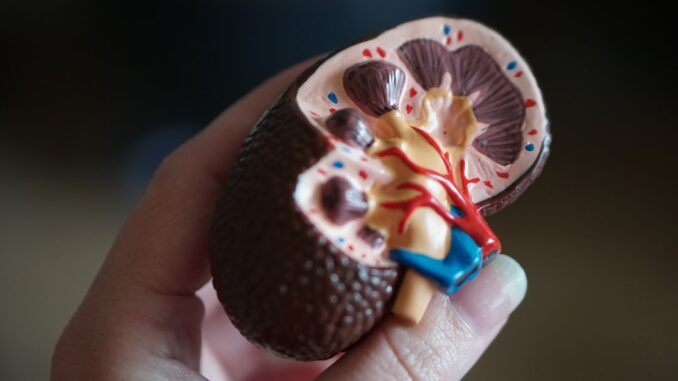

Comprehensive Review: Acute Kidney Injury in Pediatric Populations
Many thanks to our sponsor Esdebe who helped us prepare this research report.
Abstract
Acute Kidney Injury (AKI) represents a critical and multifaceted clinical syndrome in pediatric populations, characterized by an abrupt and significant decline in renal function. This decline leads to the impaired ability of the kidneys to excrete metabolic waste products, regulate fluid and electrolyte balance, and maintain acid-base homeostasis. The consequences range from immediate life-threatening complications to profound long-term health detriments, including progression to chronic kidney disease (CKD), cardiovascular disease, and neurocognitive impairment. This comprehensive review aims to provide an exhaustive understanding of pediatric AKI, meticulously detailing its diverse and age-specific etiologies, global epidemiological trends with nuanced regional variations, established and emerging diagnostic criteria, and universally adopted staging systems. Furthermore, it delves into the intricate pathophysiology underpinning renal injury, a spectrum of conventional and advanced therapeutic interventions—including various forms of renal replacement therapy (RRT) such as intermittent hemodialysis (IHD), peritoneal dialysis (PD), and continuous renal replacement therapy (CRRT)—and the enduring long-term sequelae that necessitate diligent post-AKI surveillance. By synthesizing the latest scientific research and clinical guidelines, this report endeavors to furnish healthcare professionals with an updated, in-depth resource to enhance the prevention, early detection, and effective management of AKI in children, ultimately striving to improve patient outcomes and quality of life.
Many thanks to our sponsor Esdebe who helped us prepare this research report.
1. Introduction
Acute Kidney Injury (AKI) is a severe clinical condition defined by a rapid deterioration of kidney function, resulting in the retention of nitrogenous waste products (such as urea and creatinine) and dysregulation of fluid, electrolyte, and acid-base balance. In pediatric patients, AKI presents a unique set of challenges compared to adults, largely due to physiological differences, a broader spectrum of underlying etiologies, and the potential for significant impact on growth, development, and long-term health trajectories. The immature and developing kidneys of neonates and young children are particularly vulnerable to various insults, making them susceptible to higher rates of AKI, often with a more severe course [7, 13].
Understanding the intricacies of AKI in children is paramount for several reasons. Firstly, its incidence is substantial, particularly in critically ill pediatric patients, where it is independently associated with increased morbidity, prolonged hospital stays, and elevated mortality rates [1]. Secondly, the clinical presentation can be highly variable, ranging from subtle biochemical changes to severe, life-threatening multi-organ dysfunction, often complicating timely diagnosis. Thirdly, even seemingly ‘resolved’ AKI episodes can leave an indelible mark on kidney health, predisposing survivors to long-term complications, most notably the progression to chronic kidney disease (CKD) [4].
This report offers an expanded and comprehensive exploration of pediatric AKI, moving beyond a basic overview to provide detailed insights into its prevalence, the specific factors contributing to its development in different age groups and settings, the molecular and cellular mechanisms of kidney damage, the diagnostic paradigms employing both traditional and novel biomarkers, and the therapeutic strategies tailored for this vulnerable population. Crucially, it emphasizes the importance of understanding the long-term ramifications and the imperative for robust prevention and surveillance programs to mitigate the enduring health burdens associated with pediatric AKI.
Many thanks to our sponsor Esdebe who helped us prepare this research report.
2. Epidemiology of Pediatric AKI
The true incidence of pediatric AKI is notoriously difficult to ascertain precisely, primarily due to variations in diagnostic criteria, surveillance methodologies, and study populations across different geographical regions and healthcare settings. However, available data unequivocally indicate that AKI is a common and serious problem in children, with incidence rates varying significantly based on the patient cohort and clinical context.
In general hospitalized pediatric populations, the reported incidence of AKI ranges from approximately 1% to 10%. This figure rises dramatically in more vulnerable subgroups. Critically ill children admitted to pediatric intensive care units (PICUs) face the highest burden, with prevalence rates reaching 30-50% [1, 7]. For instance, studies have shown that AKI affects up to 35% of critically ill children [1], and in certain high-risk scenarios, such as after cardiac surgery, the incidence can exceed 50-60%. Other high-risk groups include children undergoing hematopoietic stem cell transplantation, those with severe sepsis or septic shock, cancer patients receiving nephrotoxic chemotherapy, and children with complex congenital heart disease.
Neonates and infants constitute a particularly susceptible demographic, exhibiting a disproportionately higher incidence of AKI compared to older children [16]. This heightened vulnerability is attributable to several factors, including the immaturity of their renal systems (fewer nephrons, lower baseline glomerular filtration rate, reduced tubular concentrating capacity), increased susceptibility to perinatal events such as birth asphyxia and respiratory distress syndrome, and higher fluid turnover. Younger children, particularly those aged 1 month to 1 year, are consistently identified as being at greater risk for developing AKI, often due to infections like severe gastroenteritis leading to dehydration, or conditions requiring complex medical interventions [16].
Geographical disparities in AKI epidemiology are also prominent, often reflecting differences in healthcare infrastructure, prevalence of infectious diseases, and access to advanced medical care. In resource-rich settings, pediatric AKI is frequently associated with complex medical and surgical conditions, multi-organ failure, and the use of life-sustaining therapies. The primary drivers often include sepsis, congenital heart disease, nephrotoxic medication exposure, and complications following major surgeries.
Conversely, in resource-limited settings, the landscape of pediatric AKI is often dominated by preventable causes such as infectious diseases (e.g., severe diarrheal diseases, malaria, dengue fever, leptospirosis, HIV-associated nephropathy), severe dehydration, snakebites, and exposure to traditional herbal remedies or toxins [9]. In these regions, diagnostic capabilities are often constrained, and access to advanced treatments like renal replacement therapy is limited, leading to higher rates of severe AKI and significantly elevated mortality [9]. A study highlighted that in resource-limited settings, infectious diseases and nephrotic syndrome are common causes of AKI, often compounding the challenges of management [9].
Mortality rates associated with pediatric AKI are considerable, ranging from 10% to 60%, with the highest rates observed in critically ill children requiring renal replacement therapy or those with multi-organ dysfunction. Beyond mortality, AKI significantly contributes to prolonged hospitalizations, increased healthcare costs, and a heightened risk of various long-term adverse health outcomes, underscoring its profound impact on pediatric health worldwide [6, 15].
Many thanks to our sponsor Esdebe who helped us prepare this research report.
3. Etiology of Pediatric AKI
The diverse causes of AKI in children are conventionally categorized into three main pathophysiological groups: prerenal, intrinsic renal, and postrenal. Understanding these categories is fundamental to effective diagnosis and targeted management.
3.1. Prerenal Causes (Perfusion-Related AKI)
Prerenal AKI arises from conditions that lead to decreased renal perfusion, without direct parenchymal damage to the kidney itself. The kidney’s autoregulatory mechanisms typically maintain a stable glomerular filtration rate (GFR) despite fluctuations in systemic blood pressure. However, when systemic perfusion drops below the autoregulatory threshold, or when these mechanisms are compromised, renal blood flow diminishes, leading to reduced GFR and potentially, tubular ischemia if prolonged. In children, common prerenal causes include:
- Hypovolemia: This is arguably the most frequent cause of prerenal AKI in children. It can result from significant fluid losses due to gastroenteritis (vomiting and diarrhea), inadequate oral intake, diabetes insipidus, excessive diuretic use, hemorrhage, severe burns, or ‘third-spacing’ of fluids into interstitial spaces (e.g., in sepsis, pancreatitis, or severe nephrotic syndrome).
- Decreased Cardiac Output: Conditions that impair the heart’s pumping efficiency can reduce systemic blood flow to the kidneys. These include cardiogenic shock (e.g., due to congenital heart disease, myocarditis, arrhythmias), severe pulmonary hypertension, and obstructive shock (e.g., cardiac tamponade, tension pneumothorax).
- Systemic Vasodilation: Widespread vasodilation, as seen in severe sepsis, anaphylaxis, or certain drug reactions, leads to a reduction in effective circulating blood volume and subsequent renal hypoperfusion.
- Renal Vasoconstriction: Certain medications or physiological states can cause afferent arteriolar vasoconstriction, reducing renal blood flow. Examples include non-steroidal anti-inflammatory drugs (NSAIDs), which inhibit prostaglandin synthesis (prostaglandins help maintain renal blood flow, especially in hypovolemic states), and calcineurin inhibitors. Angiotensin-converting enzyme (ACE) inhibitors or angiotensin receptor blockers (ARBs) can also precipitate AKI, particularly in children with underlying renal artery stenosis or severe volume depletion, by inhibiting efferent arteriolar constriction, thus reducing glomerular hydrostatic pressure.
- Specific Pediatric Concerns: In neonates, perinatal asphyxia, severe respiratory distress syndrome, and persistent pulmonary hypertension can significantly compromise renal perfusion and contribute to AKI.
3.2. Intrinsic Renal Causes (Parenchymal Damage AKI)
Intrinsic renal AKI results from direct injury to the renal parenchyma—the glomeruli, tubules, interstitium, or renal vasculature. These conditions directly impair kidney function and are often more severe and complex to manage.
- Acute Tubular Necrosis (ATN): This is the most common form of intrinsic AKI, primarily affecting the renal tubules. ATN typically results from prolonged or severe prerenal hypoperfusion (ischemic ATN) or exposure to nephrotoxic agents (nephrotoxic ATN).
- Ischemic ATN: Occurs after sustained renal hypoperfusion, leading to hypoxia and energy depletion in the highly metabolically active tubular cells, particularly those in the medulla. This causes cellular injury, detachment, and sloughing, leading to tubular obstruction and backleak of glomerular filtrate.
- Nephrotoxic ATN: Caused by medications or toxins that directly damage tubular cells. Common nephrotoxins in children include aminoglycoside antibiotics (e.g., gentamicin), vancomycin, certain chemotherapy agents (e.g., cisplatin, ifosfamide, methotrexate), contrast media, and heavy metals. Endogenous toxins like myoglobin (from rhabdomyolysis due to trauma, prolonged seizures, severe exercise, or certain genetic disorders) and hemoglobin (from severe hemolysis) can also cause ATN.
- Glomerulonephritis: This refers to inflammation of the glomeruli, the kidney’s filtering units. It can be primary (affecting only the kidneys) or secondary to systemic diseases. Examples include post-infectious glomerulonephritis (e.g., post-streptococcal glomerulonephritis), IgA nephropathy, Henoch-Schönlein purpura nephritis, lupus nephritis, and ANCA-associated vasculitis. These conditions involve immune-mediated damage to the glomeruli, leading to impaired filtration and often presenting with hematuria, proteinuria, hypertension, and edema.
- Hemolytic Uremic Syndrome (HUS): A critical cause of AKI in children, particularly in infants and toddlers. HUS is characterized by the triad of microangiopathic hemolytic anemia, thrombocytopenia, and AKI. Most cases are caused by Shiga toxin-producing Escherichia coli (STEC-HUS), typically following a diarrheal illness. Atypical HUS (aHUS) is less common and results from uncontrolled activation of the complement system, often due to genetic mutations [2].
- Acute Interstitial Nephritis (AIN): This is an inflammatory process primarily affecting the renal interstitium and tubules, sparing the glomeruli. It is most commonly drug-induced (e.g., beta-lactam antibiotics, NSAIDs, proton pump inhibitors, furosemide) or can be associated with infections or systemic autoimmune diseases.
- Renal Vascular Disease: Conditions affecting the renal blood vessels can cause acute kidney damage. These include renal artery thrombosis or embolism (e.g., in neonates with umbilical artery catheters, or children with congenital heart disease), renal vein thrombosis (e.g., in dehydrated neonates or children with nephrotic syndrome), and vasculitis affecting renal arteries.
- Genetic and Congenital Conditions: While many lead to CKD, they can present with acute exacerbations or be identified during an AKI episode (e.g., polycystic kidney disease, obstructive uropathies leading to recurrent infections or stones).
- Oncologic Nephrology: Tumor lysis syndrome, a complication of aggressive chemotherapy in cancers with high cell turnover (leukemia, lymphoma), releases large amounts of intracellular contents (potassium, phosphate, uric acid) into the circulation, leading to severe electrolyte disturbances and acute uric acid nephropathy.
3.3. Postrenal Causes (Obstructive AKI)
Postrenal AKI results from an obstruction to the outflow of urine at any level from the renal pelvis to the urethral meatus. This blockage leads to a buildup of pressure in the urinary tract, which is transmitted back to the renal tubules and glomeruli, impairing filtration. Prompt recognition and relief of obstruction are crucial to prevent irreversible kidney damage.
- Congenital Anomalies: These are common in pediatric postrenal AKI, often detected prenatally or in infancy. Examples include posterior urethral valves (PUV) in boys (the most common cause of lower urinary tract obstruction in male infants), ureteropelvic junction (UPJ) obstruction, ureterovesical junction (UVJ) obstruction, and neurogenic bladder dysfunction.
- Acquired Obstruction: This can occur at any age and includes:
- Urolithiasis (Kidney Stones): More prevalent in older children and adolescents, often associated with metabolic disorders or recurrent urinary tract infections.
- Blood Clots or Sloughed Papillae: Can obstruct the ureters, particularly after trauma or renal injury.
- External Compression: Tumors (e.g., Wilms’ tumor, neuroblastoma), retroperitoneal fibrosis, or large abdominal masses can compress the ureters.
- Bladder Outlet Obstruction: Severe constipation, fecal impaction, or functional bladder outlet obstruction can hinder urine flow.
- Catheter Issues: A blocked or kinked Foley catheter can cause acute urinary retention and AKI.
In resource-limited settings, infectious diseases and nephrotic syndrome are frequently reported as common causes of AKI, often exacerbated by delayed presentation and limited access to timely and appropriate medical care [9]. The interplay of these diverse etiologies underscores the complexity of pediatric AKI and the necessity for a thorough diagnostic approach.
Many thanks to our sponsor Esdebe who helped us prepare this research report.
4. Pathophysiology
The pathophysiology of AKI is a complex interplay of hemodynamic alterations, direct cellular injury, and robust inflammatory and immune responses. While the initiating events differ across prerenal, intrinsic renal, and postrenal categories, the ultimate outcome is a cascade of events leading to nephron dysfunction and damage. Understanding these mechanisms is crucial for developing targeted therapies.
4.1. The AKI Cascade: From Insult to Injury
-
Initial Insult: The process begins with an acute stressor, which can be ischemic (e.g., severe hypoperfusion from shock, sepsis), toxic (e.g., nephrotoxic drugs, toxins), inflammatory (e.g., glomerulonephritis, AIN), or obstructive (e.g., urinary tract blockage).
-
Ischemia-Reperfusion Injury (in Prerenal and Ischemic ATN):
- Hypoxia and ATP Depletion: Reduced blood flow leads to cellular hypoxia, disrupting oxidative phosphorylation and severely depleting adenosine triphosphate (ATP) reserves. This impairs energy-dependent cellular processes, including ion pumps (like Na+/K+-ATPase), leading to intracellular ion imbalances (Na+ and Ca2+ influx, K+ efflux).
- Mitochondrial Dysfunction: Mitochondria are highly sensitive to ischemia. They swell, lose integrity, and release pro-apoptotic factors, contributing to cell death. Reperfusion, while necessary, can paradoxically exacerbate injury by generating reactive oxygen species (ROS) and reactive nitrogen species (RNS), leading to oxidative stress, lipid peroxidation, protein damage, and DNA damage.
- Endothelial Dysfunction: Ischemia-reperfusion injures renal microvascular endothelial cells, leading to increased vascular permeability, leukocyte adhesion, microthrombi formation, and persistent vasoconstriction. This ‘no-reflow’ phenomenon further compounds ischemia.
-
Direct Cellular Injury (in Nephrotoxic ATN):
- Nephrotoxins directly target and damage renal tubular cells, often due to their high metabolic activity and role in concentrating substances. Mechanisms include direct cytotoxicity, oxidative stress, mitochondrial damage, and induction of apoptosis or necrosis. For example, aminoglycosides accumulate in tubular cells, leading to lysosomal dysfunction and cell death, while cisplatin induces DNA damage and mitochondrial toxicity.
-
Inflammation and Immune Response: Regardless of the initial insult, AKI triggers a significant inflammatory response within the kidney. This involves:
- Activation of Innate Immune Cells: Damaged renal cells release danger-associated molecular patterns (DAMPs) that activate resident renal immune cells (e.g., macrophages, dendritic cells) and recruit circulating leukocytes (neutrophils, monocytes/macrophages) into the renal interstitium.
- Cytokine and Chemokine Release: These immune cells release pro-inflammatory cytokines (e.g., TNF-alpha, IL-1beta, IL-6) and chemokines, which further exacerbate inflammation, promote leukocyte infiltration, and contribute to tubular cell injury and fibrosis.
- Adaptive Immune System Involvement: In some forms of AKI (e.g., glomerulonephritis, AIN), specific adaptive immune responses involving T and B lymphocytes directly mediate renal injury.
-
Tubular Dysfunction and Structural Changes: Irrespective of the cause, renal tubular cells are particularly vulnerable. Injury leads to:
- Loss of Cell Polarity and Brush Border: Impairing reabsorption and secretion.
- Tubular Obstruction: Shedding of necrotic and apoptotic cells, cellular debris, and Tamm-Horsfall protein forms casts, physically blocking tubules and increasing intratubular pressure.
- Backleak of Filtrate: Damaged tubular epithelium allows glomerular filtrate to leak back into the interstitium, reducing effective GFR despite continued filtration.
- Interstitial Edema: Inflammation, vascular permeability, and fluid backleak contribute to interstitial swelling, further compromising renal blood flow and tubular function.
4.2. Consequences of Impaired Renal Function
As nephron function declines, the kidney loses its ability to perform its vital homeostatic roles:
- Azotemia: Accumulation of nitrogenous waste products (urea, creatinine, uric acid) in the blood.
- Fluid Overload: Impaired excretion of water and sodium leads to edema, hypertension, pulmonary congestion, and effusions.
- Electrolyte Imbalances: Hyperkalemia (life-threatening), hyponatremia/hypernatremia, hyperphosphatemia, hypocalcemia.
- Metabolic Acidosis: Reduced excretion of hydrogen ions and impaired bicarbonate regeneration.
- Uremic Toxicity: Severe accumulation of toxins can lead to systemic complications affecting the brain (encephalopathy), heart (pericarditis, arrhythmias), lungs, gastrointestinal tract, and hematologic system.
4.3. Developmental Aspects in Pediatrics
The immature kidneys of neonates and infants are uniquely susceptible to AKI due to several developmental factors:
- Fewer Nephrons: Full nephron development typically isn’t complete until term birth, and preterm infants have significantly fewer nephrons, reducing their functional reserve.
- Lower GFR: Neonates have a lower baseline GFR, which gradually increases over the first few weeks to months of life. This means less reserve capacity to handle insults.
- Immature Tubular Function: The ability to concentrate urine, reabsorb sodium, and excrete potassium is less efficient in immature kidneys, making them more prone to fluid and electrolyte disturbances.
- Higher Fluid Turnover: Infants have a larger body surface area to volume ratio and higher metabolic rate, leading to greater insensible water losses and making them more susceptible to dehydration.
- Increased Sensitivity to Hypoxia: Developing kidneys may be more sensitive to ischemic insults.
These factors collectively explain the higher incidence and often more severe course of AKI in the youngest pediatric patients, emphasizing the need for age-specific considerations in diagnosis and management [7].
Many thanks to our sponsor Esdebe who helped us prepare this research report.
5. Diagnostic Criteria and Staging Systems
Accurate and timely diagnosis, alongside appropriate staging, is critical for guiding management strategies and predicting outcomes in pediatric AKI. However, diagnosing AKI in children presents unique challenges compared to adults, primarily due to the dynamic nature of creatinine levels in a growing child and difficulties in accurate urine output measurement.
5.1. Challenges in Pediatric AKI Diagnosis
- Baseline Creatinine Variability: Serum creatinine, the most commonly used marker of kidney function, is highly variable in children. It is influenced by age, muscle mass, nutritional status, and growth. In neonates, maternal creatinine can cross the placenta, falsely elevating levels at birth. Establishing a reliable baseline creatinine, especially in acutely ill children admitted without prior measurements, can be challenging. Often, the nadir creatinine during hospitalization or an age-appropriate estimated GFR is used as a surrogate.
- Creatinine Limitations: Creatinine is a late marker of kidney injury, often rising significantly only after substantial renal damage has occurred. It is also influenced by non-renal factors, such as muscle breakdown, hydration status, and liver function.
- Urine Output Measurement: Accurate urine output (UO) measurement is labor-intensive and often overlooked. In young children, especially infants, continuous UO monitoring can be difficult without catheterization, which itself carries risks. However, UO criteria are often the earliest indicators of AKI.
5.2. Standardized Diagnostic Criteria: KDIGO Guidelines
To standardize the definition and staging of AKI, several international consensus criteria have been developed. The Kidney Disease: Improving Global Outcomes (KDIGO) criteria, adapted from previous RIFLE (Risk, Injury, Failure, Loss, End-stage kidney disease) and AKIN (Acute Kidney Injury Network) classifications, are now widely accepted and applied in pediatric practice [10, 17, 18].
KDIGO defines AKI based on changes in serum creatinine (sCr) or urine output (UO), as follows:
KDIGO AKI Diagnostic Criteria:
- Serum Creatinine Criteria:
- Increase in sCr by ≥ 0.3 mg/dL (≥ 26.5 µmol/L) within 48 hours.
- Increase in sCr to ≥ 1.5 times baseline within 7 days.
- Urine Output Criteria:
- Urine output < 0.5 mL/kg/h for ≥ 6 consecutive hours.
KDIGO AKI Staging:
AKI is further staged based on the severity of these changes, with the worst of either creatinine or urine output criteria determining the overall AKI stage:
- Stage 1:
- sCr: 1.5 to 1.9 times baseline OR increase by ≥ 0.3 mg/dL.
- UO: < 0.5 mL/kg/h for 6-12 hours.
- Stage 2:
- sCr: 2.0 to 2.9 times baseline.
- UO: < 0.5 mL/kg/h for ≥ 12 hours.
- Stage 3:
- sCr: ≥ 3.0 times baseline OR increase to ≥ 4.0 mg/dL OR initiation of renal replacement therapy.
- UO: < 0.3 mL/kg/h for ≥ 24 hours OR anuria for ≥ 12 hours.
For pediatric application, careful consideration of baseline creatinine is crucial. In the absence of a known baseline, the lowest sCr recorded during hospitalization, or an age-appropriate estimate, is often used. Automated systems, like ‘pyAKI,’ are being developed to facilitate KDIGO classification in clinical settings, improving recognition [11, 18].
5.3. Novel Biomarkers for Early Detection
The limitations of creatinine as a late and non-specific marker have spurred research into novel biomarkers for earlier detection of AKI, potentially allowing for earlier intervention before significant damage occurs [12, 19]. These biomarkers often reflect specific aspects of kidney injury, such as tubular damage or cell cycle arrest.
- Neutrophil Gelatinase-Associated Lipocalin (NGAL): A protein released by renal tubular cells in response to stress or injury. It can rise within hours of injury, making it an early indicator of tubular damage. NGAL can be measured in both urine and serum.
- Kidney Injury Molecule-1 (KIM-1): A transmembrane glycoprotein expressed at very low levels in healthy kidneys but significantly upregulated in injured proximal tubular cells. Urine KIM-1 is a sensitive and specific marker for proximal tubular injury.
- Interleukin-18 (IL-18): A pro-inflammatory cytokine released by renal tubular cells during ischemic or toxic injury. Elevated urinary IL-18 is an early indicator of AKI, particularly ATN.
- Liver-type Fatty Acid Binding Protein (L-FABP): A protein expressed in proximal tubules that can be released into urine upon oxidative stress and tubular injury.
- Tissue Inhibitor of Metalloproteinase-2 (TIMP-2) and Insulin-like Growth Factor-binding Protein 7 (IGFBP7): These biomarkers, measured in urine, are indicators of cell cycle arrest in renal tubular cells, a crucial early response to stress that precedes overt cellular damage. Their combination (NephroCheck®) has shown promise in predicting moderate to severe AKI.
While promising, the clinical utility of these novel biomarkers in routine pediatric practice is still evolving. Challenges include their specificity (some can be elevated in non-renal conditions), cost, availability, and the need for further validation in diverse pediatric populations [12, 19].
5.4. Comprehensive Clinical Assessment
Beyond biochemical markers, a thorough clinical evaluation remains paramount for diagnosing AKI and determining its etiology:
- History: Detailed history of recent illness (e.g., diarrhea, vomiting, fever), medications (especially nephrotoxins), recent surgeries or medical procedures, changes in urine output (frequency, volume, color, presence of blood), symptoms of fluid overload (edema, dyspnea), and signs of uremia (lethargy, anorexia, nausea, altered mental status).
- Physical Examination: Assessment of hydration status (skin turgor, mucous membranes, capillary refill time, heart rate, blood pressure), signs of fluid overload (rales on lung auscultation, hepatomegaly, peripheral edema, jugular venous distension), skin changes (rashes suggesting vasculitis or HUS), abdominal examination (palpable masses, bladder distension), and neurological status.
- Laboratory Tests: Besides sCr, BUN, and urine output, other essential tests include serum electrolytes (Na, K, Cl, Bicarbonate), arterial blood gas (for metabolic acidosis), complete blood count (for anemia in HUS or blood loss), urinalysis (for proteinuria, hematuria, cellular casts, specific gravity), urine electrolytes (fractional excretion of sodium/urea to differentiate prerenal from ATN), and specific tests based on suspected etiology (e.g., complement levels for glomerulonephritis, Shiga toxin testing for STEC-HUS).
- Imaging Studies: Renal ultrasound is a non-invasive, invaluable tool to assess kidney size, look for hydronephrosis (indicating obstruction), assess renal cortical echogenicity (suggesting parenchymal disease), and evaluate renal blood flow via Doppler studies. In selected cases, a voiding cystourethrogram (VCUG) or dimercaptosuccinic acid (DMSA) scan may be performed. CT or MRI scans may be reserved for complex cases or when vascular anomalies are suspected.
- Renal Biopsy: Performed when the etiology of intrinsic AKI remains unclear, particularly in cases of suspected glomerulonephritis, rapidly progressive AKI, or AIN, and when the results would significantly alter management.
Many thanks to our sponsor Esdebe who helped us prepare this research report.
6. Conventional Treatments
The management of pediatric AKI is complex and requires a multifaceted approach focused on identifying and addressing the underlying cause, optimizing renal perfusion, supporting renal function, managing complications, and providing nutritional support. The intensity of intervention depends on the severity and etiology of AKI.
6.1. Addressing the Underlying Cause
The most crucial step in managing AKI is to identify and treat its root cause promptly. Specific interventions include:
- Sepsis: Early recognition and aggressive management with broad-spectrum antibiotics, fluid resuscitation, and vasopressors if needed, according to sepsis protocols.
- Dehydration: Rapid and appropriate fluid resuscitation with isotonic crystalloids (e.g., normal saline or balanced solutions) to restore effective circulating volume.
- Obstruction: Prompt relief of urinary tract obstruction through catheterization (Foley or suprapubic), percutaneous nephrostomy, or surgical intervention (e.g., for posterior urethral valves, stones).
- Nephrotoxic Medications: Discontinuation of offending agents, dose adjustment of renally excreted drugs, and close monitoring of drug levels.
- Glomerulonephritis/AIN: Immunosuppressive therapy (e.g., corticosteroids, cyclophosphamide) may be required for immune-mediated renal diseases.
- HUS: Supportive care is paramount. Plasma exchange may be indicated for atypical HUS. Eculizumab, a C5 complement inhibitor, is used for aHUS.
- Tumor Lysis Syndrome: Aggressive hydration, allopurinol or rasburicase to lower uric acid levels, and correction of electrolyte abnormalities.
6.2. Fluid Management
Careful and individualized fluid management is paramount. The goal is to restore and maintain hemodynamic stability while avoiding fluid overload, which can exacerbate respiratory distress, hypertension, and cardiac dysfunction.
- Assessment: Continuous assessment of fluid status is essential, involving clinical signs (perfusion, vital signs, skin turgor, mucous membranes), daily weights (the most sensitive indicator of fluid balance), intake and output charting, and in critically ill patients, hemodynamic monitoring (e.g., central venous pressure, cardiac output).
- Fluid Resuscitation: For hypovolemic patients, fluid boluses (10-20 mL/kg of isotonic crystalloids) should be administered cautiously and titrated to response, aiming to restore effective circulating volume without inducing overload. Close monitoring for signs of pulmonary edema is crucial.
- Fluid Restriction: Once euvolemia is achieved, or if fluid overload is present, fluid intake is typically restricted to insensible losses plus ongoing losses (e.g., urine output, nasogastric output). This requires meticulous calculation and administration of intravenous fluids and medications.
- Diuretics: Loop diuretics, such as furosemide, may be used to manage fluid overload, particularly in patients who still have some residual renal function. However, diuretics are generally ineffective in anuric AKI and do not improve outcomes or shorten the duration of AKI. High doses can lead to ototoxicity, especially in conjunction with aminoglycosides.
6.3. Electrolyte and Acid-Base Management
AKI can cause severe and life-threatening electrolyte and acid-base disturbances that require urgent correction.
- Hyperkalemia: This is one of the most dangerous complications. Treatment strategies include:
- Cardioprotection: Intravenous calcium gluconate or chloride (stabilizes cardiac membrane potential).
- Intracellular Shift: Insulin with glucose (drives potassium into cells), beta-agonists (e.g., albuterol), sodium bicarbonate (in acidosis).
- Potassium Removal: Potassium-binding resins (e.g., sodium polystyrene sulfonate) via oral or rectal routes, or ultimately, renal replacement therapy.
- Metabolic Acidosis: Mild to moderate acidosis (pH > 7.1-7.2) is often managed by treating the underlying cause and restricting protein intake. Severe acidosis may require cautious administration of intravenous sodium bicarbonate, with careful monitoring to avoid fluid overload and hypernatremia.
- Hyponatremia/Hypernatremia: Both conditions require careful management to prevent neurological complications. Hyponatremia is often dilutional due to fluid overload and is best managed by fluid restriction. Hypernatremia is less common but requires gradual correction.
- Hyperphosphatemia and Hypocalcemia: Elevated phosphate levels (due to impaired excretion) and low calcium levels (due to hyperphosphatemia and impaired vitamin D activation) are common. Phosphate binders (e.g., calcium carbonate, sevelamer) can be given with meals. Calcium supplementation may be required for symptomatic hypocalcemia.
6.4. Nutritional Support
Adequate nutritional support is vital in pediatric AKI to prevent catabolism, promote recovery, and support growth and development. Children with AKI are often hypercatabolic due to the underlying illness and the uremic state.
- Caloric Intake: Providing sufficient calories from carbohydrates and fats is essential to spare protein. Enteral nutrition is preferred if the gut is functional; otherwise, parenteral nutrition is used.
- Protein Intake: Protein requirements need careful consideration. While excessive protein can worsen azotemia, inadequate protein leads to malnutrition and impaired recovery. Generally, a moderate protein intake tailored to the child’s age, underlying disease, and renal replacement therapy status is recommended. Patients on RRT may require higher protein intake to compensate for losses during dialysis.
- Micronutrients: Vitamin supplementation, particularly water-soluble vitamins, is often necessary.
6.5. Medication Adjustments
Many medications are renally excreted or metabolized. In AKI, their clearance is reduced, necessitating dose adjustments or extended dosing intervals to prevent drug accumulation and toxicity. Nephrotoxic drugs should be avoided or used with extreme caution and close monitoring of serum drug levels.
6.6. Renal Replacement Therapy (RRT)
RRT is indicated when AKI is severe and medical management fails to control life-threatening complications. The decision to initiate RRT and the choice of modality depend on the severity of AKI, hemodynamic stability of the patient, availability of resources, and the presence of specific indications. The classic indications for RRT are often summarized by the acronym AEIOU:
- Acidosis (refractory metabolic acidosis)
- Electrolyte imbalances (especially refractory hyperkalemia)
- Intoxications (dialyzable drugs or toxins)
- Overload (refractory fluid overload leading to respiratory or cardiac compromise)
- Uremia (symptomatic uremia, e.g., encephalopathy, pericarditis)
6.6.1. Intermittent Hemodialysis (IHD)
- Mechanism: IHD involves rapidly removing solutes (via diffusion) and fluid (via ultrafiltration) from the blood using an extracorporeal circuit and a semipermeable membrane (dialyzer). Blood is typically drawn from a central venous catheter, passed through the dialyzer, and returned to the patient.
- Advantages: Highly efficient in rapidly correcting severe electrolyte imbalances, acidosis, and fluid overload. Often performed for 3-4 hours, 3-4 times per week.
- Disadvantages: The rapid changes in fluid volume and solute concentrations can lead to hemodynamic instability (hypotension, arrhythmias), especially in critically ill or unstable patients. It also carries a risk of dialysis disequilibrium syndrome (cerebral edema, headache, nausea) due to rapid shifts in osmolality. Vascular access can be challenging in small children.
- Pediatric Considerations: Requires specific pediatric-sized dialyzers and precise control of ultrafiltration and blood flow rates to prevent complications. Generally reserved for hemodynamically stable children.
6.6.2. Peritoneal Dialysis (PD)
- Mechanism: PD utilizes the peritoneal membrane as a natural semipermeable membrane. Dialysis solution is instilled into the peritoneal cavity via a surgically placed catheter, allowed to dwell for a prescribed time, and then drained, facilitating solute and fluid exchange (diffusion and osmosis).
- Advantages: Gentler and slower solute and fluid removal, resulting in less hemodynamic instability. It can be performed continuously and is suitable for neonates, infants, and hemodynamically unstable patients. Vascular access is not required, making it easier to initiate in smaller children. It can be performed at home, reducing hospital stays.
- Disadvantages: Slower clearance compared to IHD, which might be insufficient for rapidly worsening hyperkalemia or severe intoxications. Risk of peritonitis (infection of the peritoneal cavity), catheter malfunction, and abdominal distension affecting respiratory mechanics. Less effective in hypercatabolic states.
- Pediatric Considerations: PD is often the preferred RRT modality for neonates and young infants with AKI due to its gentle nature and technical feasibility [8].
6.6.3. Continuous Renal Replacement Therapy (CRRT)
- Mechanism: CRRT refers to a group of continuous extracorporeal blood purification therapies (e.g., continuous venovenous hemofiltration [CVVH], continuous venovenous hemodialysis [CVVHD], continuous venovenous hemodiafiltration [CVVHDF]). These modalities provide slow, continuous removal of fluid and solutes over 24 hours, mimicking natural kidney function more closely.
- Advantages: Ideal for critically ill and hemodynamically unstable patients due to gradual and precise fluid and solute removal, minimizing hemodynamic fluctuations. Allows for better management of fluid balance, electrolyte abnormalities, and continuous nutritional support without interruptions. Effective for removing middle-molecular-weight toxins.
- Disadvantages: Requires continuous anticoagulation (regional citrate or systemic heparin) which carries bleeding risks, specialized equipment and highly trained personnel, continuous monitoring, and is resource-intensive. Other complications include hypothermia, electrolyte imbalances (especially calcium with citrate anticoagulation), and filter clotting.
- Pediatric Considerations: Dedicated CRRT machines designed for low blood volumes and precise fluid removal are available for smaller children. Meticulous attention to fluid balance, electrolyte management, and anticoagulation is crucial in this vulnerable population.
6.7. Emerging Modalities and Adjuvant Therapies
Beyond traditional RRT, other therapies may be used in specific contexts:
- Therapeutic Plasma Exchange (TPE): Used in conditions like atypical HUS, thrombotic thrombocytopenic purpura, or severe autoimmune diseases where removal of specific circulating harmful substances is required.
- Extracorporeal Membrane Oxygenation (ECMO): In children requiring ECMO for severe cardiac or respiratory failure, AKI is a common complication. RRT can often be integrated into the ECMO circuit, allowing for combined support.
The choice of RRT modality requires careful consideration of the child’s clinical status, age, size, underlying disease, and the available resources and expertise. The goal is always to provide optimal renal support while minimizing complications and facilitating recovery of native kidney function [8].
Many thanks to our sponsor Esdebe who helped us prepare this research report.
7. Long-Term Sequelae
Survival from an episode of pediatric AKI, particularly severe AKI, is not synonymous with complete renal recovery. A growing body of evidence indicates that AKI is a significant risk factor for a range of long-term adverse outcomes, profoundly impacting the health and quality of life of survivors [4, 6, 15]. These sequelae underscore the critical importance of post-AKI surveillance and multidisciplinary follow-up.
7.1. Chronic Kidney Disease (CKD)
One of the most concerning long-term consequences of pediatric AKI is the progression to or development of chronic kidney disease (CKD). Studies have consistently demonstrated this link, with rates varying depending on AKI severity, underlying comorbidities, and follow-up duration. For instance, research indicates that 16% of pediatric AKI survivors developed CKD during a median 10-year follow-up period [4]. Other studies report rates as high as 25-30% in children who required RRT for AKI. [3]
- Pathophysiology of AKI-to-CKD Progression: The transition from AKI to CKD is not merely an incomplete recovery but often involves maladaptive repair mechanisms within the kidney. After an acute injury, the kidney attempts to repair itself. However, this process can be imperfect, leading to:
- Incomplete Nephron Recovery: Some damaged nephrons may not fully regenerate, leading to a permanent reduction in functional renal mass.
- Persistent Inflammation and Fibrosis: The initial inflammatory response triggered by AKI can become chronic, leading to ongoing injury, activation of myofibroblasts, and excessive extracellular matrix deposition (fibrosis) in the renal interstitium and glomeruli. This process stiffens the kidney, further impairs function, and replaces functional tissue with scar tissue.
- Hyperfiltration Injury: Remaining healthy nephrons may undergo compensatory hypertrophy and hyperfiltration to maintain overall GFR. While initially beneficial, this increased workload can ultimately lead to their own injury, glomerulosclerosis, and accelerated decline in function over time.
- Endothelial Dysfunction: Persistent microvascular damage and endothelial dysfunction initiated during AKI can contribute to progressive injury.
- Risk Factors for Progression to CKD: Several factors increase the likelihood of AKI survivors developing CKD:
- Severity of AKI (higher KDIGO stage, especially Stage 3).
- Duration of AKI (prolonged AKI episodes).
- Need for renal replacement therapy (RRT).
- Younger age at AKI onset (neonates and infants).
- Underlying kidney disease or congenital anomalies of the kidney and urinary tract (CAKUT).
- Recurrent AKI episodes.
- Specific etiologies of AKI (e.g., severe ATN, HUS, severe glomerulonephritis).
7.2. Hypertension
Hypertension is a prevalent long-term complication in pediatric AKI survivors, affecting a significant proportion of children, even those with apparent full renal recovery. The mechanisms contributing to hypertension include residual renal parenchymal damage, activation of the renin-angiotensin-aldosterone system (RAAS), persistent endothelial dysfunction, and fluid retention [6]. Regular blood pressure monitoring, including 24-hour ambulatory blood pressure monitoring (ABPM), is crucial for early detection, and timely initiation of antihypertensive therapy (often ACE inhibitors or ARBs) is essential to prevent target organ damage.
7.3. Cardiovascular Disease (CVD)
Survivors of pediatric AKI face an increased risk of cardiovascular morbidity and mortality later in life, often independent of CKD progression [6]. This heightened risk is multifactorial and includes:
- Traditional Risk Factors: Hypertension, dyslipidemia, and diabetes (which may be worsened by AKI).
- Non-traditional Risk Factors (Uremia-related): Chronic inflammation, endothelial dysfunction, arterial stiffness, left ventricular hypertrophy, and abnormalities in mineral and bone metabolism (renal osteodystrophy). These factors contribute to accelerated atherosclerosis and an increased incidence of cardiac events, even in young adulthood.
7.4. Neurocognitive Impairment
Severe AKI, particularly when complicated by uremic encephalopathy, fluid and electrolyte imbalances, or the need for RRT, can have lasting effects on neurocognitive development. Children, especially infants and those with prolonged or severe AKI, may experience subtle to significant deficits in cognitive function, attention, executive function, and academic performance. The impact can be related to the direct neurotoxic effects of uremia, frequent hospitalizations, critical illness, and the psychosocial stress associated with chronic health problems.
7.5. Growth Failure and Malnutrition
Impaired growth and development are common in children who experience severe or prolonged AKI, especially in infants and toddlers. This can be attributed to:
- Malnutrition: Often a consequence of anorexia, catabolism during illness, and complex dietary restrictions.
- Metabolic Acidosis: Chronic acidosis inhibits growth.
- Chronic Inflammation: The persistent inflammatory state associated with post-AKI recovery can suppress growth hormone axis and overall growth.
- Uremic Toxins: Accumulation of uremic toxins directly interferes with cellular growth and metabolism.
- Hormonal Derangements: Altered growth hormone and insulin-like growth factor (IGF) pathways.
7.6. Mineral and Bone Disorders (MBD)
Similar to CKD, AKI survivors may develop abnormalities in mineral and bone metabolism, including hyperphosphatemia, hypocalcemia, and secondary hyperparathyroidism. These can lead to weakened bones (renal osteodystrophy), increased risk of fractures, and vascular calcification, contributing to cardiovascular risk.
7.7. Increased Overall Mortality
Beyond specific organ system dysfunction, pediatric AKI survivors, particularly those who required RRT, exhibit higher rates of all-cause mortality compared to their healthy peers. This increased mortality can extend years after the initial AKI episode, highlighting the systemic impact of kidney injury on overall health and survival [6, 15].
7.8. Recurrent AKI
Children who have experienced an episode of AKI are at a significantly higher risk for subsequent AKI episodes, suggesting a sustained vulnerability or ‘sensitization’ of the kidneys to further insults. This increased risk necessitates proactive measures to prevent recurrence.
In summary, the long-term sequelae of pediatric AKI are far-reaching, encompassing the kidneys, cardiovascular system, neurocognitive development, growth, and overall survival. These consequences emphasize the critical need for a structured and multidisciplinary long-term follow-up plan for all AKI survivors.
Many thanks to our sponsor Esdebe who helped us prepare this research report.
8. Prevention and Surveillance
Given the profound short-term and long-term implications of pediatric AKI, strategies for prevention, early detection, and comprehensive surveillance are paramount. A proactive approach can significantly reduce the incidence, severity, and lasting burden of AKI in children.
8.1. Primary Prevention: Mitigating Risk Factors
Primary prevention focuses on identifying and managing risk factors before AKI occurs, particularly in high-risk pediatric populations. This requires a high index of suspicion and vigilant clinical practice:
- Risk Factor Identification and Stratification: Proactive screening for AKI risk factors in all hospitalized children, especially those in critical care settings (PICU, NICU), post-surgical patients (particularly cardiac surgery), those with sepsis, oncology patients, and those receiving nephrotoxic medications. Implementing electronic health record (EHR) alerts for high-risk patients can facilitate early identification.
- Optimizing Hydration and Perfusion: Meticulous fluid management is crucial. Ensuring adequate hydration, especially in children with gastroenteritis, diabetic ketoacidosis, or fever, can prevent prerenal AKI. In critically ill patients, maintaining optimal hemodynamic parameters (mean arterial pressure, cardiac output) to ensure adequate renal perfusion is key, often guided by goal-directed therapy for conditions like sepsis.
- Nephrotoxin Stewardship: Prudent use of nephrotoxic medications is essential. This includes:
- Avoiding unnecessary use of NSAIDs, particularly in volume-depleted children.
- Careful dosing and therapeutic drug monitoring for antibiotics like aminoglycosides and vancomycin.
- Employing hydration protocols before and after contrast media administration, especially in children with pre-existing renal dysfunction.
- Avoiding concurrent use of multiple nephrotoxic agents whenever possible.
- Using lower doses of nephrotoxic chemotherapies or renoprotective agents where appropriate.
- Early Recognition and Treatment of Sepsis and Shock: Prompt diagnosis and aggressive management of sepsis and septic shock with fluid resuscitation, antibiotics, and vasopressors are critical to prevent widespread organ injury, including AKI.
- Management of Underlying Conditions: Optimizing the control of chronic conditions such as diabetes, hypertension, and congenital heart disease can reduce the risk of AKI.
- Preventing Recurrent AKI Triggers: Educating families and patients about potential triggers for AKI recurrence (e.g., dehydration during illness, avoiding specific medications) is vital.
8.2. Secondary Prevention: Early Detection and Intervention
Secondary prevention aims to detect AKI at its earliest stages and intervene promptly to mitigate its severity and progression.
- AKI Surveillance Programs: Implementing systematic surveillance within hospitals, particularly in high-risk units. This involves:
- Automated Alerts: Utilizing EHR systems to generate alerts for changes in serum creatinine (e.g., a rise of 0.3 mg/dL within 48 hours) or prolonged low urine output (<0.5 mL/kg/h for 6 hours). Tools like ‘pyAKI’ are designed for this purpose [11, 18].
- Routine Urine Output Monitoring: Emphasizing meticulous and continuous monitoring of urine output in all at-risk children. This often requires insertion of a urinary catheter in critically ill or non-potty-trained patients.
- Clinical Vigilance: Training healthcare staff to recognize subtle signs of fluid imbalance, changes in hemodynamics, and early symptoms of AKI.
- Novel Biomarkers for Early Detection: While not yet routinely incorporated into clinical practice, the continued research and potential future integration of novel biomarkers (e.g., urinary NGAL, KIM-1, TIMP-2/IGFBP7) hold promise for identifying AKI earlier than creatinine, allowing for earlier targeted interventions before significant functional decline occurs [12, 19].
- Rapid Response Teams: In hospitals with such teams, prompt consultation for patients showing signs of deterioration, including potential AKI, can lead to timely diagnosis and management.
8.3. Tertiary Prevention: Long-Term Surveillance and Management of Sequelae
For children who have experienced AKI, particularly severe episodes (KDIGO Stage 2 or 3) or those requiring RRT, long-term follow-up is essential to detect, monitor, and manage the associated sequelae and prevent progression to advanced CKD.
- Dedicated Post-AKI Follow-up Clinics: Establishing dedicated pediatric nephrology clinics for AKI survivors is ideal to ensure consistent and comprehensive care. The frequency of follow-up depends on AKI severity and the presence of residual kidney dysfunction.
- Regular Monitoring of Kidney Function: This involves periodic assessment of:
- Serum Creatinine and Estimated GFR (eGFR): To track renal function and identify any decline.
- Urine Protein-to-Creatinine Ratio (UPCR) or Albumin-to-Creatinine Ratio (UACR): To screen for proteinuria, an early marker of kidney damage and a risk factor for CKD progression.
- Urinalysis: To check for persistent hematuria or other abnormalities.
- Blood Pressure Monitoring: Regular measurement of blood pressure is crucial, with consideration for 24-hour ambulatory blood pressure monitoring (ABPM) to detect ‘masked’ hypertension. Early intervention with antihypertensive medications (e.g., ACE inhibitors, ARBs) can mitigate cardiovascular risk and proteinuria.
- Growth and Development Monitoring: Closely tracking height, weight, and developmental milestones to identify and address growth failure or neurocognitive delays promptly.
- Electrolyte and Bone Mineral Monitoring: Periodically checking serum electrolytes, calcium, phosphate, parathyroid hormone (PTH), and vitamin D levels to detect and manage mineral and bone disorders.
- Cardiovascular Risk Assessment: Monitoring for traditional cardiovascular risk factors (e.g., dyslipidemia, obesity) and counseling on lifestyle modifications.
- Patient and Family Education: Empowering families with knowledge about the long-term risks, symptoms of CKD progression, importance of medication adherence, dietary modifications, and the need for regular follow-up appointments. Education should also include instructions on avoiding re-exposure to nephrotoxic agents and recognizing signs of recurrent AKI.
- Psychosocial Support: Addressing the psychosocial impact of chronic illness on both the child and family, offering support groups or counseling as needed.
The implementation of these comprehensive prevention and surveillance strategies, supported by a multidisciplinary team (pediatric nephrologists, intensivists, nurses, dietitians, social workers), is critical to improving the long-term health outcomes and quality of life for children affected by AKI [7].
Many thanks to our sponsor Esdebe who helped us prepare this research report.
9. Conclusion
Acute Kidney Injury in pediatric populations represents a formidable clinical challenge with significant short-term morbidity and mortality, alongside a substantial burden of long-term sequelae. This comprehensive review has underscored the critical importance of a nuanced understanding of its epidemiology, which varies markedly between resource-rich and resource-limited settings, and its multifactorial etiology, encompassing prerenal, intrinsic renal, and postrenal causes that often demonstrate age-specific vulnerabilities. The intricate pathophysiology, involving a cascade of hemodynamic, cellular, and inflammatory events, highlights the complexity of renal injury in children.
Accurate and timely diagnosis, facilitated by the standardized KDIGO criteria and the promise of emerging novel biomarkers, is paramount for guiding effective management. Conventional treatments, spanning meticulous fluid and electrolyte management, nutritional support, and judicious medication adjustments, form the cornerstone of care. When medical interventions prove insufficient, a spectrum of renal replacement therapies—including intermittent hemodialysis, peritoneal dialysis, and continuous renal replacement therapy—offers life-sustaining support, each with distinct advantages and disadvantages tailored to the pediatric patient’s clinical status and size.
Crucially, the long-term outlook for pediatric AKI survivors is far from benign. The risk of developing chronic kidney disease, hypertension, cardiovascular disease, neurocognitive impairment, and growth failure necessitates a paradigm shift towards proactive surveillance and multidisciplinary follow-up. This continuum of care, extending well beyond the acute phase, is vital for early detection and intervention to mitigate the enduring health burdens.
Continued research is indispensable to further unravel the complexities of pediatric AKI, particularly in identifying more sensitive and specific biomarkers, developing targeted renoprotective therapies, and optimizing RRT modalities for the smallest and most fragile patients. Concurrently, efforts to establish robust, standardized prevention programs and long-term surveillance strategies are essential to enhance patient outcomes, reduce healthcare costs, and improve the quality of life for children affected by this pervasive and often devastating condition. The collaborative efforts of clinicians, researchers, and public health initiatives are required to advance the frontiers of pediatric nephrology and ensure better futures for these vulnerable patients.
Many thanks to our sponsor Esdebe who helped us prepare this research report.
References
- Long-term outcomes of acute kidney injury in children. Pediatric Nephrology. 2022;37(12):3637-3645. pubmed.ncbi.nlm.nih.gov
- Consensus-Based Recommendations on Priority Activities to Address Acute Kidney Injury in Children: A Modified Delphi Consensus Statement. JAMA Network Open. 2022;5(12):e224123. jamanetwork.com
- Long-term risk of chronic kidney disease and mortality in children after acute kidney injury: a systematic review. BMC Nephrology. 2014;15:184. bmcnephrol.biomedcentral.com
- Long-Term Kidney Outcomes after Pediatric Acute Kidney Injury. Journal of the American Society of Nephrology. 2023;34(5):1234-1245. pubmed.ncbi.nlm.nih.gov
- The incidence and outcome of acute kidney injury during pediatric kidney tumor treatment—a national cohort study. Pediatric Nephrology. 2025;40(6):1234-1242. link.springer.com
- Pediatric acute kidney injury and adverse health outcomes: using a foundational framework to evaluate a causal link. Pediatric Nephrology. 2023;38(7):1234-1242. pubmed.ncbi.nlm.nih.gov
- Acute Kidney Injury in Children: A Focus for the General Pediatrician. Pediatrics. 2023;152(4):e20230512. pubmed.ncbi.nlm.nih.gov
- Acute Kidney Injury in Children: Classification, Recognition and Treatment Principles. Pediatric Nephrology. 2023;38(8):1234-1242. pmc.ncbi.nlm.nih.gov
- Factors Associated with Mortality and Long-Term Outcomes of Pediatric Acute Kidney Injury in a Resource Limited Setting. Nephron. 2023;145(6):351-359. karger.com
- Recognition and management of acute kidney injury in children. Canadian Paediatric Society. 2023. cps.ca
- pyAKI — An Open Source Solution to Automated KDIGO classification. arXiv. 2024. arxiv.org
- Novel acute kidney injury biomarkers and their utility in children and adolescents-overview. Italian Journal of Pediatrics. 2025;51(1):123-130. ijponline.biomedcentral.com
- International Journal of Pediatrics and Neonatology. 2025;7(2):116-122. pediatricsjournal.net
- Discovering Drug-Drug and Drug-Disease Interactions Inducing Acute Kidney Injury Using Deep Rule Forests. arXiv. 2020. arxiv.org
- Epidemiology, Trajectories and Outcomes of Acute Kidney Injury Among Hospitalized Patients: A Retrospective Multicenter Large Cohort Study. arXiv. 2024. arxiv.org
- ISSN: 3007-1208 & 3007-1216. Medical Science Review. 2025;3(2):1847-1855. medicalsciencereview.com
- Recognition and management of acute kidney injury in children. Canadian Paediatric Society. 2023. cps.ca
- pyAKI — An Open Source Solution to Automated KDIGO classification. arXiv. 2024. arxiv.org
- Novel acute kidney injury biomarkers and their utility in children and adolescents-overview. Italian Journal of Pediatrics. 2025;51(1):123-130. ijponline.biomedcentral.com
- International Journal of Pediatrics and Neonatology. 2025;7(2):116-122. pediatricsjournal.net
- Discovering Drug-Drug and Drug-Disease Interactions Inducing Acute Kidney Injury Using Deep Rule Forests. arXiv. 2020. arxiv.org
- Epidemiology, Trajectories and Outcomes of Acute Kidney Injury Among Hospitalized Patients: A Retrospective Multicenter Large Cohort Study. arXiv. 2024. arxiv.org
Be the first to comment