

Abstract
The persistent and evolving opioid overdose crisis represents a formidable global public health challenge. Naloxone, a rapid-acting opioid receptor antagonist, has emerged as an indispensable intervention, serving as a critical frontline defense against opioid-induced respiratory depression and subsequent mortality. This extensive analytical report provides an exhaustive examination of naloxone, commencing with a deep dive into its precise pharmacological properties and mechanisms of action. It meticulously details the diverse array of administration methods, evaluating their respective pharmacokinetic profiles, practical applicability, and suitability across varying clinical and community settings. Furthermore, the report rigorously dissects the intricate legal frameworks that govern naloxone’s distribution, access, and administration, including pivotal developments like Good Samaritan laws and over-the-counter availability. A thorough assessment of its demonstrated efficacy across a spectrum of overdose scenarios, including those involving increasingly potent synthetic opioids like fentanyl, is presented. Crucially, the report outlines the essential training requirements for lay rescuers, emphasizing comprehensive education on overdose recognition, basic life support, and proper naloxone deployment. Finally, it explores naloxone’s profound and multifaceted impact on broader public health initiatives, highlighting its role in harm reduction strategies, policy advocacy, and the overall reduction of opioid overdose fatalities. By synthesizing contemporary research, clinical guidelines, and policy insights, this document endeavors to furnish a nuanced, in-depth understanding of naloxone’s pivotal and evolving role within modern emergency medical response, addiction management, and public health paradigms.
1. Introduction
The opioid epidemic continues its devastating trajectory, casting a long shadow over public health systems globally. Opioid overdoses have tragically become a leading cause of accidental death in many nations, exacting a profound toll on individuals, families, and communities. The complexity of this crisis is underscored by its dynamic nature, characterized by shifting patterns of drug use, the proliferation of highly potent synthetic opioids, and persistent socio-economic determinants. Against this backdrop, naloxone, a synthetic opioid antagonist, stands out as a singular, life-saving intervention capable of reversing the acute, life-threatening effects of opioid poisoning, primarily opioid-induced respiratory depression. Its capacity to rapidly restore spontaneous breathing has cemented its position as a cornerstone of emergency medical response.
Historically, naloxone was primarily administered by trained medical professionals within clinical settings. However, the escalating scale of the opioid crisis necessitated a paradigm shift, prompting expanded access and empowering laypersons to administer this critical medication. Recent updates from authoritative bodies, such as the American Heart Association (AHA), unequivocally underscore the vital importance of timely naloxone administration by both healthcare professionals and trained laypersons in suspected opioid overdose emergencies. These guidelines reflect a growing consensus on the imperative for broad dissemination and simplified administration protocols.
This comprehensive report aims to provide an exhaustive, multi-dimensional analysis of naloxone, moving beyond a superficial overview to delve into the intricate layers of its scientific, practical, legal, and societal implications. We will embark on a detailed exploration of its pharmacological mechanisms, dissecting how it precisely antagonizes opioid effects at the receptor level. A meticulous examination of its various administration routes will follow, weighing the advantages and disadvantages of each in specific contexts. The report will then navigate the complex legal landscape that governs naloxone’s availability and use, including landmark legislative developments that have reshaped its accessibility. Its proven efficacy across diverse and challenging overdose scenarios, particularly in the era of potent synthetic opioids, will be critically evaluated. Crucial attention will be paid to the essential training components required to equip lay rescuers with the knowledge and confidence to effectively intervene. Finally, the report will culminate in a broad assessment of naloxone’s transformative public health impact, tracing its influence on overdose mortality rates, harm reduction strategies, and overarching policy initiatives. By consolidating current evidence and expert consensus, this report seeks to illuminate the profound significance of naloxone as an indispensable tool in the ongoing battle against the opioid epidemic.
2. Pharmacological Mechanism of Naloxone
To fully appreciate naloxone’s life-saving potential, a detailed understanding of its pharmacological mechanism is paramount. Naloxone hydrochloride is a competitive opioid receptor antagonist, meaning it binds to the same opioid receptors in the central nervous system (CNS) as opioid agonists (like heroin, fentanyl, oxycodone) but without activating them. Instead, it occupies these receptor sites, effectively blocking the opioid agonists from binding and exerting their effects. This competitive binding is characterized by naloxone’s higher affinity for these receptors compared to most opioids, allowing it to displace pre-bound opioid molecules.
2.1 Opioid Receptor Subtypes and Binding Affinity
The primary site of action for naloxone is the mu-opioid receptor, which is predominantly responsible for mediating the euphoric, analgesic, and, crucially, respiratory depressant effects of opioids. While naloxone demonstrates its highest affinity for the mu-receptor, it also possesses antagonistic activity, albeit to a lesser degree, at kappa and delta opioid receptors. Its robust binding to the mu-receptor is the key to its efficacy in reversing the most dangerous symptom of opioid overdose: respiratory depression. This mechanism is crucial because respiratory depression, leading to hypoxemia and eventual cardiac arrest, is the proximate cause of death in opioid overdoses.
2.2 Pharmacokinetics and Pharmacodynamics
Absorption: The absorption profile of naloxone varies significantly depending on the route of administration. Intravenous (IV) administration provides nearly instantaneous and complete systemic absorption, leading to the most rapid onset of action. Intramuscular (IM) injection results in slower but generally reliable absorption. Intranasal (IN) administration, while offering a non-invasive and rapid alternative, can have variable absorption depending on factors such as nasal mucosal integrity, presence of vasoconstriction, and formulation characteristics.
Distribution: Naloxone is widely distributed throughout the body, including rapid penetration into the brain, where opioid receptors are concentrated. Its relatively lipophilic nature facilitates this distribution. The volume of distribution is approximately 2 L/kg, indicating extensive tissue binding.
Metabolism: Naloxone undergoes rapid and extensive first-pass metabolism in the liver, primarily through glucuronidation to naloxone-3-glucuronide, an inactive metabolite. This significant first-pass effect explains why oral naloxone is largely ineffective for reversing acute overdose, as most of the drug is inactivated before reaching systemic circulation in sufficient concentrations.
Elimination: The inactive metabolites are primarily excreted in the urine. Naloxone has a relatively short plasma elimination half-life, typically ranging from 30 to 90 minutes, with an average of about 60 minutes in adults. This short half-life is a critical clinical consideration, as it means that the effects of longer-acting opioids can outlast the antagonistic effects of a single dose of naloxone, leading to a phenomenon known as ‘re-narcotization’ or ‘wearing off’ effect, where respiratory depression can re-emerge.
Onset of Action: The onset of action is rapid, typically within 1-2 minutes for IV administration, 2-5 minutes for IM, and 5-10 minutes for IN, though some sources suggest IN can be as fast as IM depending on the product. This rapid onset is vital in an emergency situation where every second counts.
Duration of Action: The duration of naloxone’s antagonistic effect is generally short, ranging from 20 to 90 minutes. This duration is directly linked to its short half-life and the competitive nature of its binding. Clinicians must remain vigilant for signs of re-narcotization, especially when dealing with overdoses involving long-acting opioids (e.g., methadone, extended-release oxycodone) or highly potent synthetic opioids (e.g., fentanyl, carfentanil) which may require repeat doses or continuous naloxone infusions.
2.3 Precipitated Opioid Withdrawal
A significant consequence of naloxone’s rapid and potent opioid receptor antagonism, especially in individuals physically dependent on opioids, is the induction of acute opioid withdrawal syndrome. This ‘precipitated withdrawal’ can manifest with severe and distressing symptoms including nausea, vomiting, diarrhea, abdominal cramps, muscle aches, dysphoria, rhinorrhea, lacrimation, piloerection, and hypertension. While rarely life-threatening for adults, precipitated withdrawal can be extremely uncomfortable and may deter individuals from seeking help or carrying naloxone in the future. In neonates, precipitated withdrawal can be more severe and potentially life-threatening. The management of overdose must therefore balance the immediate need to restore respiration with awareness of potential withdrawal symptoms.
2.4 Comparison with Naltrexone
It is important to differentiate naloxone from naltrexone. While both are opioid receptor antagonists, their clinical applications differ significantly due to their pharmacokinetic profiles and intended uses. Naltrexone has a much longer half-life (approximately 4-13 hours) and can be administered orally (as ReVia®) or as an extended-release intramuscular injection (as Vivitrol®). It is primarily used for the long-term management of opioid use disorder (OUD) and alcohol use disorder, preventing individuals from experiencing the euphoric effects of opioids and reducing cravings. Naltrexone is not indicated for the acute reversal of opioid overdose due to its slower onset and formulation. Naloxone, with its rapid onset and short duration, is exclusively for emergency overdose reversal.
3. Administration Methods
Naloxone’s efficacy is critically dependent on its rapid administration. Over the years, various routes of administration have been developed and refined, each offering distinct advantages and considerations depending on the context of the overdose, the training level of the responder, and the available resources. The goal remains consistent: to deliver an effective dose of naloxone to the opioid receptors as quickly as possible to reverse respiratory depression.
3.1 Intranasal (IN) Spray
Description: The intranasal route has revolutionized layperson access to naloxone. Formulations like Narcan® Nasal Spray and RiVive® deliver a pre-measured dose (typically 4 mg or 3 mg, respectively) into one nostril. The device is designed for simplicity, often involving a single depressible plunger. The medication is absorbed directly through the nasal mucosa into the bloodstream, bypassing first-pass metabolism.
Dosage and Efficacy: Standard adult doses are typically 4 mg (Narcan) or 3 mg (RiVive). For suspected fentanyl or high-potency opioid overdoses, repeat doses may be required every 2-3 minutes if there is no response or if respiratory depression recurs. While the onset of action is generally slower than IV, it is often comparable to IM and is usually sufficient to reverse life-threatening respiratory depression within minutes.
Pros:
* Ease of Use: No needles or specialized medical training required, making it highly suitable for laypersons and first responders.
* Non-invasive: Reduces the risk of needle-stick injuries and associated infections.
* Rapid Accessibility: Often the fastest method for community responders.
* Reduced Stigma: Less intimidating for bystanders to use compared to injections.
Cons:
* Variable Absorption: Factors such as nasal congestion, trauma, or improper administration technique can affect absorption.
* Cost: Pre-filled nasal sprays can be more expensive than injectable formulations.
* Limited Dosing Flexibility: Fixed doses mean multiple sprays might be needed for highly potent opioid overdoses.
* Mucosal Irritation: Minor irritation may occur.
Clinical Considerations: The patient should be placed on their back, and the device should be held firmly against the nostril. Ensure a clear airway before administration. Post-administration, monitor for response and be prepared to administer additional doses or initiate rescue breathing/CPR.
3.2 Intramuscular (IM) Injection
Description: IM naloxone involves injecting the medication into a large muscle, such as the deltoid, thigh, or buttocks, using a syringe and needle. It is available in various concentrations, typically 0.4 mg/mL or 1 mg/mL, in single-dose vials or pre-filled syringes.
Dosage and Efficacy: Initial IM doses commonly range from 0.4 mg to 2 mg, repeated every 2-3 minutes as needed. Higher initial doses (e.g., 2 mg) are often recommended for suspected synthetic opioid overdoses. The onset of action is typically 2-5 minutes, offering a reliable route of administration for trained individuals in pre-hospital and community settings.
Pros:
* Reliable Absorption: Less variability in absorption compared to intranasal.
* Dosing Flexibility: Allows for titration of dose based on patient response and opioid potency.
* Cost-Effective: Vials of injectable naloxone are generally less expensive than pre-filled nasal sprays or auto-injectors.
* Accessible: Widely used by paramedics, emergency medical technicians (EMTs), and increasingly, trained community members.
Cons:
* Requires Needle: Potential for needle-stick injuries, discomfort for the patient, and waste disposal challenges.
* Training Required: Proper injection technique is necessary to ensure effective delivery and minimize complications.
* Slower Onset than IV: While rapid, it is not as immediate as IV administration.
Clinical Considerations: Proper sterile technique is essential. Locate an appropriate injection site, clean the area, and inject deeply into the muscle. Monitor the patient closely for response and be ready for repeat doses or supportive care.
3.3 Intravenous (IV) Injection
Description: IV naloxone is administered directly into a vein, providing the most rapid and precise delivery of the drug into the systemic circulation. This route is primarily reserved for healthcare settings (hospitals, advanced EMS units) where intravenous access is already established or readily obtainable, and continuous patient monitoring is available.
Dosage and Efficacy: Initial IV doses typically range from 0.04 mg (for careful titration to avoid precipitated withdrawal) to 2 mg, repeated every 2-3 minutes as needed. In cases of severe overdose or known highly potent opioids, higher initial doses may be used. The onset of action is nearly instantaneous (within 30-60 seconds), making it the preferred route in critical, hospital-based scenarios.
Pros:
* Fastest Onset of Action: Crucial for patients in profound respiratory arrest or cardiac arrest due to opioid overdose.
* Precise Titration: Allows for small, incremental doses to reverse respiratory depression while minimizing the risk of severe precipitated withdrawal.
* Reliable Delivery: Ensures the entire dose reaches the bloodstream immediately.
Cons:
* Requires IV Access: Not feasible for most lay rescuers or in immediate community settings without medical personnel.
* Requires Training: Highly skilled medical professionals are needed for IV insertion and administration.
* Risk of Complications: Potential for phlebitis, extravasation, or infection at the injection site.
Clinical Considerations: IV administration demands continuous monitoring of vital signs, especially respiratory rate and oxygen saturation. Titration aims for restoration of spontaneous breathing rather than full consciousness, to mitigate precipitated withdrawal.
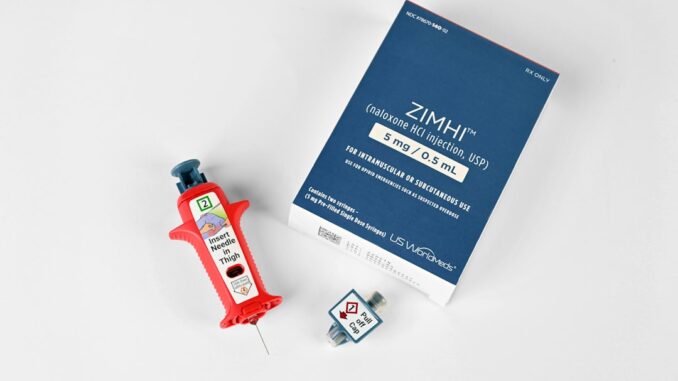
3.4 Auto-Injectors
Description: Auto-injectors, such as EVZIO® (now discontinued but conceptually relevant), are pre-filled devices designed to automatically deliver an IM dose of naloxone with minimal user intervention. They typically feature verbal and visual cues to guide the user through the administration process.
Dosage and Efficacy: These devices typically delivered a fixed dose (e.g., 0.4 mg or 2 mg) via IM injection. Their efficacy is comparable to manual IM injections, with a similar onset of action.
Pros:
* Extreme Ease of Use: Designed for untrained individuals; simply remove safety cap and press against thigh.
* Reduces User Error: Automated steps minimize potential for mistakes under stress.
* Rapid Administration: Can be deployed quickly in an emergency.
Cons:
* High Cost: Significantly more expensive than other formulations.
* Fixed Dose: Less flexibility in dosing compared to vials.
* Limited Availability: EVZIO was discontinued due to manufacturing issues and cost, highlighting the challenges of widespread access for such devices.
Clinical Considerations: While easy to use, training still benefits users by building confidence and ensuring appropriate response to the emergency situation as a whole.
3.5 Emerging and Less Common Methods
Research has explored other routes, such as nebulized naloxone, which involves administering the drug as an aerosolized mist for inhalation. While offering a non-invasive option, concerns about inconsistent lung deposition, slower onset, and drug waste have limited its widespread adoption. The primary routes of intranasal, intramuscular, and intravenous remain the standard of care due to their proven efficacy, reliability, and ease of access for their respective target users.
4. Legal Landscape of Naloxone Distribution
The legal and regulatory environment surrounding naloxone has undergone a profound transformation over the past two decades, shifting from a tightly controlled prescription-only medication to a widely accessible over-the-counter (OTC) rescue drug. These legislative and policy changes have been instrumental in expanding naloxone access and empowering individuals to respond to opioid overdoses, thereby directly impacting public health outcomes.
4.1 Good Samaritan Laws
Historical Context and Rationale: Historically, bystanders were often hesitant to intervene in overdose situations due to fear of legal repercussions, such as arrest for drug possession or paraphernalia. Recognizing this critical barrier to life-saving intervention, numerous jurisdictions began enacting Good Samaritan laws specifically tailored to overdose emergencies. The primary aim of these laws is to provide legal immunity to individuals who call for medical assistance or administer naloxone during an overdose, protecting them from arrest or prosecution for certain drug-related offenses.
Variations and Impact: The scope of Good Samaritan laws varies significantly across states and countries. Some laws offer broad immunity for both the person experiencing the overdose and the person seeking help, covering offenses like possession of controlled substances, drug paraphernalia, and minor in possession of alcohol. Other laws might have more limited protections, applying only to the person administering naloxone, or specifying certain quantities of drugs that are not protected. Despite these variations, studies have consistently demonstrated that such laws are associated with an increase in bystander naloxone administration and a reduction in overdose fatalities. For instance, an analysis by The Pew Charitable Trusts in 2025 highlighted that states with comprehensive Good Samaritan laws reported higher rates of layperson naloxone use and subsequent survival rates, as individuals felt more secure in intervening without fear of legal reprisal.
Challenges and Limitations: Despite their proven benefits, Good Samaritan laws are not without challenges. Awareness of these laws remains inconsistent among the general public and even some law enforcement officials, which can undermine their intended effect. Furthermore, some laws do not protect against all potential charges (e.g., drug trafficking), leading to continued apprehension among some individuals. Ongoing educational campaigns are necessary to ensure that both the public and legal enforcement agencies are fully informed about the protections afforded by these statutes.
4.2 Over-the-Counter (OTC) Availability
FDA Approval Process: A landmark development in expanding naloxone access occurred when the U.S. Food and Drug Administration (FDA) approved naloxone nasal spray for over-the-counter (OTC) sale in March 2023. This decision followed a rigorous review process, where the FDA determined that naloxone was safe and effective for use without direct medical supervision. The agency reclassified specific naloxone products, notably Narcan Nasal Spray, from prescription-only to OTC status, paving the way for significantly broader distribution.
Impact on Accessibility and Equity: OTC availability represents a monumental shift, removing the barrier of needing a prescription from a healthcare provider. This facilitates purchase directly from pharmacies, supermarkets, and potentially vending machines, dramatically increasing convenience and reducing potential stigma associated with seeking a prescription. This move is particularly impactful for marginalized communities or those without consistent access to healthcare. By decentralizing distribution, OTC naloxone aims to ensure that this life-saving medication is as readily available as other emergency medications, such as epinephrine auto-injectors.
Debates and Controversies: While widely lauded, the transition to OTC status has also prompted discussions. Concerns have been raised regarding the potential for misuse (though naloxone itself has no abuse potential), the financial cost of OTC naloxone (which may not be covered by insurance when purchased OTC), and the need for continued public education on its proper use. Some critics also argue that OTC availability might lead to a false sense of security, potentially reducing the urgency to call emergency services. However, proponents emphasize that the benefits of immediate access far outweigh these theoretical risks, particularly in situations where minutes can mean the difference between life and death.
4.3 Prescribing Guidelines and Pharmacy Access Laws
Co-Prescribing Initiatives: Beyond OTC availability, healthcare providers are increasingly encouraged and, in some jurisdictions, mandated to co-prescribe naloxone to patients at high risk of opioid overdose. This includes individuals receiving high-dose opioid therapy for chronic pain, those with a history of opioid use disorder (OUD), patients being discharged from emergency departments after an overdose, or those concurrently taking opioids and benzodiazepines. The principle behind ‘prescribe to prevent’ is to proactively equip individuals and their caregivers with naloxone before an overdose occurs, recognizing that prevention is paramount. The ‘Scope of Pain’ initiative, referenced in 2025, heavily advocates for such co-prescribing practices, highlighting the ethical and medical imperative for clinicians to offer this safety net.
Pharmacy Access Laws (Standing Orders): To circumvent the need for an individual patient prescription, many states have enacted pharmacy access laws. These laws allow pharmacists to dispense naloxone under a ‘standing order’ or ‘collaborative practice agreement’ issued by a physician or public health official. This mechanism enables pharmacists to provide naloxone directly to individuals without a prior visit to a doctor, further streamlining access. Pharmacists, being highly accessible healthcare professionals, play a critical role not only in dispensing but also in providing vital education on overdose recognition and naloxone administration.
Role of Public Health Directives: State and local health departments have also issued broad public health directives or general prescriptions for naloxone, allowing organizations (e.g., harm reduction programs, community outreach teams) to distribute the medication widely to at-risk populations. These policies reflect a public health-oriented approach, viewing naloxone distribution as a crucial component of a comprehensive strategy to mitigate overdose mortality.
4.4 Other Policy Initiatives
School-based Naloxone Programs: Recognizing the vulnerability of adolescents to opioid exposure, some states have implemented policies allowing or requiring schools to stock naloxone and train staff in its use. This proactive measure aims to prepare schools to respond to potential overdoses involving students or even staff.
Law Enforcement Carrying Naloxone: A significant policy shift involves training and equipping law enforcement officers with naloxone. As first responders, police often arrive at overdose scenes before paramedics. Arming them with naloxone significantly reduces response times, allowing for earlier intervention and potentially saving lives. This integration also fosters a collaborative approach between law enforcement and public health.
Co-location with AEDs: The American Heart Association (AHA) and other advocacy groups have explored and promoted policies for co-locating naloxone kits with automated external defibrillators (AEDs) in public spaces such as libraries, gyms, and community centers. The rationale is that both are life-saving emergency interventions, and their combined availability enhances the overall emergency response infrastructure, as highlighted in AHA news releases from 2025 concerning updated CPR guidelines tackling opioid-related emergencies.
These multifaceted legal and policy advancements collectively underscore a societal commitment to reducing opioid overdose deaths by maximizing access to naloxone and minimizing barriers to its use. The evolution of these laws reflects a growing understanding of addiction as a public health issue rather than solely a criminal one, emphasizing prevention and rescue.
5. Efficacy in Various Overdose Scenarios
Naloxone’s efficacy in reversing opioid-induced respiratory depression is well-established, making it an indispensable tool in emergency medicine and public health. However, the nuances of its application and expected outcomes can vary significantly depending on the specific substances involved, the severity of the overdose, and the patient’s underlying health status. Understanding these variations is critical for effective pre-hospital and clinical management.
5.1 Single-Opioid Overdoses
In scenarios involving overdose with a single opioid, such as heroin, oxycodone, morphine, or hydrocodone, naloxone is highly effective. Its competitive antagonism rapidly displaces the opioid molecules from mu-receptors, leading to a swift reversal of their depressant effects. The primary and most critical reversal is that of respiratory depression. Within minutes of appropriate naloxone administration (especially IV or IM), a patient who was previously unresponsive with shallow or absent breathing can begin to breathe spontaneously, regain consciousness, and improve their oxygen saturation. The clinical response typically involves:
- Restoration of Spontaneous Respiration: This is the primary and most vital outcome. A significant increase in respiratory rate and depth, often accompanied by snoring or gasping, indicates successful reversal.
- Increased Level of Consciousness: Patients often become more alert, although they may remain drowsy or agitated due to precipitated withdrawal.
- Pupillary Dilation: The characteristic pinpoint pupils (miosis) associated with opioid overdose typically dilate.
- Improved Oxygenation: As breathing improves, oxygen saturation levels rise, reducing the risk of hypoxic brain injury and cardiac arrest.
For a standard opioid overdose, a single dose of naloxone is often sufficient, but ongoing monitoring for re-narcotization is crucial, especially with longer-acting opioids.
5.2 Polysubstance Overdoses
Polysubstance overdoses, involving opioids alongside other central nervous system (CNS) depressants such as benzodiazepines (e.g., alprazolam, diazepam), alcohol, or barbiturates, present a more complex clinical picture. While naloxone will effectively reverse the opioid component of the overdose, its efficacy in restoring full consciousness or normal respiration may be attenuated if other depressants are also contributing to the patient’s compromised state. Key considerations include:
- Partial Reversal: Naloxone will only reverse the effects attributable to the opioids. If significant respiratory depression is also caused by benzodiazepines or alcohol, naloxone alone will not fully restore breathing or consciousness.
- Diagnostic Challenge: Differentiating the precise contribution of each substance to the overall clinical presentation can be difficult in an emergency setting. The absence of a complete reversal after naloxone administration strongly suggests the involvement of non-opioid depressants.
- Importance of Supportive Care: In polysubstance overdoses, comprehensive medical evaluation and intervention are paramount. This often includes advanced airway management, ventilatory support, and other life support measures, even after naloxone has been administered. Naloxone is a single tool in a broader emergency response toolkit.
Healthcare providers must be prepared to manage the combined effects and not assume that a lack of full response to naloxone indicates a non-opioid overdose entirely, as some opioid effects may still be present but overshadowed by other depressants.
5.3 Fentanyl and Synthetic Opioids
The emergence and widespread proliferation of highly potent synthetic opioids, particularly fentanyl and its analogues (e.g., carfentanil, sufentanil), have significantly complicated opioid overdose management. These substances are orders of magnitude more potent than heroin or morphine, with fentanyl being 50-100 times stronger than morphine and carfentanil being 10,000 times stronger. The distinct pharmacological properties of fentanyl and its analogues necessitate adjustments in naloxone dosing and administration strategy:
- High Potency and Receptor Affinity: Fentanyl has a very high affinity for opioid receptors and is highly lipophilic, allowing it to rapidly penetrate the blood-brain barrier. This results in rapid onset, profound respiratory depression, and a higher propensity for severe overdose with even tiny amounts.
- Higher or Repeated Doses Required: Due to fentanyl’s potency and tight binding, standard doses of naloxone (e.g., 0.4 mg IM or 4 mg IN) may be insufficient to achieve full reversal, or the effects may be transient. Clinical guidelines now often recommend higher initial doses (e.g., 2 mg IM/IV or 8 mg IN, if available) and emphasize the need for rapid repeat doses every 2-3 minutes until satisfactory respiration is achieved. A continuous naloxone infusion may be necessary in some critical care scenarios.
- Rapid Re-narcotization: While fentanyl’s onset is rapid, its duration of action can be variable but often necessitates close monitoring for re-narcotization due to naloxone’s shorter half-life. Patients may appear to recover quickly but can lapse back into respiratory depression if not continuously observed.
- Clinical Presentation: Fentanyl overdoses often present with particularly severe respiratory depression, sometimes involving ‘wooden chest syndrome’ or chest wall rigidity, making ventilation difficult. This underscores the need for immediate, aggressive naloxone administration and potential advanced airway management.
Despite these challenges, naloxone remains the critical first-line intervention for suspected fentanyl and synthetic opioid overdoses. The strategy shifts to using more naloxone, more quickly, and with heightened vigilance for recurrence.
5.4 Special Populations
- Pediatric Overdoses: Accidental opioid ingestion in children is a serious concern. Naloxone dosing in pediatric patients must be carefully calculated based on weight (e.g., 0.1 mg/kg for IV/IM). The risk of precipitating severe withdrawal, though rare, must be considered, and titrated doses are often preferred.
- Pregnant Individuals: Reversing an opioid overdose in a pregnant individual is crucial for both mother and fetus. However, rapid reversal and precipitated withdrawal can induce stress, potentially leading to preterm labor or fetal distress. While naloxone should always be administered, careful titration to avoid severe withdrawal symptoms is often preferred, if resources allow, aiming for reversal of respiratory depression rather than full consciousness. The benefits of reversing life-threatening respiratory depression always outweigh the risks of precipitated withdrawal.
- Geriatric Patients: Older adults may be more sensitive to opioids due to altered pharmacokinetics and co-morbidities. Naloxone administration should follow standard guidelines, but close monitoring for adverse effects and potential underlying cardiac issues is warranted.
5.5 Limitations of Naloxone
While life-saving, naloxone has limitations. It does not address the underlying opioid use disorder, nor does it mitigate potential sequelae of prolonged hypoxia such as brain damage. It can induce acute, uncomfortable withdrawal. Furthermore, some rare overdoses (e.g., buprenorphine in opioid-tolerant individuals) may be more resistant to naloxone reversal due to buprenorphine’s high receptor affinity and partial agonist nature. In such cases, higher and/or repeated doses might be necessary, alongside comprehensive supportive care. Despite these limitations, naloxone remains an unparalleled acute antidote for opioid toxicity.
6. Training Requirements for Lay Rescuers
Empowering lay rescuers with the ability to administer naloxone is a cornerstone of current public health strategies to combat the opioid crisis. However, simply providing the medication is insufficient; comprehensive, accessible, and practical training is essential to ensure effective and confident intervention. The success of community-based naloxone programs hinges on well-designed training curricula that address multiple aspects of an overdose emergency.
6.1 Recognition of Overdose Signs
The initial and arguably most critical step for any lay rescuer is accurately recognizing an opioid overdose. Training programs must thoroughly educate individuals on the distinctive signs and symptoms of opioid-induced respiratory depression and unresponsiveness. Key indicators to emphasize include:
- Unresponsiveness: Inability to awaken or rouse the person, even with painful stimuli like sternal rub.
- Breathing Abnormalities: Slow, shallow, irregular, or absent breathing (agonal breathing or gasping, often described as ‘fish-like’). This is the most dangerous sign.
- Pupil Constriction: Pinpoint pupils (miosis) are a classic, though not always present or easily observable, sign.
- Skin Discoloration: Bluish or grayish skin, especially around the lips and fingertips (cyanosis), indicating lack of oxygen.
- Cold and Clammy Skin: Unrelated to environmental temperature.
- Limp Body: Profound muscle relaxation.
- Choking or Gurgling Sounds: Indicative of an obstructed airway due to relaxed muscles or aspiration.
Training should also differentiate between an opioid overdose and other medical emergencies, such as stroke, seizure, or diabetic emergency, which may present with similar unresponsiveness but require different interventions.
6.2 Importance of Calling Emergency Services and CPR Training
While naloxone is a life-saving medication, it is not a substitute for professional medical care. Training programs must unequivocally emphasize the importance of calling emergency services (e.g., 911 in the U.S., 999 in the UK) immediately upon suspecting an overdose. The sequence of actions should be: Check for responsiveness/breathing -> Call 911 -> Administer Naloxone -> Start CPR/Rescue Breathing.
Crucially, naloxone alone may not restore breathing immediately, particularly if the person has been deprived of oxygen for an extended period, or if other substances are involved. Therefore, initiating cardiopulmonary resuscitation (CPR), particularly rescue breathing, is paramount before or immediately after administering naloxone. The American Heart Association (AHA) guidelines for opioid-associated cardiac arrest (OACA) specifically highlight the following:
- Rescue Breathing First: If the person is unresponsive and not breathing normally, deliver 2 rescue breaths immediately before considering naloxone or chest compressions, as hypoxia is the primary driver of deterioration.
- Continuous CPR: If the person does not respond to naloxone or if pulses are absent, continue with standard CPR (chest compressions and rescue breaths) until emergency medical services arrive.
- Naloxone Co-administration with CPR: Naloxone can and should be administered concurrently with CPR efforts if an opioid overdose is suspected. It is not an ‘either/or’ situation but rather a ‘both/and’ approach, recognizing that oxygenation is key.
Training should provide hands-on practice with rescue breathing and chest compressions, ensuring lay rescuers are confident in performing these basic life support measures.
6.3 Naloxone Administration and Post-Administration Care
Practical, hands-on training on the specific naloxone formulation available (nasal spray, auto-injector, or IM syringe) is indispensable. This should include:
- Device Familiarization: Detailed instructions on how to remove the device from its packaging, identify the administration site, and operate the device (e.g., removing caps, depressing plungers).
- Step-by-Step Administration: Clear, concise steps for administration, accompanied by visual aids and demonstration.
- Dosage and Repeat Dosing: Education on typical dosages and the critical need for repeat doses every 2-3 minutes if the person does not respond or if symptoms recur. Emphasize that ‘more naloxone’ is generally safe and often necessary, especially with potent synthetic opioids.
- Post-Administration Care: Once naloxone is administered and the person begins to breathe, rescuers should:
- Place the person in the recovery position (on their side) to prevent choking on vomit.
- Monitor their breathing and level of consciousness continuously.
- Reassure them and explain what happened, as they may awaken confused, disoriented, or in precipitated withdrawal.
- Stay with the person until emergency medical services arrive, as the naloxone’s effects may wear off.
- Managing Precipitated Withdrawal: While uncomfortable, explain that withdrawal symptoms are a sign that the naloxone is working and that medical professionals can help manage these symptoms upon arrival.
6.4 Educational Modalities and Addressing Barriers
Community-based training programs have proven highly effective in increasing the likelihood of bystander naloxone administration. These programs can take various forms:
- In-person Workshops: Offering hands-on practice and direct interaction with instructors.
- Online Modules: Providing accessible, self-paced learning, though often supplemented with physical demonstration.
- Harm Reduction Outreach: Integrating naloxone training and distribution into syringe service programs and street outreach efforts.
- Pharmacy-based Training: Pharmacists, especially with standing orders, can provide brief but crucial training at the point of dispensing.
Addressing barriers to training and use is also essential. These barriers include:
- Stigma: Fear of judgment or association with drug use.
- Lack of Confidence: Uncertainty about identifying an overdose or administering medication.
- Fear of Legal Repercussions: Misunderstanding of Good Samaritan laws.
- Cost and Accessibility: Though improving with OTC availability, cost can still be a barrier for some.
Effective training addresses these concerns by normalizing naloxone use, emphasizing its role as a first aid tool, and reinforcing legal protections. The goal is to create a community where naloxone administration is seen as a civic duty and a compassionate act of immediate assistance.
7. Public Health Impact and Initiatives
Naloxone’s integration into public health strategies has profoundly reshaped the landscape of opioid overdose prevention and response. Its widespread availability and strategic deployment have yielded significant benefits, becoming a cornerstone of comprehensive efforts to mitigate the devastating impact of the opioid crisis.
7.1 Reduction in Overdose Mortality
The most direct and measurable impact of expanded naloxone access and use is the documented reduction in opioid-related overdose mortality. Numerous studies across various geographical regions have demonstrated a strong correlation between increased naloxone distribution (both to laypersons and first responders) and a decrease in opioid overdose deaths. For instance, longitudinal studies in regions with robust naloxone distribution programs, often initiated through harm reduction organizations, have shown statistically significant declines in fatal overdoses compared to areas with limited access.
While isolating naloxone’s impact from other concurrent interventions (e.g., expanded treatment, changes in drug supply) can be methodologically complex, the consistent trend observed globally underscores its critical role. The AHA’s 2023 statement, ‘Can you stop an overdose death? Updated guidelines may help,’ explicitly acknowledges naloxone as a key intervention in preventing fatal outcomes, reinforcing its evidence-based impact on survival rates.
7.2 Harm Reduction Programs and Naloxone Distribution
Naloxone is an integral component of the harm reduction philosophy, which prioritizes preventing negative consequences of drug use rather than solely focusing on abstinence. Harm reduction programs are predicated on the understanding that drug use is a reality, and the most immediate goal is to keep people alive and minimize health risks. Key initiatives include:
- Syringe Service Programs (SSPs): These programs, which provide sterile syringes and drug equipment, are ideal settings for naloxone distribution. They reach a high-risk population, offer education on safe injection practices, disease prevention, and overdose response, and often serve as a gateway to other health and social services. Co-locating naloxone distribution with SSPs has proven highly effective in reaching individuals most likely to witness or experience an overdose.
- Supervised Consumption Sites (SCS) / Overdose Prevention Sites (OPS): These facilities provide a safe, hygienic environment for individuals to consume pre-obtained drugs under the supervision of trained staff. Naloxone is readily available and administered immediately if an overdose occurs. SCS/OPS not only prevent overdose deaths but also reduce public drug use and related harms.
- Street Outreach and Peer Programs: Community health workers and peer navigators often distribute naloxone directly to individuals who use drugs, their friends, and family members. These programs build trust and deliver life-saving tools to those most vulnerable and often hardest to reach through traditional healthcare channels.
Naloxone distribution within these programs aligns with the Substance Abuse and Mental Health Services Administration (SAMHSA)’s guidelines on ‘Connecting Communities to Substance Use Services,’ emphasizing practical approaches for first responders and community engagement.
7.3 Policy Advocacy and Implementation
Public health organizations, medical associations, and advocacy groups play a crucial role in advancing policies that expand naloxone access. The American Heart Association, for example, actively advocates for policies that broaden naloxone availability, including encouraging its placement alongside automated external defibrillators (AEDs) in public spaces. This strategic co-location aims to create ‘overdose-ready’ environments, similar to ‘cardiac-ready’ ones, ensuring that life-saving tools are accessible where emergencies are most likely to occur.
Governmental bodies at federal, state, and local levels have increasingly adopted policies that support widespread naloxone distribution, spurred by legislative action and public health imperatives. These policies include:
- State-level Mandates: Requiring first responders (police, fire departments) to carry naloxone.
- Funding Mechanisms: Allocating federal and state funds for naloxone procurement and distribution to community programs.
- Educational Campaigns: Public awareness campaigns to educate the general public about opioid overdose signs and the availability of naloxone.
- Integration with Broader Addiction Care: Advocating for naloxone distribution as part of a continuum of care that includes prevention, treatment (e.g., Medication-Assisted Treatment – MAT), and recovery support services.
7.4 Challenges and Future Directions
Despite the remarkable successes, several challenges persist in maximizing naloxone’s public health impact:
- Sustainability of Funding: Ensuring consistent and adequate funding for naloxone procurement, distribution, and training remains an ongoing challenge, especially as drug trends evolve.
- Addressing Disparities in Access: Despite OTC availability, equitable access remains a concern, particularly for rural communities, uninsured individuals, or those facing language barriers. Geographic and socioeconomic disparities in overdose rates often correlate with disparities in naloxone access.
- Combating Stigma: The stigma associated with opioid use disorder and overdose can still deter individuals from carrying naloxone or seeking help. Public education must continue to destigmatize opioid use disorder and normalize naloxone as a vital emergency medication.
- Integration with Broader Systems: Naloxone is a rescue drug, not a cure. Its efficacy is maximized when seamlessly integrated into a broader system of care that includes prevention education, screening for OUD, linkage to treatment (especially MAT), and long-term recovery support. Connecting individuals reversed by naloxone to substance use services is a critical next step, as highlighted by SAMHSA’s guidance.
- Evolving Drug Supply: The continuous emergence of novel and more potent synthetic opioids necessitates ongoing research into more potent or longer-acting naloxone formulations, as well as dynamic adjustments to dosing guidelines.
In conclusion, naloxone has moved beyond a niche emergency medication to become a symbol of resilience and a testament to effective public health intervention in the face of a profound crisis. Its impact is measured not just in lives saved, but in the shifts in policy, the empowerment of communities, and the renewed hope for individuals and families affected by opioid use disorder. Continued innovation, sustained political will, and robust community engagement are essential to solidify and expand its life-saving reach.
8. Conclusion
Naloxone stands as an unequivocal cornerstone in the global emergency response to the relentless opioid overdose crisis. Its unique pharmacological properties, characterized by rapid and competitive antagonism at opioid receptors, offer a critical window of opportunity to reverse opioid-induced respiratory depression and avert fatal outcomes. The evolution of its administration methods, from highly specialized intravenous delivery to user-friendly intranasal sprays and auto-injectors, reflects a strategic and urgent adaptation to the escalating public health imperative for widespread accessibility.
The intricate legal and policy landscape surrounding naloxone has been instrumental in its transformative impact. The enactment of Good Samaritan laws has courageously removed barriers to bystander intervention, fostering a culture of assistance rather than apprehension. The landmark approval of naloxone for over-the-counter availability signifies a pivotal shift towards universal access, recognizing it as an essential first-aid tool for every community. Furthermore, proactive prescribing guidelines and pharmacy access laws have empowered healthcare professionals and pharmacists to become frontline distributors, ensuring this life-saving medication reaches those most at risk.
Naloxone’s demonstrated efficacy spans a diverse spectrum of overdose scenarios. While supremely effective in single-opioid overdoses, its role in polysubstance poisonings necessitates a broader approach encompassing comprehensive supportive care. Critically, its continued effectiveness against highly potent synthetic opioids like fentanyl, albeit often requiring higher or repeated doses, solidifies its indispensable role in current and future overdose responses. The emphasis on rigorous training requirements for lay rescuers, encompassing precise overdose recognition, basic life support skills, and competent administration techniques, underscores the belief that empowering communities is central to saving lives.
Its profound integration into public health strategies has yielded quantifiable benefits, most notably a measurable reduction in opioid-related mortality rates across various jurisdictions. Naloxone is a vital component of holistic harm reduction programs, serving as a beacon of hope within syringe service programs, supervised consumption sites, and community outreach initiatives. The unwavering advocacy of leading organizations and the concerted efforts of governmental bodies continue to propel policies that expand naloxone access, fostering an environment where this critical intervention is readily available in homes, public spaces, and among all first responders.
In summation, naloxone is more than just an antidote; it is a symbol of resilience, compassion, and effective public health intervention. Its effectiveness is profoundly maximized when synergistically combined with comprehensive training for all potential rescuers, robust legal protections that encourage intervention, and supportive public health policies that prioritize broad and equitable access. The ongoing dedication to integrating naloxone into community-based programs and ensuring its sustained availability is not merely crucial; it is an absolute imperative in the ongoing, multi-faceted battle to address the opioid crisis and, ultimately, to significantly reduce the tragic toll of overdose mortality, preserving countless lives and offering a vital pathway towards recovery.
References
-
American Heart Association. (2025). 2025 AHA CPR Guideline Highlights. Retrieved from (international.heart.org)
-
American Heart Association. (2024). 2024 American Heart Association and American Red Cross Guidelines for First Aid. Retrieved from (cpr.heart.org)
-
American Heart Association. (2025). Updated CPR guidelines tackle choking response, opioid-related emergencies and revised chain of survival. Retrieved from (newsroom.heart.org)
-
American Heart Association. (2023). Can you stop an overdose death? Updated guidelines may help. Retrieved from (heart.org)
-
American Heart Association. (2025). Cardiac arrest from opioid overdose has unique features affecting prevention and treatment. Retrieved from (newsroom.heart.org)
-
State Policy Approaches to Expand Naloxone Access. (2025). The Pew Charitable Trusts. Retrieved from (pew.org)
-
Connecting Communities to Substance Use Services: Practical Approaches for First Responders. (2024). Substance Abuse and Mental Health Services Administration. Retrieved from (library.samhsa.gov)
-
Prescribe to Prevent: Naloxone Co-Prescribing and Distribution. (2025). Scope of Pain. Retrieved from (scopeofpain.org)
Be the first to comment