
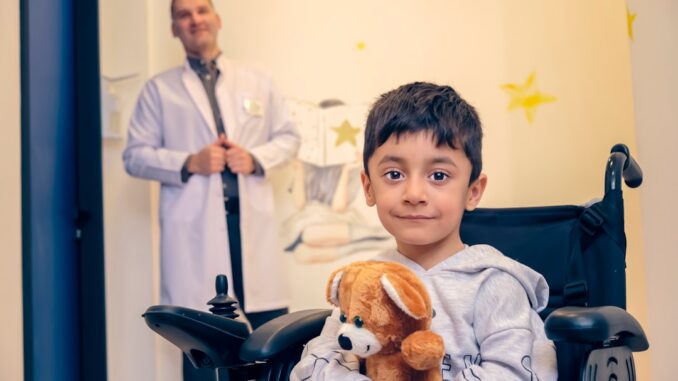

A Troubling Trend: The Shrinking Landscape of Pediatric Care in U.S. Hospitals
Over the last couple of decades, something really significant, and frankly a bit alarming, has been quietly unfolding across the healthcare landscape here in the United States. It’s a seismic shift, one that touches the most vulnerable among us: our children. We’ve seen a remarkable, and not in a good way, transformation in how hospitals are equipped, or rather, not equipped, to provide comprehensive pediatric care. It’s a trend that really ought to grab your attention.
A groundbreaking, if somewhat sobering, study published in December 2025 in the esteemed journal Pediatrics meticulously laid bare this worrying reality. Researchers delved deep into an extensive dataset, analyzing an average of 3,927 hospitals annually across a span of two decades, from 2003 right up to 2022. What they found, well, it painted a stark picture: a significant, almost precipitous, reduction in the number of hospitals truly capable of offering extensive, specialized care for our kids. In fact, facilities classified as ‘low-capability’ more than doubled during this critical period. Think about that for a second. We’re talking about a fundamental restructuring of pediatric access, and it isn’t one that favors easy, local care for children.
The Erosion of Pediatric Capabilities: A Closer Look at the Data
To truly grasp the gravity of this situation, it helps to understand how the study categorized hospitals. They developed a tiered system, ranging from Level 1, which represents hospitals offering the broadest and most comprehensive spectrum of pediatric services – think full-service children’s hospitals with every subspecialty under the sun – down to Level 4, which signifies facilities providing only the most minimal, often emergency-focused, pediatric services before transferring a child elsewhere. It’s a pragmatic way to assess the depth of care available, isn’t it?
And the numbers, they speak volumes. Over that 20-year span, the decline in high-level pediatric care was startling. Level 1 hospitals, the true bastions of comprehensive child health, experienced a staggering 38% decrease. Imagine losing over a third of your top-tier pediatric centers. That’s a massive blow. The situation only worsened as you moved down the capability ladder: Level 2 hospitals saw an even steeper decline, a jaw-dropping 54% reduction, while Level 3 hospitals weren’t far behind, with a 48% cut. These aren’t just statistics; these are vital units, specialized staff, and dedicated resources that are no longer available in countless communities. For many regions, these Level 2 and 3 facilities were the local bedrock of quality pediatric care, managing everything from complex respiratory issues to non-life-threatening emergencies that still required inpatient stays.
Now, here’s the flip side, and it’s where the concern really deepens: concurrently, Level 4 hospitals, those offering the bare minimum in pediatric services, skyrocketed by a startling 137%. This isn’t just a slight shift; it’s a dramatic reorientation, indicating a systematic move away from specialized pediatric units towards a model where general hospitals are less equipped to handle the unique physiological and psychological needs of children. What we’re witnessing is a quiet unraveling, almost a hollowing out, of localized pediatric inpatient capacity, pushing care further and further away from where families live.
The Tangible Impact on Children and Families
The consequences of this widespread scaling back aren’t abstract; they hit families directly, often during moments of intense vulnerability. This critical shift inherently means that children may increasingly face severely limited access to hospitals fully capable of managing their specific conditions. We aren’t talking about a simple cold here. We’re discussing everything from acute appendicitis to sudden severe asthma attacks, complex chronic conditions like juvenile diabetes flare-ups, or even serious traumas. When you have fewer hospitals with dedicated pediatric resources, what happens? Families are left scrambling.
In emergencies, where every minute counts, this can be catastrophic. Imagine a parent in a rural area, their child suddenly struggling to breathe, maybe they’ve ingested something dangerous. They rush to their local hospital, only to find out it’s now a Level 4 facility, lacking the specialized pediatric intensivists, the child-sized equipment, or even the experienced pediatric nurses needed. The immediate reality? An urgent transfer, often by ambulance or even helicopter, to a regional children’s hospital that could be hours away. This isn’t just an inconvenience; it’s a terrifying ordeal, adding precious time to a critical situation and amplifying the anxiety for everyone involved. For a parent, that feeling of helplessness, of being unable to get their child the immediate, appropriate care, is just devastating.
And it’s not just emergencies. Children with complex medical needs, those with rare diseases, or chronic conditions requiring multi-disciplinary care, are particularly vulnerable. With fewer local options, these families often have to travel significant distances, sometimes across state lines, to reach the specialized centers. This means more time off work for parents, mounting travel and accommodation expenses, and the inherent disruption to family life and a child’s schooling. It truly becomes an immense burden. We’re inadvertently creating pediatric ‘medical deserts’ in areas that once had at least some level of specialized care, forcing families into a difficult calculus of distance, cost, and the quality of care their child can access.
Unpacking the Driving Forces Behind the Decline
So, why is this happening? It’s never just one thing, is it? There are several intertwined factors contributing to this troubling decline in pediatric inpatient capacity, and understanding them is crucial if we hope to reverse the trend.
1. The Cold Hard Numbers: Financial Considerations
Let’s be blunt: healthcare, even for children, is a business. And often, children’s beds simply don’t generate the same revenue as adult beds. Why? Several reasons. Pediatric inpatient volumes are generally lower than adult volumes; kids, thankfully, are less likely to need hospital admission than adults. This lower volume means less consistent revenue flowing into specialized pediatric units. Moreover, the reimbursement models from insurance companies and government programs sometimes don’t fully cover the actual cost of providing highly specialized pediatric care. Children aren’t just small adults; they require unique, often expensive, equipment – smaller IVs, specific ventilator sizes, specialized imaging equipment calibrated for pediatric doses. They need staff with niche training, and frankly, a hospital environment that’s child-friendly often comes with its own costs, like playrooms and child life specialists, which don’t directly generate revenue but are vital for a child’s well-being.
Imagine you’re the CFO of a community hospital, trying to balance the books. You see an adult medical-surgical unit consistently at 80% capacity, generating steady income, while your pediatric unit, despite its high costs for specialized staff and equipment, might only be at 30-40% capacity on an average day. What’s the logical, albeit short-sighted, business decision? Convert those pediatric beds to adult beds, which are more profitable and easier to fill. It’s a tough reality, but it’s a powerful driver in these decisions.
2. The Human Element: Persistent Staffing Shortages
Another colossal challenge stems from chronic staffing shortages. It’s incredibly difficult to source and retain the specialized resources needed to care for children, especially those with increasingly complex medical needs. We’re talking about a distinct array of professionals: pediatricians, pediatric nurses, child life specialists, pediatric intensivists, and a whole host of pediatric subspecialists – neurologists, cardiologists, oncologists, endocrinologists, all specifically trained for children. These aren’t just general practitioners or nurses who ‘also treat kids’; their training is highly specialized, demanding years of additional education and clinical experience.
The pipeline for these specialists simply isn’t robust enough to meet demand. Burnout, exacerbated by the emotional intensity of pediatric care, plays a role, as does the geographic maldistribution of these highly trained professionals. Often, the best specialists gravitate towards larger academic centers or established children’s hospitals, leaving smaller community hospitals struggling to attract and retain them. And let’s not forget, the patients themselves are more complex now. Advances in neonatal care mean more premature infants survive with chronic conditions, and children with complex genetic disorders or disabilities are living longer, requiring ongoing, intensive care. This demands an even higher level of specialized expertise, making staffing even more critical and challenging.
3. Regulatory Pressures and Infrastructure Costs
Maintaining a dedicated pediatric unit often means adhering to stringent regulatory requirements designed to ensure child safety and appropriate care. These can include specific nurse-to-patient ratios, specialized infection control protocols, and even the physical design of the unit itself to prevent child elopement or injury. All of this translates into higher operational costs. Furthermore, equipping a pediatric unit isn’t cheap. You need child-sized beds, ventilators, monitors, and even diagnostic imaging equipment that can deliver lower radiation doses. These investments are substantial, and for a hospital looking to cut costs, a pediatric unit can seem like a luxurious drain rather than an essential service, sadly.
4. Hospital Consolidation and Strategic Prioritization
Finally, the rampant consolidation in the hospital industry can’t be overlooked. When larger health systems acquire smaller community hospitals, one of the first things they often do is ‘streamline’ services to reduce redundancies and maximize efficiency. Unfortunately, pediatric units, particularly those with lower patient volumes, are often prime targets for closure or downgrading. The rationale is often that a larger, central children’s hospital within the system can absorb these patients, but this overlooks the impact on local access and the significant travel burden placed on families. It’s a classic business strategy applied to healthcare, and children’s services often bear the brunt.
Far-Reaching Implications for Child Health and Beyond
The reduction in pediatric inpatient units isn’t just an administrative problem; it has profound, cascading implications for the entire pediatric healthcare ecosystem, and indeed, for public health overall.
Perhaps the most immediate and visible consequence is the dramatic increase in wait times at children’s hospital emergency departments. As more and more patients are shunted to these regional hubs, their EDs become perpetually overwhelmed. Can you imagine being a parent, holding a feverish child, waiting for hours in an overcrowded emergency room, watching your child’s distress grow? It’s not just uncomfortable; it carries real risks. Delays in diagnosis and treatment can worsen conditions, lead to complications, and increase the likelihood of longer, more intensive hospital stays. The system becomes stretched thin, impacting staff morale and potentially compromising the quality of care even at these otherwise excellent institutions.
Then there’s the issue of delays in accessing definitive care for children who need to be transferred over longer distances. A child with a complex cardiac condition, for instance, might need specialized surgery that only a handful of hospitals can perform. If their initial diagnosis occurs at a low-capability hospital, the hours or even days spent arranging a transfer, coordinating specialized transport teams (which are themselves expensive and scarce), and physically moving the child can be critical. This added time can, in some cases, literally mean the difference between life and death. Beyond that, the logistical nightmare and emotional toll on families are immense. The sheer cost, too, often falls partly on the families themselves, adding financial stress to an already traumatic situation.
From a broader perspective, this decline could also impact the future workforce. Fewer pediatric units mean fewer opportunities for pediatric residents and fellows to gain crucial hands-on experience in diverse settings. This could, in turn, exacerbate future staffing shortages, creating a vicious cycle that further erodes our capacity to care for children. If we aren’t training the next generation of pediatric specialists adequately, who will care for our children in the decades to come? It’s a question that keeps many of us up at night.
Innovation on the Horizon: A Glimmer of Hope Amidst the Storm
Despite these undeniable challenges, the field of pediatric care isn’t static; it continues to evolve, often propelled by incredible innovation and a steadfast commitment to children’s well-being. Indeed, it’s heartening to see advancements taking root, offering a crucial counter-narrative to the grim statistics. We absolutely can’t lose sight of these breakthroughs, as they show us what’s possible when we choose to invest in pediatric health.
1. The Rise of Integrative Medicine
One significant area of progress is the growing adoption of integrative medicine approaches. These models are truly setting new standards by thoughtfully combining the best of Eastern and Western medical practices to provide holistic, child-centric care. Consider, for instance, the Stad Center for Pediatric Pain, Palliative & Integrative Medicine in San Francisco, which opened its doors in February 2025. It’s a beacon of this progressive approach.
The Stad Center isn’t just treating symptoms; it’s caring for the whole child and their family. They offer a comprehensive suite of services that might include acupuncture to alleviate chronic pain, massage therapy for relaxation and healing, mindfulness practices to help children cope with stress and illness, and even music or art therapy to facilitate emotional expression and recovery. These complementary therapies are integrated seamlessly with conventional medical treatments, such as medication management or physical therapy. This approach is particularly transformative for children living with chronic pain, complex illnesses, or those requiring palliative care. It recognizes that a child’s pain isn’t just physical; it’s often emotional, spiritual, and social, and addressing all these facets leads to far better outcomes and a significantly improved quality of life. It’s about empowering children, giving them agency in their healing journey, and providing tools for resilience that extend far beyond the hospital walls. It’s the kind of empathetic care we should all aspire to provide.
2. The Promise of Artificial Intelligence (AI) in Pediatrics
Another incredibly exciting frontier is the rapid integration of artificial intelligence into pediatric healthcare. The potential here is simply enormous. It’s not just hype; AI is already beginning to transform how we diagnose, treat, and even prevent diseases in children.
Perhaps nowhere is this potential more impactful than in pediatric oncology. A powerful statement of commitment came recently when the Trump administration, in September 2025, directed a substantial $50 million investment specifically towards AI-driven pediatric cancer research. This isn’t just about throwing money at a problem; it’s a strategic recognition of AI’s capacity to revolutionize our fight against childhood cancers. How so? Well, AI can sift through unimaginable volumes of genetic data from tumors, identifying subtle patterns and mutations that human eyes might miss, thereby leading to highly personalized, precision medicine approaches. It can predict which treatments are most likely to be effective for an individual child, minimizing harmful side effects and maximizing success rates. AI can also accelerate drug discovery, rapidly sifting through molecular compounds to find potential new therapies specifically tailored for pediatric cancers. Moreover, it can assist in early detection by analyzing imaging scans with unprecedented accuracy, or even help monitor treatment response in real-time, adjusting therapies for optimal outcomes. The goal is to move beyond a one-size-fits-all approach to cancer care, delivering treatments that are as unique as the children receiving them. It’s a game-changer, plain and simple.
Beyond cancer, AI is making inroads in other areas too. Imagine AI systems predicting sepsis in vulnerable NICU infants long before symptoms are clinically apparent, or identifying developmental delays in toddlers from subtle cues in their behavior. AI can optimize hospital resource allocation, forecast patient surges, and even power remote monitoring systems that allow children with chronic conditions to be safely managed at home. It truly holds the promise of making care more precise, more accessible, and ultimately, more effective across the board.
3. The Telemedicine Revolution
We also can’t overlook the transformative power of telemedicine. While not explicitly mentioned in the initial study, the COVID-19 pandemic undeniably accelerated its adoption, proving its vital role in bridging geographical divides. For families living in those emerging pediatric ‘medical deserts,’ virtual consultations with specialists can be a lifesaver. Telemedicine can provide initial assessments, ongoing management for stable chronic conditions, and even specialized mental health support for children and adolescents, all from the comfort and convenience of their home. It reduces travel burden, saves time and money, and critically, expands access to expert care that might otherwise be completely out of reach. It’s an indispensable tool in our arsenal against the decline in local access.
A Collective Call to Action
The picture is clear: the declining number of hospitals offering comprehensive pediatric care poses a substantial, multifaceted challenge to the accessibility and quality of healthcare for children across the United States. While financial pressures and acute staffing shortages undoubtedly contribute significantly to this worrying trend, we can’t afford to be paralyzed by the problem. It’s imperative, in fact, absolutely crucial, for policymakers, healthcare providers, and communities to collaborate actively and intelligently in addressing these systemic issues.
We need policymakers to champion legislative reforms and robust funding initiatives that incentivize pediatric care, perhaps by adjusting reimbursement rates or offering targeted grants for specialized units. Healthcare providers, for their part, must continue to innovate, adopting technologies like AI and telemedicine, and advocating fiercely for their young patients. And as communities, we have a role too: we must understand these shifts, support our local children’s hospitals, and demand that our elected officials prioritize the health and well-being of the next generation. Because really, what could be more important than ensuring every child receives the high-quality, specialized medical attention they deserve, regardless of their zip code or their family’s resources? It’s not just a healthcare issue; it’s a societal imperative, and frankly, one we can’t afford to get wrong.
References
- Beckershospitalreview.com. (n.d.). 20-year study finds US hospitals scaling back pediatric care. Retrieved from https://www.beckershospitalreview.com/care-coordination/20-year-study-finds-us-hospitals-scaling-back-pediatric-care/
- Medicalxpress.com. (2025, December). Study finds US capability in pediatric hospitals declined by more than a quarter in 20 years. Retrieved from https://medicalxpress.com/news/2025-12-capability-pediatric-hospitals.html
- Inaap.org. (n.d.). Study Shows Decline in Hospitals Equipped to Care for Children Over Two Decades. Retrieved from https://www.inaap.org/post/study-shows-decline-in-hospitals-equipped-to-care-for-children-over-two-decades
- Chla.org. (n.d.). US hospitals lost almost 30% pediatric inpatient capacity over two decades. Retrieved from https://www.chla.org/blog/experts/research-and-breakthroughs/us-hospitals-lost-almost-30-pediatric-inpatient-capacity-over
- Axios.com. (2025, February 1). New children’s pain clinic merges Eastern and Western medicine. Retrieved from https://www.axios.com/local/san-francisco/2025/02/01/stad-center-childrens-pain-clinic
- Axios.com. (2025, September 30). Trump administration directs $50M to AI-driven pediatric cancer research. Retrieved from https://www.axios.com/2025/09/30/trump-ai-pediatric-cancer-research
Be the first to comment