

Meril Life Sciences Unveils Mizzo Endo 4000: A Paradigm Shift in Robotic Surgery
In a move that genuinely feels like a pivot point for medical technology, Meril Life Sciences has officially brought to market the Mizzo Endo 4000. It’s not just another surgical robot, you see, it’s a truly state-of-the-art platform, poised to fundamentally redefine how we approach minimally invasive surgery. For anyone tracking the pulse of healthcare innovation, this isn’t just news; it’s a seismic shift, combining the raw processing power of artificial intelligence, the delicate dexterity of advanced robotics, and the blistering speed of 5G connectivity. The goal? Unparalleled precision and efficiency right there in the operating room, which, let’s be honest, is what we all want for our loved ones under the knife. (merillife.com)
For years, we’ve watched surgical robotics evolve, taking tentative steps from specialized niches to becoming more mainstream. But the Mizzo Endo 4000, it feels different. It’s a comprehensive ecosystem designed to empower surgeons, not just assist them, and really, that’s where the magic happens. Imagine a surgeon, eyes fixed on a holographic display, guiding intricate instruments with a fluidity previously only dreamed of. That’s the promise Meril is making, and it’s a compelling one.
Secure patient data with ease. See how TrueNAS offers self-healing data protection.
Engineering Precision: The Mizzo Endo 4000’s Core Innovations
What truly sets the Mizzo Endo 4000 apart from the lineage of its predecessors? It’s a confluence of meticulously engineered features, each designed to push the boundaries of what’s surgically possible. These aren’t just incremental updates; they’re foundational shifts in how surgical procedures are conceived and executed. From its intelligent vision systems to its intuitive control mechanisms, every component speaks to a deep understanding of surgical needs.
AI-Powered 3D Anatomical Mapping: Seeing Beyond the Surface
At the very heart of the Mizzo Endo 4000’s capabilities lies its AI-powered 3D anatomical mapping. Now, this isn’t just about showing a pretty picture; it’s about providing real-time, dynamic, and hyper-detailed visualizations of a patient’s internal anatomy. Think about it: a surgeon isn’t just looking at static images or relying solely on their vast experience. Instead, the system fuses data from pre-operative scans like CT and MRI with intra-operative imaging – perhaps even augmented reality overlays – all processed by sophisticated machine learning algorithms. What you get is a constantly updated, almost holographic rendering, displaying critical structures like nerves, blood vessels, and tumor margins with astonishing clarity.
This technology enables surgeons to plan procedures with unprecedented accuracy, literally mapping out the entire surgical trajectory before making the first incision. It’s like having a real-time GPS for the human body. This precision translates directly into tangible benefits: reduced risk of damaging vital tissues, minimized blood loss, shorter operating times, and ultimately, enhanced patient outcomes. For instance, in a delicate prostatectomy, distinguishing nerve bundles from cancerous tissue is paramount. The Mizzo’s mapping system can highlight these distinctions with a granularity that even the most experienced human eye might struggle to achieve consistently. And when you reduce complications, you’re not just saving lives, you’re also significantly shortening recovery times and improving quality of life post-surgery. It’s a game-changer, plain and simple.
The Ergonomic Open Console: A Surgeon’s Command Center
Then there’s the console. Often overlooked, the interface between human and machine is absolutely critical in surgical robotics. The Mizzo Endo 4000 features an open console design, a conscious choice to offer surgeons an intuitive, highly adaptable interface. Unlike some systems that can feel somewhat restrictive, this setup aims for seamless control and fluid adaptation, even during the most complex, protracted procedures.
Ergonomics here isn’t a luxury; it’s a necessity. Surgeons spend hours bent over patients, often in uncomfortable positions. The Mizzo’s console allows for adjustable posture, reducing physical strain and minimizing surgeon fatigue. Imagine performing a six-hour oncology resection feeling less worn out at the end because the machine’s design supports your body, providing intuitive haptic feedback that makes you feel connected to the instruments, almost as if they’re extensions of your own hands. This isn’t just about comfort; it’s about sustained optimal performance, making critical decisions when every second, every tremor, truly matters.
Furthermore, the open design fosters better communication within the surgical team. The surgeon isn’t isolated; they can easily interact with assistants and anesthesiologists, maintaining that crucial collaborative environment. It integrates smoothly into existing operating room workflows, minimizing the learning curve and allowing surgical teams to adopt this cutting-edge technology without significant disruption. That’s smart design, you ask me, anticipating the real-world needs of an OR.
Advanced Robotic Arms and Instrumentation: Delicate Precision, Unmatched Dexterity
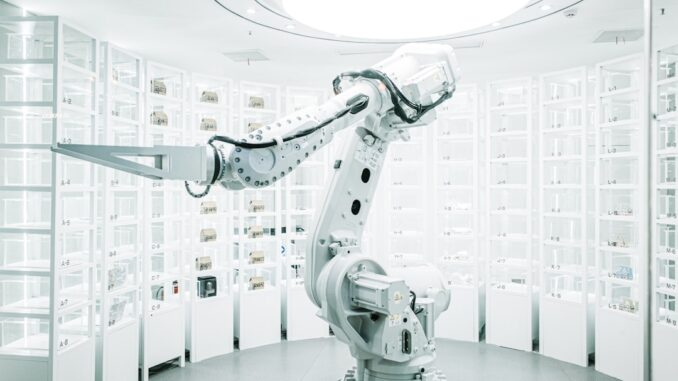
Of course, the brains and the interface need equally capable hands. The Mizzo Endo 4000’s advanced robotic arms boast an incredible range of motion, exceeding the natural dexterity of the human wrist. They can articulate in ways a surgeon’s hand simply can’t, allowing access to tight, difficult-to-reach anatomical spaces with minimal invasiveness. These arms hold a variety of specialized instruments – miniaturized scalpels, graspers, cauterizers, and suturing devices – all designed for ultra-fine manipulation.
Picture a surgeon delicately stitching tissue deep within the abdominal cavity, the robot’s instruments translating their hand movements into precise, scaled micro-movements, eliminating any natural tremor. This enhanced dexterity enables significantly smaller incisions, leading to reduced post-operative pain, faster healing, and a quicker return to normal life for patients. It’s a win-win, really, for everyone involved. For complex procedures, like removing a tumor nestled near critical organs, this level of control can literally mean the difference between life and debilitating complications.
A Spectrum of Specialties: Versatility Unleashed
One of the most compelling aspects of the Mizzo Endo 4000 is its remarkable versatility. Unlike some systems that might be niche-focused, Meril designed this platform to be a workhorse across an impressive array of surgical specialties. This broad application capability is a huge selling point for hospitals, ensuring they can maximize their investment across various departments, from the routine to the highly complex.
Empowering Diverse Surgical Fields
Let’s consider some examples. In general surgery, procedures like hernia repair or cholecystectomy, which are common, can benefit immensely from robotic assistance, leading to reduced recovery times and fewer complications. For gynecology, think about hysterectomies or myomectomies. The precision of the robotic arms can minimize trauma to surrounding healthy tissue, preserving fertility where possible and generally improving outcomes for women’s health.
Urology has long been a frontrunner in robotic surgery, particularly for prostatectomies. The Mizzo aims to build on this, offering enhanced visualization and instrument control that can further improve nerve-sparing techniques, critical for post-operative quality of life. In oncology, where the precise removal of cancerous tissue while preserving healthy margins is paramount, the Mizzo’s AI-driven mapping and robotic dexterity offer an invaluable advantage. Imagine a surgeon removing a tiny, malignant lesion in the liver or lung, guided by a system that highlights the exact boundary between diseased and healthy cells. It’s revolutionary.
The system’s capabilities also extend to thoracic, colorectal, bariatric, hepatobiliary, ENT, and gastrointestinal surgeries. This broad spectrum means a single robotic platform can standardize care protocols across an institution, streamlining operations and optimizing resource allocation. For smaller or mid-sized hospitals, this multi-specialty capability is particularly attractive, allowing them to offer advanced care without needing multiple, highly specialized (and expensive) robotic systems. That’s a significant economic advantage, wouldn’t you say?
Training Pathways for the Future
Of course, with such versatility comes the need for comprehensive training. Meril isn’t just selling a machine; they’re investing in the ecosystem. This means robust training programs and simulation modules for surgeons and their teams across all these specialties. The idea is to create a generation of surgeons who are not just competent but truly adept at leveraging robotic technology, regardless of their primary field. This widespread adoption potential is a huge step toward democratizing high-quality surgical care, making advanced procedures accessible to more patients, wherever they may be.
Breaking Boundaries: The Promise of 5G-Enabled Telesurgery
If there’s one feature that truly electrifies the imagination, it’s the Mizzo Endo 4000’s 5G-enabled telesurgery capability. This isn’t science fiction anymore; it’s here, and it’s profoundly important. We’re talking about surgeons performing complex procedures remotely, in real-time, across vast distances. Just pause for a moment and consider the implications of that. (thequint.com)
The Technical Marvel: Why 5G is the Game-Changer
This isn’t just about faster internet. 5G is crucial because of its ultra-low latency and massive bandwidth. In telesurgery, a millisecond of delay can mean the difference between success and catastrophic error. 5G minimizes this latency to virtually imperceptible levels, ensuring the surgeon’s movements are translated to the robot’s instruments in near real-time. This also means high-resolution, immersive imaging – we’re talking 4K, perhaps even 8K 3D video feeds – can be transmitted without a hitch, giving the remote surgeon a visual fidelity almost akin to being in the room. Some systems even integrate haptic feedback, allowing the surgeon to ‘feel’ the tissue resistance from thousands of miles away. It’s mind-boggling, but it’s happening.
Security is, naturally, paramount. Such sensitive data transmission demands robust encryption and redundant connectivity protocols. Meril has undoubtedly invested heavily in ensuring that patient data remains secure and that the connection is stable and failsafe, because when you’re dealing with a human life, there’s simply no room for error. We’re talking about dedicated, secure networks, not your average public Wi-Fi connection.
Redefining Access: Healthcare Without Borders
Imagine the ripple effect across global healthcare. A patient in a remote village, perhaps hundreds of kilometers from the nearest specialist, suddenly has access to world-class surgical expertise. A surgeon in a metropolitan hospital, leveraging their specialized skills, can guide a procedure in a rural clinic where specialized care is virtually non-existent. This dramatically reduces the need for patients to travel long distances, saving time, money, and most importantly, making life-saving procedures available to underserved populations.
I remember hearing a story, perhaps apocryphal but illustrative, about a young boy in a village who needed a delicate cardiac procedure. His family couldn’t afford to take him to the city, and specialists rarely visited. If telesurgery were readily available, a pediatric cardiac surgeon could have operated from their urban center, guiding a robot in the local clinic. That’s the kind of future Meril is pushing towards, a future where geographical location doesn’t dictate your access to essential medical care. This also has profound implications for disaster response, military field hospitals, and even international medical aid, allowing specialists to intervene remotely when physical travel is impossible or too dangerous.
Ethical and Regulatory Horizons: A New Frontier
Of course, telesurgery isn’t without its complexities. There are significant ethical and regulatory hurdles to navigate. Who is liable if something goes wrong in a remote surgery? How do you manage licensing for a surgeon operating across state lines, or even international borders? These are questions that legal and medical bodies are grappling with, and the answers will shape the future adoption of this technology.
Yet, the potential for good is so immense, you can’t help but feel optimistic. The dialogue needs to happen, and quickly. Because while the technology is ready, the regulatory frameworks are often playing catch-up. This isn’t an insurmountable challenge, though. We’ve seen similar evolutions with telemedicine and other remote healthcare services. It just requires careful, thoughtful collaboration between innovators, policymakers, and medical professionals.
Navigating the Challenges and the ‘Made in India’ Debate
No groundbreaking innovation arrives without scrutiny, and the Mizzo Endo 4000 is no exception. While the medical community largely applauds its technical prowess, its introduction has also sparked conversations around critical industry challenges and, somewhat uniquely, its manufacturing origins.
Addressing Industry Pain Points Head-On
The Mizzo Endo 4000 directly confronts several longstanding pain points in the medical community. We’ve already discussed surgical precision, but let’s touch upon training and access. By offering advanced simulation modules and the potential for remote proctoring via 5G, the system significantly enhances surgical training. Junior surgeons can learn from experienced mentors, even if they’re not in the same operating theater. This accelerates skill acquisition and helps bridge the global shortage of highly specialized surgeons.
Regarding access, beyond telesurgery, the system’s versatility means smaller hospitals can offer a wider range of complex procedures, attracting talent and serving their communities better. And while the initial investment in a robotic system is substantial, you need to look at the long-term economics. Reduced complications mean shorter hospital stays, fewer readmissions, and quicker patient recovery, all of which translate into significant cost savings for healthcare systems. It’s a balance, isn’t it? Upfront cost versus long-term value, and I’d argue the value here is incredibly high.
The ‘Made in India’ Conundrum: Allegations and Aspirations
Now, for a slightly thorny issue. The launch of the Mizzo Endo 4000 has garnered much praise, yet some industry observers have raised questions regarding its manufacturing origins. Specifically, there have been allegations about the authenticity of its ‘Made in India’ label. Some reports and competitors have suggested that while Meril might assemble and brand the product in India, a significant portion of the core technology and components might originate from overseas, perhaps even from established foreign systems. (medboundtimes.com)
This isn’t just about patriotism; it’s about transparency, intellectual property, and India’s aspiration to become a global hub for high-tech medical manufacturing. If a product is truly ‘Made in India,’ it implies significant indigenous research, development, and manufacturing capabilities, which can boost national pride, generate high-skilled jobs, and potentially make advanced medical devices more affordable for the local market.
Meril Life Sciences, naturally, has countered these claims, emphasizing their significant investment in R&D within India, highlighting the value addition and assembly processes carried out domestically. They would likely argue that in a globalized world, sourcing components internationally is standard practice, and the true ‘innovation’ lies in the integration, software, and system design, much of which they claim to have developed in-house. It’s a complex debate, and one that highlights the challenges faced by any nation attempting to establish itself in advanced manufacturing. For us, as observers, it underscores the importance of rigorous vetting and clear communication from manufacturers. Ultimately, what truly matters is the efficacy and safety of the device, but the origins conversation is certainly a fascinating subplot to this story, wouldn’t you agree?
The Competitive Arena: Standing Tall Among Giants
The surgical robotics market isn’t empty; it’s populated by some formidable players. Intuitive Surgical’s da Vinci system has long been the gold standard, a dominant force with years of clinical data and an extensive installed base. Then you have emerging contenders like CMR Surgical’s Versius and Medtronic’s Hugo, all vying for market share with their own unique selling propositions.
So, how does Mizzo Endo 4000 stack up? Meril’s strategy appears to be multi-pronged. Firstly, by offering a highly versatile system that crosses numerous specialties, they aim for a broader appeal, especially in markets where hospitals might prefer a single, adaptable platform. Secondly, the integration of 5G telesurgery is a clear differentiator, positioning Mizzo at the forefront of remote healthcare delivery. And finally, if Meril can effectively leverage a ‘Made in India’ cost advantage (assuming significant localization), it could make the Mizzo Endo 4000 a more accessible option for developing markets or healthcare systems sensitive to price points. This isn’t just about matching features; it’s about strategic market positioning, and Meril seems to be playing a very smart game here.
The Road Ahead: Shaping the Future of Healthcare
As the Mizzo Endo 4000 begins its integration into surgical practices worldwide, its impact will undoubtedly ripple far beyond the operating room. This system is more than just a technological marvel; it’s a harbinger of a future where healthcare is more precise, more accessible, and more equitable.
Beyond Current Capabilities: The Next Frontier
What’s next? The current capabilities are astounding, but innovation never rests. We could see future iterations incorporating even more advanced AI, perhaps allowing for certain autonomous, pre-approved surgical steps, always under human oversight, of course. Imagine micro-robotics for ultra-minimally invasive procedures, or bio-integrated sensors providing even richer real-time physiological data. The roadmap for surgical robotics is likely to include personalized surgical plans generated by AI, tailoring every incision and maneuver to the individual patient’s unique anatomy and pathology. The possibilities, frankly, are endless.
New Models of Healthcare Delivery
The Mizzo Endo 4000’s ability to facilitate remote surgeries and provide real-time, AI-driven insights could fundamentally reshape healthcare delivery models. We might see more hub-and-spoke models, where regional centers provide specialized robotic expertise to satellite clinics. It promises to democratize specialized care, bringing it to regions previously deemed unreachable. This also could impact medical tourism, shifting focus from patients traveling for surgery to surgical expertise traveling (virtually) to the patient. It truly is a vision of healthcare without geographical bounds.
In conclusion, Meril Life Sciences’ Mizzo Endo 4000 isn’t just an advancement; it’s a powerful statement about the potential of innovation to transform healthcare at its very core. By combining AI, advanced robotics, and 5G connectivity, this system not only elevates surgical precision to unprecedented levels but also carries the profound promise of bringing high-quality medical care to patients across the globe. It’s an exciting time to be involved in health tech, and the Mizzo Endo 4000 feels like a significant leap forward in that journey. It certainly makes you wonder, doesn’t it, what amazing breakthroughs lie just around the corner?
Be the first to comment