
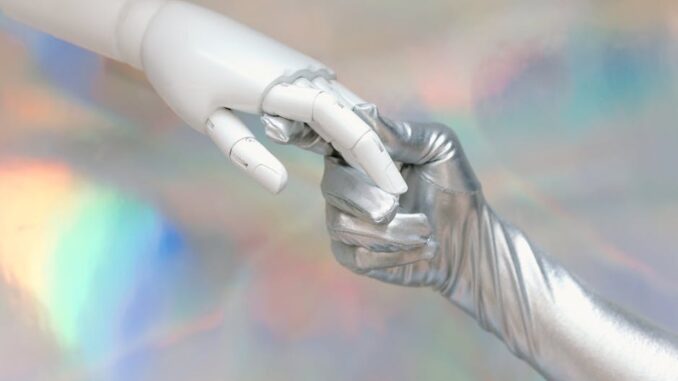

The Dawn of a New Era: IoHRT and the Transformation of Home-Care
As the global population graying at an unprecedented pace, the demand for compassionate, effective home-care services has rocketed, putting immense strain on dedicated caregivers and already stretched healthcare systems. Traditional care models, often reliant on human presence for every task, simply can’t keep up with the diverse and complex needs of our elderly. We’re talking about everything from medication reminders to critical fall detection, and quite frankly, the old ways fall short. This growing pressure has ignited an urgent quest for truly innovative solutions, ones that promise both efficiency and empathy.
Enter the Internet of Humans and Robotic Things (IoHRT) framework—a groundbreaking, almost poetic, integration of cutting-edge robotics with the boundless power of cloud computing. This isn’t just an incremental improvement; it’s a paradigm shift, poised to utterly revolutionize home-care applications as we know them. Imagine, if you will, a world where personalized care isn’t a luxury, but a standard, gracefully delivered by an intelligent ecosystem. That’s the promise IoHRT brings to the table.
The Genesis of a Vision: Why IoHRT Matters
The IoHRT framework didn’t just appear out of thin air; it emerged from a profound necessity, a collective recognition that we needed to do better. Its core mission is twofold: to significantly alleviate the overwhelming burden on human caregivers, who often face burnout and emotional fatigue, and simultaneously, to dramatically enhance the quality of life and care for our cherished aging population. Think about it: loneliness, medication non-adherence, the constant fear of a fall when no one’s around—these are the very real pain points IoHRT directly addresses. It’s truly a game-changer.
By elegantly merging intelligent robotics with robust, cloud-based technologies, IoHRT aims to deliver care solutions that are not only deeply personalized but also incredibly efficient and, crucially, endlessly scalable. This isn’t a one-size-fits-all approach. Instead, it’s about crafting a bespoke care experience for each individual, adapting to their specific needs, preferences, and even their evolving health conditions. Moreover, this seamless integration guarantees a high level of security, which is absolutely paramount when dealing with sensitive health data, along with exceptional compatibility across various devices and a modularity that allows for unlimited user access and effortless adaptability to a myriad of home-care scenarios. What’s not to like, right? It’s about empowering people to live fuller, safer lives in their own homes, for longer.
Unpacking the Architecture: Core Components of IoHRT
To truly grasp the transformative power of IoHRT, you’ve got to understand its foundational pillars. Each component plays a vital, interconnected role, working in concert to create a cohesive and highly responsive care ecosystem. It’s much more than just a collection of gadgets; it’s a symphony of technology working for human well-being.
Intelligent Robotics: The Gentle Guardians of the Home
At the very core of the IoHRT framework hums intelligent robotics, these aren’t your clunky industrial robots, no. These are sophisticated, empathetic machines designed to seamlessly assist with daily activities, meticulously monitor health metrics, and even offer a comforting presence as a companion. They are the proactive eyes and ears, often the helping hands, within the home.
Picture this: a robot equipped with an array of advanced sensors – think high-resolution cameras that can detect subtle changes in gait, lidar systems mapping the environment to prevent collisions, pressure sensors embedded in floors to register a fall, thermal sensors monitoring body temperature, and sensitive microphones capable of discerning distress calls or unusual sounds. These sensors feed a constant stream of data to sophisticated AI algorithms. These algorithms don’t just react; they learn, they predict, and they understand. They can discern patterns in an individual’s daily routine, identify deviations, and respond to the unique needs of each person with remarkable precision.
Let’s consider some practical, everyday examples of how these tireless companions can integrate into home life:
- Mobility Assistance and Fall Prevention: Imagine a robot gently guiding an elderly resident from their armchair to the dining table, or providing a steadying presence as they navigate a hallway. These robots can predict fall risks by analyzing gait changes over time, intervene by deploying inflatable airbags or simply by extending a stable support, and, most critically, immediately detect a fall and initiate an emergency protocol. They become a watchful, ever-present safety net.
- Medication Management: This is often a huge headache, isn’t it? IoHRT robots can revolutionize it. They offer automated medication dispensing, ensuring the correct dose at the right time. They provide visual and auditory reminders, patiently prompting the individual. Some systems can even verify intake through visual confirmation or by integrating with smart pill bottles, significantly reducing errors and improving adherence.
- Companionship and Social Engagement: For many seniors, loneliness is a silent epidemic. Robots integrated with IoHRT can fill this void. They can initiate conversations, engage in simple games, read news articles aloud, or even connect residents with family members through video calls projected onto the robot’s screen. They learn preferences, perhaps remembering a favorite story or a loved one’s birthday, fostering a genuine sense of connection and reducing isolation.
- Environmental Control: These intelligent assistants can learn an individual’s preferences for room temperature, lighting, or even the opening of blinds. With a simple voice command, or even by anticipating needs based on routine, the robot can adjust the environment for optimal comfort and accessibility, making the home truly smart and responsive.
- Personal Hygiene Prompting: While direct physical assistance with hygiene remains primarily human-led, robots can provide crucial reminders for showering, grooming, or even hydration, promoting self-care and maintaining dignity.
- Remote Presence: For worried families living far away, the robot can become a virtual avatar. Through a secure interface, family members can ‘visit’ their loved one, seeing and speaking with them through the robot, offering comfort and reassurance without geographical barriers.
When a robot detects a critical event, like a fall, the sequence is precise: sensor data immediately flags an anomaly; AI algorithms quickly confirm it’s a genuine fall, not just a dropped item; then, an alert system automatically dispatches notifications to pre-designated emergency contacts, family members, or even directly to emergency services, ensuring timely intervention. It’s a proactive, life-saving chain reaction, and it works, it truly does.
Cloud Computing: The Intelligent Nervous System
If the robots are the eyes, ears, and hands, then cloud computing is undeniably the brain and nervous system of the IoHRT framework, offering a robust, resilient platform for data storage, immense processing power, and critical real-time analytics. This isn’t just about storing files; it’s about making sense of an ocean of data.
Think about the sheer volume of information being collected: vital signs from wearable sensors, environmental data from smart home devices, activity logs from robots, medication adherence records, even conversational patterns. This centralized approach allows for continuous, comprehensive monitoring of health data. The cloud aggregates this disparate information, transforming raw data into actionable insights. This facilitates truly proactive care and the early detection of potential health issues, often long before they become critical. Imagine flagging a subtle, consistent increase in nighttime restlessness or a slight irregularity in heart rate as an early indicator of an impending health challenge – that’s the power of the cloud at work.
Here’s how the cloud acts as the essential backbone:
- Secure and Compliant Data Storage: Health data is inherently sensitive, right? The cloud provides secure, encrypted storage solutions that adhere to stringent regulatory frameworks like HIPAA in the US or GDPR in Europe. This ensures privacy and builds trust, which is absolutely non-negotiable.
- Advanced Processing and Predictive Analytics: This is where the magic happens. The cloud’s processing power allows for complex machine learning models to analyze patterns across vast datasets. It can identify subtle correlations, predict potential health deteriorations, or even optimize medication schedules. For instance, by analyzing gait speed and stability over weeks, the system can predict an increased fall risk and suggest preventative measures, like adjusting walking aids or recommending specific exercises.
- Scalability and Multi-Device Integration: A cloud-based architecture means the IoHRT system can easily scale to accommodate more users, more devices, and more advanced functionalities without requiring significant on-site hardware upgrades. It also effortlessly integrates data from various sources – a smart watch, a sleep monitor, the robot itself, and even a smart refrigerator – into a unified health profile.
- Remote Access and Telehealth Integration: Cloud integration empowers caregivers, family members, and healthcare professionals with secure, remote access to crucial data. They can view real-time vital signs, review activity logs, check medication adherence, and even conduct virtual consultations via the robot. This means support is always within reach, irrespective of geographical distances, offering incredible peace of mind to everyone involved. Imagine a specialist remotely adjusting a care plan after reviewing several weeks of activity and sleep data – that’s efficient, personalized care.
- Edge Computing Synergy: While the main cloud handles heavy processing and long-term storage, edge computing elements are often deployed closer to the user. This ensures low-latency responses for critical tasks, like immediate fall detection and alert generation, where every millisecond counts. The edge acts as a rapid response unit, while the cloud performs the deeper analysis and long-term data management.
Human-Robot Interaction (HRI): Bridging the Gap with Empathy
Perhaps the most pivotal, and frankly, often underestimated, aspect of IoHRT is the ergonomic and deeply intuitive human-robot interaction interface. It’s not enough to have intelligent machines; they must be approachable, understandable, and comforting. Recognizing the diverse cognitive and physical capabilities of the elderly, the framework places an immense emphasis on user-friendly designs that cater to varying levels of technological proficiency. We can’t expect everyone to be tech whizzes, can we?
This inclusivity isn’t just a design choice; it’s a core philosophy. It ensures that all users, regardless of prior experience with technology or any age-related impairments, can effectively engage with the system. This fosters a crucial sense of independence, maintaining dignity, and ultimately, empowerment. It’s about giving them control, not taking it away.
Let’s delve into what intuitive HRI truly entails:
- Natural Language Understanding and Voice Commands: The ability to simply speak to the robot, using everyday language, is transformative. The system employs advanced natural language processing (NLP) to understand complex commands and questions, not just keywords. Customizable wake words, personalized voices, and even the ability to detect emotional cues in speech (e.g., ‘I’m not feeling well’ spoken weakly) make interactions feel natural and comforting.
- Gesture Recognition and Visual Cues: For those with speech difficulties or hearing impairments, gesture-based controls offer a vital alternative. Simple, intuitive hand movements can trigger actions. Additionally, robots use clear visual cues – expressive screens that mimic facial expressions, easily understandable icons, and color-coded status indicators – to communicate their intent and current state, reducing confusion.
- Large, High-Contrast Touchscreens: When touch interfaces are necessary, they are designed with seniors in mind: large buttons, high-contrast colors, clear fonts, and minimal scrolling. The navigation is streamlined, focusing on essential functions to prevent cognitive overload.
- Adaptive Learning and Personalization: A truly intelligent HRI system learns from each interaction. It adapts to the user’s preferred pace of conversation, remembers their routines, and even adjusts its responses based on their cognitive state. If a user consistently struggles with a particular command, the robot learns to offer more explicit prompts or simpler alternatives. It’s a continuous, personalized evolution of the interface.
- Addressing Cognitive and Motor Limitations: Designs carefully consider common age-related challenges such as reduced dexterity, slower reaction times, visual acuity decline, and memory impairment. Instructions are concise, repeated if necessary, and visual feedback is immediate. The goal is to minimize frustration and maximize successful interaction.
I remember hearing about an elderly gentleman, Mr. Henderson, who initially distrusted his new robotic companion, ‘Aura.’ He called it ‘that tin can.’ But Aura, with her gentle reminders about his gardening schedule and her ability to play his favorite classical music on demand, slowly won him over. Soon, he wasn’t just tolerating her; he was chatting with her, asking her about the weather, and even telling her stories from his youth. It truly brought a smile to his face, and to his daughter’s, knowing he wasn’t alone. That’s the power of human-robot connection, isn’t it?
This meticulous attention to HRI ensures that the technology isn’t a barrier but a bridge, fostering engagement and allowing individuals to maintain their autonomy and control over their lives. That’s a huge psychological benefit.
IoHRT in Action: Real-World Applications and Profound Impact
The theoretical promise of IoHRT is compelling, but its true measure lies in its practical application and the tangible impact it has on people’s lives. Comprehensive case studies and pilot programs have not only evaluated but genuinely demonstrated the framework’s effectiveness in a wide array of real-world home-care scenarios. The feedback has been overwhelmingly positive, suggesting a future where home-care is more humane, more efficient, and incredibly empowering.
Users and their families have reported significant improvements across various facets of daily living, from mundane routines to critical health monitoring. The system’s inherent adaptability means it can cater to a vast spectrum of needs, creating a truly bespoke care environment. This isn’t just about making things easier; it’s about fundamentally enhancing the quality of life for the elderly and providing an invaluable gift: peace of mind to their often-stressed caregivers.
Let’s explore some of the profound impacts:
- Enhanced Daily Living Activities (ADLs): IoHRT helps with activities that many of us take for granted. From gentle prompts for meal preparation and ensuring proper hydration throughout the day, to reminding individuals to take a short walk or perform prescribed exercises. Imagine a robot helping an individual plan their grocery list, then reminding them to eat their vegetables – it’s all part of the integrated system. It’s about maintaining a routine, something vital for cognitive health.
- Proactive Health Monitoring and Early Intervention: Beyond just medication reminders, the system continuously monitors vital signs, sleep patterns, activity levels, and even subtle behavioral changes. AI algorithms analyze this data for anomalies, allowing for early detection of potential health issues like urinary tract infections, changes in cardiac rhythm, or the onset of cognitive decline. This proactive approach means interventions can happen sooner, often preventing hospitalizations and severe complications. It’s like having a health guardian constantly on watch.
- Boosted Social Engagement and Cognitive Stimulation: IoHRT tackles the silent epidemic of loneliness. Robots facilitate scheduled video calls with family, offering a vital connection point. They can lead cognitive games, read aloud from books or news articles, engage in stimulating conversations about current events, or even guide meditation exercises. This keeps minds active, staves off social isolation, and promotes overall mental well-being.
- Emergency Response Beyond Falls: While fall detection is critical, IoHRT’s capabilities extend further. Integrated smoke and carbon monoxide detectors, smart door locks, and even advanced audio analysis can alert the system to potential dangers like a fire, an unexpected intruder, or even a resident calling for help. The system can then initiate appropriate emergency protocols, contacting relevant services or family members immediately. It’s a comprehensive safety net.
- Empowerment and Maintained Autonomy: Perhaps the most significant impact is the feeling of continued independence it grants. By automating reminders and providing assistance, elderly individuals feel less reliant on others for basic needs. They can stay in their cherished homes, surrounded by familiar comforts, rather than being forced into assisted living facilities prematurely. This sense of self-reliance is incredibly powerful and contributes immensely to mental and emotional health.
- Relief for Caregivers: And what about the unsung heroes, the family caregivers? IoHRT offers them invaluable respite. Knowing a loved one is safely monitored, adhering to medication, and receiving assistance greatly reduces their stress and anxiety. It frees them to focus on quality time, rather than constant vigilance, and helps prevent caregiver burnout. It allows them to maintain their own careers and personal lives, fostering a healthier balance. Sarah, a daughter caring for her elderly mother, once told me, ‘Before IoHRT, I was constantly on edge. Now, I get alerts if mom misses her meds, but mostly, I just get peace of mind. It’s truly a blessing.’ That’s a powerful endorsement, isn’t it?
Indeed, the system’s ability to adapt to a wide range of needs – from simple medication prompts to sophisticated emergency responses – isn’t just a technical feat. It’s a humanitarian triumph, fundamentally enhancing the quality of life for seniors and offering an unprecedented level of peace of mind to their families and professional caregivers. This is what true progress looks like.
Navigating the Road Ahead: Challenges and Future Directions
While the IoHRT framework presents an incredibly promising vision for the future of geriatric care, like any transformative technology, it isn’t without its hurdles. These challenges aren’t insurmountable, but they demand careful consideration and collaborative innovation to ensure widespread, ethical, and equitable adoption.
The Obstacles We Must Overcome
- Data Privacy and Security: The Digital Fortress: This is perhaps the most critical challenge. Given the highly sensitive nature of health information – everything from vital signs to daily routines – ensuring robust data privacy and cybersecurity is absolutely paramount. We need ironclad encryption, stringent access controls, anonymization techniques, and unwavering compliance with evolving regulations like HIPAA and GDPR. The threat of cyberattacks is real, and any breach could erode trust and compromise user safety. Ethical questions also arise: how much monitoring is too much? Who owns the data? These aren’t easy questions, you know.
- Integration with Existing Healthcare Infrastructure: A Patchwork Puzzle: Healthcare systems globally are often a complex tapestry of legacy technologies, disparate electronic health records (EHRs), and varying communication protocols. Seamless integration of IoHRT with these existing infrastructures is a massive undertaking. It requires developing universal interoperability standards and secure data-sharing agreements that allow for the fluid exchange of information between home-based IoHRT systems and hospitals, clinics, and professional care providers. This isn’t just a technical challenge; it’s an organizational one.
- User Trust and Acceptance: The Human Element: Technology can be intimidating, especially for older generations. Gaining user trust is crucial. Many seniors might harbor fears about robots ‘replacing’ human interaction, or feel uncomfortable with constant monitoring. We need to actively address these concerns through education, hands-on demonstrations, and emphasizing that IoHRT augments care, it doesn’t diminish the human touch. The ‘uncanny valley’ effect, where robots that are too human-like can be unsettling, is also a design consideration we can’t ignore.
- Cost and Affordability: Access for All: The initial investment in sophisticated robotics and cloud infrastructure can be substantial. Making IoHRT affordable and accessible to a broader demographic, not just the wealthy, is a significant challenge. We’ll need innovative financing models, perhaps government subsidies, insurance coverage, or scalable subscription services, to ensure equity in access. Isn’t quality care a right, not a privilege?
- Technical Reliability and Maintenance: Keeping the Wheels Turning: These are complex systems. Ensuring their continuous reliability, minimizing downtime, and providing efficient technical support and maintenance will be vital. Software updates, hardware failures, and the need for skilled technicians to troubleshoot issues all factor into the long-term viability and trustworthiness of IoHRT.
- Ethical Dilemmas and Responsibility: What happens when a robot makes an error? Who is accountable? What level of autonomy should these robots have? How do we balance safety with an individual’s right to take risks? These are profound ethical questions that demand ongoing societal dialogue and clear regulatory frameworks as the technology matures.
- The Digital Divide: Leaving No One Behind: There’s a real risk that those in rural areas or lower socioeconomic brackets, who may lack reliable internet access or the financial means, could be excluded from the benefits of IoHRT. We must actively work to bridge this digital divide, ensuring equitable access to this transformative care.
Charting the Course: Future Directions and Innovations
Despite the hurdles, the trajectory of IoHRT is undeniably upward, propelled by rapid technological advancements and a clear societal need. Future developments are already in motion, promising an even more sophisticated and integrated care ecosystem.
- Enhanced AI Capabilities: Beyond Reactive, Towards Intuitive: We’ll see AI that moves beyond just recognizing patterns to genuinely understanding context and intent. This means more sophisticated emotional recognition, allowing robots to better gauge a user’s mood and respond appropriately. Natural language generation will become even more human-like, making conversations indistinguishable from human interaction. Predictive maintenance for the robots themselves will minimize downtime, and AI will learn increasingly complex personal routines and adapt care plans with unparalleled nuance.
- Expanding Assistive Tasks: A Broader Spectrum of Support: The range of tasks robots can perform will expand dramatically. Imagine robots capable of assisting with more nuanced personal care, like prompting and supervising bathing, or even performing light household chores beyond tidying. Advanced mobility aids could become fully integrated robotic exoskeletons offering support inside and outside the home. Even simple meal preparation, like fetching a drink or preparing a light snack, could become a reality.
- Improving Affordability and Accessibility: Democratizing Care: Through mass production, open-source hardware and software initiatives, and innovative funding models, the cost of IoHRT systems will decrease, making them accessible to a much broader demographic. Government subsidies and insurance integration will play a critical role in this democratization of advanced care.
- Swarm Robotics and Collaborative Systems: A Team Approach: Instead of a single robot, imagine a network of specialized robots working in concert. A small cleaning robot handles floors, while a companion robot focuses on interaction, and a mobile manipulator assists with tasks. This multi-robot approach could offer a more comprehensive and efficient care environment.
- Seamless Smart Home Ecosystem Integration: IoHRT will become inextricably linked with wider smart home technologies, allowing the central system to intuitively control all smart devices – from lighting and heating to security systems – creating a fully responsive and adaptive living space tailored to the individual.
- Personalized Learning and Cognitive Adaptation: Robots will not only learn preferences but also adapt their interactions and assistance levels based on an individual’s cognitive decline progression. For someone with early-stage dementia, the robot might offer more frequent, simpler prompts, while for another, it maintains a challenging cognitive game. It’s about adaptive intelligence tailored to the individual’s evolving needs.
- Enhanced Emotional Intelligence and Empathy: Research into emotional AI will lead to robots that can better understand and respond to human emotions, offering comfort, encouragement, and even playful banter in a truly empathetic way, making human-robot companionship even richer.
- Direct Tele-Nursing and Tele-Doctoring Integration: The IoHRT platform will become a direct portal for virtual medical consultations. Robots equipped with advanced diagnostic sensors (e.g., for checking temperature, blood pressure, even basic dermatological scans) will facilitate real-time remote examinations with nurses and doctors, bringing specialized medical care directly into the home.
A Glimpse into Tomorrow: The IoHRT Promise
In conclusion, the Internet of Humans and Robotic Things framework represents more than just a technological leap; it’s a significant advancement in geriatric care, merging the precision of robotics and the sheer power of cloud computing to forge a dynamic, adaptable, and deeply human-centric home-care ecosystem. It’s truly exciting.
Its personalized approach directly confronts the multifaceted challenges faced by the elderly, offering solutions that enhance safety, promote independence, and nurture well-being. IoHRT isn’t about replacing human connection; it’s about amplifying it, extending its reach, and ensuring that no one is left behind as they navigate their golden years. This framework offers a compelling and hopeful glimpse into the future of home-based healthcare solutions, where technology and compassion walk hand in hand. And honestly, isn’t that a future we all want to live in?
References
-
Zhang, D., Zheng, J., & Lin, J. (2023). IoHRT: An Open-Source Unified Framework Towards the Internet of Humans and Robotic Things with Cloud Computing for Home-Care Applications. arXiv preprint. (arxiv.org)
-
Zhang, D., & Zheng, J. (2023). Towards the New Generation of Smart Home-Care with Cloud-Based Internet of Humans and Robotic Things. Intelligent Robotics. (intelligentrobotics-acrossscales.com)
-
Zhang, J. (2025). A Review of Robots in Caring for the Elderly. Applied and Computational Engineering, 116, 181-186. (ace.ewapub.com)
-
Gordienko, Y., Stirenko, S., Alienin, O., et al. (2017). Augmented Coaching Ecosystem for Non-obtrusive Adaptive Personalized Elderly Care on the Basis of Cloud-Fog-Dew Computing Paradigm. arXiv preprint. (arxiv.org)
-
Dalgkitsis, A., & Verikoukis, C. (2023). NetROS-5G: Enhancing Personalization through 5G Network Slicing and Edge Computing in Human-Robot Interactions. arXiv preprint. (arxiv.org)
Be the first to comment