

Redefining Elder Care: How LIFY’s IoT System is Revolutionizing Health Monitoring
The global population is aging at an unprecedented pace, a demographic shift that’s simultaneously a testament to human longevity and a significant challenge for healthcare systems worldwide. Seriously, it’s a monumental undertaking. For us in geriatric care, ensuring the sustained well-being of our elderly residents isn’t just a goal; it’s the very core of our mission, the thing that keeps us up at night, isn’t it? However, traditional monitoring methods, often reliant on periodic manual checks, can sometimes feel, well, a bit like trying to catch mist with a sieve. They just fall short, often failing to provide the continuous, real-time insights we desperately need.
But what if there was a way to keep a watchful eye, unobtrusively yet constantly, ensuring that any subtle shift in a resident’s health is immediately flagged? Enter LIFY, an innovative Internet of Things (IoT) system that isn’t just promising to enhance elderly health surveillance, it’s actually delivering on that promise. This isn’t just another gadget; it’s a comprehensive, intelligent guardian for our most vulnerable.
TrueNAS: the healthcare storage solution thats secure, scalable, and surprisingly affordable.
The Genesis of LIFY: A Vision Born from Necessity
Developed by the visionary research trio Sara Gonzalez, Martin Vasquez, and Wilder Castellanos, LIFY wasn’t conceived in a vacuum. It emerged from a deep understanding of the unique vulnerabilities and complex needs of elderly populations residing in geriatric facilities. They observed firsthand the sheer volume of tasks caregivers managed, the constant juggling act, and the moments where even the most diligent staff couldn’t be everywhere at once. You know, those anxious hours between rounds, when you’re just hoping everything’s okay.
They realized the critical gap: a lack of continuous, objective health data. Manual blood pressure readings are snapshots, not a movie. A quick pulse check doesn’t reveal trends. ‘We saw caregivers struggling, genuinely wanting to provide the best care, but often limited by the tools at their disposal,’ Martin Vasquez reportedly observed. This recognition fueled their ambition to create a comprehensive, tailored solution, a smart companion for the elderly population.
Their initial concept was elegantly simple, yet profoundly impactful. Equip a discreet smart device with essential sensors, capable of tracking core vital signs such as body temperature, heart rate, and blood oxygen saturation. Then, connect this device seamlessly to a robust, cloud-based platform. This wasn’t just about collecting data; it was about transforming it into actionable intelligence, presented on a user-friendly dashboard for caregivers. The idea was to move from reactive responses to proactive interventions, making every second count. It’s truly a game-changer when you think about it. (Gonzalez, Vasquez, & Castellanos, 2025)
Unpacking LIFY’s Architecture: How it Really Works
To fully appreciate LIFY’s impact, you really need to look under the hood a bit, understand the gears turning behind the scenes. It’s a marvel of integrated technology, designed with both precision and practicality in mind.
The Wearable Device: More Than Just a Wristband
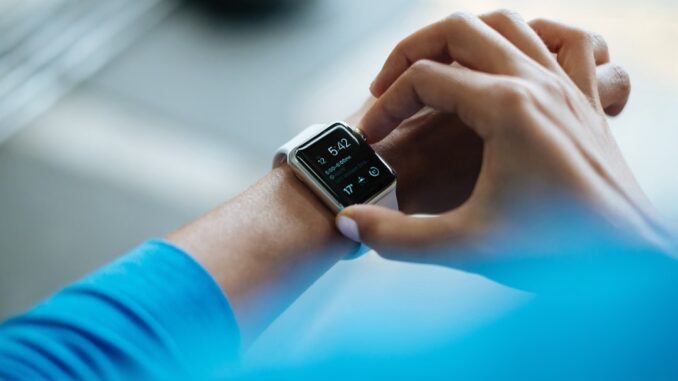
At the heart of the LIFY system lies its wearable device, a piece of engineering ingenuity disguised as a standard wristband. But don’t let its unassuming appearance fool you. This isn’t just a pedometer; it’s a mini health monitoring station, carefully crafted to be as unobtrusive and comfortable as possible for its elderly wearers. We’re talking about lightweight, hypoallergenic materials, designed for continuous wear without causing irritation or discomfort. After all, if it’s not comfortable, residents won’t wear it, right?
Inside, a sophisticated array of sensors works tirelessly. Optical photoplethysmography (PPG) sensors vigilantly monitor heart rate, detecting the subtle changes in blood volume in the capillaries. Thermistors accurately track body temperature, crucial for early detection of infections or fevers. And pulse oximetry sensors measure blood oxygen levels (SpO2), a vital indicator of respiratory function, especially important for individuals with conditions like COPD or during post-operative recovery. These sensors are calibrated for accuracy, ensuring reliable data collection around the clock. The device boasts an impressive battery life, designed to last several days on a single charge, minimizing the need for frequent removal and ensuring uninterrupted monitoring, which is just brilliant when you think about the logistics.
The Communication Backbone: From Wrist to Cloud
Once collected, these vital readings need a secure and efficient pathway to the caregivers. This is where LIFY’s robust communication backbone kicks in. The wearable device utilizes low-power wireless communication protocols, likely Bluetooth Low Energy (BLE), to transmit data to a central hub within the facility, or directly to a Wi-Fi network. This choice of protocol ensures energy efficiency, extending battery life, while providing sufficient range and reliability within a typical geriatric care setting. Imagine, data flowing seamlessly, almost invisibly, from each resident to a centralized platform.
From the local hub, or directly from Wi-Fi, the encrypted data then travels securely to a cloud-based platform. Think of leading cloud providers like AWS, Azure, or Google Cloud, offering unparalleled scalability, redundancy, and data security. The use of encryption, both at rest and in transit, is non-negotiable, safeguarding sensitive patient information against unauthorized access. This secure transmission ensures that caregivers have immediate access to the data, regardless of their physical location within the facility, allowing for truly remote monitoring. It really gives you peace of mind, knowing that the data is both accurate and protected.
The Caregiver Dashboard: A Command Center at Your Fingertips
This is where all that raw data transforms into actionable intelligence. The LIFY cloud platform isn’t just a data repository; it’s a sophisticated command center, accessible via a user-friendly dashboard on desktop computers or mobile devices. The user interface (UI) and user experience (UX) have been meticulously designed with caregivers in mind – intuitive, clutter-free, and easy to navigate, even for those less technologically inclined. You won’t find a steep learning curve here, which is a huge bonus.
Key functionalities include individual resident profiles, offering a comprehensive snapshot of their current vital signs, alongside historical data trends presented through clear graphs and charts. Caregivers can quickly glance at a color-coded overview of all residents, instantly spotting who might need immediate attention. Green means stable, yellow for caution, red for critical – it’s beautifully simple. The system also supports robust user management, allowing facility administrators to add or remove residents, assign different levels of access and permissions to various caregiver roles (e.g., nurses, doctors, supervisors), ensuring data integrity and accountability.
Personalized Alerting System: Timely Interventions
Perhaps the most impactful feature of LIFY is its intelligent, personalized alerting system. This isn’t a one-size-fits-all approach. Caregivers can set customizable thresholds for each resident based on their individual baseline health, medical history, and specific care plans. For instance, an elevated heart rate for one resident might be normal, but for another with a cardiac condition, it could be a critical alert. The system’s logic processes these readings against the defined parameters in real-time.
If a resident’s heart rate, temperature, or blood oxygen level deviates from their personalized normal range, the system automatically triggers an alert. These aren’t just obscure notifications; they’re immediate, multi-channel messages. LIFY can notify caregivers through instant messaging services like Telegram, SMS, email, or even dedicated in-app push notifications. What’s more, the system often incorporates escalation protocols. If a primary caregiver doesn’t acknowledge an alert within a specified timeframe, it can automatically escalate to a supervisor or a secondary care team member. This multi-layered approach ensures that no critical anomaly goes unnoticed, potentially preventing serious health issues from escalating. (Gonzalez, Vasquez, & Castellanos, 2025)
The Transformative Impact: Benefits for All Stakeholders
LIFY isn’t just a technological upgrade; it’s a paradigm shift in geriatric care, delivering tangible benefits across the entire care ecosystem. Everyone stands to gain from this more connected and responsive approach.
Empowering Caregivers: Beyond the Physical Rounds
For the frontline caregivers, LIFY is nothing short of a revolution. Imagine having a centralized, real-time system that monitors multiple residents simultaneously, effectively giving you an extra set of eyes and ears. This dramatically reduces the need for constant, physically demanding manual checks, freeing up invaluable time. Think about it: a night nurse, instead of making rounds every hour just to check vitals, can now focus on administering medication, assisting with personal care, or providing comforting companionship, all while LIFY vigilantly monitors the health parameters in the background. It’s a huge weight off their shoulders, honestly.
This remote monitoring capability is especially transformative during off-hours, when staffing might be leaner, or in large facilities where residents are spread across vast areas. It allows caregivers to shift from a reactive mode – responding to crises after they’ve developed – to a proactive stance, identifying subtle deteriorations early. This significantly reduces workload stress, diminishes burnout rates, and ultimately, allows them to channel their compassion and expertise where it’s needed most: direct, quality interaction. Sarah, a dedicated night nurse I know (well, a hypothetical one for this example), used to dread those quiet hours, constantly battling the nagging fear of missing a critical change. Now, with a system like LIFY, she tells me she feels empowered, more confident, knowing she’ll be alerted if anything truly needs her immediate attention. That’s peace of mind, right there.
Enhancing Resident Well-being and Autonomy
For the residents themselves, the benefits are equally profound. The continuous health surveillance means they receive care without the discomfort or invasiveness of frequent manual checks. No more waking up in the middle of the night for a routine blood pressure reading. This respectful approach maintains their dignity and allows for more uninterrupted rest, which is crucial for recovery and overall health. They can simply live their lives, knowing they’re safely and constantly looked after. That’s a powerful feeling.
Moreover, the system’s real-time alerts ensure that any health anomalies, no matter how subtle, are promptly addressed. This early intervention capability is critical. Catching a slight dip in SpO2 or an abnormal heart rhythm early could mean the difference between a minor adjustment to medication and a full-blown medical emergency. This proactive care can prevent serious health issues, reduce hospitalizations, and ultimately contribute to a higher quality of life, potentially allowing residents to maintain a greater degree of independence for longer. It’s about living better, not just longer.
Reassuring Families: Transparency and Peace of Mind
Let’s not forget the families. Placing a loved one in a geriatric facility is one of the hardest decisions many families face, often accompanied by worry and a yearning for transparency. LIFY addresses this head-on. By providing access to secure, anonymized health updates (with appropriate consent, of course), or by facilitating prompt communication from caregivers, the system fosters an unparalleled level of transparency. Family members can stay informed about their loved ones’ well-being, reducing their anxiety and building a stronger sense of trust with the care facility. Imagine receiving a notification that ‘Mom’s vitals are stable and within normal range’ – it’s an incredible comfort. This kind of open communication isn’t just good practice; it’s essential for building lasting relationships in care.
Real-World Validation and Pilot Study Insights
The promise of LIFY isn’t merely theoretical; it’s been rigorously tested and validated in real-world settings. A pivotal pilot study, implemented within an actual geriatric residence, provided invaluable insights into the system’s efficacy and user acceptance. This wasn’t some controlled lab experiment; this was real life, with real residents and real caregivers facing everyday challenges.
In this pilot, which involved a cohort of residents and the dedicated staff looking after them, the feedback was overwhelmingly positive. Caregivers consistently reported that the system was incredibly intuitive, a vital characteristic for any technology introduced into a busy care environment. They particularly highlighted ‘the color-coding on the dashboard for abnormal readings; it was a godsend during busy shifts,’ one caregiver remarked. This visual clarity meant less time spent deciphering complex data and more time understanding the immediate need.
We heard stories, anecdotal certainly, but powerful. One caregiver recounted how LIFY alerted her to a subtle but persistent elevation in a resident’s resting heart rate, something that manual spot checks had missed. This early warning led to a timely consultation with the resident’s physician, resulting in an adjustment to medication that prevented a potential cardiac event. It’s these kinds of stories that truly underscore the system’s life-saving potential. Furthermore, initial data suggested a noticeable reduction in emergency calls related to vital sign deterioration, potentially hinting at fewer hospital readmissions. While specific quantitative data beyond the scope of general observation wasn’t detailed, the qualitative feedback painted a clear picture of improved vigilance and response times.
Family members, too, expressed profound appreciation for the increased transparency and the reassurance of knowing their loved ones were under continuous, intelligent surveillance. ‘It just feels like an extra layer of protection, and that means everything to us,’ one family member shared, expressing a sentiment echoed by many. This positive feedback isn’t just encouraging; it underscores LIFY’s immense potential to significantly enhance the quality of care in elderly facilities, fostering both efficiency and a deeper sense of security for all involved. (Gonzalez, Vasquez, & Castellanos, 2025)
The Broader IoT Ecosystem in Geriatric Healthcare
LIFY is, undoubtedly, a significant advancement, but it’s also part of a larger, burgeoning trend where IoT technologies are increasingly being woven into the fabric of healthcare, particularly for the elderly. We’re witnessing a quiet revolution, aren’t we, with technology stepping in to augment human care?
This isn’t just about vital signs. Similar systems and innovations are emerging to monitor a vast array of health parameters. Think about sophisticated fall detection systems, which employ a combination of wearables, camera-based analytics, or even radar technology to detect tumbles and immediately alert caregivers. Then there are smart home sensors that monitor motion patterns, door open/close events, or even detect unusual temperature anomalies, providing insights into a resident’s daily routines and potential changes in behavior. We’ve also seen the rise of smart medication dispensers that ensure adherence to complex medication schedules, issuing reminders and tracking doses. Some systems even delve into cognitive functions, using gamified apps or voice analysis to detect subtle changes indicative of cognitive decline. (mdpi.com; jisem-journal.com)
LIFY, with its focus on core vital signs and its robust alert system, positions itself as a foundational component within this expansive ‘Internet of Medical Things’ (IoMT) or ‘Internet of Health Things’ (IoHT). It’s designed to be a building block, a reliable base upon which other, more specialized IoT solutions can integrate. The vision here is to create a truly connected and responsive healthcare environment, one where elderly individuals receive timely, personalized, and proactive care, allowing them to lead healthier, more independent lives for longer. We’re heading towards an era of ‘smart geriatric facilities,’ and LIFY is certainly helping to pave that way. (ph01.tci-thaijo.org; arxiv.org)
Navigating the Road Ahead: Challenges and Ethical Considerations
While the benefits of IoT in geriatric care, and specifically LIFY, are strikingly evident, it’s crucial to acknowledge that the path forward isn’t entirely without its bumps. There are legitimate challenges and profound ethical considerations we must address head-on if we want these technologies to truly flourish and serve humanity best.
Data Privacy and Security: The Elephant in the Room
Perhaps the most significant hurdle is the paramount concern of data privacy and security. Continuous health monitoring generates vast amounts of highly sensitive personal health information (PHI). Ensuring the security of this data is not just a regulatory requirement (think HIPAA, GDPR); it’s absolutely fundamental to maintaining trust among residents, their families, and the care providers. A single data breach could shatter confidence, and rightly so. So, what needs to be done?
We’re talking about robust encryption protocols for data both in transit and at rest, multi-factor authentication for access, stringent access controls based on roles, and comprehensive audit trails to track who accessed what data and when. Furthermore, the ethical acquisition of consent is critical: how do we ensure elderly residents, who may have cognitive impairments, genuinely understand and consent to continuous monitoring? Or should consent primarily rest with their legal guardians? These are complex questions, and the legal and ethical frameworks around them are still evolving. We also need to consider the secondary use of this aggregated data for research or improving facility operations – how do we anonymize it effectively while still deriving valuable insights? It’s a delicate balance, one we can’t afford to get wrong.
Implementation Hurdles: Beyond the Technology
The integration of sophisticated systems like LIFY into existing care infrastructures isn’t just a plug-and-play affair. There are practical hurdles that need careful navigation.
First, there are the initial setup costs. This includes the hardware (the wearable devices, any local hubs), software licenses, and potentially upgrades to existing network infrastructure to support reliable data transmission. While the long-term operational efficiencies and improved health outcomes often outweigh these upfront investments, securing initial funding can be a challenge for many facilities.
Then there’s the human element: training. Caregivers, many of whom may have varying levels of digital literacy, require comprehensive and ongoing training to effectively use the system. It’s not enough to hand them a tablet; they need to understand the ‘why’ behind the ‘how,’ feeling confident in interpreting data and responding to alerts. Resistance to change from staff or even residents is also a factor, requiring thoughtful change management strategies. Finally, integration with existing legacy systems, such as electronic health records (EHRs) or facility management software, can be a technical headache, often requiring custom APIs and significant IT resources. These aren’t insurmountable, but they demand strategic planning and investment.
Ethical Dilemmas: The Human Element
Beyond data security, IoT in geriatric care raises deeper ethical questions about the balance between surveillance and individual freedom. While continuous monitoring offers unparalleled safety, could it, inadvertently, create a sense of being constantly watched, eroding a resident’s sense of privacy and autonomy? It’s a fine line to walk, and it needs thoughtful dialogue with residents and families.
There’s also the potential for over-reliance on technology. Could caregivers become overly dependent on automated alerts, potentially deskilling their ability to conduct traditional observational assessments? We must ensure technology augments human care, not replaces it, maintaining the compassionate, human touch that is so vital in geriatric settings. And finally, the question of equitable access: as these advanced technologies become more prevalent, how do we ensure they’re accessible to all, not just those in well-resourced facilities? These are not easy questions, and we, as a community, must commit to exploring them with empathy and foresight.
LIFY’s Strategic Advantage and Future Outlook
What truly sets LIFY apart in a crowded field of emerging health tech is its unwavering focus on comprehensive yet simple functionality, paired with a robust and customizable alerting mechanism. It isn’t trying to do everything; it’s doing essential vital sign monitoring exceptionally well, ensuring that the core needs of geriatric care are met with precision and reliability. That’s its strength, don’t you think?
Looking ahead, the future for LIFY is incredibly exciting, full of potential enhancements that promise to push the boundaries of proactive care even further. Imagine the integration of artificial intelligence (AI) and machine learning algorithms, moving beyond simply flagging deviations to actively predicting potential health declines. These systems could analyze long-term data patterns, identifying subtle trends indicative of specific conditions or impending acute events, allowing for interventions even before symptoms manifest. Picture a system learning that a specific pattern of heart rate variability, combined with a slight change in body temperature, often precedes a respiratory infection in a particular resident – that’s truly predictive power.
Further expansion of monitored parameters is also on the horizon. Beyond vital signs, we could see integration with sleep pattern analysis, activity levels, even subtle changes in gait or posture that might indicate increased fall risk. Voice-activated interfaces could empower residents to interact with the system, requesting assistance or providing feedback. And imagine seamless integration with teleconsultation platforms, allowing doctors to review real-time vital signs during a virtual visit, making remote care even more effective. These aren’t distant fantasies; they’re the logical next steps in building truly ‘smart geriatric facilities’ where technology works in harmony with human caregivers. LIFY isn’t just a product; it’s a foundational piece in this evolving vision, promising a future where our elders can indeed lead healthier, more comfortable, and more independent lives, supported by intelligent, compassionate technology.
Conclusion
In essence, LIFY represents a pivotal advancement in the integration of IoT technologies into geriatric care. By providing continuous, real-time health monitoring, it doesn’t just empower caregivers; it transforms the very nature of care delivery, making it more proactive, personalized, and ultimately, more humane. We’re moving away from merely reacting to illness towards actively safeguarding well-being, catching potential issues before they become crises. This shift is enormous, and honestly, it’s about time.
As the global population continues its inexorable march toward an older demographic, systems like LIFY won’t just be beneficial; they’ll be absolutely crucial. They will play an indispensable role in ensuring that elderly individuals receive the timely, dignified, and personalized care they deserve, allowing them to lead healthier, more comfortable, and more independent lives for as long as possible. The future of elder care isn’t just about longer lives; it’s about richer lives, supported by the best of human compassion and technological innovation. And LIFY, quite clearly, is leading the charge.
References
- Gonzalez, S., Vasquez, M., & Castellanos, W. (2025). LIFY: IoT System for Monitoring Vital Signs of Elderly People. arXiv preprint. (arxiv.org)
- Durán-Vega, L. A., Santana-Mancilla, P. C., Buenrostro-Mariscal, R., Contreras-Castillo, J., Anido-Rifón, L. E., García-Ruiz, M. A., Montesinos-López, O. A., & Estrada-González, F. (2019). An IoT System for Remote Health Monitoring in Elderly Adults through a Wearable Device and Mobile Application. Geriatrics, 4(2), 34. (mdpi.com)
- Cheriyan, S., Kumar, S. G. K., Regula, T., Sakthivel, S., & Al Riyami, S. (2025). Integrating Patient Care: Evaluating Effectiveness of AI and IoT-enabled Solutions in Enhancing Health Outcomes for Geriatric Patients. Journal of Information Systems Engineering and Management, 10(18s). (jisem-journal.com)
- Wudhiphan, W., Suthisoontrin, T., Vanijkachorn, P., & Visutsak, P. (2024). An IoT-based Multi-sensory Intelligent Device for Bedridden Elderly Monitoring. ECTI Transactions on Computer and Information Technology, 18(2), 136–146. (ph01.tci-thaijo.org)
- Zhang, D., Zheng, J., & Lin, J. (2023). IoHRT: An Open-Source Unified Framework Towards the Internet of Humans and Robotic Things with Cloud Computing for Home-Care Applications. arXiv preprint. (arxiv.org)
Be the first to comment