

The Digital Revolution in Diabetes Care: A Deep Dive into a Connected Future
It’s truly incredible, isn’t it, how quickly the landscape of diabetes management has evolved? What was once a largely manual, often frustrating, and sometimes isolating journey has undergone a profound metamorphosis. We’re talking about a transformation driven by the relentless march of digital technologies, culminating in what we now affectionately call the comprehensive digital diabetes ecosystem. This isn’t just a collection of gadgets; it’s a dynamic interplay of connected devices, smart software applications, and accessible telehealth services, all working in concert to dramatically improve patient outcomes and, thankfully, streamline those often-clunky care processes. It’s a game-changer, plain and simple.
Think about it: just a decade or so ago, managing diabetes often felt like flying blind, relying on infrequent finger pricks and a hefty dose of guesswork. Now, we’ve got real-time data, predictive analytics, and personalized interventions right at our fingertips. It’s exhilarating to witness, and even more so to be part of, this shift towards a more empowered, proactive approach to health.
Safeguard patient information with TrueNASs self-healing data technology.
Continuous Glucose Monitoring (CGM) Systems: Your Personal Glucose Compass
If there’s one technology that’s truly become the cornerstone of modern diabetes management, it’s Continuous Glucose Monitoring. CGMs have done more than just provide data; they’ve given millions of people a literal window into their body’s metabolic fluctuations, offering real-time, minute-by-minute insights into blood glucose levels. No more waiting hours for a single snapshot; instead, you get a continuous stream, letting you see trends, react swiftly, and truly understand how your body responds to food, exercise, stress, even a good night’s sleep, or perhaps a not-so-good one.
Devices like the Dexcom G7, for example, aren’t just reading glucose; they’re painting a dynamic picture. Imagine seeing a spike after that slice of pizza you just ate, or a gentle decline during your morning run. This data isn’t just raw numbers; it’s actionable intelligence. It enables timely interventions – a quick dose correction, a walk to stave off a spike, or even a preemptive snack to avoid a dip. The result? Significantly better glycemic control and, for many, a tangible reduction in the daily mental load of living with diabetes. You really can’t overstate the psychological benefit of that real-time feedback loop.
What makes the latest generation of CGMs even more compelling is their seamless integration with our digital lives. Your G7 isn’t just talking to its own app; it’s often beaming those vital readings straight to your smartwatch. A quick glance at your wrist, and there it is: your current glucose, trend arrow, and maybe even a warning if you’re heading for a low. This immediate access enhances user convenience beyond measure and makes you incredibly responsive. No fumbling for a meter, no uncomfortable finger pricks in public. It’s discreet, it’s efficient, and it empowers you to make decisions right when they matter most. Similar systems, like the FreeStyle Libre series, offer a slightly different interaction model, requiring a quick scan with a phone or reader, but provide similarly invaluable trend data. The choice often comes down to personal preference for continuous streaming versus on-demand scanning, but both are fundamentally changing lives.
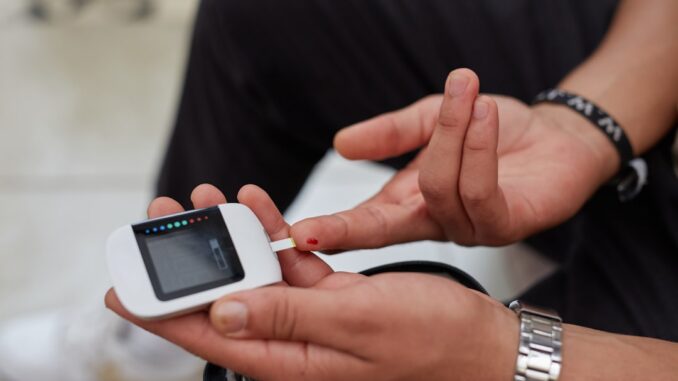
For many, the shift from traditional finger-prick blood glucose meters (BGMs) to CGMs has been nothing short of revolutionary. Before, you might test four, maybe six times a day, giving you a few isolated points on a graph. With a CGM, you’re getting hundreds of data points, revealing the crests and troughs, the subtle nuances that influence your overall glycemic health. This comprehensive view allows for far more precise adjustments to insulin, diet, and exercise, ultimately pushing people closer to their ‘time in range’ goals – that sweet spot where glucose levels are neither too high nor too low.
Automated Insulin Delivery Systems: A Glimpse into the Artificial Pancreas
Now, if CGMs are the eyes, then Automated Insulin Delivery (AID) systems, often heralded as ‘artificial pancreas’ systems, are truly the brain and muscles of the operation. These remarkable innovations take the real-time insights from CGMs and combine them with smart insulin pumps and sophisticated algorithms to regulate insulin delivery automatically. The goal? To mimic the function of a healthy pancreas as closely as possible, constantly adjusting insulin infusion based on sensor glucose data, predicting future trends, and crucially, reducing the relentless burden of manual insulin management.
Think about the constant mental calculus required for someone with type 1 diabetes: ‘What did I eat? How much insulin do I need for that? Did I just exercise? Am I stressed? Is my basal rate right?’ It’s exhausting. AID systems aim to automate a significant portion of this, taking over much of the guesswork. Modern systems aren’t just reacting; they’re predicting. They use algorithms to forecast where your glucose is headed in the next 30 minutes to an hour and then proactively adjust insulin delivery to gently nudge you back into range. This is the essence of a ‘hybrid closed-loop’ system – you still input meals, but the system handles much of the ‘behind-the-scenes’ micro-adjustments.
We’ve seen incredible advancements here. Companies like Medtronic with their MiniMed systems, Tandem Diabetes Care with their t:slim X2 insulin pump featuring Control-IQ technology, and Insulet with the Omnipod 5, are leading the charge. Each system has its unique strengths, but the core principle remains the same: a CGM feeds data to an algorithm within the pump (or a connected smartphone), which then commands the pump to deliver, reduce, or suspend insulin delivery. The feeling of waking up in range, or not having to worry about an overnight low, is something many users describe as life-changing.
But the benefits aren’t confined to pump users. For individuals who prefer traditional multiple daily injection (MDI) therapy, ‘smart’ insulin pens have emerged as a significant aid. These pens integrate with connected blood glucose meters or CGMs, recording insulin doses and, in some cases, offering dose recommendations based on current glucose, insulin on board, and even estimated carb intake. It’s a sophisticated step beyond simply drawing insulin, lessening the guesswork for intensive insulin management and helping people track their injections more accurately. While not fully automated, they offer a crucial bridge between manual injections and the highly integrated AID systems, making MDI therapy safer and more effective.
Digital Therapeutics and Artificial Intelligence: Beyond the Device
Moving beyond the hardware, we delve into the realm of Digital Therapeutics (DTx) and the pervasive influence of Artificial Intelligence (AI). Digital therapeutics are fascinating because they’re not just ‘health apps.’ These are software applications designed to deliver evidence-based therapeutic interventions for disease management, often requiring regulatory approval just like a traditional drug. They’re built on rigorous clinical evidence, and they’re proving incredibly effective in areas like diabetes care.
Here, AI is the engine room. It analyzes vast amounts of data – not just from CGMs, but also from activity trackers, sleep logs, meal inputs, and even user-reported stress levels. Imagine an AI learning your unique glucose patterns: how that morning coffee affects you, the impact of your daily walk, or the specific way your body handles complex carbs. It’s like having a hyper-personalized health coach that never sleeps.
One of AI’s most powerful applications in diabetes is its predictive capability. These sophisticated algorithms can predict hypoglycemic events or even the onset of diabetic ketoacidosis (DKA) episodes with startling sensitivity and specificity. For individuals with type 1 diabetes, especially those with impaired hypoglycemia awareness – where they don’t feel the warning signs of a dangerous low blood sugar – this is nothing short of a lifesaver. The system can alert you or your caregivers before a crisis, enabling proactive management. A gentle notification to ‘check your glucose, it’s trending low’ can prevent a serious medical emergency. It’s moving from reactive firefighting to intelligent prevention, and frankly, that’s where the real power lies.
AI isn’t just about prediction, though. It also helps personalize recommendations for medication adjustments, dietary choices, and exercise routines. Some platforms use AI to guide users through structured educational programs, adapting the content based on their progress and needs. It’s about delivering the right information, to the right person, at precisely the right time. This level of personalized feedback, delivered consistently, is something traditional care models simply can’t match at scale.
Telehealth and Remote Monitoring: Bridging Distances and Enhancing Care
COVID-19 certainly accelerated the adoption of telehealth, didn’t it? But its benefits for chronic conditions like diabetes were evident long before. Telehealth has fundamentally expanded access to diabetes care, allowing patients to consult with healthcare providers remotely, from the comfort of their own homes. This approach is a godsend, particularly for individuals in underserved or rural areas where endocrinologists or certified diabetes educators might be hundreds of miles away. It effectively pulverizes geographical barriers to quality care, ensuring that expertise isn’t limited by your postcode.
Beyond just convenience, though, the integration of telehealth with digital monitoring tools facilitates continuous patient engagement and timely adjustments to treatment plans. Imagine a patient, let’s call her Sarah, living in a remote village. She used to drive three hours each way for a 15-minute appointment. Now, her CGM data automatically uploads to a secure cloud platform. Her endocrinologist, Dr. Chen, can review her glucose trends, activity, and insulin doses between scheduled virtual appointments. When they do connect via video call, it’s a far more productive discussion, focused on trends and adjustments rather than just a fleeting snapshot. Dr. Chen can suggest a basal rate change, recommend a different carb-counting strategy, or refer Sarah to an online dietitian, all based on comprehensive, up-to-date data. This proactive, data-driven approach means interventions can happen much faster, preventing complications before they escalate.
It’s not just about patients in remote areas, either. For busy professionals, parents with young children, or anyone struggling with transportation, telehealth eliminates the logistical nightmare of clinic visits. It saves time, money, and stress, making consistent care far more attainable. Of course, there are challenges – ensuring digital literacy for all patients, securing reliable internet access, and navigating reimbursement models are ongoing hurdles. But, you know, we’re making progress. The sheer convenience and efficacy often outweigh these bumps in the road, especially for those who’ve felt marginalized by the traditional healthcare system.
Digital Biomarkers and Predictive Modeling: The Future of Personalized Insights
The emergence of digital biomarkers is perhaps one of the most exciting, if slightly more abstract, developments in this ecosystem. What exactly are digital biomarkers? Essentially, they’re objective, quantifiable physiological and behavioral data collected by connected digital health technologies – think everything from your CGM glucose readings and heart rate from your smartwatch, to your sleep patterns, activity levels, and even your mood as logged in an app. They’re the new frontier for understanding health, providing a rich, multi-dimensional view of an individual’s well-being.
This wealth of data then fuels advanced predictive modeling. Frameworks like GluMarker, mentioned in the initial summary, are pioneering efforts in this space. They don’t just look at glucose; they analyze various data sources – the time you wake up, how many steps you take, your reported stress levels, your food choices – to predict glycemic control. This isn’t just about predicting a single high or low; it’s about understanding the complex interplay of daily factors that influence your blood glucose levels over time. It’s about answering questions like, ‘Why did my average glucose spike last Tuesday?’ or ‘What lifestyle changes would most effectively improve my time in range next month?’
This personalized approach empowers patients to make incredibly informed decisions about their health. Instead of generic advice, you get insights tailored specifically to your physiology and your lifestyle. Imagine receiving a notification suggesting, ‘Your sleep quality has been lower this week, which often correlates with higher morning glucose for you. Perhaps try winding down earlier tonight?’ This level of granular, actionable insight can lead to truly transformative changes in behavior and, consequently, long-term health outcomes. It moves us light years beyond a one-size-fits-all approach.
The potential for digital biomarkers extends far beyond current applications. We’re on the cusp of integrating even more data, perhaps from genomics or metabolomics, to create ultra-personalized health profiles. This future vision suggests a time when predictive models won’t just tell you what’s likely to happen, but why it’s happening at a fundamental biological level, allowing for even more targeted and effective interventions. It’s a truly thrilling prospect, don’t you think?
Navigating the Road Ahead: Challenges and Future Directions
While the progress we’ve seen in the digital diabetes ecosystem is nothing short of phenomenal, we’d be remiss not to acknowledge the bumps in the road. Challenges persist, and frankly, some are quite significant, requiring thoughtful collaboration across industry, healthcare, and regulatory bodies. But every challenge is an opportunity for innovation, right?
The Interoperability Conundrum
One of the biggest hurdles remains interoperability. We have this incredible array of devices – CGMs, pumps, smart pens, wearables – all generating valuable data. But often, they operate in silos, unable to ‘talk’ to each other or to electronic health records (EHRs) seamlessly. It’s like having a dozen brilliant musicians, but they all play in different keys. Ensuring true interoperability among devices and platforms is crucial for seamless data exchange. We need open standards, like FHIR (Fast Healthcare Interoperability Resources), to become the norm, allowing patient data to flow securely and efficiently between different systems, empowering both patients and clinicians with a holistic view, rather than fragmented snapshots.
Privacy, Security, and Trust
Then there’s the ever-present shadow of privacy and security concerns. We’re talking about incredibly sensitive personal health data here. Any data breach, any vulnerability, can shatter patient trust, and once lost, that’s incredibly difficult to rebuild. Adhering to stringent regulations like HIPAA in the US or GDPR in Europe is non-negotiable, but it also means constant vigilance against evolving cyber threats. We need robust encryption, secure cloud infrastructure, and transparent data handling policies to ensure patients feel confident that their most personal information is protected. Ultimately, if people don’t trust the system, they simply won’t use it, and we can’t afford that.
Bridging the Digital Divide and Ensuring Equity
Accessibility and equity also weigh heavily on my mind. These cutting-edge technologies often come with a hefty price tag, making them inaccessible to many, especially those without adequate insurance coverage. Beyond cost, there’s the ‘digital divide’ – not everyone has reliable broadband internet, or even the digital literacy required to fully utilize these complex systems. How do we ensure that these advancements benefit everyone with diabetes, not just the privileged few? This demands innovative reimbursement models, government subsidies, and educational initiatives to empower all segments of the population to engage with digital health tools. It’s a moral imperative, I think.
Regulatory Landscapes and Clinical Integration
The regulatory landscape often struggles to keep pace with the dizzying speed of technological innovation. Getting new devices and software approved by bodies like the FDA can be a slow, arduous process, even as the technology rapidly evolves. Streamlining these processes, without compromising safety, is essential. Moreover, we need better clinical integration and training. Many healthcare providers, particularly those who’ve been practicing for decades, aren’t fully versed in these new digital tools. We can’t expect them to seamlessly integrate what they don’t understand, so comprehensive training programs for HCPs are vital to ensure these tools are effectively utilized in clinical practice.
Future Trajectories: The Horizon Beckons
Despite these challenges, the future directions are incredibly exciting. Ongoing research and development continue to refine these technologies, pushing the boundaries of what’s possible. Imagine non-invasive glucose monitoring – no more sensors inserted under the skin, perhaps just a wearable device on your wrist. Researchers are exploring everything from contact lenses to skin patches and even smart tattoos. The thought of it is quite sci-fi, but we’re getting closer!
We’ll see even more sophisticated AI, capable of integrating predictive insights with real-time feedback loops to offer truly dynamic, moment-by-moment personalized care. Furthermore, the integration of these systems into a broader, holistic health ecosystem – where diabetes management is seamlessly connected with cardiac health, mental well-being, and preventative care – is a powerful vision. This isn’t just about managing a condition; it’s about optimizing overall health and well-being.
In conclusion, what we’re witnessing is a profound paradigm shift. The digital diabetes ecosystem represents a move away from reactive, fragmented care towards personalized, real-time, and proactive management. It’s an evolution that’s empowering individuals, relieving burdens, and ultimately, enhancing the quality of life for millions living with diabetes. As technology continues its relentless march forward, the promise of an even healthier, more connected future for diabetes care feels not just achievable, but truly within our grasp. And that, frankly, is a future I’m incredibly optimistic about.
Be the first to comment