
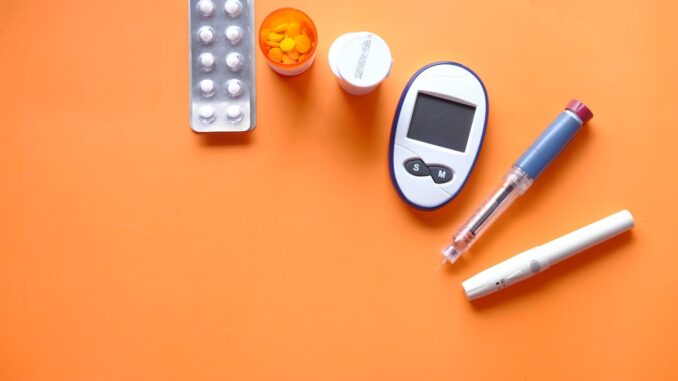

The Digital Revolution in Type 1 Diabetes: Unpacking the Future of Personalized Care
For anyone living with Type 1 Diabetes (T1D), or indeed for those of us in the healthcare and tech sectors watching from the sidelines, the transformation in T1D management over recent years isn’t just remarkable—it’s nothing short of revolutionary. We’re witnessing a paradigm shift, moving away from the arduous, often anxiety-laden daily grind of finger pricks and manual insulin injections towards a future where technology shoulders much of the burden. Frankly, it’s making life with T1D immeasurably better, offering a level of control and freedom that once seemed like science fiction.
Think about it: for decades, managing T1D felt like a relentless, manual balancing act. Constant calculations, the emotional toll of fluctuating blood sugars, and the ever-present fear of severe hypoglycemia or long-term complications. It wasn’t just a physical challenge; it was a psychological marathon. But today, with innovations like Continuous Glucose Monitoring (CGM) systems and Automated Insulin Delivery (AID) devices, we’re not just tweaking existing methods. No, we’re fundamentally redefining patient care, providing real-time data and automated insulin adjustments that significantly lighten that heavy daily load. It’s a game-changer, plain and simple.
See how TrueNAS offers real-time support for healthcare data managers.
Continuous Glucose Monitoring (CGM) Systems: Your Personal Glucose Compass
CGM systems, truly, have revolutionized how people with diabetes interact with their bodies. Gone are the days when a person only knew their glucose level at the precise moment they pricked a finger. Now, we’re talking about a continuous stream of data, a live feed of what’s happening beneath the skin, giving insights that were once unimaginable. This constant vigilance, it empowers users to make incredibly informed decisions about everything from meal choices to exercise routines, and even stress management.
How CGMs Work and Their Evolution
At its core, a CGM system comprises a small sensor inserted just under the skin, typically on the arm or abdomen. This sensor, it measures glucose levels in the interstitial fluid – that’s the fluid surrounding your cells – every few minutes. A tiny transmitter then sends this data wirelessly to a receiver, often a dedicated device, a smartphone app, or even a smartwatch. What you get isn’t just a number; you get trends, arrows indicating whether your glucose is rising or falling, and predictive alerts that can warn you of impending highs or lows.
Early CGMs were certainly bulky, less accurate, and often required frequent calibration with fingerstick blood glucose meters. They were a great first step, but they demanded a lot from the user. Fast forward to today, and the technological leaps are just incredible. Devices are smaller, more discreet, more accurate, and far more user-friendly, reducing the friction points that once hampered widespread adoption.
Leading the Charge: Dexcom and FreeStyle Libre
Take the Dexcom G7, for instance. It’s a marvel of miniaturization and connectivity. This tiny sensor boasts a 15-day wear time, meaning fewer changes and less hassle for the user. But what really sets it apart, I think, is its direct integration with smartphones and smartwatches. You don’t need a separate receiver if you don’t want one. Your phone becomes your dashboard, displaying your glucose levels in vivid detail, offering predictive alerts, and allowing for easy data sharing with caregivers or healthcare providers. The accuracy, measured by MARD (Mean Absolute Relative Difference), is among the best in the industry, giving users immense confidence in their readings. It’s truly a seamless experience, a significant step up even from its highly successful predecessor, the G6.
Similarly, the FreeStyle Libre 3 has pushed boundaries. It’s arguably the smallest and most discreet sensor available, practically invisible once applied. Offering a robust 14-day wear period, it provides real-time glucose readings directly to your smartphone every minute, completely eliminating the need for scanning that earlier Libre versions required. Accuracy has improved dramatically, and the option for customizable, real-time alarms means users can stay ahead of glucose excursions without constant checking. For many, the ability to simply glance at their phone and know their status without any extra steps is just liberating.
And let’s not forget others pushing the envelope. The Eversense E3, for example, is an implantable CGM that lasts for six months, offering a different kind of convenience. It shows the sheer diversity of innovation happening in this space, catering to different patient preferences and lifestyles.
The Profound Impact on Daily Life
For a person with T1D, a CGM isn’t just a gadget; it’s a lifeline. It provides a level of insight that manual finger pricks could never offer. Imagine knowing your glucose is trending downwards before it hits a dangerous low, allowing you to proactively treat it. Or understanding how a particular meal or exercise impacts your body in real-time. This isn’t just about better numbers; it’s about better living.
I remember talking to a colleague, Sarah, who’s lived with T1D for over 20 years. She told me, ‘Before CGM, every night was a mini-anxiety attack. Would I wake up? Would my blood sugar crash? Now, I see the trends, I get alerts, and I actually sleep through the night. It’s like having a guardian angel.’ That kind of peace of mind, it’s priceless. It significantly improves Time in Range (TIR), reduces the frequency and severity of hypoglycemia, and generally lowers the mental burden of daily management.
Of course, it isn’t without its challenges. The cost can be a barrier for some, even with improving insurance coverage. Sensor adhesion can sometimes be an issue, especially for active individuals. And yes, you’ll get the occasional wonky reading or a warm-up period that feels like an eternity when you’re anxious. But these are minor quibbles when you weigh them against the monumental benefits.
Automated Insulin Delivery (AID) Systems: The ‘Artificial Pancreas’ Comes of Age
If CGMs are your eyes on glucose, then Automated Insulin Delivery (AID) systems are truly the brain and hands, working tirelessly to manage your insulin needs. Often dubbed ‘artificial pancreas’ systems, these marvels of engineering combine the continuous glucose data from a CGM with the precise delivery capabilities of an insulin pump, all orchestrated by sophisticated algorithms. What you get is a closed-loop system that automates much of insulin delivery, mimicking, to a degree, the functions of a healthy pancreas. It’s a huge leap forward, isn’t it?
Deconstructing the Closed-Loop System
An AID system has three main components:
- Continuous Glucose Monitor (CGM): We’ve just discussed these—they provide the real-time glucose data, acting as the system’s ‘sensory input’.
- Insulin Pump: This device delivers insulin precisely and reliably through a small cannula inserted under the skin. It’s the ‘delivery mechanism’.
- Control Algorithm: This is the ‘brain’ of the operation. It constantly analyzes the CGM data, predicts future glucose levels, and then instructs the insulin pump on how much insulin to deliver (or suspend). These algorithms are incredibly complex, constantly learning and adapting to individual needs.
How it works in practice is quite elegant. The algorithm continuously adjusts basal insulin delivery (the background insulin) based on your current glucose levels and predicted trends. Many systems also offer automated correction boluses to bring high glucose levels down or suspend insulin delivery to prevent hypoglycemia. The aim is to keep glucose levels within a target range with minimal user intervention, and it’s doing an increasingly impressive job.
Key Players in the AID Space
The market for AID systems is rapidly maturing, with several excellent options available, each with its unique strengths:
-
Medtronic MiniMed 780G: This system integrates Medtronic’s Guardian 4 sensor with its SmartGuard technology. What’s particularly powerful about the 780G is its automatic correction bolus feature. It doesn’t just adjust basal rates; it actually delivers micro-boluses to keep you within your target glucose range, which can be as low as 100 mg/dL (5.5 mmol/L). Users simply need to announce meals, and the system handles much of the rest. It’s incredibly proactive in preventing highs.
-
Tandem t:slim X2 with Control-IQ: This system pairs the sleek t:slim X2 pump with the highly accurate Dexcom G6 CGM. Control-IQ technology offers predictive low-glucose suspend, which is fantastic for preventing overnight lows. But it goes further, automatically adjusting basal insulin and delivering automatic correction boluses to help prevent highs. It even has an exercise activity option to loosen the reins slightly during physical exertion, preventing over-delivery of insulin. Its algorithms are exceptionally good at maintaining glucose within a tight range.
-
Insulet Omnipod 5: For those who prefer a tubeless pump experience, the Omnipod 5 is a revelation. It combines Insulet’s discreet, wearable pod with the Dexcom G6 and its SmartAdjust technology. Control is managed entirely via a smartphone app, making it incredibly convenient and discreet. The freedom of not being tethered by tubing is a huge draw for many, and its closed-loop capabilities are on par with its competitors, offering robust glucose management.
It’s important to acknowledge the DIY (Do-It-Yourself) AID systems, like Loop and AndroidAPS, too. These open-source projects, often spearheaded by dedicated parents and engineers, actually predated commercial systems in many ways. They demonstrate the incredible ingenuity of the diabetes community and have pushed manufacturers to innovate faster. While not FDA-approved and carrying their own set of responsibilities and risks, they’ve been instrumental in proving the efficacy of closed-loop concepts and empowering users who are technically proficient and willing to take on the DIY approach.
The Transformative Benefits of AID Systems
The impact of AID systems on the lives of people with T1D is profound. Firstly, they demonstrably reduce hypoglycemia, especially during the night, leading to better sleep and less anxiety. Secondly, they significantly increase Time in Range (TIR), which is now widely recognized as a critical metric for long-term health outcomes. A study published in The Lancet Diabetes & Endocrinology, for example, reported a striking 20% improvement in time in range for patients using closed-loop systems compared to those on traditional pump therapy. That’s not just a statistic; that’s real-world impact.
Beyond the numbers, these systems dramatically reduce the mental burden. Imagine not having to constantly think about your insulin doses, not having to manually adjust basal rates throughout the day or night. It’s not a ‘cure,’ but it frees up so much cognitive space. Users report feeling more ‘normal,’ less consumed by their diabetes, and experiencing an improved overall quality of life.
Of course, there’s a learning curve with any new technology. The initial setup and understanding how the system responds can be a bit overwhelming. And like any connected device, system alarms can sometimes be disruptive. The cost, naturally, remains a consideration, and while cybersecurity concerns are always present with connected health devices, manufacturers are continually strengthening their defenses. Yet, the overwhelming consensus is that the benefits far outweigh these minor hurdles.
Smart Insulin Patches & Beyond: Peering Over the Horizon
While CGMs and AID systems are reshaping the present, the future of diabetes management holds even more tantalizing possibilities. Emerging technologies are pushing the boundaries of what’s possible, promising even more seamless, less intrusive, and potentially more effective ways to manage blood glucose. One area generating significant excitement is the development of smart insulin patches.
The Promise of Smart Insulin Patches
Imagine a small, discreet patch you apply to your skin, not unlike a nicotine patch, that can both monitor your blood sugar and deliver insulin, all without a single traditional needle stick. That’s the vision behind smart insulin patches. These wearable devices utilize glucose-sensitive microneedles. These aren’t the needles you dread; they’re microscopic, often painlessly penetrating the outermost layer of skin. They contain glucose-sensitive polymers that swell or dissolve in response to elevated blood sugar, in turn releasing insulin transdermally, directly into the bloodstream.
The advantages are clear: non-invasive delivery, which means no more daily injections or pump cannula changes. It’s ‘on-demand’ insulin delivery, responding directly to your body’s needs without constant manual input. While still largely in experimental stages, with research groups at institutions like UNC Chapel Hill leading the charge, smart insulin patches represent a truly promising avenue for a more discreet, user-friendly, and potentially more physiologically responsive way to deliver insulin.
Could this technology eventually replace daily injections for some, or even offer an alternative to traditional insulin pumps? It’s certainly within the realm of possibility, perhaps becoming a weekly or multi-day patch application that quietly manages glucose in the background.
Other Exciting Avenues in Research
Beyond patches, the research pipeline is buzzing with innovative concepts:
-
Glucose-Responsive Insulin (GRI): This is the holy grail for many researchers. Imagine an insulin molecule that only activates and lowers blood sugar when glucose levels are high, effectively switching off when levels normalize. It would be a huge step towards preventing hypoglycemia and simplifying dosing.
-
Encapsulated Islet Cells: This involves implanting insulin-producing islet cells (from a donor) into the body, but enclosing them in a protective, immunoisolating capsule. The goal is for these cells to produce insulin naturally in response to glucose, without the need for lifelong immunosuppression, which is a major hurdle in current islet transplantation efforts. It’s essentially attempting to restore natural pancreatic function.
-
Truly Non-Invasive Glucose Monitoring: While CGMs are minimally invasive, the dream is still fully non-invasive monitoring. Researchers are exploring methods involving tear film, sweat, breath analysis, and various optical techniques. The challenge here is accuracy and reliability, but breakthroughs in these areas would be incredibly impactful.
-
Dual-Hormone Systems: While current AID systems focus on insulin, some research is looking into delivering both insulin and glucagon. Glucagon is the hormone that raises blood sugar, and a dual-hormone system could provide even tighter control, not only preventing highs but also proactively treating or preventing lows, creating an even more robust artificial pancreas.
Integration with Digital Health Platforms: The Power of Data
The sheer volume of data generated by modern diabetes devices is staggering, and its integration with digital health platforms is profoundly expanding access to education, support, and ultimately, better self-management. We’re moving beyond mere device output to actionable intelligence, creating a richer ecosystem for patients and clinicians alike.
Beyond Device-Specific Apps
Proprietary apps like Dexcom Clarity and LibreLinkUp aren’t just display screens; they’re powerful data analysis tools, offering insights into patterns, averages, and time in range. Tandem’s t:connect similarly provides a comprehensive overview of pump usage and glucose data. But the real power often comes from aggregating this data.
Digital health platforms, including generic health apps like Apple Health and Google Fit, are becoming central hubs. They can pull data from various sources—CGMs, smartwatches, fitness trackers—to provide a holistic view of a person’s health. For example, seeing how sleep patterns or physical activity correlate with glucose fluctuations can offer incredible personalized insights that wouldn’t be apparent from just looking at a glucose graph.
This data integration also fuels the rise of telemedicine and remote monitoring. Clinicians can securely access their patients’ glucose data, often in real-time or near real-time, allowing for proactive adjustments to treatment plans without requiring frequent in-person visits. This is particularly valuable for patients in rural areas or those with mobility challenges, democratizing access to expert care.
The Impact of Nightscout
Let’s not overlook the remarkable story of Nightscout. Born out of necessity and the sheer determination of parents wanting to remotely monitor their children’s glucose levels (often while they were at school or asleep), Nightscout is an open-source, web-based platform. It allows users to access, visualize, and share their CGM data remotely, often pushing the boundaries of what commercial devices offered at the time. Its origins highlight a crucial point: patients and their families are often the first innovators, identifying needs that manufacturers may not yet address.
Nightscout didn’t just provide data; it built a community. It fostered shared learning, empowered users to take more control, and arguably, pressured commercial entities to accelerate their own efforts in remote monitoring and data sharing. It’s a testament to how user-driven innovation can truly shake up an industry.
Benefits and Considerations
The benefits of this digital integration are clear: empowerment for the user, informed decision-making, expanded access to remote care, and a robust support network. You see, the data, it’s just so empowering. It turns abstract numbers into a personal narrative of health.
However, it’s not all smooth sailing. Privacy concerns around health data are paramount. Ensuring data security, understanding who has access to your information, and how it’s used are critical considerations for both users and developers. Regulations are constantly trying to catch up with the pace of technological advancement in this area, which isn’t always easy.
Future Directions: The AI and Machine Learning Frontier
Looking ahead, the evolution of diabetes management is inextricably linked with advancements in artificial intelligence (AI) and machine learning (ML). These powerful computational approaches aren’t just buzzwords; they’re the engine that will drive the next generation of highly personalized and predictive diabetes care.
AI/ML in Algorithm Development
The control algorithms within today’s AID systems are already sophisticated, but AI and ML promise to take them to an entirely new level. Research into areas like reinforcement learning-optimized adaptive fuzzy control approaches, as mentioned in that arXiv paper, aims to significantly enhance the precision and responsiveness of insulin delivery systems. What does that mouthful actually mean?
-
Reinforcement Learning: Imagine an algorithm that learns through trial and error, just like we do. It tries different insulin adjustments, observes the glucose response, and then ‘rewards’ itself for good outcomes and ‘penalizes’ itself for bad ones. Over time, it learns the optimal strategies for an individual, adapting to their unique physiology, lifestyle, and even changing insulin sensitivities.
-
Adaptive Fuzzy Control: This involves systems that can reason with imprecise or uncertain information, mimicking human-like decision-making. ‘Fuzzy’ logic allows the system to handle the inherent variability of human biology and environmental factors (like stress or illness) more gracefully, making more nuanced and adaptive insulin delivery decisions.
Together, these approaches mean algorithms won’t just follow pre-programmed rules; they’ll learn and evolve with the user, becoming truly personalized. They’ll get better at predicting glucose excursions, developing highly individualized dosing strategies, and managing those tricky edge cases that current systems sometimes struggle with.
The Promise of Big Data and Real-World Evidence
The sheer volume of data generated by millions of connected devices offers an unprecedented opportunity. By applying AI/ML techniques to these vast datasets (anonymized, of course, with proper consent), researchers can identify subtle patterns, predict responses to various treatments, and even discover new biomarkers for T1D management. This ‘real-world evidence’ can then inform clinical guidelines, refine existing devices, and accelerate the development of entirely new therapies. It’s truly a virtuous cycle of data, insight, and innovation.
The Ultimate Goal: A Truly Hands-Off System… or a Cure?
The trajectory is clear: tighter integration, even less user intervention, and systems that are so intuitive and adaptive they fade into the background. The ultimate vision for many is a ‘set it and forget it’ system, where the technology becomes so seamlessly integrated with daily life that diabetes management requires minimal, if any, conscious effort. Some even dream of a true biological cure, whether through advanced cell therapies, gene editing, or other groundbreaking scientific endeavors.
Of course, the regulatory landscape is always playing catch-up, isn’t it? Ensuring safety and efficacy while fostering rapid innovation is a delicate balance regulators constantly strive for. But the momentum is undeniable.
The Unfolding Story of Empowerment
In summary, the landscape of Type 1 Diabetes management is not just advancing; it’s undergoing a profound renaissance. New devices and technologies aren’t merely offering incremental improvements; they’re fundamentally changing the narrative for individuals living with this chronic condition. We’re seeing unprecedented improvements in glycemic control, a significant reduction in the mental load, and a tangible increase in the quality of life for millions globally.
These innovations offer far more than just better blood sugar numbers; they offer peace of mind, freedom, and the ability to lead a life less defined by diabetes. As these technologies continue to develop—and they’re developing at an astonishing pace—they hold the promise of even more personalized, more effective, and ultimately, more liberating diabetes care in the very near future. It’s a thrilling time to be involved in this space, and I, for one, can’t wait to see what comes next. The future, it’s looking brighter, don’t you think?
References
- beyondtype1.org – Advances in Diabetes Medications and Technologies: A Focus on Product Evolutions and Availability
- diabetesincontrol.com – Developments in Type 1 Diabetes Management
- en.wikipedia.org – Smart insulin patch
- en.wikipedia.org – Nightscout
- arxiv.org – Reinforcement Learning-Optimized Adaptive Fuzzy Control Approach to Insulin Delivery System for Type 1 Diabetes Management
Be the first to comment