
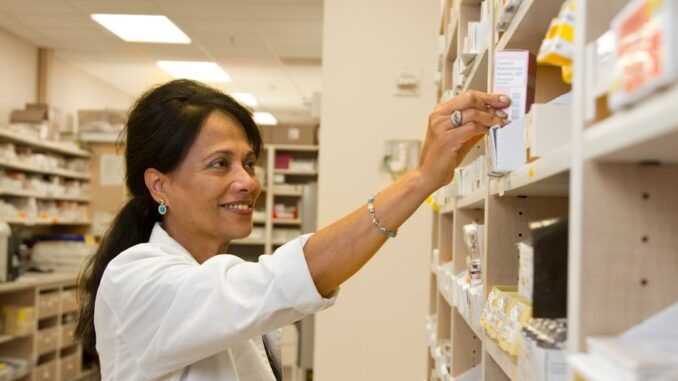

Empowering Lives, Saving Dollars: Why Pharmacists are the Unsung Heroes of Diabetes Management
Diabetes, a relentless and chronic adversary, casts a long shadow over the lives of millions worldwide. It’s a condition that doesn’t just impact individuals; it strains healthcare systems, inflates costs, and, if left unchecked, ushers in a cascade of debilitating complications. Think cardiovascular disease, nerve damage, kidney failure, even blindness or limb amputations – it’s a grim prognosis, really, if we don’t manage it proactively.
Traditionally, the heavy lifting of diabetes management fell squarely on the shoulders of endocrinologists and primary care physicians. But honestly, with the sheer volume of patients and the intricate demands of personalized care, that model often falls short. It’s not sustainable. That’s where a quiet revolution is taking place, a shift many are just beginning to appreciate: pharmacists, those accessible, knowledgeable professionals often found right in our neighborhoods, are stepping up in a big way. They’re proving to be pivotal in transforming diabetes care, not just through medication dispensing, but through structured, empathetic coaching programs.
The Transformative Power: Pharmacist-Led Coaching and Glycemic Control
When we talk about diabetes management, getting those blood sugar levels under control is absolutely paramount. We measure this primarily through HbA1c, a three-month average of glucose in the blood. And here’s where the data gets truly exciting. Recent comprehensive studies don’t just suggest pharmacists play a role; they emphatically demonstrate their profound impact.
Significant Reductions in HbA1c Levels and Healthcare Utilization
A compelling study, published in the Journal of the American Pharmacists Association, zeroed in on a pharmacist-led diabetes management program operating within a federally qualified health center (FQHC). Now, FQHCs are crucial; they serve some of our most vulnerable and often underserved communities, where access to specialized care can be a real struggle, and health disparities are unfortunately, common. The findings from this particular program were nothing short of remarkable: patients, on average, saw a reduction of a whopping 1.5 percentage points in their HbA1c levels. That’s not just a number on a chart; that’s real, tangible improvement for someone living with diabetes.
But the benefits didn’t stop at clinical markers. This significant glycemic improvement translated into a tangible decrease in emergency room visits and hospitalizations. Just imagine the relief for patients who can avoid those stressful, costly trips. And for the healthcare system? These reductions led to savings exceeding $1 million over the study period. Charmaine Rochester-Eyeguokan, PharmD, a co-author of the study, really hit the nail on the head when she emphasized, ‘Pharmacists are uniquely positioned to optimize therapy, truly helping patients gain control over their diabetes and weight.’ It’s not just about giving out pills; it’s about understanding the nuances of each patient’s condition, their lifestyle, and tailoring a plan that works for them.
Consider a patient like Mr. Henderson, a gentleman in his late 60s who felt completely overwhelmed by his new insulin regimen. He was constantly forgetting doses, or maybe misinterpreting his glucose readings, feeling utterly lost in a sea of numbers and instructions. His pharmacist, Sarah, sat down with him, not once but several times, breaking down the complex titration schedule into simple, manageable steps. She helped him set up reminders, explained why each dose adjustment mattered, and even linked him to local resources for healthier meal options. Slowly, his HbA1c began to drop, his confidence soared, and those panicked calls to the doctor’s office dwindled. That’s the kind of individualized attention only a highly accessible, medication-focused professional can provide.
Empowering Patients Through Education
Similarly, a robust randomized controlled trial, encompassing 400 individuals grappling with type 2 diabetes, illuminated the power of pharmacist-led diabetes self-management education (DSME). Participants in the intervention arm received tailored education over a 12-month period, and the results were unequivocal: their average HbA1c levels plummeted from a concerning 9.12% to a much healthier 8.02%. Think about that for a moment. That’s a huge shift, significantly reducing their risk of long-term complications.
What exactly does DSME entail? It’s far more than a simple lecture. Pharmacists provide practical, actionable advice on diet and nutrition, helping patients decipher food labels, understand carbohydrate counting, and make realistic dietary changes. They guide them on effective exercise strategies, stress management techniques – which, let’s face it, is a huge factor in blood sugar control – and crucial sick day management protocols. Moreover, they meticulously teach proper medication adherence, demystifying complex drug regimens, clarifying dosing schedules, and demonstrating correct insulin injection techniques or how to use a glucose meter accurately. They even counsel on proper foot care, a often-overlooked but critical aspect of diabetes management.
Beyond these clinical improvements, the study also revealed a significant boost in patients’ diabetes knowledge and, crucially, improved self-management behaviors. When patients understand their condition better, they’re empowered to take an active role in their care, becoming partners in their own health journey. It’s not just about compliance; it’s about informed choice, you see? These findings powerfully underscore the effectiveness of pharmacists in not just enhancing glycemic control, but in truly educating and empowering patients to navigate their condition with confidence.
The Fiscal Rx: Economic Benefits of Pharmacist-Led Interventions
The ripple effect of better diabetes management extends far beyond individual health. It has profound economic implications, delivering substantial savings to patients, payers, and the healthcare system at large. In an era where healthcare costs seem to spiral ever upwards, finding interventions that improve outcomes and cut expenses is like striking gold.
Direct Savings and Reduced Medication Burden
One particularly insightful study, published in the Journal of Health Economics and Outcomes Research, meticulously evaluated an enhanced insulin management service spearheaded by pharmacists. The results were quite compelling, showing direct annual savings of approximately $1,736 per patient. Where did these savings come from, you ask? Primarily from the elimination of expensive, often unnecessary medications. Sometimes, optimizing insulin therapy means other medications, perhaps for neuropathy or blood pressure, become less essential, or their dosages can be reduced. It’s about streamlining the pharmaceutical burden.
Pharmacists, with their deep understanding of pharmacokinetics and pharmacodynamics, are adept at identifying medication redundancies, potential drug interactions, and opportunities for de-prescribing when appropriate. They can ensure patients are on the most effective, yet cost-efficient, regimens. Moreover, by achieving tighter glycemic control, they prevent or delay the onset of costly complications, such as severe cardiovascular events or kidney failure, which require extremely expensive treatments like dialysis or surgery. The study not only highlighted these immediate savings but also noted significant improvements in glycemic control, clearly signaling further reductions in long-term diabetes-related medical care costs.
Long-Term Cost Avoidance and Improved Quality of Life
Another analysis, undertaken by the Washington State Department of Health, further solidified the economic case. This research indicated that patients who maintained good glycemic control ultimately saved between $410 and $2,070 over a three-year period, when compared to their counterparts with fair or poor control. These aren’t just arbitrary numbers; these are real dollars in patients’ pockets, reducing financial stress, a significant barrier to health for many.
But the cost savings tell only part of the story. This study also concluded that pharmacist-administered diabetes education and management services led to marked improvements in HbA1c values, blood pressure readings, and even appropriate aspirin use – all crucial factors in mitigating cardiovascular risk. Think about the cumulative impact: fewer heart attacks, strokes, and kidney disease progression. These improvements translate into a better quality of life for patients and immense cost avoidance for the entire healthcare system. It’s truly a win-win scenario, isn’t it?
Blueprint for Success: Implementing Robust Pharmacist-Led Coaching Programs
So, the evidence is clear: pharmacists are invaluable. The next logical step, then, is understanding how to effectively integrate them into diabetes care. This isn’t a unilateral effort; it demands a truly collaborative, team-based approach, where each healthcare professional plays to their strengths.
Fostering Collaborative Care and Culturally Competent Education
Pharmacists, in this enhanced role, become integral members of the interdisciplinary healthcare team. They don’t replace physicians; rather, they augment care, filling crucial gaps. They often assist in fine-tuning medication regimens, making sure dosages are optimal, timing is correct, and potential side effects are minimized – all geared towards enhancing glycemic control. This often involves proactive communication with primary care doctors and specialists, ensuring a unified approach to patient care, with a shared understanding of goals and progress. It’s a closed-loop system, if you will.
Beyond medication, their contributions to patient education and counseling are profound. They provide culturally competent education, which is incredibly important, as dietary practices, health beliefs, and language barriers can significantly impact how patients manage their diabetes. It’s about meeting patients where they are, understanding their unique context, and tailoring advice that resonates. This includes in-depth guidance on self-care, unwavering medication adherence, and meticulous blood glucose monitoring. The goal is to empower patients with the knowledge and tools they need to take charge of their health, moving from passive recipients of care to active participants.
Research published in MDPI clearly illustrates the effectiveness of such interventions. It found that pharmacist-led programs significantly improved self-monitoring of blood glucose (SMBG) techniques, leading to more accurate data and better self-management. Patients also showed marked improvements in foot care practices, a critical component in preventing serious complications like diabetic foot ulcers. And let’s not forget dietary improvements – pharmacists help patients translate complex nutritional guidelines into practical, everyday eating habits, which can be an absolute game-changer for someone trying to navigate meal planning with diabetes. Anecdotally, I remember a colleague mentioning a patient, Elena, who came in completely overwhelmed by all the ‘don’ts’ of diabetes diets. Her pharmacist worked with her, focusing on sustainable ‘do’s’ within her cultural culinary traditions, making small, impactful changes she could actually stick to.
Worksite Wellness: A Powerful Model
For instance, consider a highly successful pharmacist-led program implemented in a Pennsylvania-based worksite. This wasn’t some abstract clinic setting; it was right where employees spent a significant part of their day. The program involved monthly coaching sessions, individually tailored, and focused on key pillars of diabetes management: diet, medication adherence, and perhaps most interestingly, stress management. We often underestimate the physiological impact of stress on blood sugar levels, don’t we? So addressing it directly was a smart move.
Employees who actively participated in this program experienced an average reduction of 3.4% in their HbA1c levels – that’s even more impressive than some other studies! Plus, they saw improvements in their blood pressure and cholesterol levels, further stacking the health benefits. These outstanding outcomes didn’t just enhance employee health and well-being; they also translated directly into reduced healthcare costs for the employer. It’s a compelling argument for companies to invest in such proactive health initiatives. For a hypothetical participant like Mark, a factory worker, the convenience of onsite coaching meant he didn’t have to take time off work for appointments, making adherence to the program much easier. The group dynamic of these sessions, where colleagues shared their struggles and triumphs, also provided an invaluable support network.
Navigating the Road Ahead: Challenges and Strategic Solutions
Despite the undeniable promise and compelling evidence, rolling out pharmacist-led diabetes coaching programs on a wider scale isn’t without its hurdles. These are not insurmountable, mind you, but they certainly demand thoughtful consideration and strategic planning.
Ensuring Adequate Training and Professional Development
The first significant challenge lies in ensuring that pharmacists possess the specialized knowledge and skills required for this advanced role. While their foundational pharmacy education is robust, effective diabetes coaching goes beyond dispensing medications. It demands expertise in advanced diabetes pharmacotherapy, motivational interviewing techniques (to truly inspire behavioral change), intricate knowledge of current clinical practice guidelines, and proficiency in interpreting complex patient data, including continuous glucose monitoring (CGM) readings.
Addressing this requires dedicated professional development programs, perhaps even specialized certifications like the Certified Diabetes Educator (CDE) credential, or advanced practice residencies focused on ambulatory care and chronic disease management. We need to invest in our pharmacists, equipping them with the cutting-edge tools and empathetic communication skills necessary to excel in this coaching capacity. It’s a journey of continuous learning, really, keeping pace with the ever-evolving landscape of diabetes research and treatment.
Seamless Integration into Existing Healthcare Systems
Another significant challenge involves seamlessly integrating these services into already complex and often siloed healthcare systems. This isn’t just about carving out physical space for pharmacists in clinics; it’s about establishing clear referral pathways, developing robust electronic health record (EHR) integration for shared documentation and care plans, and fostering strong interprofessional relationships. Other healthcare providers, accustomed to traditional roles, might initially be skeptical or unaware of the expanded capabilities of pharmacists. Overcoming this requires education, clear communication, and demonstrated successes to build trust and collaboration.
Workflow optimization is also crucial. How do pharmacists, often burdened with dispensing duties, dedicate sufficient time for intensive, one-on-one coaching sessions? This might involve innovative staffing models, technological solutions for administrative tasks, or a clear delineation of roles within the pharmacy to free up time for clinical services. It’s a logistical puzzle, but one with significant payoffs.
Securing Sustainable Reimbursement Models
Perhaps the most persistent and challenging barrier to widespread adoption is securing adequate and consistent reimbursement for these cognitive services. Historically, pharmacists have been reimbursed primarily for dispensing medications, not for the invaluable time and expertise they dedicate to patient education, counseling, and medication management. This lack of ‘provider status’ recognition by many payers makes it difficult to justify the financial investment in expanding pharmacist-led programs.
Advocacy efforts are critical here, focusing on demonstrating the undeniable value proposition: pharmacists improve patient outcomes and significantly reduce overall healthcare costs. We need to lobby for policy changes that recognize pharmacists as integral healthcare providers, eligible for reimbursement through CPT codes, value-based care contracts, or bundled payment models. Until robust, sustainable reimbursement mechanisms are in place, scaling these programs will remain an uphill battle. It’s a classic chicken-and-egg scenario: show the value, get the payment; but it’s hard to scale to show value without initial payment.
Sustaining Patient Engagement and Addressing Health Disparities
Finally, while programs can be perfectly designed, they only work if patients engage and adhere. This means addressing underlying social determinants of health. Are patients able to get to their appointments? Do they have reliable access to healthy food? Are there language or literacy barriers hindering their understanding? Programs must be designed with cultural humility and an awareness of socioeconomic realities.
Pharmacists can play a vital role here, too. Their accessibility makes them ideal for reaching patients who might struggle to access more specialized care. They can help bridge gaps, connect patients to community resources, and tailor interventions to fit individual circumstances, ensuring that no one is left behind in the journey towards better diabetes management. It’s a commitment not just to clinical excellence, but to health equity.
The Future is Bright: A Concluding Vision
In summation, the evidence is strikingly clear: pharmacist-led diabetes coaching isn’t just a promising idea; it’s a proven, effective strategy. It fundamentally improves glycemic control, bolsters patient education, and, critically, slashes healthcare expenses. By thoughtfully leveraging the profound expertise of pharmacists in medication management, behavioral coaching, and patient education, healthcare systems possess an unparalleled opportunity.
We can do more than just manage diabetes; we can truly elevate the standard of care, foster greater patient empowerment, and ultimately achieve better, more sustainable health outcomes for millions. Imagine a future where every person living with diabetes has immediate access to this level of personalized, comprehensive support. It’s not a pipe dream, you know; it’s an achievable reality. The path forward demands continued investment in pharmacist training, proactive integration into collaborative care teams, and innovative reimbursement models. Pharmacists aren’t just dispensers of medicine; they are essential, often unsung, architects of health, ready to stand at the forefront of chronic disease management.
References
-
Rochester-Eyeguokan, C., et al. (2025). Pharmacist-led diabetes management improves outcomes and lowers costs. Journal of the American Pharmacists Association. (pharmacist.com)
-
Author(s). (2023). Empowering Diabetes Care Through Pharmacist-Led Education: A Randomized Controlled Trial in a Low-Resource Setting. PubMed Central. (pubmed.ncbi.nlm.nih.gov)
-
Author(s). (2023). Impact of a Novel Insulin Management Service on Non-insulin Pharmaceutical Expenses. Journal of Health Economics and Outcomes Research. (jheor.org)
-
Author(s). (2023). Information Summary and Recommendations. Washington State Department of Health. (doh.wa.gov)
-
Author(s). (2023). Empowering Pharmacists in Type 2 Diabetes Care: Opportunities for Prevention, Counseling, and Therapeutic Optimization. MDPI. (mdpi.com)
-
Author(s). (2023). Transforming Diabetes Care: The Role of Pharmacist-Led Coaching Programs. NEBGH. (nebgh.org)
Be the first to comment