
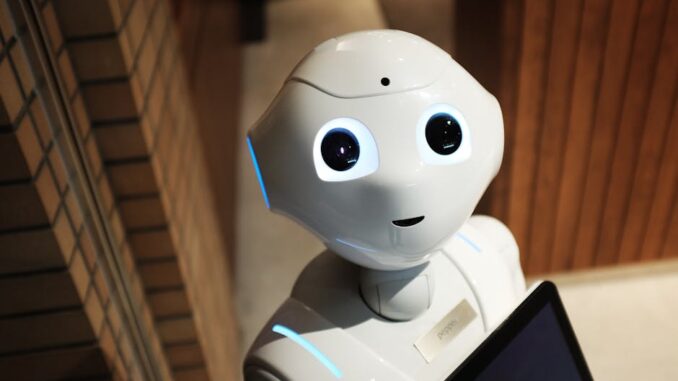

In the ever-evolving landscape of elder care, a truly groundbreaking initiative is taking shape, one that promises to redefine how we approach geriatric health. Maplewood Senior Living, a name long synonymous with innovation in the senior care sector, has partnered with Advanced Telemedicine Group to deploy AI-enabled Temi robots right into their communities. This isn’t merely an upgrade; it’s a monumental leap forward, poised to drastically enhance both the accessibility and the inherent quality of healthcare services for our cherished older adults.
The Urgency of Innovation: Why Geriatric Care Needs a Revolution
Let’s be frank, the challenges facing geriatric care today are formidable, aren’t they? We’re living longer, which is wonderful, but it also means our elder population is burgeoning, creating what many refer to as a ‘silver tsunami.’ This demographic shift strains an already stretched healthcare system, especially when it comes to specialized care.
Consider the perennial shortage of geriatricians. These are the physicians uniquely trained to understand the complex interplay of age-related conditions, polypharmacy, and mental health issues prevalent in older adults. They’re a rare breed, often concentrated in urban centers, leaving vast swathes of rural or even suburban communities underserved. And let’s not forget the logistical nightmares of getting seniors to appointments – arranging transportation, navigating unfamiliar clinics, the sheer physical and emotional toll it can take on someone with limited mobility or cognitive impairments. It’s a tough situation, for sure, and one that demands creative, bold solutions.
Traditional telehealth has been a godsend, particularly during the pandemic, allowing virtual consultations to bridge some of these gaps. But it often stops short. A video call is great for a chat, maybe a visual assessment, but it can’t take your blood pressure, listen to your heart, or check your oxygen saturation. That’s where the Temi robots, with their burgeoning capabilities, really start to shine, offering a tangible, almost physical extension of the doctor’s reach.
Maplewood’s Visionary Path: Paving the Way for Robotic Care
Maplewood Senior Living isn’t just jumping on a bandwagon here; they’ve been laying the groundwork for years. Their commitment to leveraging technology for resident well-being isn’t some new fad for them. Back in 2020, even before many of us were familiar with the concept of widespread telepresence, Maplewood boldly introduced the initial iteration of Temi robots into their communities. Those early robots weren’t designed for clinical assessments; they were companions, really. Imagine a friendly, mobile screen that could bring up daily schedules, connect residents with family via video calls, or even lead a guided exercise session. They were an innovative step toward combating social isolation and empowering residents with accessible information.
I remember hearing about some of the initial reactions; a bit of skepticism, naturally, but also a lot of fascination. One resident, a feisty nonagenarian named Eleanor, initially scoffed at ‘that little robot thing,’ but quickly grew fond of it, using Temi to video chat with her grandchildren across the country. ‘It’s like they’re right here,’ she apparently quipped, ‘without the mess of a visit!’ It’s these incremental steps, these real-world interactions, that built familiarity and trust, proving that residents were indeed open to integrating sophisticated tech into their daily lives.
This early adoption proved invaluable. It allowed Maplewood to understand the practicalities of robot integration – how they navigate, how residents interact with them, the necessary Wi-Fi infrastructure, even the subtle nuances of human-robot communication. These weren’t just theoretical exercises; they were vital lessons learned on the ground, paving the way for the much more ambitious healthcare applications we’re seeing today. They weren’t afraid to experiment, and frankly, that’s what true innovation looks like, isn’t it?
Meet Temi 2.0: A Medical Marvel on Wheels
The Temi robots now stepping into this advanced role are a far cry from their earlier, simpler counterparts. Picture it: a sleek, three-foot-tall personal robot, not quite human-sized, but certainly with a presence. At its ‘head’ sits a high-definition tablet, serving as the physician’s eyes and voice, while its base houses the locomotion and advanced sensors. It’s designed for seamless navigation through living spaces, capable of gracefully maneuvering around furniture and avoiding obstacles. This isn’t just a gadget; it’s a mobile, interactive extension of the medical clinic.
But the true game-changer lies in its specialized medical peripherals. We’re talking about professional-grade equipment, not consumer novelties. These Temi units come equipped with a digital stethoscope, capable of transmitting crystal-clear heart and lung sounds directly to the remote physician. There’s a pulse oximeter for real-time blood oxygen levels, a crucial indicator of respiratory health. And, naturally, an automated blood pressure cuff, providing accurate readings without needing a human to manually operate it. These aren’t simply attached; they’re integrated, designed to work in concert with the robot’s AI and communication systems.
Imagine a scenario: you’re a physician, hundreds of miles away, perhaps. With a few clicks, you can remotely ‘drive’ the Temi into a resident’s apartment. You see the resident’s face on the screen, just like a video call, but now you have physical presence. You can guide Temi to the bedside, activate the stethoscope, and listen to a resident’s breathing in real-time. You can prompt the robot to take blood pressure readings, check oxygen saturation, and even use its integrated camera to conduct a visual inspection – examining a skin rash, observing gait, or assessing general well-being. This isn’t just about data collection; it’s about replicating a significant portion of an in-person physical exam, with the doctor truly in command.
And it’s not just the resident’s physical state. The Temi can be driven around the living space, allowing the physician to assess the environment itself. Is there clutter that poses a fall risk? Are medications neatly organized or scattered haphazardly? This environmental context is invaluable for geriatric care, providing clues that often go missed in traditional clinic visits. It’s comprehensive care delivered right where the resident lives, and honestly, that’s incredibly powerful.
Redefining Access and Elevating Quality: The Core Mission
The driving force behind this entire pilot program is deceptively simple: making specialized healthcare universally accessible and of the highest possible quality for seniors. When you think about it, why should access to a geriatric specialist depend on your proximity to a major medical center, or on the availability of a family member to drive you there?
-
Bridging Geographic Gaps: For senior living communities in more remote areas, or even just those without easy access to specialized medical facilities, these robots are a lifeline. Suddenly, residents have direct, timely access to geriatricians who understand their unique needs, irrespective of geographical barriers. This is a game-changer for equitable care delivery.
-
Timely Intervention: No more waiting days or weeks for an appointment that requires transportation logistics. If a resident exhibits a concerning symptom, a remote consultation can be arranged swiftly. This early intervention can prevent minor issues from escalating into major health crises, potentially reducing hospitalizations and emergency room visits, which everyone knows can be incredibly disorienting and detrimental for older adults.
-
Enhanced Quality of Care: Beyond just accessibility, the quality of care itself gets a significant boost. Geriatricians can maintain consistent oversight, conducting regular virtual check-ups or follow-ups. The ability to monitor vital signs and observe residents in their natural environment provides a holistic view that clinic visits often miss. This proactive, consistent care is paramount for managing chronic conditions and ensuring optimal health outcomes.
-
Resident-Centered Experience: There’s also the profound comfort factor. Imagine receiving a comprehensive medical assessment from the familiar, secure environment of your own apartment, rather than a sterile clinic. It reduces anxiety, maintains a sense of autonomy, and fosters a more relaxed, open interaction with the physician. For someone with mobility challenges, avoiding the arduous journey to a doctor’s office isn’t just convenient; it’s a profound improvement in their quality of life.
The Human Element: A Collaborative Symphony
It’s important to stress that this isn’t just a cold, technological rollout; it’s a deeply collaborative human endeavor, bringing together technological expertise with profound clinical wisdom. The partnership between Maplewood Senior Living, Advanced Telemedicine Group (ATG), and the esteemed Cleveland Clinic Akron General is a testament to this.
Advanced Telemedicine Group isn’t just a vendor; they’re the architects of the remote clinical experience, bringing their deep expertise in telemedicine solutions, secure data transmission, and the intricate integration of hardware and software. They’re responsible for ensuring the system is robust, reliable, and user-friendly for both the clinicians and the residents.
Crucially, Dr. Kathleen Rogers, the Chief of Geriatric Services at Cleveland Clinic Akron General, provides the indispensable medical guidance and clinical oversight for this entire pilot program. Her involvement isn’t a mere rubber stamp; it’s a foundational pillar. She and her team are instrumental in developing the clinical protocols, ensuring the virtual geriatric consultations meet the absolute highest standards of care. They’re refining the assessment methodologies, interpreting the data, and ensuring that every virtual interaction genuinely addresses the complex needs of older adults with empathy and precision. Her expertise, backed by the formidable reputation of the Cleveland Clinic, ensures that while the technology is cutting-edge, the care remains profoundly human-centered and clinically sound.
This synergy is key. You can have the fanciest robot in the world, but without the rigorous clinical validation and a deep understanding of geriatric medicine, it’s just a sophisticated toy. This partnership ensures that the Temi robots are not just a technological marvel, but a clinically effective tool, integrating seamlessly into existing care models and, ultimately, improving lives.
Navigating the Future: Hurdles and Ethical Compass Points
While the promise of AI-enabled robots in senior care is immense, it’s not without its complexities and questions. Any truly transformative technology brings with it a unique set of challenges we must thoughtfully address.
Technological Potholes: Reliable connectivity, for instance, is absolutely non-negotiable. What happens if the Wi-Fi drops mid-consultation? Battery life, maintenance, and the sheer robustness of the robots in a busy senior living environment are practical considerations. ATG is likely working tirelessly to ensure these robots are not just functional but resilient. And then there’s the user interface: it must be intuitive enough for care staff, and even some residents, to assist if needed, without becoming another piece of tech that frustrates more than it helps.
Data Privacy and Security: The Digital Fortress: In healthcare, data privacy isn’t just a concern; it’s paramount. The collection and transmission of sensitive health information via these robots must adhere to the strictest HIPAA compliance standards. Secure encryption, robust access controls, and transparent data handling policies are essential to build and maintain trust. Residents, and their families, need absolute assurance that their most personal health details are protected from breaches and misuse.
The ‘Human Touch’ Conundrum: Perhaps the most profound ethical question is whether a robot, no matter how advanced, can ever truly replicate the empathetic human connection inherent in medical care. Can a physician truly convey warmth or reassurance through a screen? While Temi can facilitate visual and auditory interaction, the nuanced, unspoken cues of human presence—a comforting hand, a shared moment of silence—are difficult, if not impossible, to replicate. This isn’t about replacing human caregivers entirely, but augmenting them. It’s crucial to emphasize that the robot is a tool for the physician, not a replacement for the human interaction. We need to find the right balance, ensuring technology enhances, rather than diminishes, the human aspect of care.
Digital Divide and Autonomy: What about residents who are technophobes or have significant cognitive impairments? Ensuring equitable access means careful consideration of how to support these individuals. Consent also becomes a critical point; ensuring residents fully understand what a robot visit entails and willingly participate is non-negotiable. Their autonomy must be respected at every step.
These aren’t insurmountable obstacles, but they require careful thought, ongoing evaluation, and a commitment to putting the resident’s well-being and dignity at the absolute forefront of this technological revolution. The pilot program’s success will depend not just on the tech, but on how adeptly these human and ethical dimensions are managed.
The Horizon: Scaling and Beyond
So, what does the future hold for these diligent little robots? The success of this pilot program at Maplewood Senior Living will undoubtedly serve as a critical blueprint for broader implementation. The data collected during this phase – everything from resident satisfaction and staff workflow efficiencies to clinical outcomes like reduced hospitalizations – will be meticulously analyzed. This isn’t just about proving the concept; it’s about refining it.
If the pilot demonstrates significant benefits, imagine the potential. We could see Temi robots becoming a standard feature in senior living communities across the country, fundamentally changing how geriatric care is delivered. This could inspire other healthcare providers to explore similar solutions, fostering a wave of innovation across the entire care continuum.
And let’s dream a little bigger, shall we? The current capabilities are impressive, but they’re just the beginning. Future iterations could integrate even more advanced diagnostic tools – perhaps an AI-powered system that analyzes subtle changes in gait or speech patterns, providing early warnings of neurological decline. Imagine seamless integration with electronic health records, allowing for real-time updates and more coordinated care. Perhaps Temi could even facilitate remote physical therapy sessions, guiding residents through exercises with visual demonstrations and verbal cues.
The advent of these AI-enabled robots isn’t just a story about technology; it’s a narrative about foresight, compassion, and the relentless pursuit of better care for our aging population. As the global population continues to age, innovative solutions like these won’t just be a luxury; they’ll be an absolute necessity in ensuring that older adults receive the high-quality, accessible, and dignified care they so richly deserve. It’s an exciting time, wouldn’t you say, to witness healthcare evolving before our very eyes.
Be the first to comment