
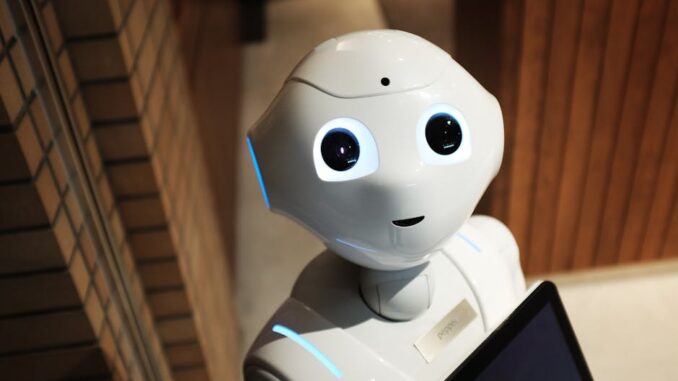

The Quiet Revolution: How Robots are Redefining Geriatric Care
It’s no secret, isn’t it, that our world is getting older. The demographic shift towards an aging global population presents an unprecedented challenge for healthcare systems worldwide. Coupled with a persistent and growing shortage of skilled care professionals, particularly in the eldercare sector, we’re facing a potential crisis. We simply don’t have enough hands to meet the increasing demand for compassionate, attentive care. But what if technology could help bridge that gap, not just in a functional way, but in a truly transformative one? Enter the quiet revolution: the integration of advanced robotic technologies into geriatric care.
This isn’t just about efficiency; it’s profoundly about enhancing the quality of life for our seniors, fostering their independence, and, frankly, lightening the load for dedicated human caregivers who are often stretched thin. From offering a comforting presence to facilitating complex rehabilitation, robots are stepping into roles that, just a few decades ago, felt like science fiction. And it’s truly remarkable, the impact they’re starting to make.
Easily manage your data with TrueNAS. Explore tailored solutions for healthcare storage needs.
More Than Just Machines: Companion Robots as Emotional Pillars
When we talk about robots in care, many people picture cold, metallic contraptions. But that’s a far cry from the reality of modern companion robots, which are specifically engineered to provide social interaction and emotional support. They’re designed with a soft touch, often with expressive features, to connect with older adults on a surprisingly deep level, helping to combat the pervasive issue of loneliness.
Paro: The Therapeutic Seal That Melts Hearts
One of the most heartwarming examples is Paro, the therapeutic baby harp seal robot. I mean, who can resist a fluffy, responsive seal? Developed by Japan’s AIST, Paro isn’t just a toy. It’s an FDA-approved medical device that has been utilized in nursing homes and care facilities across the globe, from Denmark to the US. Its effectiveness, particularly with patients living with dementia and Alzheimer’s, is quite well-documented. What makes Paro so special?
It’s his soft, antimicrobial fur, his big, blinking eyes, and the way he responds to touch, voice, and light. He’ll coo, wiggle his tail, and even turn his head towards a sound, mimicking the comforting behaviors of a real pet without the associated care responsibilities or potential allergens. Think about a resident who might be withdrawn, perhaps struggling with sundowning syndrome, often agitated and restless. Introducing Paro can often elicit smiles, gentle strokes, and even quiet conversation. It’s a non-judgmental presence, consistently available, which can be incredibly soothing. For many, Paro provides a tangible focus for affection, reducing agitation, lessening anxiety, and improving overall mood. He fosters a sense of purpose, gives them someone to ‘care’ for, even if it’s just stroking his fur, which is something we all need, isn’t it?
ElliQ: The Proactive, Conversational AI Companion
Then there’s ElliQ, an AI-powered companion robot that takes a more proactive approach to engagement. Designed by Intuition Robotics, ElliQ is less about mimicking a pet and more about being a daily companion, a digital friend that lives on your countertop. This robot really stands out because it doesn’t wait for the senior to initiate interaction; it proactively suggests activities, starts conversations, and even offers information or encouragement.
Imagine ElliQ saying something like, ‘Good morning! It’s a lovely day outside, how about we listen to some classical music to start your day?’ or ‘Remember to take your medication, it’s 2 PM.’ It prompts seniors to stay active, both physically and cognitively, by suggesting exercises, trivia games, or even connecting them with family through video calls. For individuals who might live alone, or those with mobility issues restricting their social outings, ElliQ acts as a constant, gentle presence, promoting independence and combating the insidious creep of social isolation. It truly helps bridge that social gap, keeping older adults connected and engaged with the world around them, even if it’s from the comfort of their own home. It’s not replacing human connection, absolutely not, but it certainly supplements it beautifully.
These robots, through their ability to engage in meaningful, if simulated, interactions, are demonstrably reducing feelings of loneliness and improving overall well-being. They provide a vital source of comfort and stimulation, mitigating the profound sense of isolation often experienced in care settings or by those living independently with limited social contact. It’s about giving back a piece of their dignity, a bit of the interaction they might miss.
Empowering Movement: Assistive Robots Enhancing Physical Care
Robots aren’t just for emotional support; they’re increasingly becoming instrumental in physical care, too. These innovations aren’t simply improving patient mobility; they’re also significantly reducing the physical strain and risk of injury for human caregivers. Anyone who’s worked in eldercare knows the sheer physical demands of assisting someone with limited mobility – it’s incredibly tough on the body.
Exoskeletons: Giving Back the Gift of Movement
Consider exoskeletons, particularly advanced systems like the HAL (Hybrid Assistive Limb) Light developed by CYBERDYNE. This isn’t just a walking frame; it’s a sophisticated piece of wearable technology that utilizes myoelectric sensors. What does that mean? Well, these sensors detect the incredibly faint bio-electrical signals that your brain sends to your muscles when you intend to move. HAL then interprets these signals and provides powered assistance to your limbs, enabling patients with severe weakness, spinal cord injuries, or neurological conditions to perform natural movements they might otherwise be unable to achieve.
It’s a truly revolutionary approach. Instead of simply moving the leg for the patient, it amplifies their own intention to move. This biofeedback loop is crucial, as it helps retrain the brain and muscles, potentially leading to long-term neurological recovery and improved motor function. I’ve heard stories from physical therapists about the sheer joy on a patient’s face when they take their first steps in years using such a device. It offers not just physical assistance, but a profound psychological boost, restoring a sense of control and independence that had been lost. Think about the impact on conditions like stroke recovery, multiple sclerosis, or even severe age-related muscle atrophy. It truly extends the possibilities of rehabilitation.
Beyond Exoskeletons: Lifting and Mobility Aids
But assistive robotics extends further than exoskeletons. We’re seeing innovations in patient transfer systems, for instance. Robotic lifting aids can gently and safely transfer individuals from a bed to a wheelchair, or from a chair to a commode, minimizing the risk of falls for the patient and preventing back injuries for caregivers. Smart wheelchairs, too, are evolving beyond basic powered mobility. Some incorporate sensors to avoid obstacles, voice command interfaces, and even features that help reposition the user for comfort or pressure relief. These devices aren’t just about moving from A to B; they’re about maintaining dignity, preventing complications like pressure sores, and giving individuals greater autonomy within their environment. It’s a win-win: safer for patients, and less physically grueling for the dedicated staff.
Nurturing Independence: Socially Assistive Robots for Daily Living
Socially assistive robots (SARs) blend the social engagement of companion robots with practical support for daily activities. They’re designed to be helpful, unobtrusive, and genuinely beneficial in promoting a senior’s ability to manage their own lives for longer. Their role is incredibly varied, from subtle prompts to active participation.
Stevie: The Multi-Talented Helper in Senior Living
Consider Stevie, a robot developed by researchers at Trinity College Dublin, which has been integrated into senior living communities to provide both social and practical support. Stevie isn’t just a novelty; he’s a vital part of the daily rhythm. He can engage residents through conversation, play music, lead exercise routines, or even help with basic assistance tasks like reminding someone it’s time for lunch or to pick up their mail. He’s often used in group settings, facilitating activities and acting as a central point for information. In settings where staff-to-resident ratios are constantly under pressure, Stevie can alleviate some of that workforce burden by taking on repetitive yet important tasks, freeing up human caregivers for more complex, personalized interactions.
What’s particularly compelling about robots like Stevie is their ability to maintain consistency. A human caregiver might have a dozen different tasks pulling them in different directions, but Stevie can reliably perform his functions without distraction. This consistency is especially valuable for individuals who thrive on routine or who may experience memory challenges. Moreover, these robots can facilitate connection. For instance, Stevie might act as a digital concierge, helping residents find information about upcoming events or even connecting them to family members via video call, fostering that crucial sense of belonging within the community.
Beyond just conversation, SARs are being developed to assist with everything from meal preparation prompts to tracking activity levels, ensuring seniors maintain a healthy and active lifestyle. They can remind individuals about appointments, guide them through simple rehabilitation exercises, or even act as an emergency contact point, signaling for help if a fall or other issue is detected. It’s about building a subtle, supportive scaffold around the individual, empowering them to stay independent for as long as possible.
Bridging Distances: Telepresence Robots for Remote Healthcare
The challenges of healthcare access, particularly for specialized geriatric care, are immense. Rural areas often lack sufficient specialists, and even in urban settings, mobility issues or infectious disease risks can make in-person consultations difficult. Telepresence robots have emerged as a brilliant solution to bridge these geographical and logistical gaps between patients and healthcare providers.
Robots like Temi offer more than just a video call; they provide a physical presence, however remote. Imagine a Temi robot, perhaps in a senior’s home or a care facility, being controlled by a geriatrician miles away. The doctor can navigate the robot through the environment, zoom in on specific areas, and engage in real-time, high-definition video consultations. This allows for visual assessments that go beyond what a static screen can offer. For instance, a doctor can observe gait, assess home safety, or even interact with family members present.
This technology profoundly enhances the accessibility and quality of care for older adults. It reduces the need for difficult, sometimes risky, travel for seniors to specialist appointments. For families, it means being able to include specialists who might otherwise be unavailable. It’s particularly impactful for chronic disease management, post-hospitalization follow-ups, and routine check-ups where a physical examination isn’t strictly necessary but a visual assessment is highly beneficial. Moreover, in situations like the recent global pandemic, these robots proved invaluable, allowing doctors to ‘visit’ vulnerable patients without direct physical contact, thus minimizing exposure risks. They truly act as the doctor’s ‘eyes and ears’ on the ground, delivering sophisticated care right to the patient’s doorstep, wherever that might be.
The Road Ahead: Beyond Current Innovations
The robotic landscape in geriatric care isn’t static; it’s a rapidly evolving field. Beyond the categories we’ve discussed, several other types of robots are emerging or are in advanced stages of development, promising even more comprehensive support for our aging population.
Monitoring and Safety Robots
One critical area is monitoring and safety. Robots equipped with advanced sensors can continuously monitor seniors, providing immense peace of mind for both the individuals and their families. This includes fall detection systems that can immediately alert caregivers or emergency services if an incident occurs. Some robots are designed to patrol homes or facilities, learning normal routines and flagging unusual activity, such as a senior wandering out of bounds or staying in bed for an unusually long period. Others can unobtrusively track vital signs, such as heart rate, respiratory rate, and sleep patterns, identifying potential health issues before they become critical. Imagine a robot that learns your parent’s walking pattern and immediately raises an alert if it detects an unsteady gait, indicating a potential fall risk. That’s powerful preventative care right there.
Medication Management Robots
Medication adherence is a significant challenge for many older adults, especially those on complex regimens. Robotic medication dispensers are becoming increasingly sophisticated, not just dispensing the correct pills at the right time, but also reminding the individual to take them, tracking adherence, and even communicating with pharmacists or family members if doses are missed. These systems help reduce errors, prevent overdoses, and ensure that seniors receive their crucial medications consistently, significantly improving health outcomes.
Personal Care and Hygiene Assistance
This is perhaps the most sensitive and ethically complex area, but robots are being developed to assist with personal care tasks, such as bathing, dressing, and toileting. While still largely in experimental stages, the goal is not to replace human touch but to augment it, or provide assistance where human caregivers are unavailable or in situations where privacy and dignity are paramount. The design challenge here is immense, requiring extreme gentleness, adaptability, and an understanding of human fragility. But it’s an area with incredible potential to maintain independence and enhance dignity for those who struggle with these intimate daily tasks. It’s a fine line to walk, of course, but the motivation is always to empower.
Navigating the Labyrinth: Challenges and Ethical Considerations
Despite the undeniable promise, integrating robots into geriatric care isn’t without its hurdles. It’s a complex endeavor, touching upon technological, ethical, social, and economic dimensions that demand careful consideration and thoughtful solutions.
Ethical Quandaries and Dehumanization Fears
Perhaps the most significant concern revolves around ethics and the fear of dehumanization. Will robots replace human interaction, diminishing the very essence of compassionate care? There’s a legitimate worry that relying too heavily on robots might lead to reduced human contact, which, let’s be honest, is vital for emotional well-being. We also grapple with questions of autonomy: can a robot truly respect a senior’s choices? What about the potential for emotional over-attachment to a machine, and how do we manage that? It’s crucial to position robots as supplements to human care, not substitutes. Their role is to free up human caregivers for the interactions that only another human can provide – the empathetic touch, the nuanced conversation, the shared laugh.
Patient Acceptance and Psychological Impact
Acceptance is another big one. Not all older adults are comfortable with technology, and some might view a robot as an intrusive, cold presence rather than a helpful companion. There could be resistance, a feeling of being ‘pawned off’ on a machine. This necessitates careful introduction, education, and tailoring the robotic intervention to individual preferences. The psychological impact can be mixed; while some find comfort, others might feel a loss of privacy or a sense of being constantly monitored. We can’t just drop a robot into someone’s life and expect magic; careful integration and respect for personal boundaries are key.
Caregiver Training and Workforce Integration
For healthcare professionals, the advent of robots presents a shift in job roles. Concerns about job displacement are natural, but the reality is more nuanced. Robots are more likely to augment, not replace, caregivers. However, this demands proper training. Caregivers will need new skills – how to operate robots, interpret their data, troubleshoot minor issues, and, most importantly, how to integrate them seamlessly into a person-centered care plan. It’s about evolving the caregiver’s role to include tech fluency, not eliminating it. And, frankly, freeing up time from mundane tasks for more meaningful patient interaction usually improves job satisfaction for human staff, doesn’t it?
Data Privacy and Security
These robots often collect vast amounts of sensitive data – health metrics, activity logs, conversational snippets. The implications for data privacy and security are enormous. Who owns this data? How is it stored, protected, and used? Strict adherence to regulations like HIPAA is non-negotiable, and robust cybersecurity measures are paramount to prevent breaches or misuse. Imagine the fallout if a robot’s data, detailing a senior’s daily routine or health issues, fell into the wrong hands. It’s a critical area that requires constant vigilance.
Cost and Accessibility
The advanced nature of these robots means they often come with a hefty price tag, both for initial purchase and ongoing maintenance. This raises questions of accessibility. Will only affluent communities or individuals be able to benefit from these innovations, exacerbating healthcare disparities? We need robust funding models, insurance coverage, and potentially government subsidies to ensure that these transformative technologies are available to all who need them, regardless of socioeconomic status.
Technical Limitations and Reliability
While impressive, current robotic technologies still have limitations. Battery life, navigation in complex or cluttered environments, the ability to understand nuanced human speech, and general robustness in a demanding care setting can all be challenging. Robots can malfunction, they can get stuck, and they certainly don’t possess human intuition or common sense. Ensuring reliability, ease of maintenance, and rapid technical support is crucial for widespread adoption and trust.
Regulatory Frameworks
As robots become more sophisticated and integrated, the regulatory landscape struggles to keep pace. What are the standards for safety and performance? Who is liable if a robot makes an error or causes harm? Clear, comprehensive regulatory frameworks are essential to guide development, ensure patient safety, and foster public trust in these technologies. Without clear guidelines, innovation can be stifled, or worse, lead to unintended consequences.
A Glimpse into Tomorrow: The Future of Robotics in Geriatric Care
Looking ahead, the role of robots in geriatric care isn’t just expanding; it’s evolving into something truly integrated and deeply personalized. The vision is one where technology works in harmony with human expertise, creating a more comprehensive, compassionate, and sustainable care ecosystem. It’s an exciting prospect, if you ask me.
The AI Revolution: Personalization and Predictive Power
The future is undeniably tethered to advancements in Artificial Intelligence and Machine Learning. Tomorrow’s robots won’t just follow programmed commands; they’ll learn and adapt. Imagine a robot that, over time, learns an individual’s unique preferences, routines, health patterns, and even their emotional states. It could then offer truly tailored support, suggesting activities based on their mood, adjusting medication reminders based on their sleep cycle, or even detecting subtle changes in behavior that might signal an impending health issue long before a human caregiver notices. This predictive analytics capability could revolutionize preventative care, moving from reactive treatments to proactive interventions that keep seniors healthier and out of hospitals.
Miniaturization, Swarm Robotics, and Enhanced Dexterity
We’ll likely see robots become smaller, more discreet, and capable of greater dexterity. Miniaturized sensors embedded in clothing or furniture could unobtrusively monitor vital signs or detect falls. Swarm robotics, where multiple small robots work collaboratively, might handle tasks like floor cleaning or delivering small items without being intrusive. Furthermore, advancements in robotic manipulation and haptics will enable robots to perform more delicate tasks with greater precision, perhaps even assisting with complex medical procedures or intricate personal care, always under human supervision, of course. The possibilities here are almost limitless.
Human-Robot Interaction (HRI): Making Connections Seamless
Ongoing research in Human-Robot Interaction (HRI) is focused on making these interactions more intuitive, natural, and empathetic. This means robots that can better understand human emotions, respond with more nuanced expressions, and engage in more natural conversations. Voice recognition will improve dramatically, and robots will be better equipped to understand context, sarcasm, and individual speech patterns. The goal is to make the presence of a robot feel less like interacting with a machine and more like engaging with a helpful, friendly, and understanding entity.
Hybrid Models of Care: The Best of Both Worlds
The most effective future will almost certainly involve hybrid models of care. This isn’t about replacing human caregivers but empowering them. Robots will handle repetitive, physically demanding, or data-intensive tasks, freeing up human professionals to focus on the deeply personal, empathetic, and complex aspects of care that only humans can provide. Imagine a caregiver able to spend more time listening to a senior’s stories, or engaging in stimulating conversation, because a robot is handling the medication reminders or the patient transfers. It elevates the human role, making caregiving a more rewarding profession and ensuring seniors receive the best of both worlds: technological efficiency and heartfelt human connection.
Policy, Investment, and Public Acceptance
For this future to materialize, significant investment from governments, the private sector, and research institutions is essential. Policies need to evolve rapidly to create supportive regulatory environments that foster innovation while ensuring ethical deployment and equitable access. Public education campaigns will also play a crucial role in fostering acceptance and understanding of these technologies. It’s a collective effort, requiring collaboration across disciplines and sectors.
In conclusion, robots are truly catalyzing a revolution in geriatric care, offering inventive solutions to the multifaceted challenges posed by an aging demographic and persistent workforce shortages. Their remarkable capacity to provide companionship, assist with daily activities, facilitate rehabilitation, and support healthcare providers positions them as invaluable assets in significantly enhancing the quality of life for older adults. As technology continues its relentless march forward, pushing the boundaries of what’s possible, the potential for robots to fundamentally transform elder care is, quite frankly, immense. It paints a hopeful picture of a future where aging individuals can lead not just longer, but healthier, more independent, and undeniably richer lives, supported by a sophisticated blend of human compassion and technological prowess. We’re not just building robots; we’re building a better future for our elders, and that, you must agree, is a mission worth investing in.
Be the first to comment