

Navigating the Golden Years: Why a Geriatrician Might Be Your Best Ally
It’s an undeniable truth, isn’t it? As the years stack up, our bodies, those remarkable machines, begin to hum a different tune. Joints might creak a bit more, memories sometimes play hide-and-seek, and suddenly, managing a handful of medications feels like a full-time job. This natural progression makes us, and those we love, more susceptible to a whole host of health issues. And that’s precisely where the unsung heroes of elder care, the geriatricians, step in.
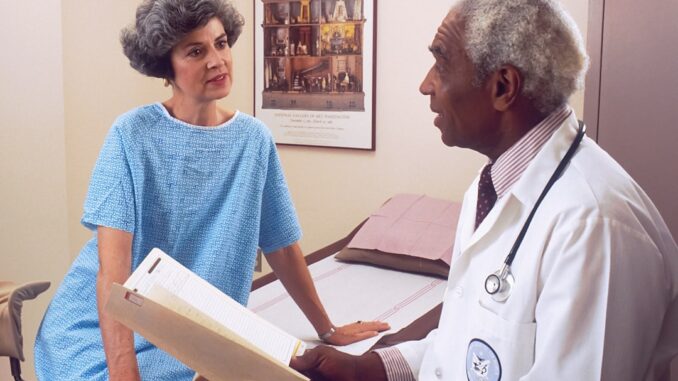
These are medical doctors, yes, but they aren’t just any doctors. Geriatricians specialize in the incredibly intricate care of older adults, particularly those over 65. They delve deep into the complex medical needs that so often accompany aging, seeing beyond just a symptom to the person, their story, and their unique place in the world. Frankly, it’s a specialty that’s becoming more critical by the day, as our global population gracefully matures.
More Than Just a Doctor: What Does a Geriatrician Truly Do?
You might think, ‘Well, my primary care doctor handles my health just fine.’ And for many, especially those with relatively few complex issues, that’s absolutely true. But a geriatrician’s training is profoundly different, sculpted specifically to understand the nuances of aging bodies and minds. They’re like master orchestrators, bringing harmony to a potentially cacophonous symphony of conditions. They don’t just treat illnesses; they address the syndromes of aging.
Think about it: diagnosing and treating a wide spectrum of conditions that emerge or worsen with age is their bread and butter. We’re talking about everything from the subtle onset of dementia, a particularly cruel thief of identity, to the insidious creep of frailty, that quiet weakening that suddenly makes everyday tasks feel like Herculean efforts. And let’s not forget polypharmacy, the often-dangerous juggling act of multiple medications prescribed by different specialists, each with its own potential side effects and interactions. It’s a minefield, frankly, and geriatricians are expert navigators.
Their approach isn’t compartmentalized. No, it’s delightfully, powerfully holistic. They don’t just focus on the physical symptoms; they peer into the emotional landscape, the cognitive challenges, and the social fabric of their patients’ lives. What’s the point of prescribing a medication if the patient can’t afford it, or if they’re too depressed to take it, or if they’re isolated and lack the support system to adhere to a regimen? A good geriatrician asks these questions. They consider how a person’s living situation, their support network, their mental state, and even their spiritual well-being intertwine with their physical health. It’s a comprehensive view, one that, in my opinion, should be the gold standard for all medical care, especially for our seniors.
They’re often tasked with some really challenging scenarios, too. Imagine Mrs. Henderson, 88, who’s started falling frequently. A general practitioner might focus solely on bone density. A geriatrician, however, will consider her vision, her balance, her medication list, her footwear, the clutter in her home, her muscle strength, and even her fear of falling which itself can cause more falls. They look for the root causes, the interconnected web that leads to such incidents. You can’t separate one strand from the whole, can you?
The Power of Partnership: The Interdisciplinary Team Approach
Perhaps the most striking and effective aspect of modern geriatric care is its embrace of an interdisciplinary team. It’s truly a collaborative ballet, where various healthcare professionals move in sync to create a robust safety net and a personalized pathway to well-being. A geriatrician isn’t a lone wolf; they’re the conductor of an orchestra, each instrument playing a vital role.
So, who’s on this dream team? Well, it’s a diverse and specialized group, all working together to ensure every facet of an older adult’s health is addressed. You’ll often find:
- Dietitians: Essential for tackling malnutrition, a surprisingly common issue among seniors, and for crafting specific dietary plans to manage conditions like diabetes or heart disease. They ensure nutritional needs are met, which, let’s face it, impacts everything.
- Nurse Practitioners and Physician Assistants: These crucial professionals extend the reach of geriatricians, often serving as primary points of contact, performing routine check-ups, and managing chronic conditions under the geriatrician’s oversight. They’re invaluable in bridging gaps in care.
- Occupational Therapists (OTs): They’re like master problem-solvers for daily living. OTs help patients regain independence with Activities of Daily Living (ADLs) – bathing, dressing, eating – and can recommend home modifications or adaptive equipment, making homes safer and more functional. I’ve seen OTs transform lives just by suggesting a simple grab bar or a specialized utensil.
- Pharmacists: Absolutely critical, these experts meticulously review medication lists, identify potential interactions, and often spearhead ‘deprescribing’ efforts, safely reducing unnecessary or harmful medications. Given the complexity of polypharmacy, their role can literally be life-saving.
- Physical Therapists (PTs): The go-to specialists for mobility, strength, and balance. PTs are instrumental in falls prevention, post-operative rehabilitation, and maintaining functional independence. They can help someone go from being chair-bound to walking with confidence again.
- Psychiatrists and Psychologists: Addressing the mental health needs of older adults is paramount. They help manage depression, anxiety, grief, and the behavioral challenges that can accompany dementia, providing crucial support for both patients and their families.
- Social Workers: These compassionate individuals connect patients and families with vital resources – be it financial aid, in-home care services, transportation, or support groups. They also play a huge role in advanced care planning and navigating complex social systems. They’re the unsung navigators of bureaucracy.
- Speech and Hearing Specialists: Essential for addressing communication challenges, swallowing difficulties (dysphagia), and hearing loss, all of which can profoundly impact quality of life and social engagement. Imagine the frustration of not being able to communicate your needs clearly; these specialists give voice back to patients.
This collaborative effort isn’t just a nice idea; it’s foundational. The team meets, discusses, and creates comprehensive, personalized care plans, ensuring seamless communication and truly integrated care. It really puts the patient and their loved ones squarely at the center of the healthcare universe, which is exactly where they should be.
The Telltale Signs: When Should You Consider a Geriatrician?
Alright, so you’re probably wondering, ‘Is this for me, or for my parents?’ Good question. While there isn’t a hard-and-fast age when you must start seeing a geriatrician, certain circumstances certainly signal that their specialized expertise could be incredibly beneficial. Generally, if someone is over 75, or grappling with multiple health conditions, it’s definitely time for a serious conversation.
Consider it a referral, not a replacement, for your existing primary care physician. Geriatricians are particularly helpful for patients experiencing:
- Memory Issues or Cognitive Decline: This isn’t just ‘senior moments’; it’s persistent, concerning changes that impact daily function. Early diagnosis and management are key.
- Difficulty Managing Multiple Medications (Polypharmacy): If you’re seeing a dizzying array of pill bottles, a geriatrician can untangle that web, optimizing regimens and reducing risks.
- Frequent Falls or Unexplained Falls: As we discussed with Mrs. Henderson, falls are often multifactorial, and a geriatrician can conduct a thorough assessment to identify and mitigate risks.
- Sudden or Gradual Functional Decline: If someone is struggling with tasks they once managed easily, like cooking, cleaning, or personal care, it’s a red flag.
- Unexplained Weight Loss or Frailty: These can be indicators of underlying medical issues or nutritional deficiencies.
- Multiple Chronic Illnesses: Managing diabetes, heart disease, arthritis, and kidney disease simultaneously is incredibly complex. Geriatricians excel at this holistic management.
- Caregiver Burnout: Often overlooked, the stress on family caregivers is immense. Geriatricians can provide resources and support to alleviate this burden, understanding that a healthy caregiver means better patient care.
- Frequent Hospitalizations or Recovering from a Major Illness/Surgery: They’re experts at preventing re-admissions and ensuring a smooth transition back to home or a rehabilitation setting, optimizing recovery.
- Concerns about End-of-Life Planning or Palliative Care: Geriatricians are skilled in facilitating these sensitive conversations, ensuring a patient’s wishes are respected and comfort is prioritized.
Really, it’s about acknowledging that aging brings unique challenges that general practitioners, however well-meaning, just aren’t specifically trained to handle in the same depth. It’s about proactive, specialized care, not just reactive treatment.
The Horizon of Hope: Advancements and Challenges in Geriatric Care
The field of geriatrics is anything but stagnant. It’s a dynamic, evolving discipline, constantly adapting to the needs of a rapidly aging global population. Recent developments really emphasize personalized treatment plans and proactive, preventive strategies. It’s not just about adding years to life, you know, but life to years.
Embracing Technology and Personalization
Take personalized treatment plans, for instance. Gone are the days of a one-size-fits-all approach. Today, genetic testing, detailed lifestyle assessments, and specific risk factor analyses allow geriatricians to tailor interventions with astonishing precision. We’re talking about medicine that understands your body, your history, your risks.
And let’s chat about preventive strategies. Geriatricians are champions of prevention. They meticulously ensure appropriate vaccinations, guide age-appropriate screenings, advocate for regular exercise and balanced nutrition, and even encourage cognitive stimulation to keep minds sharp. Think of it as building a robust fortress against the onslaught of age-related decline.
The integration of technology has been nothing short of transformative, ushering in an era of improved monitoring and communication. Telemedicine, for example, has blossomed, becoming an invaluable tool. Older adults can consult with specialists from the comfort of their homes, sidestepping the logistical nightmares of travel, especially challenging for those with mobility issues or living in remote areas. It’s a game-changer, plain and simple.
Beyond video calls, we’re seeing remote monitoring devices – wearables that track vital signs, smart home sensors that detect falls, and digital health records that allow for seamless information sharing. AI and data analytics are beginning to predict individual risks, optimizing treatment pathways before problems even fully emerge. Think of the potential for smart medication dispensers that ensure adherence or assistive technologies like advanced smart walkers providing support and stability. The future’s looking pretty high-tech, and honestly, that’s exciting.
The Lingering Shortage: A Critical National Challenge
However, it’s not all sunshine and rainbows. The field faces a significant hurdle: a growing shortage of geriatricians. It’s a looming crisis, quite frankly. The reasons are multifaceted: the length of specialized training, compensation that often doesn’t match other specialties, and perhaps a societal undervaluation of elder care. It’s a demanding field, emotionally and intellectually.
Recognizing this critical gap, the Biden administration has made a substantial commitment, investing approximately $206 million into geriatric care training. This isn’t just a drop in the bucket; it’s a strategic maneuver aimed at bolstering the workforce. The initiative focuses on enhancing the skills of primary care clinicians, empowering them to better serve older adults and manage the intricate health issues tied to aging. Programs like the Geriatrics Workforce Enhancement Program (GWEP) and Geriatric Academic Career Awards (GACA) are crucial here, fostering expertise and attracting new talent to the field. It’s a vital step, but we won’t see the full impact overnight.
Other challenges persist, too. Funding and reimbursement models often don’t fully capture the complexity and time involved in geriatric care. Social determinants of health—housing instability, food insecurity, social isolation—profoundly impact older adults’ well-being, and medical professionals can’t solve these alone. And then there are the ethical dilemmas: balancing patient autonomy with safety concerns, navigating difficult end-of-life decisions, and the often-overlooked support gap for caregivers. These aren’t just medical problems; they’re societal ones.
The Path Ahead: A Vision for Healthier Aging
The future of geriatric care, despite its current challenges, holds immense promise. We’re moving towards a model focused less on just ‘lifespan’ – how long you live – and more on ‘healthspan’ – how long you live well. Predictive analytics and precision medicine will likely become even more integrated, allowing for truly individualized interventions based on a person’s unique genetic makeup and lifestyle.
We’re also seeing a push for ‘age-friendly health systems,’ an initiative that ensures all healthcare interactions for older adults are guided by the 4Ms: What Matters, Medication, Mentation, and Mobility. It’s a simple, yet profound framework that ensures comprehensive, person-centered care. Ultimately, the goal is to weave geriatric principles more deeply into broader primary care, making specialized knowledge accessible to more older adults, regardless of where they receive their care. That’s a future I’m optimistic about.
A Crucial Role, An Evolving Field
In summation, geriatricians aren’t just doctors; they’re vital champions for older adults, offering specialized care that deftly navigates the multifaceted challenges of aging. Their expertise, coupled with a fiercely collaborative approach and relentless advancements in the field, ensures that our seniors receive comprehensive, personalized care tailored precisely to their unique needs. It’s a specialty that understands that growing old is a journey, not just a destination, and that everyone deserves to make that journey with dignity, comfort, and the best possible health. So, if you’re caring for an older loved one, or even planning for your own later years, don’t overlook the incredible value a geriatrician can bring to the table. It might just be one of the best investments you make in a long, healthy life.
References
- Cleveland Clinic. (n.d.). Geriatrician/Geriatric Medicine Doctor. Retrieved from my.clevelandclinic.org
- Mount Sinai Health System. (n.d.). What is Geriatrics? Retrieved from mountsinai.org
- Merriam-Webster. (n.d.). Geriatrician. Retrieved from merriam-webster.com
- Biden administration invests in geriatric care training. (2024, July 2). Axios. Retrieved from axios.com
Be the first to comment