
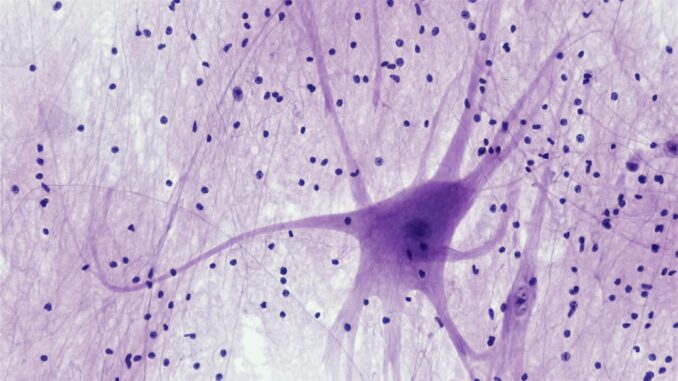

Abstract
Neuroprotection encompasses an intricate array of strategies fundamentally aimed at preserving neuronal integrity, functionality, and survival in the aftermath of acute neurological insults such as ischemic stroke, hemorrhagic stroke, traumatic brain injury (TBI), and global cerebral ischemia. This report meticulously details the multifaceted pathophysiological mechanisms underpinning neuronal vulnerability, including, but not limited to, excitotoxicity, oxidative stress, inflammation, and programmed cell death pathways. It provides an exhaustive overview of the intricate cellular and molecular pathways targeted by neuroprotective interventions, delving into the nuances of apoptosis inhibition, modulatory roles in neuroinflammatory cascades, and enhancement of endogenous antioxidant defenses. Furthermore, this report critically examines the landscape of current and emerging neuroprotective agents and strategies, encompassing both pharmacological interventions and non-pharmacological approaches. A significant focus is placed on dissecting the historical and persistent challenges encountered in translating promising preclinical findings to successful clinical applications, scrutinizing methodological disparities, the narrow therapeutic window, and the inherent heterogeneity of human neurological conditions. Ultimately, the report underscores the paramount importance of advancing neuroprotective research to mitigate the devastating consequences of acute brain damage, improve long-term patient outcomes, and reduce the societal burden of neurological disabilities.
Many thanks to our sponsor Esdebe who helped us prepare this research report.
1. Introduction
Acute neurological injuries represent a formidable global health challenge, characterized by exceptionally high rates of morbidity, mortality, and long-term disability. Ischemic stroke, which accounts for approximately 87% of all strokes, and traumatic brain injury (TBI), a leading cause of death and disability worldwide, are prime examples of conditions where the brain’s delicate neuronal networks are subjected to profound and often irreversible damage. The inherent limited regenerative capacity of the mature central nervous system (CNS) renders the development of efficacious neuroprotective strategies an imperative, focusing on preserving existing neuronal function and fostering an environment conducive to recovery. Neuroprotection, broadly defined, refers to any intervention designed to prevent or attenuate neuronal damage and death initiated by an acute insult. These interventions operate through a diverse repertoire of mechanisms, including the sophisticated inhibition of programmed cell death pathways, the judicious modulation of destructive inflammatory responses, the potent reduction of oxidative and nitrosative stress, and the stabilization of cellular homeostasis.
Historically, the pursuit of neuroprotection has been marked by both fervent optimism and profound disillusionment. Despite decades of intensive preclinical research yielding a plethora of promising compounds in animal models, the translation of these successes from the ‘bench to the bedside’ has been notoriously difficult, with clinical trials frequently failing to replicate preclinical benefits. This disparity has necessitated a deeper, more granular understanding of the complex pathophysiology of acute brain injury, acknowledging the dynamic interplay of multiple interconnected cell death pathways and the critical importance of temporal and spatial considerations in therapeutic intervention. The multifaceted nature of neuronal injury underscores the need for comprehensive strategies that not only target individual pathological cascades but also consider the brain’s inherent protective mechanisms and the potential for combination therapies. The ultimate goal remains the identification and development of targeted, safe, and effective therapies that can significantly mitigate brain damage, thereby improving functional outcomes and the overall quality of life for millions affected by these devastating conditions.
Many thanks to our sponsor Esdebe who helped us prepare this research report.
2. Mechanisms of Neuroprotection
The intricate pathophysiology of acute neurological injuries involves a cascade of interconnected events that culminate in neuronal death. Effective neuroprotection requires a detailed understanding of these destructive pathways and the identification of points of therapeutic intervention. The primary mechanisms of neuronal injury include excitotoxicity, oxidative stress, neuroinflammation, and various forms of programmed cell death, most notably apoptosis.
2.1 Excitotoxicity
Excitotoxicity is widely recognized as a pivotal early event in the cascade of neuronal death following acute brain insults, particularly ischemic stroke. It is characterized by the pathological overactivation of excitatory amino acid receptors, predominantly those for glutamate, leading to excessive intracellular calcium accumulation. Under normal physiological conditions, glutamate serves as the brain’s primary excitatory neurotransmitter, with its levels tightly regulated by reuptake mechanisms into astrocytes and neurons. However, during ischemia or trauma, energy failure compromises these reuptake pumps, leading to a dramatic efflux of glutamate into the synaptic cleft. This sustained high concentration of extracellular glutamate results in the prolonged activation of ionotropic glutamate receptors, primarily N-methyl-D-aspartate (NMDA) and alpha-amino-3-hydroxy-5-methyl-4-isoxazolepropionic acid (AMPA) receptors, located on postsynaptic neurons.
Persistent activation of NMDA receptors permits a massive influx of calcium ions (Ca²⁺) into the neuronal cytoplasm. This aberrant increase in intracellular Ca²⁺ concentration is highly detrimental, triggering a cascade of enzymatic activities that are normally tightly regulated. Pathological Ca²⁺ levels activate proteases (e.g., calpains), lipases (e.g., phospholipases), and endonucleases, which indiscriminately degrade vital cellular components such as cytoskeletal proteins, membrane phospholipids, and DNA. Furthermore, excessive mitochondrial calcium uptake impairs mitochondrial function, leading to reduced ATP production and increased generation of reactive oxygen species (ROS), thereby exacerbating oxidative stress. The energy crisis, coupled with the enzymatic destruction, ultimately compromises cellular integrity and viability, pushing the neuron towards necrosis or apoptosis. (scholars.northwestern.edu)
Neuroprotective strategies targeting excitotoxicity aim to reduce glutamate release, block glutamate receptors, or modulate intracellular calcium handling. However, the ubiquitous role of glutamate in normal brain function makes broad-spectrum blockade challenging due to dose-limiting side effects such as psychosis and cognitive impairment, which have hindered the clinical success of many NMDA receptor antagonists.
2.2 Apoptosis Inhibition
Apoptosis, or programmed cell death, is an orchestrated biological process vital for normal development and tissue homeostasis. However, in the context of acute neurological injuries, apoptosis becomes a maladaptive process, contributing significantly to delayed neuronal loss. Unlike necrosis, which is typically rapid and involves cell swelling and lysis, apoptosis is characterized by controlled cellular shrinkage, chromatin condensation, DNA fragmentation, and the formation of apoptotic bodies, which are subsequently cleared by phagocytes without inducing inflammation. In ischemic stroke and TBI, neuronal apoptosis is triggered by a myriad of factors, including excitotoxicity, oxidative stress, mitochondrial dysfunction, endoplasmic reticulum (ER) stress, and inflammatory signals.
Apoptosis can proceed via two primary pathways: the extrinsic (death receptor) pathway and the intrinsic (mitochondrial) pathway. The intrinsic pathway is particularly prominent in acute brain injury. Cellular stressors lead to the permeabilization of the mitochondrial outer membrane (MOMP), primarily regulated by the balance between pro-apoptotic (e.g., Bax, Bak) and anti-apoptotic (e.g., Bcl-2, Bcl-xL) members of the Bcl-2 protein family. MOMP results in the release of cytochrome c from the mitochondrial intermembrane space into the cytoplasm. Cytoplasmic cytochrome c then binds to apoptotic protease-activating factor 1 (Apaf-1), forming the apoptosome complex, which recruits and activates initiator caspase-9. Activated caspase-9 subsequently cleaves and activates effector caspases-3 and -7, which are responsible for cleaving numerous cellular substrates, ultimately leading to the morphological and biochemical hallmarks of apoptosis.
The extrinsic pathway is initiated by the binding of death ligands (e.g., Fas ligand, TNF-alpha) to their respective death receptors (e.g., Fas, TNFR1) on the cell surface, leading to the recruitment of adapter proteins and the activation of initiator caspase-8. Caspase-8 can directly activate effector caspases or cleave Bid, linking the extrinsic pathway to the intrinsic pathway by promoting MOMP. Inhibiting key components of these apoptotic cascades, such as upstream kinases or caspases, or by modulating the Bcl-2 family proteins, represents a viable neuroprotective strategy. For instance, erythropoietin has demonstrated neuroprotective effects by activating signaling pathways (e.g., PI3K/Akt pathway) that enhance the activity of anti-apoptotic proteins and inhibit pro-apoptotic ones, thereby preserving neuronal viability. (en.wikipedia.org)
2.3 Anti-Inflammatory Pathways
Neuroinflammation is a complex, double-edged sword that plays a pivotal, yet often detrimental, role in the progression of brain injury following acute insults. While an initial acute inflammatory response can be protective, facilitating debris clearance and initiating repair processes, prolonged or excessive neuroinflammation exacerbates neuronal damage and hinders recovery. Following ischemic events or TBI, the brain’s resident immune cells, primarily microglia, and to a lesser extent astrocytes, become activated. This activation leads to a phenotypic switch, often from a resting or ‘M2-like’ (pro-resolving, anti-inflammatory) state to a ‘M1-like’ (pro-inflammatory, cytotoxic) state.
Activated microglia and astrocytes release a plethora of pro-inflammatory mediators, including cytokines (e.g., tumor necrosis factor-alpha (TNF-α), interleukin-1 beta (IL-1β), interleukin-6 (IL-6)), chemokines, reactive oxygen species (ROS), reactive nitrogen species (RNS), and matrix metalloproteinases (MMPs). These mediators contribute to neuronal damage through various mechanisms: they can directly induce apoptosis, disrupt the blood-brain barrier (BBB) integrity, promote vasogenic edema, and recruit peripheral immune cells (neutrophils, macrophages, T-lymphocytes) into the CNS, further amplifying the inflammatory cascade. The activation of specific inflammatory signaling pathways, such as NF-κB and inflammasomes (e.g., NLRP3), is central to this destructive process.
Targeting inflammatory pathways offers a promising approach to neuroprotection. Strategies include direct cytokine neutralization, receptor blockade, or inhibition of key signaling molecules. For instance, the administration of interleukin-1 receptor antagonists (IL-1ra) has been shown to reduce infarct volume, attenuate secondary damage, and improve neurological outcomes in preclinical models of stroke by competitively binding to the IL-1 receptor, thereby blocking the deleterious effects of IL-1β. (mdpi.com) Similarly, compounds that modulate microglial polarization towards a more protective phenotype or inhibit NF-κB activation are under investigation.
2.4 Antioxidant Defense Mechanisms
Oxidative stress is a critical contributor to neuronal injury in the context of acute neurological insults. It arises from an imbalance between the production of reactive oxygen species (ROS) and reactive nitrogen species (RNS) and the capacity of the endogenous antioxidant defense systems to neutralize them. ROS, such as superoxide radicals (O²⁻), hydroxyl radicals (OH•), and hydrogen peroxide (H₂O₂), and RNS, such as nitric oxide (NO•) and peroxynitrite (ONOO⁻), are highly reactive molecules that can indiscriminately damage cellular components.
Following ischemia or trauma, the primary sources of ROS/RNS production include dysfunctional mitochondria (due to impaired electron transport chain), activated enzymes like NADPH oxidases (NOX), xanthine oxidase, and uncoupled nitric oxide synthases (eNOS). This overwhelming surge of free radicals leads to extensive damage: lipid peroxidation of neuronal membranes compromises their integrity and fluidity; protein carbonylation impairs enzymatic function and protein structure; and DNA damage can lead to mutations, strand breaks, and activation of DNA repair pathways that deplete ATP. Ultimately, these cellular insults culminate in energetic failure, cellular dysfunction, and various forms of cell death, including necrosis, apoptosis, and ferroptosis.
Endogenous antioxidant systems normally counteract these reactive species. These include enzymatic antioxidants such as superoxide dismutase (SOD), which converts superoxide into hydrogen peroxide; catalase and glutathione peroxidase (GPx), which reduce hydrogen peroxide to water; and the thioredoxin system. Non-enzymatic antioxidants like glutathione (GSH) and vitamins E and C also play crucial roles. However, in acute injury, the production of ROS/RNS often overwhelms these endogenous defenses.
Enhancing antioxidant defenses through exogenous administration of free radical scavengers or enhancers of endogenous antioxidant systems is a well-established neuroprotective strategy. Agents such as edaravone, a potent free radical scavenger, have been investigated and clinically approved in some regions for their potential to reduce oxidative stress and subsequent neuronal death following ischemic events. (pubmed.ncbi.nlm.nih.gov) Other approaches involve N-acetylcysteine (a precursor to glutathione) and mimetics of SOD or catalase.
2.5 Mitochondrial Dysfunction
Mitochondria are the powerhouse of the cell, essential for ATP production, calcium buffering, and regulation of cell death pathways. In acute brain injury, mitochondrial dysfunction is a central and devastating event that integrates and propagates signals from excitotoxicity, oxidative stress, and inflammation. Ischemia leads to immediate oxygen and glucose deprivation, resulting in the failure of oxidative phosphorylation and a severe reduction in ATP production. This energy depletion compromises ATP-dependent ion pumps, leading to ion dyshomeostasis (e.g., Na⁺/K⁺-ATPase failure contributes to glutamate release and subsequent Ca²⁺ overload).
Excessive intracellular calcium, a hallmark of excitotoxicity, is aggressively taken up by mitochondria, which then become overloaded. This calcium overload, combined with oxidative stress and the accumulation of lipid peroxidation products, triggers the opening of the mitochondrial permeability transition pore (mPTP). mPTP opening is a critical event, leading to the collapse of the mitochondrial membrane potential, further ATP depletion, and the release of pro-apoptotic factors such as cytochrome c, Smac/Diablo, and AIF (apoptosis-inducing factor) into the cytoplasm. This release commits the cell to apoptosis via the intrinsic pathway, as discussed in Section 2.2.
Mitochondrial dysfunction is not merely a consequence but also an amplifier of neuronal injury. Impaired mitochondrial respiration leads to increased generation of ROS, forming a vicious cycle of oxidative stress and mitochondrial damage. Neuroprotective strategies focused on stabilizing mitochondrial function, inhibiting mPTP opening (e.g., cyclosporin A), or enhancing mitochondrial biogenesis and quality control are thus highly promising avenues for intervention.
2.6 Blood-Brain Barrier (BBB) Disruption
The blood-brain barrier (BBB) is a highly specialized neurovascular structure that tightly regulates the passage of substances between the blood and the brain parenchyma, maintaining the delicate homeostasis essential for neuronal function. It is formed by brain endothelial cells connected by tight junctions, supported by pericytes and astrocytic end-feet, collectively forming the neurovascular unit. Acute neurological insults profoundly compromise BBB integrity, transforming it from a protective barrier into a gateway for harmful substances.
Following ischemia or TBI, the sustained inflammatory response, coupled with oxidative stress and the release of proteases (e.g., matrix metalloproteinases, MMPs), directly degrades the tight junction proteins (e.g., occludin, claudin, ZO-1) that seal the endothelial cells. This disruption allows the extravasation of plasma proteins (e.g., albumin, thrombin), peripheral immune cells (neutrophils, macrophages), and other neurotoxic agents from the bloodstream into the brain tissue. The infiltration of these components exacerbates local inflammation, contributes to vasogenic edema (fluid accumulation in the brain parenchyma), and directly promotes neuronal dysfunction and death. Edema formation increases intracranial pressure, further impairing cerebral blood flow and oxygen delivery, creating another vicious cycle of injury.
Neuroprotective strategies aim to preserve or restore BBB integrity by targeting MMP activity, attenuating inflammation, or strengthening tight junction proteins. Maintaining BBB function is crucial not only for preventing secondary injury but also for ensuring the efficacy of potential therapeutic agents that need to penetrate the brain parenchyma.
Many thanks to our sponsor Esdebe who helped us prepare this research report.
3. Neuroprotective Agents
The quest for effective neuroprotective agents has led to the exploration of a wide array of pharmacological compounds and non-pharmacological interventions, each targeting different aspects of the complex injury cascade.
3.1 Pharmacological Agents
3.1.1 Erythropoietin (Epo)
Erythropoietin (Epo) is a cytokine primarily known for its role in stimulating red blood cell production. However, extensive research has unveiled its pleiotropic neuroprotective properties, independent of its erythropoietic effects. Epo and its receptors (EpoR) are expressed in various neural cells, including neurons, astrocytes, and oligodendrocytes, particularly after injury. Epo exerts its neuroprotective effects by activating multiple intracellular signaling pathways, most notably the phosphatidylinositol-3-kinase (PI3K)/Akt pathway and the Ras/MAPK (ERK) pathway. Activation of these pathways leads to several beneficial outcomes:
- Anti-apoptotic effects: Epo promotes the phosphorylation of anti-apoptotic proteins (e.g., Bcl-xL, BAD) and inhibits pro-apoptotic ones, thereby stabilizing mitochondrial membranes and preventing cytochrome c release. It also directly inhibits caspase activation.
- Anti-inflammatory effects: Epo modulates microglial activation, reduces the release of pro-inflammatory cytokines (e.g., TNF-α, IL-1β), and can promote an anti-inflammatory microglial phenotype.
- Antioxidant effects: Epo enhances the activity of endogenous antioxidant enzymes and reduces ROS production.
- Neurotrophic and pro-angiogenic effects: Epo promotes neuronal survival, differentiation, and neurite outgrowth, and stimulates angiogenesis, potentially improving blood supply to injured areas.
Despite promising preclinical data across various models of stroke, TBI, and other neurological conditions, clinical trials of high-dose Epo in acute stroke and TBI have yielded mixed or disappointing results, often limited by safety concerns such as increased risk of thrombosis and polycythemia due to its erythropoietic effects. The development of non-erythropoietic Epo derivatives (e.g., carbamylated Epo) that retain neuroprotective properties without affecting erythropoiesis is an active area of research. (en.wikipedia.org)
3.1.2 Interleukin-1 Receptor Antagonists (IL-1ra)
Interleukin-1 beta (IL-1β) is a key pro-inflammatory cytokine that plays a central role in the acute phase of brain injury. It is rapidly released by activated microglia and astrocytes, leading to a cascade of detrimental events including increased inflammation, excitotoxicity, oxidative stress, and BBB disruption. Interleukin-1 receptor antagonists (IL-1ra), such as anakinra, are naturally occurring proteins that competitively bind to the IL-1 receptor (IL-1R), thereby blocking the downstream signaling pathways initiated by IL-1β.
By preventing IL-1β from binding to its receptor, IL-1ra effectively:
- Reduces the production of other pro-inflammatory cytokines and chemokines.
- Attenuates leukocyte infiltration across the BBB.
- Minimizes the activation of inflammatory signaling pathways (e.g., NF-κB).
- Limits excitotoxic damage and neuronal apoptosis.
Preclinical studies using IL-1ra have consistently demonstrated significant reductions in infarct volume and improved neurological outcomes in various models of stroke and TBI, particularly when administered early after injury. The clinical translation of IL-1ra for acute stroke has faced challenges related to optimal timing, dose, and duration of administration, as well as the complexity of the inflammatory response. However, its targeted mechanism against a key inflammatory mediator makes it a compelling candidate for combination therapies or for use in specific patient subgroups. (mdpi.com)
3.1.3 Edaravone
Edaravone is a potent free radical scavenger that has been clinically used in Japan for the treatment of acute ischemic stroke since 2001 and more recently for amyotrophic lateral sclerosis (ALS) in several countries. Its primary mechanism of action involves directly neutralizing various reactive oxygen species (ROS) and reactive nitrogen species (RNS), particularly hydroxyl radicals (OH•) and peroxynitrite (ONOO⁻). By quenching these highly reactive molecules, edaravone effectively mitigates oxidative stress, which is a major contributor to neuronal cell death following ischemia.
The beneficial effects of edaravone include:
- Reduction of lipid peroxidation: Protecting neuronal membranes from oxidative damage.
- Preservation of mitochondrial function: By reducing ROS-induced mitochondrial injury.
- Attenuation of neuronal apoptosis: Downstream of reduced oxidative stress.
- Reduction of brain edema: Potentially by stabilizing BBB integrity.
Clinical trials have shown that edaravone, when administered within 24-72 hours of stroke onset, can improve neurological outcomes in some patient populations, particularly in the Japanese demographic. Its success highlights the importance of targeting oxidative stress as a critical neuroprotective strategy, although debates persist regarding its broad applicability and efficacy across diverse populations. (pubmed.ncbi.nlm.nih.gov)
3.1.4 NMDA Receptor Antagonists
Given the central role of excitotoxicity in acute brain injury, NMDA receptor antagonists were among the earliest and most extensively investigated neuroprotective agents. By blocking the overactivation of NMDA receptors, these compounds aim to prevent the pathological influx of calcium ions into neurons, thereby inhibiting the cascade of events leading to cellular destruction. Early preclinical studies with agents like dizocilpine (MK-801) showed profound neuroprotection in animal models of ischemia.
However, clinical trials of NMDA receptor antagonists such as selfotel, gacyclidine, and eliprodil were largely unsuccessful. The primary reasons for failure included:
- Narrow therapeutic window: Efficacy was often dependent on very early administration, which is challenging in clinical settings.
- Significant side effects: NMDA receptors are crucial for normal synaptic transmission, learning, and memory. Broad-spectrum blockade led to severe psychotomimetic effects (hallucinations, agitation, delirium), cognitive impairment, and other adverse events at doses required for neuroprotection, making them intolerable for patients.
- Subtype specificity: The existence of different NMDA receptor subtypes (e.g., containing GluN1, GluN2A-D, GluN3A-B subunits) suggests that non-selective blockade might be detrimental, while subtype-specific antagonists might offer a better therapeutic profile, an area of ongoing research.
Despite these setbacks, the concept of targeting excitotoxicity remains valid, prompting exploration of more subtle modulators of glutamate signaling, such as glycine-site antagonists, polyamine-site antagonists, or agents that reduce presynaptic glutamate release. Magnesium sulfate, a non-competitive NMDA receptor antagonist, has also been investigated, primarily for pre-eclampsia but also for neuroprotection in stroke and TBI, with some mixed results. (pubmed.ncbi.nlm.nih.gov)
3.1.5 Calcium Channel Blockers
Calcium channel blockers, particularly L-type voltage-gated calcium channel antagonists like nimodipine, were investigated based on the premise that excessive intracellular calcium influx contributes significantly to neuronal damage. Nimodipine has been used clinically, primarily in subarachnoid hemorrhage (SAH) to prevent vasospasm and its associated ischemic complications. While it has shown some benefit in SAH, its neuroprotective efficacy in acute ischemic stroke or TBI has been limited and inconsistent in larger clinical trials. Challenges include a narrow therapeutic window, potential for systemic hypotension, and the fact that calcium influx is a complex, multi-source phenomenon not solely dependent on L-type channels.
3.1.6 Minocycline
Minocycline, a tetracycline antibiotic, has garnered significant interest for its pleiotropic neuroprotective effects, independent of its antimicrobial properties. It demonstrates anti-inflammatory, anti-apoptotic, and anti-oxidative properties. Minocycline can:
- Inhibit microglial activation: Modulating the inflammatory response.
- Reduce pro-inflammatory cytokine production: Such as TNF-α and IL-1β.
- Inhibit matrix metalloproteinases (MMPs): Thereby preserving BBB integrity.
- Block caspase activation: Contributing to anti-apoptotic effects.
Preclinical studies have shown neuroprotective benefits in various models of stroke, TBI, and neurodegenerative diseases. However, clinical trials in acute stroke have largely failed to demonstrate significant efficacy, highlighting the translational gap and potentially the need for better patient selection or combination therapies.
3.1.7 Statins
Statins, primarily known for their cholesterol-lowering effects, have also been found to possess pleiotropic effects, including anti-inflammatory, antioxidant, and pro-angiogenic properties, which contribute to neuroprotection. They can improve endothelial function, stabilize atherosclerotic plaques, and potentially enhance cerebral blood flow. While statins are widely used for primary and secondary stroke prevention, their role in acute neuroprotection post-stroke is less clear and has yielded inconsistent results in clinical trials, suggesting that their neuroprotective effects might be more relevant in a preconditioning or chronic setting rather than immediate acute intervention.
3.2 Non-Pharmacological Interventions
3.2.1 Normobaric Hyperoxia (NBO)
Normobaric hyperoxia (NBO) involves administering high concentrations of oxygen (typically 100% O₂) at normal atmospheric pressure. The rationale behind NBO as a neuroprotective strategy is to increase the partial pressure of oxygen (PO₂) in the plasma and dissolved oxygen in tissues, thereby improving oxygen delivery to the ischemic penumbra—the hypoperfused but still viable brain tissue surrounding the core infarct.
The proposed mechanisms of NBO-induced neuroprotection include:
- Increased oxygen supply: Directly addressing cellular hypoxia in the penumbra, thus maintaining mitochondrial function and ATP production.
- Reduced excitotoxicity: By supporting ATP-dependent ion pumps and neurotransmitter reuptake, NBO can help restore ionic homeostasis.
- Anti-inflammatory effects: Hyperoxia may modulate inflammatory responses and reduce the production of certain pro-inflammatory mediators.
- Improved blood-brain barrier integrity: Through stabilization of endothelial function.
- Vasoconstriction: While oxygen-induced cerebral vasoconstriction could be a concern, in ischemic conditions, the compensatory increase in dissolved oxygen often outweighs this effect, particularly if regional metabolic demands are met.
While promising in preclinical models, clinical trials of NBO in acute ischemic stroke have shown mixed results. Challenges include defining the optimal duration and concentration of oxygen, potential for oxygen toxicity (e.g., increased ROS generation with prolonged exposure), and the difficulty of rapid deployment in the very acute phase of stroke. (mdpi.com)
3.2.2 Preconditioning Strategies
Preconditioning refers to a phenomenon where a brief, non-damaging exposure to a noxious stimulus renders tissues, including the brain, more resistant to a subsequent, otherwise lethal insult. This ‘acquired neuroprotection’ can significantly delay or reduce neuronal cell death and improve functional outcomes.
-
Ischemic Preconditioning (IPC): IPC involves applying brief, sublethal episodes of ischemia (e.g., 5-10 minutes) followed by reperfusion, which then protects the brain against a subsequent prolonged ischemic event hours to days later. The mechanisms underlying IPC are complex and multifactorial, involving:
- Activation of survival pathways: Such as the PI3K/Akt and ERK pathways, leading to the phosphorylation of pro-survival proteins and inhibition of pro-apoptotic ones.
- Expression of protective genes and proteins: Including heat shock proteins (HSPs), anti-apoptotic Bcl-2, and antioxidant enzymes.
- Modulation of ion channels: Reducing Ca²⁺ influx during the subsequent lethal insult.
- Release of endogenous mediators: Such as adenosine, nitric oxide, and opioids, which contribute to neuroprotection.
-
Pharmacological Preconditioning: This involves administering pharmacological agents (e.g., statins, adenosine receptor agonists, volatile anesthetics, erythropoietin) at sub-therapeutic doses prior to an anticipated injury to induce a similar protective state. The challenge with preconditioning strategies lies in their clinical applicability, as acute neurological insults like stroke or TBI are typically unpredictable. However, insights from preconditioning are guiding the development of post-conditioning strategies (brief ischemic episodes applied after reperfusion) and identifying novel drug targets that mimic the protective pathways activated during preconditioning. (arxiv.org)
3.2.3 Therapeutic Hypothermia
Therapeutic hypothermia, or targeted temperature management, involves actively cooling the patient’s body temperature to a mild (33-36°C) or moderate (30-32°C) hypothermic state for a defined period following acute brain injury. It is arguably the most robust neuroprotective strategy demonstrated in clinical practice for certain conditions, particularly post-cardiac arrest encephalopathy, and is widely investigated in TBI.
The neuroprotective mechanisms of hypothermia are broad and profound:
- Reduced cerebral metabolic rate: For every 1°C decrease in brain temperature, metabolic rate decreases by approximately 6-7%, significantly reducing the brain’s demand for oxygen and glucose during a period of compromised supply.
- Decreased excitotoxicity: Lower temperatures reduce the release of excitatory neurotransmitters like glutamate and dampen their receptor activity.
- Attenuation of inflammation: Hypothermia suppresses the release of pro-inflammatory cytokines, inhibits microglial activation, and reduces leukocyte infiltration.
- Inhibition of apoptosis: It reduces caspase activation and modulates the Bcl-2 family proteins.
- Reduced oxidative stress: By slowing metabolic processes, it decreases ROS production.
- Stabilization of the blood-brain barrier: Limiting edema formation.
- Preservation of protein structure and function: By inhibiting temperature-dependent enzymatic degradation.
Despite its clear benefits in cardiac arrest, the application of therapeutic hypothermia in acute ischemic stroke and TBI has faced significant challenges. These include the logistical difficulties of rapid and controlled cooling, the need for sedation and muscle relaxants, and potential complications such as pneumonia, coagulopathy, and arrhythmias. Furthermore, clinical trials in stroke have shown mixed results, often related to the timing, depth, and duration of cooling, as well as the difficulty in achieving brain-specific hypothermia without systemic side effects.
Many thanks to our sponsor Esdebe who helped us prepare this research report.
4. Challenges in Translating Neuroprotective Strategies to Clinical Practice
The history of neuroprotection is replete with preclinical successes that failed to translate into meaningful clinical benefits. This translational gap highlights several inherent challenges that must be systematically addressed to advance the field.
4.1 Heterogeneity of Human Neurological Insults
Unlike controlled animal models, human acute neurological injuries, particularly stroke and TBI, are characterized by immense heterogeneity. This variability spans several critical dimensions:
- Etiology: Ischemic strokes can result from large vessel occlusion, small vessel disease, cardioembolism, or other rarer causes, each with distinct pathophysiological profiles. TBI varies widely in mechanism (blunt vs. penetrating), force, and location of injury.
- Location and Volume of Injury: The specific brain regions affected and the extent of tissue damage significantly influence the clinical presentation, secondary injury cascades, and potential response to therapy.
- Timing of Intervention: Patients present at different times post-onset, influencing the ‘therapeutic window’ for various agents. In animal models, drugs are typically administered immediately or even pre-emptively.
- Patient Demographics and Comorbidities: Factors such as age, sex, genetic background, pre-existing conditions (e.g., hypertension, diabetes, atherosclerosis), and concomitant medications profoundly affect disease progression and drug metabolism. Animal models often use young, healthy, genetically uniform animals.
- Polypharmacy: Patients often receive multiple treatments for their primary injury or pre-existing conditions, which can interact with neuroprotective agents in unforeseen ways.
This heterogeneity complicates clinical trial design, necessitating large, well-stratified patient cohorts to detect subtle treatment effects, and may mask efficacy in specific subgroups. It suggests that a ‘one-size-fits-all’ neuroprotective drug is unlikely to succeed.
4.2 Methodological Differences Between Preclinical Models and Human Conditions
The disparities between animal models and human pathophysiology are a major obstacle to translation. Key differences include:
- Species Differences: Rodent brains, while sharing many fundamental mechanisms with human brains, differ significantly in size, complexity, gyral patterns, and neurovascular anatomy. The lifespan and metabolic rates also differ, impacting disease progression and drug pharmacokinetics.
- Stroke Models: Common rodent stroke models (e.g., middle cerebral artery occlusion, MCAO) are often highly reproducible but may not fully recapitulate the complexity of human ischemic stroke, which can involve diverse mechanisms and collateral circulation patterns. Permanent occlusion models may overestimate the benefit of reperfusion-dependent neuroprotection, while transient models might better mimic clinical scenarios requiring thrombolysis.
- TBI Models: Animal models of TBI (e.g., controlled cortical impact, fluid percussion injury) are valuable but cannot fully replicate the diffuse axonal injury, contusions, and complex secondary injury cascades seen in human TBI.
- Outcome Measures: Preclinical studies often rely on infarct volume reduction and basic neurological deficit scores, which may not translate directly to clinically meaningful long-term functional recovery, quality of life, or cognitive outcomes in humans.
- Drug Dosing and Administration: Animal studies often use high doses and optimal routes of administration, often pre-injury or immediately post-injury, which are rarely achievable or safe in human clinical practice. The pharmacokinetics and pharmacodynamics can vary greatly between species.
Improving translational research requires better, more clinically relevant animal models, standardized preclinical testing guidelines (e.g., STAIR criteria), and the use of more robust and diverse outcome measures.
4.3 Timing of Intervention: The Narrow Therapeutic Window
The adage ‘time is brain’ profoundly emphasizes the critical importance of early intervention in acute neurological injuries. Most neuroprotective agents demonstrate efficacy only when administered within a very narrow therapeutic window following the initial insult, often within minutes to a few hours. This is because the early stages of injury involve rapidly escalating cascades of excitotoxicity, oxidative stress, and energy failure that quickly lead to irreversible neuronal damage in the core ischemic region.
In clinical practice, several factors conspire to delay intervention:
- Patient Presentation: Many patients do not present to the hospital immediately after symptom onset due to lack of awareness, living alone, or geographical distance.
- Diagnostic Workup: Rapid and accurate diagnosis (e.g., distinguishing ischemic from hemorrhagic stroke) requires advanced imaging, which consumes precious time.
- Logistical Challenges: Even after diagnosis, drug preparation, administration, and patient stabilization introduce further delays.
By the time a neuroprotective drug can be safely administered, the most vulnerable tissue (the ischemic penumbra) may have already succumbed, leaving little viable tissue for the drug to protect. This narrow window has been a major contributor to the failure of many promising agents in clinical trials, as patients enrolled often fall outside this optimal time frame.
4.4 Safety and Efficacy
Ensuring the safety and efficacy of neuroprotective agents in humans requires rigorous clinical trials, which have frequently failed to demonstrate significant benefits. Several factors contribute to this:
- Off-target effects: Many drugs, especially those with broad mechanisms, can interfere with normal physiological processes, leading to unacceptable side effects (e.g., psychotomimetic effects of NMDA antagonists, hypotension with calcium channel blockers). The brain is a highly interconnected organ, and modulating one pathway can have unintended consequences on others.
- Lack of target specificity: Many neuroprotective agents aim at single targets within a highly complex and multifactorial injury cascade. This ‘silver bullet’ approach often proves insufficient given the redundancy and interconnectedness of pathophysiological pathways. For example, blocking only one type of calcium channel might not be enough to prevent overall calcium dysregulation.
- Inadequate biomarkers: The absence of reliable biomarkers to identify patients most likely to benefit, or to monitor drug efficacy in real-time, makes patient selection and treatment assessment difficult. Imaging techniques (e.g., perfusion imaging, diffusion-weighted imaging) offer some insights, but often fall short of providing granular cellular-level information.
- Ethical considerations: The severity of acute brain injury necessitates careful consideration of risks and benefits, especially when dealing with potentially vulnerable patient populations, such as those with TBI who may have impaired capacity to consent.
4.5 Multifactorial Nature of Injury
The primary reason why single-target neuroprotective drugs often fail is that acute brain injury involves a complex, dynamic interplay of multiple, interconnected pathological pathways (excitotoxicity, oxidative stress, inflammation, apoptosis, mitochondrial dysfunction, BBB disruption). Targeting only one pathway, while potentially beneficial, may not be sufficient to counteract the overwhelming and redundant destructive processes. For instance, even if excitotoxicity is reduced, rampant oxidative stress or inflammation might still lead to neuronal death.
4.6 Regulatory Hurdles
The path from preclinical development to clinical approval is long, arduous, and expensive, especially for neurological drugs. Stringent regulatory requirements for safety and efficacy, combined with the high failure rate in clinical trials, make pharmaceutical companies hesitant to invest heavily in neuroprotection research.
Many thanks to our sponsor Esdebe who helped us prepare this research report.
5. Importance of Neuroprotection in Limiting Brain Damage and Improving Outcomes
The persistent challenges in clinical translation do not diminish the critical importance of effective neuroprotective strategies. The potential benefits of successful interventions are profound, both for individuals and for public health systems.
5.1 Reducing Neuronal Loss
Acute neurological injuries result in immediate neuronal death in the core lesion and delayed death in the surrounding penumbra. Effective neuroprotection, by preserving viable neurons, directly limits the extent of primary and secondary brain damage. This reduction in neuronal loss translates directly to a smaller functional deficit, as more neural networks are preserved. A smaller lesion volume correlates strongly with improved neurological function, motor control, cognitive abilities, and overall quality of life post-injury.
5.2 Enhancing Recovery and Rehabilitation
Neuroprotection is not merely about preventing cell death; it is also about creating a more permissive environment for subsequent recovery and functional reorganization. By preserving neural tissue and maintaining the integrity of neuronal circuits, neuroprotective agents can:
- Facilitate neuroplasticity: Preserved neurons are more amenable to activity-dependent changes, supporting the brain’s ability to reorganize and form new connections to compensate for damaged areas.
- Improve rehabilitation efficacy: Patients with less initial brain damage often respond better to physical, occupational, and speech therapy, achieving greater functional gains.
- Maintain neural networks: Preserving critical neuronal populations ensures that the substrate for recovery and rehabilitation is maximally available, enhancing the long-term prognosis.
5.3 Improving Prognosis and Reducing Disability Burden
The long-term consequences of acute brain injury are devastating, ranging from severe physical disabilities (e.g., hemiparesis, paralysis), cognitive impairments (e.g., memory loss, executive dysfunction), and psychological disorders (e.g., depression, anxiety). These disabilities impose an immense personal, familial, and societal burden.
Effective neuroprotective interventions have the potential to:
- Lead to better long-term outcomes: By minimizing initial damage, patients are more likely to achieve independence in daily living and return to pre-injury activities.
- Reduce the burden of neurological disabilities: A decrease in the prevalence and severity of post-injury disabilities would alleviate the strain on healthcare systems, caregivers, and national economies. The economic costs associated with stroke and TBI, including acute care, rehabilitation, and long-term support, are staggering.
- Improve quality of life: For individuals and their families, even small improvements in functional outcome can profoundly enhance overall quality of life, restoring dignity and independence.
5.4 Extending the Therapeutic Window for Other Interventions
Successful neuroprotection, by slowing down the progression of neuronal damage in the penumbra, could potentially extend the therapeutic window for other critical interventions, such as thrombolysis (e.g., tPA for ischemic stroke) or thrombectomy. If neuroprotective agents can keep penumbral tissue viable for longer, it would allow more patients to benefit from reperfusion strategies, which are currently time-sensitive.
Many thanks to our sponsor Esdebe who helped us prepare this research report.
6. Future Directions in Neuroprotection
The complex history of neuroprotection underscores the need for innovative approaches and a paradigm shift in research strategies. Future efforts will likely focus on several key areas:
6.1 Combination Therapies
Given the multifactorial nature of acute brain injury, targeting a single pathological pathway is often insufficient. Future strategies are increasingly exploring combination therapies, where multiple agents, each targeting a distinct aspect of the injury cascade (e.g., one agent for excitotoxicity, another for inflammation, and a third for oxidative stress), are administered concurrently. This approach aims to provide broader protection and synergistic effects. The challenge lies in identifying optimal drug combinations, doses, and timing to maximize efficacy while minimizing adverse interactions.
6.2 Personalized Medicine and Biomarkers
The heterogeneity of human patients and their injuries necessitates a shift towards personalized neuroprotection. This involves using biomarkers (genetic, proteomic, metabolomic, or imaging-based) to:
- Identify at-risk populations: Patients who might be more vulnerable to specific injury mechanisms.
- Predict drug response: Stratifying patients who are most likely to benefit from a particular therapy.
- Monitor treatment efficacy: Real-time assessment of whether a drug is reaching its target and eliciting the desired biological effect.
- Tailor treatment: Adjusting therapeutic regimens based on an individual patient’s unique pathophysiology and genetic profile. Advances in neuroimaging, liquid biopsies, and genetic sequencing will be crucial for this personalized approach.
6.3 Targeting the Neurovascular Unit and Glial Cells
Beyond neurons, it is increasingly recognized that the entire neurovascular unit—comprising neurons, glial cells (astrocytes, microglia, oligodendrocytes), endothelial cells, and pericytes—is affected by acute injury. Protecting these interconnected components is vital. Future neuroprotective strategies will likely focus on:
- Preserving Blood-Brain Barrier (BBB) integrity: Agents that stabilize tight junctions, reduce MMP activity, or mitigate endothelial cell damage.
- Modulating glial responses: Directing microglia towards a beneficial M2 phenotype, inhibiting reactive astrogliosis, and protecting oligodendrocytes for white matter integrity.
- Enhancing cerebral blood flow and microcirculation: Through vasomodulatory agents or strategies to prevent microthrombi formation.
6.4 Novel Drug Delivery Systems
Efficient delivery of neuroprotective agents to the injured brain remains a significant hurdle due to the BBB. Novel drug delivery systems are being developed to overcome this challenge:
- Nanoparticle-based delivery: Encapsulating drugs in nanoparticles that can cross the BBB, target specific cell types, or release the drug in a controlled manner.
- Focused ultrasound: Temporarily opening the BBB to allow increased drug penetration.
- Intranasal delivery: Bypassing the BBB by direct transport along olfactory and trigeminal pathways.
- Stem cell-based delivery: Engineering stem cells to deliver neuroprotective factors directly to the injury site.
6.5 Neuroregeneration and Synaptogenesis Promotion
True recovery from brain injury will require not only neuroprotection but also neurorestoration. Future neuroprotective strategies may integrate aspects of neuroregeneration, including:
- Promoting neurogenesis: Stimulating the birth of new neurons from endogenous neural stem cells.
- Enhancing synaptogenesis: Facilitating the formation of new synaptic connections to restore lost circuitry.
- Axonal regrowth: Encouraging damaged axons to regrow and re-establish connections.
- Myelin repair: Restoring myelin sheaths around axons to improve signal transduction.
Many neuroprotective agents (e.g., growth factors, certain small molecules) also possess neurorestorative properties, highlighting a potential convergence of these two fields.
6.6 Improving Translational Research Methodology
Addressing the translational gap requires a concerted effort to improve preclinical study design and reporting. This includes:
- Adherence to ARRIVE guidelines: For animal research, promoting rigor and reproducibility.
- Multi-center preclinical trials: Mimicking clinical trial infrastructure.
- Blinded outcome assessment: Reducing bias.
- Using multiple animal models: To ensure robustness of findings.
- Considering dose-response and therapeutic window carefully: To better inform clinical trial design.
Many thanks to our sponsor Esdebe who helped us prepare this research report.
7. Conclusion
Neuroprotection remains a pivotal and intensely researched area within neuroscience, driven by the immense societal and personal toll of acute neurological injuries. The detailed understanding of the multifaceted and interconnected mechanisms of neuronal damage, including excitotoxicity, oxidative stress, neuroinflammation, apoptosis, mitochondrial dysfunction, and BBB disruption, has laid the groundwork for the development of numerous therapeutic targets. While several agents and interventions, ranging from pharmacological compounds like erythropoietin, IL-1ra, and edaravone to non-pharmacological approaches like therapeutic hypothermia and preconditioning, have demonstrated profound neuroprotective effects in preclinical models, the translation of these successes to widespread clinical application has been fraught with challenges. The inherent heterogeneity of human neurological conditions, methodological disparities between preclinical and clinical studies, the critical issue of a narrow therapeutic window, and the complexities of ensuring safety and efficacy have historically hampered progress.
Despite these formidable obstacles, the imperative to develop effective neuroprotective therapies persists. Future research endeavors are poised to overcome these hurdles through innovative strategies such as combination therapies targeting multiple pathological pathways, the adoption of personalized medicine approaches utilizing advanced biomarkers, focusing on the neurovascular unit, and leveraging novel drug delivery systems. Moreover, a closer integration of neuroprotection with neurorestorative strategies, aiming not only to save neurons but also to promote their repair and functional integration, holds immense promise. Continuous refinement of translational research methodology will be equally critical. By systematically addressing these challenges, the scientific community hopes to unlock the full potential of neuroprotection, ultimately leading to significant reductions in brain damage, improved long-term functional outcomes, and a better quality of life for patients globally affected by acute neurological insults. The journey is complex and arduous, but the potential rewards make it an endeavor of paramount importance.
Many thanks to our sponsor Esdebe who helped us prepare this research report.
References
- en.wikipedia.org – Erythropoietin in neuroprotection
- mdpi.com – Interleukin-1 Receptor Antagonists
- pubmed.ncbi.nlm.nih.gov – Edaravone for acute ischemic stroke
- mdpi.com – Normobaric Hyperoxia in Stroke
- arxiv.org – Ischemic Preconditioning
- pubmed.ncbi.nlm.nih.gov – Magnesium sulfate in TBI
- scholars.northwestern.edu – Systems Neuroprotective Mechanisms in Ischemic Stroke
- pubmed.ncbi.nlm.nih.gov – Minocycline in acute stroke
- cambridge.org – Neuroprotection in acute ischemic stroke
- en.wikipedia.org – Acquired neuroprotection
- en.wikipedia.org – Neuroprotection
- en.wikipedia.org – NeuroAiD
- arxiv.org – Hypothermia for Neuroprotection
- arxiv.org – NMDA Antagonists in Stroke
- arxiv.org – Oxidative Stress in Brain Injury
Be the first to comment