
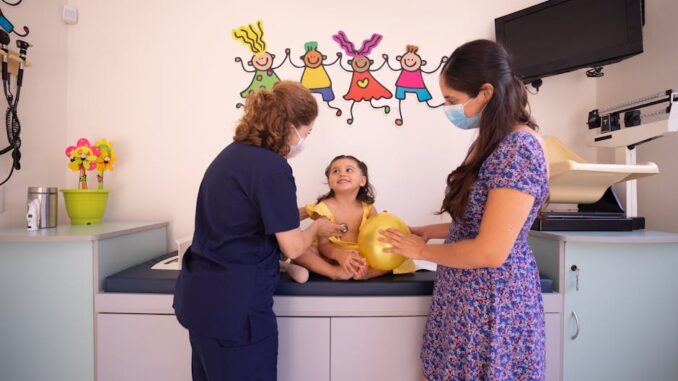

The Evolving Landscape of Pediatric Urgent Care: A Comprehensive Analysis
Many thanks to our sponsor Esdebe who helped us prepare this research report.
Abstract
Pediatric urgent care centers (PUCs) have solidified their position as an indispensable nexus within the contemporary healthcare ecosystem, strategically bridging the chasm between routine primary care provision and high-acuity emergency department services for children presenting with non-life-threatening conditions. This detailed report undertakes an exhaustive examination of the pediatric urgent care sector, dissecting its intricate market dynamics, persistent operational challenges, demonstrable cost-effectiveness, expansive scope of clinical services, and the crucial impact on patient outcomes. By meticulously analyzing these interconnected facets, this report endeavors to furnish a holistic and profound understanding of the current operational paradigm and delineate the prospective trajectory of pediatric urgent care, positioning it as a pivotal component in delivering specialized, accessible, and high-quality care to the pediatric population.
Many thanks to our sponsor Esdebe who helped us prepare this research report.
1. Introduction
The provision of healthcare to children mandates a distinct and specialized approach, fundamentally recognizing their unique physiological, psychological, and developmental requirements. Children are not merely ‘miniature adults’; their organ systems are still maturing, their metabolic rates differ, their immune responses are evolving, and their capacity for communication and coping with illness varies significantly by age. These intrinsic differences necessitate an environment and expertise specifically tailored to pediatric patients, ensuring accurate diagnosis, appropriate treatment, and a comforting experience. Historically, acute, non-emergent pediatric ailments were managed either by primary care physicians (PCPs) during regular office hours or, often out of necessity, in emergency departments (EDs) during off-hours or when PCP appointments were unavailable.
This bifurcated approach, however, presented significant limitations. Primary care offices, while providing invaluable longitudinal care, typically operate within constrained daytime schedules, rendering them inaccessible for acute issues arising in the evenings, on weekends, or during holidays. Conversely, emergency departments, while equipped for critical life-threatening conditions, are often overcrowded, expensive, and may not possess the specialized child-friendly environment or dedicated pediatric expertise optimal for managing lower-acuity conditions. Furthermore, ED visits for non-emergent issues contribute to healthcare cost escalation and can divert resources from truly emergent cases.
It was against this backdrop that pediatric urgent care centers emerged, evolving from the broader urgent care movement to address this specific niche. These centers are purpose-built facilities staffed by healthcare professionals with specialized training in pediatric medicine, designed to provide timely, expert, and compassionate care for illnesses and injuries that require prompt attention but are not severe enough to warrant an emergency room visit. The model is underpinned by a commitment to the ‘Triple Aim’ of healthcare – enhancing the patient experience (including quality and satisfaction), improving the health of populations, and reducing the per capita cost of healthcare. By offering an accessible, efficient, and cost-effective alternative to EDs, PUCs aim to deliver care that is uniquely tailored to pediatric patients, thereby optimizing health outcomes and parental satisfaction.
Many thanks to our sponsor Esdebe who helped us prepare this research report.
2. Market Dynamics
The pediatric urgent care market represents a rapidly expanding segment within the broader healthcare industry, driven by a confluence of evolving patient needs, technological advancements, and strategic investments.
2.1 Growth and Expansion
The growth trajectory of the pediatric urgent care sector has been nothing short of exponential in recent years. This expansion is not merely incremental but reflective of a fundamental shift in healthcare delivery models. A prominent example is PM Pediatric Care, a leading entity in this specialized field, which has demonstrated impressive growth, extending its operational footprint to nearly 90 locations distributed across 15 states. A significant strategic move highlighting this aggressive expansion was its notable acquisition of 10 urgent care sites in Florida in 2024 (prnewswire.com). This particular acquisition underscores a broader, nationwide trend of increasing demand and investment in specialized pediatric urgent care services.
This growth manifests in several forms: organic expansion through the establishment of new centers, strategic acquisitions of existing urgent care facilities or smaller pediatric practices, and partnerships with established hospital systems or large physician groups looking to extend their reach and improve community access. The market has also attracted significant private equity investment, viewing urgent care, and particularly its pediatric sub-segment, as a resilient and profitable sector due to consistent demand and a relatively lean operational model compared to traditional hospital settings. Industry reports consistently project continued double-digit growth rates for the urgent care market, with the pediatric segment often outpacing the general urgent care market due to its specialized appeal and the specific needs it addresses.
2.2 Demand Drivers
Several intrinsic and extrinsic factors are coalescing to fuel the escalating demand for pediatric urgent care services, solidifying their critical role in community health infrastructure.
-
Access to Care and Convenience: This remains paramount for families. Children’s illnesses and injuries are often unpredictable and do not adhere to conventional 9-to-5 schedules. Parents frequently seek immediate medical attention during evenings, weekends, and public holidays when most primary care offices are typically closed or operating with limited capacity. Pediatric urgent care centers address this critical temporal gap by offering extended operating hours, often until late evening, and remaining open on weekends and holidays. The ‘walk-in’ model, eliminating the need for pre-scheduled appointments, caters to the on-demand nature of acute pediatric concerns, providing immense convenience and peace of mind for caregivers grappling with a sudden illness or injury in their child.
-
Cost Considerations: The economic burden of healthcare is a pervasive concern for families and healthcare systems alike. Urgent care centers, by design, are structured to provide services at a considerably lower cost point when compared to emergency departments for similar non-life-threatening conditions. Studies have consistently shown that an urgent care visit can be significantly less expensive than an ED visit for conditions like ear infections, minor lacerations, or fevers. This cost differential is attractive to families, particularly those with high-deductible insurance plans, and contributes to overall healthcare cost containment by diverting appropriate cases from more expensive hospital settings. For payers, the cost-effectiveness translates into lower claims expenses.
-
Quality of Specialized Care: The commitment to specialized pediatric care is a cornerstone of the PUC model and a significant demand driver. These centers are staffed by healthcare professionals—including pediatricians, pediatric nurse practitioners, and pediatric physician assistants—who possess specific training and expertise in managing the unique physiological and psychological needs of children. This specialization extends beyond clinical knowledge to include child-friendly facility design, age-appropriate equipment (e.g., smaller blood pressure cuffs, specialized medication dosages), and communication strategies tailored to children and their parents. This focus ensures a higher standard of care, leading to more accurate diagnoses, safer treatments, and a more comfortable experience for young patients, thereby fostering trust and satisfaction among caregivers.
-
Primary Care Shortages and Limitations: A growing national shortage of primary care physicians, particularly in certain specialties and geographic areas, coupled with increasing patient panels, means that PCPs may not always be able to accommodate same-day or next-day acute appointments. This capacity strain inadvertently funnels patients towards urgent care centers as a viable and readily available option.
-
Changing Consumer Preferences: Modern consumers, accustomed to on-demand services in other sectors, increasingly expect similar convenience and accessibility from their healthcare providers. Pediatric urgent care centers align perfectly with this preference for immediate, efficient, and patient-centered services.
2.3 Competitive Landscape
The competitive dynamics within the pediatric urgent care market are complex and multifaceted, characterized by a diverse ecosystem of providers vying for market share. This landscape is continuously shaped by factors such as service quality, geographic coverage, patient experience, and strategic partnerships.
-
Types of Providers: The market includes several distinct models:
- Independent Pediatric Urgent Care Centers: These are standalone facilities that are not formally affiliated with larger hospital systems. They often differentiate themselves through highly specialized pediatric focus, community integration, and potentially greater agility in adapting to market changes.
- Hospital-Affiliated Pediatric Urgent Care Centers: Many large hospital systems and children’s hospitals have recognized the value of PUCs and have established their own networks. These centers benefit from the strong brand recognition of the hospital, established referral pathways to specialists, and integrated electronic health record (EHR) systems. This affiliation can also provide more robust financial backing and access to a broader pool of pediatric expertise.
- Hybrid Urgent Care Centers: Some urgent care centers serve both adult and pediatric populations but may designate specific pediatric hours, dedicated pediatric zones, or staff with some pediatric training. While offering convenience, their pediatric specialization might not be as deep as dedicated PUCs.
- Retail Clinics: Located within pharmacies or supermarkets, these clinics offer limited scope services, often for very minor ailments, and while they may serve children, their depth of pediatric care is typically restricted.
-
Differentiation Strategies: To thrive in this competitive environment, PUCs employ various strategies:
- Specialized Expertise: Emphasizing their staff’s credentials (board-certified pediatricians, pediatric APPs) and their ability to handle complex pediatric cases within their scope.
- Comprehensive On-Site Services: Offering a wider array of diagnostic capabilities (X-ray, lab testing) and minor procedures (suturing, splinting) that minimize the need for referrals.
- Technological Integration: Implementing online scheduling, patient portals, telemedicine options, and advanced EHRs to enhance patient convenience and streamline operations.
- Patient Experience: Creating child-friendly environments with age-appropriate decor, entertainment, and compassionate staff to reduce anxiety for children and parents.
- Geographic Accessibility and Hours: Strategic placement in underserved areas or high-density family neighborhoods, coupled with extensive operating hours.
- Insurance Network Breadth: Ensuring broad acceptance of various insurance plans, including Medicaid and CHIP, to maximize patient access.
- Community Engagement: Building relationships with local PCPs, schools, and community organizations to foster referrals and trust.
-
Impact of Consolidation: The trend of mergers and acquisitions continues to reshape the landscape. Larger groups, often backed by private equity, seek to achieve economies of scale, negotiate more favorable reimbursement rates with payers, and expand their geographic footprint. This consolidation can lead to greater standardization of care and broader access but may also pose challenges for smaller, independent operators struggling to compete on price or resource availability.
Many thanks to our sponsor Esdebe who helped us prepare this research report.
3. Operational Challenges
While the growth trajectory of pediatric urgent care is undeniable, the sector navigates a complex array of operational hurdles that necessitate robust strategic planning and adaptive management.
3.1 Staffing and Workforce Management
Staffing remains one of the most significant and persistent challenges confronting the pediatric urgent care sector. The specialized nature of pediatric care requires a highly skilled workforce, and the availability of such professionals is often constrained.
-
Shortage of Qualified Pediatric Professionals: There is a documented national shortage of pediatricians, pediatric nurse practitioners (PNPs), and pediatric physician assistants (PAs). This scarcity is exacerbated in urgent care settings, which may compete with traditional hospital or primary care practices for talent. Factors contributing to these shortages include an aging workforce, insufficient training program capacities, and, in some cases, compensation disparities compared to other specialties or adult urgent care roles (futuremarketinsights.com).
-
Recruitment and Retention: Attracting and retaining qualified pediatric staff for urgent care roles is an ongoing battle. Urgent care environments often entail demanding schedules, including evenings, weekends, and holidays, which can be less appealing than traditional outpatient clinic hours. High patient volumes, combined with the emotional toll of caring for sick or injured children, can lead to increased stress and burnout. Strategies for effective recruitment and retention include offering competitive salaries and benefits packages, providing flexible scheduling options, investing in professional development and continuing medical education, fostering a supportive and positive work culture, and ensuring adequate staffing levels to prevent overload.
-
Burnout and Turnover: The fast-paced, high-volume nature of urgent care, coupled with the emotional demands of pediatric care, makes healthcare professionals particularly susceptible to burnout. Symptoms include emotional exhaustion, depersonalization, and a reduced sense of personal accomplishment. High rates of burnout inevitably lead to increased staff turnover, which not only disrupts continuity of care but also incurs substantial costs associated with recruitment, onboarding, and training of new personnel. Implementing wellness programs, ensuring clear communication channels, empowering staff in decision-making, and leveraging technology to reduce administrative burden are crucial mitigation strategies.
-
Training and Competency: Even with qualified staff, continuous training is essential to maintain high standards of pediatric urgent care. This includes staying abreast of evolving clinical guidelines, new diagnostic tools, advancements in pediatric pharmacology, and emergency protocols specific to children. Cross-training staff to handle various roles can enhance operational flexibility but requires careful planning and resources.
3.2 Regulatory Compliance
Pediatric urgent care centers must meticulously navigate an intricate and often disparate regulatory environment, which presents substantial operational hurdles.
-
Varying State Laws: The regulatory landscape for urgent care centers is not uniform across the United States; it is largely governed by individual state laws. These variations encompass critical areas such as facility licensing requirements, scope of practice for different healthcare professionals (physicians, NPs, PAs), and specific reimbursement policies. For example, some states may require a Certificate of Need (CON) for new urgent care facilities, while others do not, directly impacting market entry and expansion. The lack of federal oversight for urgent care specific licensing means centers must be intimately familiar with and compliant with their respective state’s statutes (linkedin.com).
-
Scope of Practice: The legal boundaries defining what duties and services nurse practitioners and physician assistants can perform vary significantly by state. These differences can dictate staffing models, the types of conditions that can be treated, and the level of physician supervision required. Centers operating across multiple states, or contemplating multi-state expansion, face the complex task of harmonizing their operational protocols with these disparate regulations.
-
Reimbursement Policies: Navigating the labyrinth of reimbursement from various insurance payers – commercial plans, Medicaid, and the Children’s Health Insurance Program (CHIP) – is a major challenge. Reimbursement rates for urgent care services can differ considerably from those for primary care or emergency department visits, even for identical services. Many states’ Medicaid programs, in particular, may offer lower reimbursement rates that sometimes do not adequately cover the full operational costs of specialized pediatric urgent care. Understanding and correctly applying CPT codes and modifiers specific to pediatric urgent care visits is crucial for maximizing revenue and ensuring compliance.
-
Accreditation and Quality Reporting: While often voluntary, accreditation by organizations such as the Urgent Care Association (UCA) or The Joint Commission can signify a commitment to high standards of care. However, achieving and maintaining these accreditations requires significant investment in resources, documentation, and adherence to rigorous quality and safety protocols. Additionally, increasing demands for quality metric reporting from government programs and commercial payers add to the administrative burden.
-
HIPAA and Data Security: Ensuring stringent compliance with the Health Insurance Portability and Accountability Act (HIPAA) is paramount, especially when handling sensitive protected health information (PHI) of minors. Robust cybersecurity measures are essential to protect patient data from breaches, which can carry severe financial penalties and reputational damage.
3.3 Financial Sustainability
Achieving and maintaining financial sustainability is a perpetual challenge for pediatric urgent care centers, influenced by a complex interplay of revenue streams, operating costs, and investment requirements.
-
Reimbursement Rate Adequacy: A primary financial hurdle is ensuring that reimbursement rates from insurance providers are sufficient to cover the actual costs of delivering high-quality pediatric urgent care. As previously mentioned, rates, especially from government payers like Medicaid, may be less than optimal. This necessitates a proactive approach to payer contracting, careful negotiation, and a diversified payer mix to mitigate reliance on low-reimbursing plans. Inaccurate billing or coding can also lead to claims denials and revenue loss.
-
Capital Investment: Establishing and operating a pediatric urgent care center requires substantial capital investment. This includes the costs associated with facility construction or renovation, which must be designed to be child-friendly and clinically efficient. Furthermore, there is a need for specialized pediatric medical equipment, including smaller-sized instruments, diagnostic imaging capabilities (e.g., X-ray machines with pediatric settings), and laboratory equipment for on-site testing. Beyond physical infrastructure, significant investment is required for IT systems, including robust electronic health records (EHRs), telemedicine platforms, and cybersecurity infrastructure. These initial and ongoing investments can be considerable (360researchreports.com).
-
Operational Costs: Day-to-day operational costs extend beyond staffing. These include utilities, rent/mortgage, medical supply chain management (which requires specialized pediatric inventory), insurance (malpractice, general liability), and administrative overhead. The need for continuous investment in staff training and professional development also adds to the financial burden, although it is critical for quality of care. Efficient inventory management, energy-saving practices, and streamlined administrative processes are vital for cost control.
-
Revenue Cycle Management (RCM): Effective RCM is crucial for financial health. This involves optimizing patient registration, insurance verification, coding, claims submission, payment posting, and denial management. Inefficient RCM can lead to significant revenue leakage. Centers must invest in skilled RCM staff or outsource to specialized firms to ensure accurate and timely reimbursement.
-
Patient Volume Fluctuations: Urgent care centers often experience seasonal fluctuations in patient volumes (e.g., higher during cold and flu season, lower during summer). Managing staffing and resources efficiently during these peaks and troughs without compromising care quality or incurring unnecessary costs is a fine balance.
Many thanks to our sponsor Esdebe who helped us prepare this research report.
4. Cost-Effectiveness
Beyond merely providing accessible care, pediatric urgent care centers demonstrably contribute to the economic efficiency of the broader healthcare system, presenting a compelling case for their continued investment and integration.
4.1 Economic Impact
Studies consistently underscore the substantial cost-effectiveness of pediatric urgent care centers, particularly when compared to the alternative of emergency department visits for non-emergent conditions. The economic impact extends to individual patients and families, insurance payers, and the healthcare system as a whole.
-
Value in Quality-Adjusted Life Years (QALYs): Health economics often employs metrics like Quality-Adjusted Life Years (QALYs) to quantify the value of healthcare interventions. A QALY combines both the quantity and quality of life lived. Research indicates that investments aimed at enhancing emergency department pediatric readiness – which can be conceptually extended to the development and utilization of specialized pediatric urgent care – yield significant QALYs. For instance, studies have shown that improving ED pediatric readiness can lead to approximately $9,300 per QALY gained (pubmed.ncbi.nlm.nih.gov). This figure suggests that optimizing pediatric emergency and urgent care infrastructure is a highly cost-effective public health investment, yielding substantial health benefits relative to the expenditure. By preventing adverse outcomes and facilitating prompt, appropriate care, PUCs contribute positively to these QALY metrics.
-
Reduced Healthcare Expenditures: A primary economic benefit is the significant reduction in overall healthcare expenditures. For a given condition, an urgent care visit is invariably less expensive than an ED visit. This translates into lower out-of-pocket costs for patients (especially those with high-deductible plans), lower claims payments for commercial and public payers, and a reduction in the societal cost of healthcare. Diverting appropriate non-emergent cases from EDs frees up valuable ED resources (staff, beds, equipment) to focus on truly critical, life-threatening conditions, improving the efficiency of the entire acute care system.
-
Prevention of Progression of Illness: Timely access to care in a PUC can prevent minor conditions from escalating into more serious health issues that would necessitate more intensive (and expensive) interventions, including hospitalization. For example, treating a bacterial ear infection promptly can prevent complications that might otherwise lead to a more complex and costly course of treatment.
-
Societal Productivity: The convenience of PUCs, with shorter wait times and immediate accessibility, reduces the time parents spend seeking care for their children. This minimizes disruption to work schedules and reduces lost wages, thereby contributing positively to societal productivity.
4.2 Operational Efficiency
The intrinsic operational model of pediatric urgent care centers is designed for efficiency, contributing directly to their cost-effectiveness and enhanced patient experience.
-
Streamlined Processes and Lean Principles: PUCs often adopt ‘lean’ operational principles, focusing on minimizing waste (e.g., wait times, unnecessary steps, redundant documentation) and maximizing value for the patient. This involves optimizing patient flow from arrival through registration, triage, examination, diagnostic testing, treatment, and discharge. Efficient layouts, clear signage, and trained front-desk staff contribute to a smoother process.
-
Extended Hours and Walk-in Accessibility: By offering extended hours (evenings, weekends, holidays), PUCs reduce the need for patients to defer care or resort to the ED, thereby optimizing resource utilization across the healthcare system. The walk-in model inherently eliminates the administrative overhead associated with scheduling and rescheduling appointments, although modern PUCs often integrate online scheduling to further enhance convenience and manage flow.
-
Reduced Wait Times: A hallmark of urgent care is significantly shorter wait times compared to often-overwhelmed emergency departments. This efficiency is achieved through optimized staffing ratios, focused scope of practice, and streamlined diagnostic protocols. Shorter wait times enhance patient satisfaction and reduce the burden on both patients and staff.
-
Appropriate Resource Utilization: PUCs are specifically equipped and staffed to manage a defined scope of non-life-threatening conditions. This prevents the over-utilization of highly specialized, expensive ED resources (e.g., trauma teams, advanced imaging for minor sprains) for cases that do not warrant them. They deploy a cost-effective blend of medical personnel (physicians, PAs, NPs, nurses) and equipment appropriate for their service offerings.
-
Technology Integration: Modern PUCs leverage technology to enhance efficiency. Electronic Health Records (EHRs) improve documentation, communication, and data retrieval. Patient portals facilitate pre-registration and post-visit communication. Telemedicine platforms allow for virtual consultations and follow-ups, further reducing physical facility overhead and improving patient access.
Many thanks to our sponsor Esdebe who helped us prepare this research report.
5. Scope of Services
Pediatric urgent care centers have evolved beyond basic walk-in clinics to offer a comprehensive array of clinical and support services, tailored specifically to the diverse needs of children and adolescents.
5.1 Clinical Services
Pediatric urgent care centers are equipped and staffed to manage a wide spectrum of acute, non-life-threatening illnesses and injuries. The breadth of services often rivals that of a well-equipped primary care office, with the added benefit of immediate availability.
-
Common Conditions Treated: The core of PUC services revolves around managing common pediatric ailments. These include acute respiratory infections (e.g., bronchiolitis, asthma exacerbations, croup, sinusitis, bronchitis), ear infections (otitis media), strep throat, influenza, common colds, urinary tract infections, skin conditions (e.g., rashes, eczema flare-ups, insect bites, minor burns), gastrointestinal issues (e.g., vomiting, diarrhea, constipation), allergic reactions (non-anaphylactic), and minor trauma such as sprains, simple fractures, minor lacerations, foreign body removal (e.g., splinters, objects in ear/nose), and minor head injuries (without loss of consciousness or significant neurological symptoms).
-
Imaging and Laboratory Testing: A critical component of rapid assessment and treatment is the availability of on-site diagnostic capabilities. Most PUCs are equipped with digital X-ray machines, enabling immediate imaging for suspected fractures, sprains, foreign body ingestion, or respiratory conditions like pneumonia. Crucially, these centers adhere to pediatric-specific imaging protocols, emphasizing radiation dose reduction for children. On-site laboratory testing typically includes rapid strep tests, influenza and RSV tests, urinalysis, complete blood counts (CBCs), blood glucose checks, and basic metabolic panels. The ability to perform these tests quickly allows for expedited diagnosis and treatment initiation, reducing diagnostic uncertainty and parental anxiety.
-
Concussion Care: Recognizing the increasing prevalence and long-term implications of pediatric concussions, many PUCs have developed specialized protocols for assessment and initial management. This includes thorough neurological evaluations, symptom monitoring, and providing evidence-based guidance on ‘return-to-learn’ and ‘return-to-play’ strategies. For more complex cases, centers establish clear referral pathways to pediatric neurologists, sports medicine specialists, or physical therapists, ensuring comprehensive and longitudinal care for young athletes and children who sustain head injuries.
-
Behavioral Health Services Integration: The growing national crisis in pediatric mental health has prompted many PUCs to begin integrating behavioral health services. This addresses the urgent need for accessible mental health support for children and adolescents. Services may include screening for common mental health conditions (e.g., anxiety, depression), initial crisis intervention for acute behavioral issues, and ‘warm handoffs’ or expedited referrals to pediatric psychologists, psychiatrists, or counseling services. Some advanced centers also offer teletherapy or virtual counseling services, enhancing accessibility, particularly for families in underserved areas or those facing stigma. This integration acknowledges that physical and mental health are inextricably linked, providing a more holistic approach to pediatric care (mchb.hrsa.gov).
-
Minor Procedures: Beyond diagnostics, PUCs are equipped to perform various minor procedures. This includes laceration repair (suturing, stapling, skin glue), incision and drainage of abscesses, foreign body removal from skin or superficial orifices, splinting for sprains and fractures, wound care, and nebulizer treatments for asthma or bronchiolitis.
-
Preventive Services and Health Screenings: While not their primary focus, some PUCs also offer convenient services like sports physicals, camp physicals, and school physicals, often serving as a flexible option for busy families. They may also provide routine immunizations or seasonal flu shots, especially for patients who might not have consistent access to a primary care provider.
5.2 Telemedicine Integration
The integration of telemedicine has dramatically expanded the reach and versatility of pediatric urgent care, fundamentally transforming how care can be accessed and delivered.
-
Enhanced Accessibility: Telemedicine platforms allow for virtual consultations, significantly enhancing accessibility for families. This is particularly beneficial for those in rural or remote areas with limited access to specialized pediatric facilities, or for families facing transportation barriers, mobility constraints, or childcare challenges. It also reduces the need for parents to take time off work or for children to miss school for minor issues.
-
Convenience and Reduced Exposure: Virtual visits offer unparalleled convenience, allowing consultations from the comfort and safety of the patient’s home. This also minimizes exposure to other illnesses in a clinical waiting room, which is especially pertinent during flu season or public health crises like pandemics.
-
Appropriate Use Cases: Telemedicine is highly effective for conditions that primarily rely on visual assessment and history taking, such as rashes, conjunctivitis, medication follow-ups, basic behavioral health consultations, or to determine if an in-person visit is truly necessary for a sick child. It can also be utilized for post-visit follow-ups, wound checks, and medication management discussions.
-
Challenges and Limitations: Despite its benefits, telemedicine is not suitable for all pediatric conditions. Cases requiring physical examination, palpation, auscultation, or immediate diagnostic tests (e.g., suspected fractures, severe respiratory distress, deep lacerations) still necessitate an in-person visit. Challenges also include ensuring reimbursement parity with in-person visits, bridging the digital divide for families with limited technological access or literacy, and navigating state-specific licensure requirements for providers offering cross-state virtual care.
-
Hybrid Models of Care: The most effective approach often involves a hybrid model, combining telemedicine with in-person care. This allows PUCs to triage patients virtually, directing those who can be managed remotely to virtual visits and seamlessly scheduling in-person appointments for those who require physical examination or on-site diagnostics. This integrated approach optimizes resource allocation and ensures patients receive the most appropriate level of care.
Many thanks to our sponsor Esdebe who helped us prepare this research report.
6. Clinical Outcomes
The ultimate measure of any healthcare service lies in its impact on clinical outcomes. Pediatric urgent care centers consistently demonstrate positive contributions to the quality of care, patient safety, and satisfaction within the pediatric population.
6.1 Quality of Care
The specialized nature of pediatric urgent care is directly correlated with superior clinical outcomes and a higher quality of service provision for children.
-
Pediatric Specialization and Expertise: The cornerstone of quality care in PUCs is their staffing with healthcare professionals (pediatricians, PNPs, PAs, nurses) specifically trained in pediatric medicine. This specialization is crucial because children’s bodies react differently to illness and injury. They have distinct physiological responses, require weight-based medication dosing, and often present with symptoms that can be subtle or non-specific. Pediatric-trained providers possess the expertise to accurately diagnose, appropriately treat, and effectively communicate with children and their caregivers, leading to safer and more effective interventions.
-
Diagnostic Accuracy and Appropriate Treatment: Specialized training allows for a higher degree of diagnostic accuracy in pediatric urgent care settings. This reduces the likelihood of misdiagnosis or delayed treatment, which can be critical in pediatric cases where conditions can deteriorate rapidly. The application of age-appropriate, evidence-based clinical guidelines for common pediatric conditions (e.g., management of bronchiolitis, otitis media, asthma exacerbations) ensures that children receive the most current and effective treatments, minimizing overtreatment or unnecessary interventions often seen in general emergency settings for non-emergent pediatric cases.
-
Reduced Medical Errors: Pediatric urgent care centers prioritize patient safety through specialized protocols, age-appropriate equipment calibration, and careful medication administration practices specific to children. The familiarization with pediatric doses, drug interactions, and developmental considerations significantly reduces the risk of medical errors, which can have more severe consequences in younger patients.
-
Prevention of Unnecessary ED Visits and Hospitalizations: A key quality metric and outcome for PUCs is their ability to effectively manage conditions that would otherwise lead to an emergency department visit or, worse, an unnecessary hospitalization. By providing timely and appropriate outpatient care, PUCs contribute to reducing ED overcrowding and ensuring that ED resources are preserved for critical cases. This ‘right care, right place’ philosophy improves overall system efficiency and prevents children from being exposed to the higher-acuity environment of an ED when not medically necessary.
-
Effective Referral Pathways: For conditions beyond their scope, PUCs play a vital role in establishing clear and efficient referral pathways to primary care providers or relevant pediatric subspecialists (e.g., orthopedics, neurology, infectious disease). This ensures continuity of care and that children with complex or persistent issues receive the longitudinal management they require, further enhancing overall quality of care.
6.2 Patient Satisfaction
The convenience, specialized care, and efficient operations of pediatric urgent care centers consistently translate into high levels of patient and caregiver satisfaction, contributing to their growing popularity and utilization.
-
Key Drivers of Satisfaction: Several factors contribute to the overwhelmingly positive experiences reported by families:
- Convenience and Accessibility: The ability to walk in without an appointment, during extended hours, and often close to home, is highly valued by busy parents.
- Reduced Wait Times: Shorter wait times compared to emergency departments significantly alleviate stress and frustration for both children and their caregivers.
- Child-Friendly Environment: PUCs are often designed with children in mind – from colorful decor and play areas in the waiting room to smaller examination tables and child-sized equipment. This creates a less intimidating and more comforting atmosphere, reducing anxiety for young patients.
- Compassionate and Skilled Staff: Parents appreciate the empathetic and professional demeanor of pediatric-trained staff who understand how to interact with children of different ages and how to communicate effectively with anxious parents.
- Clear Communication: Providers in PUCs typically take the time to explain diagnoses, treatment plans, and discharge instructions clearly and patiently, empowering parents with the knowledge they need to care for their child at home.
- Perceived Value: The combination of specialized care, efficiency, and lower cost compared to EDs contributes to a strong perception of value among caregivers.
-
Impact on Loyalty and Trust: Positive experiences foster trust and build loyalty. Families who have positive experiences at a pediatric urgent care center are more likely to return for future acute needs and recommend the facility to others. This reinforces the PUC’s role as a trusted healthcare resource within the community and supports its long-term viability. Patient satisfaction surveys (e.g., utilizing CAHPS metrics) and online reviews frequently highlight these positive attributes, serving as important feedback mechanisms for continuous improvement.
Many thanks to our sponsor Esdebe who helped us prepare this research report.
7. Future Prospects
The pediatric urgent care sector is poised for continued evolution, influenced by a dynamic interplay of technological innovation, policy shifts, and market consolidation, all geared towards enhancing service delivery and population health outcomes.
7.1 Technological Advancements
The relentless pace of technological innovation promises to profoundly reshape the operational capabilities and quality of care delivered by pediatric urgent care centers.
-
Electronic Health Records (EHRs): While EHRs are already standard, future advancements will focus on greater interoperability, allowing seamless data exchange between PUCs, primary care offices, hospitals, and specialists. This will improve care coordination, reduce redundant testing, and enhance patient safety by providing a comprehensive view of a child’s medical history. Advanced EHRs will also integrate decision support tools, flagging potential drug interactions or suggesting evidence-based protocols for specific pediatric conditions, thereby augmenting clinical decision-making.
-
Telemedicine Platforms: Telemedicine will move beyond basic video consultations. Future platforms will likely integrate advanced remote diagnostic tools (e.g., digital stethoscopes, otoscopes, dermatoscopes that can be used at home under guidance), secure messaging for asynchronous consultations, and potentially even AI-powered symptom checkers to triage patients before a virtual or in-person visit. The expansion of virtual care will further extend accessibility, particularly for mental health services and follow-up care.
-
Artificial Intelligence (AI) and Machine Learning (ML): AI and ML hold immense potential for revolutionizing various aspects of PUC operations. In diagnostics, AI algorithms could assist in interpreting imaging studies (e.g., X-rays for fractures) or analyzing lab results with greater speed and accuracy, potentially identifying subtle patterns missed by the human eye. For operational efficiency, AI could optimize staffing schedules based on predictive models of patient volume, enhance patient flow management, and personalize communication. In public health, AI could analyze aggregated patient data to detect disease outbreaks earlier or identify population health trends.
-
Point-of-Care Testing (POCT): Advancements in POCT will allow for an even wider array of rapid diagnostic tests to be performed on-site with minimal invasiveness and quicker results. This includes more sophisticated viral panels, bacterial identification, and even genetic markers, leading to faster and more targeted treatments.
-
Cybersecurity: As technology integration deepens, so does the imperative for robust cybersecurity measures. Protecting sensitive pediatric health information from increasingly sophisticated cyber threats will be a continuous and evolving challenge, requiring significant investment in advanced security protocols and staff training.
7.2 Policy and Regulatory Developments
Ongoing policy and regulatory developments will significantly influence the operational landscape and sustainability of pediatric urgent care centers, necessitating active engagement from stakeholders.
-
Reimbursement Reform: A critical area for future development is the push for more equitable and standardized reimbursement for urgent care services, particularly for telemedicine. Advocacy efforts will focus on achieving parity in reimbursement rates with primary care or, for certain conditions, with emergency department visits, recognizing the value and cost-saving potential of PUCs. Changes in payment models towards value-based care, rather than purely fee-for-service, could also incentivize quality outcomes and care coordination.
-
Licensure Harmonization: Efforts to streamline provider licensure across state lines would greatly facilitate the expansion of telemedicine services, addressing a major barrier to broader access. Federal and state policymakers are increasingly recognizing the need for interstate compacts or simplified processes to enable providers to practice virtually across state borders.
-
Accreditation Standards and Quality Metrics: The evolution of best practices will lead to more refined and perhaps mandatory accreditation standards for urgent care centers, especially those focusing on pediatrics. Policymakers and payers will increasingly demand specific quality metrics and outcomes reporting tailored to urgent care settings to ensure consistent, high-quality care and patient safety. This could include metrics related to referral rates, appropriate antibiotic prescribing, and patient satisfaction scores.
-
Integration with Public Health Initiatives: PUCs have the potential to play a more integrated role in public health initiatives, such as vaccination campaigns, disease surveillance (e.g., flu tracking), and health education efforts within communities. Policy support for such integration could unlock new funding opportunities and enhance the public health impact of these centers.
7.3 Market Consolidation
The trend towards market consolidation within the broader healthcare industry, through mergers and acquisitions, is highly likely to continue within the pediatric urgent care sector.
-
Drivers of Consolidation: This trend is primarily driven by the pursuit of economies of scale, allowing larger entities to reduce operational costs through centralized purchasing, shared administrative services, and optimized resource allocation. Consolidation also enhances bargaining power with insurance payers, potentially leading to more favorable reimbursement rates. Furthermore, larger networks can diversify service offerings, attract top talent, and access capital more readily for expansion and technological investments.
-
Implications: Consolidation can lead to a more standardized approach to care, potentially improving overall quality and consistency across a network. However, it could also lead to reduced competition, potentially impacting pricing or access for certain populations. Independent operators may find it increasingly challenging to compete with larger, well-resourced networks, leading to further acquisitions.
-
Role of Private Equity: Private equity firms are expected to continue their strong interest in the urgent care market. Their focus on optimizing operational efficiencies, leveraging technology, and scaling successful business models will continue to fuel M&A activity, reshaping the competitive landscape and driving innovation.
-
Integration with Health Systems: The continued integration of PUCs with larger health systems provides synergistic benefits. Health systems can leverage PUCs as a lower-cost access point for acute care, diverting patients from EDs and serving as a feeder for specialist referrals within their network. PUCs, in turn, benefit from the financial stability, brand recognition, and integrated EHR systems of the health system, facilitating seamless care coordination.
7.4 Preventive Care and Population Health
While focused on acute care, PUCs hold untapped potential to contribute to preventive care and population health management.
-
Linkage to Primary Care: By serving as a convenient entry point into the healthcare system for acute needs, PUCs have an opportunity to identify patients who lack a primary care provider and facilitate referrals, thus establishing a foundation for continuous, preventive care.
-
Health Education: Staff at PUCs can provide targeted health education to parents on topics such as immunization schedules, healthy lifestyle choices, injury prevention, and appropriate utilization of healthcare resources.
-
Data for Population Health: Aggregated, de-identified data from PUCs can provide valuable insights into local health trends, prevalence of certain conditions (e.g., flu outbreaks, asthma exacerbations), and gaps in community health services. This data can inform public health strategies and resource allocation.
Many thanks to our sponsor Esdebe who helped us prepare this research report.
8. Conclusion
Pediatric urgent care centers have unequivocally established themselves as an indispensable and evolving component of the modern healthcare system. They fulfill a critical void by providing specialized, accessible, and cost-effective care for children afflicted with non-life-threatening conditions, skillfully bridging the historical divide between the time-constrained primary care office and the high-acuity, resource-intensive emergency department. The sector’s robust growth and pervasive expansion underscore a profound market demand, driven by parents’ urgent need for convenient, high-quality, and child-centric medical attention beyond conventional office hours.
Notwithstanding their vital contributions, pediatric urgent care centers must navigate a complex array of operational challenges. These include persistent difficulties in recruiting and retaining a highly specialized pediatric workforce, the intricate demands of adhering to a heterogeneous and often complex regulatory environment across various jurisdictions, and the ongoing imperative of ensuring robust financial sustainability amidst fluctuating reimbursement landscapes and significant capital requirements. Addressing these challenges necessitates innovative workforce strategies, proactive engagement with policymakers to advocate for favorable regulatory and reimbursement frameworks, and astute financial management.
However, the future prospects for pediatric urgent care remain robust and promising. Leveraging opportunities for advanced technological integration, such as enhanced EHRs, sophisticated telemedicine platforms, and the burgeoning capabilities of artificial intelligence, promises to further elevate the efficiency, diagnostic accuracy, and overall quality of care. Continuous policy advocacy and active participation in regulatory discussions will be paramount to shaping a supportive environment for their continued growth. Furthermore, the prevailing trend towards market consolidation, whether through mergers and acquisitions or strategic affiliations with larger health systems, will likely foster greater operational efficiencies, enhanced resource availability, and broader geographic reach.
In essence, by proactively confronting existing challenges and strategically embracing future opportunities, pediatric urgent care centers are exceptionally positioned to not only sustain their critical role but also to significantly enhance the quality of care, improve health outcomes, and bolster the overall well-being of pediatric populations, thereby solidifying their enduring value within the healthcare continuum.
Many thanks to our sponsor Esdebe who helped us prepare this research report.
References
- prnewswire.com – PM Pediatric Care Accelerates Growth with Acquisition of 10 Urgent Care Sites in Florida
- futuremarketinsights.com – Urgent Care Market
- linkedin.com – North America Urgent Care Center Services
- 360researchreports.com – Urgent Care Centers Market
- pubmed.ncbi.nlm.nih.gov – Economic impact of increasing emergency department pediatric readiness in the USA
- mchb.hrsa.gov – Pediatric Mental Health Care Access
Be the first to comment