

Abstract
Pediatric patients are particularly susceptible to the adverse effects of ionizing radiation due to their developing tissues and longer life expectancy, which increases the potential for radiation-induced health issues. This report examines the biological mechanisms underlying radiation damage in children, discusses long-term risks, and evaluates the As Low As Reasonably Achievable (ALARA) principle in medical imaging. Additionally, it compares radiation doses across various imaging modalities, including X-rays, computed tomography (CT) scans, and nuclear medicine, to provide a comprehensive understanding of the health risks associated with these technologies.
Many thanks to our sponsor Esdebe who helped us prepare this research report.
1. Introduction
Ionizing radiation is a known carcinogen that can cause cellular damage leading to cancer and other health issues. Children are more vulnerable to radiation-induced harm than adults due to their rapidly dividing cells and longer lifespan, which allows more time for latent effects to manifest. Understanding the biological mechanisms of radiation damage, the associated long-term risks, and the principles guiding radiation protection is crucial for safeguarding pediatric health.
Many thanks to our sponsor Esdebe who helped us prepare this research report.
2. Biological Mechanisms of Radiation Damage in Children
Ionizing radiation interacts with biological tissues primarily through the ionization of atoms, leading to molecular damage. In children, the developing tissues are more sensitive to this damage due to higher rates of cell division and differentiation. Radiation-induced DNA damage can result in mutations, chromosomal aberrations, and cell death, potentially leading to carcinogenesis. The developing brain is particularly sensitive; studies have shown that radiation therapy in children can lead to cognitive decline and other neurological impairments. (en.wikipedia.org)
Many thanks to our sponsor Esdebe who helped us prepare this research report.
3. Long-Term Risks of Radiation Exposure in Pediatric Populations
Exposure to ionizing radiation during childhood increases the risk of developing various health issues later in life. The most significant concern is the elevated risk of cancer, particularly leukemia and lymphoma, which are among the most common cancers in children and adolescents. A study led by UC San Francisco and UC Davis found that radiation from medical imaging is associated with a higher risk of blood cancers in children, with the risk increasing proportionally based on the cumulative amount of radiation received. (ucsf.edu)
Beyond cancer, radiation exposure can lead to other long-term health effects, including cognitive impairments, growth abnormalities, and increased risk of cardiovascular diseases. The developing brain is particularly susceptible; even low-dose radiation exposure during pregnancy has been linked to behavioral impairments and lower weight gain in offspring. (arxiv.org)
Many thanks to our sponsor Esdebe who helped us prepare this research report.
4. The ALARA Principle in Pediatric Medical Imaging
The ALARA principle, which stands for “As Low As Reasonably Achievable,” is a fundamental concept in radiation protection. It emphasizes minimizing radiation exposure by optimizing imaging protocols and considering alternative imaging methods when appropriate. In pediatric imaging, applying the ALARA principle is crucial due to children’s increased sensitivity to radiation. This involves selecting imaging modalities that provide the necessary diagnostic information with the least amount of radiation exposure. (aium.org)
Many thanks to our sponsor Esdebe who helped us prepare this research report.
5. Comparative Radiation Doses from Various Medical Imaging Modalities
Different medical imaging modalities expose patients to varying levels of ionizing radiation. Understanding these differences is essential for making informed decisions about imaging procedures, especially in pediatric patients.
5.1 X-rays
X-rays are commonly used for diagnosing bone fractures and certain infections. A standard chest X-ray provides about the same amount of radiation that a person would normally get from background environmental radiation in 2 to 3 days. This is a relatively low dose, and a single X-ray is unlikely to pose significant health risks. (cedars-sinai.org)
5.2 Computed Tomography (CT) Scans
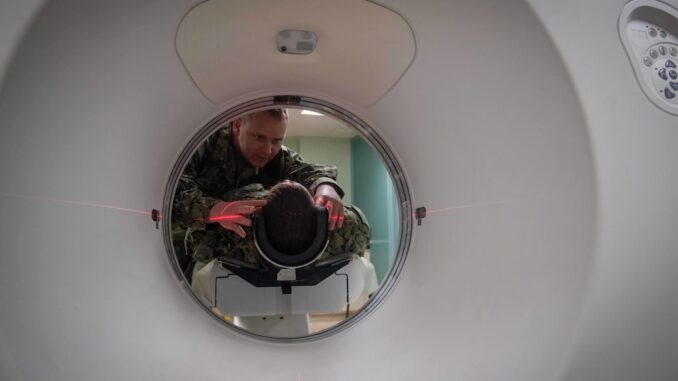
CT scans use X-rays to create detailed cross-sectional images of the body. They provide more information than standard X-rays but also expose patients to higher radiation doses. For example, a standard chest CT scan provides several hundred times the radiation dose of a standard chest X-ray, roughly equivalent to the amount of radiation exposure a person would normally get in a couple of years. (cedars-sinai.org)
5.3 Nuclear Medicine
Nuclear medicine involves using small amounts of radioactive materials to diagnose or treat diseases. The radiation dose varies depending on the specific procedure and the amount of radioactive material used. While the doses are generally low, the cumulative effect of multiple nuclear medicine procedures can be significant, especially in pediatric patients.
Many thanks to our sponsor Esdebe who helped us prepare this research report.
6. Mitigation Strategies and Recommendations
To minimize the risks associated with radiation exposure in pediatric imaging, the following strategies are recommended:
-
Justification: Ensure that each imaging procedure is clinically justified, meaning the expected diagnostic benefit outweighs the potential risks. (who.int)
-
Optimization: Apply the ALARA principle by selecting imaging modalities that provide the necessary diagnostic information with the least amount of radiation exposure. (aium.org)
-
Alternative Imaging Methods: Consider non-ionizing imaging techniques, such as ultrasound or magnetic resonance imaging (MRI), when appropriate, as they do not involve radiation exposure. (cdc.gov)
-
Parental Involvement: Engage parents and caregivers in discussions about the risks and benefits of imaging procedures to make informed decisions. (who.int)
Many thanks to our sponsor Esdebe who helped us prepare this research report.
7. Conclusion
Pediatric patients are particularly vulnerable to the harmful effects of ionizing radiation due to their developing bodies and longer life expectancy. Understanding the biological mechanisms of radiation damage, the associated long-term risks, and the principles of radiation protection is essential for minimizing potential health issues. By adhering to the ALARA principle and considering alternative imaging methods, healthcare providers can ensure that pediatric patients receive the necessary diagnostic care while minimizing radiation exposure.
Many thanks to our sponsor Esdebe who helped us prepare this research report.
Be the first to comment