
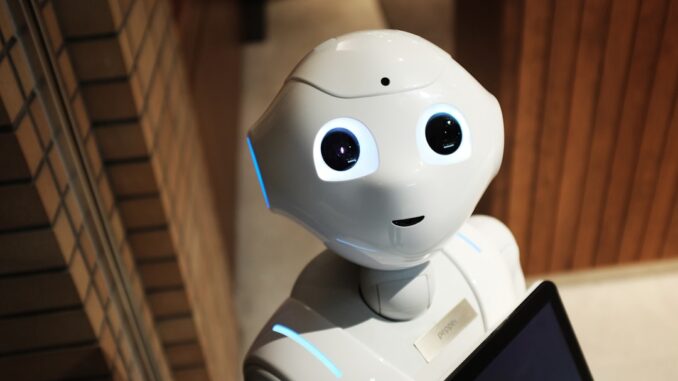

In recent years, technology has profoundly transformed elderly care, offering innovative solutions that enhance the independence and quality of life for seniors. From artificial intelligence (AI) to telemedicine and smart devices, these advancements are reshaping the landscape of geriatric care.
Artificial Intelligence: Early Detection and Personalized Care
AI has emerged as a pivotal tool in geriatric care, enabling early diagnosis and personalized treatment plans. By analyzing vast amounts of health data, AI systems can identify patterns and predict potential health issues, allowing for timely interventions. For instance, AI algorithms can detect early signs of Alzheimer’s disease by monitoring behavioral changes, facilitating prompt care strategies. (equimed.es)
Telemedicine: Bridging Gaps in Healthcare Access
Telemedicine has become a cornerstone in elderly care, especially for those in remote or underserved areas. It allows seniors to consult healthcare professionals without the need for travel, reducing the stress associated with medical visits. Additionally, telemedicine platforms enable continuous monitoring of chronic conditions, ensuring consistent and proactive care. (servicure.org)
Safeguard patient information with TrueNASs self-healing data technology.
Smart Devices: Enhancing Safety and Independence
The integration of smart devices into daily life has significantly improved safety and autonomy for older adults. Wearable health monitors track vital signs like heart rate and blood pressure, alerting caregivers to any anomalies. Smart home systems, equipped with sensors and voice-activated assistants, assist with daily tasks and provide emergency support, fostering a sense of security and independence. (thebossmagazine.com)
Robotics: Addressing Caregiver Shortages
The shortage of caregivers has led to the development of assistive robots designed to support elderly individuals. In Japan, for example, AI-driven robots like AIREC are being developed to perform tasks such as patient repositioning and daily chores, alleviating the burden on human caregivers. These robots aim to provide both physical assistance and companionship, addressing the dual challenges of caregiver shortages and social isolation among seniors. (reuters.com)
Social Connectivity: Combating Isolation
Technology plays a crucial role in combating social isolation among the elderly. Digital platforms enable seniors to stay connected with family and friends through video calls, social media, and messaging apps, reducing feelings of loneliness. Engaging in online communities and virtual activities also promotes mental stimulation and emotional well-being. (lifeworx.com)
Challenges and Considerations
Despite the numerous benefits, integrating technology into elderly care presents challenges. The digital divide remains a significant issue, with many seniors lacking access to or proficiency with digital tools. Privacy and data security concerns also arise, as the collection and sharing of personal health information require stringent safeguards. Ensuring equitable access and addressing these concerns are essential for the successful implementation of technology in elder care. (equimed.es)
Conclusion
Technology’s impact on elderly care is profound, offering solutions that enhance independence, safety, and quality of life for seniors. While challenges exist, the potential for technology to revolutionize geriatric care is immense, paving the way for a more connected and supportive environment for older adults.
References
The discussion on AI and early detection is compelling. Beyond diagnosis, could AI be used to proactively tailor environmental factors like lighting and temperature to individual seniors’ cognitive and physical needs, thereby promoting well-being?
That’s a fantastic point! Tailoring environmental factors using AI is a brilliant extension of proactive care. It opens up exciting possibilities for creating truly personalized and supportive living spaces for seniors. Imagine the potential for improving sleep, reducing anxiety, and enhancing overall cognitive function!
Editor: MedTechNews.Uk
Thank you to our Sponsor Esdebe
Regarding AI-driven robots, how adaptable are these technologies to the diverse physical and cognitive abilities of different elderly individuals? Are there standardized metrics for evaluating their usability and effectiveness across varied user groups?
That’s a crucial question! The adaptability of AI robots is definitely a key area for development. Standardized metrics are still emerging, but ongoing research is focusing on creating personalized interfaces and training programs to ensure usability across a wide range of abilities. This will help improve the tech, making it more accessible to more users.
Editor: MedTechNews.Uk
Thank you to our Sponsor Esdebe
The point about combating social isolation is critical. Beyond video calls, how can technology facilitate meaningful engagement with local communities and foster intergenerational connections to combat loneliness more effectively?
That’s a great question! Beyond video calls, perhaps AI could facilitate shared experiences – like virtual tours of local landmarks followed by online discussions with community members of all ages. These sorts of shared experiences could spark real conversations and connections. What ideas do you have?
Editor: MedTechNews.Uk
Thank you to our Sponsor Esdebe
The point about telemedicine bridging healthcare gaps is especially important. What are the most promising advancements in remote monitoring technology that can provide preventative care and reduce emergency room visits for seniors?
That’s a great question! Continuous glucose monitoring (CGM) and wearable ECG devices are becoming increasingly promising for preventative care. The data collected can be reviewed by physicians for early diagnosis of underlying conditions. Early diagnosis could dramatically reduce hospitalisations. What are your thoughts on the integration of these technologies?
Editor: MedTechNews.Uk
Thank you to our Sponsor Esdebe
The point about caregiver shortages and robotic assistance is interesting. How can we ensure these robots are perceived as companions, rather than simply tools, to avoid exacerbating feelings of loneliness or dependence among elderly users?
That’s a really important point! Perhaps incorporating personalized storytelling or memory-sharing features into the robots could foster a sense of connection and empathy. Design and voice also have an important role to play. What features would you value most in a companion robot for yourself or a loved one?
Editor: MedTechNews.Uk
Thank you to our Sponsor Esdebe
AI diagnosing Alzheimer’s by watching for behavioural changes? Does that mean my questionable dance moves after three glasses of wine are now officially suspect? Just asking for a friend, of course.
Haha! That’s a hilarious point! It highlights the interesting challenge of AI interpreting behaviour. Perhaps AI could be trained to differentiate between the early signs of cognitive decline and a simple case of letting loose on the dance floor! It would need a sense of humour!
Editor: MedTechNews.Uk
Thank you to our Sponsor Esdebe
AI robots doing chores – sign me up! But seriously, what happens when the robot develops a preference for dusting instead of, say, making sure someone takes their meds? Will we need robot therapists then?
That’s a hilarious and insightful question! The idea of robot therapists is certainly something to consider! Perhaps AI could learn to prioritize tasks based on urgency or even detect the emotional state of the person it’s assisting. That could change everything! What do you think?
Editor: MedTechNews.Uk
Thank you to our Sponsor Esdebe