
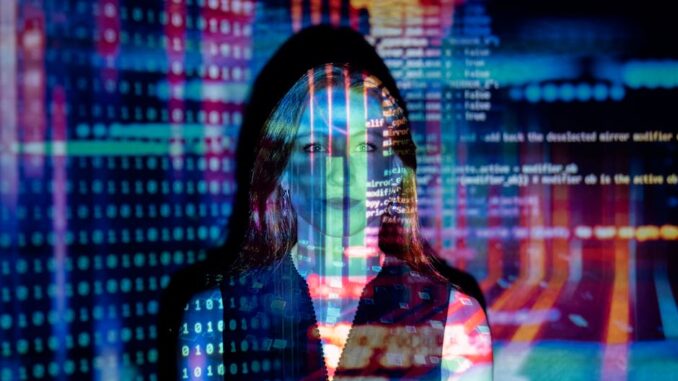

In the ever-evolving landscape of healthcare, the emergence of Human Digital Twins (HDTs) marks a transformative shift towards personalized medicine. These dynamic virtual models replicate an individual’s physiological and biological processes, offering a real-time, comprehensive view of a patient’s health status.
The Essence of Human Digital Twins
At their core, HDTs are sophisticated digital representations of individuals, continuously updated with data from various sources such as clinical records, wearable devices, and genetic information. This continuous data flow enables HDTs to simulate, monitor, and predict health trajectories, facilitating proactive and personalized healthcare interventions. For instance, a patient with a chronic condition can benefit from an HDT that predicts disease progression and suggests timely interventions, potentially preventing complications.
Applications in Personalized Healthcare
The integration of HDTs into healthcare practices has led to significant advancements in several areas:
Safeguard patient information with TrueNASs self-healing data technology.
-
Predictive Diagnostics: By analyzing real-time data, HDTs can identify early signs of diseases, allowing for timely interventions. This predictive capability is particularly beneficial in managing chronic illnesses, where early detection can substantially improve patient outcomes.
-
Treatment Optimization: HDTs enable the simulation of various treatment scenarios, assisting healthcare providers in selecting the most effective personalized treatment plans. This approach ensures that interventions are tailored to the individual’s unique physiological responses, enhancing therapeutic efficacy.
-
Surgical Planning: In complex surgical procedures, HDTs can model the patient’s anatomy, allowing surgeons to plan and rehearse operations virtually. This preparation can lead to reduced surgical risks and improved recovery times.
Challenges and Considerations
Despite their promising potential, the implementation of HDTs in healthcare faces several challenges:
-
Data Integration: Combining diverse data types—such as genetic, clinical, and lifestyle information—into a cohesive digital model requires advanced computational methods and raises concerns about data interoperability.
-
Privacy and Security: The continuous collection and analysis of personal health data necessitate robust security measures to protect patient privacy and comply with regulations like HIPAA.
-
Ethical Implications: The use of HDTs raises ethical questions regarding consent, data ownership, and the potential for misuse of sensitive health information.
The Road Ahead
As technology advances, the integration of HDTs into personalized healthcare is expected to become more refined and widespread. Ongoing research focuses on improving data integration techniques, enhancing model accuracy, and addressing ethical concerns to ensure that HDTs can be effectively and responsibly utilized in clinical settings. The future of healthcare may well be shaped by these digital counterparts, offering a more personalized, proactive, and efficient approach to patient care.
References
-
Mokhtari, M. (2025). Human Digital Twins in Personalized Healthcare: An Overview and Future Perspectives. arXiv. (arxiv.org)
-
Chrysanthakopoulou, D., & Koutsojannis, C. (2025). Unlocking the power of digital twins in personalized healthcare. World Journal of Advanced Research and Reviews, 25(02), 1193-1199. (journalwjarr.com)
-
Sharma, R. (2025). Digital Twins in Human Physiology: Towards Personalized Healthcare and Disease Modeling. Journal of Research in Human Anatomy and Physiology, 7(2), 58-64. (admin.mantechpublications.com)
-
Chen, J., Yi, C., Du, H., Niyato, D., Kang, J., Cai, J., & Shen, X. (2023). A Revolution of Personalized Healthcare: Enabling Human Digital Twin with Mobile AIGC. arXiv. (arxiv.org)
-
Pan, R., Sun, H., Chen, X., Pedrielli, G., & Huang, J. (2025). Human Digital Twin: Data, Models, Applications, and Challenges. arXiv. (arxiv.org)
Be the first to comment