
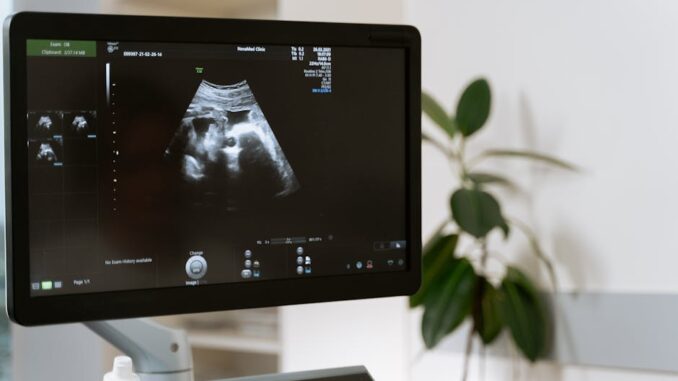

Point-of-Care Ultrasonography in Pediatric Acute Care: A Comprehensive Review of Applications, Integration, and Impact
Many thanks to our sponsor Esdebe who helped us prepare this research report.
Abstract
Point-of-Care Ultrasonography (POCUS) has rapidly transcended its foundational role in adult emergency medicine to become an indispensable diagnostic and monitoring modality in pediatric acute care. Offering real-time, non-invasive imaging directly at the patient’s bedside, POCUS significantly enhances diagnostic precision, streamlines therapeutic decision-making, and minimizes the need for hazardous patient transport to centralized imaging departments. This comprehensive review systematically explores the multifaceted applications of POCUS within diverse pediatric acute care settings, meticulously detailing its utility in trauma assessment, thoracic evaluations, sophisticated hemodynamic monitoring, neurologic assessments, and ocular examinations. Furthermore, the report delves into the intricate processes of integrating POCUS into contemporary clinical practice, examining the requisite training and credentialing frameworks, its quantifiable impact on critical patient outcomes, and the persistent challenges that impede its broader, standardized implementation. The analysis underscores POCUS’s transformative potential to elevate the standard of care for critically ill and injured children, advocating for continued research and robust educational initiatives to maximize its clinical benefits.
Many thanks to our sponsor Esdebe who helped us prepare this research report.
1. Introduction
The landscape of pediatric acute care has been profoundly transformed by the increasing adoption of Point-of-Care Ultrasonography (POCUS). This dynamic imaging modality empowers clinicians to perform diagnostic scans and guide procedures in real-time at the patient’s bedside, a capability that is particularly invaluable in the management of critically ill and injured children. The inherent vulnerabilities of pediatric patients, coupled with the critical importance of timely interventions, render POCUS an exceptionally advantageous tool. Unlike traditional imaging techniques such as conventional radiography or computed tomography (CT), POCUS is free of ionizing radiation, making it a safer option for a population inherently more susceptible to cumulative radiation exposure and its long-term sequelae. Its portability eliminates the need for potentially perilous patient transfers to remote imaging suites, preserving the continuum of critical care and reducing logistical burdens, especially in high-acuity environments like the pediatric emergency department, intensive care unit, or operating room.
The evolution of POCUS from a specialized technique to a widely accessible tool has been driven by advancements in ultrasound technology, making devices smaller, more affordable, and user-friendly. In the pediatric context, POCUS serves multiple critical functions: it can rapidly identify life-threatening conditions, guide complex medical procedures, monitor therapeutic responses, and facilitate differential diagnosis, all within moments of clinical concern. This immediate diagnostic feedback loop dramatically shortens the time to appropriate intervention, which is often a crucial determinant of outcome in pediatric emergencies. The versatility of POCUS extends far beyond initial trauma assessments, encompassing a wide array of applications across multiple organ systems, including detailed thoracic evaluations, sophisticated hemodynamic monitoring, critical neurologic assessments, and meticulous ocular examinations. This review aims to comprehensively elucidate these applications, providing a detailed understanding of their mechanisms, clinical utility, and the growing evidence base supporting their use in pediatric acute care.
Many thanks to our sponsor Esdebe who helped us prepare this research report.
2. Applications of POCUS in Pediatric Acute Care
2.1 Trauma Assessment
Pediatric trauma represents a leading cause of morbidity and mortality in children, necessitating rapid, accurate, and non-invasive diagnostic tools. POCUS has emerged as a cornerstone in the initial assessment of pediatric trauma patients, primarily through the focused assessment with sonography for trauma (FAST) and its extended variant, the eFAST exam. The primary objective of the FAST exam in this context is the swift detection of free fluid within the peritoneal, pericardial, or pleural cavities, which often serves as a surrogate marker for significant internal hemorrhage or organ injury. The standard FAST examination systematically interrogates four key anatomical windows:
- Perihepatic/Morison’s Pouch: The interface between the liver and the right kidney, a common site for gravity-dependent fluid collection.
- Perisplenic: The space surrounding the spleen and left kidney, another frequent location for free fluid.
- Pelvic (Suprapubic): The area superior to the bladder, where fluid can accumulate in the deepest recesses of the pelvis.
- Pericardial: Evaluation around the heart for pericardial effusion, indicative of cardiac injury or tamponade.
The extended FAST (eFAST) exam further enhances diagnostic capability by adding views of the bilateral pleural spaces and anterior chest walls to assess for pneumothorax (lung sliding sign absence) or hemothorax (pleural fluid). In pediatric trauma, the eFAST offers several distinct advantages over traditional imaging. It is radiation-free, a critical consideration given children’s increased radiosensitivity. It can be performed concurrently with resuscitation efforts, thereby minimizing delays in diagnosis and treatment. Moreover, its portability allows for immediate assessment at the scene of injury or upon arrival in the emergency department, providing critical information for surgical decision-making or directing further diagnostic investigations.
While the sensitivity of FAST for detecting free abdominal fluid can be lower in children compared to adults, particularly for small fluid volumes, its high specificity means that a positive FAST scan is strongly suggestive of significant injury. Studies have shown its utility in guiding operative management, potentially reducing the need for computed tomography (CT) scans in hemodynamically stable children with minor blunt abdominal trauma or expediting surgical intervention in unstable patients. The absence of free fluid on FAST, particularly in stable patients, can often reassure clinicians and help triage patients away from immediate operative intervention, though a negative FAST does not definitively rule out solid organ injury, especially those that do not result in significant hemoperitoneum. Thus, clinical correlation and serial examinations are often crucial. (pubmed.ncbi.nlm.nih.gov)
Emerging research continues to refine the role of POCUS in pediatric trauma, including its application in assessing specific organ injuries such as renal trauma or intestinal injury, though these remain more advanced applications. The integration of POCUS into established trauma protocols is an ongoing process, with a focus on comprehensive training and quality assurance to ensure consistent and reliable interpretation of findings across diverse clinical settings.
2.2 Thoracic Evaluations
POCUS has revolutionized the assessment of pediatric respiratory conditions, offering a rapid, radiation-free, and highly accurate alternative to conventional chest X-rays, especially in time-sensitive situations. Its utility spans the diagnosis of critical conditions such as pneumothorax, pleural effusions, pneumonia, and acute respiratory distress syndrome (ARDS), as well as guiding airway management.
Pneumothorax: The presence of air in the pleural space, often life-threatening, can be rapidly diagnosed with lung ultrasound. The hallmark sonographic sign of pneumothorax is the absence of ‘lung sliding’ – the shimmering movement of the visceral and parietal pleura against each other during respiration. This is often accompanied by the ‘barcode sign’ or ‘stratosphere sign’ on M-mode imaging, indicating a static pleura. The presence of a ‘lung point’ – the transition zone where lung sliding reappears – is highly specific for pneumothorax. Lung ultrasound has demonstrated superior sensitivity to supine chest X-rays for detecting pneumothorax, allowing for earlier intervention and potentially preventing progression to tension pneumothorax, particularly in mechanically ventilated or post-procedural patients. (beckershospitalreview.com)
Pleural Effusions: The accumulation of fluid in the pleural space is easily visualized with POCUS as an anechoic (black) or hypoechoic (grey) collection superior to the diaphragm, often compressing the lung parenchyma. POCUS can quantify the volume of fluid, differentiate it from other thoracic collections, and guide thoracentesis procedures for diagnostic and therapeutic purposes, thereby minimizing complications associated with blind aspirations. The ability to identify even small effusions, often missed on plain radiographs, is a significant advantage.
Pneumonia and Consolidation: Lung ultrasound is increasingly recognized as a highly sensitive and specific tool for diagnosing pneumonia in children, often outperforming chest radiography. Findings include subpleural consolidations (hepatization of lung tissue), dynamic air bronchograms, and pleural line abnormalities. The presence of ‘B-lines’ (vertical artifacts extending from the pleural line to the edge of the screen, indicative of interstitial fluid) can suggest pulmonary edema or interstitial pneumonia. POCUS can help differentiate viral from bacterial pneumonia, track disease progression, and assess for complications like parapneumonic effusions or empyema, thus streamlining management and reducing antibiotic exposure when appropriate.
Acute Respiratory Distress Syndrome (ARDS): In pediatric ARDS, POCUS can identify diffuse B-lines, consolidations, and pleural line irregularities, providing insights into the severity and distribution of lung injury. It can also be used to monitor response to therapeutic interventions such as positive end-expiratory pressure (PEEP) titration or recruitment maneuvers.
Airway Management: POCUS assists in confirming endotracheal tube placement, detecting esophageal intubation, and identifying post-intubation complications like pneumothorax or mainstem bronchus intubation. Visualization of the trachea and esophagus allows for real-time confirmation of tube location, particularly useful in challenging airway scenarios. This can significantly reduce the risk of adverse events and improve patient safety during critical airway procedures.
2.3 Hemodynamic Monitoring
Hemodynamic assessment is paramount in the management of pediatric shock and critical illness, where early and accurate classification and tailored intervention are crucial. POCUS offers a non-invasive, real-time window into cardiac function, fluid status, and vascular congestion, enabling a sophisticated approach to hemodynamic monitoring at the bedside. Its utility extends beyond simple assessment to guiding fluid resuscitation, titrating vasoactive medications, and identifying the etiology of shock. (pubmed.ncbi.nlm.nih.gov)
Cardiac Function Assessment: POCUS allows for qualitative and quantitative evaluation of ventricular function. Visual assessment of left ventricular (LV) contractility (e.g., hyperdynamic, normal, hypodynamic) provides immediate insights into cardiac output. More advanced techniques include:
- Ejection Fraction (EF) Estimation: While precise EF calculations require advanced training, visual estimation can be quickly performed. A severely depressed EF suggests cardiogenic shock.
- Fractional Shortening (FS): A quantitative measure derived from M-mode measurements, indicative of ventricular contractility.
- Cardiac Output (CO) and Stroke Volume (SV) Estimation: Using Doppler measurements across the outflow tracts, POCUS can estimate CO and SV, allowing for dynamic assessment of cardiac performance and response to therapies.
- Valvular Assessment: Brief evaluation of valve morphology and function can identify significant regurgitation or stenosis contributing to hemodynamic instability.
Fluid Responsiveness and Status: POCUS provides dynamic markers of fluid responsiveness, superior to static parameters like central venous pressure. Key assessments include:
- Inferior Vena Cava (IVC) Collapsibility Index (CI) / Distensibility Index (DI): In spontaneously breathing patients, a high CI (significant collapse with inspiration) suggests hypovolemia and fluid responsiveness. In mechanically ventilated patients, a high DI (significant distention with inspiration) can also indicate fluid responsiveness. However, interpretation must be nuanced and consider multiple clinical factors.
- Passive Leg Raise (PLR) Test: Performing a POCUS cardiac assessment before and after a PLR maneuver can predict fluid responsiveness, as an increase in LV outflow tract velocity time integral (VTI) indicates a positive response.
- Vascular Congestion Assessment: Beyond simply assessing for hypovolemia, POCUS can identify signs of fluid overload and venous congestion, such as dilated IVC, hepatic vein pulsatility, renal venous flow patterns (VExUS score – Venous Excess Ultrasound Score), and B-lines on lung ultrasound. This multi-organ approach helps guide fluid de-escalation strategies and prevents complications of over-resuscitation.
Shock Classification: POCUS assists in rapidly differentiating types of shock (hypovolemic, cardiogenic, distributive, obstructive). For example:
- Hypovolemic Shock: Often characterized by hyperdynamic cardiac function with a small, collapsing IVC.
- Cardiogenic Shock: Marked by poor ventricular contractility, possibly dilated chambers, and signs of pulmonary edema.
- Obstructive Shock (e.g., pericardial tamponade, tension pneumothorax, massive pulmonary embolism): Identified by specific findings such as pericardial effusion with diastolic collapse, absent lung sliding, or right ventricular strain/dilation.
- Distributive Shock (e.g., septic shock): Can present with hyperdynamic function and a collapsing IVC in early stages, progressing to ventricular dysfunction in later stages.
Advanced techniques, including spectral Doppler imaging, enable detailed flow analysis across vessels and valves, further enhancing the utility of POCUS in complex shock presentations. This allows clinicians to move beyond simple ‘yes/no’ fluid decisions to a more sophisticated, individualized approach to fluid management and vasopressor titration, ultimately aiming to optimize cardiac output and tissue perfusion in critically ill children.
2.4 Neurologic Assessments
In pediatric neurocritical care, POCUS provides a valuable, non-invasive tool for assessing intracranial pathology and guiding procedures, particularly in neonates and young infants with open fontanelles. The cranial vault, typically a barrier for ultrasound waves in older children and adults, becomes an acoustic window through the unossified fontanelles, allowing for direct visualization of brain parenchyma and ventricular structures. (pubmed.ncbi.nlm.nih.gov)
Intracranial Pressure (ICP) Estimation: While direct ICP measurement remains the gold standard, POCUS offers a reliable surrogate through the measurement of the Optic Nerve Sheath Diameter (ONSD). The optic nerve sheath is continuous with the dura mater, and an increase in ICP causes passive distention of the sheath, leading to an enlarged ONSD. Measurements greater than a specific threshold (e.g., >4.5-5.0 mm in children, adjusted for age) are highly correlated with elevated ICP. Serial ONSD measurements can monitor the effectiveness of ICP-lowering therapies and identify trends in neurological status, making it a critical tool in managing conditions like hydrocephalus, traumatic brain injury, or meningitis. The technique is non-invasive, repeatable, and avoids the risks associated with invasive ICP monitoring.
Cranial Ultrasound in Neonates and Infants: For neonates, especially premature infants, cranial ultrasound is an essential diagnostic and monitoring tool. It allows for the detection and surveillance of a wide range of conditions, including:
- Intraventricular Hemorrhage (IVH): Graded according to severity, IVH is a common and serious complication in premature infants. POCUS enables early detection and monitoring of progression.
- Periventricular Leukomalacia (PVL): Ischemic injury to the white matter, often associated with cerebral palsy, can be identified and tracked.
- Hydrocephalus and Ventriculomegaly: POCUS can measure ventricular size and monitor the progression of hydrocephalus, guiding decisions regarding cerebrospinal fluid (CSF) diversion procedures.
- Congenital Brain Anomalies: While MRI offers superior detail, POCUS can screen for significant structural abnormalities.
- Infection and Inflammation: Evidence of ventriculitis or other inflammatory changes.
Procedural Guidance: POCUS is increasingly used to guide various neurocritical care procedures:
- Lumbar Puncture (LP): POCUS can identify the optimal intervertebral space, estimate skin-to-epidural space depth, and visualize the spinal canal, increasing success rates and reducing complications, particularly in infants and children with challenging anatomy or prior spinal surgery.
- Ventriculoperitoneal (VP) Shunt Taps: POCUS can precisely locate the shunt reservoir, facilitating safe aspiration of CSF for diagnostic or therapeutic purposes, minimizing the risk of infection or damage to the shunt.
- External Ventricular Drain (EVD) Placement: While less common for initial placement, POCUS can assist in confirming EVD position or troubleshooting malfunction.
The non-invasive nature and real-time capabilities of POCUS make it particularly well-suited for repeated assessments and interventions in critically ill pediatric patients, minimizing discomfort and exposure to transport risks.
2.5 Ocular Examinations
POCUS of the eye and orbit offers a rapid, non-invasive means to diagnose a variety of ocular pathologies in pediatric patients, particularly in emergency and critical care settings where direct ophthalmologic examination may be challenging or delayed. The high-frequency linear array transducer allows for detailed visualization of the anterior and posterior segments of the globe, as well as the surrounding orbital structures. (publications.aap.org)
Retinopathy of Prematurity (ROP) and Retinal Detachment: In premature infants, where ROP screening is crucial, POCUS can complement traditional ophthalmoscopy, especially when the latter is difficult due to eyelid swelling or sedation. While not a primary screening tool for ROP, it can identify severe cases of retinal detachment, which is a devastating complication of ROP, or other causes of vision loss. It is also useful for serial monitoring of severe cases or when the fundus cannot be adequately visualized.
Globe Rupture and Intraocular Foreign Bodies: In cases of ocular trauma, POCUS can rapidly assess for globe rupture (identified by an irregular globe contour, vitreal hemorrhage, or loss of anterior chamber depth) or the presence of intraocular foreign bodies, guiding urgent ophthalmologic consultation and surgical management. This is particularly valuable when direct examination is hindered by severe lid swelling, pain, or uncooperativeness in children.
Retrobulbar Hematoma and Orbital Cellulitis: POCUS can visualize retrobulbar hematomas causing proptosis and elevated intraocular pressure, which can lead to vision loss if not promptly decompressed. It can also assist in diagnosing orbital cellulitis by identifying fluid collections or abscesses within the orbit, distinguishing it from preseptal cellulitis, and guiding drainage if necessary.
Optic Nerve Pathology: Beyond ONSD measurement for ICP, POCUS can identify papilledema (swelling of the optic nerve head), which appears as elevation of the optic disc and is a sign of chronic elevated ICP. It can also detect optic nerve atrophy or other structural abnormalities.
Corneal and Lens Abnormalities: POCUS can evaluate corneal clarity, anterior chamber depth, and lens position (e.g., lens dislocation), especially in cases where direct visualization is limited.
It is essential to perform ocular POCUS with gentle technique, using a protective dressing (e.g., Tegaderm) over the closed eyelid and copious gel to minimize pressure on the globe. While not replacing comprehensive ophthalmologic examination, POCUS offers a rapid and safe initial assessment, particularly in situations where urgent bedside information is needed to guide immediate management or prioritize specialist consultation.
2.6 Other Emerging Applications
The utility of POCUS in pediatric acute care extends beyond the aforementioned core applications, with several other areas demonstrating significant promise and growing adoption:
Procedural Guidance: POCUS significantly enhances the safety and success rate of numerous invasive procedures. This includes:
- Central Venous Catheter (CVC) Placement: Real-time visualization of vessels and needle trajectory minimizes complications like arterial puncture or pneumothorax during internal jugular, subclavian, or femoral line insertions. It also confirms guidewire and catheter tip placement, reducing reliance on post-procedure X-rays.
- Peripheral Intravenous (PIV) Access: Particularly useful in children with difficult venous access, POCUS can locate deeper, non-palpable veins, improving first-pass success rates and reducing patient distress.
- Lumbar Puncture (LP): As mentioned previously, POCUS helps identify optimal landmarks, depth, and avoids anatomical variations.
- Abscess Drainage: POCUS can delineate abscess margins, identify vascular structures to avoid, and guide needle aspiration or incision and drainage, especially for superficial collections.
- Paracentesis and Thoracentesis: Guiding needle insertion into peritoneal or pleural fluid collections, respectively, minimizing organ injury and maximizing fluid yield.
Musculoskeletal (MSK) Applications: POCUS can rapidly assess for:
- Fractures: Especially useful for identifying occult fractures, stress fractures, or confirming gross deformities, often in conjunction with radiographs.
- Joint Effusions: Quickly detecting fluid within joints, aiding in the diagnosis of septic arthritis or inflammatory conditions.
- Soft Tissue Infections: Differentiating cellulitis from abscesses, foreign bodies, or necrotizing fasciitis.
- Tendinopathies and Ligamentous Injuries: Assessing acute sprains or ruptures, particularly in sports medicine settings.
Renal and Gastrointestinal Applications:
- Hydronephrosis: Rapid detection of urinary tract obstruction, particularly in cases of acute kidney injury or suspected urolithiasis.
- Appendicitis: While often requiring experienced operators, POCUS can aid in diagnosing appendicitis by visualizing a non-compressible, dilated, blind-ending tubular structure in the right lower quadrant. Its non-ionizing nature makes it an attractive alternative to CT in children.
- Intussusception: POCUS is the diagnostic modality of choice for intussusception, characterized by the ‘target sign’ or ‘pseudokidney sign,’ and can often guide therapeutic air or hydrostatic enema reduction.
- Pyloric Stenosis: Diagnosis involves measuring pyloric wall thickness and length, typically performed by radiology, but increasingly by POCUS-trained emergency physicians.
These expanded applications underscore the evolving and dynamic role of POCUS, transforming it into a holistic diagnostic and interventional tool across virtually all aspects of pediatric acute care.
Many thanks to our sponsor Esdebe who helped us prepare this research report.
3. Integration of POCUS into Clinical Practice
The successful integration of POCUS into pediatric acute care is contingent upon the establishment of robust, structured training programs, rigorous credentialing processes, and ongoing quality assurance initiatives. Simply acquiring ultrasound machines is insufficient; ensuring clinician proficiency and appropriate application is paramount for patient safety and optimal outcomes. Institutions worldwide, including leading academic centers like Lucile Packard Children’s Hospital, have pioneered comprehensive POCUS programs to address these critical needs. (med.stanford.edu)
Training and Education:
- Curriculum Development: Training programs typically encompass both theoretical knowledge (ultrasound physics, knobology, image acquisition principles, specific pathology recognition) and extensive hands-on practical sessions. Curricula are often tailored to specific specialties (e.g., emergency medicine, critical care, neonatology, hospital medicine) and specific POCUS applications.
- Didactic Sessions: Lectures, online modules, and simulation-based training are utilized to convey foundational knowledge and interpretative skills.
- Hands-on Practice: This is the cornerstone of POCUS education. Trainees practice on live models, phantoms, and supervised patient scans. Cadaver labs or animal models may be used for procedural guidance training. Regular, supervised scanning sessions are crucial for developing psychomotor skills and pattern recognition.
- Boot Camps and Workshops: Intensive, short-duration courses provide concentrated training, allowing rapid skill acquisition for specific POCUS applications. These are often followed by longitudinal practice.
- Longitudinal Training: Integrating POCUS education into residency and fellowship programs ensures sustained exposure and skill development over several years. This often includes dedicated POCUS rotations or electives.
Credentialing and Competency Assessment:
- Defined Pathways: Clear institutional guidelines are essential for granting POCUS privileges. These pathways typically involve a combination of didactic hours, a minimum number of supervised scans for each application (often with a focus on specific image acquisition and interpretation criteria), and a final summative assessment.
- Image Review and Quality Assurance (QA): A critical component of credentialing and ongoing competency is a robust QA program. This involves expert review of a percentage of images acquired by POCUS users. Feedback is provided on image quality, diagnostic accuracy, and appropriate clinical integration. This ensures that POCUS is being used correctly and that diagnostic errors are minimized.
- Maintenance of Competency: POCUS skills, like any clinical skill, can degrade without regular practice. Institutions often require ongoing participation in QA, regular scanning, and continuing medical education to maintain privileges.
- Standardized Protocols: Development and adherence to standardized scanning protocols for specific indications (e.g., FAST, RUSH protocol for shock) are vital to ensure consistency, reproducibility, and accuracy across different operators and institutions.
Workflow Integration and Infrastructure:
- Equipment Availability: Ensuring that POCUS devices are readily available in relevant clinical areas (e.g., emergency departments, PICUs, NICUs) is fundamental. This includes consideration of probe types (e.g., linear, curvilinear, phased array, microconvex) suitable for pediatric patients and specific applications.
- Image Archiving and Documentation: Integration of POCUS images into the electronic health record (EHR) is crucial for documentation, follow-up, and QA. This requires appropriate IT infrastructure and standardized documentation templates.
- Multidisciplinary Collaboration: Successful integration often involves collaboration among emergency physicians, intensivists, neonatologists, hospitalists, radiologists, and other specialists. Defining the scope of practice for each group and establishing clear communication channels is essential to avoid duplication of effort and optimize patient care.
- Addressing Barriers: Challenges to widespread adoption include lack of dedicated training time, resistance to change, perceived or actual competition with radiology, and the significant investment in equipment and personnel for training and QA. Overcoming these requires strong institutional leadership and advocacy.
By systematically addressing these aspects, healthcare systems can effectively integrate POCUS, harnessing its full potential to improve the care of pediatric patients.
Many thanks to our sponsor Esdebe who helped us prepare this research report.
4. Impact on Patient Outcomes
The integration of POCUS into pediatric acute care has been demonstrably associated with a cascade of positive impacts on patient outcomes, extending beyond mere diagnostic accuracy to encompass reduced procedural complications, optimized resource utilization, and potentially improved morbidity and mortality. These benefits are particularly pronounced in time-sensitive, high-acuity scenarios characteristic of pediatric emergencies and critical care.
Enhanced Diagnostic Accuracy and Expedited Decision-Making:
- Reduced Time to Diagnosis: POCUS provides immediate answers at the bedside, significantly shortening the diagnostic timeline compared to traditional imaging modalities that often require patient transport, scheduling, and interpretation by a radiologist. In conditions like pericardial tamponade, tension pneumothorax, or major hemorrhage, this rapid diagnosis can be life-saving. For instance, in trauma, a positive FAST exam can expedite surgical consultation and intervention, directly impacting patient survival. (pubmed.ncbi.nlm.nih.gov)
- Improved Accuracy for Specific Conditions: For conditions like pneumothorax, pleural effusions, and pediatric pneumonia, lung ultrasound has shown superior sensitivity and comparable specificity to conventional radiography, reducing missed diagnoses and misdiagnoses.
- Dynamic Assessment: Unlike static images, POCUS allows for continuous, real-time assessment of physiological changes, such as cardiac contractility in response to fluid boluses or changes in lung aeration with ventilatory adjustments. This dynamic capability enables titration of therapies to patient response, moving towards precision medicine.
Optimized Therapeutic Guidance and Reduced Complications:
- Procedural Safety: Ultrasound guidance for procedures such as central venous line placement, lumbar puncture, and peripheral IV access has been unequivocally shown to increase first-pass success rates, reduce the number of attempts, and significantly decrease complications like arterial puncture, nerve injury, pneumothorax, and hematoma formation, especially in challenging pediatric populations.
- Fluid Management: POCUS-guided hemodynamic assessment moves clinicians beyond empiric fluid administration towards a more physiological approach. By assessing cardiac function, IVC dynamics, and signs of venous congestion, POCUS helps prevent both under-resuscitation and over-resuscitation, both of which are associated with adverse outcomes in critically ill children.
- Airway Management: POCUS-assisted endotracheal tube placement confirmation and detection of complications prevent unrecognized esophageal intubation and subsequent hypoxic brain injury or death.
Reduced Radiation Exposure and Cost-Effectiveness:
- Radiation Sparing: In a pediatric population highly susceptible to the long-term effects of ionizing radiation, POCUS offers a radiation-free alternative for numerous indications (e.g., lung pathology, appendicitis, trauma screening), reducing cumulative lifetime radiation burden. This is a crucial ethical and clinical advantage.
- Resource Utilization: By reducing the need for more expensive and time-consuming imaging modalities like CT or MRI, POCUS can optimize resource allocation, decrease hospital length of stay, and potentially lower overall healthcare costs. Its portability also means less reliance on transport teams and specialized imaging suites.
Impact on Morbidity and Mortality:
While direct evidence linking POCUS to a reduction in pediatric mortality for all applications is complex and still evolving (often due to the multifactorial nature of critical illness outcomes), the cumulative effect of earlier diagnosis, safer procedures, and more tailored therapies strongly suggests a positive impact on overall patient morbidity and, indirectly, mortality. Studies have shown improved outcomes in specific conditions, such as earlier detection of traumatic injuries or critical cardiac dysfunction leading to more timely interventions and stabilization.
The widespread and thoughtful implementation of POCUS, supported by robust training and quality assurance, is therefore a cornerstone of modern, high-quality pediatric acute care, continually striving to enhance safety, efficiency, and clinical effectiveness for the youngest and most vulnerable patients.
Many thanks to our sponsor Esdebe who helped us prepare this research report.
5. Challenges and Future Directions
Despite the undeniable advantages and growing adoption of POCUS in pediatric acute care, several significant challenges must be addressed to ensure its widespread, effective, and equitable implementation. Simultaneously, the rapid pace of technological innovation and evolving clinical understanding point towards exciting future directions for this transformative modality.
5.1 Challenges in Implementation
- Standardization of Protocols and Training: A lack of universally accepted, evidence-based guidelines for POCUS indications, acquisition techniques, and interpretation criteria in pediatric populations remains a hurdle. Variability in training curricula and credentialing pathways across institutions can lead to inconsistencies in operator proficiency and diagnostic reliability. Developing standardized, age-specific protocols and robust, multi-tiered training programs is essential.
- Operator Dependence: POCUS is inherently operator-dependent. Image acquisition and interpretation require significant skill, experience, and ongoing practice. This dependency necessitates continuous quality assurance (QA) programs, regular image review, and feedback mechanisms to maintain and improve diagnostic accuracy and prevent misinterpretations.
- Integration with Radiology: Defining the scope of practice for POCUS versus formal radiology studies can sometimes be a source of tension. Clear communication, collaborative pathways, and mutual respect between POCUS providers and radiologists are crucial to ensure that POCUS is used appropriately as a complementary tool, not a replacement for comprehensive radiological assessment when indicated.
- Evidence Gaps: While the evidence base for many POCUS applications in pediatric acute care is growing, some areas still lack high-quality, large-scale randomized controlled trials demonstrating a direct impact on patient-centered outcomes (e.g., mortality, length of stay, long-term neurodevelopmental outcomes). Further research is needed to solidify POCUS’s role and refine its indications.
- Resource Allocation: The initial investment in POCUS equipment, maintenance, and the significant resources required for comprehensive training, credentialing, and QA programs can be substantial. For resource-limited settings, these costs pose a considerable barrier.
- Image Archiving and Informatics: Effective integration of POCUS images into electronic health records (EHRs) and ensuring their retrievability for review and QA require sophisticated informatics solutions and standardized documentation practices, which are not uniformly available.
5.2 Future Directions
- Advanced Technologies: The future promises even more sophisticated POCUS devices. Miniaturization will continue, leading to highly portable, even wearable, ultrasound devices. Wireless transducers, enhanced image processing (e.g., artificial intelligence (AI)-driven image optimization), and 3D/4D ultrasound capabilities at the bedside will further improve diagnostic power and ease of use. Handheld devices connecting directly to smartphones or tablets are already expanding accessibility.
- Artificial Intelligence (AI) and Machine Learning (ML): AI and ML algorithms hold immense potential to revolutionize POCUS. These technologies can assist with:
- Image Acquisition: Guiding novice users to acquire optimal views.
- Image Interpretation: Automating measurements (e.g., ejection fraction, ONSD), identifying pathologies (e.g., pneumothorax, pleural effusions, cardiac abnormalities), and reducing diagnostic errors.
- Clinical Decision Support: Integrating POCUS findings with other clinical data to provide real-time diagnostic and therapeutic recommendations.
- Training and QA: Automated feedback on image quality and performance metrics.
- Tele-POCUS and Remote Guidance: The development of telemedicine platforms integrated with POCUS will enable remote experts to guide less experienced providers in rural or underserved areas, effectively extending specialized POCUS expertise to locations where it is currently lacking. This could involve real-time video conferencing with remote control of the ultrasound machine.
- Expansion of Applications: Ongoing research will likely uncover new diagnostic and therapeutic applications for POCUS in pediatric acute care, including more refined assessments of gastrointestinal motility, brain injury characterization, advanced regional anesthesia, and rehabilitation medicine.
- Education and Simulation: The development of highly realistic ultrasound simulators will provide risk-free environments for trainees to acquire and hone POCUS skills, improving competency before patient contact. Augmented reality (AR) and virtual reality (VR) may further enhance training experiences.
- Global Health and Resource-Limited Settings: POCUS’s portability, relatively low cost compared to other advanced imaging, and lack of radiation make it an ideal tool for low- and middle-income countries (LMICs). Future efforts will focus on adapting training programs and protocols for these environments, addressing unique local epidemiologies, and leveraging low-cost devices to address critical diagnostic gaps in pediatric care globally.
In conclusion, while challenges remain, the trajectory of POCUS in pediatric acute care is one of continuous innovation and expansion. By addressing standardization, training, and evidence gaps, and by embracing emerging technologies, POCUS is poised to further solidify its position as an indispensable tool, ultimately leading to improved diagnostic precision, safer interventions, and better outcomes for critically ill and injured children worldwide.
Many thanks to our sponsor Esdebe who helped us prepare this research report.
References
- pubmed.ncbi.nlm.nih.gov – Use of Point-of-Care Ultrasonography in Pediatric Emergency Medicine
- beckershospitalreview.com – 10 important applications of point-of-care ultrasound in pediatric emergency medicine
- pubmed.ncbi.nlm.nih.gov – Point-of-care ultrasound in children with septic shock: a systematic review
- publications.aap.org – Use of Point-of-Care Ultrasonography in the NICU
- med.stanford.edu – Lucile Packard Children’s Hospital Stanford POCUS Program
Be the first to comment