
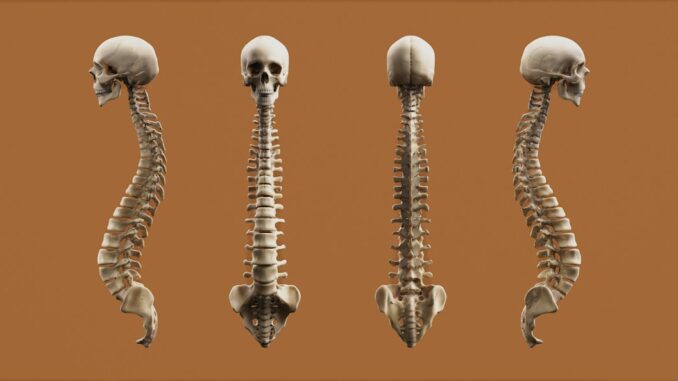

Osteoporosis: Unpacking the Paradigm Shift in Bone Health Management
For far too long, osteoporosis has been a stealthy adversary, a silent thief that gradually erodes the very foundations of our physical structure. This debilitating condition, where bones become fragile and porous, significantly escalates the risk of fractures from seemingly innocuous events—a minor fall, a sudden twist, or even just a vigorous cough. It’s a truly global health concern, impacting hundreds of millions worldwide, with postmenopausal women and older adults disproportionately bearing its brunt. The specter of a hip fracture, for instance, isn’t just about pain; it’s about a drastic reduction in quality of life, often leading to loss of independence, increased mortality, and frankly, a whole lot of heartache for patients and their families.
Historically, managing osteoporosis felt a bit like playing defense in a losing game. We tried to slow the bone loss, to minimize the damage, but truly building stronger bone seemed almost aspirational. Yet, the past decade or so has ushered in what I’d consider nothing short of a revolution in how we approach this disease. We’re not just playing defense anymore; we’re on the offensive, armed with incredibly sophisticated tools for both treatment and proactive risk assessment. It’s a dynamic shift, wouldn’t you say?
Reliability and uptime matter in healthcare TrueNAS provides 24/7 support when it counts.
Unveiling the Arsenal: Innovative Therapies Reimagining Bone Strength
Let’s really dig into the therapeutic landscape, because it’s here that the most profound changes have occurred. For a long time, our primary weapon against osteoporosis was a class of drugs called anti-resorptive agents. Think of them as the brakes on bone breakdown. They’re good, really good, at what they do, but they’ve got their limitations.
The Stalwarts: Anti-Resorptive Agents
These drugs, including the widely known bisphosphonates (like alendronate, risedronate, zoledronic acid, and ibandronate) and denosumab, essentially work by inhibiting osteoclasts—the cells responsible for breaking down old bone. By slowing this natural process, they allow osteoblasts (the bone-building cells) a chance to catch up, or at least prevent things from getting worse too quickly. Bisphosphonates, for instance, bind to the bone mineral surface and are then taken up by osteoclasts, disrupting their function and leading to their apoptosis. It’s quite clever, actually.
They’ve undeniably reduced fracture rates, particularly vertebral and hip fractures. We’ve seen countless patients benefit from these therapies, especially those with established osteoporosis. However, they don’t really stimulate new bone formation; they just preserve existing bone density. Plus, they come with their own set of considerations. Compliance can be an issue with daily or weekly oral regimens, and there are rare but serious side effects like osteonecrosis of the jaw (ONJ) or atypical femoral fractures (AFFs), which, while uncommon, definitely give both patients and clinicians pause. Denosumab, a monoclonal antibody, works a bit differently by targeting RANKL, a key mediator of osteoclast formation, function, and survival. It’s remarkably potent, administered as a subcutaneous injection every six months, but its cessation can lead to a rapid rebound in bone turnover and increased fracture risk, necessitating careful planning for continuation or transition to another therapy.
The Game-Changers: Anabolic Agents—Building Bone From the Ground Up
This is where things get really exciting, because anabolic agents fundamentally change the equation. Instead of just slowing down the demolition crew, these drugs actively stimulate the construction crew, literally building new bone. This dynamic approach offers a much-needed alternative, particularly for those with severe osteoporosis or who haven’t responded well to anti-resorptives.
Teriparatide (Forteo): The Pioneer
Teriparatide, a recombinant form of parathyroid hormone (PTH), was really our first major entry into the anabolic space. You see, while continuous high levels of PTH cause bone loss, intermittent low-dose administration actually stimulates osteoblast activity, promoting new bone formation. It’s a fantastic example of dose-dependent pharmacological nuance. Patients using teriparatide typically inject it daily for up to two years. It’s been incredibly effective at increasing bone mineral density (BMD), particularly in the spine, and significantly reducing the risk of vertebral and non-vertebral fractures. However, that two-year limit is a real consideration, primarily due to theoretical concerns about osteosarcoma risk, though it’s been exceedingly rare in clinical practice. After this period, patients usually transition to an anti-resorptive to maintain the bone gains.
Abaloparatide (Tymlos): A Refined Anabolic
Then came abaloparatide, a synthetic analog of parathyroid hormone-related peptide (PTHrP). What makes abaloparatide so compelling is its more selective activation of the PTH receptor, favoring the bone-building pathways over those that might promote resorption. What this means in practice is that it often achieves even greater BMD increases than teriparatide, particularly at the hip, and with potentially fewer side effects like hypercalcemia. The ACTIVE trial, a landmark study, underscored its prowess, demonstrating an impressive 86% reduction in new vertebral fractures and a 43% reduction in non-vertebral fractures compared to placebo in postmenopausal women with osteoporosis. Isn’t that just incredible? It’s another daily injectable, also typically used for a two-year course, offering a vital alternative for patients needing robust bone formation.
Romosozumab (Evenity): The Dual-Action Marvel
But if we’re talking about true innovation, romosozumab really stands out. This anti-sclerostin antibody is a complete game-changer because it works through a dual mechanism: it not only stimulates bone formation but also inhibits bone resorption. Sclerostin, a protein produced by osteocytes, acts as a negative regulator of bone formation. By blocking sclerostin, romosozumab effectively takes the brakes off bone building while simultaneously putting the brakes on bone breakdown. It’s like having both the construction and demolition crews working in perfect, coordinated harmony for optimal bone health.
Studies like the ARCH and FRAME trials have eloquently illustrated its profound impact. Romosozumab has demonstrated rapid and substantial increases in BMD at both the spine and hip, leading to significant reductions in vertebral and non-vertebral fractures. Administered as a monthly subcutaneous injection for just 12 months, its short, intense anabolic burst is then typically followed by an anti-resorptive agent to consolidate the newly formed bone. Now, it’s not without its caveats; there have been some signals regarding potential cardiovascular adverse events, so careful patient selection and monitoring are paramount. But for patients at very high risk of fracture, its efficacy is truly remarkable.
What’s Next? Glimpses into the Future
The pipeline isn’t empty either. Researchers are exploring other pathways, targeting things like cathepsin K inhibitors or activin pathway modulators, all aimed at finding even more precise ways to manipulate bone remodeling. We’re even seeing preliminary discussions about gene therapy or stem cell approaches, though those are definitely farther down the road. The future of bone strengthening, I’m confident, will only get more sophisticated and personalized. You can almost feel the whispers of breakthrough in the air, can’t you?
Sharpening Our Vision: Enhanced Risk Assessment and Diagnostic Tools
Knowing how to treat is only half the battle; knowing who to treat, and how urgently, is equally critical. This is where advanced risk assessment and diagnostic methodologies have truly come into their own, allowing us to identify at-risk individuals with much greater precision.
The Foundation: DEXA and FRAX®
Of course, the gold standard for diagnosing osteoporosis remains Dual-energy X-ray Absorptiometry (DEXA), which measures bone mineral density (BMD) at key sites like the hip and spine. The T-score, comparing a patient’s BMD to that of a healthy young adult, is our primary metric. But as we know, BMD alone doesn’t tell the whole story. A fracture often involves factors beyond just density, right?
Enter the FRAX® tool, developed by the World Health Organization. This brilliant algorithm estimates the 10-year probability of hip fracture and major osteoporotic fractures (spine, forearm, hip, or shoulder) by integrating clinical risk factors with, or without, BMD. It’s an invaluable tool for stratifying risk. Factors like age, sex, BMI, a prior fracture, parental history of hip fracture, current smoking, long-term glucocorticoid use, rheumatoid arthritis, other causes of secondary osteoporosis, and alcohol intake are all fed into the model. Recent updates to FRAX® have continued to refine its accuracy, acknowledging the nuances of these interactions and ensuring a more robust, individualized risk stratification. It’s a crucial part of the shared decision-making process with patients.
Beyond Density: Peeking into Bone Microarchitecture
What if we could look inside the bone, not just at its density, but at its actual structural quality? That’s precisely what some of the newer imaging techniques offer.
Trabecular Bone Score (TBS): This non-invasive, texture-based analysis of the lumbar spine DEXA image provides an indirect index of trabecular microarchitecture. Think of it as assessing the internal scaffolding of the bone. A high TBS indicates better microarchitecture, while a low TBS suggests degraded structure, independent of BMD. This is huge because it helps identify patients who might have ‘normal’ BMD but still be at high fracture risk due to poor bone quality. It’s also useful for monitoring treatment response, offering a more complete picture than BMD alone.
Radiofrequency Echographic Multi-Spectrometry (REMS): Now, this is a fascinating one. REMS is a non-ionizing, non-invasive method that uses ultrasound technology to assess bone health. It can be performed at the femoral neck and lumbar spine, providing real-time measurements of BMD and microarchitectural parameters. Its portability and lack of radiation exposure make it particularly appealing for widespread screening and monitoring, potentially moving diagnostics beyond specialized centers. Early data suggest a strong correlation between REMS parameters and fracture risk, which is exactly what we need.
Quantitative Computed Tomography (QCT) and High-Resolution pQCT (HR-pQCT): While not routine clinical tools due to radiation exposure and cost, these advanced CT-based methods offer incredibly detailed 3D insights into true volumetric BMD and bone microarchitecture. They’re invaluable in research settings and for understanding the precise effects of new therapies, truly allowing us to visualize the intricate network of bone.
The AI Frontier: Predicting and Diagnosing with Machine Precision
And then there’s AI. Oh, the promise of AI in medicine! It’s not just hype; it’s already showing tangible benefits in osteoporosis. Machine learning algorithms are being trained on vast datasets of medical images—X-rays, CTs, DEXA scans—to identify subtle patterns and risk factors that even the most experienced human eye might miss. Imagine an AI system that, from a routine chest X-ray taken for a lung condition, can flag a potential vertebral fracture or low bone density, prompting an earlier intervention. That’s not science fiction; it’s happening.
AI can help predict fracture risk with greater accuracy by integrating numerous clinical variables and imaging data, going beyond what FRAX® alone can do. It’s also being explored for automated, consistent interpretation of DEXA scans, reducing variability. Some researchers are even looking at AI to enhance explainability in these complex risk assessments, giving us clearer insights into why a particular patient is deemed high risk. It’s about leveraging computational power to improve diagnostic speed, consistency, and ultimately, patient outcomes. As those arXiv papers suggest, we’re really just scratching the surface of what AI can do in this field.
Charting the Course: Comprehensive Management Strategies
With all these incredible advancements, effective osteoporosis management isn’t just about prescribing a pill; it’s about a holistic, personalized approach. It truly requires a multifaceted strategy, a symphony of interventions working in concert.
Beyond Meds: The Lifestyle Foundation
Let’s not forget the basics. Non-pharmacological interventions are the bedrock of any successful osteoporosis management plan:
- Calcium and Vitamin D: These are the essential building blocks. While diet is always preferable, many people simply don’t get enough, necessitating supplementation. The consensus often hovers around 1000-1200 mg of calcium and 800-2000 IU of vitamin D daily for most adults at risk. But frankly, it’s not a one-size-fits-all, and checking serum vitamin D levels is always a smart move.
- Exercise, Exercise, Exercise: Weight-bearing exercise (like walking, jogging, dancing) and resistance training (lifting weights, using resistance bands) are absolutely crucial. They put beneficial stress on the bones, signaling them to become stronger. Balance exercises (tai chi, yoga) are also vital, especially for older adults, to prevent falls in the first place.
- Fall Prevention: This is huge! Most osteoporotic fractures result from falls. Simple measures like clearing clutter, improving lighting, installing grab bars, reviewing medications for those that cause dizziness, and getting regular vision checks can dramatically reduce fall risk. It seems obvious, but often gets overlooked.
- Lifestyle Modifications: Smoking cessation and limiting alcohol intake are non-negotiable for bone health. Smoking significantly contributes to lower BMD and increased fracture risk, as does excessive alcohol consumption.
Bridging the Gap: Fracture Liaison Services
One of the most disheartening truths about osteoporosis care used to be that a patient who had suffered one fracture often wouldn’t receive proper follow-up to prevent the next one. It’s like patching a leaky roof but not fixing the underlying structural issue. This is where Fracture Liaison Services (FLS) have stepped in, proving to be a monumental success. These services act as a coordinator, ensuring that any patient who sustains a fragility fracture receives appropriate assessment, diagnosis, and initiation of osteoporosis management. They ‘capture the fracture’ and ensure that secondary prevention becomes standard practice. The economic and human impact of preventing subsequent fractures is enormous, and these services are truly making a difference in communities worldwide.
The Art of Sequencing: Personalized Pharmacological Strategies
When it comes to drug therapy, we’ve moved well beyond a ‘start with this, then try that’ mentality. Modern osteoporosis management is about precision medicine, tailoring the treatment to the individual patient’s profile. You’ve got to consider their fracture risk (are they very high risk?), comorbidities (renal impairment might influence drug choice), prior treatment responses, and, crucially, their preferences.
Sequential Therapy: The ‘Anabolic First’ Approach
For patients at very high risk of fracture – perhaps they’ve already had multiple fractures, or their BMD is alarmingly low – there’s a growing consensus that an ‘anabolic first’ strategy offers the most profound benefits. Starting with a potent bone-builder like romosozumab or abaloparatide can rapidly increase BMD and reduce fracture risk. Why? Because you’re actively rebuilding the bone structure when it’s most vulnerable. But here’s the key: you can’t just stop there. After the anabolic course (typically 1-2 years), patients transition to an anti-resorptive agent (like a bisphosphonate or denosumab) to ‘lock in’ the newly gained bone and prevent its rapid loss. Think of it as building a robust new wing on a house and then diligently maintaining it. This sequencing maximizes the therapeutic window and significantly improves long-term outcomes.
Monitoring and Adherence: The Ongoing Journey
Treatment isn’t a set-it-and-forget-it deal. Regular monitoring, typically with follow-up DEXA scans every one to two years, helps track treatment effectiveness. Bone turnover markers in blood or urine can also provide early indications of how well a drug is working. And, let’s be honest, patient adherence is a constant challenge. It’s our job as clinicians to educate, motivate, and find regimens that fit into a patient’s life, ensuring they stay on track for the long haul.
The Road Ahead: A Future of Stronger Bones
In summary, the journey of osteoporosis management has truly traversed a remarkable path, evolving from a somewhat defensive, reactive stance to a proactive, highly effective one. The advent of novel anabolic therapies, coupled with increasingly sophisticated risk assessment tools and a deeper understanding of bone biology, has fundamentally reshaped our approach. We’re not just hoping to slow the disease; we’re actively working to reverse its damage and build resilience.
A personalized, comprehensive approach that intelligently integrates pharmacological treatments with essential lifestyle modifications and robust support services like FLS, really does offer the best strategy for dramatically reducing fracture risk and improving the quality of life for millions. It’s an exciting time to be involved in bone health, and I’m genuinely optimistic about what the future holds for preventing and treating this once-elusive condition. We’ve certainly come a long way, and I can’t wait to see what breakthroughs are just around the corner, can you?
References
- Eastell R. Osteoporosis: Advances in treatment. The Endocrinologist. 2016;120:1-5. (endocrinology.org)
- Saul D, Khosla S, Sfeir JG, Hoong CW. Advances in the management of osteoporosis. BMJ. 2025;390:e081250. (nutrition-evidence.com)
- Kates SL, Kates OS, Mendelson DA. Advances in the medical management of osteoporosis. J Am Acad Orthop Surg. 2025;33(1):e1-e9. (pure.johnshopkins.edu)
- Selvaraju S, McKinney PZ, Tarbert RJ. A summary of advancements in osteoporosis management. J Gerontol Geriatr Med. 2024;10:212. (heraldopenaccess.us)
- Rahman A, Lee B. Survey of AI-powered approaches for osteoporosis diagnosis in medical imaging. arXiv preprint arXiv:2505.00410. 2025. (arxiv.org)
- Milan JL, Claudia CY, Rossi JM, Chabrand P. Simulating pharmaceutical treatment effects on osteoporosis via a bone remodeling algorithm targeting hypermineralized sites. arXiv preprint arXiv:2112.09380. 2021. (arxiv.org)
- Elias F, Reza MS, Mahmud MZ, Islam S. Machine learning meets transparency in osteoporosis risk assessment: A comparative study of ML and explainability analysis. arXiv preprint arXiv:2505.00410. 2025. (arxiv.org)
- Hosseini Chagahi M, Mohammadi Dashtaki S, Delfan N, et al. Enhancing osteoporosis detection: An explainable multi-modal learning framework with feature fusion and variable clustering. arXiv preprint arXiv:2411.00916. 2024. (arxiv.org)
- Rahman A, Lee B. Survey of AI-powered approaches for osteoporosis diagnosis in medical imaging. arXiv preprint arXiv:2510.00061. 2025. (arxiv.org)
- Ishikawa K, Keaveny TM. Duke collaborative study reveals new advances in bone strengthening treatments. Duke Department of Orthopaedic Surgery. 2025. (ortho.duke.edu)
Be the first to comment