
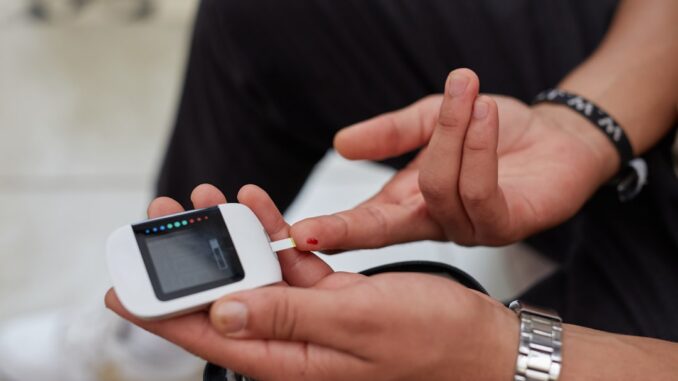

The Dawn of Automation: How Artificial Pancreas Systems are Revolutionizing Type 1 Diabetes Management
For anyone living with Type 1 Diabetes (T1D), or indeed for anyone supporting a loved one who does, you know the relentless daily grind. It’s an incessant mental calculus of carbs, insulin doses, blood sugar readings, and the constant fear of hypos or hypers. It never really takes a day off, does it? This unrelenting burden, a sort of invisible, ever-present companion, has defined T1D management for generations. But what if I told you that we’re finally witnessing a transformative shift, a real turning point, thanks to incredible strides in artificial pancreas (AP) systems? These aren’t just incremental improvements; they’re fundamentally reshaping the landscape, offering a genuine glimmer of hope for a more automated, less intrusive life.
Breakthrough T1D’s Visionary Leadership: Fueling the Revolution
At the very heart of this technological revolution stands Breakthrough T1D, formerly known as the Juvenile Diabetes Research Foundation (JDRF). For decades, this organization has been an unwavering beacon, tirelessly funding research and advocating for those impacted by T1D. Their role in pushing AP systems from speculative scientific dreams to tangible, life-changing realities can’t be overstated. Seriously, it’s monumental.
Secure patient data with ease. See how TrueNAS offers self-healing data protection.
Back in 2006, Breakthrough T1D launched a truly pioneering initiative: the Artificial Pancreas Consortium. It wasn’t just some casual research grant; it was a deliberate, strategic investment of $6 million, designed to dramatically accelerate the development of these complex systems. You see, they understood that progress wasn’t happening fast enough. They recognized the urgent need to bridge the gap between brilliant academic research and practical, clinical application. This consortium was a masterstroke, bringing together an eclectic, powerful group: leading researchers with their groundbreaking theories, seasoned clinicians offering invaluable patient insights, and innovative industry leaders who could translate these ideas into scalable products. Their collective mission? To forge devices that could automate insulin delivery, doing a remarkably good job of mimicking the body’s own natural, healthy pancreas.
Before this, progress often felt fragmented. Different teams worked in silos, sometimes duplicating efforts, sometimes missing crucial pieces of the puzzle. The consortium changed that. It fostered an environment of collaboration, sharing of data, and rapid iteration. Imagine the sheer brainpower in those rooms, all focused on one singular, audacious goal: to free people from the daily tyranny of T1D management. It’s a testament to Breakthrough T1D’s foresight and persistent advocacy that this collaborative model became the engine driving so much of the progress we celebrate today. Without their initial push, and ongoing commitment, where would we be? Probably still waiting, I’d wager.
Dissecting the Tech: How an Artificial Pancreas Actually Works
To truly appreciate the impact of these systems, it helps to understand a little about what’s under the hood. An artificial pancreas system, at its core, is a closed-loop system designed to constantly monitor glucose levels and automatically deliver insulin in response. It’s a bit like a tiny, personal robot working tirelessly inside you. We’re talking sophisticated stuff, for real.
There are three primary components that work in harmony: a continuous glucose monitor (CGM), an insulin pump, and the ‘brain’ – a sophisticated control algorithm. Let’s break it down, shall we?
-
The Continuous Glucose Monitor (CGM): This small, wearable sensor, typically placed on the arm or abdomen, measures glucose levels from the interstitial fluid just beneath your skin. Unlike traditional finger-prick tests that give you a single snapshot, the CGM provides real-time glucose readings every few minutes, day and night. It’s like having a dedicated scout always reporting back on your blood sugar landscape. The data stream is continuous, painting a dynamic picture of trends, rather than static points. This constant flow of information is absolutely critical for the system’s ability to anticipate and react.
-
The Insulin Pump: This is a compact, discreet device that delivers insulin, usually through a thin tube (cannula) inserted under the skin. Modern pumps are incredibly precise, capable of delivering tiny, incremental doses of insulin. You have choices here too; some are tubed, connecting to the infusion site via a catheter, while others, like the Omnipod, are tubeless pods that adhere directly to the skin. The pump acts as the delivery mechanism, responding to the commands issued by the algorithm. It handles both basal insulin (the continuous, background insulin your body needs) and bolus insulin (the larger doses needed for meals or to correct high blood sugar).
-
The Control Algorithm: Ah, the brain of the operation! This is where the magic really happens. Housed either in the pump itself, a dedicated handheld controller, or even a smartphone app, the algorithm takes the real-time glucose data from the CGM and uses it to make intelligent decisions about insulin delivery. It’s not just reacting to current levels; it’s predicting where your glucose is headed. Using complex mathematical models, it learns your individual responses, assesses trends, and calculates precisely how much insulin to deliver (or suspend) to keep your glucose levels within a target range. These algorithms often incorporate machine learning, adapting over time to become even more personalized and effective. Imagine the complexity: it’s balancing insulin sensitivity, carb ratios, the impact of exercise, sleep, and even stress, all in real-time. It’s a continuous feedback loop, a constant conversation between sensor, brain, and pump.
Previous T1D management often relied on ‘open-loop’ systems, where you’d manually interpret CGM data and then instruct your pump. The AP system creates a ‘closed-loop,’ largely automating this process. It’s a world apart, wouldn’t you say? The goal is to offload that immense cognitive burden from the patient, allowing the technology to manage the moment-to-moment fluctuations that have historically made T1D so demanding.
From Lab to Life: FDA Approvals and Tangible Improvements
Thanks to Breakthrough T1D’s persistent efforts and the subsequent explosion of innovation, we’ve seen remarkable progress in the regulatory landscape. There are now approximately 15 FDA-approved T1D management devices on the market, and it’s fantastic to report that over half of these are advanced AP systems. That’s a huge leap from just a few years ago. You’ve got choices now, which is so important!
Take the Omnipod 5, for instance. This tubeless AP system has been a game-changer for many, offering unparalleled flexibility and comfort. No more snagged tubing, which, let’s be honest, was always a minor annoyance and sometimes a major headache. But it’s not alone. Systems like Medtronic’s MiniMed 780G and Tandem Diabetes Care’s Control-IQ technology, integrated into their t:slim X2 insulin pump, have also made incredible strides. Each system has its unique features and benefits, allowing individuals to find what best suits their lifestyle and preferences.
These devices aren’t just fancy gadgets; they’re delivering tangible, measurable improvements in health outcomes. We’re seeing lower HbA1c levels, which is a key indicator of long-term blood sugar control. Crucially, they’re significantly reducing the incidence of severe hypoglycemia, those terrifying low blood sugar episodes that can be dangerous and debilitating. Furthermore, users are experiencing increased ‘Time in Range’ (TIR), meaning their glucose levels spend more time within the optimal target zone. For someone like my colleague, Sarah, who’s managed T1D for over 20 years, the difference has been profound. She told me recently, ‘I can’t tell you what it means to actually sleep through the night without that nagging worry of going low. It’s like a weight has been lifted.’ That’s not just anecdotal; it’s a common refrain among AP users. Improved sleep quality, reduced mental burden, and a greater sense of freedom are powerful, life-altering benefits that these systems provide. It means less time focused on managing the disease and more time living life. Isn’t that what we all want?
Initially, many of these systems were ‘hybrid closed-loop,’ meaning users still needed to manually announce meals and carbohydrate intake. While a massive improvement, it wasn’t fully automated. The evolution, though, is constant, and we’re rapidly moving towards even greater automation, which brings us to the next exciting chapter.
Breakthrough T1D’s Relentless Pursuit: Advanced Research and Open Ecosystems
Breakthrough T1D isn’t resting on its laurels; not by a long shot. Their commitment to cutting-edge research to continually enhance AP systems is absolutely unwavering. They’ve funded over 150 grants, and notably, more than 50 clinical trials have been directly supported by their efforts. This isn’t just about tweaking existing tech; it’s about pushing the boundaries of what’s possible, exploring novel approaches, and ensuring these systems become even more robust, intelligent, and user-friendly.
One of the most significant advancements they’ve championed is the concept of interoperability. For too long, individuals were often locked into a single manufacturer’s ecosystem. If you liked a certain CGM, but preferred a different pump, tough luck. You couldn’t mix and match. That’s where interoperable algorithms like the Tidepool Loop come into play. This open-source software, significantly supported by Breakthrough T1D, allows different CGMs and insulin pumps to work seamlessly together. Why is this so crucial? Because it empowers users. It means you can choose the components that best fit your individual needs, preferences, and lifestyle, rather than being beholden to a single brand. It fosters competition, drives innovation, and ultimately, puts the patient first. It’s a truly democratic approach to diabetes technology, and I think that’s a brilliant move. It reflects a deep understanding of patient choice and the diverse needs within the T1D community.
Their research efforts extend far beyond interoperability. They’re investing in studies exploring everything from ultra-rapid acting insulins that could speed up response times, to the integration of non-invasive glucose monitoring technologies. Imagine a future where a sensor on your skin could tell your blood sugar without ever needing a needle – a true game-changer. They’re also delving into the complexities of dual-hormone AP systems, which could incorporate glucagon or amylin alongside insulin to provide even tighter, more physiological glucose control. These additional hormones could help mitigate post-meal spikes and better prevent hypoglycemia, mirroring the sophisticated balance a healthy pancreas maintains. And let’s not forget their advocacy work, pushing for policy changes and ensuring that these life-altering technologies are accessible and affordable, not just for a privileged few, but for everyone who needs them, globally.
The Future is Now: Towards Fully Automated Insulin Delivery (FAID)
Looking ahead, Breakthrough T1D’s gaze is firmly fixed on the horizon: achieving fully automated insulin delivery (FAID) systems that demand minimal user input. This is the holy grail, isn’t it? The dream of ‘set it and forget it’ isn’t just a fantasy; it’s becoming an increasingly achievable goal. The current hybrid closed-loop systems are fantastic, but they often still require users to input carbohydrate counts for meals. While a massive relief from manual dosing, it’s still a cognitive burden, particularly for kids or those who simply can’t always accurately count carbs.
Breakthrough T1D is particularly interested in devices that can automatically adjust insulin delivery during meals, a period when blood glucose levels can fluctuate wildly and unpredictably. Meals are notoriously tricky; the absorption rate of carbs varies wildly depending on the food’s composition, fiber content, fats, and proteins. It’s a complex metabolic puzzle that current algorithms are still mastering. That’s why they recently put out a specific Request For Applications (RFA) for ‘Development of Devices and Drugs for Fully Automated Insulin Delivery at Meals.’ This targeted funding highlights their strategic focus on cracking this specific challenge. By developing technologies that can predict and respond to these mealtime changes with even greater accuracy, they aim to virtually eliminate the burden of meal-time management for individuals with T1D.
But the vision extends even further. Imagine systems that seamlessly adjust for exercise, even intense workouts, without you needing to preemptively reduce insulin. Or algorithms that learn your body’s subtle shifts due to stress or illness, proactively adapting to maintain stability. We’re talking about personalized medicine here, where AI-driven systems learn the nuances of your unique physiology over time, offering truly bespoke insulin delivery. Could we be looking at a future where T1D is truly just a background hum, not a daily battle? I think we might be getting there.
Navigating the Road Ahead: Challenges and the Ultimate Vision
While the progress is astounding, it’s important to acknowledge that these AP systems aren’t a cure. They’re a monumental step in management, offering an unparalleled quality of life improvement, but the underlying autoimmune disease remains. The journey isn’t over. There are still challenges to overcome:
- Accuracy in All Situations: While CGMs are incredibly good, ensuring consistent accuracy during periods of rapid glucose change, intense exercise, or certain physiological states remains an area for refinement.
- Algorithm Robustness: Developing algorithms that can handle every conceivable variable – from a child’s unpredictable eating habits to an adult’s high-stress job – is a continuous quest for perfection.
- User Education and Adherence: Even with automation, understanding how to use these systems effectively and adhering to best practices is crucial for optimal outcomes. Education is paramount.
- Psychological Impact: While reducing burden, the disease still requires attention. Supporting the mental health aspects of living with a chronic condition, even with advanced tech, remains vital.
- Equitable Access: Ensuring these groundbreaking technologies are accessible and affordable globally, particularly in underserved communities, is a significant ethical and logistical challenge.
Breakthrough T1D’s unwavering dedication to research and advocacy has been absolutely pivotal in propelling artificial pancreas systems to where they are today. Their efforts have not only led to the creation of life-changing devices but have also laid a robust foundation for a future where managing T1D is less burdensome, more automated, and frankly, a lot less terrifying. As technology continues its relentless march forward, the hope is that these systems will become even more sophisticated, eventually blending so seamlessly into daily life that the disease fades further into the background. For those of us who have witnessed the struggles of T1D firsthand, that future can’t come soon enough. It’s about more than just numbers; it’s about giving back freedom, peace of mind, and ultimately, a greatly improved quality of life.
References
- Breakthrough T1D. (n.d.). Breakthrough T1D. en.wikipedia.org
- Breakthrough T1D. (2023). Powering type 1 diabetes research breakthroughs. breakthrought1d.org
- Breakthrough T1D. (2024). Breakthrough T1D requests letters of intent for: Development of devices and drugs for fully automated insulin delivery at meals. breakthrought1d.org
Given the challenges of algorithm robustness, how might user-generated data, ethically sourced and anonymized, contribute to creating more adaptable and personalized artificial pancreas systems?
That’s a great point about algorithm robustness! Ethically sourced, anonymized user data could be invaluable for training AI to handle the unpredictable nuances of real-world T1D management. Imagine algorithms learning from millions of data points, becoming better at predicting individual responses to exercise, stress, or even specific foods. It’s a future of truly personalized care!
Editor: MedTechNews.Uk
Thank you to our Sponsor Esdebe
Given the move towards fully automated systems, what considerations are being given to failure modes and user override capabilities in these advanced artificial pancreas technologies? How will users maintain a sense of control and safety?
That’s a really important question! There’s a lot of work being done to build in redundancy and safety protocols. The ability for users to manually adjust or override the system is key for those times when the algorithm might not be quite right, or when dealing with unusual circumstances. User feedback is vital in refining these systems, too! What factors do you think are most important for overrides?
Editor: MedTechNews.Uk
Thank you to our Sponsor Esdebe
“Fully automated insulin delivery at meals,” eh? So, are we talking algorithms that can tell the difference between a side salad and a triple-chocolate fudge cake, or will I still need to pre-warn my robot pancreas about dessert? Inquiring minds (and pancreases) want to know!
That’s the million-dollar question! The algorithms are getting smarter, but the triple-chocolate fudge cake scenario is where advanced AI and user input become essential. We’re aiming for systems that learn your individual responses to different foods, minimizing the need for pre-emptive announcements. What food type do you think would cause the most issues for the AP algorithm?
Editor: MedTechNews.Uk
Thank you to our Sponsor Esdebe
The progress in interoperability, such as with Tidepool Loop, is fascinating. Enabling users to select different CGM and pump combinations offers a level of personalized control previously unavailable. Could this approach be expanded to incorporate other aspects of diabetes management, like dietary tracking apps, for even greater customization?
That’s a fantastic idea! Extending interoperability to dietary tracking apps would definitely enhance customization. Imagine a system that adjusts insulin delivery based on real-time dietary input, potentially predicting glucose spikes with even greater accuracy. It is a very exciting prospect!
Editor: MedTechNews.Uk
Thank you to our Sponsor Esdebe
The focus on interoperability with Tidepool Loop is a game-changer. The ability to select components from different manufacturers empowers users and promotes innovation. How might increased data sharing between these interoperable systems further refine algorithms and personalize treatment?
That’s a brilliant question! Greater data sharing across interoperable systems could unlock even more personalized insights. Imagine algorithms that not only learn from individual data but also draw on anonymized, aggregated data from a diverse user base. This could lead to more robust and adaptable systems for everyone! Thanks for sparking this discussion.
Editor: MedTechNews.Uk
Thank you to our Sponsor Esdebe
The discussion of FAID systems highlights the importance of predictive algorithms. How can we ensure these algorithms accurately reflect the diverse lifestyles, activity levels, and metabolic responses of all users, minimizing disparities in treatment outcomes?
That’s a crucial point! Collecting varied data is key, and I agree that the algorithms need to be able to adapt to all. Greater collaboration between researchers, tech developers, and diverse user groups will help ensure FAID systems are tailored for everyone. It is a critical component for these systems to be a success.
Editor: MedTechNews.Uk
Thank you to our Sponsor Esdebe
The discussion around user education is important. Perhaps integrating real-time feedback and educational prompts within the AP system interface could further improve user understanding and adherence to best practices.
That’s an excellent suggestion! Real-time feedback directly within the AP interface could be a game-changer for user education. Imagine context-sensitive tips popping up based on current glucose trends or pump settings. This could empower users to make informed decisions and build a deeper understanding of their system. Thanks for highlighting this crucial area!
Editor: MedTechNews.Uk
Thank you to our Sponsor Esdebe
Interoperability’s a brilliant leap, but what about open-sourcing the *user experience* feedback? Imagine a world where we can all tweak the interface to suit our brains, not just our bodies. Think we’d see even faster adoption?
That’s a really interesting angle! I completely agree that open-sourcing user experience feedback could be a game-changer. A community-driven approach to interface design could lead to more intuitive and personalized systems, catering to diverse cognitive styles and potentially accelerating adoption. The user is the key to success. How best do you think we could use community input?
Editor: MedTechNews.Uk
Thank you to our Sponsor Esdebe
Considering the ethical implications, how might open-sourcing de-identified AP system data, beyond user experience feedback, accelerate algorithm improvements while protecting patient privacy?