

Breakthrough T1D: Charting a Course Towards a World Without Type 1 Diabetes
For over five decades, Breakthrough T1D, an organization you might know better by its previous moniker, JDRF, has stood as a formidable force in the relentless battle against type 1 diabetes (T1D). Since its inception in 1970, born from the fervent desire of parents desperate for a cure for their children, it’s played nothing short of a pivotal role, spearheading and funding groundbreaking research that’s fundamentally reshaped T1D care and our collective understanding of this complex autoimmune condition. This isn’t just about charity; it’s about a relentless, strategic pursuit of answers, one that has brought us to the cusp of truly transformative breakthroughs.
Type 1 diabetes, as you may well know, isn’t just a daily inconvenience; it’s a constant tightrope walk, a merciless condition where the body’s own immune system mistakenly attacks and destroys the insulin-producing beta cells in the pancreas. This means an unending reliance on external insulin, a meticulous balancing act of diet, activity, and injections, lest one succumb to the acute dangers of hypoglycemia or the insidious long-term complications of sustained hyperglycemia. It’s a disease that doesn’t discriminate by age, background, or social standing, touching millions globally with its persistent demands. The name change to Breakthrough T1D, I think, quite brilliantly encapsulates this shift in focus—it’s less about funding research in an abstract sense, and more about achieving breakthroughs, tangible wins in the fight.
Safeguard patient information with TrueNASs self-healing data technology.
The Relentless Pursuit: Revolutionizing Day-to-Day Management with Artificial Pancreas Systems
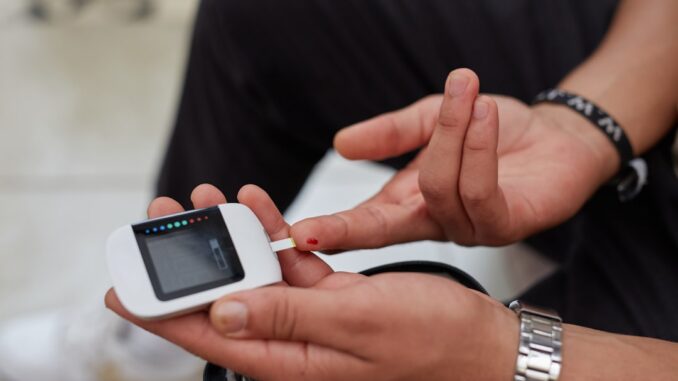
Imagine a life tethered to a constant calculation, every meal, every walk, every moment of stress demanding a precise insulin adjustment. Before the advent of advanced technology, managing T1D was, for most, a grueling, manual affair involving multiple daily injections and finger-prick blood sugar tests. The sheer mental load, the omnipresent fear of dangerously low (hypoglycemia) or high (hyperglycemia) blood sugar, it often cast a long shadow over every aspect of life. This was the landscape Breakthrough T1D aimed to alter when, back in 2006, they boldly launched the Artificial Pancreas Consortium.
This wasn’t some minor initiative. They poured a significant $6 million in grants into investigating how technology could automate blood glucose control, lighting a fire under the development of what we now call the artificial pancreas (AP). The vision was audacious yet clear: integrate continuous glucose monitors (CGMs), smart insulin pumps, and sophisticated algorithms into a seamless system. This ‘closed-loop’ or ‘hybrid closed-loop’ technology was designed to mimic the function of a healthy pancreas, largely automating insulin delivery and, critically, drastically alleviating the crushing burden of manual blood sugar management.
Think about it: the CGM, a tiny sensor worn under the skin, continuously measures glucose levels in interstitial fluid, beaming real-time data to a receiver or smartphone. This was, truly, a game-changer. No more pricking your finger six, eight, ten times a day. You get trend arrows, predictive insights, and timely alerts. The insulin pump, evolving from a clunky pager-like device to sleek, discreet, often smartphone-controlled units, delivers precise micro-doses of insulin. But the true genius lies in the algorithm, the system’s ‘brain.’ This software processes CGM data, learns individual patterns, and makes predictive adjustments, instructing the pump how much insulin to deliver, or even to pause delivery to prevent hypoglycemia. Early prototypes faced immense technical and regulatory hurdles, certainly, but Breakthrough T1D’s consistent funding and advocacy kept the momentum going, pushing these innovations from laboratory benches into clinical trials.
By 2024, the fruits of this unwavering support became undeniably clear, as several highly effective AP systems hit the market, fundamentally changing daily life for countless individuals with T1D. Take the Medtronic 780G, for instance. It’s a marvel, an advanced hybrid closed-loop system offering auto-correction for highs and predictive low glucose suspend. Users often speak of a profound sense of liberation, a mental ‘off-load’ they hadn’t realized was possible. And then there’s the Tandem Mobi, which launched as the world’s smallest durable automated insulin delivery system, fully controllable from a smartphone. It offers unparalleled discretion and flexibility, appealing immensely to younger individuals and those who want their diabetes management to blend seamlessly into their active lives. Imagine managing your insulin pump from your phone, without even having to pull out a separate device. Pretty neat, right?
Clinical trials have, without a doubt, borne out the immense benefits. These devices don’t just improve glycemic control – measured by better HbA1c levels and increased ‘time in range’ (the percentage of time blood sugar is within target limits) – they dramatically enhance the quality of life. Patients report improved sleep quality, fewer hypoglycemic events, and a significant reduction in the anxiety that so often accompanies T1D. I spoke with Maria, a 35-year-old teacher, who told me, ‘My Medtronic 780G isn’t just a device; it’s given me back my nights. I sleep without that constant fear of alarms, without worrying about my blood sugar plummeting. It’s truly life-changing.’ That kind of testimonial speaks volumes, doesn’t it? These systems are not a cure, not yet, but they represent a monumental leap in managing a disease that demands constant vigilance.
Shifting the Paradigm: Pioneering Disease-Modifying Therapies
While advancements in technology have made living with T1D more manageable, the core truth remains: insulin, while life-saving, isn’t a cure. It treats the symptoms, but doesn’t halt the underlying autoimmune attack or restore the body’s natural ability to produce its own insulin. This fundamental reality has propelled Breakthrough T1D’s intense focus on disease-modifying therapies, treatments that aim to intervene directly in the disease process, rather than just manage its consequences. This is where the real game-changers emerge, the ones that promise to rewrite the T1D narrative entirely.
One of the most significant milestones in recent memory arrived in 2023 with the PROTECT clinical trial, which tested a therapy called Teplizumab. Breakthrough T1D, through its sustained funding and advocacy, was absolutely instrumental in bringing this to fruition. Teplizumab, an anti-CD3 monoclonal antibody, works by specifically targeting and ‘resetting’ the immune cells—the T-cells—that are responsible for mistakenly attacking the pancreatic beta cells. It’s a sort of re-education for the immune system, if you will, persuading it to stop its destructive onslaught.
What makes Teplizumab revolutionary isn’t that it cures T1D, but that it delays its progression in newly diagnosed individuals. For those in the early stages, often still producing some residual insulin (the so-called ‘honeymoon phase’), Teplizumab can significantly extend this period, preserving critical beta cell function. Why is this such a big deal, you ask? Well, retaining even a small amount of natural insulin production makes managing blood sugar far easier, reduces the risk of complications, and can profoundly improve long-term health outcomes. It grants individuals a precious reprieve, more time before full insulin dependence, allowing their bodies a better chance to stabilize. The FDA’s approval of Teplizumab marked an incredible moment: the first therapy approved for T1D since the discovery of insulin itself over a century ago. That’s not just a step forward; it’s a leap across a chasm, signifying a monumental shift in how we approach this disease. Of course, accessibility, cost, and identifying the ideal patient population remain key challenges, but the path is now clear for broader application and further research.
The Holy Grail: Cell-Based Therapies and ‘Immune-Cloaking’
Moving beyond delaying progression, the ultimate goal for many is a functional cure, where individuals no longer require exogenous insulin. This brings us to the exciting, albeit complex, frontier of cell-based therapies. The idea is elegantly simple: replace the destroyed insulin-producing beta cells. But the execution, oh, that’s where the complexity kicks in. The main hurdle? Immune rejection. If you transplant foreign cells into a person with T1D, their immune system, the very same one that destroyed their original beta cells, will simply attack and destroy the new ones, too.
Enter Breakthrough T1D’s groundbreaking collaboration with Pluristyx in 2025. This partnership aims to overcome the immune rejection problem by developing ‘immune-cloaked’ and safety switch-enabled allogeneic cell lines for T1D therapies. Let’s break that down, because it’s genuinely fascinating. ‘Allogeneic’ means the cells come from a donor, not the patient themselves. This is crucial for scalability, as you can create large quantities of these cells, unlike patient-specific (autologous) cells which are much harder to produce.
Now, ‘immune-cloaking’ is where the magic happens. Scientists are genetically modifying these insulin-producing cells to essentially become invisible to the immune system. Imagine putting on an invisibility cloak, but for cells! This could involve altering surface proteins to evade immune detection or even having the cells produce immune-suppressing molecules themselves. If successful, this would be an absolute game-changer, as it would eliminate the need for chronic immunosuppression, a regimen that carries its own heavy burden of side effects, like increased risk of infections, kidney damage, and even certain cancers. People wouldn’t just be free from insulin injections; they’d be free from the dangers of powerful anti-rejection drugs. What a dream, right?
And what about ‘safety switch-enabled’? This is the ingenious fail-safe mechanism, a crucial component for any novel cell therapy. It means these transplanted cells would be engineered with a genetic ‘kill switch.’ Should any unforeseen issues arise—perhaps uncontrolled growth, or an unexpected immune reaction—clinicians could activate this switch, essentially deactivating the cells. It provides an essential layer of control and safety, making these advanced therapies much more viable for broad clinical application. This collaboration, combining cutting-edge genetic engineering with the strategic funding and scientific oversight from Breakthrough T1D, truly positions us on the precipice of a functional cure. It’s not just about treating; it’s about potentially eradicating the disease from someone’s daily life.
A Global Vision: Impact, Advocacy, and the Future Landscape
Breakthrough T1D’s ambition isn’t confined to a lab or a single country; it’s a truly global endeavor. The decision for international chapters to adopt the organization’s new name underscores a unified mission and a forward-looking identity. It’s a powerful statement, signalling a shared commitment to everyone affected by T1D, regardless of age, ensuring that breakthroughs in one part of the world can benefit communities everywhere. You know, it’s easy to forget that T1D isn’t just a childhood disease; adults are diagnosed too, often facing unique challenges and misconceptions. This broader, inclusive naming certainly helps address that often-overlooked demographic.
In 2025, Breakthrough T1D published an incredibly ambitious 10-year strategy, a detailed roadmap designed to accelerate T1D research, treatment, and care. This isn’t just a wish list; it’s a meticulously planned assault on the disease from multiple angles. The goals are comprehensive: they aim to diversify and intensify research into prevention—imagine preventing T1D before it even starts!—and improved diagnostics, catching the disease earlier when interventions like Teplizumab are most effective. But it’s not solely about the science. Their strategy also emphasizes improving access to existing and future treatments, ensuring affordability, and pushing for personalized care approaches that cater to individual patient needs. Because, let’s be honest, one-size-fits-all rarely works for a chronic condition of this complexity.
Beyond the scientific pursuit, Breakthrough T1D plays a crucial role in advocacy. They lobby governments, work with insurance providers, and tirelessly raise public awareness. They amplify the voices of patients and families, ensuring that policymakers understand the immense burden of T1D and the critical need for continued funding and support. This community aspect, you see, is incredibly important. The fundraising walks, the local support groups, the online forums—they all knit together a network of resilience, connecting individuals who truly understand the daily struggles and triumphs. It’s truly inspiring how they manage to balance the rigorous scientific pursuit with this incredible empathy for the families affected. It’s more than an organization; it’s a movement.
Of course, the journey ahead won’t be without its challenges. Sustained funding remains critical, as does navigating the complex regulatory pathways for these novel therapies. And, crucially, ensuring equitable access to these life-changing treatments globally will require significant effort and collaboration. Moreover, ongoing public education is essential, differentiating type 1 from type 2 diabetes, a distinction that’s often misunderstood but vitally important for support and empathy. However, I’m optimistic. With an organization as dedicated and strategically focused as Breakthrough T1D, these hurdles, while significant, aren’t insurmountable. They’re simply steps on the path.
A Future Brighter Than Ever
Through its unwavering support, strategic investments, and a truly global outlook, Breakthrough T1D continues to drive significant advancements in T1D research. They are not just funding science; they are actively shaping the future of T1D care. From the revolutionary convenience of advanced artificial pancreas systems that grant individuals newfound freedom, to the paradigm-shifting promise of disease-modifying drugs like Teplizumab, and the visionary potential of immune-cloaked cell therapies, the landscape of type 1 diabetes is transforming before our eyes.
Every grant, every clinical trial, every advocacy effort pushes us closer to a world where T1D no longer dictates lives, a world where the diagnosis of type 1 diabetes is met not with despair, but with genuine hope. The journey, certainly, isn’t over. But with Breakthrough T1D at the helm, steadfast in its mission, that future—a future without T1D—feels more tangible than ever before.
Be the first to comment