
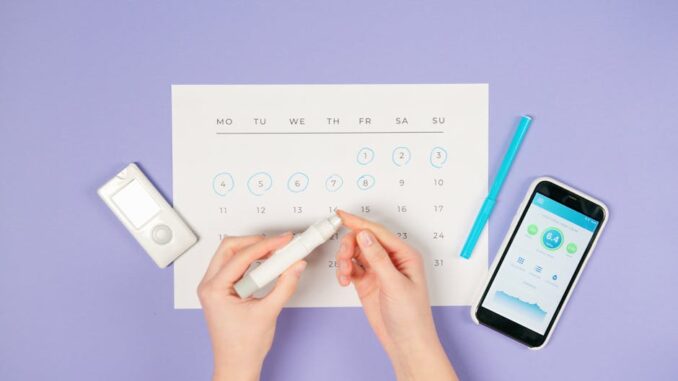

The Dexcom G7: Unpacking the Future of Diabetes Management
For anyone living with diabetes, you know the daily struggle, that relentless tightrope walk of balancing glucose levels. It’s not just about managing a condition; it’s a constant negotiation with your body, a never-ending data stream, trying to keep things in range. Historically, this meant finger pricks, often multiple times a day, a necessary evil that was inconvenient, sometimes painful, and frankly, a bit of a psychological drain. But Continuous Glucose Monitoring (CGM) systems have truly flipped the script, empowering individuals with real-time insights like never before. And now, the Dexcom G7 has arrived, presenting itself not merely as an upgrade, but as a significant leap forward in precision, convenience, and seamless integration for diabetes care.
It’s fascinating, isn’t it, how quickly technology evolves? What was cutting-edge just a few years ago now feels almost archaic. The G7 isn’t just about tweaking an existing formula, it’s about fundamentally rethinking how CGM can fit into and enhance a person’s life, minimizing the burden while maximizing actionable intelligence. From its extended wear time to its sleek, smaller profile and powerful predictive alerts, this system is poised to redefine what effective diabetes management looks like for millions. We’re talking about a tool that truly empowers, that gives you back a little bit of your day, and perhaps more importantly, a lot of your peace of mind.
See how TrueNAS offers real-time support for healthcare data managers.
The Allure of Longevity: 15.5 Days of Freedom
One of the most immediate and impactful improvements with the Dexcom G7 is its significantly extended sensor wear time. Imagine this: instead of changing your sensor every 10 days, you’re now looking at 15 and a half days. That might not sound like a huge jump on paper, but in the day-to-day rhythm of life, believe me, it makes a world of difference. It means fewer interruptions, fewer applications, and honestly, a bit more mental real estate freed up.
Think about it. We’re often juggling work, family, social commitments, and then, on top of all that, managing a chronic condition. Every little reduction in administrative tasks adds up. For someone like Maria, a busy marketing executive and a Type 1 diabetic, those extra five days per sensor mean she’s only thinking about a sensor change twice a month instead of three times. ‘It’s a small thing,’ she told me, ‘but it lessens the mental load. I’m not constantly checking my calendar or feeling that slight dread of another application coming up.’ It’s the little wins that sometimes make the biggest difference in managing a long-term condition, don’t you think?
Beyond the sheer convenience, this extended wear time also contributes to better compliance. When the process is less frequent and less disruptive, people are more likely to stick with it consistently, which, as we all know, is absolutely crucial for maintaining stable glucose levels. Think about the physical impact too; fewer applications mean less potential irritation from adhesives, a common complaint with prolonged wear. Plus, let’s not overlook the environmental angle here; fewer sensors being replaced translates to less plastic waste over the course of a year, aligning nicely with a growing global consciousness towards sustainability. It’s a win-win, truly.
Unwavering Precision: Trusting Your Numbers
When it comes to glucose monitoring, accuracy isn’t just a desirable feature, it’s non-negotiable. Your health, your treatment decisions, and ultimately, your safety hinge on the reliability of the data you’re receiving. The Dexcom G7 really steps up here, boasting an impressive overall Mean Absolute Relative Difference (MARD) of 8.0%. Now, if you’re not knee-deep in medical device jargon, MARD essentially quantifies how close the CGM readings are to a lab-grade blood glucose measurement. A lower MARD means higher accuracy, and 8.0% is a fantastic benchmark, placing the G7 among the industry leaders.
This level of precision means you’re getting exceptionally trustworthy real-time glucose readings every five minutes. No more fingersticks? Absolutely. The days of pricking your finger to verify a CGM reading are largely behind us with this kind of accuracy. Imagine the liberation! You can make confident, informed decisions about your next meal, how much insulin to dose, or whether that afternoon run is a good idea, all without the ritualistic jab and squeeze. John, who’s managed Type 1 for over two decades, shared how the G7’s improved accuracy has completely shifted his approach. ‘Before, there was always that tiny seed of doubt,’ he explained, ‘but with the G7, I really trust the numbers. It gives me so much more confidence in managing my insulin, especially around meals or intense workouts.’
This isn’t just about avoiding a few needle pricks, although that’s a huge benefit. It’s about reducing cognitive burden and enhancing peace of mind. When you fully trust your data, you can react appropriately and proactively, preventing both dangerous lows and uncomfortable highs. That precision isn’t just data points on a screen; it’s a foundation for better glycemic control and, by extension, a better quality of life. It’s allowing people to truly live their lives, not just manage their diabetes. And you know, the clinical validation behind such a low MARD figure is extensive, it truly speaks volumes about the rigorous testing and refinement that goes into these devices.
A Symphony of Data: Seamless Digital Integration
We live in an interconnected world, don’t we? Our health tools should be no different. The Dexcom G7 really shines when it comes to integrating with the digital ecosystems we already inhabit. One of the standout features here is its direct-to-watch compatibility. Picture this: you’re in a meeting, or perhaps out on a hike, and you just want a quick glance at your glucose levels. Instead of fumbling for your phone, you simply check your Apple Watch. It’s elegant, discreet, and incredibly convenient. This kind of seamless access makes staying on top of your numbers less of a chore and more of an effortless part of your day.
But the integration goes far beyond just your wrist. The G7 system also boasts automated activity logging, simplified meal logging, and new medication logging capabilities. Now, why are these features so important? Because glucose levels are influenced by so many factors: what you eat, how active you are, and the medications you take. By consolidating all this information, the G7 provides a truly comprehensive, holistic view of your metabolic health. It’s creating a richer tapestry of data that can be invaluable for both you and your healthcare team.
Imagine sitting down with your doctor, not just looking at a few glucose readings, but seeing how your blood sugar trends correlate with your daily steps, the type of lunch you had, or when you took your insulin. This wealth of integrated data allows for much more personalized and effective care adjustments. It streamlines data collection, reduces the need for manual journaling (which, let’s be honest, can be inconsistent at best), and ultimately empowers you to have more meaningful conversations with your doctor, moving beyond just ‘how are you feeling?’ to ‘here’s exactly what happened.’ This is the future of digital health – intelligent systems working together to give us the clearest picture possible. It’s truly enabling a shift from fragmented data to actionable insights, fostering a more collaborative approach to care. Moreover, the potential for secure data sharing with caregivers, say a parent monitoring a child’s glucose, adds another layer of security and peace of mind.
Designed for Life: Comfort and Discretion
Let’s face it, wearing a medical device 24/7 can sometimes feel like, well, wearing a medical device 24/7. It can be bulky, noticeable, and sometimes, a little uncomfortable. Dexcom clearly paid close attention to user feedback when designing the G7, because it’s a masterclass in user-centric design. The device is a remarkable 60% smaller than its predecessor. To give you a sense, it’s roughly the size of two stacked quarters. This isn’t just a minor reduction; it’s a game-changer for comfort and discretion.
It’s an all-in-one, discreet wearable, meaning the sensor and transmitter are combined into a single, compact unit. This simplifies the application process – fewer components, less fuss – and once it’s on, you barely notice it. You can wear it comfortably under clothing without it snagging or creating an obvious bulge. Think about going to the gym, attending a formal event, or simply sleeping; the G7 aims to blend into your life, not stick out. My colleague, Emily, who’s a Type 1, once told me about her experience with an earlier, larger CGM, ‘I always felt like I had to explain it, or hide it. With the G7, it’s just… there. People don’t even notice, and that’s a huge relief.’ This discreet design significantly boosts confidence, especially for younger users or those new to CGM technology, helping them feel more normal and less defined by their condition. It’s about empowering people to live without feeling self-conscious. The ease of application, a quick one-step process, means less anxiety and a smoother start to each sensor session, definitely a bonus.
The Guardian Angel: Predictive Low Alerts
If you’ve ever experienced hypoglycemia – a dangerously low blood glucose level – you know it can be terrifying. The sudden onset of confusion, shakiness, sweating, or even loss of consciousness is a constant fear for many, a fear that often dictates how they live their lives, what activities they avoid, and even their sleep patterns. The Dexcom G7 introduces a truly invaluable feature: its predictive low alert. This isn’t just an alarm that goes off when you’re already low; it’s a warning system that gives you a 20-minute heads-up before you potentially hit a dangerously low threshold.
Imagine the impact of that 20-minute window! It’s enough time to grab a juice box, a glucose tablet, or a snack, allowing you to proactively prevent a serious hypoglycemic event. This shifts the paradigm from reactive crisis management to proactive prevention. For parents of children with Type 1 diabetes, this feature must feel like a guardian angel, offering a layer of protection and significantly easing the constant worry, especially at night. It can make the difference between a minor inconvenience and a medical emergency. This kind of advanced warning system truly enhances safety, reduces the emotional burden of living with diabetes, and allows for greater autonomy and independence. It’s not an exaggeration to say it’s a potentially life-saving feature, and a testament to truly intelligent health monitoring. Furthermore, users can customize these alerts, setting their own preferred thresholds and sounds, providing a personalized safety net tailored to their individual needs and lifestyle. That level of control? It’s profoundly empowering.
A Greener Footprint: Considering Our Planet
In an era where environmental responsibility is no longer an afterthought but a critical consideration, even in healthcare, the Dexcom G7 makes strides towards a greener future. It incorporates smaller plastic components and packaging, leading to less waste compared to its predecessor, the Dexcom G6. While individual changes might seem small, the cumulative impact of millions of devices being used globally can be substantial. Dexcom’s commitment here demonstrates an understanding that medical innovation shouldn’t come at the expense of our planet.
This thoughtful design isn’t just about PR; it reflects a broader industry trend towards sustainability, acknowledging that consumers and healthcare providers increasingly value products that minimize their ecological footprint. For many, it’s a factor in their purchasing decisions. It’s a quiet testament to a company looking beyond just immediate health outcomes to the wider impact of its products. And frankly, it’s a refreshing approach, suggesting a more holistic view of health and wellness, encompassing both the individual and the environment they live in. Reducing waste in healthcare, particularly from single-use medical devices, is a challenge, and every step towards a more sustainable product design is a welcome one, demonstrating corporate responsibility alongside medical advancement.
Powering the Artificial Pancreas: Integration with Automated Insulin Delivery Systems
Perhaps one of the most exciting and transformative aspects of modern diabetes care is the evolution of Automated Insulin Delivery (AID) systems, often referred to as ‘closed-loop’ systems or artificial pancreases. These systems are designed to mimic the function of a healthy pancreas, automatically delivering insulin based on real-time glucose readings. And here’s where the Dexcom G7 truly shines: its ability to seamlessly integrate with these sophisticated AID systems is pivotal for the future of personalized diabetes management.
The G7’s accuracy and rapid, five-minute data updates are absolutely crucial for the algorithms that drive AID systems. These algorithms need highly reliable, near real-time data to make precise insulin dosing decisions. If the CGM data isn’t accurate or timely, the entire closed-loop system can falter. The G7 provides that robust data foundation, enabling AID systems to work more effectively, leading to tighter glycemic control, fewer highs and lows, and a significantly reduced cognitive burden for the user. Imagine having a system that constantly monitors and adjusts your insulin, freeing you from many of the manual calculations and decisions that dominate a diabetic’s day. It’s a profound shift, offering a level of freedom and consistency that was unimaginable just a decade ago.
This integration is a game-changer for many, especially those with Type 1 diabetes. It means less time spent actively managing their condition and more time living their lives. It’s not a cure, not yet, but it’s a huge step towards making diabetes a background hum rather than a demanding roar. The G7 isn’t just a monitoring device; it’s a vital component in a larger, increasingly intelligent ecosystem of diabetes technology, pushing us closer to a truly automated, personalized approach to care. This isn’t just evolution; it’s a revolution in progress. The collaborative efforts between CGM manufacturers and insulin pump companies are setting a new standard, truly optimizing treatment strategies and making life a lot easier for patients.
From FDA Clearance to Your Pharmacy: Availability and Access
Navigating the regulatory landscape for medical devices is no small feat, and the FDA’s clearance of the Dexcom G7 for individuals aged 2 and older marked a monumental milestone. This broad age range underscores the system’s versatility and safety for a wide demographic, from young children to adults. The launch in the United States, which began on December 1, 2025, wasn’t just a quiet release; it was a significant event, signifying wider access to this advanced technology. Initially, distribution flowed through durable medical equipment (DME) providers, a common channel for such devices, ensuring that healthcare professionals could integrate it into their patient care plans effectively. But the ultimate goal, and indeed the ongoing expansion, includes making it accessible through retail pharmacies, making it as easy to pick up as other routine medications. This shift to pharmacy access is crucial for convenience and broader patient reach.
Furthermore, the G7’s coverage for Medicare beneficiaries is a critical win for accessibility and equity in healthcare. Meeting the specific category requirements for therapeutic CGM systems, as outlined by the U.S. Centers for Medicare & Medicaid Services, means that a significant portion of the senior population, who often face complex health challenges, can now benefit from this cutting-edge monitoring. This expanded coverage truly democratizes access to advanced diabetes management, something that’s always been a focus for patient advocacy groups. Beyond the US, the G7 has also seen a global rollout, a testament to Dexcom’s ambition and the universal need for better diabetes tools. It’s not just about getting a product to market; it’s about ensuring it reaches the people who need it most, regardless of their age or economic standing. The rigorous clinical trials and stringent regulatory reviews underpinning these approvals give both patients and clinicians immense confidence in the G7’s safety and efficacy.
The Horizon of Health: Empowering Through Innovation
So, what does all this mean for the person living with diabetes, or for those caring for them? The Dexcom G7 represents more than just a new piece of technology; it embodies a paradigm shift in how we approach diabetes management. We’re moving away from constant vigilance and reactive responses, towards a future of proactive control, informed decision-making, and significantly reduced daily burden.
Its enhanced accuracy gives you reliable data, fostering confidence in your treatment choices. The extended wear time, smaller form factor, and all-in-one design offer unparalleled convenience and discretion, helping the device blend seamlessly into your life. The predictive low alerts act as a crucial safety net, mitigating the terrifying risks of hypoglycemia. And its robust integration with digital platforms and, critically, automated insulin delivery systems, points to an exciting future where technology does much of the heavy lifting, allowing individuals to truly live, rather than just manage, their diabetes.
Ultimately, the G7 is about empowerment. It gives you the tools, the data, and the insights to take meaningful control of your health, leading to better glycemic outcomes, fewer complications, and a vastly improved quality of life. It’s a testament to what thoughtful innovation can achieve when focused on real human needs. What a journey it’s been, and frankly, I can’t wait to see what comes next in this dynamic field. The future of diabetes management isn’t just about managing numbers; it’s about enhancing lives, one intelligent sensor at a time.
Be the first to comment