
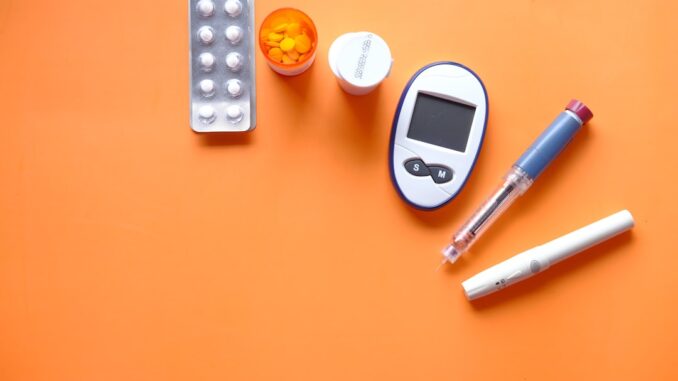

The Intelligent Leap: How NNC2215 Could Redefine Diabetes Management
Managing diabetes, as anyone living with it or caring for someone who does can attest, isn’t just a medical regimen; it’s a relentless, minute-by-minute negotiation with the body’s internal chemistry. For millions globally, it’s a constant tightrope walk, balancing blood sugar levels to prevent the immediate dangers of hyperglycemia (too high) and, crucially, the insidious threat of hypoglycemia (dangerously low). Traditional insulin therapies, while undoubtedly life-saving and a monumental medical breakthrough, have always demanded this precarious dance. They’re like a powerful, blunt instrument in a situation often requiring surgical precision. That inherent challenge, the fear of ‘going low’ that can haunt patients and dictate their daily lives, has driven researchers to tirelessly seek more sophisticated, responsive solutions. And now, it seems, we might be on the cusp of a truly transformative one: NNC2215, a bioengineered, glucose-sensitive insulin developed by pharmaceutical giant Novo Nordisk.
TrueNAS by Esdebe: healthcare data storage that delivers value without sacrificing security.
This isn’t just another incremental improvement, you see. It represents a potential paradigm shift, moving us closer to an ideal where insulin therapy adapts seamlessly, intelligently, to the body’s fluctuating needs, almost mimicking the natural pancreas. It’s an exciting prospect, one that carries the promise of not just better glycemic control, but a vastly improved quality of life for those living with diabetes. Imagine a world where the fear of an unexpected ‘low’ no longer dictates every meal, every exercise session, every moment. That’s the future NNC2215 hints at, and frankly, it’s a future many of us in the medical community have been dreaming about for decades.
The Unseen Battle: The Pervasive Perils of Hypoglycemia
Before we delve too deeply into the marvel of NNC2215, it’s vital to truly grasp the profound impact and dangers of hypoglycemia. For many, the term ‘low blood sugar’ sounds benign, perhaps a little dizzy spell, easily fixed with a sugary drink. But for someone with insulin-dependent diabetes, particularly Type 1, it’s a terrifying, potentially life-threatening event. The symptoms can come on swiftly, a chilling cascade: tremors, sweating, confusion, irritability, slurred speech, a racing heart. It feels like your body is betraying you, pulling the rug out from under your brain’s most basic functions.
I once spoke with a patient, a bright young woman named Sarah, who recounted an incident where she experienced severe hypoglycemia while driving. ‘It’s not just feeling shaky,’ she told me, ‘it’s losing your ability to think, to react. I honestly didn’t know where I was for a moment. It was absolutely terrifying, and it’s why I’m always so vigilant now, almost to a fault.’ Her story isn’t unique; it’s echoed in countless experiences where the fear of hypoglycemia significantly impacts daily activities, employment choices, and even social interactions. Patients may deliberately run their blood sugars a bit higher than recommended, just to create a safety buffer, inadvertently increasing their risk of long-term complications from hyperglycemia. This avoidance behavior, while understandable, underscores the urgent need for therapies that mitigate this immediate danger.
Severe hypoglycemia can lead to seizures, unconsciousness, coma, and, tragically, even death. It places an enormous burden on healthcare systems, too, with frequent emergency room visits and hospitalizations. Beyond the acute events, there’s the psychological toll—the constant anxiety, the feeling of being vulnerable, the impact on sleep quality. It isn’t just about managing a number on a glucose meter; it’s about managing a life, and that life shouldn’t be perpetually overshadowed by the specter of a dangerous ‘low.’ This is precisely the critical gap NNC2215 aims to fill.
Diving Deeper into the Ingenuity of NNC2215: A Molecular Masterpiece
At its core, NNC2215 represents a pinnacle of bioengineering, a sophisticated piece of molecular machinery designed to interact with the body in an intelligent, dynamic way. Think of it not as a simple key that unlocks a door, but as a smart key that senses the ambient conditions of the room before deciding how much to turn. For decades, the ‘holy grail’ in diabetes research has been an insulin that could effectively ‘sense’ glucose levels, turning its activity up or down as needed. NNC2215, it seems, takes a giant leap towards achieving this.
The mechanism behind NNC2215 is elegantly complex, revolving around a finely tuned ‘switch’ that responds directly to glucose concentrations in the bloodstream. The molecule features two key components working in concert: a glucose-binding macrocycle and a glucoside. A macrocycle, for those not steeped in organic chemistry, is essentially a large ring-shaped molecule. In this case, it’s meticulously engineered to specifically recognize and bind to glucose molecules. The glucoside component, on the other hand, is a sugar derivative, strategically placed to interact with the macrocycle in a glucose-dependent manner.
Here’s how the magic happens, and it’s truly fascinating:
-
When blood sugar levels rise (hyperglycemia): The glucose-binding macrocycle starts to engage with the circulating glucose. This binding event triggers a conformational change within the NNC2215 molecule. Imagine the ‘switch’ opening up. This structural shift, subtle yet profound, enhances the insulin’s affinity for its cognate receptor on target cells. With a higher affinity, the insulin molecules bind more readily and effectively to their receptors, promoting glucose uptake from the bloodstream into cells like muscle and fat. Glucose then enters the cells, is metabolized, and blood sugar levels begin to fall.
-
Conversely, as glucose levels drop (approaching euglycemia or hypoglycemia): With less glucose available in the bloodstream, the macrocycle releases its grip. This release causes the ‘switch’ to close, reverting the insulin molecule to a conformation that reduces its affinity for the insulin receptor. This diminished affinity means NNC2215 becomes less active. It’s like turning down the volume on the insulin’s effect. This attenuation is critical, as it directly mitigates the risk of pushing blood sugar levels too low, preventing hypoglycemia.
This responsive design is a stark contrast to traditional long-acting insulins, such as insulin degludec or glargine, which maintain a relatively constant, sustained presence and activity in the body irrespective of the actual glucose level. They’re always ‘on,’ and while crucial, they lack the inherent intelligence to self-regulate. NNC2215 essentially builds in an intrinsic safety mechanism, a biological governor that prevents overcorrection. It’s this dynamic, adaptive behavior that truly sets it apart, moving us away from simply supplying insulin to intelligently deploying it.
Early Triumphs: Unpacking the Pre-Clinical Data and Its Promise
The initial findings from pre-clinical animal studies, particularly those involving diabetic-like pig models, offer compelling evidence for NNC2215’s potential. Researchers specifically chose pigs because their metabolic and physiological responses, especially concerning insulin and glucose homeostasis, bear a remarkable resemblance to those of humans. This makes them excellent surrogates for predicting how a new drug might behave in human patients.
The results were, frankly, quite striking. The studies demonstrated that NNC2215 could dynamically adjust its insulin release and activity in direct correspondence to blood glucose fluctuations. In the diabetic pig models, administration of NNC2215 consistently maintained blood sugar levels around a healthy 4.5 mM. This figure is significant because it falls squarely within the desirable euglycemic (normal) range, avoiding both the highs of hyperglycemia and, crucially, the dangerous lows.
To really appreciate the impact, consider the comparison: when the same pig models were treated with traditional insulin degludec—a widely used, excellent long-acting insulin—their blood sugar levels frequently plummeted below 3 mM. Let’s pause on that for a moment. Blood glucose levels below 3.9 mM are generally considered hypoglycemic, and dropping below 3 mM represents a severe, clinically significant low that can rapidly become dangerous. It’s the difference between comfortably navigating a clear path and teetering on the edge of a precipice. The degludec, while effective at lowering blood sugar, lacked the inherent ‘stop’ mechanism that NNC2215 beautifully exhibited.
For a researcher, seeing such a clear, demonstrable difference in glucose stability in a robust animal model is incredibly exciting. It suggests that the sophisticated molecular switch in NNC2215 isn’t just a theoretical construct; it functions as intended in a living, complex system. While we always approach animal data with appropriate scientific caution—after all, humans are not pigs, however similar—these findings provide a very strong proof-of-concept. They indicate that NNC2215 could offer a far more stable and predictable blood sugar control, effectively building in a crucial safety net that traditional insulins simply cannot provide. This pre-clinical success is what fuels the immense optimism surrounding its potential to truly transform diabetes management, primarily by taking a massive bite out of the pervasive and terrifying risk of hypoglycemia.
A New Horizon in Diabetes Management: Broader Implications and Synergistic Potential
The development of NNC2215 doesn’t occur in a vacuum; it aligns perfectly with and could profoundly influence a broader, exciting trend towards more personalized, dynamic, and automated diabetes treatment approaches. We’re already witnessing a revolution in how diabetes is managed, driven by technological advancements that are chipping away at the constant burden of disease management.
Consider the rise of Continuous Glucose Monitoring (CGM) systems. These tiny, discreet sensors, worn on the skin, provide real-time glucose data, often sending readings directly to a smartphone or smartwatch. This isn’t just about getting a number; it’s about seeing trends, understanding how food, exercise, stress, and medication impact blood sugar in the moment. CGM empowers patients and their healthcare providers to make timely, informed insulin adjustments, often preventing both highs and lows before they become problematic. For Sarah, the patient I mentioned earlier, her CGM became her ‘sixth sense,’ alerting her to subtle shifts she might otherwise miss, giving her back a sense of control.
Then there are Artificial Pancreas (AP) technologies, or Automated Insulin Delivery (AID) systems. These truly represent the frontier. They integrate CGMs with sophisticated insulin pumps and complex algorithms to automate insulin delivery, striving to mimic the natural function of a healthy pancreas. Think of it: the CGM feeds data to the algorithm, which then tells the pump how much insulin to deliver, reducing the manual burden on the patient. Hybrid closed-loop systems, for instance, are already significantly improving glycemic control and reducing hypoglycemia, particularly overnight. They’ve changed lives, offering a degree of freedom and peace of mind that was unthinkable just a decade ago.
The NNC2215 Advantage in a Tech-Driven World
How does NNC2215 fit into this increasingly high-tech ecosystem? Its potential is incredibly synergistic. Imagine a scenario where NNC2215 is the insulin powering an AP system. The smart insulin itself already has an inherent ‘braking mechanism’ to prevent lows. This could simplify the algorithms within AP systems, potentially making them even more robust, safer, and perhaps even easier to develop and fine-tune. It could reduce the computational load on the system and offer an additional layer of protection against algorithmic errors or unexpected physiological responses.
Furthermore, NNC2215 could provide an automatic safety net even for those who don’t have access to or prefer not to use a full AP system. Picture a patient who miscalculates a mealtime insulin dose, or experiences an unexpected burst of activity that rapidly drops their blood sugar. With traditional insulin, this could quickly lead to a severe low. With NNC2215, the insulin’s activity would naturally attenuate as glucose levels fall, offering a buffer, a built-in ‘fail-safe’ that significantly reduces the severity, or even prevents, a hypoglycemic episode. This self-regulating property could be a game-changer for reducing the mental load and constant vigilance required from patients and their caregivers.
Beyond the numbers, think about the profound impact on quality of life. The constant fear of hypoglycemia can be utterly exhausting, draining patients emotionally and psychologically. Removing or significantly reducing this fear could liberate individuals to live more spontaneous, active, and fulfilling lives. It might mean children with Type 1 diabetes can participate more freely in sports without their parents constantly worrying about blood sugar crashes. It could allow adults to travel more confidently, or simply enjoy an uninterrupted night’s sleep without the anxiety of nocturnal hypoglycemia. We can’t overstate the value of that kind of peace of mind. Moreover, a reduction in severe hypoglycemic events translates directly into fewer emergency room visits, fewer hospitalizations, and potentially a lower overall economic burden on healthcare systems. It’s a win-win situation, really.
The Road Ahead: Navigating Human Trials and Future Prospects
While the pre-clinical data for NNC2215 is incredibly compelling and sparks genuine excitement, it’s crucial to temper our optimism with a healthy dose of scientific rigor. The journey from promising laboratory findings to widespread clinical use is a long and arduous one, paved with multiple stages of human clinical trials. Each phase serves a distinct purpose, building confidence in a drug’s safety and efficacy.
-
Phase I trials will primarily focus on safety and dosage in a small group of healthy volunteers and, subsequently, individuals with diabetes. Researchers will meticulously monitor for any adverse effects, how the drug is absorbed, distributed, metabolized, and excreted in the human body (pharmacokinetics), and how it affects blood glucose levels (pharmacodynamics). We need to ensure that the sophisticated ‘switch’ mechanism translates perfectly from animal physiology to human physiology without any unforeseen complications.
-
Phase II trials will involve a larger group of patients with diabetes and will aim to further evaluate efficacy and safety, determining the optimal dosage range and identifying any common side effects. This is where we’ll start to see if the promise of reduced hypoglycemia truly holds up in diverse patient populations.
-
Phase III trials are the largest and most extensive, often involving thousands of patients across multiple centers. These trials will compare NNC2215 against existing standard-of-care insulins, looking for definitive evidence of superior efficacy (especially in hypoglycemia prevention) and a robust safety profile over longer durations. This is where the real-world impact will be solidified, or not.
The Hurdles and Hopes
Naturally, there are numerous questions that human trials must address. Will NNC2215 induce any immunogenicity, meaning will the body’s immune system react negatively to this bioengineered molecule over time? Will its stability and potency remain consistent across different individuals with varying metabolic profiles? What about potential long-term effects beyond glycemic control? The regulatory bodies, like the FDA in the United States and the EMA in Europe, demand exhaustive data before granting approval, and rightly so. Patient safety is paramount.
Beyond Type 1 diabetes, there’s immense potential for NNC2215 in Type 2 diabetes, particularly for those individuals who eventually require insulin therapy to manage their condition. Could it simplify their regimen and reduce their risk of hypoglycemia, which is also a concern for this population? What about gestational diabetes? The possibilities are broad, hinting at a truly inclusive impact across the diabetes spectrum.
Looking further down the line, NNC2215 might just be the vanguard of a new generation of ‘smart’ therapeutics. It opens the door to even more sophisticated glucose-responsive drug delivery systems, perhaps even cell encapsulation technologies that secrete insulin naturally, or advanced gene therapies. It demonstrates the incredible power of molecular engineering to solve some of the most persistent challenges in chronic disease management.
Ultimately, if NNC2215 successfully navigates the rigorous gauntlet of human clinical trials, it won’t just be another addition to the diabetes toolkit. It could represent a seismic shift, offering patients a more tailored, effective, and crucially, safer treatment option. It’s about moving from managing a chronic illness with constant vigilance to empowering individuals with a level of control and freedom that feels, at times, almost miraculous. The future of diabetes care looks increasingly intelligent, and NNC2215 is certainly leading the charge. Wouldn’t you agree?
A molecular masterpiece that could prevent the dreaded “lows?” If successful, will this mean I can finally blame my mood swings on something *other* than my blood sugar? Asking for a friend, of course.
That’s a great point! Successfully mitigating lows could definitely impact mood regulation. Blood sugar fluctuations have a real effect on mood, so perhaps with more stable glucose levels, we might all be a little less “hangry”! Your friend might need to find a new scapegoat, though.
Editor: MedTechNews.Uk
Thank you to our Sponsor Esdebe
The story of Sarah highlights the very real anxiety many people with diabetes face. Hopefully, innovations like NNC2215 will expand beyond insulin delivery and address the psychological burden through improved education and support systems.
That’s a fantastic point about the psychological impact! Addressing anxiety and providing robust support systems are just as crucial as advanced insulin delivery. Education and readily accessible mental health resources should be integrated into diabetes management. Thank you for highlighting this vital aspect!
Editor: MedTechNews.Uk
Thank you to our Sponsor Esdebe
The potential synergy with continuous glucose monitoring (CGM) systems is exciting. Real-time data combined with a glucose-responsive insulin like NNC2215 could significantly reduce the mental burden of diabetes management, offering users greater freedom and peace of mind.
Absolutely! The potential of combining NNC2215 with CGM is a really exciting prospect. The real-time data from CGM, paired with the intelligent response of NNC2215, could enable more personalized and automated management of diabetes and allow patients greater freedom to live more spontaneously and without constant anxiety.
Editor: MedTechNews.Uk
Thank you to our Sponsor Esdebe
The discussion around combining NNC2215 with automated insulin delivery systems is particularly interesting. Do you think this could lead to further innovation in algorithm design, allowing for more personalized and adaptive insulin delivery based on individual lifestyle factors like exercise and diet?
That’s a great question! I definitely think that the unique properties of NNC2215 could push algorithm development. Imagine algorithms that learn not just from CGM data, but also adapt to the predictable response of a glucose-responsive insulin. It could create a new era of truly personalized diabetes management.
Editor: MedTechNews.Uk
Thank you to our Sponsor Esdebe
The discussion about the synergy between NNC2215 and automated insulin delivery is key. Exploring how this combination might impact the cost-effectiveness of long-term diabetes management, considering potential reductions in hospitalizations and improved productivity, could be very insightful.
That’s a great point! Digging into the cost-effectiveness of NNC2215, especially when paired with automated systems, could be really compelling. Showing a potential reduction in long-term healthcare costs through fewer hospitalizations and increased productivity could really drive adoption and improve patient access.
Editor: MedTechNews.Uk
Thank you to our Sponsor Esdebe
Given the reliance on pig models for pre-clinical data, how confident are we that NNC2215’s efficacy and safety profile will translate seamlessly to humans, considering potential differences in glucose metabolism and insulin sensitivity?
That’s a very important point! While pig models offer valuable insights due to similarities in glucose metabolism, we’re certainly not assuming a perfect translation. Human trials are crucial to validate these findings and account for individual differences. These trials should provide clarity and address those concerns.
Editor: MedTechNews.Uk
Thank you to our Sponsor Esdebe
The discussion of “smart” therapeutics is fascinating. Considering the potential of NNC2215 to simplify algorithms in automated systems, how might this impact the accessibility and affordability of these technologies for a wider range of patients?
That’s a really interesting question! If NNC2215 simplifies algorithms as you suggest, it could indeed bring down the development costs of automated insulin delivery systems. Lower development costs may translate to more affordable devices, making them accessible to a broader patient base. It would be great to see this happen!
Editor: MedTechNews.Uk
Thank you to our Sponsor Esdebe
The potential of NNC2215 to reduce reliance on traditional long-acting insulins is significant. How might this shift impact the development of alternative insulin delivery methods, such as inhaled or oral insulin, which have faced challenges in mimicking the sustained release of basal insulin?