
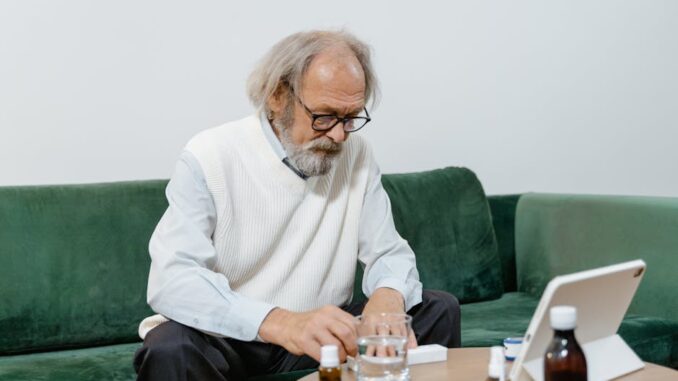

Redefining Age: A Deep Dive into the Future of Geriatric Care
The global population is undeniably getting older, and frankly, it’s a demographic shift that’s reshaping societies right before our eyes. Healthcare systems, which for so long focused on acute care, now find themselves at a critical juncture, needing to evolve dramatically to meet the unique, often complex, needs of older adults. It’s not just about living longer, is it? It’s about living better, with dignity and autonomy, and that’s precisely where recent advancements in geriatric care are stepping up, creating what truly feels like a new era in aging medicine.
We’re seeing a magnificent confluence of personalized treatment plans, breakthrough technological innovations, and a much-needed push for specialized training. These aren’t just buzzwords; they represent a fundamental paradigm shift in how we approach the health and well-being of seniors, moving from a reactive, disease-centric model to one that’s proactive, holistic, and deeply person-centered. For anyone involved in healthcare, or indeed, anyone with aging loved ones, understanding these transformations is absolutely crucial.
The Digital Revolution: Technological Innovations Transforming Geriatric Care
Technology, once thought of as something only for the young, is now playing an incredibly pivotal role in enhancing geriatric care. And you know, it’s not just about fancy gadgets; it’s about practical tools that genuinely improve lives and provide peace of mind. The sheer breadth of innovation here is astounding, really.
Beyond the Basics: Advanced Remote Monitoring and Wearables
Remember when remote monitoring just meant a simple emergency button? Well, we’ve come a long, long way. Today, sophisticated remote monitoring devices allow healthcare providers to track patients’ vital signs from a distance, yes, but also so much more. We’re talking about smart wearables that continuously track heart rate, blood pressure, oxygen saturation, and even sleep patterns. These devices, often discreet and comfortable, aren’t just collecting data; they’re providing a real-time window into a senior’s health, ensuring timely interventions if something seems off.
Think about smart home sensors, for instance, unobtrusively placed to detect unusual activity patterns or, critically, falls. My grandmother, she’s fiercely independent, but we worried constantly about her at home. Something like a discreet fall detection system, one that immediately alerts family or emergency services, well, that’s not just technology, it’s pure comfort for everyone involved. Then there are smart medication dispensers that remind seniors when to take their pills and even dispense the correct dosage, significantly reducing the risk of medication errors – a huge concern with polypharmacy. Continuous glucose monitors, for those with diabetes, provide invaluable data without the constant finger pricks. It’s truly empowering for patients and immensely reassuring for caregivers.
Bridging Gaps: The Power of Telehealth and Telemedicine
Telehealth services, especially after the pandemic, have absolutely cemented their place in bridging the gap between older adults and healthcare professionals. Offering virtual consultations that are both convenient and remarkably effective, these services have become a lifeline for many. Imagine a senior living in a rural area, miles from the nearest specialist, or someone with mobility issues who finds traveling to appointments a monumental task. Telehealth means they can have follow-up appointments, chronic disease management consultations, or even mental health support from the comfort of their own home.
It’s not just video calls, although those are vital. We’re also seeing secure messaging platforms for quick queries, e-prescribing services, and remote diagnostics where patients can use at-home devices to send data to their doctor. These technologies not only improve access to care, particularly for those who are homebound or geographically isolated, but they also empower seniors to take an active, more engaged role in managing their own health journey. They’re often more compliant with appointments because the barrier to entry is so much lower, and that’s a win for everyone.
The Future is Now: AI, Machine Learning, and Robotics
Looking ahead, or really, looking at what’s already here, Artificial Intelligence (AI) and Machine Learning (ML) are poised to revolutionize geriatric care even further. We’re talking about predictive analytics that can assess a senior’s risk of falls or hospital readmissions by analyzing vast datasets, allowing for proactive preventive measures. AI can also scour medical records to flag potential drug interactions, a serious danger when managing multiple medications, and even suggest personalized treatment recommendations based on an individual’s unique health profile.
And let’s not forget robotics. While still evolving, social robots are emerging as companions for seniors, helping combat loneliness, reminding them of appointments, and even engaging them in cognitive games. Rehabilitation robots assist with physical therapy, making exercises more consistent and measurable. It’s a fascinating blend of high-tech and high-touch, ensuring that humanity remains at the core of care while leveraging technological efficiencies.
Of course, with all this innovation comes challenges. Data privacy and security are paramount, and we can’t overlook the digital literacy gap that still exists for some older adults. Cost can also be a barrier. But frankly, the benefits in terms of improved health outcomes, independence, and quality of life for seniors are too significant to ignore. We just have to ensure these technologies are accessible and user-friendly for everyone.
Tailoring Wellness: The Rise of Personalized Treatment Plans
If there’s one area that truly embodies the shift in modern medicine, it’s personalized care. No longer is it a ‘one-size-fits-all’ approach. Personalized medicine is now squarely at the forefront of geriatric care advancements, and for good reason. By tailoring interventions based on individual genetic, environmental, and lifestyle factors, healthcare providers can dramatically enhance treatment efficacy and, just as crucially, reduce adverse effects. You see, an 80-year-old with multiple chronic conditions isn’t just a number; they’re a complex individual with a unique story, and their care plan needs to reflect that.
Decoding the Blueprint: Pharmacogenomics and Drug Optimization
One of the most exciting frontiers in personalized geriatric care is pharmacogenomics. This field studies how a person’s genes affect their response to drugs. For older adults, who often manage several chronic conditions simultaneously and are prescribed multiple medications (a phenomenon known as polypharmacy), understanding their genetic profile can be a game-changer. Imagine knowing, before prescribing, that a patient metabolizes a certain blood thinner too slowly, meaning a standard dose could lead to dangerous bleeding. Or perhaps they metabolize an antidepressant too quickly, rendering it ineffective. Pharmacogenomics allows clinicians to select the right drug, at the right dose, for the right person, significantly reducing the risk of adverse drug reactions and optimizing therapeutic outcomes.
This isn’t theoretical; it’s happening now. It’s particularly beneficial for older patients with complex health profiles, ensuring that care plans are as unique as the individuals they serve, moving us away from what often felt like guesswork and towards precise, evidence-based medication management.
The Holistic Picture: Lifestyle, Environment, and Integrative Care
But personalization goes far beyond just genetics. It deeply considers lifestyle and environmental factors. For an older adult, this means incredibly detailed discussions about their nutrition, not just generic advice, but meal plans tailored to their specific dietary needs, caloric requirements, and even cultural preferences. It involves exercise regimens customized to their physical capabilities and health conditions – perhaps chair yoga for someone with limited mobility, or aquatic therapy for joint pain, rather than just telling them to ‘walk more’.
Environmental modifications are also key. Is their home safe? Are there tripping hazards? Can grab bars be installed? Is the lighting adequate? These might seem like small details, but they can make a monumental difference in preventing falls and maintaining independence. And what about social engagement? Loneliness and isolation are significant health risks for seniors. A personalized plan might include connecting them with community groups, volunteer opportunities, or even social robots, as we discussed.
Integrative care is another crucial piece of this puzzle, blending conventional medical treatments with complementary therapies like acupuncture, mindfulness, or therapeutic massage, if appropriate and desired by the patient. The core here is honoring patient preferences and values, centering their goals in the care planning process, whether it’s managing pain, maintaining mobility to play with grandchildren, or simply enjoying their favorite hobbies for as long as possible.
The Orchestrators: Care Coordination and Multidisciplinary Teams
Achieving truly personalized care requires meticulous care coordination, and this is where multidisciplinary teams shine. It’s not just the geriatrician; it’s a team comprising geriatric nurses, physical therapists, occupational therapists, social workers, nutritionists, and even mental health professionals, all working in concert. This collaborative approach ensures that every facet of a senior’s well-being is addressed, from physical health to social and emotional needs.
A ‘care navigator’ often plays a crucial role here, acting as a single point of contact, helping the patient and their family navigate the often-complex healthcare system, ensuring seamless transitions between different care settings—from hospital to home, or from acute care to rehabilitation. This comprehensive, coordinated effort is what truly elevates personalized treatment plans, ensuring that every senior receives care that respects their individuality and maximizes their quality of life. It’s a lot of moving parts, but when done right, it’s incredibly effective, and frankly, it’s what every senior deserves.
Building the Bench: Specialized Training Programs for Geriatric Excellence
For all the amazing technological and personalized care advancements, they’re only as good as the people delivering them. And right now, we’re facing a critical shortage of geriatricians and other healthcare professionals trained in the nuances of elder care. It’s a gaping hole in our healthcare system, and frankly, it’s one we can’t afford to ignore any longer.
The Geriatrician Gap: A Pressing Shortage
Let’s be blunt: there aren’t enough geriatricians. Despite the rapidly aging population, the number of doctors specializing in geriatric medicine simply hasn’t kept pace. Why? It’s a multifaceted problem. Sometimes it’s perceived as a less ‘glamorous’ or financially lucrative specialty compared to others; sometimes, it’s the sheer complexity of managing multiple chronic conditions, cognitive decline, and social determinants of health that can lead to burnout. The reality is, without enough dedicated specialists, the burden falls on general practitioners, who, while excellent, may not have the in-depth, specialized training required for the unique physiological and psychosocial challenges of older adults.
This shortage impacts everything from accurate diagnosis of subtle conditions (like atypical presentations of heart attacks or infections in seniors) to appropriate medication management, and even knowing how to have sensitive conversations about end-of-life care. It’s a real problem, and it directly affects the quality of care our seniors receive.
Investing in Expertise: Government Initiatives and Training
That’s why initiatives like the Biden administration’s recent investment of approximately $206 million into geriatric care training are so vital. This isn’t just throwing money at a problem; it’s a strategic effort to equip primary care clinicians, nurses, and allied health professionals with the specialized skills needed to effectively serve patients over 65 years old. This funding supports fellowships for new geriatricians, expands continuing education programs for existing clinicians, and fosters interprofessional training where different disciplines learn to work together seamlessly in geriatric care.
Think about it: upskilling primary care doctors to better identify delirium, manage polypharmacy, conduct comprehensive geriatric assessments, or engage in advance care planning, means that more seniors get better care closer to home. It’s an upstream solution, expanding the reach of geriatric principles far beyond the specialist’s office. This initiative truly underscores the importance of specialized training in improving care for older adults, acknowledging that geriatric care isn’t just a niche, it’s becoming the mainstream.
Beyond Doctors: Nurturing Geriatric Nurses and Allied Health Professionals
But the push for specialized training doesn’t stop with physicians. Geriatric nursing is a distinct and incredibly demanding field. Nurses trained in geriatrics understand the unique physiological changes of aging, how diseases manifest differently in older bodies, and the psychosocial aspects of senior life. Similarly, physical therapists, occupational therapists, and social workers need specific training in geriatric principles to provide effective care that promotes independence and addresses age-related challenges.
Many universities and professional organizations are now offering specialized certifications, advanced degrees, and continuing education modules specifically focused on gerontology and geriatric care. These programs are crucial for developing a robust workforce capable of meeting the diverse needs of an aging population. And let’s not forget caregiver training – supporting the informal caregivers, often family members, who provide the lion’s share of care for seniors. Education on safe patient handling, medication management, and coping with the emotional demands of caregiving is absolutely essential to prevent caregiver burnout and ensure sustained, high-quality care at home. This holistic approach to training, encompassing everyone from specialists to family caregivers, is truly how we’ll build a resilient and compassionate geriatric care system for the future.
Reinventing Care Delivery: Innovative Models for the Aging Population
Beyond individual treatments and training, the very structures of how we deliver healthcare are evolving. Healthcare institutions are adopting innovative care models specifically designed to better serve the aging population, moving towards more integrated, proactive, and patient-centered approaches. It’s fascinating to see how these models are reshaping the entire patient journey for seniors.
The Age-Friendly Imperative: What Matters Most
Perhaps one of the most impactful innovative models is the Age-Friendly Health System initiative, which many leading institutions, like Cedars-Sinai, have enthusiastically adopted. This model isn’t just about making facilities ‘look’ age-friendly; it’s a systematic approach built around the ‘4Ms’ framework, which has quickly become a gold standard:
-
What Matters: This is arguably the most crucial ‘M.’ It centers on understanding and aligning care with an older adult’s specific health goals, preferences, and values. What matters to them? Is it maintaining mobility to play with grandchildren? Staying at home as long as possible? Avoiding specific treatments? This involves deep conversations and shared decision-making, ensuring care truly reflects the individual’s desires, not just clinical protocols.
-
Medication: This ‘M’ focuses on optimizing medication use, minimizing polypharmacy (the use of multiple drugs), and deprescribing (safely reducing or stopping medications) when appropriate. It’s about ensuring every medication is absolutely necessary, effective, and won’t cause harm, especially considering how older adults metabolize drugs differently and are more susceptible to side effects.
-
Mentation: This addresses cognitive and mental health. It involves routine screening for delirium, dementia, and depression, and implementing strategies to prevent, identify, treat, and manage these conditions. It’s about protecting brain health and mental well-being, which are often overlooked but critically important for quality of life.
-
Mobility: The goal here is to ensure older adults can move safely every day. This includes assessing mobility, preventing falls, and supporting functional independence. It’s about maintaining physical function, which is fundamental to quality of life and independence. For instance, staff might encourage walking rather than wheelchair use where safe, or tailor exercises to maintain strength and balance.
This comprehensive approach ensures that older adults receive care that’s not just clinically sound but deeply tailored to their specific needs, enhancing their overall quality of life and autonomy. It’s a commitment to seeing the whole person, not just their ailments.
Beyond the Hospital Walls: PACE and Hospital at Home
Other groundbreaking models are redefining where and how care is delivered. The Programs of All-Inclusive Care for the Elderly (PACE) model, for instance, provides comprehensive medical and social services to frail seniors who are eligible for nursing home care but wish to remain at home. PACE programs offer everything from primary and specialty medical care, rehabilitation therapies, personal care, social work services, and even adult day care, all coordinated by an interdisciplinary team. The goal? To keep seniors living in their communities for as long as safely possible, often preventing costly and undesirable nursing home placements.
Similarly, the ‘Hospital at Home’ model is gaining significant traction. Imagine receiving acute-level hospital care – IV antibiotics, oxygen therapy, daily physician visits, and nurse monitoring – all from the comfort and familiarity of your own home. This model leverages technology like remote monitoring and teleconsultations, combined with regular in-person visits from nurses and other healthcare professionals. The benefits are substantial: reduced risk of hospital-acquired infections, greater patient comfort, and often, improved outcomes, all while potentially lowering costs. It’s a fantastic example of innovation truly meeting patient needs where they live.
The Importance of Palliative Care Integration
Finally, the integration of palliative care much earlier in the disease trajectory for seniors with serious illnesses is becoming increasingly recognized as an innovative care model. Palliative care isn’t just end-of-life care; it’s about providing relief from the symptoms and stress of a serious illness, whatever the diagnosis. The goal is to improve quality of life for both the patient and their family. By focusing on pain management, symptom control, and emotional and spiritual support alongside curative treatments, palliative care ensures that seniors experience less suffering and have more agency over their care decisions, a truly humane and progressive approach.
These innovative models collectively demonstrate a powerful shift in geriatric care, moving away from fragmented, reactive services towards integrated, holistic, and preventive approaches that prioritize the senior’s well-being and preferences above all else. It’s truly an exciting time for reimagining what aging gracefully can look like within our healthcare system.
Safety Nets and Specialized Spaces: Emergency Care Innovations for Seniors
When an older adult experiences a medical emergency, the traditional emergency department (ED) can be a chaotic, disorienting, and sometimes even dangerous environment. The bright lights, loud noises, and fast pace, coupled with the unique vulnerabilities of seniors, often exacerbate confusion, increase the risk of falls, and can lead to poorer outcomes. Thankfully, emergency departments are also evolving, adapting to meet the specific needs of older patients with truly innovative solutions.
The Rise of Senior Emergency Departments: Design and Philosophy
The most significant innovation here is the establishment of dedicated Senior Emergency Departments (S-EDs). These specialized units are designed, both physically and philosophically, specifically for older adults. The primary goals are to reduce anxiety, minimize confusion, and mitigate the risk of falling, all while providing high-quality, age-appropriate medical care.
What does a Senior ED look like? Well, you’d notice a few things immediately. The environment is usually much quieter, often with acoustic dampening materials and softer lighting to reduce sensory overload. Floors are non-slip, and beds and stretchers are often lower to the ground to prevent falls. Instead of standard chairs, you might find comfortable recliners that make it easier for seniors to get in and out of. There are often grab bars in restrooms and wider doorways for easier wheelchair access. It’s about creating a therapeutic environment, not just a clinical one.
But it’s not just about the physical space. The staff within S-EDs are often specially trained in geriatric emergency medicine. They understand the atypical presentation of diseases in older adults, are adept at identifying delirium, and are proficient in age-appropriate pain management techniques that minimize side effects. Specialized protocols are in place for things like fall risk assessment, medication reconciliation (crucial for polypharmacy), and early mobility initiatives. The aim is to ensure a more comfortable, safer, and ultimately more effective experience for seniors during medical emergencies. Research consistently shows these specialized units lead to reduced lengths of stay, fewer readmissions, and lower incidences of complications like delirium or functional decline post-ED visit.
Accreditation and Transitional Care: Ensuring Continuum of Safety
To standardize and encourage these improvements, organizations like the American College of Emergency Physicians (ACEP) have developed Geriatric Emergency Department Accreditation programs. This provides a framework for EDs to achieve specific benchmarks in staffing, education, policies, and environment to better serve older adults. It’s a stamp of approval that tells patients and families that this particular ED is serious about age-friendly care.
Beyond the immediate emergency, a crucial element of geriatric emergency care innovation lies in transitional care planning. For an older adult, an ED visit can be a precipitating event leading to a cascade of functional decline or further health issues if not managed properly upon discharge. S-EDs and age-friendly EDs place a strong emphasis on ensuring safe discharge, which might involve coordinating with primary care physicians, arranging follow-up appointments, connecting patients with social services for home support, or even providing a written discharge plan in large, easy-to-read print for patients and their caregivers. This holistic approach ensures that the care doesn’t just stop at the ED door but extends into the patient’s ongoing recovery and well-being. It’s about seeing the whole picture, preventing downstream problems, and giving seniors the best chance at recovery and continued independence.
The Path Forward: A Vision for Age-Optimized Care
The landscape of geriatric care is undergoing nothing short of a profound transformation, and frankly, it’s about time. We’ve moved beyond merely extending lifespan; the focus is now firmly on enriching those added years with vitality, autonomy, and an unparalleled quality of life. Through the relentless march of technological innovations, the precision of personalized treatment plans, and a crucial investment in specialized training programs, healthcare systems are demonstrably better equipped to meet the unique, often intricate, needs of an aging population. And that’s a future I’m incredibly optimistic about.
What we’re witnessing isn’t just incremental progress; it’s a fundamental shift in philosophy. We’re moving from a reactive, disease-focused model to one that is proactive, person-centered, and deeply empathetic. These advancements don’t just improve the quality of care; they fundamentally enhance the experience of aging, empowering older adults to remain active participants in their own health journeys and in their communities.
Of course, challenges remain. We’ve still got hurdles to clear, from ensuring equitable access to these innovations across all socioeconomic strata, to continuing to battle the persistent shortage of geriatric specialists. But if the current momentum is anything to go by, we’re well on our way to building a healthcare system that truly honors and supports every stage of life. It’s a testament to human ingenuity and compassion, isn’t it? A healthcare system where age isn’t just a number, but a testament to a life lived, well-cared for, and deeply valued. And I think that’s something we can all champion.
Be the first to comment