
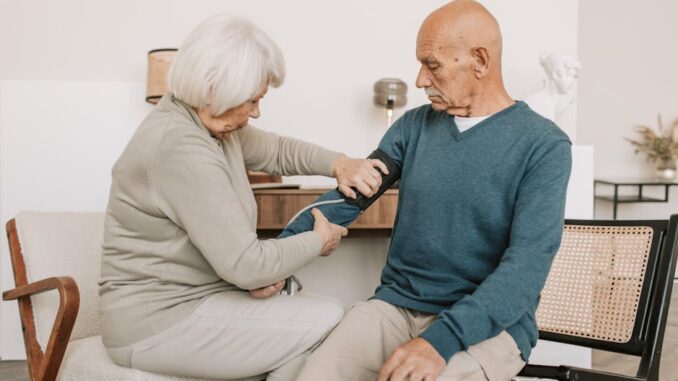

Redefining Golden Years: How Innovations Are Revolutionizing Geriatric Care
The global demographic landscape is unmistakably shifting. We’re witnessing an unprecedented surge in our aging population, a phenomenon that doesn’t just represent changing birth rates and improved longevity, but also presents a profound, pressing demand for genuinely effective, compassionate geriatric care. It’s not just about adding years to life anymore; it’s crucially about adding life to those years. And frankly, the innovations emerging in this vital field aren’t just incremental improvements; they’re truly reshaping the entire healthcare ecosystem, enhancing the quality of life for countless seniors and their families. It’s a transformative moment, isn’t it?
The Digital Embrace: Technology’s Ascendancy in Elder Care
The integration of cutting-edge technology into geriatric care has, without a doubt, ushered in a new era of patient monitoring, management, and proactive intervention. We’re talking about tools that bring healthcare closer, making it more personal and responsive than ever before.
Wearable Health Devices: A Glimpse into Real-Time Health
Think about the ubiquity of smartwatches and fitness trackers these days. For seniors, these aren’t just gadgets for counting steps; they’re powerful, discreet health sentinels. These wearable devices — whether a sleek smartwatch, a subtle smart patch, or even smart clothing woven with biometric sensors — facilitate continuous monitoring of a dizzying array of vital signs. We’re talking about heart rate, blood pressure, oxygen saturation levels, even glucose readings for those managing diabetes.
Beyond basic vitals, they track physical activity patterns, sleep quality, and perhaps most critically for the elderly, detect falls. Imagine the peace of mind. For Sarah, an independent 82-year-old living alone, her smartwatch isn’t just telling her the time; it’s quietly tracking her gait, noting subtle changes that might indicate an increased fall risk, and immediately alerting her daughter if she does take a tumble. This real-time, continuous stream of data allows caregivers, both professional and familial, and healthcare providers to respond promptly to any health concerns, often before they escalate into emergencies. The predictive analytics capabilities inherent in these devices are truly astounding, offering insights that can prevent hospitalizations and improve long-term outcomes.
Telemedicine: Bridging Distances, Enhancing Access
Then there’s telemedicine, which has truly cemented its place as an indispensable component of modern geriatric care. This isn’t just about a quick video call; it’s a sophisticated framework enabling healthcare providers to remotely monitor patients, conduct comprehensive consultations, and deliver targeted interventions right into the comfort of a senior’s home. Think about a specialist consultation for a rural senior who can’t easily travel, or a virtual physical therapy session that keeps rehabilitation on track without the logistical nightmare of transport.
This approach dramatically improves health outcomes, reduces the burden of travel for both patients and their families, and frankly, it often boosts patient satisfaction because care feels more accessible and less disruptive. It’s quite amazing, isn’t it, how a secure video link can effectively bridge miles, bringing top-tier medical expertise directly to someone’s living room? But, you know, we can’t forget the challenges here, like ensuring digital literacy among seniors and addressing the ever-present digital divide in internet access.
Artificial Intelligence (AI) and Machine Learning: The Brains Behind the Data
Artificial intelligence, often working in tandem with machine learning algorithms, plays a profoundly crucial role in elevating geriatric telehealth. AI-powered decision support systems possess the incredible ability to analyze truly vast amounts of patient data – far more than any human could process manually. They identify subtle patterns, spot anomalies, and then generate personalized treatment recommendations.
These systems assist healthcare providers in making incredibly informed decisions, leading to earlier diagnoses, optimized medication regimens, and significantly improved patient outcomes. For instance, AI can detect early signs of cognitive decline by analyzing changes in speech patterns or daily activity levels, long before these changes become obvious to the human eye. We’re even seeing the emergence of companion robots, offering social interaction and reminders, and assistive robots that can help with mobility or daily chores, adding a layer of independence and safety. Of course, ethical considerations around data privacy and algorithmic bias must always remain at the forefront of our discussions.
Smart Homes and Ambient Assisted Living (AAL): Environments That Care
This is where technology seamlessly integrates into daily life, creating a supportive ecosystem for seniors. Smart homes, often equipped with Ambient Assisted Living (AAL) technologies, feature unobtrusive sensors embedded throughout the living space – motion sensors, light sensors, temperature monitors. These systems aren’t just for convenience; they learn a senior’s routines and can automatically adjust lighting, regulate thermostats, or even detect unusual patterns of activity that might signal a problem.
Automated medication dispensers ensure adherence, reducing errors, and voice-activated assistants provide reminders, facilitate communication with family, and can even place emergency calls with a simple command. It’s about creating a ‘responsive’ environment that subtly adapts to a senior’s needs, enhancing their safety and autonomy without feeling intrusive. It’s truly a vision of the future, available today.
The Unsung Hero: Innovations in Geriatric Oral Health Care
Let’s not overlook oral health; it’s a critical, often underestimated, aspect of overall well-being, especially for older adults. You might be surprised how directly a healthy mouth impacts systemic health – we’re talking links to diabetes, cardiovascular disease, and even aspiration pneumonia.
Clinical Advances and Delivery Models
Innovations in geriatric oral health care span a wide spectrum, encompassing everything from clinical advancements to novel delivery and funding models. We’re seeing a shift towards minimally invasive dentistry, preserving more of a senior’s natural tooth structure. Teledentistry is also making waves, allowing for remote assessments, consultations, and even initial diagnoses, reducing the need for arduous trips to the dental office. New, more comfortable, and durable materials for dentures and implants are enhancing quality of life, and laser dentistry is revolutionizing the treatment of gum disease, often with less discomfort and faster recovery.
Beyond the clinic, mobile dental units are bringing care directly to homebound seniors or those in long-term care facilities. There’s a strong push for integrated care models, where dentists collaborate closely with physicians, nurses, and dietitians to address a senior’s holistic health picture. The roles of dental hygienists and allied health professionals are expanding too, allowing them to provide more preventive and routine care. It seems almost too simple, doesn’t it? Yet daily prevention and professional preventive care have the most significant, measurable impacts on reducing oral disease in our aging population.
Beyond the Dentist’s Chair: Education and Policy
The providers of oral healthcare for seniors are extending beyond traditional dental professionals. Caregivers, nurses, and general healthcare providers are increasingly being trained in basic oral hygiene practices and early detection of issues, leveraging tools like teledentistry for support.
From a policy perspective, there’s growing advocacy for better insurance coverage for geriatric dental care, recognizing it as an essential rather than elective service. Governments and healthcare organizations are launching initiatives to improve access and affordability. Education is paramount; we must equip seniors and their families with the knowledge for proper brushing, flossing, and the importance of diet in maintaining oral health. It’s a collective responsibility.
The Human Touch: Empathy, Connection, and Holistic Support
While technology offers incredible capabilities, it’s crucial to remember that innovation in geriatric care isn’t solely about devices and algorithms. The human element, the genuine compassion, and a holistic understanding of an individual’s needs remain absolutely foundational.
Person-Centered Care: Respecting Individuality
At the heart of truly effective geriatric care lies person-centered care. What does this mean in practice? It means moving beyond a one-size-fits-all approach and instead, respecting each senior’s unique preferences, values, and life goals. It’s about co-creating care plans that prioritize dignity, autonomy, and their desired quality of life. This approach acknowledges that while medical needs are paramount, so too are emotional, social, and spiritual well-being. A senior’s preferences for daily routines, their choice in activities, or even what they want to eat, these small things make a huge difference.
Interdisciplinary Teams: A Symphony of Expertise
Modern geriatric care thrives on collaboration. The most effective models involve interdisciplinary teams – doctors, nurses, physical therapists, occupational therapists, social workers, nutritionists, and mental health specialists – all working in concert. This collaborative approach ensures that all facets of a senior’s health are addressed, from managing chronic conditions and medication to ensuring proper nutrition, maintaining mobility, and supporting mental well-being. It’s a holistic symphony of expertise, where each professional brings their specialized knowledge to create a comprehensive care plan.
Combating Isolation: Nurturing Mental and Social Well-being
Perhaps one of the most insidious challenges facing seniors today is loneliness and social isolation. It’s a silent epidemic, profoundly impacting mental and physical health. Innovative geriatric care actively works to combat this by fostering social connection. This might involve facilitating participation in group activities, community programs, or volunteer opportunities. Accessible mental health support and therapy are vital, tailored to address age-related issues like grief, depression, or anxiety. I remember my own grandmother, she always said it wasn’t just the medicine, but the daily chat with her friends at the community center, that kept her spirits up. Even companion animals can play a significant role, offering unconditional love and purpose.
Empowering Caregivers: The Unsung Heroes
We cannot overstate the immense burden often carried by informal caregivers – family members who dedicate countless hours to their aging loved ones. Innovation in geriatric care must also extend to supporting these unsung heroes. This includes providing much-needed respite care, offering accessible support groups where caregivers can share experiences and advice, and delivering educational resources to help them navigate the complexities of elder care. Technology, too, can ease their load, from medication reminders to communication platforms that keep everyone informed. Supporting the caregiver ultimately translates to better care for the senior.
Family Doctor Avondale: A Beacon of Integrated Care
Let’s look at how these principles come to life, taking Family Doctor Avondale as an excellent example. They don’t just talk about innovation; they embody it, blending cutting-edge technology with genuine, heartfelt compassion to truly prioritize patient well-being. Their approach to geriatric care is a powerful illustration of where the future lies.
Personalized Home Medical Care: Dignity in Comfort
Family Doctor Avondale understands that there’s no place like home, especially for seniors. Their personalized home medical care services are meticulously crafted to preserve dignity while expertly managing chronic illnesses. This isn’t merely about convenience; it’s about recognizing that seniors often thrive in familiar surroundings, reducing stress and promoting recovery. Their healthcare team, comprising dedicated nurses, physicians, and support staff, works tirelessly to ensure that you or your aging loved ones receive the absolute best care for healthy aging and wellness, all from the comfort and security of your own home.
Empowering Seniors Through Innovation
Their innovative approach goes beyond just treating illness; it empowers seniors to actively take control of their health journey, supported by a robust network of care. From sophisticated medication management systems that ensure adherence and prevent errors – perhaps smart dispensers linked to a central monitoring system – to providing daily health updates that keep families informed and reassured, their home care solutions offer both peace of mind and unparalleled convenience. Consider Mr. Henderson, an 88-year-old patient with congestive heart failure. Through Family Doctor Avondale’s program, his vital signs are monitored daily via a remote device, his medication schedule is managed through an automated dispenser, and a nurse checks in weekly via video call, catching a slight weight gain early, before it could become a serious exacerbation. This proactive, integrated system is what sets them apart. They aren’t just caring for patients – they genuinely care about them.
The Road Ahead: Navigating Future Frontiers and Challenges
The landscape of geriatric care is evolving at a breathtaking pace, with technological advancements and a renewed focus on holistic, person-centered approaches playing a pivotal role in enhancing senior health.
Looking forward, we anticipate even more personalized medicine, perhaps leveraging genetic insights for highly tailored preventative interventions. Gene therapy might sound like science fiction, but it could soon play a role in delaying age-related diseases. However, this exciting future isn’t without its hurdles.
Funding and affordability remain significant concerns; how do we ensure equitable access to these advanced, often expensive, innovations? We also face persistent workforce shortages, especially of specialized geriatricians and nurses, which could strain the system. Ethical dilemmas, particularly around AI decision-making in healthcare and the complexities of end-of-life care in a tech-driven world, will demand careful consideration. And, as mentioned, bridging the digital divide so that all seniors, regardless of socioeconomic status or geographical location, can benefit from these advances, is a non-negotiable imperative.
By continuing to embrace these innovations with a compassionate heart, healthcare providers like Family Doctor Avondale are better equipped than ever to meet the multifaceted needs of our aging population, ensuring a higher quality of life, more independence, and indeed, more dignity for seniors everywhere. It’s a demanding but incredibly rewarding journey we’re on, don’t you think?
References
- 3p4care.us: Enhancing Senior Health Innovations in Geriatric Care
- numberanalytics.com: Advances in Geriatric Healthcare
- fastercapital.com: Future Trends and Innovations in Geriatric Home Care
- pubmed.ncbi.nlm.nih.gov: Innovations in Geriatric Oral Health Care
- 3p4care.us: Family Doctor Avondale Home Page
The focus on combating social isolation is critical. Could virtual reality environments offer new opportunities for seniors to connect, explore, and combat loneliness, even when physical mobility or access to social gatherings is limited?
That’s a fantastic point! VR could be a game-changer, offering immersive experiences and social connections to seniors who may be physically limited. Imagine virtual travel groups or shared hobby spaces. It opens up incredible possibilities for enriching lives and fostering a sense of community. Let’s explore how we can make this accessible and user-friendly for everyone!
Editor: MedTechNews.Uk
Thank you to our Sponsor Esdebe
The integration of AI in analyzing patient data for early detection of cognitive decline is particularly compelling. How can we ensure that these AI systems are trained on diverse datasets to avoid biases and ensure equitable outcomes for all seniors?
That’s such a crucial question! Ensuring diverse datasets for AI training is paramount. We need collaborative efforts between researchers, healthcare providers, and community organizations to gather representative data from all demographics. Open-source datasets and transparent algorithm development could also help mitigate biases and promote equitable outcomes. It’s a challenge worth tackling head-on!
Editor: MedTechNews.Uk
Thank you to our Sponsor Esdebe
The discussion around smart homes and ambient assisted living is fascinating. How can we better leverage sensor technology and AI to create truly proactive and personalized environments that anticipate and adapt to the changing needs of seniors, promoting both safety and independence?
That’s a great question! Expanding on that, I wonder how we can integrate predictive algorithms to not just react but also preemptively adjust environmental factors like lighting and temperature to optimize comfort and wellbeing before a senior even notices a need. This proactive adaptation could greatly enhance their quality of life.
Editor: MedTechNews.Uk
Thank you to our Sponsor Esdebe
The emphasis on person-centered care is essential. How can we better integrate the lived experiences and personal narratives of seniors into the design and implementation of these technologies to ensure they truly meet individual needs and preferences?
That’s a great question! Building on that, I wonder how we can use AI not just to analyze data, but to actively seek and incorporate senior’s feedback into the tech design itself? Perhaps through user-friendly interfaces that allow them to easily share preferences and experiences in real time, directly influencing how these technologies evolve. It’s about making them co-creators, not just users!
Editor: MedTechNews.Uk
Thank you to our Sponsor Esdebe
Given the rise of smart homes, what strategies can ensure the seamless integration of these technologies with existing home infrastructures, particularly in older residences not designed for such systems?
That’s a great point! To build on that, how do we retrofit older homes with smart tech while minimizing disruption and cost? I’m thinking of wireless sensor networks that don’t require extensive rewiring, and modular systems that can be added gradually as needed. What creative solutions have others seen?
Editor: MedTechNews.Uk
Thank you to our Sponsor Esdebe
The integration of smart homes is exciting. Expanding on this, how can we design these systems to be adaptable and scalable, allowing seniors to customize their environments as their needs evolve over time?
That’s a vital consideration! Thinking about adaptable smart homes, maybe we need modular systems that can be easily reconfigured, or AI that learns usage patterns to suggest adjustments. Flexible tech could really empower seniors to maintain control and comfort as their needs change. What do you think?
Editor: MedTechNews.Uk
Thank you to our Sponsor Esdebe
This article highlights crucial points! Considering the rise of AI in geriatric care, what steps can be taken to ensure the technology is used to augment, not replace, the essential human interaction and emotional support seniors need?
Thanks for raising this critical point! It sparks an important discussion about balancing tech with human connection. Perhaps mandatory training for caregivers on empathetic tech integration, or AI designed to facilitate social interaction rather than replace it, could be viable steps. What other strategies do you think would be most effective?
Editor: MedTechNews.Uk
Thank you to our Sponsor Esdebe
Smart homes learning routines sounds fantastic, but are we accidentally training seniors to become predictable? Where’s the joy in a spontaneous midnight fridge raid if the AI disapproves and dims the lights? Perhaps a ‘rebellion mode’ is needed!
That’s such a fun and insightful point! A ‘rebellion mode’ is a brilliant idea! Perhaps a customizable setting allowing seniors to define ‘off-limits’ times for AI adjustments. This balances safety with personal freedom. It’s about empowering seniors, not controlling them. Imagine the possibilities!
Editor: MedTechNews.Uk
Thank you to our Sponsor Esdebe
So, smart homes that learn routines – are we sure we’re helping seniors or just creating highly predictable targets for mischievous squirrels? Perhaps we need to include squirrel-thwarting technology in the next upgrade.
That’s a hilarious and valid point! We definitely don’t want to make seniors’ homes easier targets for squirrels. Perhaps a layered defense system is needed: AI-powered security *and* squirrel-resistant bird feeders as a diversion! It’s all about a holistic approach to safety and well-being. Thanks for the laugh and the important reminder to think outside the box!
Editor: MedTechNews.Uk
Thank you to our Sponsor Esdebe
The discussion on smart homes raises a key point about data privacy. How can we ensure these systems are secure and that seniors understand and consent to how their data is being used, especially with AI-driven analysis?
That’s an excellent point about data privacy! Perhaps simplified consent interfaces tailored for seniors, coupled with regular security audits and transparent data usage policies, could help build trust and ensure informed consent. Education initiatives could empower seniors to understand and manage their data effectively. It’s a critical conversation!
Editor: MedTechNews.Uk
Thank you to our Sponsor Esdebe
“Smart homes *are* responsive environments, and I love that. But what happens when the senior is feeling contrary and wants to override the system to bake cookies at 3 a.m.? Do we need an “I’m the boss” button for those moments of sweet rebellion? “
That’s a fantastic question! Building on the “I’m the boss” button idea, imagine personalized AI that learns when to gently suggest healthier choices versus when to fully respect a senior’s autonomy. It would require really understanding individual preferences and habits. What specific scenarios do you think are most crucial to address with this kind of flexibility?
Editor: MedTechNews.Uk
Thank you to our Sponsor Esdebe
The “I’m the boss” button sounds brilliant, but what about an “I know best (and the algorithm is wrong)” override for AI-driven med dispensers? Asking for a friend… who may or may not be stockpiling jelly beans.
That’s such a brilliant point! Building on your idea, how about integrating “explainable AI”? If the system flags something, it has to clearly state *why*, empowering seniors to make truly informed decisions about overriding it. This could be a great way to balance safety with autonomy and personal choice. Thanks for the thought-provoking comment!
Editor: MedTechNews.Uk
Thank you to our Sponsor Esdebe
Regarding the ethical dilemmas of AI decision-making, what frameworks are being developed to ensure transparency and accountability in these algorithms, especially when they impact critical healthcare decisions for seniors?
That’s a really important question! Frameworks like the OECD Principles on AI and the EU’s AI Act are steps in the right direction, promoting explainability and human oversight. What specific applications in senior healthcare do you think need the most rigorous ethical scrutiny?
Editor: MedTechNews.Uk
Thank you to our Sponsor Esdebe
So many smart homes, so little time! But seriously, if my AI is regulating the thermostat, who’s going to stop it from turning up the heat and blaming it on my “poor circulation”? Do we need a ‘thermostat whisperer’ certification for AI technicians now?
That’s hilarious! A “thermostat whisperer” certification is an amazing idea! It highlights the need for some human oversight in our increasingly smart homes. What kind of scenarios do you think would be covered during that certification?
Editor: MedTechNews.Uk
Thank you to our Sponsor Esdebe
“AI companion robots? Sounds great, but will they also fetch my slippers and argue with me about the news? Asking for a friend who *definitely* doesn’t need either of those things… yet. Seriously though, great point about the ethical considerations!”
That’s hilarious! Slippers and news arguments aside, you’ve hit on a key point. We really need to carefully consider the *personality* of these AI companions. Can we tailor them to individual preferences, perhaps with a ‘agreeable’ vs ‘challenging’ setting? Maybe that’s something to be considered further!
Editor: MedTechNews.Uk
Thank you to our Sponsor Esdebe