
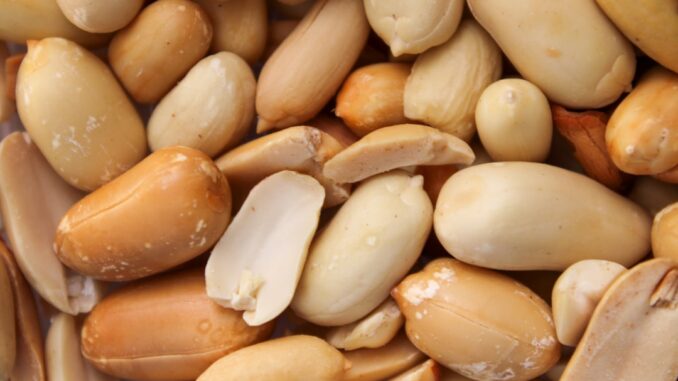

In recent years, a notable decline in peanut allergies among children has emerged, largely due to the early introduction of peanut-containing foods. This shift marks a significant departure from previous guidelines that advised delaying allergenic foods until later in childhood.
The Shift in Dietary Guidelines
Historically, pediatric recommendations suggested postponing the introduction of potential allergens like peanuts, eggs, and fish to reduce the risk of developing allergies. However, emerging research has challenged this approach, advocating for the early inclusion of these foods in infants’ diets. The pivotal 2015 Learning Early About Peanut Allergy (LEAP) study demonstrated that introducing peanut products to infants at high risk for allergies significantly reduced the development of peanut allergies by age five. (nih.gov)
Decline in Peanut Allergy Rates
Following the LEAP study, the National Institute of Allergy and Infectious Diseases (NIAID) updated its guidelines in 2017, recommending the early introduction of peanut-containing foods to infants. Subsequent studies have observed a substantial decrease in peanut allergy rates among children. A 2025 study from the Children’s Hospital of Pennsylvania analyzed electronic health records from over 120,000 children and found a 43% reduction in peanut allergies among those under age three. (acaai.org)
Mechanisms Behind the Decline
The exact mechanisms by which early introduction prevents peanut allergies remain under investigation. One theory suggests that early exposure helps the immune system recognize and tolerate the allergen, reducing the likelihood of an allergic reaction. Additionally, introducing a variety of foods early may promote a more diverse gut microbiome, which is associated with a lower risk of developing allergies.
Implications for Pediatric Care
These findings have significant implications for pediatric care. Healthcare providers are now encouraged to discuss the early introduction of allergenic foods with parents, especially those with infants at high risk for allergies. This proactive approach aims to prevent the development of food allergies and improve overall child health.
Conclusion
The decline in peanut allergies among children, attributed to the early introduction of allergenic foods, represents a significant advancement in pediatric care. This strategy not only challenges previous dietary guidelines but also offers a promising avenue for preventing food allergies in the future.
References
-
“Introducing peanut in infancy prevents peanut allergy into adolescence.” National Institutes of Health. May 28, 2024. (nih.gov)
-
“Want your child to avoid peanut allergy? Early introduction is working.” American College of Allergy, Asthma & Immunology. November 20, 2025. (acaai.org)
-
“Peanut allergies have plummeted in children.” The Week. November 2025. (theweek.com)
-
“Peanut Allergy Breakthrough: How Early Exposure is Saving Kids | New Study.” YouTube. October 20, 2025. (youtube.com)
Be the first to comment