
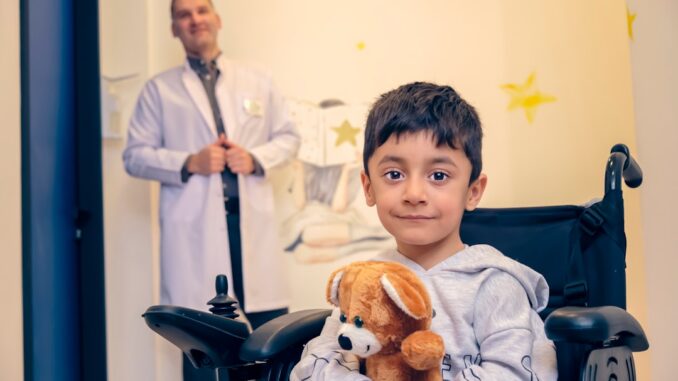

The Unprecedented Surge in Pediatric Healthcare: Charting a Course for the Future
It’s fascinating, isn’t it? Just when you thought healthcare couldn’t get more dynamic, the pediatric sector comes roaring to life. We’re witnessing nothing short of a revolution in how we care for our youngest, driven by groundbreaking advancements and a laser focus on child wellness that’s genuinely reshaping the entire landscape. This isn’t just about bigger hospitals; it’s about smarter, more empathetic, and ultimately, more effective care, which, frankly, is something we can all get behind.
From the gleaming, futuristic facilities designed with kids in mind to the subtle hum of new diagnostic machines, the expansion in pediatric healthcare isn’t merely about growth in numbers, though those are impressive. It’s about a qualitative leap, one that promises enhanced services, earlier interventions, and significantly improved patient outcomes. Think about it: our kids deserve nothing less than the very best, and it feels like the industry is finally stepping up to deliver on that promise.
Healthcare data growth can be overwhelming scale effortlessly with TrueNAS by Esdebe.
The Digital Frontier: Innovating Pediatric Care with Technology
Walk into almost any modern pediatric clinic or hospital today, and you’ll immediately sense the shift. The days of solely relying on manual charts and in-person visits, while still vital, are rapidly evolving. In recent years, technological innovations haven’t just played a role in transforming pediatric care; they’ve orchestrated a full-blown paradigm shift. The integration of digital health tools, from sophisticated telemedicine platforms to clever wearable devices, has quite literally revolutionized how healthcare providers monitor, diagnose, and treat our young patients, fundamentally changing how families interact with the medical system.
Telemedicine: Bridging Gaps and Boosting Accessibility
Consider telehealth services, for instance. A few years ago, it felt like a niche option, maybe for routine follow-ups. Today, it’s become incredibly prevalent, a genuine lifeline for countless families. Imagine being a parent living in a rural community, hours away from the nearest pediatric specialist. The thought of packing up a sick child, driving for hours, dealing with traffic, and then navigating a sprawling hospital campus? It’s enough to make anyone dread seeking care. But now, with a few clicks, you can consult with a pediatrician remotely, often from the comfort of your own living room. It’s a game-changer for accessibility, especially in those underserved areas where specialists are scarce.
And it’s not just about geography. Telemedicine also offers unparalleled convenience for busy parents. A quick video call for a mild rash, a check-up for allergies, or even initial consultations for behavioral concerns – it saves parents from taking time off work, children from missing school, and everyone from the stress of a clinic visit when it’s not strictly necessary. We’ve seen significant improvements in follow-up rates, too, because it’s simply easier for families to maintain continuity of care. I heard a colleague recently recount how a single telehealth consultation spared a young family a six-hour round trip for a post-surgical check-up, catching a minor issue early because it was just so easy to connect.
Furthermore, telemedicine has become indispensable for managing chronic conditions. Regular virtual check-ins mean pediatricians can continuously adjust medication, monitor symptoms, and offer support without the disruption of frequent in-person appointments. This consistency is vital for conditions like asthma, diabetes, or even ADHD. It empowers families to actively participate in their child’s care from home, fostering a greater sense of control and reducing the feeling of being overwhelmed. Plus, for behavioral health, where stigma can be a barrier, a virtual setting can often feel less intimidating for both children and adolescents.
Wearable Health Devices: A Glimpse into Real-Time Wellness
Then there are wearable health devices, tailored specifically for children, which are steadily gaining serious traction. These aren’t just fitness trackers; we’re talking about sophisticated gadgets that monitor vital signs like heart rate, activity levels, oxygen saturation, and even sleep patterns. They provide real-time data, a constant stream of information that can be sent securely to healthcare providers for continuous monitoring. Think of the peace of mind for parents of a child with a chronic respiratory condition, or a baby born prematurely; this continuous oversight, this data stream, really enhances the quality of care and, crucially, it can reduce hospital readmissions. Early detection of potential health issues means intervention can happen sooner, often before a crisis develops, which is a win-win for everyone involved.
We’re seeing devices integrated into clothing for continuous temperature monitoring in infants, smart pacifiers tracking vital signs, and even smart socks that alert parents to subtle changes in a baby’s health. For older children with conditions like epilepsy, wearables can detect seizure activity and send alerts, significantly improving safety and allowing for faster intervention. This isn’t just about passive monitoring; it’s about leveraging continuous data to create proactive, personalized care plans. Of course, maintaining data privacy and ensuring these devices are user-friendly for both children and parents are ongoing considerations, but the potential is truly immense. Imagine a child’s physician getting a silent alert about a subtle physiological change that might indicate an impending asthma exacerbation, allowing for preventive medication adjustment before a full-blown attack.
AI and Machine Learning: The Brains Behind the Breakthroughs
But technology’s footprint doesn’t stop at remote consultations and smart bands. We’re seeing powerful advancements in artificial intelligence (AI) and machine learning (ML) starting to make significant inroads into pediatric medicine. Imagine AI algorithms sifting through vast amounts of genomic data to predict a child’s susceptibility to certain diseases, or to pinpoint the most effective personalized treatment plan for a rare form of childhood cancer. It’s not science fiction anymore; it’s becoming reality.
These systems are rapidly improving diagnostic accuracy, sometimes even surpassing human capabilities in tasks like analyzing complex imaging scans for subtle abnormalities. They’re also speeding up drug discovery, identifying potential new therapies much faster than traditional methods, which is critical when you’re dealing with diseases that disproportionately affect children and often have limited treatment options. It’s like having an army of highly intelligent, tireless researchers working around the clock, uncovering insights we might’ve missed otherwise. This shift towards data-driven, personalized medicine is truly exciting, offering hope for conditions once considered untreatable. For example, AI can analyze a child’s electronic health record and flag them as at high risk for developing type 2 diabetes years before clinical symptoms appear, allowing for early lifestyle interventions.
Robotics and Virtual/Augmented Reality: Engaging the Youngest Patients
Beyond diagnostics and monitoring, robotics are beginning to find their place, not just in surgery, but also in patient engagement. Think about a robotic companion helping a child through physical therapy, making what could be a tedious process feel more like a game. Similarly, virtual reality (VR) and augmented reality (AR) are transforming everything from pain management during difficult procedures – distracting a child during a needle stick with an immersive game, for instance – to therapeutic interventions for anxiety or developmental disorders. And let’s not forget their role in medical training, offering future pediatricians realistic, low-stakes environments to hone their skills before they ever touch a real patient. These tools don’t just improve outcomes; they make the hospital experience less frightening and more empowering for kids, which, if you ask me, is incredibly important.
We’ve even seen social robots designed to interact with hospitalized children, providing companionship, educational support, and helping to reduce feelings of loneliness and fear. In surgical settings, robotic-assisted procedures are becoming more common for complex cases, leading to smaller incisions, faster recovery times, and reduced pain for young patients. The dexterity and precision offered by these systems are simply phenomenal. VR is also being used in pediatric mental health to create safe, immersive environments for exposure therapy, helping children overcome phobias or process traumatic experiences in a controlled setting. It’s all about harnessing technology to make the often-scary world of medicine a little more friendly and effective for kids.
Expanding Horizons: Specialized Facilities and Child-Centric Design
This growth in pediatric healthcare isn’t solely confined to digital realms; it’s manifesting in bricks and mortar too, beautifully so. The escalating demand for highly specialized pediatric care has catalyzed substantial, indeed phenomenal, investments in pediatric hospital infrastructure across the globe. We’re talking about more than just adding beds; it’s about crafting environments designed specifically for children, from the ground up, to foster healing and well-being.
Notable Expansions: Building for Tomorrow’s Needs
Take Children’s Medical Center Dallas, for instance. They’re undergoing a colossal $5 billion expansion, a testament to the surging needs of the rapidly growing Dallas-Fort Worth metroplex. This isn’t just about coping with population growth; it’s about proactively building capacity in critical areas – expanding NICUs (Neonatal Intensive Care Units) for our tiniest, most vulnerable patients, increasing PICU (Pediatric Intensive Care Unit) capabilities for complex critical care, and adding specialized oncology and cardiac units. They’re anticipating future needs, making sure that as the region grows, access to cutting-edge pediatric care grows right along with it. It’s a massive undertaking, requiring incredible foresight and commitment, but it’s absolutely essential.
Similarly, the Children’s Hospital of Philadelphia (CHOP) has unveiled an ambitious expansion plan. Their vision includes multiple new buildings, not just for patient care, but crucially, to significantly boost their laboratory research capacity for molecular and biomedical studies. Why is this so vital? Because today’s research is tomorrow’s cure. Investing in these labs means pioneering new treatments for childhood cancers, unlocking mysteries of rare genetic disorders, and developing next-generation vaccines. CHOP isn’t just treating; they’re discovering, pushing the boundaries of what’s possible for children worldwide. It shows you how deeply interconnected patient care and research have become in these leading institutions. Their expansion also includes a focus on outpatient facilities to handle the rising volume of specialist consultations, ensuring children receive care in the least restrictive environment possible.
The Trend Towards Hyper-Specialization
What these expansions really highlight is a broader trend: the increasing hyper-specialization within pediatric medicine. Hospitals aren’t just ‘pediatric’ anymore; they’re developing world-renowned centers for specific conditions like craniofacial anomalies, complex neurological disorders, or advanced fetal surgery. Why this intense focus? Because complex conditions demand highly specialized teams, often multi-disciplinary, working in concert. This approach leads to demonstrably better outcomes, attracts top talent, and, frankly, creates environments ripe for innovative research. When you have a whole team dedicated to, say, congenital heart defects, from fetal diagnosis through adulthood, they develop an unparalleled depth of expertise. It’s a powerful engine for progress.
We’re seeing dedicated centers for rare diseases, for children with severe burns, for complex gastrointestinal disorders – the list goes on. This allows for a concentration of expertise, technology, and research efforts that simply isn’t feasible in a general hospital setting. It means a child with a specific, challenging condition receives care from clinicians who see that condition every day, who are at the forefront of the latest treatments and research. This level of focused care dramatically improves prognoses and quality of life for these young patients. It’s not about doing more; it’s about doing it better, with unmatched precision and depth of knowledge.
Healing Environments: More Than Just Walls
And let’s not forget the architecture itself. Modern pediatric hospitals are meticulously designed to be child-friendly, moving far beyond sterile, intimidating spaces. We’re seeing vibrant colors, interactive art installations, play areas, and even outdoor healing gardens. The goal? To create environments that reduce anxiety, encourage play, and support the entire family, not just the patient. Private rooms with sleeping accommodations for parents are becoming standard, recognizing that family presence is integral to a child’s recovery. These aren’t just aesthetic choices; they’re therapeutic interventions, based on extensive research into what truly fosters healing and psychological well-being in young patients. It’s a truly human-centered approach to healthcare.
Many new facilities incorporate natural light, calming color palettes, and even pet therapy programs, all scientifically shown to contribute to a faster, less stressful recovery. The concept of ‘family-centered care’ is no longer just a buzzword; it’s embedded in the very design of these institutions. Playrooms are equipped with educational toys, adolescent lounges offer age-appropriate entertainment, and outdoor spaces provide fresh air and a sense of normalcy. These elements recognize that a child’s well-being encompasses more than just their physical health, creating a holistic environment conducive to healing for mind, body, and spirit.
Funding the Future: A Complex Tapestry
Of course, such monumental expansions don’t materialize out of thin air. They represent a complex tapestry of funding models. Philanthropy plays an enormous role, with individual donors and foundations often providing the initial seed money or significant contributions for ambitious projects. Government grants, particularly for research and specialized care for underserved populations, are also crucial. Beyond that, bond issues and strategic partnerships with academic institutions or larger health systems help secure the billions required for these state-of-the-art facilities. It’s a constant balancing act, but one that underscores the collective societal value we place on children’s health.
It often involves a blend of public and private funding. State governments may issue bonds, while federal grants support specific programs, especially those related to critical care or research into rare pediatric diseases. Major corporations also contribute, seeing it as both a civic duty and a way to invest in the future workforce. These fundraising efforts aren’t just about securing capital; they’re about building community engagement and demonstrating the profound impact these institutions have on countless lives. It’s a continuous, multi-faceted effort to ensure the long-term sustainability and growth of these vital services.
Proactive Health: The Ascendance of Preventive Care and Wellness
There’s been a palpable shift in the pediatric healthcare paradigm, one that moves beyond merely treating illness to actively fostering health. We’re witnessing a growing, and frankly welcome, emphasis on preventive care and overall wellness in pediatric healthcare, which I think is just brilliant. It’s about getting ahead of problems, rather than constantly playing catch-up.
Prioritizing Prevention: From Vaccinations to Screenings
Consider this: over 58% of parents now explicitly prioritize preventive pediatric care. This isn’t just a slight bump; it’s a significant cultural movement leading to higher demand for vaccinations, routine developmental screenings, and early interventions. And for good reason. Vaccinations, of course, remain the bedrock of preventive health, protecting children from a host of devastating infectious diseases. Despite some lingering hesitancy, the vast majority of parents recognize the profound importance of these safeguards.
Beyond immunizations, routine screenings are absolutely critical. We’re talking about developmental screenings that catch early signs of autism or other developmental delays, vision and hearing tests to ensure optimal sensory processing, and behavioral health screenings that can identify anxiety or depression in children much earlier than ever before. Catching these issues early means interventions can begin when they’re most effective, often during critical windows of development. This proactive approach doesn’t just improve individual health outcomes; it dramatically reduces the long-term burden on healthcare systems by preventing more severe, costly conditions down the line. It’s truly an investment in future generations.
Moreover, preventive care extends to nutritional counseling, dental health education, and injury prevention strategies. Pediatricians routinely discuss car seat safety, bike helmet usage, and drowning prevention, recognizing that accidents remain a leading cause of childhood mortality and morbidity. This comprehensive approach, encompassing physical, mental, and environmental factors, is what truly defines modern preventive pediatrics. It’s about building a strong foundation for a child’s entire life.
Beyond the Clinic Walls: Community and School Health
But preventive care isn’t confined to the pediatrician’s office. It extends vigorously into our communities and schools. Think about school health programs promoting healthy eating habits, encouraging physical activity, and educating children about mental well-being. These initiatives, often spearheaded by dedicated school nurses and community health workers, play a vital role in reinforcing healthy behaviors outside the clinical setting. Community outreach programs, too, are becoming more sophisticated, offering free screenings, health education workshops, and linking families to resources for nutrition, exercise, and mental health support. It’s a holistic view of wellness, recognizing that a child’s health is profoundly shaped by their environment.
For example, many school districts now implement universal mental health screening tools, allowing school counselors and pediatricians to collaborate on identifying and supporting at-risk students. Community programs might offer ‘healthy cooking for kids’ classes or organize youth sports leagues to promote active lifestyles, combating the rising rates of childhood obesity. These efforts create a network of support that wraps around the child, ensuring that wellness isn’t just a medical concept, but a daily reality.
Integrating Mental Health: A Crucial Evolution
Perhaps one of the most critical evolutions in preventive pediatric care is the growing integration of mental health services. We’re in the midst of a significant youth mental health crisis, and pediatricians are often on the front lines, uniquely positioned to identify early signs of anxiety, depression, ADHD, or other behavioral challenges. Reducing the stigma associated with mental health issues is paramount, and early intervention programs are proving incredibly effective. This means not just referring to specialists, but sometimes even having mental health professionals embedded within pediatric practices, making access seamless and normalizing the conversation around emotional well-being. It’s a realization that physical and mental health aren’t separate, but two sides of the same coin, especially for children.
The push for integrated behavioral health in pediatric primary care means that families don’t have to navigate complex referral systems; mental health support can be initiated during a routine well-child visit. This collaborative care model improves early detection, facilitates warm handoffs to specialists when needed, and ensures a more coordinated approach to treatment. It recognizes that mental health conditions in children are treatable, and that timely support can prevent more severe issues from developing in adolescence and adulthood. It’s a shift from ‘waiting for a crisis’ to ‘proactively nurturing well-being.’
Empowering Parents: Knowledge is Power
And let’s be honest, parents are central to all of this. Empowering them with knowledge – about nutrition, developmental milestones, safety, and emotional regulation – is a cornerstone of effective preventive care. Pediatricians are increasingly taking on roles as educators and guides, helping parents navigate the often-overwhelming world of child-rearing. When parents feel informed and supported, they’re better equipped to make choices that foster their children’s long-term health. It’s a partnership, really, between providers and families.
This empowerment extends to shared decision-making. Doctors aren’t just dictating; they’re collaborating with parents, discussing options, and respecting their values and preferences. Online portals offering reliable health information, support groups for parents of children with specific conditions, and workshops on topics from ‘toddler sleep’ to ‘teen mental health’ all contribute to this ecosystem of parental support and education. A well-informed parent is a child’s best advocate, and the pediatric community is working hard to equip them for that crucial role.
The Economic Engine: Market Growth and a Bright Outlook
The trends we’ve discussed aren’t just anecdotal; they’re reflected in compelling market data, painting a clear picture of robust growth within the pediatric healthcare sector. The global pediatric hospitals market, valued at a substantial $157.1 billion in 2023, isn’t slowing down. It’s projected to reach an impressive $247.5 billion by 2031, demonstrating a healthy compound annual growth rate (CAGR) of 6.01% during the forecast period of 2024-2031. Now, those are numbers that grab your attention, aren’t they?
Drivers of Growth: Beyond Just More Kids
This isn’t merely about a boom in birth rates, though that plays a part. Several complex factors are fueling this remarkable expansion. Firstly, there’s the increasing prevalence of neonatal and pediatric illnesses. We’re talking about everything from more common conditions like asthma, allergies, and ear infections to complex congenital heart defects, childhood cancers, and rare genetic disorders. Advances in diagnostic tools mean we’re identifying these conditions earlier and with greater precision, which in turn drives demand for specialized care.
Secondly, demographic shifts are at play. While birth rates might be stable or declining in some developed nations, overall global population growth, particularly in emerging economies, means more children needing healthcare. Moreover, changing family structures and increased parental awareness, fueled by readily available health information online, are leading to a higher willingness among parents to consult with specialized medical professionals for even seemingly minor concerns. Parents today are more informed, more proactive, and rightly, more demanding of quality care for their children.
Thirdly, medical advancements themselves create demand. As we develop new, more effective treatments for previously untreatable conditions, these innovations require specialized facilities and highly trained staff to deliver them. It’s a virtuous cycle of innovation driving demand and investment. For example, breakthrough gene therapies for rare pediatric diseases, while incredibly promising, require highly specialized infrastructure and expertise to administer, thereby stimulating further market growth in these niche areas. The rise of chronic conditions in children, such as obesity and type 2 diabetes, also contributes to the sustained demand for ongoing pediatric care and specialty services.
Economic Impact and Global Reach
Beyond the direct healthcare benefits, this market growth has a significant economic impact. We’re talking about job creation – not just for doctors and nurses, but for researchers, technicians, administrative staff, and countless support roles. It drives investment in research and development, stimulating innovation across pharmaceuticals, medical devices, and digital health. And this isn’t a localized phenomenon; while major expansions are often concentrated in developed countries, emerging economies are also seeing significant investment as they strive to improve their child health indicators and build out their healthcare infrastructure. It’s a truly global phenomenon, reflecting a universal commitment to the health of our children.
Countries like India and China, with their vast populations, are rapidly expanding their pediatric healthcare infrastructure to meet growing demand and address prevalent childhood diseases. In Europe, the focus is often on consolidating specialized services into regional centers of excellence to optimize resources and expertise. This global commitment highlights a collective understanding: investing in child health isn’t just a moral imperative; it’s an investment in a nation’s future productivity and well-being. The ecosystem around pediatric healthcare—from medical device manufacturers to pharmaceutical companies—also experiences significant growth, creating a powerful economic ripple effect.
The Road Ahead: Navigating Challenges and Embracing Equity
Now, while the trajectory of pediatric healthcare is overwhelmingly positive and brimming with promise, it would be disingenuous to ignore the hurdles. Like any dynamic sector, it faces its share of significant challenges and complex considerations. We can’t simply celebrate the growth without acknowledging the underlying pressures.
The Tight Squeeze: Financial and Operational Pressures
Perhaps the most pressing challenge revolves around financial and operational pressures. A sobering 20-year study published in the journal Pediatrics revealed a concerning trend: hospitals are increasingly discontinuing pediatric services. Between 2003 and 2022, many hospitals shuttered pediatric units and scaled back child-specific surgical services. You might ask, why? The core issue often boils down to economics, particularly low Medicaid reimbursement rates. Medicaid covers a substantial portion of pediatric patients, especially those from lower-income families. When reimbursement rates from government programs don’t adequately cover the true cost of care, providing pediatric services becomes a financial drain for hospitals, particularly smaller or rural ones. It’s a tricky situation: these services are desperately needed, but they simply aren’t profitable enough to sustain, creating a real dilemma for hospital administrators.
This isn’t just about money, though; it compounds staffing challenges. Pediatric subspecialists are already in short supply, and if units aren’t financially viable, it becomes even harder to recruit and retain these highly skilled professionals. The rising complexity of pediatric cases – children living longer with chronic conditions, battling rare diseases, or facing severe mental health crises – further strains resources, demanding more specialized equipment, longer hospital stays, and more intensive care. It’s a challenging environment to operate in, for sure. The fragmentation of payment models, where hospitals must negotiate with myriad private insurers in addition to navigating complex government programs, adds another layer of administrative burden and financial instability.
The Human Element: Staffing Shortages and Burnout
The staffing crisis extends beyond just financial viability. There’s a documented shortage of pediatricians, particularly in rural and underserved urban areas, and a looming nursing crisis across the board. The specialized skills required for pediatric nursing mean these shortages are acutely felt in children’s hospitals. Burnout, exacerbated by long hours, emotional toll, and administrative burdens, remains a significant concern. Hospitals are grappling with how to attract, train, and retain a highly qualified workforce in an increasingly competitive landscape. Innovative solutions like loan forgiveness programs, enhanced training pathways, and robust wellness initiatives are absolutely crucial here.
We’re not just talking about general pediatricians; the shortage is particularly acute for subspecialists like pediatric endocrinologists, neurologists, and child psychiatrists. The pipeline for these specialists isn’t keeping pace with demand, leaving many families waiting months for appointments. This places immense pressure on existing staff, leading to higher rates of burnout and early retirement, exacerbating the problem further. It’s a vicious cycle that requires systemic solutions, from increasing residency slots to providing better compensation and support for pediatric healthcare professionals. After all, you can have the fanciest hospital in the world, but without the skilled people, it’s just a building.
Equity and Access: Closing the Gaps
Another critical consideration is equity and access. Despite technological advancements and facility expansions, disparities persist. Children from lower socio-economic backgrounds, minority groups, or those living in remote areas often face significant barriers to accessing high-quality pediatric care. This includes everything from lack of transportation and limited insurance coverage to cultural competency issues within the healthcare system. Ensuring that the benefits of this pediatric healthcare boom reach all children, not just those with means or proximity to major urban centers, is a profound ethical imperative. It’s not enough to build impressive hospitals if swathes of the population can’t reach them.
These disparities are stark. A child in an inner-city neighborhood might lack access to a healthy food store, increasing their risk for diet-related illnesses, while a child in a remote rural area might have to travel hundreds of miles for specialist care, missing school and placing a huge burden on their family. Addressing these inequities requires multi-pronged approaches: expanding community health clinics, investing in public health initiatives, improving transportation options, and actively working to dismantle systemic barriers that prevent vulnerable populations from accessing care. It’s a matter of social justice as much as it is healthcare policy.
Cybersecurity and Data Privacy: The Digital Double-Edged Sword
With the exponential growth of digital health tools, particularly wearables and telehealth, comes the unavoidable challenge of cybersecurity and data privacy. Children’s health data is among the most sensitive information imaginable, and protecting it from breaches, misuse, or unauthorized access is paramount. Hospitals and tech companies are investing heavily in robust security measures, but the threat landscape is constantly evolving. Ensuring parents trust these digital platforms with their child’s intimate health details is non-negotiable for their continued adoption. It’s a responsibility we can’t afford to take lightly, not for a moment.
The potential for data breaches, or even the misuse of aggregated data, raises significant ethical questions. Who owns this data? How is it shared? How do we ensure algorithmic bias doesn’t lead to unequal care? These are complex issues that require ongoing dialogue between healthcare providers, policymakers, ethicists, and technology developers. As we embrace the incredible potential of digital health, we must concurrently strengthen our safeguards to protect the privacy and trust of the families we serve.
A Future of Hope and Responsibility
In wrapping this up, it’s clear the pediatric hospitals market is riding an unprecedented wave of growth, fueled by incredible technological advancements, significant investment in specialized, child-centric facilities, and a powerful, much-needed pivot towards preventive care and overall wellness. The sheer volume of innovation and expansion is inspiring, truly.
That said, the path ahead isn’t without its bumps. We’ve got real challenges to address – the financial pressures, the critical staffing shortages, and those persistent inequities in access. Yet, looking at the overall trajectory, it undeniably points toward a pediatric healthcare system that’s becoming more robust, more accessible, and profoundly more capable of providing the care our children deserve. It’s a future that demands not just innovation, but also unwavering commitment, empathy, and a collective determination to ensure every child has the opportunity to thrive. And really, isn’t that what it’s all about?
Be the first to comment