
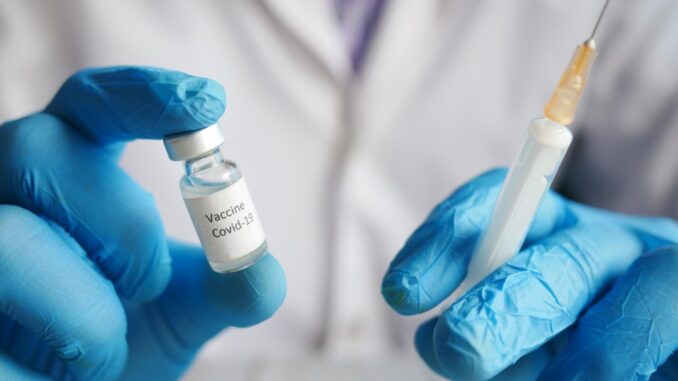

Abstract
The oversight of vaccines represents a critical intersection of public health, scientific innovation, and regulatory governance. This report undertakes a comprehensive analysis of the evolving landscape of vaccine regulation, particularly within the context of the U.S. Food and Drug Administration’s (FDA) increasingly stringent standards for approval. It meticulously dissects the intricate global and national regulatory frameworks that govern vaccine development, approval, and post-market monitoring. Furthermore, the report illuminates the distinct yet complementary roles played by pivotal agencies such as the FDA, the Centers for Disease Control and Prevention (CDC), and the World Health Organization (WHO), evaluating their mechanisms for ensuring vaccine safety and efficacy. A significant focus is placed on the inherent challenges in reconciling the imperative for rapid innovation, especially during public health emergencies, with the unwavering demand for rigorous safety protocols. The report also meticulously traces the evolution of post-market surveillance systems, highlighting technological advancements and international collaborations. Finally, it critically assesses the profound impact of public trust on regulatory policy, exploring factors that influence public confidence and strategies designed to fortify it, recognizing its indispensable role in the success of global immunization efforts.
Many thanks to our sponsor Esdebe who helped us prepare this research report.
1. Introduction
Vaccines stand as one of humanity’s most profound public health achievements, having eradicated smallpox, brought polio to the brink of elimination, and significantly reduced the burden of numerous infectious diseases worldwide. Their unparalleled impact on global health and longevity underscores the paramount importance of robust regulatory oversight. The journey from vaccine concept to widespread public use is a lengthy, complex, and highly regulated process, meticulously designed to ensure both safety and efficacy. In recent years, particularly in the wake of the COVID-19 pandemic, the dynamics of vaccine regulation have witnessed unprecedented acceleration and scrutiny, leading to significant shifts in established paradigms.
The U.S. Food and Drug Administration (FDA), a globally recognized benchmark for regulatory excellence, has been at the forefront of these transformations. Its recent implementation of more stringent standards for vaccine approval, notably for certain demographics, signals a recalibration aimed at harmonizing the urgency of innovation with the fundamental principles of evidence-based public health. This report offers an in-depth, multi-faceted analysis of the contemporary state of vaccine oversight. It commences with an exploration of the overarching regulatory frameworks that govern vaccine development and approval on both global and national scales. It then delves into the specific responsibilities and collaborative efforts of key public health agencies, examining the delicate balance required to foster rapid scientific advancement while upholding rigorous safety and ethical standards. A dedicated section elucidates the evolution and critical importance of post-market surveillance systems, which serve as the ultimate arbiters of real-world vaccine performance and safety. Finally, the report investigates the intricate relationship between public trust and regulatory policy, acknowledging that scientific consensus, however robust, is insufficient without the sustained confidence of the populace. Through this comprehensive examination, the report aims to provide a granular understanding of the intricate mechanisms that safeguard the integrity of vaccines, from laboratory bench to global immunization campaigns.
Many thanks to our sponsor Esdebe who helped us prepare this research report.
2. Regulatory Frameworks Governing Vaccine Development and Approval
The development and approval of vaccines are governed by a complex web of regulatory frameworks, designed to ensure that only safe, effective, and high-quality products reach the public. These frameworks operate at global, regional, and national levels, often interlocking to create a comprehensive system of oversight.
2.1 Global Regulatory Frameworks
The World Health Organization (WHO) plays an indispensable leadership role in establishing global norms and standards for vaccine quality, safety, and efficacy. While WHO does not directly approve vaccines for national use, its influence is profound through various mechanisms:
- Norms and Standards Setting: WHO develops and disseminates international guidelines, recommendations, and reference materials that serve as benchmarks for national regulatory authorities (NRAs) worldwide. These include guidelines for good manufacturing practices (GMP), good clinical practices (GCP), good laboratory practices (GLP), and specific requirements for the evaluation of particular vaccine types. The aim is to promote harmonization of regulatory approaches, facilitating global trade and ensuring consistent quality across borders.
- Global Vaccine Safety Initiative (GVSI): Launched to promote and support the establishment of robust national pharmacovigilance systems, the GVSI provides a strategic plan for strengthening vaccine safety activities globally. It focuses on building national capacity in vaccine safety surveillance, causality assessment, and risk communication, particularly in low- and middle-income countries (LMICs). This initiative recognizes that effective post-market surveillance is critical globally to detect rare adverse events that may not be apparent in pre-approval clinical trials (who.int).
- Prequalification Programme: For vaccines intended for procurement by UN agencies (like UNICEF, GAVI), WHO conducts an independent assessment and inspection process known as prequalification. This involves rigorous evaluation of clinical data, manufacturing facilities, and quality management systems to ensure that the vaccines meet international standards of quality, safety, and efficacy. Prequalification significantly streamlines the procurement process and assures recipient countries of the quality of supplied vaccines.
- Emergency Use Listing (EUL): During public health emergencies, the WHO can issue an Emergency Use Listing (EUL) for vaccines and other health products that lack full regulatory approval but meet necessary criteria for safety and efficacy. This mechanism expedites the availability of critical tools while maintaining a scientific assessment of benefits and risks, as seen during the COVID-19 pandemic (who.int).
- International Collaboration: WHO fosters collaboration among NRAs, facilitating the sharing of information, best practices, and regulatory decisions through networks like the Global Collaboration for Blood Safety (GCBS) and various working groups under the Global Advisory Committee on Vaccine Safety (GACVS). This global synergy is vital for identifying and responding to international safety signals rapidly.
Beyond WHO, other international bodies and regional consortia contribute to global harmonization. The International Council for Harmonisation of Technical Requirements for Pharmaceuticals for Human Use (ICH) develops globally harmonized guidelines for drug and biologics development, covering areas like quality, safety, efficacy, and multidisciplinary aspects. Although not legally binding, ICH guidelines are widely adopted by major regulatory authorities, fostering efficiency and reducing duplication of effort in vaccine development and registration across different regions.
2.2 National Regulatory Frameworks
Each sovereign nation maintains its own national regulatory authority (NRA) responsible for approving and overseeing vaccines within its borders. In the United States, this critical function falls primarily under the purview of the Food and Drug Administration (FDA), specifically its Center for Biologics Evaluation and Research (CBER). CBER is responsible for ensuring the safety, purity, potency, and effectiveness of vaccines and other biological products.
The FDA’s regulatory framework for vaccine development and approval is a multi-stage, evidence-driven process:
-
Discovery and Preclinical Research: This initial stage involves intensive laboratory and animal studies. Researchers identify potential vaccine candidates and conduct extensive in vitro (cell culture) and in vivo (animal models) experiments. The goals are to understand the immune response generated by the candidate vaccine, assess its potential efficacy, and identify any preliminary safety concerns or toxicities. Studies include immunogenicity assays, challenge studies in animals, and dose-ranging studies to determine optimal formulation. Comprehensive toxicology studies are performed to predict potential adverse effects in humans. All these activities are conducted under Good Laboratory Practices (GLP) to ensure the quality and integrity of non-clinical safety data. If preclinical data are promising, the manufacturer submits an Investigational New Drug (IND) application to the FDA, proposing human clinical trials and outlining the manufacturing process, quality control, and preclinical safety data. The FDA reviews the IND to ensure that the proposed clinical trials are reasonably safe to proceed and have scientific merit.
-
Clinical Trials (Human Studies): Once the IND is approved, the vaccine candidate enters clinical development, which typically proceeds in three phases:
- Phase 1 Trials: These are small-scale studies (typically 20-100 healthy volunteers) designed to evaluate the vaccine’s safety profile, determine optimal dosage, and assess the initial immune response (immunogenicity) in humans. These trials are often unblinded or single-blinded and primarily focus on dose-escalation and detecting common adverse events. Ethical review by an Institutional Review Board (IRB) is mandatory to protect human subjects.
- Phase 2 Trials: Involving a larger group of volunteers (hundreds), these trials further assess safety, immunogenicity, and start to explore preliminary efficacy. Different age groups or populations may be included. These studies are often randomized, placebo-controlled, and double-blinded to minimize bias. Data from Phase 2 informs the design of larger, pivotal Phase 3 trials.
- Phase 3 Trials: These are large-scale, pivotal studies involving thousands to tens of thousands of participants globally. The primary objective is to definitively confirm vaccine efficacy, further establish its safety profile, and detect less common adverse events that might not have been observed in smaller trials. These are typically randomized, double-blinded, and placebo-controlled (or comparator-controlled) trials. The chosen endpoints must be clinically relevant, such as prevention of disease, reduction in severity, or prevention of infection. These trials are conducted under strict Good Clinical Practices (GCP), which are international ethical and scientific quality standards for designing, conducting, recording, and reporting trials involving human subjects (cdc.gov).
-
Biologics License Application (BLA): Upon successful completion of Phase 3 clinical trials, the manufacturer submits a comprehensive Biologics License Application (BLA) to the FDA. The BLA is a voluminous document containing all preclinical, clinical, and manufacturing data, as well as proposed labeling. The FDA’s CBER staff, including physicians, scientists, and statisticians, meticulously review every aspect of the submission, assessing the vaccine’s safety, purity, potency, and effectiveness. An integral part of the review includes assessing the manufacturing process and facilities to ensure compliance with Good Manufacturing Practices (GMP), guaranteeing consistent product quality and sterility. Often, an independent expert advisory committee (e.g., Vaccines and Related Biological Products Advisory Committee – VRBPAC) convenes publicly to review the data and provide non-binding recommendations to the FDA. This public deliberation enhances transparency and incorporates external scientific expertise. The review process also considers the risk-benefit profile of the vaccine for the proposed target population (cdc.gov, fdaguidelines.com).
-
Post-Market Surveillance: Even after a vaccine receives FDA approval and is licensed for public use, monitoring for safety and effectiveness continues indefinitely. This crucial stage, known as post-market surveillance or pharmacovigilance, is designed to detect rare or long-term adverse events that may not have been observed in clinical trials due to sample size or trial duration. It also assesses vaccine effectiveness in real-world settings, which may differ from controlled trial conditions. This ongoing monitoring informs regulatory decisions, such as labeling updates, risk management plans, or, in rare cases, withdrawal of the vaccine from the market.
2.3 Recent Developments in FDA Vaccine Approval Standards
The COVID-19 pandemic catalyzed an unprecedented acceleration in vaccine development and regulatory review, leading to the use of accelerated approval pathways and Emergency Use Authorizations (EUAs). While these mechanisms were vital in responding to an urgent public health crisis, they also highlighted areas for potential refinement in vaccine oversight, particularly as the pandemic evolved from an acute emergency to a more endemic state.
In a significant shift announced in May 2025, the FDA articulated stricter guidelines for the approval of COVID-19 vaccines, specifically targeting healthy adults under 65. The agency now mandates new clinical trials demonstrating not just an adequate immune response (like antibody production) but also clear clinical benefit – i.e., prevention of symptomatic disease, severe outcomes, or transmission – before granting full approval for this demographic (cnbc.com). This move represents a strategic pivot, reflecting several evolving considerations:
- Evolving Epidemiology: As the pandemic progressed, the risk profile of COVID-19 significantly changed for younger, healthy adults, especially with widespread prior infection and vaccination providing a degree of foundational immunity. The circulating variants often presented with milder disease in this population, altering the risk-benefit calculus for additional boosters based solely on antibody correlates.
- Requirement for Definitive Clinical Endpoints: The initial COVID-19 vaccines received full approvals or EUAs based on their ability to prevent symptomatic disease and severe outcomes. However, for subsequent boosters or updated formulations, especially against new variants, approvals sometimes leveraged immunobridging studies that compared antibody responses to previously approved vaccines. The FDA’s new stance suggests that for healthy adults under 65, where the immediate threat of severe disease may be lower, merely demonstrating comparable antibody levels might no longer be sufficient. Instead, direct clinical efficacy data demonstrating a reduction in a meaningful clinical endpoint (e.g., symptomatic infection, hospitalization) is now required.
- Balancing Public Health Urgency with Rigorous Evidence: This decision signals a return to a more traditional, evidence-based approach once the most acute phase of the pandemic has subsided for specific demographics. It acknowledges that while speed was critical during the emergency, ongoing regulatory decisions must be grounded in the highest standard of clinical evidence, especially when considering populations with different baseline risks.
- Addressing Efficacy Uncertainty: Surrogate endpoints, like antibody levels, are valuable tools for accelerated approval but can sometimes be imperfect predictors of real-world clinical benefit, particularly for rapidly evolving pathogens. The demand for clear clinical evidence aims to reduce this uncertainty and ensure that the benefits of vaccination demonstrably outweigh potential, albeit rare, risks in a lower-risk population (congress.gov).
This policy evolution underscores the dynamic nature of vaccine regulation, which must continually adapt to scientific advancements, epidemiological shifts, and public health needs. It reflects the FDA’s commitment to maintaining robust safety and efficacy standards while learning from the unprecedented challenges and innovations of the pandemic era.
Many thanks to our sponsor Esdebe who helped us prepare this research report.
3. Roles of Key Agencies in Vaccine Oversight
The intricate web of vaccine oversight involves several key agencies, each with distinct mandates but often collaborating closely to ensure vaccine safety, efficacy, and appropriate public health deployment.
3.1 U.S. Food and Drug Administration (FDA)
The FDA, through its Center for Biologics Evaluation and Research (CBER), stands as the primary regulatory authority for vaccines in the United States. Its responsibilities span the entire lifecycle of a vaccine, from initial research to post-market surveillance. CBER’s organizational structure includes several key offices, such as the Office of Vaccines Research and Review (OVRR), which is responsible for product review and approval, and the Office of Compliance and Biologics Quality (OCBQ), which oversees manufacturing and compliance.
- Reviewing Clinical Data: CBER scientists, including medical officers, statisticians, microbiologists, and immunologists, conduct an exhaustive review of all data submitted in a Biologics License Application (BLA). This includes detailed analysis of preclinical studies, all phases of clinical trials (Phase 1, 2, and 3), and summaries of pharmacovigilance data. They assess not only the primary endpoints for efficacy (e.g., prevention of disease) but also a wide array of safety parameters, scrutinizing adverse event profiles across different demographics. The review process is iterative, often involving extensive communication with the manufacturer to request additional data or clarification.
- Manufacturing Oversight: A critical component of the FDA’s role is ensuring that vaccines are consistently manufactured to the highest quality standards. This involves rigorous enforcement of Good Manufacturing Practices (GMP). GMP regulations cover all aspects of vaccine production, including facility design and maintenance, raw material control, equipment qualification, personnel training, documentation, process validation, and quality control testing of intermediate and final products. FDA inspectors conduct pre-approval and routine post-approval inspections of manufacturing facilities globally to verify compliance. Furthermore, the FDA requires lot release testing, where samples from each vaccine lot are submitted to CBER for independent testing alongside the manufacturer’s own quality control data, ensuring purity, potency, and safety before release to the public. This dual testing mechanism provides an additional layer of assurance regarding product quality.
- Post-Market Surveillance: Even after a vaccine is approved and made available, the FDA’s oversight continues through robust post-market surveillance programs. The agency actively monitors for adverse events, evaluates vaccine effectiveness in real-world settings, and identifies any new safety signals that may emerge after broader use. This involves analyzing data from various sources, including passive reporting systems (like VAERS), active surveillance systems (like the Sentinel Initiative and VSD, in collaboration with CDC), and manufacturer reports. If a safety signal is detected, the FDA conducts further investigations, which could lead to labeling changes, risk management plans, or, in rare circumstances, withdrawal of the vaccine. The FDA also participates in international collaborations for post-market surveillance, sharing data and insights with global regulatory partners.
3.2 Centers for Disease Control and Prevention (CDC)
The CDC, a leading national public health agency, plays a complementary but distinct role in vaccine oversight, focusing primarily on public health recommendations, implementation, and ongoing safety monitoring in the U.S. population.
- Advisory Committee on Immunization Practices (ACIP): The ACIP is a committee of medical and public health experts that develops detailed recommendations for vaccine use in the U.S. population. Once the FDA licenses a vaccine, ACIP reviews comprehensive data from clinical trials, vaccine effectiveness studies, and safety monitoring systems. They consider factors beyond just safety and efficacy, including disease burden, vaccine supply, economic analyses, and programmatic feasibility. ACIP’s recommendations inform federal, state, and local vaccination policies, including the national childhood immunization schedule. Their decision-making process is transparent, often involving public meetings and detailed justifications based on the GRADE (Grading of Recommendations Assessment, Development and Evaluation) framework, which systematically evaluates the quality of evidence and strength of recommendations (cdc.gov).
- Vaccine Safety Monitoring: The CDC operates and collaborates on several key systems for monitoring vaccine safety post-approval:
- Vaccine Adverse Event Reporting System (VAERS): Co-managed with the FDA, VAERS is a national passive surveillance system that collects reports of adverse events following vaccination from healthcare providers, vaccine manufacturers, and the public. While VAERS data cannot establish causation (meaning, a report doesn’t prove the vaccine caused the event), it serves as an early warning system to detect unusual patterns or potential safety signals that warrant further investigation. Data from VAERS is regularly analyzed for trends and used to generate hypotheses for more in-depth studies (cdc.gov).
- Vaccine Safety Datalink (VSD): This is an active surveillance system, a collaboration between the CDC and several integrated healthcare organizations across the U.S. The VSD utilizes linked electronic health records, including vaccination records, medical diagnoses, laboratory results, and demographic data for millions of people. This robust dataset allows for rapid, pre-planned studies to assess specific vaccine safety questions and conduct rapid cycle analyses to quickly detect potential adverse events after vaccine introduction. VSD can establish incidence rates and compare vaccinated versus unvaccinated cohorts, providing stronger evidence for potential associations (cdc.gov).
- Clinical Immunization Safety Assessment (CISA) Project: The CISA project is a national network of vaccine safety experts at medical research centers that provides clinical consultation and conducts research on complex or unusual vaccine adverse events reported in individuals. CISA offers expert opinion to healthcare providers and works with CDC to investigate specific vaccine safety concerns, filling a crucial gap where routine surveillance systems may lack the detailed clinical information needed for causality assessment in individual cases (cdc.gov).
- Public Health Implementation and Communication: The CDC is instrumental in translating ACIP recommendations into practical immunization programs, developing vaccine storage and handling guidelines, and providing extensive educational resources for healthcare providers and the public. It also plays a vital role in epidemiological surveillance of vaccine-preventable diseases, tracking disease incidence and outbreak responses, which in turn informs vaccine policy and effectiveness assessments.
3.3 World Health Organization (WHO)
As previously noted, the WHO provides global leadership in vaccine safety and efficacy, particularly in fostering robust regulatory systems and promoting equitable access to quality vaccines worldwide.
- Global Vaccine Safety Initiative (GVSI): Beyond promoting national capacity, GVSI fosters a systematic approach to vaccine pharmacovigilance, encouraging the adoption of standardized methods for data collection, analysis, and communication of vaccine safety information globally. It supports the development of regional and global vaccine safety monitoring networks.
- Regulatory Frameworks and Capacity Building: WHO develops and disseminates a broad range of regulatory guidelines, from vaccine prequalification criteria to frameworks for establishing and strengthening national regulatory authorities. It actively supports LMICs in building their regulatory capacity through training, technical assistance, and facilitating regulatory reliance and recognition, which can accelerate access to essential vaccines in countries with limited resources. The goal is to ensure that all countries have the necessary infrastructure and expertise to assess and manage vaccine safety and quality effectively (who.int).
- Global Advisory Committee on Vaccine Safety (GACVS): The GACVS is an independent expert committee that provides scientific advice to WHO on vaccine safety issues of global importance. It reviews vaccine safety data, addresses specific safety concerns, and issues statements and recommendations that inform global public health policy. GACVS plays a critical role in evaluating emerging safety signals and providing evidence-based guidance during vaccine crises.
3.4 Other Key Stakeholders
While FDA and CDC are central, other entities contribute to the broader ecosystem of vaccine oversight:
- National Institutes of Health (NIH): The NIH, particularly the National Institute of Allergy and Infectious Diseases (NIAID), is a primary funder of basic and translational research into infectious diseases and vaccine candidates. NIH scientists conduct foundational research and often lead early-stage clinical trials, feeding promising candidates into the regulatory pipeline (niaid.nih.gov).
- Vaccine Manufacturers: These companies bear the primary responsibility for the discovery, development, manufacturing, and initial safety monitoring of vaccines. They fund the vast majority of preclinical and clinical research, submit BLAs, and are required to report adverse events to the FDA.
- Academic Institutions: Universities and research centers contribute significantly to basic science, preclinical research, clinical trial conduct, and independent post-market safety and effectiveness studies.
The coordinated efforts of these agencies and stakeholders are essential for ensuring that vaccines remain a safe and effective tool for public health.
Many thanks to our sponsor Esdebe who helped us prepare this research report.
4. Balancing Rapid Innovation with Rigorous Safety Protocols
The landscape of vaccine development is characterized by a persistent tension between the desire for rapid innovation, especially pronounced during public health crises, and the imperative for rigorous safety and efficacy evaluation. Regulators must navigate this complex dynamic, leveraging various pathways to accelerate access to critical medical interventions without compromising the fundamental principles of patient safety.
4.1 Accelerated Approval Pathways
To address unmet medical needs, particularly for serious or life-threatening conditions, regulatory agencies have established several expedited programs that aim to shorten the development and review period for promising new drugs and biologics. These pathways were critically utilized and expanded during the COVID-19 pandemic, demonstrating their utility but also highlighting their inherent challenges.
In the U.S., the FDA employs several mechanisms:
- Fast Track Designation: This designation is granted to therapies (including vaccines) that address serious conditions and have the potential to fill an unmet medical need. It facilitates early and frequent communication between the FDA and the sponsor, allowing for rolling review (submission of BLA sections as they are completed, rather than waiting for the entire package).
- Breakthrough Therapy Designation: For therapies that treat a serious condition and preliminary clinical evidence suggests substantial improvement over existing therapies, this designation offers intensive guidance from the FDA and organizational commitment, similar to Fast Track, but with a higher bar for preliminary evidence of effectiveness.
- Priority Review: Once a BLA is submitted, a Priority Review designation indicates that the FDA intends to take action on the application within 6 months, compared to the standard 10 months. This is granted to products that offer significant improvements in the treatment, diagnosis, or prevention of serious conditions.
- Accelerated Approval: This pathway allows for the approval of drugs and biologics for serious conditions based on a surrogate endpoint that is reasonably likely to predict a clinical benefit, rather than waiting for definitive clinical outcome data. A surrogate endpoint is a laboratory or physical sign that is thought to predict a clinical benefit (e.g., reduction in tumor size, viral load, or, in the case of vaccines, antibody titers). This mechanism provides earlier patient access but requires confirmatory trials to verify the predicted clinical benefit. If confirmatory trials fail, the FDA can withdraw the approval. The use of immunogenicity data as a surrogate for clinical efficacy was frequently employed for COVID-19 vaccine updates and boosters.
- Emergency Use Authorization (EUA): Unique to public health emergencies, an EUA allows the FDA to authorize the use of unapproved medical products, or unapproved uses of approved products, based on an assessment that the known and potential benefits outweigh the known and potential risks. The legal standard for EUA is lower than for full BLA approval: there must be sufficient evidence of effectiveness (it is ‘reasonable to believe’ the product may be effective), and the benefits must outweigh the risks, considering the emergency circumstances (congress.gov). EUAs are temporary and automatically terminate when the emergency declaration ends or when full approval is granted. This pathway was instrumental in rapidly deploying COVID-19 vaccines but also introduced challenges regarding public perception of regulatory rigor.
These expedited pathways, supported by legislative acts like the 21st Century Cures Act and initiatives like Project BioShield, aim to get critical interventions to patients faster while maintaining a commitment to safety and efficacy. However, they inherently involve a higher degree of uncertainty at the time of initial authorization or approval, shifting some of the evidence generation to the post-market phase.
4.2 Challenges in Balancing Speed and Safety
The tension between accelerating vaccine development and ensuring comprehensive safety and efficacy presents several inherent challenges:
- Efficacy Uncertainty from Surrogate Endpoints: While surrogate endpoints are valuable for rapid development, they are not always perfect predictors of long-term or real-world clinical benefit. For instance, antibody levels may correlate with protection against initial infection but might not fully predict protection against severe disease from new variants, or the duration of protection. The recent FDA shift requiring clinical benefit for COVID-19 vaccines in healthy adults under 65 directly addresses this challenge, moving beyond reliance solely on immunogenicity data for certain contexts. This reflects a recognition that a higher standard of evidence is appropriate when the acute emergency phase subsides, and when considering populations where the disease risk itself is lower.
- Detection of Rare Adverse Events: Even large Phase 3 clinical trials, involving tens of thousands of participants, may not be large enough or long enough to detect very rare adverse events (e.g., those occurring in 1 in 10,000 or 1 in 100,000 vaccinations) or adverse events with a long latency period. Rapid deployment under accelerated pathways or EUAs means these events are often discovered only when millions of people have been vaccinated in the real world. This necessitates extremely robust post-market surveillance systems and effective risk communication strategies. Examples include the detection of myocarditis/pericarditis with mRNA COVID-19 vaccines, or Guillain-Barré syndrome with certain influenza vaccines, which were identified through post-market surveillance after widespread use.
- Manufacturing Scale-up and Quality Control: Rapid development often requires unprecedented scale-up of manufacturing processes. Ensuring consistent quality, sterility, and potency across billions of doses produced by multiple sites, often in parallel, can be challenging. Deviations in manufacturing, even minor ones, can impact product integrity. Regulatory agencies must expand their oversight capacity to conduct more frequent and thorough inspections globally, a task made complex by supply chain intricacies and geographical distribution.
- Ethical and Communication Dilemmas: During pandemics, decisions made under urgency can lead to ethical dilemmas, such as who receives early access to limited vaccine supplies or how to transparently communicate uncertainties regarding efficacy or rare risks. The public’s understanding of different approval standards (EUA vs. full BLA) can be limited, potentially eroding trust if not communicated clearly and consistently. The need to adapt recommendations rapidly as new data emerges (e.g., booster recommendations, age group expansions) can also fuel public confusion and skepticism.
- The ‘Learning Curve’ for Novel Technologies: New vaccine platforms, such as mRNA technology, while offering rapid adaptability, also require regulators to quickly develop expertise and adjust their evaluation frameworks. While the fundamental principles of safety and efficacy remain, the specific assays, manufacturing controls, and long-term data collection strategies may need refinement as experience with the new technology grows.
Striking the right balance requires adaptive regulatory science, continuous investment in surveillance infrastructure, open communication with the public, and a willingness to adjust policies based on accumulating evidence. It’s a dynamic equilibrium, constantly being reassessed in light of scientific progress and public health needs (arxiv.org).
Many thanks to our sponsor Esdebe who helped us prepare this research report.
5. Evolution of Post-Market Surveillance
Post-market surveillance, or pharmacovigilance, is an indispensable phase in the lifecycle of any vaccine. It serves as the ultimate real-world test, complementing and extending the data gathered during preclinical and clinical trials. Its evolution, driven by technological advancements and global collaboration, has significantly enhanced our ability to ensure long-term vaccine safety and effectiveness.
5.1 Importance of Post-Market Surveillance
Even the most rigorously conducted Phase 3 clinical trials have inherent limitations. They typically involve a defined number of participants for a finite duration, making it challenging to detect:
- Rare Adverse Events (RAEs): Events that occur at rates of 1 in 10,000, 1 in 100,000, or even rarer, are unlikely to be observed in trials of 30,000-50,000 participants. It’s only when millions of people receive a vaccine that these very rare events become statistically detectable.
- Adverse Events with Long Latency: Some adverse effects may manifest weeks, months, or even years after vaccination. Clinical trials, with their typically shorter follow-up periods, might miss these.
- Interactions with Concomitant Medications or Underlying Conditions: Real-world populations are heterogeneous. Vaccines are administered to individuals with various health conditions, genetic predispositions, and concurrent medications, which may influence their response to the vaccine or the likelihood of an adverse event. These complex interactions are difficult to fully assess in controlled trial environments.
- Variations in Real-World Effectiveness: Vaccine efficacy observed in controlled clinical trials (how well a vaccine performs under ideal conditions) may differ from vaccine effectiveness in the general population (how well it performs under real-world conditions), due to factors like vaccine storage, administration practices, population adherence, or circulating variants. Post-market surveillance helps assess this real-world impact.
- New Safety Signals and Causal Relationships: Post-market surveillance allows for the detection of signals of potential safety issues. These signals then trigger further investigation using robust epidemiological methods to determine if a causal relationship exists between the vaccine and the adverse event.
Therefore, post-market surveillance is crucial for continuous risk-benefit assessment, allowing regulatory authorities to make informed decisions about labeling updates, risk management plans, or, in rare cases, withdrawal of a vaccine if new, significant safety concerns emerge.
5.2 Enhancements in Surveillance Systems
Over the past decades, vaccine safety surveillance has undergone significant enhancements, moving from largely passive reporting to more sophisticated, integrated, and active systems, often leveraging big data and advanced analytics.
-
Passive Surveillance Systems (e.g., VAERS): The Vaccine Adverse Event Reporting System (VAERS) in the U.S., co-managed by the CDC and FDA, remains a foundational component. It allows healthcare providers, manufacturers, and the public to report any adverse event that occurs after vaccination. While valuable for generating hypotheses and detecting initial signals, VAERS has limitations due to its passive nature (underreporting, reporting bias) and inability to establish causality from individual reports. However, improvements have been made in data standardization and accessibility, allowing for more systematic analysis of aggregated reports.
-
Active Surveillance Systems (e.g., VSD, Sentinel Initiative): These systems represent a significant advancement. They proactively collect health data from large, defined populations, often through electronic health records, insurance claims, and immunization registries. This allows for rapid-cycle analyses, direct comparison of vaccinated and unvaccinated groups, and the calculation of incidence rates of specific adverse events.
- Vaccine Safety Datalink (VSD): The VSD, a collaboration between the CDC and several U.S. healthcare organizations, is a prime example of an active surveillance system. It links vaccination records with comprehensive electronic health data for over 12 million individuals. This powerful dataset enables near real-time monitoring of vaccine safety, allowing researchers to conduct large, rapid, and statistically robust studies to investigate specific safety concerns and confirm or refute signals identified by passive systems. VSD has been instrumental in evaluating the safety of many routinely recommended vaccines, including influenza, HPV, and MMR vaccines, and more recently, COVID-19 vaccines (cdc.gov).
- FDA’s Sentinel Initiative: The FDA’s Sentinel Initiative is a broader national surveillance system that taps into vast amounts of electronic healthcare data (from administrative claims, electronic health records) for real-time monitoring of the safety of regulated medical products, including vaccines. Sentinel uses advanced analytical tools to actively search for potential safety signals, allowing the FDA to quickly investigate concerns that emerge from spontaneous reports or other sources. It complements VSD by providing an even larger data infrastructure for diverse safety questions across a wider range of products (fda.gov).
-
Real-Time Data Analysis and Big Data Analytics: The integration of large, diverse datasets (clinical trial data, electronic health records, claims data, registries) with advanced epidemiological methods and machine learning algorithms has transformed post-market surveillance. These tools allow for rapid signal detection, more precise risk estimation, and identification of specific risk factors or subgroups. For example, during the COVID-19 pandemic, real-time analysis of millions of vaccine recipients allowed for the quick identification and characterization of rare adverse events like myocarditis, leading to updated clinical guidance and risk communication.
-
Global Collaboration and Harmonization: International cooperation has become paramount in vaccine safety. Initiatives like the WHO’s Global Vaccine Safety Initiative (GVSI) and the WHO Global Advisory Committee on Vaccine Safety (GACVS) facilitate the sharing of safety data, best practices, and regulatory intelligence across countries. Key aspects include:
- Standardization of Reporting: Promoting common data elements and reporting formats to enable easier aggregation and comparison of data across different national systems.
- Global Databases: The Uppsala Monitoring Centre (UMC), which manages the WHO global individual case safety report (ICSR) database (VigiBase), is a central hub for vaccine adverse event reports from over 150 countries. This global repository allows for detection of safety signals that might only emerge with cumulative worldwide exposure.
- Rapid Response Networks: Establishing networks of experts and regulatory bodies that can quickly share information and coordinate responses to international safety alerts, ensuring a harmonized approach to risk management and communication.
- Regulatory Reliance: Major NRAs increasingly rely on the assessments and decisions of other trusted regulatory authorities, particularly for products already evaluated by stringent agencies. This can expedite access to safe and effective vaccines globally.
These enhancements in post-market surveillance are critical not only for identifying safety concerns but also for maintaining public confidence in vaccination programs. Transparently detecting and addressing safety signals, even rare ones, reinforces the commitment of regulatory bodies to public health and safety, distinguishing between true risks and mere temporal associations.
Many thanks to our sponsor Esdebe who helped us prepare this research report.
6. Impact of Public Trust on Regulatory Policy
Public trust is the bedrock upon which successful vaccination programs are built. Without it, even the most scientifically sound and rigorously tested vaccines will fail to achieve their public health potential. The perception of vaccine safety, efficacy, and the integrity of the regulatory processes profoundly influences vaccination rates, which in turn dictate the collective immunity of a population and its resilience against infectious diseases. In an era of rapid information dissemination and pervasive misinformation, understanding and actively fostering public trust is more critical than ever, directly shaping regulatory policy and its implementation.
6.1 Importance of Public Trust
Vaccine hesitancy, defined by WHO as a ‘delay in acceptance or refusal of vaccination despite availability of vaccination services,’ is a complex phenomenon driven by various factors, including mistrust in vaccines, healthcare systems, governments, or scientific authorities. When public trust erodes, several detrimental outcomes can manifest:
- Decreased Vaccination Rates: Lower uptake of recommended vaccines leads to reduced herd immunity, making populations more vulnerable to outbreaks of vaccine-preventable diseases. This can result in increased morbidity, mortality, and economic burden.
- Re-emergence of Diseases: Historically controlled or eliminated diseases can resurface, posing significant threats, especially to vulnerable groups who cannot be vaccinated (e.g., infants, immunocompromised individuals).
- Challenges in Emergency Response: During pandemics, a lack of public trust can severely impede the rollout of life-saving vaccines, prolonging public health crises and exacerbating societal disruption.
- Political and Social Instability: Public health measures, when perceived as untrustworthy or coercive, can become politicized, leading to social unrest and diminished faith in public institutions.
Conversely, high levels of public trust enable broad acceptance of vaccination recommendations, facilitate rapid response to emerging health threats, and foster a more resilient and healthier society.
6.2 Factors Influencing Public Trust
Public trust in vaccines and regulatory bodies is a multi-layered construct influenced by a dynamic interplay of individual, community, and systemic factors:
- Transparency of Regulatory Processes: The public needs to understand how vaccines are developed, reviewed, and monitored. When regulatory processes are opaque, or perceived to be influenced by external pressures (e.g., pharmaceutical industry, political agendas), trust can falter. Clear communication about the different stages of approval (e.g., EUA vs. full licensure), the nature of clinical trials, and the mechanisms for post-market surveillance is vital. Access to clinical trial data, where appropriate, can also enhance confidence.
- Regulatory Integrity and Independence: Public confidence hinges on the belief that regulatory agencies make decisions based solely on robust scientific evidence, free from undue influence. Perceived conflicts of interest (e.g., financial ties between regulators and industry) or political interference in scientific decision-making can severely damage credibility. The independence and scientific expertise of advisory committees, which openly deliberate on vaccine data, are crucial in reinforcing this integrity.
- Consistency and Clarity of Communication: Mixed messages from different authorities, frequent changes in recommendations without clear explanations, or overly complex scientific jargon can breed confusion and distrust. Consistent, clear, and empathetic communication from trusted sources (e.g., healthcare providers, reputable public health agencies) is paramount.
- Experience with Healthcare System: Prior negative experiences with the healthcare system, particularly among marginalized communities, can translate into distrust of new health interventions like vaccines. Historical injustices (e.g., unethical research practices in the past) can foster deep-seated skepticism that requires deliberate and sustained efforts to overcome.
- Cultural, Social, and Religious Factors: Community beliefs, cultural norms, religious convictions, and personal values significantly shape attitudes toward vaccination. Ignoring or dismissing these factors can alienate segments of the population.
- Misinformation and Disinformation: The rapid spread of false or misleading information about vaccines, amplified by social media, is a major contemporary threat to public trust. Disinformation campaigns, often orchestrated to sow discord, can quickly undermine years of public health effort.
- Perceived Risk-Benefit Balance: Individuals weigh the perceived risks of vaccination against the perceived risks of the disease. If the disease burden is low, or if the vaccine’s risks are exaggerated (or benefits downplayed), vaccine hesitancy can increase. Transparently communicating the actual probabilities of both disease and vaccine adverse events is critical.
6.3 Strategies to Enhance Public Trust
To effectively counter the erosion of public trust and ensure the continued success of vaccination programs, regulatory agencies, public health organizations, and governments must proactively implement multi-faceted strategies:
- Engage in Comprehensive Public Education and Health Literacy Programs: Develop and disseminate accessible, culturally appropriate information about vaccines, explaining their benefits, safety mechanisms, and the rigorous regulatory oversight process. Utilize diverse communication channels, including traditional media, digital platforms, and community outreach. Focus on improving health literacy so individuals can critically evaluate health information.
- Ensure Radical Transparency and Open Science: Make clinical trial protocols, data summaries, and regulatory decision-making processes as open as possible, consistent with patient privacy and proprietary information. Hold public meetings for key regulatory decisions, publish detailed explanations for approvals or policy changes, and actively share post-market surveillance data. The FDA’s use of advisory committees, whose deliberations are often public, exemplifies this approach. Provide clear and easily understandable information about potential risks, however rare, and how they are monitored and managed.
- Foster Community Engagement and Co-creation: Actively involve community leaders, trusted local organizations, and diverse population groups in the development of vaccine communication strategies and public health campaigns. Address specific community concerns and historical grievances with empathy and respect. Co-creating solutions rather than imposing them can build bridges of trust.
- Reinforce Regulatory Independence and Scientific Integrity: Safeguard the independence of regulatory bodies from political and industry pressures. Ensure that regulatory decisions are made by expert scientists based solely on scientific evidence. Implement strict policies to manage conflicts of interest among advisory committee members and agency staff. Invest in strengthening scientific infrastructure and expertise within regulatory agencies to maintain a high level of scientific rigor.
- Combat Misinformation and Disinformation: Develop proactive strategies to identify, monitor, and effectively counteract false health information. Collaborate with social media platforms, fact-checking organizations, and journalists to disseminate accurate information and debunk myths quickly. Empower healthcare providers and public health professionals to be credible sources of information and engage in respectful dialogues with hesitant individuals.
- Empower Healthcare Providers as Trusted Messengers: Recognize that healthcare providers (doctors, nurses, pharmacists) are often the most trusted source of health information for patients. Provide them with accurate, up-to-date information, communication tools, and training to confidently address patient concerns and recommend vaccines. Their personal recommendation is a powerful driver of vaccine acceptance.
- Demonstrate Responsiveness and Accountability: When safety signals emerge, regulators must act swiftly, transparently investigate, communicate findings clearly, and implement necessary changes (e.g., updated labeling, new recommendations). This demonstrates accountability and a commitment to continuous safety monitoring, even if it means acknowledging uncertainties.
By prioritizing and investing in these strategies, regulatory bodies and public health agencies can cultivate and sustain the public trust that is essential for effective vaccination programs and, ultimately, for safeguarding global public health.
Many thanks to our sponsor Esdebe who helped us prepare this research report.
7. Conclusion
The oversight of vaccines is a perpetually evolving, multi-layered endeavor, fundamentally positioned at the nexus of scientific advancement, public health imperative, and societal trust. This report has underscored the profound complexity of navigating vaccine development, approval, and deployment, particularly in an era marked by both unprecedented innovation and heightened scrutiny. The U.S. FDA, alongside global partners like the WHO and national counterparts such as the CDC, operates within intricate regulatory frameworks designed to ensure the safety, efficacy, and quality of these life-saving interventions.
The recent recalibration of FDA standards for COVID-19 vaccine approval, particularly for healthy adults under 65, exemplifies the dynamic nature of regulatory policy. This shift, moving towards a demand for demonstrable clinical benefit beyond mere immune correlates, reflects a mature adaptation to evolving epidemiological contexts and a recommitment to the highest standards of evidence-based medicine once acute emergencies subside. Such adjustments highlight the inherent tension between accelerating innovation—a necessity during pandemics—and upholding rigorous safety protocols, a balance that requires continuous scientific vigilance and adaptive regulatory science.
Post-market surveillance, once a more passive function, has transformed into a sophisticated, active, and globally interconnected system. The advancements in real-time data analytics, the integration of large electronic healthcare databases through initiatives like the VSD and Sentinel, and intensified international collaboration via platforms like GVSI, have dramatically enhanced our ability to detect rare adverse events and assess real-world vaccine effectiveness. These robust systems are indispensable for generating the continuous evidence required for informed regulatory decisions and for maintaining confidence in immunization programs.
Crucially, the success of all regulatory and scientific endeavors ultimately hinges on public trust. Factors such as transparency, regulatory integrity, consistent communication, and effective engagement with diverse communities directly influence vaccine acceptance. In an environment susceptible to misinformation, actively building and sustaining this trust through open communication, scientific rigor, and a demonstrated commitment to public safety is paramount. Strategies focused on public education, ensuring regulatory independence, combating misinformation, and fostering community dialogue are not merely auxiliary measures but are foundational to achieving high vaccination coverage and safeguarding collective health.
In summation, the journey of a vaccine from laboratory to widespread public health impact is a testament to scientific ingenuity and regulatory diligence. Ongoing efforts to refine regulatory processes, enhance surveillance capabilities, and engage proactively and transparently with the public will be critical to navigating future public health challenges and ensuring that vaccines continue to serve as a cornerstone of global health security.
Many thanks to our sponsor Esdebe who helped us prepare this research report.
References
- Centers for Disease Control and Prevention. (2024). Developing Safe and Effective Vaccines. Retrieved from https://www.cdc.gov/vaccines-children/about/developing-safe-effective-vaccines.html
- Centers for Disease Control and Prevention. (2024). GRADE (Grading of Recommendations Assessment, Development and Evaluation). Retrieved from https://www.cdc.gov/vaccines/hcp/acip-recs/grade/index.html
- Centers for Disease Control and Prevention. (2024). How Vaccines are Developed and Approved for Use. Retrieved from https://www.cdc.gov/vaccines/basics/how-developed-approved.html
- Centers for Disease Control and Prevention. (2024). Vaccine Adverse Event Reporting System (VAERS). Retrieved from https://www.cdc.gov/vaccinesafety/ensuringsafety/monitoring/vaers/index.html
- Centers for Disease Control and Prevention. (2024). Vaccine Safety Datalink (VSD). Retrieved from https://www.cdc.gov/vaccinesafety/ensuringsafety/monitoring/vsd/index.html
- Centers for Disease Control and Prevention. (2024). The Clinical Immunization Safety Assessment (CISA) Project. Retrieved from https://www.cdc.gov/vaccinesafety/ensuringsafety/monitoring/cisa/index.html
- Food and Drug Administration. (2025). FDA outlines stricter Covid vaccine approval standards. CNBC. Retrieved from https://www.cnbc.com/2025/05/20/fda-stricter-covid-vaccine-approval.html
- Food and Drug Administration. (2025). FDA sets new COVID booster guidelines requiring trials for approvals for healthy adults. Reuters. Retrieved from https://www.reuters.com/business/healthcare-pharmaceuticals/fda-sets-new-covid-booster-guidelines-requiring-trials-approvals-healthy-adults-2025-05-20/
- Food and Drug Administration. (n.d.). FDA’s Sentinel Initiative. Retrieved from https://www.fda.gov/safety/fdas-sentinel-initiative
- Harmonizing Safety and Speed: A Human-Algorithm Approach to Enhance the FDA’s Medical Device Clearance Policy. (2024). arXiv. Retrieved from https://arxiv.org/abs/2407.11823
- National Institute of Allergy and Infectious Diseases. (2024). Developing Safe and Effective Vaccines. Retrieved from https://www.niaid.nih.gov/sites/default/files/pdp-generic-vaccine-2023.pdf
- U.S. Congress. (2024). Different FDA standards for EUA and full BLA approval? Retrieved from https://www.congress.gov/118/meeting/house/117004/documents/HHRG-118-VC00-20240321-SD007.pdf
- U.S. FDA Regulatory Framework Explained: Comprehensive Pharmaceutical & Clinical Compliance Guide 2025 – FDA Guidelines. (n.d.). Retrieved from https://www.fdaguidelines.com/u-s-fda-regulatory-framework-explained-comprehensive-pharmaceutical-clinical-compliance-guide-year/
- World Health Organization. (2024). Promoting a risk-based approach for the regulatory oversight of vaccines used in pandemics. Retrieved from https://www.who.int/news/item/30-03-2024-promoting-a-risk-based-approach-for-the-regulatory-oversight-of-vaccines-used-in-pandemics
- World Health Organization. (2024). Regulatory framework. Retrieved from https://www.who.int/initiatives/the-global-vaccine-safety-initiative/regulatory-framework
- World Health Organization. (2024). Statement for healthcare professionals: How COVID-19 vaccines are regulated for safety and effectiveness. Retrieved from https://www.who.int/news/item/17-05-2022-statement-for-healthcare-professionals-how-covid-19-vaccines-are-regulated-for-safety-and-effectiveness
- World Health Organization. (2024). The Global Vaccine Safety Initiative. Retrieved from https://www.who.int/initiatives/the-global-vaccine-safety-initiative
So, with post-market surveillance evolving into a sophisticated global network, are we essentially beta-testing vaccines on a planetary scale? Is the challenge now less about *detecting* rare events and more about communicating those rare risks effectively to maintain public trust?
That’s a thought-provoking question! The evolution of post-market surveillance definitely allows us to identify rare events with greater precision. Effectively communicating these rare risks is vital for maintaining public trust. It’s about transparency and ensuring everyone has the information needed to make informed decisions. Let’s discuss further!
Editor: MedTechNews.Uk
Thank you to our Sponsor Esdebe
The report highlights the crucial role of public trust. How can regulatory bodies better leverage community engagement and co-creation strategies to foster greater confidence in vaccine programs, particularly among historically marginalized or hesitant populations?
That’s a great point about community engagement! Building trust requires more than just transparency; it’s about actively involving communities in shaping the message and approach. Perhaps micro-grants could support community-led initiatives focused on vaccine education and access, fostering a sense of ownership and partnership. What are your thoughts?
Editor: MedTechNews.Uk
Thank you to our Sponsor Esdebe
Stringent FDA standards for healthy adults? Does this mean I can finally blame the kids for my next sniffle instead of the jab? What’s the new clinical trial protocol going to look like – a variant petri dish disguised as a family reunion?
That’s a humorous take on the situation! The new FDA standards are focusing on demonstrating clear clinical benefit, like preventing symptomatic illness, rather than solely relying on immune responses. It’s really about ensuring the risk-benefit profile is favorable, especially as the landscape evolves. I guess the blame game is still open to interpretation! Would love to hear your thoughts.
Editor: MedTechNews.Uk
Thank you to our Sponsor Esdebe
So, with all these agencies playing tag with public health, who gets the “it” badge when a rogue variant crashes the party? Is it a relay race, or a free-for-all blame game? Inquiring minds need to know!
That’s a very insightful question! It’s definitely more of a relay race, with each agency playing a vital role. Clear communication and coordination are key to ensure a smooth handoff, especially when dealing with unexpected challenges. Perhaps a more streamlined communication strategy could help reduce confusion and ensure a faster, more effective response. I welcome your thoughts!
Editor: MedTechNews.Uk
Thank you to our Sponsor Esdebe
This report rightly emphasizes the importance of transparency in vaccine regulation. Could we explore how regulatory bodies communicate complex scientific data to the public in a way that fosters understanding and trust, particularly when addressing uncertainties or rare adverse events?
That’s an excellent point about clear and understandable communication! Regulatory bodies have been working to improve accessibility of scientific data, but further efforts could involve leveraging infographics, videos, and plain language summaries, especially when discussing uncertainties. Let’s share examples of effective communication we’ve seen!
Editor: MedTechNews.Uk
Thank you to our Sponsor Esdebe
This is a comprehensive overview. The section on post-market surveillance highlights the essential role of continuous monitoring. Exploring the integration of artificial intelligence in analyzing post-market data could significantly enhance signal detection and risk assessment, potentially identifying subtle trends that might otherwise be missed.
Thanks for your comment! I agree that AI has huge potential in post-market surveillance. AI could help identify patterns and predict risks we might otherwise miss. This could lead to faster responses and safer vaccines. It’s an exciting area with lots of promise for improving public health.
Editor: MedTechNews.Uk
Thank you to our Sponsor Esdebe
“Stringent standards” – are we saying goodbye to ‘trust us, it works’ and hello to ‘prove it’? Perhaps we could offer regulators lie-detector tests to help them make decisions?