

Abstract
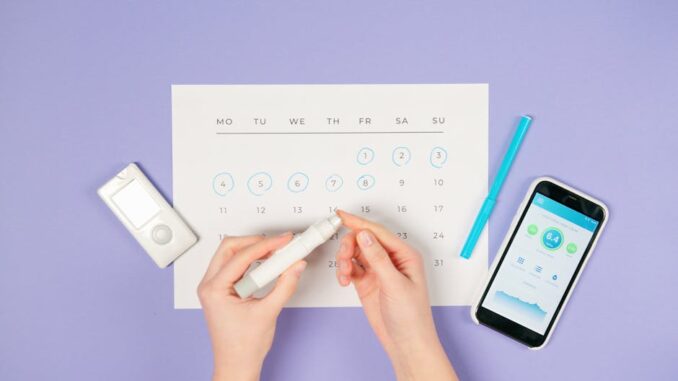
Continuous Glucose Monitors (CGMs) represent a pivotal innovation in the landscape of metabolic health management, fundamentally transforming the approach to diabetes care and extending insights into broader metabolic well-being. This comprehensive report meticulously explores the multifaceted aspects of CGMs, beginning with a detailed tracing of their technological evolution from rudimentary prototypes to sophisticated, miniaturized devices. It then systematically categorizes the diverse range of CGMs currently available, elucidating the nuanced mechanisms by which they measure glucose concentrations in interstitial fluid, a process distinct from traditional blood glucose assessment. A critical evaluation of CGM accuracy, alongside an honest appraisal of their inherent limitations, forms a crucial segment, followed by an in-depth comparative analysis with conventional finger-prick blood glucose testing. Furthermore, the report meticulously dissects the profound impact of CGMs on glycemic control and quality of life for individuals with established diabetes, while also extending its examination to the burgeoning applications in pre-diabetes management and proactive metabolic health monitoring for the general population. The concluding sections project future directions, envisioning advancements that promise even greater personalization, accuracy, and accessibility.
Many thanks to our sponsor Esdebe who helped us prepare this research report.
1. Introduction
Diabetes mellitus, a chronic metabolic disorder characterized by sustained hyperglycemia, constitutes one of the most pressing global health challenges of the 21st century. Its escalating prevalence, fueled by demographic shifts and lifestyle changes, places an immense burden on healthcare systems and significantly diminishes the quality of life for millions. The long-term consequences of uncontrolled diabetes are severe, encompassing macrovascular complications such as cardiovascular disease and stroke, and microvascular complications like retinopathy, nephropathy, and neuropathy, all of which underscore the imperative for stringent glycemic management.
Historically, the cornerstone of diabetes management has relied on self-monitoring of blood glucose (SMBG) through finger-prick tests. While SMBG has been instrumental in guiding treatment decisions and empowering patients, it inherently suffers from several significant limitations. These methods are invasive, often painful, and provide only intermittent, snapshot data points, failing to capture the dynamic fluctuations in glucose levels throughout the day and night. Such fragmented information makes it challenging for both patients and clinicians to identify trends, understand the impact of specific meals or activities, and proactively respond to impending hypoglycemic or hyperglycemic events. The episodic nature of SMBG also means that significant glucose excursions, particularly postprandial spikes or nocturnal lows, often remain undetected, leading to a less than optimal understanding of an individual’s glycemic profile.
Against this backdrop, Continuous Glucose Monitors (CGMs) have emerged as a truly transformative technology, heralding a paradigm shift in diabetes care. By offering real-time, continuous measurements of glucose concentrations, CGMs provide an unprecedented depth of insight into glucose dynamics, allowing for more informed, proactive, and personalized management strategies. This technological leap transcends the limitations of traditional methods, providing a more complete narrative of an individual’s metabolic responses. This report aims to provide an exhaustive analysis of CGMs, delving into their intricate technological advancements, classifying their diverse forms, unraveling the scientific principles underpinning their measurement mechanisms, rigorously assessing their accuracy and inherent limitations, and drawing a detailed comparison with conventional BGM. Furthermore, it will meticulously explore the profound implications of CGMs, not only within the established framework of diabetes management but also in the burgeoning fields of pre-diabetes intervention and proactive metabolic health monitoring for the wider population, ultimately projecting their trajectory into the future.
Many thanks to our sponsor Esdebe who helped us prepare this research report.
2. Technological Evolution of Continuous Glucose Monitors
The journey of Continuous Glucose Monitors from conceptualization to widespread clinical adoption is a testament to relentless innovation in biomedical engineering, sensor chemistry, and digital health. It is a narrative of overcoming significant scientific and engineering hurdles to achieve miniaturization, enhanced accuracy, and user-friendliness.
2.1 Early Developments and Foundational Principles (1970s-1990s)
The genesis of continuous glucose monitoring can be traced back to the late 1970s and early 1980s, driven by the desire to develop an ‘artificial pancreas’ system. Early research focused on implantable sensors, often involving enzymatic electrochemical principles. These initial prototypes were cumbersome, highly invasive, and plagued by issues such as poor biocompatibility, limited sensor longevity dueigator, and frequent signal drift. A significant challenge was the enzymatic instability of glucose oxidase, the primary enzyme used to react with glucose, and the interference from other electroactive compounds in biological fluids. The first truly ‘continuous’ devices were largely confined to hospital settings for research or critical care monitoring, being too bulky and unreliable for everyday patient use. These devices typically required external power sources and sophisticated data processing units, further limiting their practicality. Their accuracy was often subpar, necessitating frequent manual calibrations, sometimes every few hours, making them more of a scientific curiosity than a clinical tool.
By the 1990s, companies like MiniMed (later acquired by Medtronic) began commercializing early versions of professional CGMs, such as the MiniMed Continuous Glucose Monitoring System (CGMS). These devices were often ‘blinded,’ meaning the data was not available to the patient in real-time but downloaded retrospectively by a healthcare provider. While a step forward, they still suffered from short wear times, sensor discomfort, and significant data processing requirements, hindering broad adoption. The underlying technology remained an electrochemical sensor leveraging glucose oxidase, but the focus shifted towards improving sensor design and biocompatibility for subcutaneous insertion.
2.2 Mid-Era Advancements and Commercialization (2000s-2010s)
The early 2000s marked a crucial period with the introduction of the first generation of personal, real-time CGMs. Devices like the Dexcom STS-3 (later SEVEN PLUS) and Medtronic Guardian Real-Time systems represented significant advancements. Key innovations during this period included:
- Miniaturization: Sensors became smaller and more flexible, making insertion less uncomfortable and improving wearability.
- Improved Biocompatibility: Enhanced materials reduced the foreign body response and prolonged sensor life.
- Wireless Communication: Early wireless transmitters allowed data to be sent from the sensor to a dedicated receiver, albeit with limited range and reliability initially.
- Predictive Algorithms and Alarms: The introduction of algorithms capable of predicting impending hypoglycemia or hyperglycemia, coupled with customizable alerts, revolutionized proactive diabetes management. This shifted the utility of CGMs from mere data logging to actionable insights.
- Increased Sensor Longevity: Wear times gradually increased from 3-5 days to 7 days, reducing the burden of frequent sensor changes.
- First Integrations with Insulin Pumps: This era saw the nascent stages of CGM integration with insulin pumps, paving the way for sensor-augmented pump therapy and eventually, closed-loop systems. Medtronic’s MiniMed Paradigm REAL-Time Revel system was an early example.
Despite these advancements, these devices still required multiple daily finger-prick calibrations, and their accuracy, while improving, still had room for significant enhancement, especially during periods of rapid glucose change.
2.3 Recent Innovations and Mainstream Adoption (2010s-Present)
The past decade has witnessed an accelerated pace of innovation, leading to the sophisticated CGMs available today. This period is characterized by:
- Factory Calibration and Elimination of Finger-Pricks: A monumental achievement was the development of factory-calibrated sensors, such as the Dexcom G6 and later the Abbott FreeStyle Libre 3. This eliminated the need for routine finger-prick calibrations, dramatically improving user convenience and adherence. (en.wikipedia.org) The algorithms compensating for individual variations and sensor drift became highly refined.
- Extended Wear Time: Devices like the Dexcom G7 now offer a sensor wear time of approximately 15.5 days, a notable improvement over previous generations (e.g., G6’s 10 days). (en.wikipedia.org) The Abbott FreeStyle Libre 2 and 3 also offer 14-day wear times.
- Enhanced Connectivity and Smartphone Integration: Most modern CGMs seamlessly connect to smartphones via Bluetooth Low Energy (BLE), transforming the phone into a primary display device. This not only enhances user experience but also facilitates data sharing with caregivers and healthcare providers through cloud-based platforms.
- Improved Accuracy (Lower MARD): Mean Absolute Relative Difference (MARD) values, the gold standard for CGM accuracy, have steadily decreased, with leading devices achieving MARDs in the 8-9% range, making them increasingly reliable for critical treatment decisions.
- Advanced Hybrid Closed-Loop (AHCL) Systems: The integration of CGMs with insulin pumps and sophisticated algorithms has led to the development of Automated Insulin Delivery (AID) systems, often referred to as artificial pancreas systems. Examples include the Tandem t:slim X2 with Control-IQ technology and the Medtronic MiniMed 780G. These systems automatically adjust insulin delivery based on CGM readings, aiming to keep glucose levels within a target range and significantly reducing the burden of diabetes management.
- Miniaturization and Discreetness: Sensors have become progressively smaller, thinner, and more discreet, enhancing comfort and reducing visibility, which contributes to higher user acceptance.
2.4 Regulatory Milestones and Market Expansion
The regulatory landscape has evolved in parallel with technological advancements. The U.S. Food and Drug Administration (FDA) has played a crucial role in classifying and approving CGMs, moving from adjunctive status (requiring confirmation with BGM) to non-adjunctive use (allowing treatment decisions solely based on CGM readings). A significant regulatory milestone occurred in March 2024 when the FDA cleared Dexcom’s Stelo as the first over-the-counter (OTC) glucose biosensor. This approval is specifically for adults aged 18 and older who do not use insulin therapy, marking a pivotal shift towards broader consumer access to CGM technology beyond the traditional prescription model. (investors.dexcom.com) Similarly, Abbott’s Lingo, already available in Europe, signifies a parallel trend toward wellness-focused OTC CGMs. This expansion underscores a recognition of CGM’s value not just for disease management, but for proactive health and metabolic awareness in the general population.
Many thanks to our sponsor Esdebe who helped us prepare this research report.
3. Types of Continuous Glucose Monitors
Continuous Glucose Monitors can be broadly categorized based on their operational characteristics, intended user population, and specific functionalities. Understanding these distinctions is crucial for appreciating their diverse applications.
3.1 Operational Modalities: Real-time vs. Intermittently Scanned
CGMs primarily fall into two operational categories:
3.1.1 Real-time Continuous Glucose Monitors (RT-CGMs)
RT-CGMs continuously measure glucose levels and automatically transmit data wirelessly to a receiver, smartphone, or insulin pump every few minutes (e.g., every 1-5 minutes). This real-time streaming allows users and caregivers to view current glucose values, trend arrows (indicating the rate and direction of glucose change), and predictive alerts for impending hypoglycemia or hyperglycemia. This immediate feedback mechanism is invaluable for proactive management and preventing critical glucose excursions.
- Key Features: Continuous data streaming, customizable high/low glucose alerts, predictive alerts, trend arrows, integration with insulin pumps for automated insulin delivery (AID) systems.
- Examples: Dexcom G-series (G6, G7), Medtronic Guardian Connect, Medtronic MiniMed (integrated with their pumps).
- Primary Users: Individuals with Type 1 Diabetes (T1D), insulin-dependent Type 2 Diabetes (T2D), and increasingly, non-insulin-dependent T2D and pre-diabetes patients.
3.1.2 Intermittently Scanned Continuous Glucose Monitors (isCGMs) / Flash Glucose Monitors (FGM)
isCGMs, often referred to as Flash Glucose Monitors, store glucose data on the sensor itself. Users retrieve the data by ‘scanning’ the sensor with a compatible reader or smartphone application. Upon scanning, the device displays the current glucose reading, an 8-hour glucose history, and a trend arrow. While not continuously streaming, newer generations (e.g., FreeStyle Libre 2 and 3) have introduced optional real-time alarms for high or low glucose levels, bridging some of the gap with RT-CGMs.
- Key Features: On-demand data retrieval, typically longer wear times (e.g., 14 days), generally lower cost than RT-CGMs, less intrusive alerts (initial generations only sounded an alarm upon scanning).
- Examples: Abbott FreeStyle Libre series (Libre 1, 2, 3).
- Primary Users: Non-insulin-dependent T2D, individuals with pre-diabetes, and a significant portion of insulin-dependent individuals who prefer the convenience and cost-effectiveness without full real-time streaming.
3.2 Clinical Application: Professional vs. Personal Use
3.2.1 Professional CGMs
These devices are typically used in a clinical setting for diagnostic purposes or to gather short-term glucose data to inform treatment adjustments. The sensors are applied by a healthcare professional, and data is often ‘blinded’ to the patient during the monitoring period. After the wear period (typically 7-14 days), the data is downloaded and analyzed by the clinician to identify glucose patterns, particularly nocturnal hypoglycemia or postprandial hyperglycemia that might not be captured by routine SMBG or HbA1c testing. They are valuable tools for diagnosing problematic glycemic profiles or assessing the effectiveness of new therapies.
- Key Features: Blinded data (often), used for diagnostic insights by clinicians, typically short-term application.
- Examples: Medtronic iPro2, Dexcom G4 Platinum for professional use (older models, though principles apply).
3.2.2 Personal CGMs
These are the devices used by individuals for self-management of their diabetes or for proactive health monitoring. They provide real-time or intermittently scanned data directly to the user, empowering them to make daily decisions regarding diet, exercise, and medication.
- Key Features: Real-time or on-demand data, user-facing interface, designed for continuous personal use.
- Examples: Dexcom G-series, Abbott FreeStyle Libre series, Medtronic Guardian Connect systems.
3.3 User Population and Therapeutic Context
3.3.1 Insulin-Dependent Users (Type 1 and Advanced Type 2 Diabetes)
For individuals with Type 1 Diabetes (T1D) or Type 2 Diabetes (T2D) requiring insulin therapy, CGMs are indispensable. These devices provide the critical data needed for precise insulin dosing, helping users prevent both hypo- and hyperglycemia. The most advanced application in this category is the integration of CGMs with insulin pumps to form Automated Insulin Delivery (AID) systems, often referred to as hybrid closed-loop or artificial pancreas systems. These systems automatically adjust insulin delivery (basal rates and correction boluses) in response to real-time CGM readings, aiming to maintain glucose levels within a tightly defined target range. This significantly reduces the cognitive burden of diabetes management and has been shown to improve Time in Range (TIR) and reduce hypoglycemic events.
- Key Features: Real-time data, predictive alerts, insulin dose recommendations (in some systems), integration with insulin pumps for AID functionality.
- Examples: Dexcom G7 with Tandem t:slim X2 Control-IQ, Medtronic MiniMed 780G, Dexcom G6/G7 with Insulet Omnipod 5.
3.3.2 Non-Insulin-Dependent Users (Type 2 Diabetes, Pre-Diabetes, and General Wellness)
The recent advent of over-the-counter (OTC) CGMs has significantly expanded the user base beyond insulin-dependent individuals. These devices are designed for:
- Non-Insulin-Dependent Type 2 Diabetes: To provide insights into the glycemic impact of diet, exercise, and oral medications, facilitating lifestyle modifications and medication adherence.
- Pre-Diabetes: To help individuals understand their glucose responses to various foods and activities, empowering them to make informed choices that can prevent or delay the progression to Type 2 Diabetes.
-
General Wellness and Proactive Metabolic Health Monitoring: For individuals without a formal diagnosis of diabetes or pre-diabetes, OTC CGMs offer a unique window into their metabolic health. They can reveal individual glycemic responses to different macronutrients, meal timings, stress, and exercise, fostering personalized nutrition and lifestyle optimization. This category is driven by a growing interest in biohacking, personalized health, and preventing future metabolic disorders.
-
Key Features: Focus on actionable insights for lifestyle modification, simplified data presentation, often available without a prescription.
- Examples: Dexcom Stelo, Abbott Lingo, Levels Health (a subscription service using commercial CGMs), NutriSense (similar service).
The emergence of OTC CGMs represents a democratizing force, making this powerful technology accessible to a broader audience and shifting the perception of glucose monitoring from solely a disease management tool to a proactive health and wellness instrument. (cnbc.com)
Many thanks to our sponsor Esdebe who helped us prepare this research report.
4. Measurement Mechanism: Glucose in Interstitial Fluid
Continuous Glucose Monitors operate on an intricate electrochemical principle, measuring glucose concentrations not in the blood directly, but in the interstitial fluid (ISF). This fluid, which bathes the cells, serves as a crucial medium for nutrient and waste exchange, and its glucose concentration closely mirrors that of capillary blood, albeit with a physiological time lag.
4.1 Physiology of Glucose Transport to Interstitial Fluid
Glucose, after being absorbed from the digestive tract, enters the bloodstream. From the capillaries, glucose diffuses across the endothelial cells into the interstitial fluid. This process is governed by concentration gradients and is generally rapid. However, a slight physiological time lag exists between blood glucose and interstitial glucose levels, typically ranging from 5 to 15 minutes. This lag is more pronounced during periods of rapid glucose change, such as after a meal or during an acute hypoglycemic event. Clinically, this means that a CGM reading during a fast-rising or fast-falling glucose trend may not precisely match a simultaneous finger-prick blood glucose reading, a factor crucial for accurate interpretation and for understanding the utility of predictive algorithms.
4.2 Sensor Components and Insertion
The core of a CGM system is a small, flexible sensor filament, typically made of platinum or a similar biocompatible material, which is painlessly inserted into the subcutaneous tissue, usually on the abdomen or upper arm. The sensor, often thinner than a human hair, is coated with an enzymatic glucose-sensing layer and is connected to a small, adhesive-backed transmitter worn on the skin.
-
Glucose-Sensing Electrode: This is the heart of the measurement system. It is coated with a highly specific enzyme, glucose oxidase (GOx), immobilized within a semi-permeable membrane. When glucose from the interstitial fluid passes through this membrane, it reacts with the glucose oxidase and oxygen, producing gluconic acid and hydrogen peroxide (H2O2). The semi-permeable membrane plays a critical role in filtering out potential interferents and ensuring a controlled flow of glucose to the enzyme.
- Reaction: Glucose + O2 –(Glucose Oxidase)–> Gluconic Acid + H2O2
The hydrogen peroxide then diffuses to a platinum electrode, where it is electrochemically oxidized, generating a measurable electrical current. The magnitude of this current is directly proportional to the concentration of hydrogen peroxide, and by extension, to the glucose concentration in the interstitial fluid. This principle is an amperometric method, measuring current generated by redox reactions.
-
Reference Electrode: A reference electrode, typically silver/silver chloride, provides a stable electrical potential against which the current generated by the sensing electrode is measured. This ensures the accuracy and stability of the electrical signal regardless of minor fluctuations in the biological environment.
-
Transmitter: The transmitter component, attached to the sensor, converts the minute electrical signals from the electrodes into digital data. It then wirelessly transmits this data, typically via Bluetooth Low Energy (BLE), to a compatible receiver device (e.g., a smartphone, a dedicated receiver, or an insulin pump). The transmitter often also houses the power source (a small battery) for the sensor and its communication capabilities.
-
Applicator and Adhesives: CGMs utilize sophisticated applicators for easy, often one-handed, insertion of the sensor filament into the subcutaneous tissue. Biocompatible adhesives secure the sensor and transmitter to the skin for the entire wear period, designed to withstand daily activities, showering, and exercise while minimizing skin irritation.
4.3 Calibration and Signal Processing
The raw electrical signal from the sensor is not a direct glucose value but requires sophisticated processing and calibration. This involves several steps:
-
Signal Filtering and Noise Reduction: Biological signals are inherently noisy. Advanced algorithms are employed to filter out artifacts caused by movement, pressure, or minor electrical interference.
-
Initial Warm-up Period: Upon insertion, CGMs require an initial ‘warm-up’ period (typically 30 minutes to 2 hours). During this time, the sensor equilibrates with the interstitial fluid, the enzyme layer becomes fully hydrated, and the body’s inflammatory response around the sensor site stabilizes. Readings during this period are generally considered unreliable.
-
Calibration: Early CGMs and some current professional devices require calibration using traditional finger-prick blood glucose readings. The user manually inputs a blood glucose value into the CGM system, which then uses this reference point to correlate the electrical signal from the sensor with actual glucose concentrations. This accounts for individual physiological variations, sensor batch differences, and slight drift over time.
However, a significant advancement in modern CGMs (e.g., Dexcom G6/G7, FreeStyle Libre 3) is factory calibration. These devices are pre-calibrated during manufacturing using highly controlled methods, eliminating the need for user-initiated finger-prick calibrations. Sophisticated algorithms built into these devices handle self-calibration and drift compensation, making them considerably more user-friendly. While factory-calibrated, users are still advised to use a blood glucose meter to confirm extreme high or low readings if symptoms do not match the CGM data.
-
Algorithm-Based Interpretation: Beyond simple calibration, CGMs utilize complex algorithms for data smoothing, trend analysis, and predictive capabilities. These algorithms can identify the rate of glucose change, project future glucose levels, and trigger alerts for impending hypo- or hyperglycemia. They also compensate for the inherent time lag between blood and interstitial glucose, making the real-time readings more clinically relevant.
4.4 Factors Affecting Measurement
Several factors can influence CGM readings:
- Physiological Lag: As discussed, the inherent time difference between blood and ISF glucose. While accounted for by algorithms, it’s a fundamental aspect.
- Interfering Substances: Some medications, notably acetaminophen (paracetamol) in high doses, can be electrochemically oxidized at the sensor electrode, mimicking hydrogen peroxide and leading to falsely elevated glucose readings. Modern CGMs are designed with interference-filtering membranes or algorithms to mitigate this, but users are typically advised to check product instructions.
- Sensor Site Variation: Glucose absorption and interstitial fluid composition can vary slightly across different body sites (e.g., abdomen vs. arm), potentially leading to minor reading differences.
- Pressure Compression: Sustained pressure on the sensor site (e.g., sleeping on the arm where the sensor is located) can temporarily restrict interstitial fluid flow, leading to falsely low readings, often termed ‘compression lows.’
- Dehydration: Severe dehydration can affect interstitial fluid dynamics and potentially impact sensor accuracy.
- Temperature Extremes: Exposure to very high or low ambient temperatures can affect sensor performance.
Understanding these components and mechanisms provides a solid foundation for evaluating the accuracy and recognizing the limitations of CGM technology.
Many thanks to our sponsor Esdebe who helped us prepare this research report.
5. Accuracy and Limitations
While CGMs have revolutionized glucose monitoring, a thorough understanding of their accuracy and inherent limitations is paramount for their safe and effective use in clinical practice and personal health management.
5.1 Accuracy Metrics and Performance
Evaluating CGM accuracy typically relies on comparisons against reference blood glucose measurements (e.g., from YSI glucometers, considered the gold standard in clinical settings). Several metrics are used to quantify this accuracy:
5.1.1 Mean Absolute Relative Difference (MARD)
MARD is the most widely accepted and reported metric for CGM accuracy. It represents the average percentage difference between CGM readings and reference blood glucose values. A lower MARD indicates higher accuracy. Modern CGMs typically achieve MARD values ranging from 8% to 10%, which is considered clinically acceptable for most treatment decisions.
- Interpretation: A MARD of 9% means that, on average, CGM readings deviate by 9% from the reference blood glucose values. It is important to note that MARD is an average and does not reflect individual data points, where deviations can be higher or lower.
- Clinical Significance: While a MARD of 8-10% is good for overall trends, absolute accuracy becomes more critical at glucose extremes. For instance, a 10% deviation from 70 mg/dL (7 mg/dL error) might be acceptable, but a 10% deviation from 40 mg/dL (4 mg/dL error) could mean missing a severe hypoglycemic event if the CGM reads 44 mg/dL instead of 40 mg/dL.
5.1.2 Error Grid Analysis (e.g., Clarke Error Grid, Parkes Error Grid)
Error grids provide a more clinically relevant assessment by classifying CGM-blood glucose paired values into different zones based on their clinical impact. The Clarke Error Grid is common, dividing readings into five zones:
- Zone A: Clinically accurate and leads to correct treatment.
- Zone B: Clinically acceptable, potentially leading to benign or no treatment changes.
- Zone C: Leads to unnecessary treatment.
- Zone D: Leads to failure to treat a clinically significant event.
- Zone E: Leads to dangerous overtreatment or undertreatment.
Ideally, the vast majority of CGM readings should fall within Zones A and B. These grids offer a visual and quantitative way to assess the risk associated with CGM inaccuracies.
5.1.3 Concordance and Trend Accuracy
Beyond absolute numerical agreement, the ability of a CGM to accurately track the direction and rate of glucose change (trend accuracy) is vital. This is crucial for predictive alerts and for users to make timely interventions. Modern CGMs excel in trend detection, providing arrows indicating rising, falling, or stable glucose, often with different levels of steepness (e.g., ‘rising fast,’ ‘falling slowly’).
5.2 Factors Influencing Accuracy
CGM accuracy can be influenced by a multitude of factors, both physiological and technical:
- Physiological Lag: As noted, the time delay between blood and interstitial glucose can cause discrepancies, particularly during rapid glucose excursions. Algorithms help compensate, but a perfect match is impossible.
- Sensor Site and Physiology: The chosen insertion site (e.g., abdomen, arm) can impact local interstitial fluid dynamics, affecting absorption and thus readings. Individual skin properties, hydration status, and blood flow can also play a role.
- Interfering Substances: Certain medications, especially high doses of acetaminophen (paracetamol), can interfere with electrochemical sensors, leading to falsely elevated glucose readings. Some older CGMs were also affected by aspirin, vitamin C, and specific antibiotics. Modern CGMs have improved resilience through advanced membranes and algorithms, but it is always prudent to check product-specific warnings.
- Sensor Lifespan and Degradation: Over its wear period, a sensor’s enzyme layer can degrade, or the foreign body response can worsen, leading to a decrease in accuracy, particularly towards the end of its life cycle.
- Pressure-Induced Sensor Attenuation (PISA): Often termed ‘compression lows,’ sustained pressure on the sensor site (e.g., sleeping on the arm with a sensor) can temporarily impede interstitial fluid flow, causing falsely low readings.
- Calibration (for systems requiring it): Inaccurate or mistimed manual calibrations can compromise overall sensor accuracy.
- Warm-up Period: Readings during the initial warm-up period are known to be less accurate and should not be used for treatment decisions.
- Environmental Factors: Extreme temperatures or humidity, though less common, can theoretically impact sensor performance.
5.3 Limitations of Continuous Glucose Monitors
Despite their undeniable benefits, CGMs are not without their limitations:
- Cost and Insurance Coverage: The initial cost of a CGM system (transmitter and applicator) and the ongoing expense of replacement sensors can be substantial. While insurance coverage for prescription CGMs has expanded significantly, it remains variable and can be a barrier to access for many, particularly for wellness-focused OTC devices.
- Sensor Replacement and Site Management: Users must regularly replace sensors (typically every 7-14 days), which involves learning the insertion process, dealing with adhesive residues, and managing potential skin irritation or allergic reactions to adhesives. Although rare, site infections are a theoretical risk.
- Warm-up Period: The initial warm-up time means there’s a period after insertion when readings are unavailable or unreliable, which can be inconvenient.
- Lag Time (Clinical Implications): While algorithms compensate, the inherent physiological lag means that during very rapid glucose changes, CGM readings might still trail behind actual blood glucose. In critical situations, such as suspected severe hypoglycemia with symptoms that do not align with the CGM reading, a confirmatory finger-prick blood glucose test is always recommended.
- Alert Fatigue and Alarm Management: For RT-CGMs, frequent high or low glucose alerts, especially if not clinically significant, can lead to ‘alarm fatigue,’ where users become desensitized and may ignore important warnings.
- Data Overload and Interpretation: While a wealth of data is an advantage, it can also be overwhelming for users and even healthcare providers to interpret effectively without proper education and guidance. This is particularly true for wellness users without clinical support.
- Interference: Despite improvements, the potential for interference from certain medications or endogenous substances persists, requiring user awareness.
- Regulatory Restrictions: Until recently, most CGMs required a prescription, limiting access to individuals with diagnosed diabetes. While OTC options are emerging, they have specific user limitations.
Addressing these limitations through ongoing technological advancement, improved educational resources, and expanded insurance coverage remains a key focus for the future of CGM technology.
Many thanks to our sponsor Esdebe who helped us prepare this research report.
6. Comparison with Traditional Finger-Prick Blood Glucose Testing
The advent of Continuous Glucose Monitors has fundamentally challenged the long-standing dominance of traditional finger-prick blood glucose monitoring (BGM). While both methods aim to provide glucose data, their methodologies, data yield, and overall utility differ profoundly. Understanding these distinctions is critical for appreciating the paradigm shift CGMs represent.
6.1 Traditional Finger-Prick Blood Glucose Monitoring (BGM)
Traditional BGM involves the use of a glucometer to measure glucose concentrations in a small sample of capillary blood, typically obtained by pricking a fingertip. The method relies on an enzymatic reaction (often glucose oxidase or glucose dehydrogenase) on a test strip, which generates an electrical current proportional to the glucose concentration.
- Methodology: Invasive, requires a fresh blood sample for each test.
- Data Yield: Provides discrete, single-point-in-time measurements. Each reading is a snapshot of glucose at that specific moment.
- Pain and Inconvenience: Repeated finger-pricks can be painful, cause calluses, and are often inconvenient, leading to poor patient compliance and under-monitoring, especially among individuals needing frequent checks.
- Lack of Trend Information: BGM cannot reveal the direction or rate of glucose change. For example, a reading of 150 mg/dL does not indicate whether glucose is rapidly rising, falling, or stable.
- Limited Insights into Patterns: Without a high frequency of tests, it is difficult to identify patterns related to meals, exercise, stress, or sleep, making proactive adjustments challenging.
- Accuracy: Generally considered highly accurate for the specific blood glucose value at the moment of measurement, typically with a MARD of 5-6% against laboratory reference methods. However, user technique and strip quality can influence results.
6.2 Advantages of Continuous Glucose Monitors (CGMs)
CGMs offer a comprehensive suite of advantages that address many of the inherent limitations of traditional BGM:
6.2.1 Continuous, Real-time Data
CGMs provide a virtually uninterrupted stream of glucose readings (e.g., every 1-5 minutes). This continuous data flow creates a detailed glucose profile over 24 hours, including during sleep and exercise, periods often missed by BGM. This eliminates blind spots and offers a complete picture of glucose fluctuations.
6.2.2 Comprehensive Trend Information and Patterns
Unlike BGM, CGMs display trend arrows (indicating rising, falling, or stable glucose) and historical graphs. This allows users to immediately understand the trajectory of their glucose levels, enabling proactive interventions. Identifying patterns over days and weeks (e.g., consistent post-dinner spikes, overnight lows) becomes straightforward, facilitating more effective treatment adjustments and lifestyle modifications.
6.2.3 Predictive Alerts and Alarms
RT-CGMs are equipped with customizable alerts for high and low glucose levels, and crucially, predictive alarms for impending hypoglycemia or hyperglycemia. This empowers users to take action before a critical event occurs, for example, consuming a carbohydrate snack to avert a severe low or taking a correction dose of insulin to prevent a significant high. This significantly reduces the risk of dangerous glucose excursions.
6.2.4 Reduced Burden and Enhanced Quality of Life
By providing continuous data and reducing the reliance on frequent finger-pricks, CGMs alleviate much of the physical pain and mental burden associated with diabetes management. This leads to improved patient adherence, greater flexibility in daily activities, and ultimately, a better quality of life. The discreet nature of many modern CGMs also enhances social comfort.
6.2.5 Behavioral Insights and Personalized Education
CGMs offer direct, immediate feedback on how diet, exercise, stress, and medication impact glucose levels. This empowers individuals to make highly personalized and informed choices. For example, a user can see how different types of breakfast cereals affect their glucose, leading to tailored dietary adjustments rather than generic recommendations.
6.2.6 Facilitation of Automated Insulin Delivery (AID) Systems
CGMs are the cornerstone of AID systems, also known as hybrid closed-loop or artificial pancreas systems. These integrated systems use CGM data to automatically adjust insulin delivery from a pump, providing a level of glycemic control that is difficult to achieve manually and significantly reducing the cognitive load on the patient.
6.2.7 Remote Monitoring and Telehealth Capabilities
Many CGM systems allow data to be securely shared with family members, caregivers, and healthcare providers via cloud platforms. This capability is invaluable for remote monitoring, particularly for children, the elderly, or those requiring close supervision, and significantly enhances telehealth consultations.
6.3 Disadvantages of CGMs (Relative to BGM)
Despite their numerous advantages, CGMs also present certain drawbacks, especially when viewed in comparison to the simplicity and established nature of BGM:
6.3.1 Higher Cost
CGM systems are considerably more expensive than traditional glucometers and test strips, both in terms of initial investment and ongoing supply costs. While coverage is improving, this cost can still be a significant barrier for many individuals.
6.3.2 Sensor Replacement and Site Care
Users must manage sensor insertions and removals every 7-14 days. This involves learning proper technique, dealing with adhesive residues, and addressing potential skin irritation or allergic reactions. While generally simple, it adds a recurring task not present with BGM.
6.3.3 Lag Time
The inherent physiological time lag between interstitial fluid glucose and blood glucose means that in rapidly changing glucose situations (e.g., during acute hypoglycemia or hyperglycemia), a CGM reading may not perfectly reflect the immediate blood glucose level. In such critical moments, a confirmatory finger-prick BGM is still recommended.
6.3.4 Warm-up Period
CGM sensors require an initial warm-up period after insertion (typically 30 minutes to 2 hours) during which readings are unavailable or unreliable. This can be inconvenient, especially if a user needs immediate glucose data.
6.3.5 Potential for Interference
While improved, some medications (e.g., high-dose acetaminophen) can still interfere with CGM readings, leading to inaccuracies. This requires user awareness and careful adherence to product guidelines.
6.3.6 Learning Curve and Data Interpretation
Effectively utilizing the vast amount of data provided by a CGM requires education and understanding. Interpreting trends, patterns, and alarms can have a learning curve for both patients and healthcare providers, potentially leading to ‘data overload’ if not managed properly.
6.4 Synergistic Role of BGM and CGM
It is important to note that CGMs do not entirely replace BGM. While modern factory-calibrated CGMs significantly reduce the need for finger-pricks, BGM still plays a crucial, complementary role:
- Confirmation of Extreme Readings: In cases of symptomatic hypoglycemia or hyperglycemia where CGM readings do not align with symptoms, a confirmatory BGM is essential.
- Calibration (for some systems): Older CGMs and some professional devices still require regular BGM calibrations.
- Warm-up Period: BGM is needed during the CGM warm-up period if glucose information is required.
- Sensor Malfunction: If a CGM sensor malfunctions or stops working, BGM provides a reliable backup.
In essence, while BGM provides precise snapshots, CGM offers the comprehensive, dynamic narrative of glucose control. The most effective diabetes management often involves a synergistic approach, leveraging the strengths of both technologies.
Many thanks to our sponsor Esdebe who helped us prepare this research report.
7. Impact on Diabetes Management
The integration of Continuous Glucose Monitors into the fabric of diabetes care has ushered in a new era of management, characterized by unparalleled insights, proactive interventions, and significant improvements in clinical outcomes and patient quality of life. The impact extends across the spectrum of diabetes types and management strategies.
7.1 Improved Glycemic Control
One of the most profound impacts of CGM use is the demonstrable improvement in key glycemic metrics:
7.1.1 Time in Range (TIR)
TIR, defined as the percentage of time glucose levels remain within a target range (typically 70-180 mg/dL or 3.9-10.0 mmol/L), has emerged as a critical metric, complementing or even surpassing HbA1c in its clinical utility. Studies consistently show that CGM use is associated with a significant increase in TIR, particularly in individuals with Type 1 Diabetes (T1D) and insulin-dependent Type 2 Diabetes (T2D). Higher TIR correlates with a reduced risk of long-term diabetes complications.
7.1.2 Reduction in Hypoglycemia
CGMs, especially RT-CGMs with predictive low glucose alerts, have been instrumental in significantly reducing the incidence and severity of hypoglycemic events. These alerts allow users to take preventative action (e.g., consume carbohydrates) before glucose levels drop to critically low and potentially dangerous levels. This is particularly vital for individuals prone to hypoglycemia unawareness, a condition where physiological warning signs of low blood sugar are absent.
7.1.3 Reduction in HbA1c
Numerous randomized controlled trials and real-world studies have demonstrated that consistent CGM use leads to a statistically and clinically significant reduction in HbA1c levels, often by 0.5-1.0% or more, particularly in individuals with T1D and insulin-treated T2D. This reduction signifies improved long-term glucose control and a lower risk of diabetes-related complications.
7.1.4 Decreased Glycemic Variability
CGMs provide a clear picture of glycemic variability (the swings between high and low glucose). By identifying rapid fluctuations, CGMs enable users and clinicians to make adjustments that smooth out these swings, reducing both extreme highs and lows. Decreased glycemic variability is independently associated with better vascular health and reduced complication risk.
7.2 Enhanced Quality of Life
Beyond clinical metrics, CGMs profoundly enhance the quality of life for individuals living with diabetes:
7.2.1 Reduced Burden of Management
The continuous, real-time data flow significantly reduces the need for frequent, painful finger-prick tests, which is a major source of burden and discomfort for many. This frees up mental energy previously consumed by constant glucose monitoring.
7.2.2 Greater Flexibility and Freedom
With real-time insights, individuals gain greater flexibility in their daily lives. They can confidently participate in physical activities, travel, or manage social events without the constant anxiety of glucose fluctuations. The discreet nature of modern sensors also reduces self-consciousness.
7.2.3 Improved Sleep Quality
Nocturnal hypoglycemia is a significant concern, often going undetected with traditional BGM. CGMs with alarms can alert users to impending lows during sleep, preventing dangerous events and improving overall sleep quality, as users can rest assured they will be notified if needed.
7.2.4 Increased Empowerment and Confidence
Having immediate, actionable data empowers individuals to take a more active and informed role in their diabetes management. This increased understanding and control foster greater confidence and self-efficacy, reducing feelings of helplessness often associated with chronic disease.
7.2.5 Reduced Fear of Hypoglycemia (FoH)
FoH is a pervasive issue for many individuals with diabetes, particularly those on insulin. The predictive alerts and continuous monitoring offered by CGMs significantly reduce FoH, allowing for more aggressive pursuit of glycemic targets without undue anxiety about severe lows.
7.3 Specific Applications Across Diabetes Types
7.3.1 Type 1 Diabetes (T1D)
CGMs are now considered standard of care for most individuals with T1D. Their impact is particularly pronounced in:
- Automated Insulin Delivery (AID) Systems: CGMs are the sensor component of hybrid closed-loop systems, which automatically adjust insulin delivery, leading to superior glycemic control, reduced hypoglycemia, and improved TIR.
- Pediatric and Adolescent Populations: CGMs are invaluable for children and adolescents, where managing T1D can be particularly challenging due to unpredictable activity levels, growth spurts, and nutritional needs. Remote monitoring capabilities provide peace of mind for parents and caregivers.
- Pregnancy: Tighter glycemic control is crucial during pregnancy to ensure optimal maternal and fetal outcomes. CGMs enable women with diabetes to achieve and maintain target glucose levels more effectively.
7.3.2 Type 2 Diabetes (T2D)
While initially focused on T1D, the utility of CGMs in T2D is rapidly expanding, especially for those on complex insulin regimens or with poorly controlled glucose:
- Insulin Management: For T2D patients on multiple daily injections, CGMs provide the data needed to optimize basal and bolus insulin doses, reduce hypoglycemia, and achieve glycemic targets more efficiently.
- Behavioral Modification: Even for non-insulin-dependent T2D, CGMs offer immediate feedback on the glycemic impact of specific foods and exercise, motivating and guiding sustainable lifestyle changes crucial for disease management.
- Reducing Clinical Inertia: CGMs empower both patients and healthcare providers to make timely adjustments to medication and lifestyle, thereby overcoming clinical inertia and preventing disease progression.
7.4 Impact on Healthcare Systems
Beyond individual patient benefits, the widespread adoption of CGMs has broader positive implications for healthcare systems:
- Reduced Complications: Improved glycemic control, particularly reduced hypoglycemia and better TIR, is expected to lead to a decrease in long-term diabetes complications, thereby reducing healthcare costs associated with hospitalizations, emergency room visits, and chronic disease management.
- Enhanced Telehealth: CGM data is easily shared remotely, facilitating more effective telehealth consultations and reducing the need for in-person clinic visits.
- Optimized Resource Utilization: Better-controlled patients may require fewer urgent care interventions, allowing healthcare resources to be allocated more efficiently.
In summary, CGMs have moved beyond a mere monitoring tool to become an integral component of modern diabetes therapy, fundamentally altering the landscape of management and significantly improving the lives of those affected by the condition.
Many thanks to our sponsor Esdebe who helped us prepare this research report.
8. Impact on Pre-Diabetes and Proactive Metabolic Health Monitoring
The traditional paradigm of Continuous Glucose Monitors centered almost exclusively on individuals with established diabetes, particularly those on insulin therapy. However, with technological advancements, increased accuracy, reduced costs, and particularly the advent of over-the-counter (OTC) options, CGMs are increasingly being utilized by individuals with pre-diabetes and the general population interested in proactive metabolic health and wellness. This expansion represents a significant shift, moving CGMs from a disease management tool to a proactive health optimization instrument.
8.1 Impact on Pre-Diabetes Management
Pre-diabetes, characterized by impaired fasting glucose (IFG) or impaired glucose tolerance (IGT), affects hundreds of millions globally and is a critical precursor to Type 2 Diabetes (T2D) and an increased risk of cardiovascular disease. Interventions focusing on lifestyle modification (diet, exercise, weight loss) can significantly delay or prevent the progression to T2D. CGMs offer a powerful new tool in this endeavor:
8.1.1 Revealing Undetected Glucose Excursions
Traditional screening for pre-diabetes often relies on fasting glucose or HbA1c, which can miss significant postprandial glucose excursions. CGMs provide a continuous, detailed view of how glucose levels respond to meals and activities throughout the day, revealing patterns of hyperglycemia that might otherwise go unnoticed. This can identify individuals who are metabolically less flexible or are experiencing early signs of insulin resistance, even if their fasting glucose or HbA1c is borderline.
8.1.2 Personalized Dietary Insights
Individuals with pre-diabetes can use CGMs to directly observe how different foods and meal combinations impact their glucose levels. This personalized feedback is far more impactful than generic dietary advice. For instance, one individual might find that oats cause a significant spike, while another tolerates them well. This real-time, objective data empowers users to make highly tailored dietary choices that optimize their postprandial glucose response, such as adjusting portion sizes, combining macronutrients differently, or choosing lower glycemic index foods.
8.1.3 Motivation for Lifestyle Changes
The immediate visual feedback from a CGM can be a powerful motivator for lifestyle change. Seeing a direct link between a high-sugar meal and a subsequent glucose spike, or how a post-meal walk attenuates a rise, reinforces healthy behaviors. This objective data helps bridge the gap between abstract health advice and tangible physiological responses, making it easier for individuals to adopt and sustain beneficial habits.
8.1.4 Optimization of Exercise and Activity
CGMs help pre-diabetic individuals understand the optimal timing and type of physical activity to manage glucose. They can observe how exercise before or after a meal impacts their glucose response, or how consistent daily activity helps maintain stable levels. This allows for personalized exercise prescriptions rather than generic recommendations.
8.1.5 Early Intervention and Prevention
By providing granular data on glucose dynamics, CGMs facilitate earlier and more precise interventions. This proactive approach aims to prevent or delay the onset of T2D, potentially reducing the global burden of the disease and its associated complications.
8.2 Proactive Metabolic Health Monitoring for the General Population
The availability of OTC CGMs, such as Dexcom Stelo and Abbott Lingo, has broadened the appeal of glucose monitoring to individuals without diabetes or pre-diabetes, driven by a desire for optimal health, performance, and disease prevention. This represents a nascent but rapidly growing market segment focused on ‘metabolic fitness’ or ‘biohacking.’
8.2.1 Personalized Nutrition and Metabolic Awareness
For the general population, CGMs offer an unprecedented opportunity for personalized nutrition. Individuals can learn their unique glycemic responses to thousands of food combinations, meal timings, and portion sizes. This moves beyond ‘one-size-fits-all’ dietary guidelines, allowing for truly individualized eating patterns that support stable blood sugar, sustained energy, and potentially weight management. It fosters a deeper understanding of one’s own metabolic machinery.
8.2.2 Exercise Optimization
Athletes and active individuals can use CGMs to optimize their fueling strategies before, during, and after exercise. Understanding how glucose responds to different intensities and durations of activity, and to various recovery meals, can enhance performance, prevent ‘bonking,’ and improve recovery. It can also identify optimal glucose zones for specific types of workouts.
8.2.3 Understanding the Impact of Lifestyle Factors
Beyond diet and exercise, CGMs can reveal the glycemic impact of other lifestyle factors:
- Stress: Acute and chronic stress can elevate glucose levels via stress hormones like cortisol. CGMs can visually demonstrate this effect, encouraging stress management techniques.
- Sleep Quality: Poor sleep or sleep deprivation can impair insulin sensitivity and lead to higher glucose levels. CGMs can highlight this connection, motivating improvements in sleep hygiene.
- Hydration: Adequate hydration is crucial for metabolic function. CGMs can indirectly show how dehydration might contribute to less optimal glucose control.
8.2.4 Prevention of Metabolic Dysfunction
By gaining continuous insights into their glucose dynamics, healthy individuals can proactively identify suboptimal metabolic responses (e.g., frequent high postprandial spikes, prolonged glucose excursions) that may indicate early signs of insulin resistance or metabolic inflexibility, even before these would manifest as pre-diabetes on standard tests. This allows for very early intervention to prevent the development of metabolic syndrome, T2D, and other chronic diseases.
8.3 Ethical and Societal Considerations
The expansion of CGM use into the wellness space also raises important ethical and societal considerations:
- Potential for Health Anxiety and Orthorexia: Obsessive focus on glucose numbers could potentially lead to unhealthy dietary restrictions or anxieties around food choices in susceptible individuals.
- Misinterpretation of Data: Without proper medical guidance, individuals might misinterpret their CGM data, leading to unnecessary dietary restrictions or self-diagnosis. The role of health coaches and registered dietitians in interpreting data for wellness users becomes critical.
- Data Privacy and Security: The collection of highly personal health data by wellness companies raises concerns about data privacy, security, and how this data might be used or shared.
- Equity of Access: The cost of CGMs, even OTC versions, might create a ‘health divide’ where only affluent individuals can access these advanced tools for wellness, further exacerbating health inequalities.
- Regulatory Framework: The regulatory landscape for wellness devices is still evolving, requiring clear guidelines to ensure consumer safety and prevent unsubstantiated health claims.
Despite these considerations, the potential for CGMs to empower individuals with actionable insights into their metabolic health, thereby fostering preventive strategies, represents a groundbreaking frontier in personalized medicine and public health.
Many thanks to our sponsor Esdebe who helped us prepare this research report.
9. Future Directions
The trajectory of Continuous Glucose Monitors is one of continuous innovation, driven by the relentless pursuit of enhanced accuracy, greater convenience, broader accessibility, and seamless integration into a holistic health ecosystem. The future promises even more sophisticated and personalized glucose management solutions.
9.1 Enhanced Accuracy and Reliability
Future CGMs will strive for near-blood glucose level accuracy, particularly at glucose extremes and during rapid changes, aiming for MARD values consistently below 8%, potentially even approaching 5%. This will be achieved through:
- Advanced Sensor Chemistry and Materials: Development of more stable enzymes, novel recognition elements, and highly selective membranes to minimize interference from endogenous and exogenous substances. Biocompatible coatings that further reduce foreign body response and prolong sensor life will be key.
- Sophisticated Algorithms: AI and machine learning will play an increasingly vital role in refining prediction models, compensating for physiological lag, filtering noise, and adapting to individual metabolic profiles over time. Algorithms will become more robust against pressure artifacts and hydration status.
9.2 Non-Invasive Technologies
The ‘holy grail’ of glucose monitoring remains a truly accurate and reliable non-invasive method, eliminating the need for skin penetration. Research is actively exploring various approaches:
- Optical Methods: Using infrared or Raman spectroscopy to analyze glucose in tissues. Challenges include depth of penetration, scattering by other tissue components, and calibration stability.
- Sweat-Based Sensors: Measuring glucose in sweat. Challenges include low glucose concentrations in sweat, variability due to skin physiology, and correlation with blood glucose.
- Breath and Tear-Fluid Analysis: Exploring glucose concentrations in breath acetone or tear fluid, both presenting significant technical and correlation challenges.
- Smart Contact Lenses and Wearables: Devices that integrate micro-sensors into contact lenses or wrist-worn wearables are under development, but significant hurdles regarding accuracy, power, and data transmission remain.
While significant breakthroughs are still needed, the long-term vision includes a future where glucose monitoring is as simple and non-intrusive as wearing a watch.
9.3 Longer Wear Time and Implantable Sensors
Efforts are underway to extend sensor wear time beyond the current 14-15 days, potentially to weeks or even months. This would further reduce user burden and cost. Fully implantable, long-term sensors, which would remain in the body for six months to a year or more, represent the ultimate goal for discretion and convenience, provided they can maintain accuracy, biocompatibility, and stability over extended periods.
9.4 Integration and Interoperability
The future of CGMs will see even greater integration into a broader digital health ecosystem:
- Fully Closed-Loop Systems (Artificial Pancreas): The development of truly autonomous AID systems that can manage both insulin and potentially glucagon delivery in response to glucose fluctuations, minimizing user input, is a key objective. This involves seamless communication between CGMs, insulin pumps, and advanced control algorithms.
- Integration with Other Wearables and Health Sensors: Connecting CGM data with heart rate monitors, activity trackers, sleep sensors, and even smart scales will provide a more holistic view of metabolic health, allowing AI to identify complex interdependencies and offer comprehensive lifestyle recommendations.
- Electronic Health Record (EHR) Integration: Seamless data transfer to EHRs will streamline clinical workflows, improve continuity of care, and facilitate population health management.
9.5 Advanced Analytics and Artificial Intelligence (AI)
The vast datasets generated by CGMs are ripe for advanced analytics and AI applications:
- Personalized Predictive Modeling: AI will move beyond simple trend prediction to offer highly individualized forecasts of glucose responses to specific meals, exercise types, stress events, and even medication dosages, learning from an individual’s unique physiological patterns.
- Automated Insights and Recommendations: AI-powered platforms will provide proactive, actionable recommendations on diet, exercise, and medication adjustments, presented in an easy-to-understand format, reducing the cognitive load on users and clinicians.
- Early Detection of Metabolic Dysfunction: For wellness users, AI could identify subtle patterns indicative of early insulin resistance or metabolic inflexibility long before traditional diagnostic criteria are met, enabling very early preventive interventions.
9.6 Cost Reduction and Global Accessibility
Making CGMs more affordable and widely accessible, particularly in low- and middle-income countries, is a crucial future direction. This will involve innovations in manufacturing, economies of scale, and potentially alternative funding models or public health initiatives. The expansion of OTC devices is a step in this direction, reducing healthcare system gatekeeping.
9.7 Novel Applications
Beyond diabetes management, CGMs may find new applications:
- Critical Care Settings: More robust, hospital-grade CGMs for continuous monitoring in critically ill patients, where tight glycemic control is vital.
- Gestational Diabetes: Enhanced monitoring and management for pregnant individuals with gestational diabetes.
- Drug Development: Utilizing CGMs in clinical trials to assess the glycemic impact of new medications.
9.8 Cybersecurity
As CGMs become more interconnected and integral to healthcare, ensuring robust cybersecurity to protect sensitive health data and prevent device tampering will be paramount.
The future of CGMs is bright, characterized by increasingly intelligent, integrated, and unobtrusive technologies that will continue to redefine glucose management and empower individuals to achieve optimal metabolic health.
Many thanks to our sponsor Esdebe who helped us prepare this research report.
10. Conclusion
Continuous Glucose Monitors have unequivocally transformed the landscape of diabetes management, transitioning from rudimentary research tools to indispensable components of daily care. Their capacity to provide real-time, continuous glucose data has fundamentally altered the paradigm, moving beyond intermittent snapshots to offer a dynamic, comprehensive narrative of an individual’s metabolic state. This unparalleled visibility has empowered individuals and clinicians alike to make more informed, proactive decisions, leading to demonstrable improvements in key glycemic metrics such as Time in Range, a significant reduction in both the incidence and severity of hypoglycemic events, and overall lower HbA1c levels. Beyond clinical efficacy, CGMs have profoundly enhanced the quality of life for individuals with diabetes by alleviating the physical and psychological burdens associated with traditional finger-prick testing, fostering greater flexibility, confidence, and peace of mind.
The technological journey of CGMs, marked by advancements in sensor chemistry, miniaturization, wireless communication, and sophisticated algorithms, has culminated in devices that are not only highly accurate but also increasingly user-friendly and less invasive. The recent pivotal regulatory clearances, particularly the advent of over-the-counter (OTC) CGMs like Dexcom’s Stelo, represent a significant democratization of this powerful technology. This expansion beyond traditional prescription-based diabetes management into the realms of pre-diabetes intervention and proactive metabolic health monitoring for the general population underscores a broader recognition of glucose as a vital biomarker for overall well-being and disease prevention.
While challenges persist, including the ongoing quest for absolute non-invasiveness, enhanced accuracy at glucose extremes, and greater affordability and accessibility across all socioeconomic strata, the future trajectory of CGMs is exceptionally promising. Continued innovations in sensor technology, the pervasive integration of artificial intelligence for personalized insights, the development of advanced automated insulin delivery systems, and the seamless interoperability with a broader ecosystem of health wearables, all point towards an era of highly personalized and anticipatory metabolic health management. Continuous Glucose Monitors are no longer just devices for managing a disease; they are becoming indispensable tools for understanding, optimizing, and ultimately preventing metabolic dysfunction, paving the way for improved health outcomes on a global scale.
Many thanks to our sponsor Esdebe who helped us prepare this research report.
References
- DexCom, Inc. (2024). Stelo by Dexcom First Glucose Biosensor Cleared by FDA as Over-the-Counter. Retrieved from investors.dexcom.com
- FDA Approves First Over-the-Counter Continuous Glucose Monitor. (2024). AJMC. Retrieved from ajmc.com
- Dexcom launches Stelo, its first over-the-counter continuous glucose monitor. (2024). CNBC. Retrieved from cnbc.com
- Dexcom CGM. (n.d.). In Wikipedia. Retrieved from en.wikipedia.org
- Over-The-Counter Glucose Monitor. (2024). Time. Retrieved from time.com
- Dexcom receives FDA clearance for first OTC glucose sensor. (2024). MedTech Dive. Retrieved from medtechdive.com
- Over-the-Counter CGM – Dexcom Stelo Coming Summer 2024 #t2d #diabetes. (2024). YouTube. Retrieved from youtube.com
- Danne, T., et al. (2017). International Consensus on Use of Continuous Glucose Monitoring. Diabetes Care, 40(12), 1621-1630. [DOI: 10.2337/dc17-1604]
- Battelino, T., et al. (2019). Clinical Targets for Continuous Glucose Monitoring-Based Glucose Management: Recommendations from the International Consensus on Time in Range. Diabetes Care, 42(8), 1593-1603. [DOI: 10.2337/dci19-0028]
- Rodbard, D. (2018). Continuous Glucose Monitoring: A Review of Successes, Challenges, and Opportunities. Diabetes Technology & Therapeutics, 20(S2), S2-1-S2-13. [DOI: 10.1089/dia.2018.0064]
- Shah, V. N., et al. (2018). Accuracy of Continuous Glucose Monitoring: A Review of the Literature. Diabetes Technology & Therapeutics, 20(7), 415-423. [DOI: 10.1089/dia.2018.0031]
- Freestyle Libre 3 System. (n.d.). Abbott Diabetes Care. Retrieved from freestyle.abbott
- Medtronic MiniMed 780G System. (n.d.). Medtronic. Retrieved from medtronicdiabetes.com
- Tandem Control-IQ Technology. (n.d.). Tandem Diabetes Care. Retrieved from tandemdiabetes.com
- Levels Health. (n.d.). Retrieved from levelshealth.com
- NutriSense. (n.d.). Retrieved from nutrisense.io
This is a fascinating overview! The expansion into proactive metabolic health monitoring raises interesting questions about personalized nutrition. How might CGMs influence dietary guidelines in the future, moving away from population-level recommendations towards truly individualized approaches?
Thanks for the insightful comment! I agree, the potential for CGMs to reshape dietary guidelines is huge. Imagine a future where nutritional advice is tailored to your unique metabolic response, rather than broad suggestions. Perhaps we’ll see more emphasis on understanding individual glycemic responses to different foods!
Editor: MedTechNews.Uk
Thank you to our Sponsor Esdebe
The discussion of ethical considerations is vital as CGMs become more mainstream. How can we ensure equitable access and prevent misuse, especially as these devices move into the wellness sector and personalized nutrition becomes more data-driven?
That’s a really important point! The ethical landscape of CGMs, particularly concerning equitable access as they transition into the wellness sector, warrants careful consideration. We need to explore strategies for fair distribution and responsible data handling to prevent further health disparities. Perhaps subsidies or tiered pricing models could help?
Editor: MedTechNews.Uk
Thank you to our Sponsor Esdebe
OTC CGMs for metabolic fitness, eh? So, are we all going to become obsessive glucose trackers, forever tweaking our avocado toast for that *perfect* glycemic response? I’m just wondering, at what point does “wellness” become, well, a little *too* focused? Asking for a friend… who may or may not be eyeing their breakfast right now.
That’s a great question! It’s a balancing act. The goal isn’t perfection, but awareness. By understanding how our bodies respond to different foods, we can make more informed choices without becoming overly fixated. The key is to use the data as a tool for empowerment, not a source of anxiety. Maybe mindful eating is the answer!
Editor: MedTechNews.Uk
Thank you to our Sponsor Esdebe
Given the evolution toward proactive metabolic health monitoring, what considerations should guide the responsible marketing and usage of OTC CGMs to prevent potential over-reliance or misinterpretation of data by users without clinical guidance?
That’s a critical question! Responsible marketing should emphasize education and realistic expectations. Clear disclaimers about the need for interpretation within a broader health context are crucial. Encouraging users to consult healthcare professionals is essential to prevent misinterpretation. Thoughtful promotion builds trust and ensures user safety!
Editor: MedTechNews.Uk
Thank you to our Sponsor Esdebe
Given the evolution of CGMs toward proactive metabolic health monitoring, how might access to educational resources and support systems need to adapt to serve individuals without existing clinical relationships?
That’s a great point! As CGMs become more accessible, community-led support groups and peer-to-peer learning could play a vital role. Imagine platforms where users share experiences and tips, moderated by certified health professionals. This could help ensure responsible use and accurate understanding of the data, fostering a supportive environment.
Editor: MedTechNews.Uk
Thank you to our Sponsor Esdebe
The discussion around AI-powered platforms providing personalized recommendations is exciting. Imagine the possibilities of integrating CGM data with behavioral science to nudge users toward healthier choices in real-time, creating a truly adaptive and supportive system.