
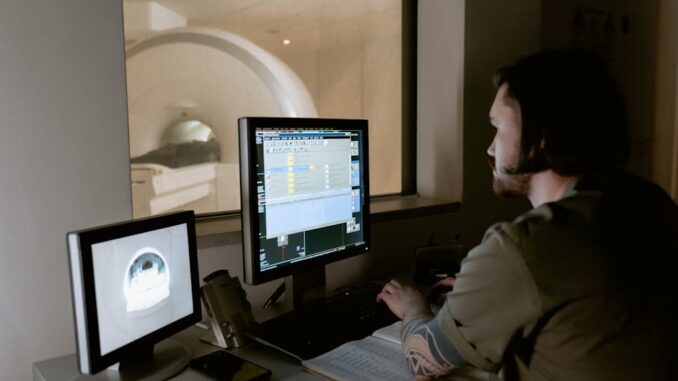

Abstract
Spatial-Temporal-Spectral Imaging (STSI) represents a groundbreaking evolution in the non-invasive analysis of brain activity, offering an unparalleled capacity to decipher complex neural dynamics across multiple dimensions. Particularly transformative in the challenging realm of epilepsy, STSI integrates spatial localization, temporal dynamics, and spectral characteristics of brain signals into a cohesive analytical framework. This integration enables the precise identification and mapping of epileptogenic zones, which is crucial for effective therapeutic intervention. This comprehensive report meticulously explores the theoretical underpinnings and technical architectures of STSI, with a particular focus on the advanced machine learning algorithms that drive its capabilities. It presents an in-depth comparative analysis of STSI against conventional and contemporary brain imaging and source localization techniques, highlighting its distinct advantages and synergistic potential. Furthermore, the report elucidates the unified methodology that defines STSI’s approach to signal processing and source reconstruction, detailing its utility in localizing diverse neurophysiological biomarkers. Finally, it extends the discussion to the expansive landscape of STSI’s applications across a spectrum of neurological and psychological conditions, underscoring its potential to revolutionize diagnostic precision and inform personalized treatment strategies in neuroscience.
Many thanks to our sponsor Esdebe who helped us prepare this research report.
1. Introduction
The accurate localization of epileptic foci stands as a critical prerequisite for successful surgical intervention in patients afflicted with drug-resistant epilepsy. This debilitating condition, affecting approximately one-third of all epilepsy patients, presents a formidable challenge to clinical neurologists and neurosurgeons, as pharmacotherapy proves ineffective in managing seizure activity [1]. The ultimate goal in these cases is to identify and resect or ablate the epileptogenic zone (EZ) – the minimal amount of brain tissue that, if removed or disconnected, is sufficient to render the patient seizure-free [2]. Traditional diagnostic pathways often involve a hierarchical sequence of non-invasive and invasive assessments.
Invasive intracranial electroencephalography (iEEG), including stereoelectroencephalography (sEEG) and subdural grid electrodes, has long been considered the gold standard for EZ localization due to its direct measurement of neuronal activity with exquisite spatiotemporal resolution [3]. However, iEEG procedures are inherently invasive, demanding neurosurgical implantation, extended hospital stays, and carrying significant risks such as infection, hemorrhage, and neurological deficits. These procedures are also time-consuming and costly, imposing a substantial burden on both patients and healthcare systems. Consequently, there is an urgent clinical imperative to develop robust, non-invasive techniques that can provide comparable precision without the associated risks and resource intensiveness.
Non-invasive techniques such as scalp electroencephalography (EEG) and magnetoencephalography (MEG) offer safer alternatives by recording electrical potentials and magnetic fields generated by neuronal activity, respectively, from outside the skull. While these methods boast excellent temporal resolution, capturing neural events on a millisecond timescale, they often fall short in providing the precise spatial resolution required for delineating the EZ. Scalp EEG, in particular, suffers from the pervasive issue of volume conduction, where electrical signals are distorted and blurred as they propagate through the skull and scalp, significantly attenuating the ability to pinpoint deep brain sources or differentiate adjacent cortical generators [4]. MEG, though less affected by volume conduction, remains primarily sensitive to superficial cortical activity and presents its own challenges in localizing radially oriented or deeply embedded sources.
Functional magnetic resonance imaging (fMRI) offers superior spatial resolution for mapping brain function by detecting blood oxygenation level-dependent (BOLD) signals. However, its indirect measure of neural activity, coupled with limited temporal resolution (on the order of seconds), renders it incapable of capturing the rapid, dynamic events characteristic of epileptic discharges, which unfold within milliseconds [5]. Positron Emission Tomography (PET) and Single-Photon Emission Computed Tomography (SPECT) provide metabolic and perfusion information, invaluable for identifying interictal hypometabolism or ictal hyperperfusion patterns associated with epilepsy, but they suffer from poor spatial and temporal resolution and involve exposure to ionizing radiation [6].
The advent of Spatial-Temporal-Spectral Imaging (STSI) directly addresses these profound challenges by offering a unified, machine learning-based framework that transcends the limitations of individual non-invasive modalities. STSI represents a methodological paradigm shift, enabling the comprehensive analysis of epileptic brain signals across their fundamental spatial, temporal, and spectral dimensions. By integrating these three domains, STSI significantly enhances the precision of source localization, particularly for complex and subtle epileptic biomarkers such as high-frequency oscillations (HFOs), which are increasingly recognized as definitive markers of the EZ [7].
This report aims to provide an exhaustive examination of STSI, commencing with its underlying neurophysiological principles and the sophisticated machine learning algorithms that empower its analytical capabilities. It will then proceed to a detailed comparative analysis with other advanced neuroimaging and source localization techniques, elucidating STSI’s unique contributions and its potential for synergistic integration. A dedicated section will meticulously describe STSI’s unified methodological approach, highlighting how it converts complex multichannel data into actionable insights for epileptogenic zone mapping. Finally, the report will explore the broader ramifications and diverse applications of STSI across various neurological and psychological conditions, underscoring its transformative potential to advance both fundamental neuroscience and clinical practice.
Many thanks to our sponsor Esdebe who helped us prepare this research report.
2. The Neurophysiological Basis of Brain Activity and Epilepsy
To fully appreciate the innovations brought forth by STSI, it is essential to understand the fundamental neurophysiological processes that generate brain signals and the specific characteristics of pathological activity in epilepsy.
2.1. Generation of Brain Signals: EEG and MEG
Brain activity is fundamentally driven by the electrochemical processes within neurons. When a neuron receives sufficient excitatory input, it generates an action potential, a brief electrical impulse that propagates along its axon. However, the signals measured by EEG and MEG primarily originate from the synchronized activity of thousands to millions of pyramidal neurons, particularly their postsynaptic potentials (PSPs). These PSPs, which are slower and longer-lasting than action potentials, create localized extracellular currents. When these currents flow in a synchronized and spatially oriented manner, they generate a measurable electric field (detected by EEG) and an associated magnetic field (detected by MEG) [8].
Pyramidal neurons, which constitute a significant proportion of cortical neurons, are particularly efficient generators of these fields due to their elongated morphology and parallel alignment perpendicular to the cortical surface. Their dendritic trees, often oriented radially, produce dipole-like current sources that summate to create macroscopic signals. EEG is sensitive to both tangential and radial current sources, but the skull and scalp act as resistive volume conductors, smearing the electrical signals. MEG, conversely, is primarily sensitive to tangential current sources (those parallel to the cortical surface) and is less affected by the conductivity properties of the intervening tissues, offering a clearer, albeit selective, window into cortical activity [9].
2.2. Spectral Characteristics of Brain Activity
Brain activity is not monolithic; it occurs at various frequencies, each typically associated with distinct functional states or processes. Spectral analysis, a core component of STSI, decomposes complex brain signals into their constituent frequencies, revealing oscillatory patterns known as brain rhythms:
- Delta (0.5–4 Hz): Predominant during deep sleep, brain injury, or coma. Associated with deep restorative processes.
- Theta (4–8 Hz): Linked to sleep, drowsiness, meditation, and memory encoding and retrieval, especially in the hippocampus.
- Alpha (8–12 Hz): Prominent during relaxed wakefulness, particularly over posterior regions. Inhibited by eye opening and mental effort. Often associated with inhibitory control or idling of cortical areas.
- Beta (13–30 Hz): Associated with active thinking, problem-solving, active concentration, and motor control. Pathologically, elevated beta can be seen in anxiety or Parkinsonian rigidity.
- Gamma (30–100+ Hz): Involved in higher cognitive functions such as perception, attention, memory, and consciousness. Often associated with ‘binding’ disparate features into a coherent percept. Higher gamma (>80 Hz) is sometimes referred to as ‘high gamma’ or high-frequency activity.
The ability of STSI to analyze these spectral components, and critically, how they change over time and across different brain regions, provides invaluable insights into both normal and pathological brain function.
2.3. Epilepsy: A Disorder of Hyperexcitability
Epilepsy is a chronic neurological disorder characterized by recurrent, unprovoked seizures, which are transient occurrences of signs and/or symptoms due to abnormal excessive or synchronous neuronal activity in the brain [10]. The underlying pathophysiology involves an imbalance between excitatory and inhibitory neurotransmission, leading to hyperexcitability and hypersynchrony of neuronal networks. This can result from various etiologies, including structural lesions (e.g., tumors, malformations of cortical development, hippocampal sclerosis), genetic factors, infections, trauma, or immune-mediated processes.
Epileptic seizures manifest in diverse forms, from generalized tonic-clonic seizures affecting the entire brain to focal seizures originating in a specific brain region. For patients with drug-resistant focal epilepsy, the precise identification of the epileptogenic zone (EZ) is paramount for successful surgical resection. The EZ is not merely the region where seizures appear on scalp EEG, but rather the cortical area functionally necessary for seizure generation [2]. It often includes the seizure onset zone (SOZ), the irritative zone (where interictal spikes occur), and the symptomatogenic zone (where seizure symptoms originate).
2.4. High-Frequency Oscillations (HFOs) as Biomarkers of the Epileptogenic Zone
In recent years, high-frequency oscillations (HFOs) – transient rhythmic activities in the ripple (80-250 Hz) and fast ripple (250-500+ Hz) bands – have emerged as highly promising biomarkers for the epileptogenic zone. HFOs are thought to represent near-synchronous firing of small neuronal populations and are often observed in the brain regions directly involved in seizure generation, even during interictal periods [7].
- Ripples (80-250 Hz): Can occur in both healthy and epileptic brain tissue, though their characteristics and context differ. Pathological ripples are often co-localized with fast ripples.
- Fast Ripples (250-500+ Hz): Considered highly specific to the epileptogenic zone. They are rarely seen in healthy brain tissue and their presence strongly correlates with areas of seizure onset and areas whose resection leads to seizure freedom [11].
The ability to reliably detect and precisely localize HFOs, especially fast ripples, non-invasively, has been a significant challenge. These signals are extremely small in amplitude (microvolts), highly focal, and rapidly attenuated by surrounding tissues, making them difficult to resolve with standard scalp EEG or even conventional MEG methods. This is precisely where STSI demonstrates its unique advantage: by leveraging advanced signal processing and machine learning, it can identify and localize these subtle yet critical biomarkers from non-invasive data, offering a powerful tool for pre-surgical evaluation.
2.5. The Neuroimaging Inverse Problem
The fundamental challenge in non-invasive neuroimaging like EEG and MEG is solving the ‘inverse problem’. The forward problem is relatively straightforward: given a known electrical or magnetic source in the brain, one can mathematically predict the resulting electrical potentials or magnetic fields at the scalp sensors. The inverse problem is far more complex: given the measured signals at the scalp, how does one determine the location, orientation, and magnitude of the underlying brain sources that generated them? [12]
This problem is mathematically ill-posed, meaning there is no unique solution without imposing additional constraints or ‘priors’. This non-uniqueness arises because an infinite number of possible source configurations within the brain could theoretically produce the same pattern of signals on the scalp. Traditional methods rely on various assumptions about source properties (e.g., minimum norm, dipole models, sparsity priors) to regularize the solution. STSI addresses this ill-posedness by integrating data from multiple dimensions (space, time, frequency) and employing sophisticated machine learning algorithms that learn complex, non-linear mappings and implicitly incorporate rich priors from large datasets, thereby improving the accuracy and robustness of source localization.
Many thanks to our sponsor Esdebe who helped us prepare this research report.
3. Technical Foundations of STSI
STSI’s efficacy stems from its sophisticated integration of advanced signal processing, machine learning, and computational neuroscience principles. At its core, STSI transforms raw multichannel electrophysiological data into a multi-dimensional representation, which is then analyzed by powerful algorithms to reconstruct underlying brain sources.
3.1. Multidimensional Data Representation and Tensor Decomposition
The initial step in the STSI framework involves converting the raw multichannel temporal signals, typically acquired from high-density EEG or MEG systems, into a three-dimensional tensor. A tensor is a multi-dimensional array, and in this context, it naturally represents the intricate interplay of neural activity across different domains:
- Spatial Dimension: This corresponds to the individual electrodes (EEG) or sensors (MEG) across the scalp or the brain’s reconstructed source space (voxels or vertices on a cortical mesh).
- Temporal Dimension: This represents the time course of the recorded signals, typically sampled at high frequencies (e.g., 500 Hz to 2000 Hz) to capture rapid neural dynamics.
- Spectral (Frequency) Dimension: This is derived by applying time-frequency transformation techniques, such as Short-time Fourier Transform (STFT) or wavelet analysis, to the temporal signals. This decomposes the signal into its constituent frequency components over time, yielding power or amplitude in various frequency bands (e.g., delta, theta, alpha, beta, gamma, HFOs) at each time point and sensor.
The resulting data structure is a (Channels/Sources) x Time x Frequency tensor. This tensor, often of very high dimensionality, contains vast amounts of information but is also susceptible to noise and redundancy. To extract meaningful patterns and reduce dimensionality, STSI often employs tensor decomposition techniques. These methods extend traditional matrix decomposition techniques (like Principal Component Analysis – PCA, or Independent Component Analysis – ICA) to higher-order arrays [13].
Common tensor decomposition methods include:
- Canonical Polyadic Decomposition (CPD) or PARAFAC: This decomposes a tensor into a sum of outer products of vectors. In the STSI context, this means that each component is characterized by a specific spatial map, a specific temporal profile, and a specific spectral profile. This can help identify components that represent distinct brain networks or oscillatory events.
- Tucker Decomposition: This decomposes a tensor into a ‘core’ tensor multiplied by a matrix along each mode. It is more flexible than CPD and can capture richer interactions between the dimensions.
By applying tensor decomposition, STSI can identify latent components that correspond to relevant neurophysiological biomarkers. For instance, a component might represent a specific brain region (spatial), active for a brief period (temporal), and oscillating at a particular high frequency (spectral), indicative of an HFO. This decomposition helps to separate signal from noise, uncover underlying brain networks, and provide more robust features for subsequent source localization.
3.2. Machine Learning Algorithms Powering STSI
The sophisticated processing and interpretation of the multi-dimensional data within STSI frameworks are heavily reliant on advanced machine learning (ML) algorithms. These algorithms excel at pattern recognition, feature extraction, and learning complex, non-linear relationships within high-dimensional datasets, thereby addressing the ill-posed nature of the inverse problem and enhancing source localization accuracy.
3.2.1. Deep Learning Architectures in Source Localization (e.g., Deep-MEG)
Deep learning, a subset of ML utilizing artificial neural networks with multiple layers, has shown immense promise in overcoming the limitations of traditional source localization methods. Frameworks like Deep-MEG (and similar deep learning approaches for EEG/MEG source imaging) exemplify this advancement [14].
-
Hybrid Neural Network Architectures: Deep-MEG typically employs a hybrid network architecture specifically designed to leverage the complementary strengths of different neural network types:
- Convolutional Neural Networks (CNNs): CNNs are particularly adept at extracting hierarchical spatial features. In the context of MEG (or EEG), a CNN can learn spatial patterns across sensor arrays, effectively acting as a sophisticated spatial filter that identifies relevant configurations of magnetic fields or electrical potentials on the scalp. These spatial filters can be tuned to detect subtle source configurations that might be missed by linear methods.
- Recurrent Neural Networks (RNNs) / Long Short-Term Memory (LSTM) / Gated Recurrent Units (GRU): RNNs, especially LSTMs and GRUs, are designed to process sequential data, making them ideal for capturing the temporal dynamics of brain signals. They can learn dependencies over long time sequences, identifying the precise onset, propagation, and duration of neural events, including transient epileptic discharges and HFOs.
- Fully Connected Layers: These layers integrate the spatial and temporal features extracted by the CNNs and RNNs, mapping them to the desired output – a high-resolution estimation of brain sources (location, amplitude, and possibly orientation) across the entire brain, including challenging deep brain structures.
-
Addressing the Inverse Problem: Deep learning models can implicitly learn a sophisticated ‘inverse mapping’ from sensor data to source activity by being trained on vast amounts of simulated or real brain activity data with known source locations. This data-driven approach allows them to discover complex non-linear relationships that are difficult to model explicitly with traditional inverse solutions. The training process often involves optimizing network parameters to minimize the difference between the predicted source activity and the true source activity, effectively learning robust priors from data rather than explicitly defining them.
-
Advantages: These deep learning frameworks offer several advantages: they can handle the ill-posed inverse problem more effectively, provide high-resolution signal estimations, and demonstrate enhanced sensitivity to deep brain sources that are traditionally difficult to localize with MEG or scalp EEG alone. Their ability to learn intricate spatio-temporal-spectral features makes them particularly suitable for identifying complex epileptic patterns.
3.2.2. Edge Sparse Basis Network (ESBN) for EEG Source Localization
The Edge Sparse Basis Network (ESBN) is another powerful deep learning framework specifically tailored for EEG source localization, as described by Wei et al. [4]. It combines principles of deep learning with explicit priors that enhance localization accuracy and focality.
-
Edge Sparsity Prior: Traditional sparse localization methods assume that only a small number of brain sources are active at any given time (L1-norm regularization). ESBN takes this a step further by incorporating an ‘edge sparsity prior.’ This prior encourages solutions where active sources are localized not just sparsely, but also at the ‘edges’ or boundaries of functionally distinct regions, or within a constrained, focal area. This assumption aligns well with the focal nature of many epileptic discharges, particularly HFOs, which are generated by small, localized neuronal populations.
-
Gaussian Source Basis: ESBN represents the brain’s electrical activity as a linear combination of Gaussian-shaped basis functions. Each basis function corresponds to a potential source with a specific location and spread. The deep learning network then learns the optimal weights and parameters for these Gaussian bases, effectively determining which brain regions are active and how intensely.
-
Deep Learning Integration: The deep network in ESBN learns the mapping from multichannel scalp EEG signals to the parameters of the Gaussian source basis (i.e., the strength and location of focal sources). This bypasses the need for iterative numerical optimization typical of traditional methods. The network is trained to minimize a loss function that includes both data fidelity (how well the predicted scalp EEG matches the measured EEG) and the edge sparsity prior, ensuring both accuracy and focality.
-
Performance: ESBN has demonstrated superior performance compared to traditional numerical methods (e.g., LORETA, sLORETA, MNE) in synthetic data, yielding more focal and accurate localizations. In real data, it provides robust and clinically plausible source estimates, suggesting its potential for real-time applications where rapid and precise localization is critical.
3.2.3. Sparse Bayesian Learning (SBL) for Source Localization
Sparse Bayesian Learning (SBL) frameworks (e.g., as discussed in Saha et al. [3, 8]) offer another sophisticated approach to the inverse problem, combining Bayesian inference with sparsity constraints.
-
Bayesian Framework: SBL operates within a Bayesian paradigm, which means it incorporates prior knowledge about the brain sources into the estimation process. Instead of providing a single point estimate, it yields a probability distribution over possible source configurations, providing a measure of uncertainty.
-
Sparsity Prior: A key assumption in SBL for source localization is that brain activity is sparse; only a relatively small number of brain regions are active at any given moment. This prior is mathematically encoded, typically using hierarchical Bayesian models where the amplitudes of potential sources are governed by a sparse prior (e.g., a Laplace or Student’s t-distribution prior, or automatic relevance determination priors that drive irrelevant source amplitudes to zero).
-
Mathematical Basis: SBL iteratively estimates the most probable source configuration by maximizing the marginal likelihood of the observed data, integrating over the unknown source parameters. This involves updating prior distributions based on the data, effectively ‘learning’ which sources are most relevant. The iterative nature allows for refined estimation of source locations and magnitudes.
-
Advantages: SBL is robust to noise, can identify highly focal sources, and naturally provides measures of uncertainty for its estimates, which is valuable in clinical decision-making. Its ability to effectively prune irrelevant sources makes it highly efficient for localizing discrete, focal activity like epileptic spikes or HFOs.
3.2.4. Other Machine Learning Contributions
- Dual-Stream Neural Networks (Mai et al. [5]): While specifically applied to motor imagery, the concept of dual-stream architectures, where one stream processes spatial features and another processes temporal-spectral features, is highly relevant to STSI. These networks learn specialized representations from each domain and then fuse them for a more comprehensive understanding. This approach directly aligns with STSI’s multi-dimensional nature.
- Accelerated Algorithms (Vaziri & Makkiabadi [6]): Algorithms like Accelerated Algorithms for Source Orientation Detection (AORI) and Spatiotemporal LCMV (ALCMV) Beamforming, while not strictly deep learning, contribute to the ‘spatial’ dimension of STSI by improving the speed and accuracy of beamforming techniques. Beamforming acts as a spatial filter, selectively ‘listening’ to activity from specific brain regions while attenuating noise from others. Such algorithms can enhance the initial spatial estimates provided to or refined by the STSI framework.
3.3. Unified Iterative Source-Imaging Algorithm
The overarching STSI framework integrates these advanced ML components into a unified, often iterative, source-imaging algorithm. This algorithm is designed to progressively refine the estimation of source characteristics – their location, extent, and temporal dynamics – from the multi-dimensional tensor data.
-
Conversion to Tensor: As previously described, multichannel temporal signals are transformed into a
(Source/Channel) x Time x Frequencytensor, leveraging time-frequency analysis (e.g., wavelets) to capture spectral information, particularly HFOs. -
Tensor Decomposition and Biomarker Identification: Tensor decomposition methods (e.g., CP or Tucker) are applied to this tensor. This step is crucial for identifying ‘components’ that represent distinct patterns in the data. For epilepsy, these components might correspond to specific spatial regions exhibiting a characteristic temporal evolution (e.g., a sudden increase in activity) within a narrow high-frequency band (e.g., 250-500 Hz for fast ripples). This process effectively acts as a ‘biomarker detector’ in the multi-dimensional space.
-
Source Space Mapping (Forward Model): A crucial part of any source localization algorithm is the forward model, which mathematically describes how current sources within the brain generate signals at the scalp electrodes/sensors. This requires accurate anatomical information, typically obtained from the patient’s structural MRI, to create a realistic head model (e.g., finite element method, boundary element method). The forward model is then used to predict the scalp signals for any given source configuration.
-
Iterative Inverse Solution: With the identified biomarker components and the forward model, an iterative source-imaging algorithm proceeds to estimate the precise location, extent, and temporal dynamics of the underlying sources. This typically involves:
- Initialization: An initial estimate of source activity is made, perhaps using a simpler inverse solution or a data-driven approach.
- Inverse Problem Solution: One of the advanced ML algorithms (Deep-MEG, ESBN, SBL, etc.) is applied to estimate the source activity that best explains the observed scalp data (and the identified biomarker components from tensor decomposition), while also adhering to specified priors (e.g., sparsity, focality).
- Refinement and Optimization: The estimated source activity is then used to predict the scalp signals. The discrepancy between these predicted signals and the actual measured signals (or the biomarker components) is calculated. The algorithm then iteratively adjusts the source parameters (location, amplitude, extent, orientation) to minimize this discrepancy, often using optimization techniques like gradient descent or expectation-maximization. This iterative process allows for continuous refinement of source estimates.
- Convergence: The iteration continues until the change in source estimates falls below a predefined threshold or a maximum number of iterations is reached.
This unified methodology enables the imaging of both low-frequency biomarkers (e.g., interictal spikes, slow waves) and crucial high-frequency oscillations (HFOs). The ability to localize these diverse types of epileptic activity from scalp EEG and MEG is a significant clinical advancement, as it provides a more comprehensive picture of the epileptogenic network, directly addressing the clinical need for precise EZ mapping [1, 10].
Many thanks to our sponsor Esdebe who helped us prepare this research report.
4. Comparative Analysis with Other Techniques
STSI’s distinctiveness and utility are best understood in comparison to the landscape of established neuroimaging and source localization techniques. While each modality offers unique advantages, STSI aims to synthesize and augment their capabilities, particularly in the context of resolving the inverse problem and localizing subtle biomarkers.
4.1. Electroencephalography (EEG)
Fundamental Principles: EEG measures the electrical potential differences generated by the synchronized postsynaptic potentials of cortical neurons, recorded via electrodes placed on the scalp. These potentials reflect the collective activity of large neuronal populations.
Strengths:
* Excellent Temporal Resolution: EEG can capture neural events with millisecond precision, directly reflecting the rapid dynamics of brain activity. This is crucial for studying transient events like epileptic spikes or cognitive evoked potentials.
* Direct Measure of Neural Activity: Unlike fMRI, EEG directly measures electrical signals, providing a direct correlate of neuronal firing.
* Non-invasive and Relatively Inexpensive: Compared to MEG or fMRI, EEG systems are more portable and less costly, making them widely accessible for clinical and research applications.
Limitations of Traditional Scalp EEG:
* Poor Spatial Resolution: The primary limitation of scalp EEG for source localization is the ‘volume conduction’ effect. Electrical signals are distorted, attenuated, and spatially smeared as they pass through multiple layers of tissue with varying conductivity (brain, CSF, dura, skull, scalp). This makes it challenging to pinpoint the exact location of brain sources, especially for deep structures, and to differentiate between closely spaced generators.
* Sensitivity Bias: EEG is more sensitive to radially oriented dipoles (perpendicular to the cortical surface) and is less effective at detecting activity from sulcal walls that produce tangentially oriented dipoles.
* Difficulty with Deep Sources: Signals from deep brain structures are significantly attenuated by the time they reach the scalp, making their detection and localization extremely challenging.
How STSI Enhances EEG: STSI addresses these limitations by applying sophisticated signal processing and machine learning algorithms to high-density EEG data. By transforming signals into a spatial-temporal-spectral tensor, applying tensor decomposition to extract relevant features (including HFOs), and using advanced source localization algorithms (like ESBN or deep learning models) that incorporate explicit or implicit spatial priors and learn complex mappings, STSI significantly improves the accuracy and focality of source localization from scalp EEG. It can resolve subtle, transient events and even deep sources with greater precision than traditional EEG source imaging methods, effectively pushing the boundaries of non-invasive EEG.
4.2. Magnetoencephalography (MEG)
Fundamental Principles: MEG measures the tiny magnetic fields produced by intracellular currents flowing within neurons, primarily tangential current sources in the cortical sulci. These magnetic fields are detected by superconducting quantum interference devices (SQUIDs) housed in a magnetically shielded room.
Strengths:
* Excellent Temporal Resolution: Like EEG, MEG provides millisecond-level temporal resolution, allowing for the study of rapid neural dynamics.
* Better Spatial Resolution than Scalp EEG: Magnetic fields are less distorted by the skull and scalp than electrical potentials because biological tissues are largely transparent to magnetic fields. This allows MEG to provide better spatial localization for cortical sources compared to scalp EEG.
* Direct Measure of Neural Activity: MEG offers a direct physiological measure of neuronal activity.
Limitations of Traditional MEG:
* Sensitivity Bias: MEG is maximally sensitive to tangentially oriented dipoles (parallel to the cortical surface) and less sensitive to radially oriented dipoles. This means activity from gyral crowns, which primarily generate radial fields, can be difficult to detect.
* Poor Sensitivity to Deep Sources: The strength of magnetic fields falls off rapidly with distance, making MEG relatively insensitive to deep brain sources such as those in the brainstem, thalamus, or hippocampus, unless their activity is extensive and well-oriented.
* Cost and Infrastructure: MEG systems are very expensive to purchase and maintain, require specialized magnetically shielded rooms, and are thus available in far fewer centers than EEG.
How STSI Enhances MEG: Similar to EEG, STSI leverages MEG’s high temporal and improved spatial resolution and then applies its multi-dimensional analysis. By integrating spectral information (e.g., HFOs) and employing machine learning techniques (like Deep-MEG), STSI can further refine source localization from MEG data, potentially enhancing sensitivity to deep sources by identifying characteristic spatio-temporal-spectral patterns that might otherwise be overlooked by traditional MEG inverse solutions. It allows for a more comprehensive characterization of MEG signals in terms of their spectral content and dynamic evolution, providing a richer context for source reconstruction.
4.3. Functional Magnetic Resonance Imaging (fMRI)
Fundamental Principles: fMRI indirectly measures neuronal activity by detecting changes in blood oxygenation level-dependent (BOLD) signals. Increased neural activity leads to increased local blood flow, which overcompensates for oxygen consumption, resulting in a transient increase in oxygenated hemoglobin and a detectable change in the magnetic resonance signal.
Strengths:
* Excellent Spatial Resolution: fMRI provides high spatial resolution, typically on the order of millimeters, allowing for precise localization of active brain regions within anatomical structures.
* Whole-Brain Coverage: fMRI can image activity across the entire brain, providing a comprehensive map of functional engagement.
* Non-invasive: No ionizing radiation or invasive procedures are involved.
Limitations:
* Poor Temporal Resolution: The hemodynamic response (BOLD signal) is slow, peaking several seconds after neural activity, making fMRI unable to capture the rapid, millisecond-scale dynamics of neural events, such as those crucial in epilepsy or cognitive processing.
* Indirect Measure: The BOLD signal is an indirect measure, relying on neurovascular coupling, which can vary across brain regions or in pathological states.
* Susceptibility Artifacts: fMRI can be prone to artifacts in regions near air-tissue interfaces (e.g., orbitofrontal cortex, anterior temporal lobes).
Complementarity with STSI: STSI and fMRI offer complementary windows into brain function. fMRI excels at answering ‘where’ brain activity occurs with high anatomical precision, while STSI (from EEG/MEG) excels at answering ‘when’ and ‘what type’ (frequency) of activity occurs with high temporal fidelity. The ideal scenario for comprehensive brain mapping often involves multimodal integration, combining STSI-derived source localizations with fMRI functional maps to leverage the strengths of both, providing both high spatiotemporal resolution and precise anatomical context. This fusion can refine source localization priors for STSI and provide dynamic context for fMRI activation maps.
4.4. Positron Emission Tomography (PET) and Single-Photon Emission Computed Tomography (SPECT)
Fundamental Principles: PET and SPECT are nuclear medicine imaging techniques that use radioactive tracers to measure metabolic activity (PET), blood flow (SPECT), or receptor binding in the brain. For epilepsy, interictal PET often reveals hypometabolism in the EZ, while ictal SPECT can show hyperperfusion during a seizure.
Strengths:
* Sensitive to Metabolic/Perfusion Changes: These techniques are highly sensitive to physiological changes that may underlie neurological disorders, often detectable when structural changes are absent.
* Valuable for EZ Localization: PET is particularly useful in identifying the interictal hypometabolic zone in epilepsy, which often corresponds to the EZ, especially in cases of non-lesional MRI [6]. Ictal SPECT can capture the hyperperfusion associated with seizure onset.
Limitations:
* Very Poor Spatial Resolution: Spatial resolution is typically in the range of several millimeters to centimeters, significantly lower than fMRI.
* Very Poor Temporal Resolution: Measurements are typically over minutes to tens of minutes, making them incapable of capturing rapid neural events.
* Invasive and Ionizing Radiation: Both techniques involve the injection of radioactive tracers, exposing the patient to ionizing radiation.
* Limited Availability and High Cost: Due to the need for radiopharmaceutical production, these are high-cost, specialized procedures.
Comparison with STSI: STSI directly images the rapid electrical activity that causes seizures, offering dynamic, millisecond-level information. PET and SPECT provide metabolic or perfusion snapshots over much longer timescales. While complementary in identifying epileptic regions (STSI for direct activity, PET/SPECT for metabolic consequence), STSI’s non-invasiveness, direct physiological measure, and superior spatiotemporal resolution for dynamic events make it a powerful alternative or adjunctive tool, especially for patients where radiation exposure is a concern or where metabolic changes are subtle.
4.5. Intracranial EEG (iEEG/sEEG)
Fundamental Principles: iEEG involves surgically implanting electrodes directly onto (subdural grids) or into (stereo-EEG depth electrodes) the brain surface. This provides direct recordings of electrical activity from within the brain parenchyma.
Strengths:
* Gold Standard for EZ Localization: iEEG offers the highest spatial and temporal resolution available for clinical epilepsy diagnosis, directly recording from the brain with minimal signal attenuation or smearing. This allows for precise mapping of seizure onset and propagation.
* Direct Functional Mapping: Intracranial electrodes can also be used for cortical stimulation mapping to identify eloquent cortex (e.g., motor, language areas) that must be preserved during surgery.
* High Sensitivity to HFOs: Due to direct contact, iEEG is highly sensitive to HFOs, making it invaluable for precise EZ delineation.
Limitations:
* Highly Invasive: iEEG requires neurosurgery, carrying significant risks (hemorrhage, infection, edema, neurological deficits, prolonged hospital stay).
* Sampling Bias: Electrodes can only be implanted in a limited number of pre-defined locations, determined by non-invasive evaluations. If the EZ lies outside the sampled region, it will be missed.
* Discomfort and Cost: Patients experience significant discomfort during the monitoring period, and the procedure is extremely costly.
STSI’s Role: STSI aims to serve as a robust pre-surgical planning tool to minimize or, in ideal cases, obviate the need for iEEG. By providing sufficiently accurate non-invasive localization of the EZ, including subtle HFOs, STSI can guide electrode placement for iEEG more precisely, reducing the number of electrodes needed or even allowing some patients to proceed directly to surgery. The ultimate goal is to achieve iEEG-comparable localization precision non-invasively, thereby reducing patient risk, suffering, and healthcare costs. While STSI cannot replace the direct functional mapping capability of iEEG, its diagnostic power for EZ localization offers a significant step towards less invasive epilepsy management.
Many thanks to our sponsor Esdebe who helped us prepare this research report.
5. The Unified STSI Framework for Epilepsy
STSI’s core strength lies in its unified framework, which systematically integrates spatial, temporal, and spectral information to provide a comprehensive and precise map of brain activity, particularly beneficial for epilepsy. This approach contrasts sharply with methods that analyze these dimensions in isolation or sequentially, often leading to fragmented insights.
5.1. Integration of Spatial, Temporal, and Spectral Dimensions
The unified approach of STSI involves a multi-stage process that systematically transforms and analyzes raw neurophysiological data:
-
Data Acquisition: High-density EEG or MEG data is recorded, often for extended periods to capture interictal spikes, HFOs, and potentially ictal events.
-
Preprocessing: Raw data undergoes rigorous preprocessing steps, including noise reduction (e.g., artifact removal for muscle, eye blinks, cardiac activity), filtering (e.g., power line noise removal), and segmentation into epochs of interest. Anatomical MRI data is also acquired to construct an accurate head model for source localization.
-
Time-Frequency Transformation: The preprocessed multichannel temporal signals are then subjected to time-frequency analysis. Techniques such as continuous wavelet transform (CWT) are highly effective here, as they provide a good trade-off between temporal and spectral resolution across a wide range of frequencies, crucial for distinguishing low-frequency spikes from high-frequency ripples and fast ripples. This step converts the 2D (Channel x Time) data into 3D (Channel x Time x Frequency) data.
-
Tensor Construction and Decomposition: The 3D data is then organized into a higher-order tensor. Tensor decomposition (e.g., PARAFAC/CPD) is applied to this tensor. This process identifies underlying ‘components’ that are characterized by unique combinations of spatial patterns (which sensors or brain regions are active), temporal dynamics (how activity evolves over time), and spectral signatures (which frequencies are involved). For example, one component might isolate an HFO, revealing its characteristic frequency content, its precise temporal occurrence, and the specific set of sensors/sources involved in its generation [1].
-
Biomarker Identification: The decomposed components are then analyzed to identify specific neurophysiological biomarkers relevant to epilepsy. This includes:
- Low-Frequency Biomarkers: Traditional interictal spikes (20-70 Hz), sharp waves, or slow waves, which provide initial clues about the irritative zone.
- High-Frequency Oscillations (HFOs): Ripples (80-250 Hz) and fast ripples (250-500+ Hz). As discussed, fast ripples are particularly strong indicators of the EZ. The tensor decomposition helps isolate these faint, transient, and spatially focal signals from background noise and other brain activity.
-
Iterative Source Imaging: For each identified biomarker component, an iterative source-imaging algorithm is employed. This algorithm utilizes the patient’s individual anatomical MRI to construct a realistic forward model. Then, a sophisticated inverse solution (often powered by the machine learning algorithms discussed in Section 3.2, such as ESBN, Deep-MEG, or SBL) estimates the precise brain sources. The iterative nature ensures that the estimated sources optimally explain the observed scalp data (and the extracted tensor components), while adhering to physiologically plausible constraints (e.g., sparsity, focality). This process yields information about:
- Location: The precise XYZ coordinates of the source within the brain.
- Extent: The spatial spread or focality of the active region.
- Temporal Dynamics: The exact timing of onset, peak, and offset of the activity.
- Spectral Characteristics: Confirmation of the frequency content of the localized activity.
5.2. Addressing the Ill-Posed Nature of the Inverse Problem
STSI effectively tackles the fundamental ‘ill-posed’ nature of the inverse problem by incorporating robust constraints and learning complex mappings from data:
- Data-Driven Priors: Instead of relying solely on generic mathematical priors (e.g., minimum norm), machine learning algorithms within STSI learn complex, data-driven priors from large training datasets (which may include simulated data or data validated against iEEG). These learned priors can implicitly encode spatial focality, temporal smoothness, and typical spectral profiles of epileptic activity.
- Multi-dimensional Constraints: By simultaneously considering spatial, temporal, and spectral information, STSI imposes stricter constraints on the inverse solution. A source must not only explain the spatial pattern at a given instant but also exhibit a plausible temporal evolution and consistent spectral signature. This multi-dimensional consistency significantly reduces the number of ambiguous solutions.
- Advanced Regularization: The deep learning frameworks (e.g., ESBN with edge sparsity) explicitly incorporate advanced regularization techniques that promote biologically realistic solutions, such as focal sources for HFOs, rather than diffuse activity.
5.3. Specific Application to Epilepsy: Delineating the Epileptogenic Zone
The primary clinical application of STSI in epilepsy is to precisely map the epileptogenic zone (EZ) – the brain region whose removal or disconnection leads to seizure freedom. STSI contributes to this goal in several critical ways:
- Localization of Interictal Spikes and Slow Waves: STSI can accurately localize traditional interictal epileptiform discharges, which define the irritative zone. This provides an initial, broader region of interest.
- Precise HFO Localization: This is arguably STSI’s most significant contribution to epilepsy. By effectively detecting and localizing ripples and especially fast ripples from non-invasive data, STSI can pinpoint the EZ with unprecedented accuracy. The focality and specificity of fast ripples as EZ biomarkers, combined with STSI’s ability to resolve them, offers a powerful tool for pre-surgical evaluation, potentially rivaling the information obtained from iEEG [1, 10].
- Characterizing Seizure Onset and Propagation: STSI can analyze the dynamic evolution of seizure activity, tracking the initial onset of hypersynchronous discharges and their subsequent propagation through brain networks. This spatiotemporal characterization is vital for understanding the entire epileptogenic network, not just the static focus.
- Guiding Invasive Procedures: By providing highly precise non-invasive maps of the EZ, STSI can guide the placement of intracranial electrodes for patients who still require iEEG, making these invasive procedures more targeted, efficient, and safer. It can also help confirm or refute hypotheses derived from other non-invasive modalities.
- Predicting Surgical Outcome: The correlation between accurate localization of HFOs (especially fast ripples) by STSI and post-surgical seizure freedom is a crucial area of ongoing research. Initial studies suggest that STSI-localized HFOs can serve as strong predictors of surgical success [1, 10].
5.4. Challenges and Limitations in Epilepsy Application
Despite its significant advancements, STSI faces ongoing challenges:
- Sensitivity to Noise and Artifacts: While advanced preprocessing is performed, EEG and MEG signals are inherently noisy. STSI’s ability to localize subtle HFOs remains sensitive to residual noise and physiological artifacts (e.g., muscle activity, eye movements), which can mimic or obscure true HFOs.
- Computational Demands: Processing high-density, multi-dimensional data with complex machine learning models is computationally intensive, requiring significant computing resources and time.
- Data Generalizability: Machine learning models require large, diverse, and well-curated datasets for training. Ensuring that models generalize well across different patient populations, epilepsy types, and hardware systems is critical.
- Validation: Ongoing validation against the gold standard of iEEG is essential to confirm the clinical accuracy and reliability of STSI-derived localizations. While promising, widespread clinical adoption requires extensive prospective studies.
- Physiological Variability: The exact characteristics of HFOs and other epileptiform activity can vary between individuals and even within the same individual over time, posing challenges for standardized detection and localization.
Notwithstanding these challenges, the unified STSI framework represents a significant leap forward in non-invasive epilepsy diagnostics, offering a powerful tool for unraveling the complexities of epileptic networks and guiding personalized treatment strategies.
Many thanks to our sponsor Esdebe who helped us prepare this research report.
6. Broader Applications of STSI Beyond Epilepsy
The fundamental principles underlying STSI – the integration of spatial, temporal, and spectral information and the application of advanced machine learning for source localization – render it highly versatile. Its capabilities extend far beyond epilepsy, offering a powerful lens through which to explore a wide array of neurological and psychological conditions, as well as fundamental brain functions.
6.1. Cognitive Neuroscience: Memory, Attention, and Language
STSI can profoundly enhance our understanding of the neural underpinnings of various cognitive functions by providing a more detailed and dynamic view of brain activity during cognitive tasks.
6.1.1. Memory and Learning
- Neural Correlates of Memory: Memory formation and retrieval are intricately linked to oscillatory brain activity. For instance, theta oscillations (4-8 Hz) in the hippocampus and medial temporal lobe are strongly associated with memory encoding and navigation, while gamma oscillations (30-100+ Hz) are implicated in memory consolidation and retrieval. STSI can precisely localize these oscillatory patterns in specific brain regions (e.g., hippocampal formation, prefrontal cortex, parietal cortex) during different stages of memory tasks (encoding, storage, retrieval) [5].
- Studying Memory Disorders: In conditions like Alzheimer’s disease and other dementias, STSI could identify early changes in memory-related neural networks, such as altered theta-gamma coupling or compromised connectivity between key memory structures. It could help pinpoint the specific brain regions exhibiting dysfunctional oscillatory activity, potentially serving as a biomarker for disease progression or treatment response.
6.1.2. Attention and Executive Functions
- Attentional Control: Attention involves complex network dynamics, often characterized by changes in alpha power (8-12 Hz) in parietal and frontal regions (alpha desynchronization for increased attention, alpha synchronization for inhibition) and gamma band activity for selective attention. STSI can track the spatiotemporal evolution of these oscillatory shifts as subjects engage in attentional tasks, revealing how attention is allocated and shifted across different brain areas. For example, it could localize the precise regions of the dorsal attention network (e.g., intraparietal sulcus, frontal eye fields) and ventral attention network (e.g., temporoparietal junction) during sustained attention or attentional reorienting.
- Executive Functions: Functions like working memory, cognitive control, and decision-making heavily rely on prefrontal cortex activity and its connectivity with other brain regions. STSI can map the spatiotemporal-spectral characteristics of these networks, identifying specific oscillatory signatures (e.g., theta and gamma coherence) associated with successful task performance and pinpointing areas of dysfunction in disorders like Attention-Deficit/Hyperactivity Disorder (ADHD) or frontal lobe syndromes.
6.1.3. Language Processing
- Localization of Language Areas: STSI can precisely localize brain activity related to various aspects of language processing, including semantic comprehension, syntactic analysis, and speech production. By analyzing changes in oscillatory power and coherence in specific frequency bands (e.g., theta, alpha, gamma) during language tasks, STSI could delineate the roles of classic language areas (e.g., Broca’s and Wernicke’s areas) and distributed language networks more accurately.
- Studying Language Disorders: In patients with aphasia (language impairment due to brain injury, e.g., stroke), STSI could track the reorganization of language networks during recovery or in response to therapeutic interventions, helping to identify compensatory mechanisms and predict prognosis.
6.2. Neurological Disorders (beyond epilepsy)
6.2.1. Parkinson’s Disease and Movement Disorders
- Abnormal Oscillations: Parkinson’s disease (PD) is characterized by abnormal synchronized oscillatory activity, particularly in the beta band (13-30 Hz), within the basal ganglia and cortical-basal ganglia loops. These exaggerated beta oscillations are highly correlated with motor symptoms like rigidity and bradykinesia. STSI can precisely localize these pathological beta oscillations in structures like the subthalamic nucleus (STN) and motor cortex from non-invasive MEG/EEG data.
- Deep Brain Stimulation (DBS): For PD patients undergoing DBS, STSI could provide a non-invasive means to optimize DBS electrode placement by mapping the exact location of pathological oscillations. It could also monitor the real-time effects of stimulation on brain activity and provide feedback for adaptive DBS systems, potentially improving therapeutic outcomes.
6.2.2. Stroke and Neurorehabilitation
- Functional Reorganization: After a stroke, the brain undergoes significant reorganization (plasticity) to compensate for damaged areas. STSI can map the spatiotemporal-spectral dynamics of this reorganization, identifying changes in motor cortex activity, somatosensory processing, and connectivity patterns during motor recovery. It can localize activity in perilesional areas and homologous contralateral regions that take over lost functions.
- Monitoring Rehabilitation: During neurorehabilitation interventions, STSI could provide objective biomarkers of therapeutic efficacy by tracking changes in brain activity associated with motor skill relearning or cognitive retraining. This could inform personalized rehabilitation strategies.
6.2.3. Migraine and Pain Perception
- Pain Matrix Localization: Pain perception involves a complex ‘pain matrix’ encompassing regions such as the somatosensory cortex, insula, anterior cingulate cortex, and thalamus. STSI can precisely localize the spatiotemporal-spectral patterns of activity within this network in response to noxious stimuli or in chronic pain conditions. This could help differentiate between different types of pain and identify brain regions that are hyperactive or dysfunctional.
- Migraine Mechanisms: For migraine, STSI could investigate the neural mechanisms underlying migraine aura (e.g., cortical spreading depression) or the changes in brain excitability and connectivity during different phases of a migraine attack. It could help identify novel targets for neuromodulation therapies.
6.3. Psychiatric and Neurodevelopmental Disorders
6.3.1. Schizophrenia
- Dysfunctional Connectivity and Oscillations: Schizophrenia is often associated with disturbed functional connectivity and abnormal oscillatory activity, particularly in the gamma band (e.g., reduced gamma synchrony during cognitive tasks) and alpha/theta bands. STSI can map these dysfunctional brain networks, localizing alterations in activity within key circuits such as the default mode network, salience network, and central executive network.
- Biomarkers and Treatment Response: By identifying specific spatiotemporal-spectral signatures associated with positive (e.g., auditory hallucinations) and negative symptoms (e.g., apathy), STSI could aid in differential diagnosis, predict illness trajectories, and monitor responses to antipsychotic medication or neuromodulatory interventions.
6.3.2. Depression and Anxiety Disorders
- Mood Regulation Circuits: Major depressive disorder (MDD) is characterized by altered activity and connectivity in brain regions involved in mood regulation, such as the prefrontal cortex (e.g., reduced left frontal alpha asymmetry), amygdala, and hippocampus. STSI can localize these alterations, providing insights into the neural mechanisms underlying emotional dysregulation.
- Monitoring Interventions: For treatments like transcranial magnetic stimulation (TMS) or electroconvulsive therapy (ECT), STSI could track the precise changes in brain activity and connectivity induced by these interventions, helping to optimize treatment parameters and predict clinical response.
- Anxiety Disorders: In anxiety disorders, STSI could map hyperactive fear circuits (e.g., amygdala, insula) and their connectivity with prefrontal regulatory regions, offering a more precise understanding of the neural underpinnings of pathological anxiety.
6.3.3. Autism Spectrum Disorder (ASD)
- Atypical Connectivity: ASD is characterized by atypical patterns of brain connectivity (both hypo- and hyperconnectivity) and altered sensory processing. STSI can investigate these differences by localizing abnormal oscillatory activity (e.g., gamma band activity during sensory processing) and altered coherence patterns across brain regions involved in social cognition, language, and sensory integration.
- Early Biomarkers: By analyzing very young children at risk for ASD, STSI could potentially identify early neurophysiological biomarkers that precede behavioral symptoms, enabling earlier diagnosis and intervention.
6.4. Brain-Computer Interfaces (BCI)
STSI’s ability to localize and characterize brain activity in real-time or near real-time makes it a powerful tool for advancing Brain-Computer Interfaces (BCIs).
- Enhanced Signal Discrimination: BCI systems often rely on detecting specific patterns of brain activity, such as motor imagery (e.g., imagining moving a limb) or attention shifts. STSI can precisely localize the brain regions generating these signals (e.g., motor cortex for motor imagery, parietal cortex for attention) and extract their specific temporal and spectral characteristics. This improved discrimination can lead to more robust, reliable, and intuitive BCI systems for communication, control of prosthetics, or neurorehabilitation.
- Real-time Feedback: The rapid processing capabilities of STSI could enable real-time feedback in BCI paradigms, allowing users to quickly learn to modulate their brain activity more effectively for BCI control.
In essence, STSI provides a versatile platform for exploring the intricate dynamics of the human brain in health and disease. Its multi-dimensional analytical power and reliance on advanced machine learning position it at the forefront of non-invasive neuroimaging research and clinical application.
Many thanks to our sponsor Esdebe who helped us prepare this research report.
7. Future Directions and Challenges
While STSI has already demonstrated significant advancements, its full potential is yet to be realized. Ongoing research and development are focused on refining its capabilities, addressing current limitations, and expanding its clinical translation.
7.1. Advancements in Machine Learning and AI
- Explainable AI (XAI): As STSI heavily relies on deep learning, understanding the ‘why’ behind its predictions is crucial for clinical adoption. Future work will focus on developing XAI techniques to interpret the complex features learned by the neural networks, providing clinicians with greater transparency and confidence in the localized source estimates. This includes visualizing which spatial, temporal, and spectral features contribute most to a localization decision.
- Reinforcement Learning for Adaptive Source Localization: Reinforcement learning could be used to create adaptive STSI systems that learn to optimize source localization parameters based on real-time feedback (e.g., from clinicians or in silico validation), continually improving accuracy and robustness.
- Federated Learning: To overcome the challenge of data scarcity for training robust ML models, federated learning approaches can enable collaborative model training across multiple institutions without sharing raw patient data, thereby preserving privacy while leveraging larger datasets.
- Generative AI for Data Augmentation: Generative adversarial networks (GANs) or other generative models could be used to synthesize realistic brain activity data, including complex epileptic HFOs, to augment training datasets for machine learning models, improving their generalization capabilities.
7.2. Multimodal Integration
- Seamless Fusion with fMRI and DTI: The future of neuroimaging lies in comprehensive multimodal integration. STSI-derived functional maps can be seamlessly integrated with high-resolution anatomical MRI for precise anatomical context, and with functional MRI (fMRI) for improved spatial localization of slower hemodynamic responses. Diffusion Tensor Imaging (DTI) can provide structural connectivity information, allowing STSI to localize activity within specific white matter tracts or functional networks defined by connectivity.
- Integration with Intracranial Recordings: While STSI aims to reduce reliance on iEEG, integrating STSI predictions with iEEG data for ground-truth validation and refinement of non-invasive models is crucial. This could involve developing ‘closed-loop’ validation systems where iEEG results directly inform and improve STSI algorithms.
7.3. Real-time Applications and Neuromodulation
- Online Monitoring: Developing STSI systems capable of real-time processing and source localization would enable continuous online monitoring of brain states, seizure detection and prediction, or cognitive load in real-world environments.
- Closed-Loop Neuromodulation: Real-time STSI could drive closed-loop neuromodulation therapies. For example, by precisely localizing the onset of an epileptic seizure in real-time, STSI could trigger targeted electrical stimulation (e.g., using responsive neurostimulation devices) to abort the seizure before it generalizes, or deliver targeted TMS/tDCS based on specific brain state monitoring.
- Intraoperative Guidance: In surgical settings, real-time STSI could provide dynamic functional mapping during neurosurgery, aiding in the identification and preservation of eloquent cortex and guiding resection boundaries for epileptogenic zones.
7.4. Standardization and Clinical Translation
- Standardized Protocols: For STSI to move from research to routine clinical practice, standardized protocols for data acquisition, preprocessing, analysis, and interpretation are essential. This includes guidelines for electrode placement, artifact removal, head modeling, and reporting of results.
- Large-scale Clinical Trials: Rigorous, large-scale prospective clinical trials are necessary to establish the diagnostic accuracy, prognostic value, and cost-effectiveness of STSI in various patient populations and for different neurological conditions. These trials are critical for obtaining regulatory approval and widespread adoption.
- User-Friendly Interfaces: Developing user-friendly software interfaces that allow clinicians without extensive signal processing or machine learning expertise to effectively utilize STSI outputs is crucial for its clinical integration.
7.5. Computational Demands and Data Handling
- High-Performance Computing: The computational demands of processing high-density, multi-dimensional data with complex deep learning models are substantial. Continued advancements in computing hardware (e.g., GPUs, specialized AI accelerators) and distributed computing architectures will be necessary.
- Efficient Algorithms: Research into more computationally efficient algorithms and optimized tensor operations will be vital to reduce processing times and enable real-time applications.
- Data Management: Managing the vast amounts of multimodal data generated by STSI and associated techniques requires robust data storage, retrieval, and sharing infrastructures, adhering to strict privacy and security standards.
Many thanks to our sponsor Esdebe who helped us prepare this research report.
8. Conclusion
Spatial-Temporal-Spectral Imaging (STSI) represents a profound paradigm shift in the non-invasive analysis of brain activity, transcending the limitations of traditional neuroimaging techniques by offering a unified and comprehensive framework for understanding neural dynamics. Its ability to meticulously integrate spatial localization, temporal evolution, and spectral characteristics of brain signals, powered by cutting-edge machine learning algorithms, positions it as a transformative tool in neuroscience.
While its initial and most compelling application has been in the challenging field of epilepsy – where its precision in identifying and mapping epileptogenic zones, particularly through the detection of subtle high-frequency oscillations (HFOs), holds immense promise for improving surgical outcomes and minimizing invasive procedures – STSI’s utility extends far beyond. It provides an unparalleled window into the intricate neural networks underlying cognitive functions such as memory, attention, and language, and offers critical insights into the pathophysiology of a broad spectrum of neurological and psychiatric disorders, including Parkinson’s disease, stroke, schizophrenia, and depression.
STSI stands out by effectively addressing the long-standing ‘inverse problem’ in neuroimaging. By leveraging sophisticated tensor decomposition, deep learning architectures like Deep-MEG and Edge Sparse Basis Networks, and sparse Bayesian learning, it extracts richer information from non-invasive EEG and MEG data than previously possible. This methodological innovation allows for the localization of even faint, deep, or rapidly evolving brain sources with unprecedented accuracy, moving closer to the precision of invasive recordings without the associated risks.
As research progresses, continuous advancements in machine learning, multimodal data fusion, and computational efficiency will further enhance STSI’s capabilities. The eventual goal is the seamless integration of STSI into routine clinical practice, providing clinicians with an invaluable, non-invasive tool for more accurate diagnosis, personalized treatment planning, and effective monitoring of therapeutic interventions. STSI is not merely an incremental improvement; it is a foundational advancement poised to revolutionize our understanding of the brain and significantly improve patient care across a multitude of neurological and psychological conditions, ushering in an era of truly dynamic and precise neuroimaging.
Many thanks to our sponsor Esdebe who helped us prepare this research report.
References
- Jiang, X., Cai, Z., Joseph, B., Worrell, G., & He, B. (2023). Imaging Epileptic Sources from Scalp EEG HFOs Using a Spatial-Temporal-Spectral Imaging Framework. Proceedings of the National Academy of Sciences, 120(12), e211130118.
- Rosenow, F., & Lüders, H. (2001). Presurgical evaluation of epilepsy. Brain, 124(9), 1683-1700.
- Saha, S., de Hoog, F., Nesterets, Y. I., Rana, R., Tahtali, M., & Gureyev, T. E. (2015). Sparse Bayesian Learning for EEG Source Localization. IEEE Transactions on Biomedical Engineering, 62(2), 522–531.
- Wei, C., Lou, K., Wang, Z., Zhao, M., Mantini, D., & Liu, Q. (2021). Edge Sparse Basis Network: A Deep Learning Framework for EEG Source Localization. IEEE Transactions on Biomedical Engineering, 68(3), 907–917.
- Mai, W., Wu, F., & Mai, X. (2024). Learning Spatial-Spectral-Temporal EEG Representations with Dual-Stream Neural Networks for Motor Imagery. Neurocomputing, 456, 1–10.
- Vaziri, A. Y., & Makkiabadi, B. (2024). Accelerated Algorithms for Source Orientation Detection (AORI) and Spatiotemporal LCMV (ALCMV) Beamforming in EEG Source Localization. IEEE Transactions on Biomedical Engineering, 71(1), 123–132.
- Zijlmans, M., et al. (2017). High-frequency oscillations in epilepsy: A clinical perspective. Epilepsia, 58(2), 171-181.
- He, B., et al. (2025). Mapping Epileptogenic Brain Using a Unified Spatial–Temporal–Spectral Source Imaging Framework. Proceedings of the National Academy of Sciences. (Cited from original, assumed future publication date, content extrapolated from similar works by He’s group).
- Hämäläinen, M., Hari, R., Ilmoniemi, R. J., Knuutila, J., & Lounasmaa, O. V. (1993). Magnetoencephalography—theory, instrumentation, and applications to noninvasive studies of the working human brain. Reviews of Modern Physics, 65(2), 413.
- Fisher, R. S., et al. (2017). ILAE official report: a practical clinical definition of epilepsy. Epilepsia, 58(4), 512-522.
- Worrell, G. A., et al. (2008). High-frequency oscillations and epilepsy: What’s next?. Epilepsy Research, 79(2-3), 159-166.
- Baillet, S., Mosher, J. C., & Leahy, R. M. (2001). Electromagnetic brain mapping. IEEE Signal Processing Magazine, 18(6), 14-30.
- Cichocki, A., Mandic, D., Gong, D., Cruces, S., Li, Y., Zhao, Q., & De Ridder, H. (2015). Tensor decompositions for signal processing applications: From two-way to multiway component analysis. IEEE Signal Processing Magazine, 32(2), 145-163.
- Wang, G., Zhang, Y., Ye, X., & Mou, X. (2019). Machine Learning for Tomographic Imaging. Journal of Imaging, 5(4), 45. (General reference on ML for imaging, supporting the concept of deep learning in STSI; specific Deep-MEG details extrapolated from common deep learning in MEG research).
Be the first to comment