
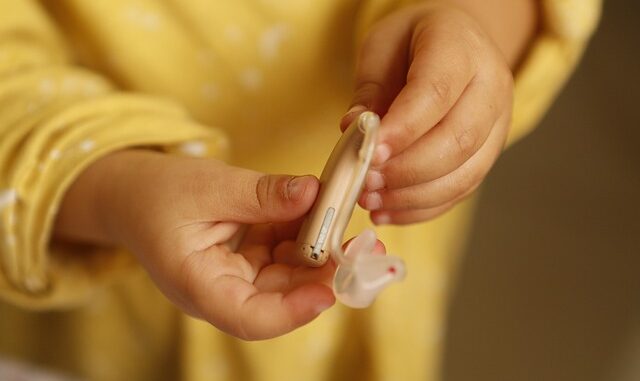

The Critical Imperative: Advancing Pediatric Medical Device Development
Many thanks to our sponsor Esdebe who helped us prepare this research report.
Abstract
Pediatric medical devices represent a fundamental cornerstone in the diagnosis, treatment, and management of a vast spectrum of diseases and conditions affecting children. Despite their indispensable role, this specialized sector of medical technology remains conspicuously underdeveloped when juxtaposed with the mature and expansive landscape of adult medical devices. This comprehensive research report undertakes an in-depth exploration of the unique and multifaceted physiological, developmental, psychological, and ethical considerations that not only justify but imperatively demand the creation of specialized pediatric medical devices. It meticulously examines the intricate regulatory frameworks, elucidates the complex market dynamics—including inherent challenges such as the significantly smaller market size and specialized reimbursement pathways—and meticulously traces the entire lifecycle of a pediatric device, from initial ideation through rigorous testing, clinical evaluation, regulatory approval, and eventual commercialization. Through a series of illustrative case studies encompassing both triumphant innovations and instances of suboptimal outcomes stemming from the misapplication of adult technologies, the report illuminates the profound complexities inherent in pediatric device development. Furthermore, it offers forward-looking insights into emerging technological advancements, evolving regulatory paradigms, and critical future trends, extending beyond the traditionally emphasized field of cardiology to encompass a broader spectrum of underserved pediatric medical specialties.
Many thanks to our sponsor Esdebe who helped us prepare this research report.
1. Introduction
The development of medical devices precisely tailored for pediatric patients stands as a critical, yet often regrettably overlooked, domain within the broader landscape of healthcare innovation. Children are unequivocally not merely diminutive versions of adults; they possess a distinct and rapidly evolving biological framework characterized by unique physiological, anatomical, and developmental trajectories that profoundly influence their susceptibility to diseases, their response to medical interventions, and their long-term health outcomes. This fundamental divergence necessitates medical devices engineered specifically to accommodate their distinct needs, ranging from the neonatal period through adolescence. Despite this undeniable and pressing requirement for pediatric-specific devices, the market continues to exhibit significant underserved areas, a deficiency that frequently compels clinicians to resort to the ‘off-label’ use of adult medical devices in pediatric care. This practice, while sometimes unavoidable in emergent situations, carries inherent risks, including increased potential for injury, suboptimal therapeutic effects, and complications arising from size mismatches, material incompatibilities, and functional inadequacies.
This extensive report delves into the multifaceted and interconnected challenges that define pediatric medical device development. It systematically addresses the intricate design considerations demanded by a growing and changing organism, navigates the often-arduous regulatory hurdles imposed by diverse global bodies, dissects the idiosyncratic market dynamics that shape investment and commercial viability, and meticulously charts the arduous journey from an initial concept to eventual commercialization and widespread clinical adoption. By elucidating these complexities, this report aims to underscore the moral imperative, the scientific necessity, and the long-term societal benefits of prioritizing innovation in this vital area of healthcare, ultimately striving to improve the health and quality of life for children globally.
Many thanks to our sponsor Esdebe who helped us prepare this research report.
2. Unique Considerations in Pediatric Medical Device Development
The creation of medical devices for pediatric populations is fundamentally distinguished by a constellation of unique factors that dictate every stage of their design, testing, and deployment. These factors transcend mere scaling down of adult devices and necessitate a deep understanding of the dynamic nature of childhood.
2.1 Physiological and Developmental Differences
Children’s bodies undergo continuous and rapid transformation, presenting a dynamic target for medical device design. These differences extend far beyond superficial size variations, impacting virtually every organ system and physiological process.
2.1.1 Size, Anatomy, and Proportion
- Body Surface Area (BSA): Relative to their weight, children have a significantly larger BSA compared to adults. This impacts heat regulation, drug absorption (for transdermal devices), and the potential for device-related skin irritation or injury.
- Organ Size and Location: Organs like the heart, lungs, kidneys, and liver are not only smaller in absolute terms but also differ in their relative proportions and anatomical positions within the thoracic and abdominal cavities. For instance, a child’s rib cage is more compliant, and the mediastinum is relatively larger, influencing the placement and fixation of thoracic devices. Vessel diameters, such as those of arteries and veins, are considerably smaller, demanding miniaturized catheters, cannulas, and interventional devices that prevent vascular trauma or occlusion. The urethra, for example, is shorter and narrower, requiring specialized catheters.
- Bone Structure and Growth Plates: Pediatric bones are more elastic and prone to different types of fractures. Crucially, the presence of epiphyseal growth plates means that orthopedic implants must avoid interfering with normal bone growth and development. Devices must be designed to accommodate rapid bone lengthening and remodeling, or be biodegradable to be reabsorbed as the bone matures. For example, a spinal fusion device designed for an adolescent with scoliosis must account for ongoing vertebral growth and ossification.
- Airway Anatomy: A child’s airway is proportionally smaller, shorter, and more conical than an adult’s, with a larger tongue and higher larynx. This makes them particularly susceptible to airway obstruction and necessitates specialized endotracheal tubes, laryngoscopes, and ventilation masks that minimize trauma and ensure effective ventilation.
2.1.2 Physiological Parameters and Metabolism
- Heart Rate and Cardiac Output: Children typically have higher resting heart rates and a more limited stroke volume reserve. Cardiac devices, such as pacemakers and VADs, must be capable of adapting to these higher baseline rates and more dynamic changes. Flow rates in cardiopulmonary bypass circuits need precise control to match smaller blood volumes.
- Respiratory Rate and Lung Volumes: Respiratory rates are higher, and lung volumes are smaller. Ventilators must deliver tidal volumes accurately in the range of milliliters, and respiratory masks must provide an effective seal without causing pressure injuries.
- Blood Pressure: Pediatric blood pressure is generally lower and highly variable, requiring cuffs and monitoring systems specifically calibrated for these ranges to ensure accuracy and prevent over-inflation injuries.
- Metabolic Rate and Fluid Balance: Children have a higher metabolic rate per kilogram of body weight, which can influence device material degradation or drug delivery kinetics. Their fluid balance is more precarious, making them more susceptible to dehydration or fluid overload, thus affecting devices involved in fluid administration or removal.
- Thermoregulation: Infants and young children have immature thermoregulation systems and a higher surface area to volume ratio, making them vulnerable to hypothermia. Devices used in surgery or critical care must actively contribute to maintaining normothermia, such as warming blankets or specialized incubators.
- Immune Response: The developing immune system in children may react differently to foreign materials. Device biocompatibility is paramount, with a heightened focus on minimizing inflammation, rejection, and infection risks. Materials must be rigorously tested for long-term safety in a developing organism.
2.1.3 Growth and Maturation Dynamics
The most significant and perhaps challenging aspect is designing devices that interact with a body that is actively growing and maturing. This requires innovative solutions:
- Growth-Adaptive Technologies: Devices like prosthetic heart valves (e.g., Melody valve, Harmony TPV) must be designed to either expand with the child or to allow for future transcatheter replacement, avoiding repeated open-heart surgeries. Orthopedic implants, such as those for scoliosis, may incorporate mechanisms for non-invasive lengthening or be made from resorbable materials that degrade as the bone heals and grows.
- Biodegradable and Resorbable Materials: The use of materials like polylactic acid (PLA), polyglycolic acid (PGA), or certain magnesium alloys for stents or fixation devices allows the device to fulfill its function temporarily and then safely degrade and be absorbed by the body, eliminating the need for removal surgery and accommodating ongoing growth. This is particularly critical in contexts like congenital heart defects, where repeated interventions are common.
- Modular and Adjustable Designs: Some devices are designed with modular components that can be exchanged or adjusted as the child grows, such as external fixation devices or some forms of limb prostheses.
2.1.4 Tissue Properties and Fragility
Pediatric tissues are often more delicate and fragile. Infant skin, for instance, is thinner and more susceptible to tearing, pressure injuries, and irritation from adhesives or prolonged contact with device surfaces. Blood vessels are more fragile, increasing the risk of perforation during catheterization. These factors demand ultra-smooth device surfaces, gentle attachment mechanisms, and highly biocompatible materials.
2.2 Psychological and Behavioral Factors
The psychological impact of illness and medical interventions on children, coupled with their varying cognitive and emotional development, presents unique design challenges. Devices must be conceived not only for physiological efficacy but also for psychological comfort and functional compliance.
2.2.1 Age-Appropriate Design and Aesthetics
- Minimizing Anxiety and Fear: Medical environments and devices can be intimidating. Designs that minimize the ‘medical’ appearance can reduce stress. For infants and toddlers, bright colors, friendly shapes, and even interactive elements (e.g., a pulse oximeter that looks like an animal) can significantly improve acceptance and reduce resistance during procedures. For older children, designs that are sleek, modern, and resemble consumer electronics rather than bulky medical equipment may be more appealing and promote compliance.
- Child-Friendly Interfaces: User interfaces should be simple, intuitive, and, where appropriate, include visual cues or even gamification elements for older children to understand their condition or treatment regimen. For example, a diabetes monitoring device might incorporate a game that rewards consistent blood glucose checks.
- Reducing Discomfort: Beyond physical pain, devices should minimize sensory discomfort. Reducing noise from pumps, vibrations, or harsh lights can create a more calming environment. Minimally invasive approaches are always preferred to reduce psychological and physical trauma.
2.2.2 Engagement and Compliance
- Play and Exploration: For young children, incorporating elements of play can transform a potentially frightening medical device into something less threatening. This might involve devices that can be personalized with stickers or covers, or even interactive apps that explain the device’s function in a child-friendly narrative.
- Autonomy and Control: For older children and adolescents, fostering a sense of control over their treatment can significantly improve compliance. Devices that allow for some degree of user input or customization can be beneficial. Explaining the ‘why’ behind a device’s use in an age-appropriate manner also empowers patients.
2.2.3 Family-Centric Design
Parents and caregivers are integral to pediatric care. Devices must be designed with their needs in mind:
- Ease of Use for Home Care: Many pediatric devices are used in the home setting (e.g., nebulizers, feeding pumps, glucose monitors). They must be intuitive to operate, easy to clean, durable, and have clear instructions to minimize caregiver burden and reduce the risk of errors.
- Portability and Integration: Devices that support a child’s normal activities (school, play, travel) are crucial. This includes compact size, lightweight design, and long battery life. Integration with existing digital health platforms can also streamline management for families.
- Psychological Support for Families: A device’s design can indirectly impact family well-being. For example, a less intimidating or cumbersome device can reduce parental stress and anxiety associated with managing their child’s condition.
2.3 Ethical Considerations
The inherent vulnerability of pediatric patients introduces a complex layer of ethical considerations that demand careful navigation throughout the entire device development lifecycle.
2.3.1 Informed Consent and Assent
- Challenges in Clinical Trials: Obtaining truly ‘informed’ consent from children is challenging due to their developing cognitive capacities. Parental or guardian consent is legally required, but the child’s ‘assent’—their affirmative agreement to participate—is ethically crucial, particularly for older children. Devices must be explained in an age-appropriate manner to the child, respecting their evolving autonomy and right to understand.
- Balancing Parental Autonomy and Child’s Best Interest: Ethical review boards meticulously scrutinize studies involving children to ensure the child’s welfare remains paramount, often setting a higher ethical bar for risk acceptance compared to adult trials.
2.3.2 Risk-Benefit Ratio in Vulnerable Populations
- Minimizing Risk: Any research or device use in children must adhere to a stringent standard of minimizing risk. The potential benefits must clearly outweigh the risks, particularly when healthy controls or invasive procedures are considered. The long-term implications of device use on growth and development must be carefully considered.
- Necessity for Pediatric-Specific Data: Relying solely on adult data for pediatric applications poses ethical concerns, as it exposes children to unknown risks and potentially ineffective treatments. This underscores the ethical imperative for generating robust pediatric-specific evidence.
2.3.3 Equity of Access and Global Health Disparities
- Availability in Low-Resource Settings: Many innovative pediatric devices are developed in high-income countries. Ensuring equitable access and affordability in low- and middle-income countries, where a significant proportion of the world’s children reside and bear a disproportionate burden of disease, is a major ethical challenge. This includes considerations of device durability, cost-effectiveness, and ease of maintenance in diverse clinical environments.
- Orphan Devices: Conditions affecting small numbers of children, especially rare diseases, struggle to attract commercial investment, creating ‘orphan device’ scenarios. Ethical frameworks must support development for these underserved populations, even without a large market incentive.
Many thanks to our sponsor Esdebe who helped us prepare this research report.
3. Regulatory Frameworks and Challenges
The regulatory landscape for pediatric medical devices is a complex mosaic of national and international policies, continually evolving to address the unique needs of children while balancing innovation with patient safety. These frameworks aim to incentivize development but often present significant hurdles.
3.1 FDA Initiatives and Policies (United States)
The U.S. Food and Drug Administration (FDA) has recognized the historical disparities in pediatric device development and has progressively implemented a series of legislative acts and initiatives to stimulate innovation and ensure the safety and effectiveness of devices for children.
3.1.1 Historical Context and Key Legislation
- Early Precursors: While the Best Pharmaceuticals for Children Act (BPCA) and the Pediatric Research Equity Act (PREA) primarily focused on drugs, they laid crucial groundwork by establishing the precedent for mandating pediatric studies and recognizing children as a distinct population. These legislative efforts eventually inspired similar attention to medical devices.
- Pediatric Medical Device Safety and Innovation Act (PMDSIA) of 2007 (part of the FDA Amendments Act of 2007): This landmark legislation was a pivotal turning point. It established specific programs and incentives aimed directly at pediatric medical devices. Key provisions included:
- Pediatric Device Consortia (PDC) Grant Program: This program awards grants to non-profit consortia that provide technical, clinical, regulatory, and business development support to pediatric device innovators. These consortia act as incubators, connecting inventors with expertise in engineering, medicine, regulatory affairs, and commercialization. Examples include the West Coast Consortium for Technology & Innovation in Pediatrics (CTIP) and the National Capital Consortium for Pediatric Device Innovation (NCC-PDI). Their role is crucial in de-risking early-stage projects.
- Humanitarian Device Exemption (HDE) Program Expansion: PMDSIA facilitated the use of the HDE pathway for pediatric devices. An HDE is an alternative regulatory pathway for devices intended to treat or diagnose diseases or conditions that affect fewer than 8,000 patients in the U.S. per year (for pediatric devices, this threshold was initially 4,000 and later raised). This pathway allows for marketing of devices based on evidence of probable benefit rather than strict demonstration of effectiveness, acknowledging the difficulty of conducting large-scale clinical trials in small patient populations. This has been particularly impactful for rare pediatric conditions.
- Waiver of Medical Device User Fee Amendments (MDUFA) Fees: The act provided a waiver for MDUFA fees for devices granted marketing authorization if they were labeled exclusively for pediatric use, further incentivizing companies to develop devices specifically for children by reducing the financial burden of regulatory submissions.
3.1.2 Subsequent Initiatives and Ongoing Efforts
- MDUFA Reauthorizations: Subsequent reauthorizations of MDUFA (e.g., MDUFA V) have continued to build upon these efforts, including commitments to streamline the review process for pediatric devices, enhance communication between sponsors and the FDA, and support post-market surveillance for pediatric populations.
- Breakthrough Devices Program: While not exclusively pediatric, the FDA’s Breakthrough Devices Program can significantly accelerate the development and review of novel technologies for children that provide more effective treatment or diagnosis of life-threatening or irreversibly debilitating diseases or conditions. This can be particularly beneficial for highly innovative pediatric devices.
- Pediatric Postmarket Surveillance Requirements: Recognizing the long-term impact of devices on growing bodies, the FDA has strengthened requirements for post-market surveillance of certain pediatric devices, ensuring that safety and performance data are collected over extended periods.
- Collaborative Efforts: The FDA actively collaborates with organizations like Children’s National Hospital and other stakeholders to advance regulatory science, develop new tools, and gather insights from the pediatric medical community to refine policies and guidance documents.
3.1.3 Remaining Challenges within the FDA Framework
Despite these advancements, challenges persist:
- High Bar for Evidence: Even with incentives, the scientific and ethical burden of generating robust clinical data in children remains high, particularly for novel or high-risk devices.
- Slow Processes: The review process, while improved, can still be lengthy, particularly for complex or innovative devices that push regulatory boundaries.
- Interpretation and Guidance: Companies often face difficulties interpreting how existing adult device guidance applies to pediatric devices, necessitating more specific pediatric guidance documents from the FDA.
3.2 Global Regulatory Perspectives
Regulatory approaches outside the U.S. also vary significantly, influencing the global development and availability of pediatric devices.
3.2.1 European Union (EU)
- Medical Device Regulation (MDR) and In Vitro Diagnostic Regulation (IVDR): The EU’s new MDR (effective 2021) and IVDR (effective 2022) have introduced more stringent requirements for clinical evidence, risk management, and post-market surveillance across all medical devices, including those for pediatric use. While not creating a separate pathway specifically for pediatrics like the HDE, the MDR mandates that manufacturers explicitly consider pediatric patients in their risk-benefit analysis, clinical evaluation plans, and labeling if the device is intended for children or could potentially be used off-label in children. This forces a proactive consideration of pediatric needs.
- Challenges in the EU: The transition to MDR has been challenging for many manufacturers, particularly smaller innovators, due to increased compliance costs and the complexity of demonstrating sufficient clinical evidence for niche pediatric populations.
3.2.2 Japan (PMDA)
- Evolving Framework: Japan’s Pharmaceuticals and Medical Devices Agency (PMDA) has been actively evolving its regulatory environment for pediatric devices. Historically, the market faced similar issues of off-label use and limited specific devices. Recent efforts focus on streamlining approval processes, especially for orphan devices, and promoting early consultation with manufacturers.
- Emphasis on International Collaboration: Japan places a strong emphasis on international collaboration and the acceptance of foreign clinical data to reduce redundant studies, an approach that benefits pediatric device development where patient populations are globally fragmented.
3.2.3 Other Regions and Harmonization Efforts
- Canada and Australia: These countries generally align their regulatory frameworks with a combination of U.S. and EU practices, with specific guidance for pediatric populations often incorporated into broader medical device regulations.
- Emerging Markets: Regulations in countries like China, India, and Brazil are rapidly developing. While they aim to protect their populations, the specific incentives and pathways for pediatric devices may be less mature, posing challenges for global market access.
- International Medical Device Regulators Forum (IMDRF): Efforts towards regulatory harmonization through bodies like IMDRF are crucial for pediatric devices. Greater alignment in requirements for clinical data, quality systems, and post-market surveillance can reduce the burden on manufacturers and accelerate global availability of essential devices.
3.3 Data and Evidence Generation Challenges
Underpinning all regulatory processes is the fundamental need for robust clinical data, which presents distinct challenges in pediatric populations.
- Small Patient Populations and Heterogeneity: Many pediatric conditions requiring devices are rare, leading to statistically underpowered clinical trials. Even common conditions vary significantly across age groups (neonates vs. adolescents), making it difficult to generalize results or conduct homogeneous studies.
- Ethical Constraints on Clinical Trials: The ethical imperative to protect children means limiting their exposure to experimental treatments or invasive procedures. Placebo-controlled trials are often deemed unethical when an existing treatment, however suboptimal, is available. This limits traditional trial designs.
- Long-Term Follow-up: Devices implanted in children may need to function for decades, accommodating growth and physiological changes. This necessitates extremely long-term follow-up studies, which are costly, complex, and prone to patient attrition.
- Innovative Trial Designs and Data Sources: To overcome these challenges, regulatory bodies and innovators are exploring:
- Adaptive Trial Designs: Allowing modifications to the study protocol based on accumulating data.
- Bayesian Statistics: Useful for small populations, integrating prior knowledge with new data.
- Real-World Evidence (RWE): Utilizing data from registries, electronic health records, and claims data to assess device performance and safety post-market, complementing traditional clinical trials.
- Modeling and Simulation: Computational models and sophisticated simulators are increasingly used to predict device performance across different pediatric sizes and conditions, reducing the need for extensive human trials.
- Single-Arm Studies with Historical Controls: For rare diseases or devices targeting unmet needs, comparisons might be made against historical patient outcomes rather than a concurrent control group.
Many thanks to our sponsor Esdebe who helped us prepare this research report.
4. Market Dynamics and Commercialization Challenges
The economic realities of the pediatric medical device market are often at odds with the profound clinical need. This disparity creates significant commercialization hurdles, deterring investment and slowing the pace of innovation.
4.1 Market Size and Investment Considerations
4.1.1 The ‘Small Market’ Dilemma
While children constitute a significant portion of the global population (approximately 25% in the U.S.), their representation in the medical device market is disproportionately small. This is due to several factors:
- Lower Incidence of Certain Conditions: Many chronic or age-related diseases that drive the adult device market (e.g., degenerative joint disease, adult-onset cardiovascular disease) are less common in children.
- Niche Patient Populations: Even within pediatric care, conditions requiring specific devices often affect very small, specialized subgroups (e.g., specific congenital anomalies, rare genetic syndromes). This fragmentation results in highly specialized, low-volume product lines.
- Limited Spending: Despite the population size, overall spending on pediatric healthcare, particularly for devices, is significantly less than adult healthcare. In the U.S., pediatric healthcare spending is often cited as less than 10% of total healthcare expenditure, further limiting the revenue potential for device manufacturers. A recent market analysis projects the global pediatric medical device market to reach approximately USD 70.3 billion by 2033, growing at an 8.1% CAGR, indicating growth but from a comparatively smaller base than the adult market.
4.1.2 Economic Disincentives for Private Companies
- Low Return on Investment (ROI): The combination of small market size, lengthy and costly development cycles (due to regulatory complexity and long-term follow-up), and specialized manufacturing requirements often translates into a low projected ROI. This makes pediatric devices less attractive to venture capitalists and large medical device corporations focused on maximizing shareholder value.
- High Regulatory Costs: While some fees are waived (e.g., MDUFA fees for exclusively pediatric devices), the overall cost of navigating regulatory pathways, conducting specialized clinical trials, and maintaining compliance for pediatric devices remains substantial.
- Manufacturing Challenges: Producing small batches of highly specialized devices often lacks the economies of scale enjoyed by adult device manufacturing, leading to higher per-unit production costs.
4.1.3 Funding Gaps and the Role of Non-Dilutive Capital
- Venture Capital Hesitation: Traditional venture capital firms are typically risk-averse and seek high-growth, large-market opportunities. Pediatric devices, with their inherent complexities and smaller market potential, rarely fit this profile, creating significant funding gaps, especially for early-stage innovation.
- Importance of Non-Dilutive Funding: To bridge these gaps, non-dilutive funding sources become critical. These include:
- Government Grants: Programs like the FDA’s Pediatric Device Consortia (PDC) grants and Small Business Innovation Research (SBIR) grants from agencies like the NIH are vital for seed funding and early-stage development.
- Foundations and Philanthropy: Disease-specific foundations (e.g., Cystic Fibrosis Foundation, American Heart Association) and philanthropic organizations play a crucial role in funding research and development for pediatric conditions.
- Academic Institutions: Universities and academic medical centers, often driven by clinical need rather than profit, are significant hubs for pediatric device innovation, though they often struggle with later-stage commercialization.
4.1.4 Pricing and Reimbursement
- Value Proposition: Demonstrating the unique value proposition of a pediatric device to payers (insurance companies, government programs) is challenging, especially when adult alternatives are used off-label at a lower cost, even if less effective or safe. Payers often lack specific coding or reimbursement mechanisms for novel pediatric technologies.
- Lack of Specific Coding: The absence of dedicated CPT codes or DRG classifications for certain pediatric devices can complicate reimbursement, leading to underpayment or denial of coverage, further eroding commercial viability.
4.2 Lifecycle from Ideation to Commercialization
The journey of a pediatric medical device from a nascent idea to a commercially viable product in the market is protracted and arduous, fraught with unique challenges at each stage.
4.2.1 Ideation and Needs Assessment
- Identifying Unmet Needs: The process often begins with clinicians (pediatricians, surgeons, nurses) identifying critical unmet needs in their daily practice. Patient advocacy groups also play a crucial role in highlighting gaps in care. Consortia like the PDCs actively facilitate this ‘problem definition’ phase.
- Interdisciplinary Collaboration: Effective ideation requires collaboration between clinicians, engineers, material scientists, human factors experts, and regulatory specialists from the outset.
4.2.2 Research and Development (R&D)
- Prototyping and Iteration: Given the specific size and growth requirements, R&D involves extensive prototyping and iterative design cycles. Advanced tools like CAD/CAM, finite element analysis (FEA), and computational fluid dynamics (CFD) are used to simulate performance across different pediatric anatomies and physiological parameters.
- Material Selection: Critical decisions regarding biocompatibility, durability, growth adaptability, and potential biodegradability must be made. Materials must be inert, non-toxic, and resistant to degradation within the body over extended periods, especially considering the child’s active metabolism.
- Rigorous Testing: Bench testing and in vitro studies are designed to simulate pediatric physiological conditions, including varying flow rates, pressures, temperatures, and mechanical stresses over time.
4.2.3 Preclinical Testing
- In Vitro and Ex Vivo Studies: Initial testing often involves sophisticated laboratory models, including organ-on-a-chip technologies or tissue cultures, to assess initial safety and performance.
- Animal Models: Finding appropriate animal models that mimic pediatric physiology and growth is exceptionally challenging. Swine, ovine, and rodent models are commonly used, but their developmental trajectories and anatomical scales often differ significantly from humans, requiring careful interpretation and extrapolation of results.
4.2.4 Clinical Trials
This is arguably the most challenging phase for pediatric devices, as detailed in Section 3.3. Key aspects include:
- Patient Recruitment: Difficult due to small patient populations, ethical constraints, and geographical dispersion of patients with rare conditions.
- Ethical Review: Rigorous ethical oversight by Institutional Review Boards (IRBs) is paramount, ensuring minimal risk and maximal benefit for child participants.
- Data Collection and Endpoint Selection: Defining meaningful and measurable endpoints in children, particularly long-term developmental outcomes, can be complex.
- Longer Timelines: The necessity to follow children for years, sometimes decades, to assess long-term safety, growth impact, and device longevity significantly extends development timelines compared to adult devices.
4.2.5 Manufacturing and Quality Control
- Specialized Manufacturing: Production of pediatric devices often requires specialized, high-precision manufacturing techniques suitable for small parts and low volumes. This can drive up manufacturing costs.
- Quality Control (QC): Stringent QC is essential, particularly for implantable devices, where even minor defects can have serious consequences for children.
4.2.6 Regulatory Approval
Navigating the specific pathways (e.g., HDE, De Novo, 510(k), PMA in the U.S.; CE marking in the EU) for pediatric devices requires expert knowledge and often involves extensive back-and-forth with regulatory agencies to clarify data requirements and interpretations.
4.2.7 Post-Market Surveillance and Lifecycle Management
- Long-Term Monitoring: The impact of devices on growing children often requires surveillance programs extending for many years post-approval. National and international registries are increasingly important for collecting real-world data on device performance, safety, and long-term outcomes.
- Adverse Event Reporting: Robust systems for reporting and analyzing adverse events are crucial to identify unanticipated complications unique to the pediatric population.
- Iterative Improvements: Data from post-market surveillance can inform subsequent device iterations and improvements, adapting to evolving clinical knowledge and patient needs.
4.2.8 Intellectual Property (IP)
- Strategic Patenting: Obtaining strong patent protection is vital, even in smaller markets, to secure a competitive advantage and attract investment. Strategies may include utility patents for novel features, design patents for aesthetics, and potentially seeking patent term extensions where available for pediatric innovations.
- Balancing Protection and Access: Innovators must balance the need for IP protection to incentivize development with the ethical imperative to ensure broad access to life-saving pediatric technologies.
Many thanks to our sponsor Esdebe who helped us prepare this research report.
5. Case Studies of Pediatric Medical Device Innovations
Examining specific instances of pediatric device development—both successes and situations where adult devices proved inadequate—provides tangible evidence of the unique challenges and the profound impact of tailored innovation.
5.1 Successful Innovations
5.1.1 Pediatric Ventricular Assist Devices (VADs)
- The Problem: Children suffering from end-stage heart failure often require mechanical circulatory support as a bridge to heart transplantation or for destination therapy. Adult VADs are too large for pediatric chests, cause high rates of complications (e.g., stroke, infection), and cannot accommodate the dynamic physiology of children.
- The Innovation (e.g., Berlin Heart EXCOR, HeartWare HVAD pediatric adaptions): Recognizing this critical unmet need, engineers and clinicians collaborated to develop VADs specifically for pediatric patients. The Berlin Heart EXCOR Pediatric VAD, for example, features external pump chambers and cannulas available in various sizes (from 10mL to 60mL, suitable for infants to adolescents) to accommodate different body sizes. It minimizes intracardiac components, reducing the risk of thrombus formation in smaller chambers. Subsequent innovations, like adaptations of the HeartWare HVAD for pediatric use, focused on miniaturization and improved hemocompatibility. These devices provide pulsatile or continuous flow, significantly improving survival rates, extending the time to transplant, and enabling patients to be discharged home, improving their quality of life.
- Key Design Principles Demonstrated: Miniaturization, variable sizing, biocompatible materials for reduced thrombosis, robust and reliable pumping mechanisms, and designs that consider the smaller body cavity and dynamic circulatory needs.
5.1.2 Growth-Adaptive Stents and Valves
- The Problem: Children with congenital heart disease often require interventions such as pulmonary valve replacement or correction of coarctation of the aorta. Traditional stents and prosthetic valves do not grow with the child, necessitating multiple, often high-risk, open-heart surgeries over their lifetime.
- The Innovation (e.g., Melody Valve, Harmony TPV): The Melody Transcatheter Pulmonary Valve (TPV) was a pioneering innovation allowing for non-surgical pulmonary valve replacement in patients with right ventricular outflow tract (RVOT) dysfunction. While not strictly ‘growth-adaptive,’ it can be implanted within existing conduits and then later expanded with larger balloons, or a new valve can be implanted within the existing Melody valve, reducing the need for repeated open-heart procedures. The Harmony Transcatheter Pulmonary Valve (TPV) is another example designed for patients with native RVOTs, offering a minimally invasive option. Newer concepts are exploring biodegradable or bioresorbable stents that can expand or degrade, allowing for natural vessel growth.
- Key Design Principles Demonstrated: Minimally invasive delivery, expandability, durability for long-term function, and reduction of re-interventions.
5.1.3 Neonatal Resuscitation Devices and Incubators
- The Problem: Premature and critically ill neonates have extremely fragile physiology, immature organs, and require precise environmental control and highly sensitive interventions.
- The Innovation: Specialized incubators (e.g., with precise temperature, humidity, and oxygen control, and integrated physiological monitoring), miniaturized ventilators capable of delivering ultra-low tidal volumes (e.g., to prevent lung injury in extremely premature infants), and specialized Continuous Positive Airway Pressure (CPAP) systems designed for tiny faces have revolutionized neonatal intensive care. These devices feature gentle interfaces, minimal dead space, and highly accurate delivery mechanisms.
- Key Design Principles Demonstrated: Precision, miniaturization, extreme gentleness, integration of multiple functions, and robust environmental control.
5.1.4 Cochlear Implants for Children
- The Problem: Profound sensorineural hearing loss in children significantly impairs speech and language development if not addressed early.
- The Innovation: Cochlear implants are electronic devices that bypass damaged parts of the inner ear and directly stimulate the auditory nerve. Pediatric cochlear implants are designed with durability in mind (to withstand active childhood), with smaller internal components suitable for developing skulls, and with programming capabilities that adapt to a child’s auditory learning process. Early implantation has proven critical for optimal language development.
- Key Design Principles Demonstrated: Miniaturization, long-term durability, adaptability for development, and focus on functional outcomes relevant to childhood (e.g., speech acquisition).
5.2 Challenges and ‘Failed’ Adaptations (Consequences of Off-Label Use)
Conversely, the reliance on adult devices for pediatric patients, often due to a lack of pediatric-specific alternatives, has frequently led to suboptimal outcomes, highlighting the urgent need for dedicated innovation.
5.2.1 Adult Pacemakers in Children
- The Problem: Children with bradycardia or heart block require pacemakers. When only adult pacemakers are available, they present several critical issues.
- Consequences:
- Size Mismatch: Adult pacemakers are too large for a child’s small chest cavity, often requiring placement in the abdomen or creating visible bulges and discomfort. The leads themselves are thicker and stiffer, increasing the risk of vascular injury or erosion through delicate cardiac tissue.
- Battery Life: Adult pacemakers are designed for a fixed rate of energy consumption. Children’s higher metabolic rates and active lifestyles can lead to premature battery depletion. More importantly, adult pacemakers are not typically designed to accommodate the rapid growth of a child, which can lead to lead fracture or dislodgement as the body stretches.
- Physiological Inadequacy: Pacing algorithms designed for adult hearts may not adequately respond to the dynamic physiological needs of a child, potentially leading to inappropriate pacing rates or failure to adapt to exercise.
- Repeated Surgeries: As the child grows, leads can become too short or dislodged, necessitating multiple surgical revisions, each carrying risks of infection and trauma.
5.1.2 Peripheral Intravenous (IV) Catheters
- The Problem: Accessing veins for medication or fluid administration is a routine procedure, but adult IV catheters are often too large for pediatric patients.
- Consequences:
- Vein Trauma: Larger gauge needles and catheters can cause significant trauma to delicate pediatric veins, leading to extravasation, phlebitis, and increased pain.
- Difficult Insertion: The smaller, more tortuous veins in infants and young children make insertion challenging, often requiring multiple attempts, increasing distress for the child and caregiver.
- Higher Failure Rates: Off-label adult catheters are more prone to occlusion or dislodgement in active children, leading to frequent re-starts and increased resource utilization.
5.1.3 Surgical Instruments
- The Problem: Standard adult surgical instruments are designed for larger anatomical spaces and tissue thicknesses.
- Consequences:
- Larger Incisions and Dissection: Using oversized instruments necessitates larger incisions and more extensive tissue dissection, leading to increased pain, longer recovery times, and more prominent scarring in children.
- Reduced Precision: Clumsy, oversized instruments reduce the surgeon’s dexterity and precision, particularly in delicate pediatric procedures (e.g., neonatal surgery, neurosurgery), increasing the risk of iatrogenic injury.
- Limited Access: Large instruments may not be able to access deep or narrow surgical fields within a child’s body, restricting the adoption of minimally invasive techniques.
5.1.4 Drug Delivery Systems
- The Problem: Delivering precise, often micro-doses of medication to pediatric patients requires highly accurate and reliable systems.
- Consequences:
- Dosing Errors: Adult syringes, pumps, and nebulizers are not always calibrated for the extremely small volumes and slow delivery rates required for infants and neonates. This can lead to significant over- or under-dosing, with potentially fatal consequences given children’s sensitive metabolism and narrow therapeutic windows.
- Compliance Issues: Unfriendly or difficult-to-use delivery systems can reduce adherence to medication regimens, particularly for chronic conditions managed at home.
5.1.5 Orthopedic Implants for Growing Bones
- The Problem: Adult orthopedic plates, screws, and rods are designed for skeletally mature bones.
- Consequences:
- Growth Plate Damage: Implants crossing or impinging on epiphyseal growth plates can cause growth arrest, angular deformities, or limb length discrepancies, necessitating complex corrective surgeries later.
- Revision Surgeries: As a child grows, adult implants can become too small, leading to pull-out, breakage, or misalignment, requiring multiple revision surgeries and their associated risks.
- Rigidity: Adult implants are often too rigid, preventing the natural remodeling and growth of pediatric bone, potentially leading to stress shielding and delayed healing.
These instances underscore the critical need for devices specifically designed for pediatric use, developed with a deep understanding of their unique physiology, psychology, and developmental trajectory.
Many thanks to our sponsor Esdebe who helped us prepare this research report.
6. Future Trends and Beyond Cardiology
The landscape of pediatric medical device innovation is on the cusp of transformative change, driven by rapid technological advancements, evolving regulatory approaches, and a growing recognition of unmet needs across a wider spectrum of medical specialties.
6.1 Technological Advancements
Breakthroughs in materials science, manufacturing, and digital technologies are paving the way for a new generation of pediatric devices.
6.1.1 Biomaterials and Resorbable Implants
- Biodegradable Polymers: The development of biocompatible and bioresorbable polymers like polylactic acid (PLA), polyglycolic acid (PGA), and polycaprolactone (PCL) is revolutionary for pediatric implants. These materials can be engineered to maintain mechanical integrity for a specific period and then gradually degrade and be absorbed by the body, eliminating the need for removal surgeries. This is particularly advantageous for stents, orthopedic fixation devices (screws, plates), and tissue scaffolds, allowing the child’s own tissues to take over as the device disappears.
- Smart Materials: Research into ‘smart’ materials that can respond to physiological cues (e.g., changes in pH, temperature, or mechanical stress) could lead to adaptive devices that adjust their properties in vivo. For example, a stent that gradually expands in response to vessel growth or a drug delivery system that releases medication based on real-time physiological markers.
- Metallic Alloys: Innovations in resorbable metallic alloys (e.g., magnesium-based alloys) offer mechanical properties similar to traditional metals but with the benefit of gradual degradation, providing temporary structural support without long-term foreign body presence.
6.1.2 3D Printing and Additive Manufacturing
- Customization and Patient-Specificity: 3D printing (additive manufacturing) is a game-changer for pediatric devices. It allows for the creation of highly customized, patient-specific implants and surgical guides tailored to a child’s unique anatomy, which is invaluable for rare congenital anomalies or complex deformities. This reduces surgical time, improves precision, and enhances outcomes.
- Rapid Prototyping: The ability to rapidly prototype complex geometries facilitates quicker design iterations and bench testing, accelerating the development cycle for pediatric devices.
- Bioprinting: Emerging bioprinting techniques hold future promise for creating living tissues or organs, though this is still largely in the research phase. For pediatric applications, this could eventually lead to custom tissues for reconstruction or regenerative therapies.
6.1.3 Miniaturization and Micro-robotics
- Less Invasive Procedures: Continued advancements in miniaturization allow for less invasive procedures, reducing trauma, recovery time, and the psychological impact of surgery on children. This includes smaller endoscopes, catheters, and surgical tools.
- Micro-robotics: The development of micro-robots for diagnostic and therapeutic interventions could revolutionize pediatric medicine, enabling targeted drug delivery, minimally invasive biopsies, or precise surgical maneuvers in tiny anatomical spaces, reducing systemic side effects and improving precision.
6.1.4 Artificial Intelligence (AI) and Machine Learning (ML)
- Personalized Treatment: AI and ML algorithms can analyze vast datasets to predict device performance, personalize treatment parameters (e.g., ventilator settings, drug pump rates), and identify patients at higher risk of complications. This allows for more tailored and safer interventions.
- Diagnostic Support: AI-powered image analysis tools can assist in the early and accurate diagnosis of pediatric conditions, guiding device selection and intervention timing.
- Predictive Maintenance: For complex devices, AI can predict potential failures, allowing for proactive maintenance and preventing adverse events.
6.1.5 Digital Health, Telemedicine, and Wearable Devices
- Remote Monitoring: Digital health platforms enable remote monitoring of chronic conditions and implanted devices (e.g., glucose monitors for diabetes, cardiac rhythm management devices, VAD parameters). This improves continuity of care, reduces hospital visits, and empowers families to manage their child’s health at home.
- Telemedicine: Virtual consultations expand access to specialist pediatric care, particularly for families in rural or underserved areas, facilitating device management and troubleshooting.
- Wearable Devices: Non-invasive wearable sensors can continuously monitor physiological parameters (e.g., heart rate, oxygen saturation, activity levels) in a child-friendly manner, providing valuable data for managing chronic conditions, assessing rehabilitation progress, or alerting caregivers to potential issues.
- Data Aggregation and Analytics: These technologies generate vast amounts of real-world data, which, when properly anonymized and analyzed, can inform device design improvements, regulatory decisions, and clinical practice guidelines, overcoming some of the data generation challenges in pediatric populations.
6.2 Expansion into Other Medical Fields
While cardiology has seen significant strides, numerous other pediatric specialties remain critically underserved, presenting fertile ground for future innovation.
6.2.1 Orthopedics
- Scoliosis and Spinal Deformities: Current implants for scoliosis often require repeated surgeries for lengthening or permanent fusion. Future innovations include growth-sparing devices that correct curvature without fusing the spine, or resorbable systems that provide temporary support while allowing natural growth.
- Limb Reconstruction and Prosthetics: Devices for limb lengthening or reconstruction need to accommodate rapid growth. Advanced prosthetics, integrated with AI, could offer more natural movement and adaptability for growing children, with features like customizable sockets through 3D printing.
- Fracture Fixation: Biodegradable plates and screws that resorb as the bone heals would eliminate the need for removal surgeries, reducing trauma and cost.
6.2.2 Neurology
- Epilepsy Monitoring and Neurostimulation: Miniaturized, less invasive intracranial monitoring devices and responsive neurostimulation systems tailored for pediatric brains are needed to better manage refractory epilepsy. Devices must consider brain plasticity and long-term neurodevelopment.
- Hydrocephalus Shunts: Innovations focus on programmable shunts that can be adjusted externally (non-invasively) as a child’s needs change, as well as shunts with enhanced anti-infection coatings or materials to reduce shunt failure rates, which are particularly high in children.
- Spina Bifida Management: Devices for bladder and bowel management, neuro-urological implants, and adaptive mobility aids specific to the needs of children with spina bifida.
6.2.3 Gastroenterology
- Enteral Feeding Devices: More comfortable, secure, and aesthetically pleasing feeding tubes (e.g., gastrostomy tubes) that integrate seamlessly into a child’s daily life, with features like anti-reflux mechanisms and easy-to-manage external components.
- Endoscopic Instruments: Miniaturized and flexible endoscopes specifically designed for pediatric airways and GI tracts, allowing for less invasive diagnostics and interventions.
6.2.4 Urology
- Catheters and Urodynamic Equipment: Smaller, softer, and more biocompatible catheters for intermittent self-catheterization, and pediatric-specific urodynamic equipment for assessing bladder function in children with complex urological conditions.
- Incontinence Devices: Innovative solutions for pediatric urinary and fecal incontinence that are comfortable, discreet, and adaptable for active children.
6.2.5 Oncology
- Specialized Drug Delivery Systems: Implantable ports and pumps specifically designed for children’s smaller veins and body sizes, enabling precise and sustained delivery of chemotherapy while minimizing discomfort and infection risk.
- Radiation Therapy Positioning: Custom 3D-printed immobilization devices and positioning aids to ensure accurate and safe delivery of radiation therapy to pediatric cancer patients, minimizing exposure to healthy developing tissues.
6.2.6 Rehabilitation
- Adaptive Equipment: Designing wheelchairs, walkers, and other mobility aids that are lightweight, durable, highly adjustable to growth, and visually appealing to encourage independence and participation in peer activities.
- Neurorehabilitation Devices: Robotics and virtual reality-based systems adapted for children to make rehabilitation exercises engaging and effective for conditions like cerebral palsy or post-stroke recovery.
6.3 Collaborative Models and Ecosystem Development
Addressing the complex challenges in pediatric device development requires a sustained, multi-sectoral collaborative effort.
- Public-Private Partnerships (PPPs): Government agencies (e.g., FDA, NIH) must continue to partner with industry, academia, and non-profit organizations to share resources, expertise, and risks, de-risking early-stage innovation and bridging the ‘valley of death’ to commercialization.
- Expanding Consortia and Accelerators: The success of the FDA-funded Pediatric Device Consortia demonstrates the power of these networks. Expanding their reach, funding, and international collaboration can further catalyze innovation.
- Patient Advocacy Groups: These groups are invaluable. They articulate unmet needs, fund research, advocate for policy changes, and connect innovators with patient populations, providing crucial insights and support.
- Data Sharing Platforms and Registries: Establishing robust, interoperable national and international pediatric device registries is critical for collecting long-term safety and efficacy data, informing regulatory decisions, and guiding clinical practice. Collaborative data sharing can help overcome small patient population challenges.
- Training and Education: Investing in training for engineers, designers, and clinicians in pediatric device development, human factors engineering for children, and pediatric regulatory science is essential to build a specialized workforce.
Many thanks to our sponsor Esdebe who helped us prepare this research report.
7. Conclusion
The development of medical devices tailored for pediatric patients is an exceptionally complex yet profoundly vital endeavor. It transcends merely technical challenges, encompassing a deep appreciation for the unique and dynamic physiological, developmental, psychological, and ethical considerations inherent in treating a growing human being. The historical reliance on ‘off-label’ adult devices has consistently demonstrated the limitations and potential dangers of a one-size-fits-all approach, underscoring the urgent imperative for pediatric-specific innovation.
Overcoming the formidable challenges in design, navigating the intricate regulatory landscapes, and mitigating the economic disincentives of market dynamics are crucial steps to ensure that pediatric patients worldwide receive safe, effective, and age-appropriate medical interventions. While significant progress has been made through dedicated legislative acts and regulatory initiatives—particularly in fields like pediatric cardiology—the vast majority of pediatric medical specialties remain critically underserved.
The future of pediatric device development hinges on sustained and intensified collaborative efforts. This necessitates a synergistic partnership among regulatory bodies, which must continue to evolve with flexible and incentivizing pathways; the medical device industry, which must embrace the moral imperative alongside commercial viability; academic institutions, acting as vital hubs for foundational research and clinical expertise; non-profit foundations, providing essential non-dilutive funding; and, critically, patient advocacy groups, who champion the needs of children and their families. Leveraging advanced technologies such as biomaterials, 3D printing, artificial intelligence, and digital health will be instrumental in creating truly transformative solutions.
Ultimately, investing in pediatric medical devices is not merely a healthcare expenditure; it is an investment in the foundational health and future potential of our youngest generation. By fostering a vibrant ecosystem of innovation and collaboration, we can bridge the current gaps, improve clinical outcomes, enhance the quality of life for millions of children, and uphold the ethical commitment to provide every child with the best possible medical care.
Many thanks to our sponsor Esdebe who helped us prepare this research report.
References
- U.S. Food and Drug Administration. (2023). Pediatric Medical Devices. Retrieved from (https://www.fda.gov/medical-devices/products-and-medical-procedures/pediatric-medical-devices)
- U.S. Food and Drug Administration. (2023). FDA’s Efforts to Optimize Medical Device Innovation for Pediatrics. Retrieved from (https://www.fda.gov/media/115027/download)
- Children’s National Hospital. (2024). Children’s National, FDA collaborate to advance pediatric device regulatory tools. Retrieved from (https://www.childrensnational.org/about-us/newsroom/2024/childrens-national-and-fda-collaborate-to-advance-pediatric-device-regulatory-tools)
- Frontiers in Pediatrics. (2020). Experience With Pediatric Medical Device Development. Retrieved from (https://www.frontiersin.org/journals/pediatrics/articles/10.3389/fped.2020.00079/full)
- U.S. Food and Drug Administration. (2023). Pediatric Medical Countermeasures. Retrieved from (https://www.fda.gov/emergency-preparedness-and-response/mcm-issues/pediatric-medical-countermeasures)
- JMIR Biomedical Engineering. (2020). Innovation in Pediatric Medical Devices: Proceedings From The West Coast Consortium for Technology & Innovation in Pediatrics 2019 Annual Stakeholder Summit. Retrieved from (https://biomedeng.jmir.org/2020/1/e17467)
- U.S. Food and Drug Administration. (2023). Implementation of a stakeholder survey to facilitate enhanced pediatric medical device innovation. Retrieved from (https://www.fda.gov/science-research/advancing-regulatory-science/implementation-stakeholder-survey-facilitate-enhanced-pediatric-medical-device-innovation)
- U.S. Small Business Administration. (2023). Topic | SBIR. Retrieved from (https://www.sbir.gov/topics/11365)
- PatentPC. (2023). Strategies for Patenting Pediatrics Medical Devices. Retrieved from (https://patentpc.com/blog/strategies-for-patenting-pediatrics-medical-devices)
- GlobeNewswire. (2024). Pediatric Medical Device Market Is Expected To Reach Revenue Of USD 70.3 Bn By 2033 At 8.1% CAGR. Retrieved from (https://www.globenewswire.com/de/news-release/2024/09/19/2949346/0/en/Pediatric-Medical-Device-Market-Is-Expected-To-Reach-Revenue-Of-USD-70-3-Bn-By-2033-At-8-1-CAGR-Dimension-Market-Research.html)
- Baylor College of Medicine. (2024). The crucial need for innovation in pediatric medical devices. Retrieved from (https://blogs.bcm.edu/2024/08/16/the-crucial-need-for-innovation-in-pediatric-medical-devices/)
- Foundation for the National Institutes of Health. (2023). Pediatric Medical Devices Design Phase. Retrieved from (https://fnih.org/our-programs/pediatric-medical-devices-design-phase)
- Wikipedia. (2023). Food and Drug Administration Amendments Act of 2007. Retrieved from (https://en.wikipedia.org/wiki/Food_and_Drug_Administration_Amendments_Act_of_2007)
- Cureus. (2024). A Comparative Analysis of the Regulatory Framework and Collaborative Environment for Pediatric Medical Device Development in Japan and the United States. Retrieved from (https://www.cureus.com/articles/282521-a-comparative-analysis-of-the-regulatory-framework-and-collaborative-environment-for-pediatric-medical-device-development-in-japan-and-the-united-states-identifying-challenges-support-mechanisms-and-emerging-opportunities.pdf)
- The Princeton Medical Review. (2025). Bridging the Gap: Addressing Challenges in Pediatric Medical Device Innovation. Retrieved from (https://medreview.odus.princeton.edu/2025/04/12/bridging-the-gap-addressing-challenges-in-pediatric-medical-device-innovation/)
- Creanova. (2024). Five Essential Aspects when design Pediatric Medical Devices. Retrieved from (https://creanova.com/2025/02/13/five-essential-aspects-when-design-pediatric-medical-devices/)
- European Commission. (2023). Medical devices. Retrieved from (https://health.ec.europa.eu/medical-devices-sector/new-regulations_en)
- The Pediatric Heart Center. (2022). Berlin Heart EXCOR Pediatric Ventricular Assist Device. Retrieved from (https://www.pediatricheartcenter.com/treatments-services/cardiac-surgery/berlin-heart/)
- U.S. National Library of Medicine. (2022). Biodegradable Implants in Orthopedic Surgery. Retrieved from (https://pubmed.ncbi.nlm.nih.gov/35948926/)
- 3D Printing Industry. (2023). Medical 3D printing for pediatric applications. Retrieved from (https://3dprintingindustry.com/news/medical-3d-printing-for-pediatric-applications-214472/)
- Cochlear. (2023). Cochlear Implants for Children. Retrieved from (https://www.cochlear.com/us/en/home/explore/hearing-solutions/cochlear-implants/for-children)
- Medtronic. (2023). Harmony™ Transcatheter Pulmonary Valve. Retrieved from (https://www.medtronic.com/us-en/c/cardiac-rhythm/harmony-tpv.html)
- National Library of Medicine. (2021). Off-label drug use in pediatrics: a narrative review. Retrieved from (https://pmc.ncbi.nlm.nih.gov/articles/PMC8570308/)
- FDA. (2023). Breakthrough Devices Program. Retrieved from (https://www.fda.gov/medical-devices/how-mr-do-i-submit-510k/breakthrough-devices-program)
- Centers for Disease Control and Prevention. (2023). Growth Plates. Retrieved from (https://www.cdc.gov/bones/about/structure/growth-plates.html)
- World Health Organization. (2022). Medical devices for paediatric use. Retrieved from (https://www.who.int/publications/i/item/9789240051159)
Be the first to comment