
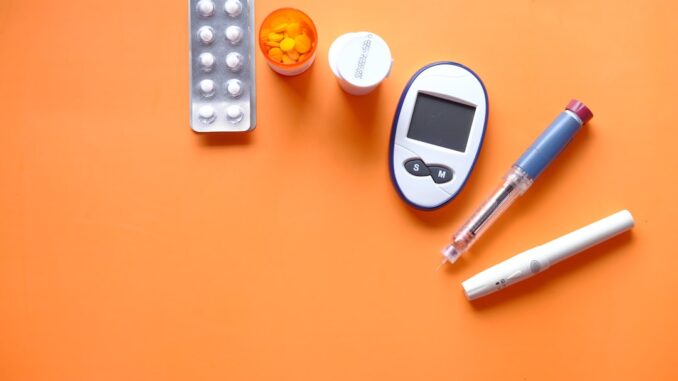

A Needle-Free Future? Eli Lilly’s Once-Weekly Insulin, Efsitora Alfa, Poised to Redefine Diabetes Management
Managing diabetes, for millions around the globe, often feels like a relentless daily battle. Imagine the constant mental calculus: ‘Did I take my insulin?’, ‘What’s my blood sugar now?’, ‘How many more injections today?’ It’s a heavy burden, an unyielding rhythm of needles and careful monitoring that can frankly, wear anyone down. This persistent challenge deeply impacts adherence, quality of life, and ultimately, long-term health outcomes. But what if that daily struggle could be dramatically simplified? What if, instead of seven injections a week, you only needed one? This isn’t a distant dream; it’s the near-future reality Eli Lilly is bringing closer with its latest innovation: efsitora alfa, a once-weekly basal insulin.
This isn’t just another incremental improvement in a crowded pharmaceutical space. Efsitora alfa represents a genuine paradigm shift, promising to ease that relentless burden by offering a treatment regimen proven as effective as daily insulin injections. It’s about giving back time, freedom, and a little bit of normalcy to lives often dictated by a chronic condition.
TrueNAS by Esdebe: healthcare data storage that delivers value without sacrificing security.
The Unseen Burden: Why Daily Injections Are So Challenging
Think for a moment about the psychological toll. The constant reminders, the social anxieties of injecting in public, the logistical nightmare of travel – it’s a lot. Many patients describe ‘needle fatigue,’ a very real phenomenon where the sheer repetitiveness of injections leads to missed doses, inconsistent management, and ultimately, poorer glycemic control. And who can blame them? It’s not just the physical prick; it’s the mental energy drain. For instance, I remember speaking with a patient once who admitted she’d sometimes skip doses when traveling because she couldn’t face pulling out a needle on a crowded plane. It’s a common story, one that highlights the immense potential for a weekly option.
Then there’s the practical side. Storing multiple pens, ensuring they’re at the right temperature, remembering to pack them for every outing. It all adds up. A once-weekly injection doesn’t just reduce the physical act of injecting; it streamlines an entire routine, significantly reducing the cognitive load that often overwhelms individuals living with diabetes. It’s a simplification that could fundamentally change how people engage with their treatment, improving adherence and, as a result, health outcomes.
Efsitora Alfa: A Deeper Dive into the Science
Before we delve into the trial data, it’s worth understanding what efsitora alfa actually is. It’s a novel basal insulin analogue, specifically designed to provide sustained glucose-lowering effects over an extended period. Developing a once-weekly insulin isn’t a simple feat. It requires sophisticated pharmaceutical engineering to ensure the insulin remains stable and active in the body for such a long duration, releasing steadily without causing dangerous peaks or troughs. Basically, they’ve engineered this molecule to hang around, doing its job efficiently for seven whole days. This sustained action is critical for maintaining stable blood glucose levels between doses, minimizing fluctuations that can lead to complications.
This is where the magic really happens, through its unique mechanism of action. Efsitora alfa is designed to bind reversibly to albumin, a protein in the blood. This binding essentially acts like a slow-release reservoir, gradually releasing active insulin into the bloodstream over the course of the week. It’s an elegant solution to a complex problem, allowing for that steady, consistent basal insulin coverage that’s so vital for diabetes management, especially overnight and between meals.
Unpacking the QWINT Trials: Robust Efficacy Across Diabetes Types
Eli Lilly hasn’t just tested efsitora alfa in a small cohort; they’ve put it through a rigorous Phase 3 clinical program, dubbed QWINT (Once-Weekly Insulin for Type 1 and Type 2 Diabetes). These trials, across various patient populations, provide a comprehensive picture of its efficacy and safety. Let’s really get into the details, shall we?
QWINT-1 Trial: A Game-Changer for Insulin-Naïve Type 2 Diabetes
This particular study focused on a crucial demographic: insulin-naïve adults with type 2 diabetes. These are individuals who have exhausted oral medications or GLP-1 receptor agonists and are now transitioning to insulin therapy. It’s a significant moment in their diabetes journey, and introducing a simpler regimen from the outset could make all the difference.
In the QWINT-1 trial, researchers compared efsitora alfa against insulin glargine, a long-established, daily basal insulin often considered a gold standard. The study’s design was meticulous, spanning a full 52 weeks, which is vital for assessing long-term efficacy and safety. Participants were randomized to receive either once-weekly efsitora alfa or once-daily insulin glargine.
The results were compelling, truly. Efsitora alfa demonstrated a robust reduction in A1C levels by 1.31%. This figure closely matched the 1.27% reduction achieved with insulin glargine. For those unfamiliar, A1C, or glycated hemoglobin, offers a snapshot of average blood glucose levels over the preceding two to three months. Achieving a comparable A1C reduction with a weekly injection versus a daily one isn’t just impressive; it strongly supports efsitora’s potential as a first-line basal insulin therapy for type 2 diabetes. It’s non-inferior, meaning it’s just as good, but with far less hassle. Imagine that for a minute. That’s huge for patients and their physicians alike. You know, it really makes you think about how many lives this could touch.
QWINT-2 Trial: Matching the Best, Enhancing Time in Range
Moving on to QWINT-2, this trial built on the foundations of QWINT-1, again focusing on people with type 2 diabetes, though it might have included those already on basal insulin too, for a broader understanding. Here, efsitora alfa was pitted against insulin degludec, another modern, ultra-long-acting daily basal insulin known for its flexible dosing and low variability. This comparison is particularly important because degludec is often favored for its reduced hypoglycemia risk and smooth action.
Over the same 52-week duration, efsitora alfa once again shone, delivering a 1.34% reduction in A1C. Insulin degludec, for comparison, achieved a 1.26% reduction. Again, the non-inferiority was clearly established, meaning efsitora alfa delivered similar potent glucose control. But here’s where QWINT-2 offered an even more exciting detail: participants using efsitora also experienced an impressive 45 minutes more time in their target glucose range per day. That’s nearly an hour every single day where their blood sugar was optimally controlled, without an increase in hypoglycemic events. This ‘time in range’ (TIR) metric is gaining increasing recognition as a critical indicator of glycemic control, often seen as a more granular and immediate measure of day-to-day management than A1C alone. More TIR means less glucose variability, which in turn means fewer long-term complications. It’s like a quieter, steadier engine for your body.
QWINT-3 Trial: Extending Hope to Type 1 Diabetes
While type 2 diabetes represents the majority of insulin users, type 1 diabetes presents a unique and often more complex management challenge. Individuals with type 1 diabetes require insulin from diagnosis, typically relying on a basal-bolus regimen – a foundational long-acting basal insulin complemented by rapid-acting bolus insulin with meals. Introducing a once-weekly basal insulin for type 1 diabetes could simplify one critical component of this intricate regimen.
The QWINT-3 trial investigated efsitora alfa’s efficacy in adults with type 1 diabetes. This study compared efsitora alfa to insulin degludec over a 26-week period. While the duration was shorter than the type 2 studies, it was sufficient to demonstrate critical early efficacy and safety. The results were consistent: efsitora alfa reduced A1C by 0.86%, closely mirroring the 0.75% reduction observed with insulin degludec. This isn’t just about the numbers; it’s about providing T1D patients with a powerful new tool, easing their daily load without compromising on control. What a relief that must be, to know that the bedrock of your insulin therapy could be a weekly shot.
The Crucial Safety Profile: A Focus on Hypoglycemia
Efficacy is paramount, yes, but for insulin therapy, safety – particularly the risk of hypoglycemia – is often the primary concern for both patients and clinicians. Hypoglycemia, or dangerously low blood sugar, can be debilitating, frightening, and in severe cases, life-threatening. The fear of ‘going low’ often prevents patients from intensifying their insulin therapy, even when needed. This is why efsitora alfa’s safety profile is just as significant as its efficacy data.
The clinical trials consistently showed that efsitora alfa’s safety profile is comparable to established daily insulin therapies. What’s more, in the QWINT-1 trial, efsitora resulted in approximately 40% fewer hypoglycemic events compared to insulin glargine. Specifically, the rates of severe or clinically significant hypoglycemic events per patient-year of exposure were 0.50 with efsitora versus 0.88 with insulin glargine over 52 weeks. That’s a substantial reduction, isn’t it? This data point isn’t just a statistical blip; it directly translates into improved patient confidence, reduced fear, and potentially safer intensification of therapy. Fewer lows means less anxiety, fewer emergency interventions, and a higher quality of life. It’s a win-win situation.
Broader Implications for Diabetes Management: Beyond the Needle
The introduction of a once-weekly insulin like efsitora alfa isn’t merely an incremental drug launch; it’s a potential revolution in diabetes care. Its impact will ripple through patient communities, clinical practices, and even healthcare systems.
Elevating Patient Adherence and Quality of Life
This is perhaps the most immediate and profound impact. Think about Sarah, a busy marketing executive with type 2 diabetes. She travels frequently, her schedule is unpredictable, and sometimes, in the flurry of meetings and flights, a daily injection simply slips her mind. Or, she dreads the thought of injecting in front of clients. With efsitora alfa, Sarah’s treatment burden shrinks dramatically. One injection a week means fewer opportunities to forget, less daily planning, and considerably less social anxiety. It means more freedom to live her life without the constant shadow of a needle. We’re talking about a significant boost to patient adherence, which, as we all know, is the cornerstone of effective chronic disease management.
Reduced treatment fatigue can lead to a virtuous cycle: better adherence leads to better blood sugar control, which in turn leads to improved well-being and a greater sense of empowerment. Patients might feel more motivated to engage with other aspects of their diabetes care, like diet and exercise, when the primary medical intervention is less intrusive.
Streamlining Clinical Practice and Healthcare Efficiency
From a healthcare provider perspective, efsitora alfa could simplify prescribing and education. Imagine the reduced training time for patients on injection techniques, fewer disposal issues for sharps, and less ongoing support needed for daily compliance. For busy endocrinology clinics or primary care practices, this could free up valuable nursing and educational resources. Furthermore, improved adherence means better glycemic control, which should, theoretically, lead to fewer diabetes-related complications over the long term, potentially reducing hospitalizations and emergency room visits. This translates into a more efficient, less costly healthcare system in the long run.
The Future Landscape of Diabetes Therapy
Efsitora alfa isn’t operating in a vacuum. The field of diabetes care is constantly evolving, with new GLP-1 agonists, SGLT2 inhibitors, and novel insulin formulations emerging. However, efsitora alfa carves out a unique and incredibly valuable niche. It addresses one of the most fundamental pain points of insulin therapy: the frequency of administration. It sets a new benchmark for convenience, pushing other pharmaceutical innovators to rethink how they approach drug delivery for chronic conditions. It’s exciting to consider what other weekly or even monthly therapies might follow.
As Dr. Jeff Emmick, senior vice president of product development at Lilly, so eloquently put it, ‘For the past century, we’ve been searching for the next scientific breakthrough that would alleviate the complexity that comes with starting insulin treatment.’ And truly, this feels like that breakthrough. It’s not just about a drug; it’s about simplifying a century-old problem.
Anticipating the Journey Ahead: Challenges and Opportunities
While the clinical data is overwhelmingly positive, the path to widespread adoption for efsitora alfa still holds several considerations.
Regulatory Approvals: The comprehensive Phase 3 data will now move through regulatory bodies like the FDA in the United States and the EMA in Europe. This process, while typically thorough, can be lengthy. We’ll be keenly watching for their decisions.
Market Introduction and Accessibility: Once approved, market entry, pricing strategies, and insurance coverage will be crucial. Will it be broadly accessible? How will it compete with established daily insulins, especially generics? These are critical questions for patients and healthcare systems alike.
Patient Education and Transition: Shifting patients from a daily injection mindset to a weekly one will require careful education and support. Healthcare providers will need resources to guide patients through this transition, ensuring they understand the new regimen and its benefits.
Long-Term Real-World Data: While the 52-week trial data is robust, real-world evidence gathered post-market launch will continue to refine our understanding of efsitora alfa’s performance across diverse populations and in less controlled settings. This ongoing data collection is essential for cementing its role in diabetes management.
Conclusion: A New Horizon for Diabetes Care
Eli Lilly’s once-weekly insulin, efsitora alfa, truly represents a significant leap forward in diabetes management. It has demonstrated compelling efficacy and safety profiles, remarkably comparable to daily insulin therapies, across both type 1 and type 2 diabetes patients. With its ability to significantly reduce the treatment burden associated with daily injections, while potentially improving patient adherence and time in range, it offers a genuinely promising alternative for individuals managing diabetes.
This isn’t just about a new medication; it’s about empowering patients. It’s about giving them back a bit of their day, a bit of their week, and a huge chunk of their peace of mind. As we move closer to its potential availability, I think it’s fair to say that efsitora alfa stands poised to redefine what effective, yet convenient, diabetes care can look like. It’s an exciting time to be involved in healthcare innovation, and frankly, I can’t wait to see the positive impact this will have on millions of lives.
References
- Eli Lilly’s Once-Weekly Efsitora Demonstrates Non-Inferior A1C Reduction to Once-Daily Basal Insulin for Type 2 Diabetes. PharmExec. June 23, 2025. https://www.pharmexec.com/view/eli-lilly-once-weekly-efsitora-demonstrates-non-inferior-a1c-reduction-once-daily-basal-insulin-type-2-diabetes
- With once-a-week dosing, insulin efsitora alfa delivers similar A1C reduction compared to daily insulin in adults with type 1 diabetes. Eli Lilly and Company. https://investor.lilly.com/news-releases/news-release-details/once-week-dosing-insulin-efsitora-alfa-delivers-similar-a1c
- Lilly’s once-weekly insulin efsitora alfa demonstrated A1C reduction and a safety profile consistent with daily insulin in multiple Phase 3 trials. Eli Lilly and Company. https://www.pharmatutor.org/pharma-news/2025/lillys-once-weekly-insulin-efsitora-alfa-demonstrated-a1c-reduction-and-a-safety-profile-consistent-with-daily-insulin-in-multiple-phase-3-trials
- Once-weekly dose of insulin efsitora alfa delivers A1C reduction consistent with the most advanced daily insulin in people with type 2 diabetes. Eli Lilly and Company. https://investor.lilly.com/news-releases/news-release-details/once-weekly-dose-insulin-efsitora-alfa-delivers-a1c-reduction
Be the first to comment