

Shifting Paradigms: How Cutting-Edge Tech is Reshaping Diabetes Management
San Diego, a city often synonymous with innovation, recently played host to the 83rd Scientific Sessions of the American Diabetes Association (ADA), an event that invariably sets the tone for future advancements in diabetes care. This year, the air crackled with palpable excitement, as researchers unveiled two truly pivotal studies. These aren’t just incremental improvements; we’re talking about fundamental shifts in how we approach glucose management and, perhaps even more critically, how we safeguard diabetic eye health. These innovations, friends, are poised to utterly revolutionize patient care, handing individuals far more effective tools to wrestle with the complexities of this chronic condition.
SynerG™: The Dawn of Integrated Insulin Delivery and Glucose Sensing
Imagine simplifying your daily life if you’re living with Type 1 diabetes. For decades, the routine has been a relentless dance of juggling multiple devices, each demanding its own attention. You’ve got your continuous glucose monitor (CGM) sensor on one part of your body, often sending data to a receiver or smartphone. Then, there’s the insulin pump, typically worn elsewhere, delivering precise doses through a separate cannula. It’s an intricate ballet, a constant mental checklist: check glucose, calculate carbs, bolus insulin, remember to change your sites, don’t forget your backup supplies. The physical burden is significant, sure, but the mental overhead? That’s what often truly wears people down, creating a pervasive undercurrent of anxiety.
See how TrueNAS offers real-time support for healthcare data managers.
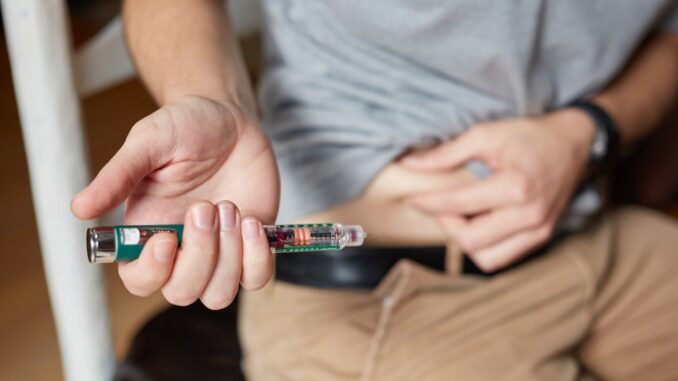
That’s precisely the challenge Pacific Diabetes Technologies sought to address with their groundbreaking device, SynerG™. This isn’t just another gadget; it’s a dual-function glucose sensing-insulin delivery system, a genuine game-changer that promises to consolidate and streamline the entire management process. Combining glucose sensing and insulin administration into a single, user-friendly unit, it aims to lift a substantial portion of that daily burden, offering a glimmer of hope for a simpler, less intrusive existence.
Think about it: no more fumbling with two separate insertion sites, no more coordinating data streams from disparate devices. The elegance of integration truly stands out. It’s a leap towards reducing the sheer cognitive load that can easily overwhelm someone managing Type 1 diabetes, a condition that, frankly, demands constant vigilance. We’re talking about making life a little less like a never-ending medical exam and a bit more, well, normal.
The Feasibility Study: Promising First Steps
The initial feasibility study for SynerG™ enrolled 24 adults living with type 1 diabetes, all already on insulin pump therapy. This was a crucial first step, confirming the device’s basic functionality and safety in a real-world setting, albeit on a limited scale. And the results? They really do inspire confidence.
Participants reported a warm-up time of less than 30 minutes for the sensor, which is notably quick when you consider some existing CGMs can take up to two hours to become fully active. A single calibration, too, made the process remarkably straightforward. Anyone who’s ever had to calibrate a sensor knows how much of a relief this streamlined approach would be. Calibration, while necessary, can sometimes feel like an extra hurdle in an already busy day, and if it’s not quite right, it can throw off accuracy. Minimizing this step simplifies things considerably.
Crucially, the study confirmed that insulin delivery didn’t interfere with glucose sensor function, nor did the sensor’s operation compromise insulin delivery. This is a big deal, demonstrating that the two integrated functions can coexist harmoniously without creating signal noise or mechanical issues. Insulin delivery proved reliable, an absolute non-negotiable for any device seeking to manage blood glucose levels.
Dr. David O’Neal, a senior consultant endocrinologist involved in the research, rightly emphasized the device’s immense potential ‘to minimize the burden of care and associated psychological distress’ for those who depend on insulin. His words resonate deeply, don’t they? Because it’s not just about blood sugar numbers; it’s about the quality of life, the mental freedom, the ability to simply live without constant, nagging reminders of your condition. This device could really give people back a piece of their mental bandwidth. It’s an exciting prospect, truly.
What SynerG™ Means for the Future
While this was a feasibility study, and more extensive trials are certainly on the horizon, the implications are profound. SynerG™ isn’t just a new pump or a new CGM; it’s a conceptual breakthrough in integration. Imagine a truly closed-loop system becoming even more compact, discreet, and user-friendly because the fundamental components are already working in unison within a single unit. This could pave the way for next-generation automated insulin delivery (AID) systems that are virtually invisible, further blurring the lines between living with diabetes and simply living.
Regulatory hurdles will, of course, be significant, and large-scale, long-term efficacy and safety trials are mandatory. But if these initial findings hold up, we might be looking at a future where managing Type 1 diabetes is significantly less intrusive, less emotionally taxing, and far more intuitive than it is today. You’d likely see improved adherence to therapy and, as a consequence, better overall glycemic control, reducing the risk of long-term complications. That’s a win-win in anyone’s book.
AI’s Keen Eye: Predicting Diabetic Retinopathy Progression
On the other side of the innovation spectrum, another pivotal presentation at the ADA sessions showcased the breathtaking power of artificial intelligence. This time, the focus was on diabetic retinopathy (DR), a nefarious complication that often progresses silently, ultimately becoming the leading cause of blindness among individuals with diabetes. Early detection is paramount here, absolutely crucial for effective intervention and vision preservation. The snag? Traditionally, estimating the risk of DR progression has been incredibly complex, relying heavily on clinical expertise, subjective assessments, and the sporadic nature of follow-up exams. It’s a system fraught with potential for delayed diagnosis and, tragically, irreversible vision loss.
Diabetic retinopathy essentially damages the blood vessels in the light-sensitive tissue at the back of the eye, known as the retina. High blood sugar levels, over time, wreak havoc on these delicate vessels, causing them to swell, leak, or even close off entirely. In advanced stages, new, abnormal blood vessels can grow on the retina’s surface, which are fragile and prone to bleeding, leading to scar tissue formation and retinal detachment. It’s a relentless, insidious progression, often without symptoms until significant damage has occurred. That’s why regular eye screenings are so vital, yet often they’re not frequent enough or accessible enough.
Machine Learning Models: A New Level of Precision
This groundbreaking study aimed to leverage the analytical prowess of machine learning models to predict DR progression risk. How did they do it? By feeding these intelligent algorithms vast amounts of data from ultrawide field retinal images. Now, ‘ultrawide field’ isn’t just a fancy term; it’s a significant upgrade from traditional fundus photography. While standard imaging captures about 30 to 45 degrees of the retina, ultrawide field imaging can capture up to 200 degrees, offering a panoramic view of the eye’s delicate internal landscape. This broader perspective provides the AI with a wealth of additional data points, allowing for a more comprehensive and accurate assessment of the entire retina, including the often-overlooked peripheral areas where DR can quietly begin its destructive work.
Imagine the AI as a highly specialized detective, tirelessly sifting through millions of pixels in these high-resolution images. It’s trained to identify subtle biomarkers, patterns of microaneurysms, hemorrhages, exudates, and even early signs of ischemia that a human eye, no matter how experienced, might miss or struggle to quantify consistently. These algorithms learn to correlate specific visual features with the likelihood of disease progression, developing a sophisticated predictive model that far exceeds human capabilities in terms of speed and consistency.
And the results were, frankly, stunning. The AI system demonstrated an exceptionally high degree of accuracy, correctly labeling 91% of images or identifying labels indicating greater progression than the original human assessment. Think about that for a moment: 91%! This isn’t just an improvement; it’s a monumental leap in diagnostic precision.
Transforming Eye Care Access and Efficiency
Dr. Paolo S. Silva, co-chief of telemedicine at the Beetham Eye Institute, highlighted the transformative potential. He spoke about AI’s capacity ‘to refine disease progression risk estimation and personalize screening intervals.’ This means instead of a rigid, one-size-fits-all annual screening, individuals at lower risk might be screened less frequently, freeing up valuable specialist time. Conversely, those identified as high-risk could receive more frequent monitoring and earlier, more aggressive interventions. This isn’t just about efficiency; it’s about truly personalized medicine, tailored to an individual’s specific risk profile.
What’s more, this AI-driven approach has the potential to significantly reduce costs associated with frequent specialist visits and, more importantly, to improve vision-related outcomes by catching progression before it becomes irreversible. Access to specialized ophthalmological care, especially in rural or underserved areas, remains a significant challenge globally. An AI system, integrated into primary care settings or even mobile screening units, could act as a crucial first-pass filter, identifying at-risk individuals who genuinely need a specialist’s attention, while reassuring others they’re on the right track. This democratizes access to vital eye care, a profound societal benefit.
Broad Implications: A Unified Vision for Diabetes Care
These technological advancements, spanning both glucose management and complication prevention, signify nothing less than a transformative shift in diabetes care. We’re moving away from a reactive, often fragmented approach towards a proactive, integrated, and deeply personalized model. The fusion of AI and innovative medical devices into daily management routines equips patients with tools that are not only more precise but also inherently more attuned to their individual needs and lifestyles. This isn’t just about managing a condition; it’s about reclaiming agency and improving the overall quality of life.
For instance, the SynerG™ device isn’t just simplifying the daily regimen for individuals with Type 1 diabetes by reducing device count; it’s also reducing the mental fatigue that comes with constant self-monitoring. That mental space, once occupied by glucose calculations and injection schedules, can now be freed up for other pursuits, for hobbies, for family, for life itself. This subtle shift in cognitive load has profound implications for psychological well-being, which, as we know, plays a massive role in chronic disease management.
Similarly, AI-driven predictive models for DR progression could usher in an era of unprecedented early intervention. Imagine identifying someone’s high risk for DR years before symptoms even manifest, allowing for lifestyle changes, tighter glucose control, or early laser treatments that could genuinely preserve their eyesight. This isn’t just about preventing blindness; it’s about maintaining independence, ensuring ongoing participation in work and social life, and safeguarding a fundamental human sense. What’s more valuable than sight? Not much, if you ask me.
The ADA’s proactive spotlight on these innovations underscores a broader, undeniable trend across healthcare: a resolute push towards personalized, technology-driven solutions. Dr. Robert Gabbay, the ADA’s chief scientific and medical officer, concisely captured this sentiment, stating, ‘We have seen many advancements over the years in the technology available to help manage and treat diabetes. Recently, AI and medical devices are helping to drive this movement.’ His words resonate because it’s precisely this synergistic interplay between smart algorithms and sophisticated hardware that’s accelerating progress at an incredible pace.
The Road Ahead: Navigating Challenges and Embracing the Future
The future of diabetes management isn’t just intertwined with technological innovation; it’s inextricably bound to it. Ongoing research and development, particularly in AI, digital health technologies, and novel medical devices, holds the promise of further enhancing patient care in ways we’re perhaps only just beginning to conceive. We’re talking about advancements beyond what these studies have presented; imagine non-invasive glucose monitoring, fully implantable closed-loop systems, or AI that can predict not just DR but a host of other complications, from nephropathy to neuropathy, offering truly comprehensive preventative care.
However, it’s not all smooth sailing. The path from groundbreaking research to widespread clinical adoption is fraught with challenges. Cost remains a significant barrier for many, and ensuring equitable access to these sophisticated technologies is a crucial ethical imperative. Regulatory approvals are rigorous, rightly so, but they can also be lengthy. Patient education is paramount; individuals need to understand how to effectively use these tools and, importantly, trust them. Integrating these new technologies seamlessly into existing healthcare workflows—from electronic health records to practitioner training—also requires careful planning and investment. And let’s not forget the ever-present concern of data privacy and cybersecurity, especially when dealing with such sensitive health information.
Despite these hurdles, the momentum is undeniable. The ADA’s commitment to highlighting such advancements reflects a proactive, forward-thinking approach to improving outcomes for the millions affected by diabetes worldwide. They understand that technology isn’t a replacement for human care but an incredibly powerful augmentation. It frees up clinicians to focus on the human element, on counseling, on emotional support, and on managing the complex interplay of life factors that influence diabetes. It empowers patients, giving them a level of control and insight they’ve never had before.
Consider this: what if, in the not-so-distant future, the very concept of ‘diabetes complications’ becomes an anomaly rather than an expected outcome? What if AI-driven systems monitor our health so precisely that we can intervene at the earliest, most microscopic signs of trouble, effectively neutralizing threats before they escalate? That’s the exciting horizon these innovations point toward. It’s a future where technology doesn’t just manage disease but actively works to prevent suffering, allowing individuals to live fuller, healthier, and perhaps, even happier lives. And frankly, that’s a future worth investing in.
References
-
American Diabetes Association. (2023). American Diabetes Association to Highlight Innovations in Diabetes Technology for Glucose Management and Diabetic Eye Condition. (diabetes.org)
-
Silva, P. S., et al. (2023). Identifying the Risk of Diabetic Retinopathy Progression Using Machine Learning on Ultrawide Field Retinal Images. (diabetes.org)
-
Gabbay, R. (2023). Statement on Technological Advancements in Diabetes Care. (diabetes.org)
The SynerG™ device’s warm-up time of fewer than 30 minutes is impressive. How might advancements in sensor technology further reduce this initial wait time and improve user experience, perhaps moving towards real-time or near real-time glucose monitoring upon device activation?
That’s a fantastic question! The integration of nanotechnology could dramatically enhance sensor sensitivity and response time. Imagine sensors so precise that they require minimal calibration and provide immediate glucose readings upon activation. This would truly revolutionize the user experience. What other sensor tech advancements do you think are promising?
Editor: MedTechNews.Uk
Thank you to our Sponsor Esdebe
AI detecting diabetic retinopathy sounds amazing! Could we train it to identify other health issues from retinal scans too? Imagine spotting heart disease or even Alzheimer’s through your eyes! The future is bright, or should I say, clearly visible.
That’s a brilliant point! Expanding AI’s capability to detect other conditions like heart disease or Alzheimer’s from retinal scans is a logical next step. The wealth of information in the retina could be a goldmine for early disease detection. What other non-invasive diagnostic tools do you think could benefit from AI integration?
Editor: MedTechNews.Uk
Thank you to our Sponsor Esdebe
Okay, so AI is now playing optometrist? I’m picturing a robot giving me the “better, or worse?” test. Next thing you know, it’ll be prescribing glasses with built-in Instagram filters! Where do I sign up?
That’s hilarious! The idea of Instagram filter glasses is pretty tempting. Actually, AI’s role here is more about early detection of problems like diabetic retinopathy. By catching these issues early, we can hopefully avoid needing those stronger prescriptions (or filters!) down the road. Always good to have a bit of fun mixed in with medtech!
Editor: MedTechNews.Uk
Thank you to our Sponsor Esdebe
The SynerG™ device’s integration of glucose sensing and insulin delivery into a single unit is compelling. How does this streamlined approach affect the accuracy and reliability of both functions compared to separate devices, particularly over extended use?
That’s an important question! The feasibility study was a great start. Now long-term studies are needed to monitor the device’s accuracy and reliability over extended use. This will confirm the durability and consistent performance of the integrated system, ensuring it maintains efficacy over time. Great point to raise!
Editor: MedTechNews.Uk
Thank you to our Sponsor Esdebe
The AI’s capacity to personalize screening intervals for diabetic retinopathy based on individual risk is particularly intriguing. Could this approach be adapted to proactively manage other diabetes-related complications, such as nephropathy or neuropathy, potentially altering the course of disease progression?
That’s a great question! The potential to adapt the AI for nephropathy and neuropathy is definitely on our radar. The key is gathering sufficient data for those specific complications to train the AI effectively. Imagine a future where a single scan provides a comprehensive risk assessment for all diabetes-related complications! What other areas of diabetes management do you see AI making a significant impact?
Editor: MedTechNews.Uk
Thank you to our Sponsor Esdebe
The SynerG™ device’s emphasis on reducing the cognitive load for patients is a vital consideration. How might incorporating patient feedback into the design process further optimize usability and adherence in real-world settings?
That’s a really insightful question! Incorporating patient feedback throughout the design process is vital. We envision ongoing user groups and surveys to directly inform iterative improvements. Perhaps even a ‘design council’ of patients could provide continuous input, ensuring SynerG™ truly meets their needs and reduces that cognitive load!
Editor: MedTechNews.Uk
Thank you to our Sponsor Esdebe
The AI’s 91% accuracy in detecting DR progression is remarkable. What level of prospective validation has been achieved to demonstrate comparable real-world performance across diverse patient populations and varying image quality standards?
That’s a crucial point about the AI’s validation! While the 91% is exciting, prospective validation is key. Current studies are underway across broader demographics and varying image qualities to mirror real-world scenarios. These will be vital to confirm consistent performance and ensure equitable access to accurate diagnoses! We look forward to sharing results.
Editor: MedTechNews.Uk
Thank you to our Sponsor Esdebe
The SynerG™ device’s consolidation of functions is compelling. Has there been consideration to expanding the sensor technology to monitor additional biomarkers beyond glucose, offering a more comprehensive health overview?
That’s a very insightful question! The possibility of integrating additional biomarker monitoring is something that has been discussed. We believe a more comprehensive approach could provide individuals with an even more tailored management strategy. What specific biomarkers beyond glucose do you believe would be most impactful?
Editor: MedTechNews.Uk
Thank you to our Sponsor Esdebe
The SynerG™ device’s potential to reduce mental fatigue is a significant step forward. Do you foresee the integrated approach influencing the design of other multi-faceted medical devices, particularly for conditions requiring constant monitoring and multiple interventions?
That’s a fantastic point! Absolutely, the integrated approach pioneered by SynerG™ could serve as a blueprint. I think we’ll see more devices combining multiple functions to ease the burden on patients managing complex conditions. What other conditions would benefit most from this type of integrated device design?
Editor: MedTechNews.Uk
Thank you to our Sponsor Esdebe
So, a single device to handle glucose sensing AND insulin delivery? Am I understanding correctly that I only have to forget *one* device on my way out the door now? Someone give these folks a medal! What’s next, a device that also pre-calculates the carb content of my pizza? I’m ready to sign up.
That’s the dream, isn’t it? One less thing to remember! The pizza carb calculator is still in the R&D phase (kidding… mostly!). But seriously, simplifying the management process and reducing the burden is exactly what we are aiming for. Less stress, more living!
Editor: MedTechNews.Uk
Thank you to our Sponsor Esdebe
The enhanced accessibility of ultrawide field imaging is a game changer. Beyond AI analysis, how might the increased availability of these detailed retinal images impact telemedicine consultations and remote patient monitoring in rural or underserved communities?
That’s a great point about telemedicine! The accessibility afforded by ultrawide field imaging, alongside AI, could truly bridge geographical gaps in healthcare. Remote specialists could analyze detailed images transmitted from rural clinics, enabling timely diagnoses and treatment plans, ultimately improving patient outcomes in underserved areas. Any thoughts on implementation challenges?
Editor: MedTechNews.Uk
Thank you to our Sponsor Esdebe
The SynerG™ device’s design to minimize the burden on patients is commendable. How might real-time data sharing with healthcare providers, facilitated by this integrated system, further enhance remote monitoring and personalized treatment adjustments?
Great question! Real-time data sharing opens up possibilities for proactive interventions. Imagine algorithms analyzing trends and alerting providers to potential issues *before* they become critical. This would enable timely adjustments to therapy and reduce emergency situations, ultimately improving patient outcomes. Your point highlights the evolving role of technology in personalized diabetes care!
Editor: MedTechNews.Uk
Thank you to our Sponsor Esdebe
The SynerG™ device’s reduced warm-up time is a notable improvement. How might future iterations incorporate predictive algorithms based on individual patient data to anticipate glucose fluctuations and proactively adjust insulin delivery, further minimizing wait times and optimizing control?
That’s an excellent vision for the future! The warm-up time is just the first step. Predictive algorithms using personal data are absolutely on our roadmap. We want the device to proactively learn and adapt, providing a truly personalized experience. What types of personalized data do you feel would be most impactful?
Editor: MedTechNews.Uk
Thank you to our Sponsor Esdebe
So, if the AI is so good at spotting retinopathy, can it tell if I’m *actually* looking at the salad my doctor recommended, or if I’m just *thinking* about the double cheeseburger I’d rather be eating? Asking for a friend, of course!
Haha! That’s a brilliant thought! While mind-reading is still a bit beyond our scope, focusing on early detection can hopefully empower better choices! Perhaps future AI can nudge us towards the salad bar. Until then, maybe a healthy compromise – a *small* cheeseburger with a side salad?
Editor: MedTechNews.Uk
Thank you to our Sponsor Esdebe
The discussion around early detection of diabetic retinopathy using AI is fascinating. How might these AI algorithms be integrated with existing electronic health record systems to streamline the referral process and ensure timely follow-up for at-risk patients?
That’s an insightful point regarding the integration of AI algorithms with existing electronic health record (EHR) systems. FHIR standards offer a promising avenue for seamless data exchange. Standardized data formats would allow AI to analyze a more comprehensive dataset, improving diagnostic accuracy and enabling more efficient referrals to specialists.
Editor: MedTechNews.Uk
Thank you to our Sponsor Esdebe