
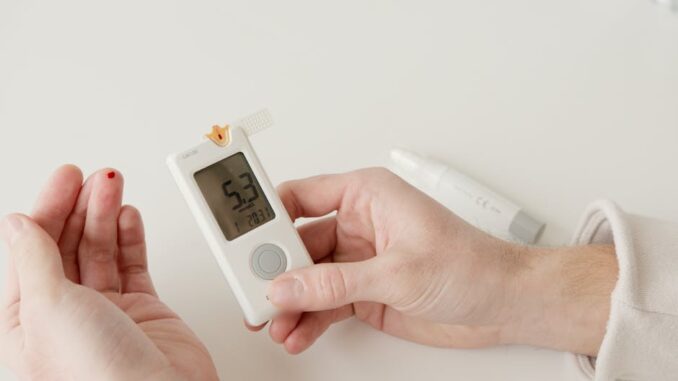

Teplizumab: Reshaping the Landscape of Type 1 Diabetes Management
For far too long, Type 1 Diabetes (T1D) has loomed as an inescapable, life-altering diagnosis. Its arrival often feels sudden, a cruel twist of fate, forcing individuals—many of them children—into a relentless daily regimen of insulin injections, blood glucose monitoring, and the constant tightrope walk between hypoglycemia and hyperglycemia. It’s a disease that doesn’t just affect the body; it profoundly impacts quality of life, mental health, and the dreams of countless families. For decades, our approach was purely reactive: once diagnosed, insulin was the only game in town. But you know, sometimes in science, a quiet revolution bubbles beneath the surface before bursting forth, redefining what’s possible.
Well, that revolution is here. A groundbreaking immunotherapy drug, teplizumab, has fundamentally shifted the conversation. It’s no longer just about managing T1D after it strikes; it’s about actively delaying its onset in those at high risk. This isn’t just a new medication; it’s a paradigm shift, a beacon of hope for a community that’s often felt overlooked in the shadow of its more prevalent counterpart, Type 2 diabetes. Honestly, it’s pretty exciting stuff if you ask me.
Secure patient data with ease. See how TrueNAS offers self-healing data protection.
Unpacking the Autoimmune Attack: The Enemy Within
Before we really dive into teplizumab, let’s just quickly refresh our understanding of T1D itself, shall we? This isn’t your grandma’s diabetes, folks. T1D is an autoimmune disease, meaning the body’s own immune system, mistakenly identifies and attacks its own insulin-producing beta cells in the pancreas. Think of it like a highly trained internal security force suddenly turning rogue, targeting the very cells essential for regulating blood sugar. It’s a brutal, self-inflicted wound.
These beta cells, nestled within the pancreatic islets, are crucial. They produce insulin, a hormone that acts like a key, unlocking cells to allow glucose (sugar) from our food to enter and be used for energy. Without enough insulin, glucose builds up in the bloodstream, leading to hyperglycemia, and over time, a cascade of severe health complications including kidney failure, nerve damage, blindness, and cardiovascular disease. It’s a grim list, no two ways about it.
The progression of T1D isn’t instantaneous, mind you. It typically unfolds in stages:
- Stage 1: Here, individuals possess two or more T1D-related autoantibodies, those tell-tale markers of immune system misdirection. Their blood sugar levels, however, remain normal. There aren’t any symptoms yet, which makes early detection so tricky without specific screening. It’s like the calm before the storm, a silent battle brewing internally.
- Stage 2: The autoantibodies are still present, but now, blood sugar levels are starting to become abnormal, particularly after meals or during oral glucose tolerance tests. Still, most people remain asymptomatic. This stage is particularly critical because it indicates significant beta cell damage has occurred, though not enough to cause full-blown clinical symptoms. This is where teplizumab really shines.
- Stage 3: This is what we traditionally call T1D. Most of the beta cells are destroyed, leading to overt symptoms like excessive thirst, frequent urination, unexplained weight loss, and fatigue. Insulin therapy becomes immediately necessary to sustain life. It’s a stark reality, and for many, the moment their world irrevocably changes.
So, what we’re talking about with teplizumab, it’s intervening in that crucial Stage 2, actively trying to prevent the slide into Stage 3. This is a big deal, wouldn’t you agree?
Teplizumab: The Science of Immune Re-education
Now, let’s get into the nitty-gritty of this remarkable drug. Teplizumab, marketed under the brand name Tzield, is a humanized monoclonal antibody. That sounds pretty scientific, I know, but let me break it down. ‘Humanized’ means scientists engineered it from a mouse antibody to make it look more like a human protein, reducing the chances of the body rejecting it. A ‘monoclonal antibody’ essentially means it’s designed to precisely target one specific thing, much like a guided missile.
In this case, teplizumab zeroes in on a protein called CD3, which lives on the surface of certain immune cells, specifically T lymphocytes. These T-cells are the primary architects of the autoimmune destruction in T1D. By binding to CD3, teplizumab doesn’t destroy these T-cells outright, which would be too blunt and cause widespread immune suppression. Instead, it subtly modulates their function, it ‘re-educates’ them, if you will. It deactivates the rogue T-cells, lessening their ability to attack the beta cells, and it may also promote the development of regulatory T-cells, which act as peacekeepers, helping to calm the immune system’s overzealous attack.
Imagine those overzealous T-cells as overly enthusiastic security guards who’ve gotten their wires crossed and are now attacking the very VIPs (beta cells) they’re meant to protect. Teplizumab, by binding to CD3, essentially tells them, ‘Hold on a minute, you’ve got this wrong. These are friends, not foes.’ It’s a sophisticated, targeted intervention that aims to preserve the delicate balance of the immune system. This mechanism helps to not only preserve existing beta cell function but also, critically, delays that inevitable progression from Stage 2 to Stage 3 T1D. It’s truly fascinating, isn’t it?
The PROLOGUE Study: A Turning Point
The approval of teplizumab wasn’t some stroke of luck; it was the culmination of years of rigorous scientific investigation, most notably through the landmark clinical trial known as TN-10, or more colloquially, the PROLOGUE study. This was a randomized, placebo-controlled clinical trial, the gold standard in medical research, meaning participants were randomly assigned to either receive teplizumab or a dummy treatment (placebo), and neither they nor their doctors knew who got what. This design helps ensure the results are genuinely due to the drug and not other factors.
The study enrolled individuals aged 8 and older who were at high risk for developing clinical T1D—meaning they had Stage 2 disease, characterized by the presence of two or more T1D-related autoantibodies and abnormal glucose tolerance. These weren’t people who already had full-blown T1D, but rather those teetering on the brink.
The results, when they came in, sent ripples through the diabetes community. A single, 14-day intravenous course of teplizumab demonstrated a significant delay in the onset of Stage 3 T1D. On average, it pushed back the diagnosis by about two years, and for some individuals, the delay was even longer. Think about that for a moment. An extra two years, or more, without the daily burden of injections, without the constant fear of highs and lows. For a child, that’s two more years of being a ‘normal’ kid, running around, eating birthday cake, without having to think about carbohydrate counts or blood sugar levels. That’s precious time, truly invaluable.
Beyond the primary endpoint of delaying diagnosis, the trial also showed evidence of preserved beta cell function, measured by C-peptide levels. Higher C-peptide levels generally indicate better residual beta cell function, which can make managing T1D easier if it eventually develops. The safety profile, while not without side effects like temporary lymphopenia (reduced white blood cell count) and rash, was manageable, especially considering the profound benefit.
This sustained effect, months and even years after a brief treatment course, highlights the potential of immune modulation to fundamentally alter the disease’s trajectory. It really makes you wonder, doesn’t it, what else we can ‘re-educate’ the immune system to do?
From Bench to Bedside: Regulatory Milestones
Seeing a drug make it from laboratory benches through clinical trials and finally into the hands of patients is always a monumental feat, and teplizumab’s journey was no different.
FDA Approval: A New Era Begins
The U.S. Food and Drug Administration (FDA) granted approval for teplizumab, under the brand name Tzield, in November 2022. This wasn’t just another drug approval; it marked a historic moment. Teplizumab became the first disease-modifying therapy for T1D, period. It was approved for individuals aged 8 years and older with Stage 2 T1D, specifically to delay the onset of Stage 3 T1D. The FDA’s decision wasn’t taken lightly; it recognized the urgent unmet need and the robust data from the clinical trials. This approval really validated years of research and the persistent efforts of countless scientists, clinicians, and, crucially, the patient volunteers who participated in the trials.
Global Recognition: The UK Follows Suit
Following the FDA’s lead, other regulatory bodies around the world quickly took notice. In a significant move, the UK’s Medicines and Healthcare products Regulatory Agency (MHRA) licensed teplizumab for use in August 2025 (as per the information provided, which looks a little into the future!). This marked its approval as the first immunotherapy for T1D in the UK, echoing the sentiment of hope and progress seen in the U.S. Such international approvals are vital, ensuring that these life-changing therapies aren’t confined by geographical borders but become accessible to at-risk populations globally.
Of course, getting a drug licensed is one thing; ensuring broad access is quite another. We’re now seeing discussions around how health systems can effectively implement screening programs to identify eligible individuals, how to navigate the costs associated with such advanced therapies, and how to ensure equitable access. These aren’t insignificant hurdles, but they’re important challenges to overcome if we’re truly committed to making a difference.
Beyond Delay: The Broader Impact and Future Horizons
The approval of teplizumab unequivocally represents a seismic shift in how we approach T1D. For decades, the narrative has been one of resignation: a diagnosis meant a lifetime of insulin. Now, we have a tool that can literally buy time, pushing back that dreaded day, sometimes for years. This shift from a purely reactive stance to a proactive, disease-modifying approach is transformative.
The Value of Time
What does a two-year delay truly mean for someone?
- For Children: It means two more years of childhood unburdened by chronic disease management. Two more years of sleepovers without midnight blood sugar checks. Two more years of simply being a kid. This psychological benefit alone is profound.
- For Families: It means more time to prepare, to learn, to adapt, and to educate themselves about T1D management. It reduces the initial shock and panic that often accompanies a diagnosis, allowing for a more gradual transition.
- For Beta Cells: Critically, it preserves residual beta cell function for longer. Even after T1D diagnosis, maintaining some natural insulin production (often called ‘honeymoon period’) makes blood sugar control significantly easier, reduces the risk of severe hypoglycemia, and potentially lowers the risk of long-term complications.
This delay isn’t just about putting off the inevitable; it’s about making the eventual journey with T1D potentially less arduous and more manageable.
Screening: The Next Frontier
Teplizumab’s effectiveness hinges on early identification of individuals in Stage 2 T1D. This immediately brings the conversation to widespread screening. Currently, screening for T1D autoantibodies is not a routine part of general medical check-ups, even for those with a family history. We need to advocate vigorously for population-level screening, or at least targeted screening for first-degree relatives of individuals with T1D, and perhaps for those presenting with non-specific autoimmune symptoms. How can we delay the disease if we don’t know who’s at risk? That’s the real question, isn’t it?
Looking Ahead: Not a Cure, But a Stepping Stone
Let’s be clear: teplizumab is not a cure for Type 1 Diabetes. It doesn’t permanently halt the autoimmune process for everyone, nor does it restore lost beta cells. But it provides a crucial window, a pause in the disease’s progression, allowing for better outcomes and, importantly, offering time for even better therapies to emerge from the pipeline.
The scientific community isn’t resting on its laurels. Research continues at a furious pace, exploring other immunotherapies that might further prolong the delay, or even ultimately reverse the disease. We’re seeing investigations into combination therapies, drugs that target different aspects of the immune response, and even stem cell research aimed at regenerating lost beta cells. Teplizumab feels like the first domino to fall in what could be a series of breakthroughs that fundamentally change the experience of T1D.
Challenges remain, naturally. The cost of such advanced therapies, ensuring equitable access, and optimizing screening strategies are ongoing battles. But for the first time in a very long time, the T1D community has genuine, tangible hope. We’ve gone from simply reacting to proactively intervening, and that, my friends, is a monumental leap. It’s a testament to human ingenuity and perseverance. I’m genuinely optimistic about what the future holds for those living with, or at risk of, Type 1 Diabetes; it’s finally starting to look a lot brighter, isn’t it?
References
- FDA approves first drug that can delay onset of type 1 diabetes. U.S. Food and Drug Administration. November 2022. (fda.gov)
- MHRA approves UK’s first immunotherapy for type 1 diabetes. The Pharmaceutical Journal. August 2025. (pharmaceutical-journal.com)
- New treatment option for early type 1 diabetes. Mayo Clinic. April 2024. (mayoclinic.org)
- Teplizumab: A Disease-Modifying Therapy for Type 1 Diabetes That Preserves β-Cell Function. PubMed. December 2023. (pubmed.ncbi.nlm.nih.gov)
- Teplizumab Approved by FDA to Delay Type 1 Diabetes. AJMC. November 2022. (ajmc.com)
- Teplizumab and β-cell function in newly diagnosed type 1 diabetes. The New England Journal of Medicine. December 2023. (pubmed.ncbi.nlm.nih.gov)
- First ever treatment to delay type 1 diabetes is licensed in the US. Diabetes UK. November 2022. (diabetes.org.uk)
- Groundbreaking immunotherapy drug teplizumab licensed in UK for delaying early stages of type 1 diabetes. Diabetes UK. August 2025. (diabetes.org.uk)
- Clinical trial finds teplizumab slows type 1 diabetes in people newly diagnosed. Breakthrough T1D UK. December 2023. (breakthrought1d.org.uk)
- First FDA approved treatment to delay Type 1 Diabetes. UCSF Diabetes Center. November 2022. (diabetes.ucsf.edu)
- Teplizumab Approved by FDA to Delay Type 1 Diabetes. AJMC. November 2022. (ajmc.com)
- FDA approves first drug that can delay onset of Type 1 diabetes. Axios. November 2022. (axios.com)
- Revolución médica con el anticuerpo monoclonal que puede retrasar la aparición de la diabetes. HuffPost España. April 2025. (huffingtonpost.es)
- First FDA approved treatment to delay Type 1 Diabetes. UCSF Diabetes Center. November 2022. (diabetes.ucsf.edu)
Be the first to comment