
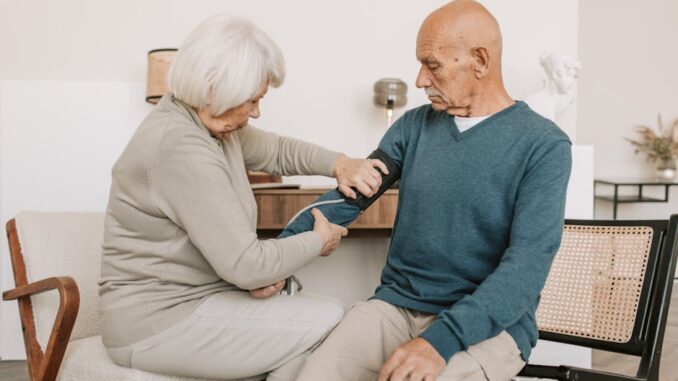

Navigating the Golden Years of Cardiology: A Deep Dive into Geriatric Heart Health
It’s a truth universally acknowledged in medicine: as we age, our bodies become a complex tapestry of interconnected conditions, and nowhere is this more apparent than in cardiovascular health. Recent groundbreaking research, prominently featured in JACC: Advances, really pulls back the curtain on the intricate dance between aging and heart disease. These aren’t just dry academic papers; they’re vital blueprints, showing us why we absolutely must embrace a more holistic, patient-centered approach when caring for our older adults. We’re not just treating a heart; we’re treating a person, a life story, and that’s something we can’t ever forget.
Think about it for a moment. The demographic shift is undeniable. Our populations are aging, and with that comes a surging prevalence of chronic conditions, particularly cardiovascular diseases. So, understanding the unique nuances of diagnosing and managing heart issues in the elderly isn’t just a niche area anymore; it’s rapidly becoming the core of modern cardiology. These studies underscore how geriatric conditions aren’t merely co-morbidities; they’re often deeply intertwined with, and sometimes even drivers of, cardiovascular decline. It’s a fascinating, if challenging, frontier.
The Unforeseen Link: Postoperative Atrial Fibrillation and Dementia Risk
Imagine undergoing surgery, hoping for a swift recovery, only to have a new complication emerge that could subtly, yet significantly, increase your risk of cognitive decline years later. That’s precisely what a compelling study, involving over 670,000 Medicare beneficiaries, has brought to light regarding postoperative atrial fibrillation (POAF) and dementia. It’s a connection that many of us in the medical community have suspected, but now, we’ve got the data.
POAF, for those unfamiliar, is a common arrhythmia, a fluttering or quivering of the heart’s upper chambers, that crops up shortly after surgery. It can be a transient nuisance or a more persistent issue, often managed with medication, but its presence is always a red flag. Historically, we’ve focused on its immediate risks: stroke, heart failure, longer hospital stays. But this research, tracking patients aged 66 and above who underwent noncardiac surgeries, paints a much broader, more concerning picture.
The findings are stark, really. While patients undergoing cardiac surgery showed a similar incidence of dementia regardless of whether they developed POAF—a curious point, perhaps suggesting that their underlying cardiac disease or the surgery itself already puts them at high risk—the story changes dramatically for noncardiac surgical patients. Here, those who experienced POAF had a 12.5% rate of developing dementia, which is notably higher than the 9.3% seen in those without POAF. That’s a statistically significant jump, and it forces us to rethink how we perceive and manage this common postoperative complication.
Why the Connection? Unpacking the Mechanisms
So, what’s going on here? Why might POAF in noncardiac surgery patients predict a higher dementia risk? There are a few compelling theories kicking around.
For one, POAF often signifies a period of systemic inflammation and stress on the body. Surgery itself is a pro-inflammatory event, and when you add an arrhythmia like AFib into the mix, that inflammatory cascade can go into overdrive. Chronic inflammation, as we know, isn’t just bad for your heart; it’s terrible for your brain, contributing to neuronal damage and cognitive impairment.
Then there’s the microembolic theory. AFib, by its very nature, creates a turbulent blood flow, potentially leading to tiny clots—microemboli—that can travel to the brain. While these might not cause overt strokes, a barrage of microemboli over time can accumulate, causing subtle brain damage that chips away at cognitive function. You might not even realize it’s happening until the signs of dementia become undeniable.
It’s also possible that POAF isn’t just a cause, but also a marker of underlying vulnerability. Maybe those individuals who develop POAF after noncardiac surgery already have a more fragile cerebrovascular system, or perhaps they’re on the cusp of cognitive decline, and the stress of surgery and the arrhythmia simply push them over the edge. It’s a bit of a chicken-and-egg scenario, but regardless of the exact mechanism, the association is there, and it’s robust.
Clinical Implications: Beyond the Immediate Recovery
What does this mean for us clinicians? It means our responsibility to patients with POAF extends far beyond the hospital walls. We can’t just treat the arrhythmia and send them on their way, thinking the job is done.
- Proactive Screening: We need to be more vigilant in identifying patients at higher risk for POAF, particularly those undergoing noncardiac surgeries. Can we optimize their cardiac health before they go under the knife?
- Long-term Monitoring: Post-discharge, these patients warrant closer neurological follow-up. Could regular cognitive assessments become part of their standard care plan? It feels like a logical next step.
- Patient Education: Informing patients and their families about this potential link is crucial. Knowledge empowers, allowing them to be more alert to subtle cognitive changes.
Consider my hypothetical patient, Mrs. Eleanor Vance, 78, who underwent a routine knee replacement. She developed a brief episode of POAF, quickly managed. In the past, we’d have celebrated her mobility gains and moved on. But armed with this research, we now know to keep a closer eye on her, perhaps recommending regular cognitive screenings during her annual check-ups. It’s a shift, subtle but profound, in how we approach comprehensive patient care.
The Cumulative Burden: Geriatric Conditions and Cardiovascular Outcomes
Let’s be frank: aging isn’t for the faint of heart. And the more conditions you stack up, the tougher it gets, especially when we’re talking about cardiovascular health. The Atherosclerosis Risk in Communities (ARIC) study, a venerable long-term cohort, really hammered home this point, showing a stark and synergistic relationship between the sheer number of geriatric conditions an individual carries and their risk of major adverse cardiovascular events (MACE).
MACE isn’t a minor concern; it encompasses truly serious outcomes like myocardial infarction (heart attack), stroke, and all-cause mortality. For individuals aged 65 and older, this study found something rather sobering: a staggering 63% had three or more geriatric conditions. We’re talking about things like frailty, sarcopenia, cognitive decline, and multimorbidity – conditions that don’t just exist in isolation but often amplify each other’s detrimental effects.
Defining the Geriatric Landscape
To fully appreciate the ARIC study’s impact, let’s quickly break down what we mean by these ‘geriatric conditions’:
- Frailty: This isn’t just being ‘old and weak.’ Frailty is a distinct clinical syndrome characterized by decreased physiological reserve and increased vulnerability to stressors. Think unintentional weight loss, self-reported exhaustion, low physical activity, slow walking speed, and muscle weakness. It’s a vicious cycle, often leading to falls and hospitalizations.
- Sarcopenia: The progressive and generalized loss of skeletal muscle mass and strength, which seriously impacts mobility, balance, and overall functional independence. It’s an insidious thief of vitality.
- Cognitive Decline: Ranging from mild cognitive impairment to full-blown dementia, this affects memory, executive function, and the ability to perform daily tasks. It complicates medication adherence and self-care.
- Multimorbidity: Simply put, having multiple chronic diseases simultaneously. High blood pressure, diabetes, arthritis, lung disease – you name it. Each condition adds its own burden, and their interactions are incredibly complex.
These conditions don’t just sit there politely side-by-side; they interact, they amplify, and they create a perfect storm for cardiovascular trouble. It’s like having several small cracks in a dam; individually, they might not be catastrophic, but together, they spell disaster.
The Synergistic Effect: When 1 + 1 > 2
The ARIC study elegantly demonstrated this ‘graded and synergistic’ relationship. What does that mean? It means the risk of MACE doesn’t just add up linearly with each additional geriatric condition; it accelerates. Those participants with five or more geriatric conditions faced significantly, almost exponentially, higher risks of MACE. This isn’t just correlation; it’s a profound indication that these conditions are deeply entangled with cardiovascular pathology.
Think about it: A frail individual with sarcopenia and mild cognitive decline might struggle with adhering to a complex medication regimen for their hypertension and heart failure. Their lack of physical activity due to sarcopenia further exacerbates their cardiovascular risk, while cognitive issues might mean they miss appointments or misunderstand dietary restrictions. Every piece of the puzzle makes the whole picture bleaker.
Can we truly treat the heart without acknowledging the body it resides in, the mind that governs its owner’s actions? I’d argue not. This research screams for a paradigm shift.
Towards Integrated, Multidisciplinary Care
The takeaway here is crystal clear: we need to move beyond siloed specialties. A cardiologist can’t just focus on the heart; they need to understand the patient’s geriatric profile. This calls for genuinely integrated, multidisciplinary care models, where geriatricians, cardiologists, physical therapists, nutritionists, and social workers collaborate seamlessly.
- Comprehensive Geriatric Assessment: This should become a standard component of cardiovascular risk assessment in older adults. It’s not just about blood pressure and cholesterol; it’s about evaluating frailty, cognitive function, nutritional status, and functional independence.
- Personalized Interventions: Tailoring treatment plans that account for these broader conditions is paramount. A rigorous exercise program might be perfect for one patient, but dangerous for another who is frail. Pharmacological choices need to consider polypharmacy and potential drug interactions, which are rampant in multimorbid older adults.
- Enhanced Risk Prediction: By integrating geriatric assessments, we can develop far more accurate risk prediction models for MACE. This allows us to intervene earlier, more aggressively, and with greater precision.
This isn’t about adding more work; it’s about working smarter, and ultimately, delivering better, more compassionate care that genuinely improves quality of life and longevity for our older patients. It’s a compelling argument for breaking down those traditional departmental walls.
Empowering Recovery: The Promise of Mobile Health Cardiac Rehabilitation
Cardiac rehabilitation (CR) has long been recognized as a cornerstone of recovery after a cardiac event. It improves functional capacity, reduces symptoms, and ultimately, saves lives. Yet, for all its proven benefits, traditional CR programs often suffer from significant accessibility issues, especially for older adults. Think about the logistics: multiple weekly visits, transportation challenges, inclement weather, or simply the mental and physical exhaustion of getting to a clinic. These barriers, let’s be honest, can be insurmountable for many.
Enter mobile health cardiac rehabilitation (mHealth-CR), a concept that’s genuinely exciting. This isn’t just about handing someone an app; it’s a comprehensive approach leveraging technology to deliver CR components directly to the patient, often in their own home. We’re talking about things like wearable devices tracking activity, smartphone apps providing exercise guidance and education, remote monitoring of vital signs, and crucially, virtual coaching and tele-visits with healthcare professionals. It’s personalized care, delivered to your pocket.
The RESILIENT trial, a recent study, specifically looked at the effectiveness of mHealth-CR in older adults with ischemic heart disease. This demographic, often the most in need of CR, is also frequently the most challenged by traditional models. What did RESILIENT uncover? A rather encouraging story.
Goal Attainment: A Meaningful Metric
The trial revealed that participants aged 65 and above who engaged in mHealth-CR were significantly more likely to exceed their personalized rehabilitation goals compared to those receiving usual care. Now, this is key. While the study didn’t observe statistically significant differences in general functional capacity (like a 6-minute walk test) or overall health status between the two groups, the higher rates of goal attainment in the mHealth-CR group are incredibly meaningful.
Why? Because personalized goals are what truly matter to patients. It might be wanting to walk to the mailbox without getting winded, playing with grandchildren, or simply having the stamina to do their own grocery shopping. Achieving these individual, patient-centered goals represents a tangible improvement in their daily lives and perceived quality of life. It speaks to the intrinsic motivation and engagement that mHealth tools can foster.
Imagine an older gentleman, Mr. Henderson, 72, recently recovering from a heart attack. His goal was to walk his dog around the block without pain. Traditional CR was a half-hour drive each way, three times a week. With mHealth-CR, he could track his walks, get encouragement from his virtual coach via video calls, and access educational modules on his tablet, all from the comfort of his home. He might not have doubled his treadmill speed, but he achieved his goal, feeling empowered and independent.
The ‘Why’: Personalization, Convenience, Empowerment
So, what drives this enhanced goal attainment?
- Personalization: mHealth platforms can be incredibly adaptive, tailoring exercise prescriptions, educational content, and coaching feedback to an individual’s specific needs, progress, and limitations. It’s not a one-size-fits-all approach.
- Convenience: Removing the geographical and logistical barriers is huge. Patients can engage with their rehabilitation program on their own schedule, from anywhere, fostering greater adherence.
- Empowerment: By putting tools and information directly into patients’ hands, mHealth-CR promotes self-management and a sense of agency over their own recovery. They become active participants, not just passive recipients of care.
- Continuous Engagement: Wearables and apps offer continuous data and immediate feedback, which can be incredibly motivating. Small, consistent wins add up.
This isn’t to say mHealth-CR replaces all traditional CR. For some, the structured, in-person environment is essential. But for many, especially those who can’t access or adhere to traditional programs, mHealth-CR offers a viable, effective, and deeply patient-centric alternative. It’s an exciting development, pushing the boundaries of where and how we deliver critical post-cardiac event care, bridging care gaps, and making quality rehabilitation accessible to more people. That’s a win in my book, truly.
Unveiling the Heart: Noninvasive Cardiac Imaging in Older Adults
In cardiology, a clear picture of the heart is often the first step towards an accurate diagnosis and effective treatment. Noninvasive cardiac imaging techniques—echocardiography, CT, MRI, nuclear scans—are indispensable tools. Yet, when it comes to older adults, getting that ‘clear picture’ isn’t always so straightforward. A comprehensive review recently highlighted the unique challenges inherent in imaging the aging heart, and it’s something we need to pay serious attention to.
Older patients present a different physiological landscape, one that can make image acquisition and interpretation notoriously tricky. Their bodies, their comorbidities, and even their cognitive states all conspire to create hurdles that aren’t typically encountered in younger populations. We’re not just scanning a younger, healthier heart; we’re often looking at a heart that has lived, endured, and adapted, sometimes imperfectly, over decades.
A Multitude of Modalities, A Multitude of Challenges
Let’s consider some of the common imaging modalities and why they pose specific issues for older adults:
- Transthoracic Echocardiography (TTE): Often the first-line investigation, TTE is generally safe and accessible. However, older patients often have less-than-ideal ‘acoustic windows’—meaning the ribs, lung disease, or increased body fat can obscure the heart, making it hard to get clear images. Their ability to cooperate with breath-holding instructions might also be limited. Transesophageal echocardiography (TEE), while providing superior views, involves sedation and an invasive probe, which can be particularly challenging for frail or cognitively impaired individuals, increasing risks like aspiration.
- Stress Echocardiography: This test helps assess cardiac function under stress, either physical (treadmill) or pharmacological (dobutamine). For many older adults, physical limitations like osteoarthritis, gait instability, or frailty simply make treadmill exercise impossible. While pharmacological stress is an alternative, it comes with its own set of potential side effects and considerations for patients with multiple comorbidities.
- Cardiac CT (Computed Tomography): Excellent for visualizing coronary arteries and calcification. But older adults often have extensive arterial calcification, which can complicate the interpretation of coronary artery disease. Radiation exposure, though generally low, is also a cumulative concern for a population that might undergo multiple diagnostic tests over their lifetime. And let’s not forget the risk of contrast-induced nephropathy in patients with already compromised kidney function.
- Cardiac MRI (Magnetic Resonance Imaging): Renowned for its detailed soft tissue characterization and lack of radiation. However, MRI requires patients to lie still for extended periods, often with precise breath-holding commands, which can be arduous for those with pain, claustrophobia, or cognitive impairment. Metal implants (pacemakers, joint replacements, dental work) are also more common in older adults, posing safety concerns or image artifacts.
- Nuclear Imaging (SPECT/PET): These studies assess blood flow and metabolic activity. They involve radioactive tracers and, similar to CT, a degree of radiation exposure. Patients need to remain still, and the overall time commitment can be substantial. Again, the presence of multiple comorbidities might influence the safety and interpretation of these tests.
See? It’s not just about pointing a machine at the patient; it’s about navigating a complex interplay of physical, cognitive, and physiological factors that are unique to this demographic. It’s truly a feat of diagnostic artistry.
Charting a Course Forward: Innovations and Adaptations
Recognizing these hurdles, the review proposes several crucial future directions to improve diagnostic accuracy and, ultimately, patient outcomes:
- Inclusive Imaging Trials: We need more research studies that specifically include older, multimorbid patients. Current trials often exclude them, leading to guidelines that aren’t fully applicable to the population we’re actually treating.
- Age-Specific Imaging Guidelines: Developing protocols and interpretation criteria tailored to the unique physiological changes of the aging heart. What might be considered ‘normal’ calcification in a 90-year-old might be abnormal in a 50-year-old.
- Shared Decision-Making Tools: Empowering patients and their families to participate in choosing the most appropriate imaging test, weighing the benefits against the risks and considering their individual preferences and values. It’s about transparency and respect.
- Integration of Artificial Intelligence (AI): AI holds immense promise in image processing to reduce artifacts, enhance clarity, and even assist in interpretation, potentially overcoming some of the challenges posed by suboptimal image acquisition in older adults. It’s not about replacing human experts, but augmenting their capabilities.
What truly shone through, though, was the emphasis on a multimodal, patient-centered approach that must integrate geriatric assessment. This means not just choosing one imaging test, but intelligently combining several, and critically, interpreting them within the broader context of the patient’s frailty status, cognitive function, and overall health. It’s about seeing the patient as more than just a heart or a series of images; it’s about understanding their entire medical narrative.
The Future of Geriatric Cardiology: A Call to Integrated Care
If these studies published in JACC: Advances tell us anything, it’s that the old ways of thinking about cardiovascular care in older adults are, frankly, outdated. We can’t afford to treat the heart in isolation from the body and mind it inhabits. The evolving landscape of geriatric cardiology demands a more nuanced, empathetic, and ultimately, a more intelligent approach.
From the surprising link between POAF and dementia, which urges us to expand our post-surgical vigilance, to the undeniable cumulative burden of geriatric conditions on cardiovascular outcomes, pushing for truly multidisciplinary teams, to the innovative promise of mHealth-CR in empowering patient recovery, and the complex art of noninvasive imaging in an aging population – each piece of research underscores a singular, powerful truth.
We need to adopt comprehensive, patient-centered strategies that acknowledge and actively address the intricate interplay between geriatric conditions and cardiovascular health. By systematically integrating geriatric assessments into routine cardiovascular care, clinicians can achieve several crucial objectives:
- Better Risk Prediction: Moving beyond traditional risk factors to include frailty, cognitive status, and multimorbidity will allow for far more accurate prognostication.
- Support for Complex Decision-Making: Guiding treatment choices for older adults, often with multiple, competing health issues, becomes clearer and more ethical when all facets of their health are considered.
- Tailored Prevention and Management: Delivering interventions that are truly appropriate and effective for the individual, maximizing benefits while minimizing harm. This is where personalized medicine truly shines.
This isn’t just about adding more layers to an already complex healthcare system; it’s about refining our approach, making it more efficient, more humane, and ultimately, more effective. The goal, as it always should be, is to enhance the quality of life and prolong the healthy lifespan of our older patients. It’s an exciting time to be in this field, and the path forward is clear: integrate, individualize, and never stop learning from the incredible resilience, and sometimes fragility, of the aging human heart. What do you think? Are we ready for this shift?
The discussion on multimorbidity is crucial. Exploring how AI can assist in managing polypharmacy in older adults with cardiovascular issues could significantly improve patient outcomes and reduce adverse drug events.
Absolutely! That’s a great point. AI’s potential to streamline medication management in complex cases of multimorbidity is immense. Imagine AI flagging potential drug interactions or suggesting simpler, equally effective regimens. It could be a game-changer for patient safety and adherence. What AI tools are you most excited about seeing developed for this application?
Editor: MedTechNews.Uk
Thank you to our Sponsor Esdebe
This is fascinating, but does anyone else find it ironic that we’re discussing “navigating the golden years” while simultaneously highlighting a study about postoperative atrial fibrillation and *dementia* risk? Are we solving problems or just identifying new and creative ways to worry?
That’s a brilliant point! It’s true, the POAF/dementia link can seem unsettling. However, by understanding these risks, we can be more proactive. Early detection, lifestyle interventions, and cognitive support become even more crucial. Knowledge is power, even if it initially raises concerns! What preventative strategies do you find most promising?
Editor: MedTechNews.Uk
Thank you to our Sponsor Esdebe
This is fascinating! Makes you wonder if future cardiologists will need a minor in geriatrics… or maybe just a really comfy chair for those long, holistic consultations!
That’s such a fun and insightful point! The comfy chair might be essential, but I think the minor in geriatrics is the real game-changer. It’s all about understanding the whole person, not just the heart, to create the best care plan. Maybe some cross-training between cardiology and geriatrics is the future. What do you think?
Editor: MedTechNews.Uk
Thank you to our Sponsor Esdebe
The RESILIENT trial’s focus on personalized goals within mHealth-CR highlights an important shift. Measuring success by individual goal attainment, rather than solely on standardized tests, acknowledges the diverse needs and priorities of older adults in their cardiac rehabilitation. This patient-centered approach could significantly improve engagement and long-term outcomes.
You’ve highlighted a key point about the RESILIENT trial. Shifting the focus to individual goal attainment is so important! It moves us beyond standardized metrics and acknowledges what truly matters to patients in their daily lives. This patient-centered approach can make cardiac rehab more relevant and improve long-term adherence. Thank you for raising this important issue.
Editor: MedTechNews.Uk
Thank you to our Sponsor Esdebe
POAF and dementia? Suddenly, that post-op nap seems less relaxing. Maybe we should all be doing cognitive crosswords right after surgery, just in case!
That’s a great point! Who knew post-op crosswords could be the new recovery protocol? Maybe hospitals should start providing them alongside the juice and crackers. It certainly beats staring at the ceiling! What’s your favourite type of crossword to keep the mind sharp?
Editor: MedTechNews.Uk
Thank you to our Sponsor Esdebe
The point about multimorbidity is so important. The interaction between cardiac issues and other geriatric conditions like frailty or cognitive decline creates complex challenges. Integrated, multidisciplinary approaches seem essential for effective care.
I agree that multimorbidity presents very complex challenges! It really highlights the need for closer collaboration between different specialities to ensure the best possible outcome for the patient. How do you think we can best foster these integrated, multidisciplinary approaches in practice?
Editor: MedTechNews.Uk
Thank you to our Sponsor Esdebe
Given the intricate interplay between geriatric conditions and cardiovascular health, how can we best standardize geriatric assessments within cardiology without overburdening practitioners or patients?
That’s a vital question! Standardizing geriatric assessments in cardiology is key for consistent care. Maybe leveraging digital tools or AI could streamline the process, reducing the burden while still capturing a comprehensive patient profile. What specific assessment areas do you think are most critical to standardize first?
Editor: MedTechNews.Uk
Thank you to our Sponsor Esdebe
The discussion around inclusive imaging trials is vital. Collecting data specific to older, multimorbid patients is essential. This would ensure that guidelines are truly applicable and lead to more informed and effective diagnostic strategies for this complex population.
You’ve hit on a key point! The lack of representation of older, multimorbid patients in imaging trials hinders the development of appropriate guidelines. It’s not simply about including them; it’s about designing studies that account for their specific needs and challenges to ensure the data collected is relevant and actionable.
Editor: MedTechNews.Uk
Thank you to our Sponsor Esdebe
The point about personalized goals in mHealth-CR is critical. Focusing on individual needs, rather than standardized metrics, may be key to improving motivation and adherence. Perhaps incorporating gamification or social support elements could further enhance engagement and long-term success.