

Redefining Dementia Care: The Dawn of Intelligent Living Spaces
Imagine a home that intuitively understands your needs, a space where technology doesn’t just exist, but actively, gracefully supports daily activities. It’s a place that fosters independence, enhances safety, and, crucially, promotes a richer quality of life for individuals navigating the complexities of dementia. This isn’t some far-off futuristic dream, you know? It’s becoming a tangible reality, thanks to groundbreaking research like a recent feasibility study that delved into the profound potential of integrating assistive therapeutic robotics, wearable sensors, and spatial sensors within an intelligent environment specifically tailored for dementia care. (arxiv.org)
It’s a truly fascinating shift, isn’t it? Moving from reactive care to proactive support, all powered by an invisible network of clever tech. This isn’t about replacing human connection; it’s about augmenting it, freeing up caregivers for more meaningful interactions and empowering individuals with dementia to live with greater dignity.
The Unseen Burdens: Why Dementia Care Needs Innovation
Dementia, as many of us intimately know, presents an array of formidable challenges, not just for the individual diagnosed but for their entire support system. We’re talking about a relentless, progressive decline in cognitive function that impacts memory, thinking, behavior, and the ability to perform everyday activities. It’s a cruel thief, slowly stealing away memories, skills, and sometimes, even personality.
Consider the sheer weight of responsibility shouldered by family caregivers. They’re often juggling their own lives with the demands of constant supervision, managing medication schedules that can be incredibly complex, and trying to decipher behavioral changes that might signal distress or unmet needs. The fear of falls, wandering, or missed medication doses can be absolutely crippling, leading to immense stress and burnout. And honestly, who wouldn’t want a little help, a reliable co-pilot in such an arduous journey?
Then there’s the pervasive issue of maintaining independence. For someone with dementia, losing the ability to manage simple tasks, like remembering to drink water or complete a puzzle, can be deeply frustrating, chipping away at their self-esteem. The goal, always, is to prolong their autonomy for as long as safely possible, to keep them engaged with the world around them. Traditional care models, while essential, often struggle to provide this level of continuous, nuanced support without becoming overly intrusive or requiring constant one-on-one supervision. That’s where intelligent environments step in, offering a truly innovative, non-pharmacological pathway to better care.
Weaving Technology into the Fabric of Daily Life
The core objective of this particular study was quite ambitious: to gauge the collective impact of these diverse technologies in genuinely enhancing caregiving. The brilliance lay in its approach – seamlessly integrating supportive technology into the background, making it an almost invisible helper. Think of it less as a cold machine and more like a gentle, ever-present guardian. This design philosophy is critical; we don’t want tech to feel like a burden, but rather an extension of the home, a silent partner in well-being.
The Trifecta of Support:
-
Wearable Sensors: These aren’t clunky medical devices, you understand? We’re talking about discreet, comfortable gadgets, often resembling smartwatches or small patches, that quietly track crucial physiological data. What kind of data? Things like heart rate, sleep patterns, activity levels, and even early indicators of potential falls. The beauty here is the continuous, non-invasive monitoring. A sudden change in heart rate or an extended period of inactivity might signal a problem, allowing caregivers to intervene before a crisis erupts. Imagine the peace of mind knowing that while you’re at work, a subtle alert could notify you if your loved one hasn’t moved from their bed by a certain time, or if their heart rate suggests unusual stress. It’s like having an extra pair of eyes, always vigilant, without anyone feeling watched.
-
Spatial Sensors: Now, this is where the ‘intelligent environment’ really comes alive. These aren’t just motion detectors; they’re sophisticated systems – think LiDAR, radar, or even simple pressure mats – that monitor geospatial information. They track movement patterns within the home, discerning typical routines from unusual behaviors. Are they wandering into unsafe areas? Have they been in the bathroom for an abnormally long time? Are they exhibiting repetitive movements that could indicate distress? This kind of granular data helps identify potential risks like wandering or prolonged inactivity. It’s not about surveillance in a Big Brother sense; it’s about creating a safe perimeter, understanding subtle shifts in behavior that might indicate a need for help, all while respecting privacy by often not relying on cameras.
-
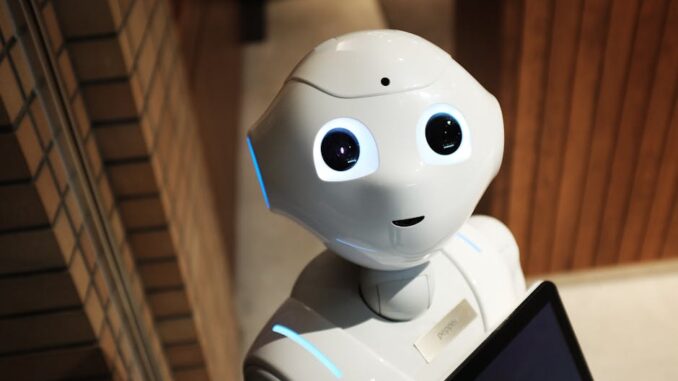
Assistive Therapeutic Robotics: Ah, the robots! This is often the most engaging part for residents. These aren’t industrial behemoths; they’re often friendly, non-threatening units designed for interaction and assistance. They can range from social robots, providing companionship and prompting cognitive engagement through games, to more functional robots that assist with tasks like medication delivery. Picture a small, almost pet-like robot engaging someone in a simple memory game or reminding them it’s time for their evening pill. The key is their ability to provide consistent, patient, and personalized interaction, something human caregivers, despite their best efforts, simply can’t always sustain 24/7. They don’t get tired; they don’t get frustrated. They’re just there, ready to engage.
All of these technologies weren’t just slapped together; they were meticulously integrated into a cohesive system designed to support residents without demanding any technical expertise from them or their caregivers. You shouldn’t need a computer science degree to live well, right? The interface for caregivers is intuitive, providing actionable insights rather than raw data dumps, which is a big win in my book.
Crafting a Purposeful, Engaging Space
The study didn’t just plop sensors and robots into a generic room. Oh no, the designed space itself was a thoughtfully curated environment, fostering a rich tapestry of activities aimed at promoting cognitive stimulation, physical well-being, and genuine engagement. It’s about creating an ecosystem of support, not just a collection of gadgets.
Let’s unpack some of the activities that truly brought this intelligent space to life:
-
Robot Interactions: This was a major focus, and for good reason. Therapeutic robots can provide so much more than just novelty. They offer consistent, non-judgmental companionship, which can be incredibly beneficial for reducing feelings of loneliness and anxiety. Moreover, they can facilitate cognitive exercises through interactive games, storytelling, or even simple conversations. Imagine a robot prompting a resident to recall details from a story it just told, or engaging them in a ‘guess the animal’ game. These interactions aren’t just entertaining; they’re actively strengthening neural pathways and promoting mental agility. It’s personalized therapy disguised as play, and frankly, I think it’s brilliant.
-
Medication Delivery: This is a crucial, life-saving application. Automated medication dispensers, often integrated with the robotic system, ensure timely and accurate dosing. For individuals with dementia, forgetting medication is a common and dangerous problem. A robot that gently reminds you, verbally and visually, and then dispenses the correct pill, drastically reduces the risk of missed doses or accidental overdoses. It removes a significant burden from caregivers and instills confidence in the resident, knowing they’re managing their health effectively.
-
Physical Exercises: The study incorporated structured physical activities like walking on a treadmill, often using protocols like the Bruce protocol, which is a standardized test for cardiovascular fitness. Why is this important? Because physical activity isn’t just good for the body; it’s profoundly beneficial for the brain, particularly in slowing cognitive decline. The intelligent environment could monitor gait, balance, and heart rate during these exercises, adjusting difficulty or offering gentle encouragement. It’s about maintaining physical functionality, reducing fall risk, and boosting overall mood. And when the technology is integrated smoothly, it makes it easier to stick to a routine, which is half the battle, isn’t it?
-
Entertainment & Cognitive Stimulation: Beyond physical exercise, the space offered a range of entertainment options. This could include personalized music playlists, interactive games on a screen, or even virtual reality experiences designed for cognitive engagement. The puzzles mentioned in the study are a classic, effective way to stimulate problem-solving skills and memory. The key is personalization – what one person finds engaging, another might find frustrating. The intelligent system, by learning individual preferences, could tailor these activities, ensuring maximum benefit and enjoyment. Think about it: a system that learns you love classical music and suggests a personalized playlist, or recognizes you enjoy word puzzles and offers new ones daily.
-
Household Tasks: While perhaps less glamorous than robot interactions, engaging in simple household tasks is vital for maintaining a sense of purpose and functional independence. This could involve guided sequences for sorting items, folding laundry, or even preparing a simple snack. The technology here acts as a prompt or a guide, breaking down complex tasks into manageable steps, reducing frustration, and allowing individuals to contribute to their living environment, which can be incredibly empowering. It reinforces skills and provides a sense of accomplishment.
Each of these elements, when combined within a responsive and intelligent environment, creates a dynamic ecosystem designed to keep residents not just safe, but truly engaged and flourishing.
The Heart of the Matter: Enhancing Quality of Life
What truly resonated from the study’s findings was the physiological data, which unequivocally revealed significant participant engagement during robot interactions. This isn’t just anecdotal evidence; we’re talking about measurable responses – changes in heart rate variability, skin conductance, even eye-tracking data that suggest heightened attention and positive emotional states. This isn’t trivial. It indicates the very real, tangible potential effectiveness of robot-assisted activities in genuinely enhancing the quality of life for residents with dementia.
Think about it: for someone who might struggle with social interaction, or whose short-term memory makes sustained conversations difficult, a patient, predictable robotic companion can be a godsend. It offers consistent, non-judgmental interaction, fostering a sense of connection without the pressure of complex social cues. This engagement can lead to:
- Reduced Anxiety and Agitation: Often, agitation in dementia stems from confusion, boredom, or unmet needs. Robots providing engaging activities or simple companionship can help soothe these feelings.
- Improved Mood: Positive interaction, cognitive challenges, and a sense of accomplishment all contribute to a better mood and reduced instances of depression.
- Increased Physical Activity: Whether through guided exercises or simply being prompted to move around by a robotic companion, activity levels can significantly improve, which has a cascading positive effect on overall health.
- Maintenance of Cognitive Function: Consistent engagement through puzzles, memory games, and interactive storytelling helps to keep the brain active, potentially slowing the rate of cognitive decline.
- Enhanced Sense of Control and Independence: By enabling individuals to participate in activities and manage aspects of their daily routine with technological assistance, they regain a sense of agency that might otherwise be lost.
And let’s not forget the ripple effect on caregivers. When residents are more engaged, safer, and have a higher quality of life, the burden on caregivers lessens dramatically. They can focus more on providing emotional support and less on constant vigilance, improving their own well-being and reducing burnout. It’s a win-win, isn’t it?
Navigating the Ethical Labyrinth and Future Pathways
While the promise of intelligent dementia care is undeniably exciting, it’d be remiss not to acknowledge the crucial ethical considerations and practical challenges that lie ahead. Whenever we talk about technology in sensitive care environments, questions invariably arise, and they’re questions we must address thoughtfully.
Key Considerations Moving Forward:
-
Privacy and Data Security: With continuous monitoring and data collection, protecting the privacy of individuals is paramount. Who owns the data? How is it stored? Who has access? Clear, robust protocols are essential to build trust and ensure ethical use.
-
Autonomy vs. Safety: Where do we draw the line between protecting an individual from harm and allowing them the freedom to make choices, even if those choices carry some risk? Technology must be a tool for empowerment, not control. It’s a delicate balance, requiring careful thought and personalized application.
-
User Acceptance: Both for residents and caregivers. Some individuals might find the idea of robots or sensors unsettling, while others might embrace it. Designing intuitive, friendly interfaces and providing thorough education will be vital. My own grandmother, God bless her, might have initially scoffed at a robot, but I bet if it played her favorite big band tunes, she’d have been chatting away in no time!
-
Cost and Accessibility: For these technologies to truly revolutionize care, they need to be affordable and accessible to a broad demographic, not just a privileged few. Scalability and thoughtful policy initiatives will be key here.
-
The ‘Human Touch’ Conundrum: It’s crucial that technology complements, rather than replaces, human interaction. These tools should free up caregivers to provide more meaningful, compassionate human connection, not distance them. We can’t let innovation dehumanize care, can we?
This feasibility study doesn’t just highlight the promising role of integrating assistive technologies into dementia care; it illuminates a path forward for truly personalized and effective caregiving solutions. It’s about moving towards a future where living with dementia doesn’t mean a complete loss of independence or a diminished quality of life. Instead, it suggests a future where technology acts as a compassionate, intelligent ally, working silently in the background to ensure safety, foster engagement, and ultimately, help individuals live their best possible lives, even as memory fades.
The journey from feasibility study to widespread implementation is long, I know, filled with more research, clinical trials, and careful ethical navigation. But what a journey it promises to be! It truly paves the way for a paradigm shift, one where intelligent homes aren’t just for the able-bodied, but a lifeline for those who need it most. It’s an exciting time to be in this space, wouldn’t you agree?
References
- Khan, A. A., Das, R. K., Martin, A., Dowling, D., & Imtiaz, R. (2024). Creating an Intelligent Dementia-Friendly Living Space: A Feasibility Study Integrating Assistive Robotics, Wearable Sensors, and Spatial Technology. arXiv preprint. (arxiv.org)
Given the potential for robots to assist with medication delivery and promote physical activity, how might these technologies be adapted to cater to diverse cultural backgrounds and individual preferences in dementia care?
That’s a fantastic point! Considering cultural nuances is crucial. Imagine robots that can communicate in different languages or play familiar music from a resident’s heritage. Personalization should extend beyond just medication and exercise, tailoring interactions to individual life stories and preferences to ensure comfort and engagement.
Editor: MedTechNews.Uk
Thank you to our Sponsor Esdebe
The integration of spatial sensors to monitor movement patterns offers a significant opportunity to understand and respond to the wandering behaviours often associated with dementia. How can this technology be refined to differentiate between purposeful movement and disorientation, ensuring interventions are appropriate and respectful?
That’s a crucial question! Refining spatial sensors to distinguish between purposeful movement and disorientation is key. Perhaps AI could learn individual movement patterns over time, identifying deviations that suggest disorientation rather than simply tracking location. This could allow for more targeted and respectful interventions.
Editor: MedTechNews.Uk
Thank you to our Sponsor Esdebe
So, these therapeutic robots are less WALL-E and more helpful Tamagotchi? If they start offering tech support, I might need one, dementia or not. Seriously though, could they be programmed to recognise different family members to reduce anxiety?
That’s a hilarious comparison! The idea of these robots offering tech support is brilliant. Absolutely, programming them to recognize family members is a key area of development. Reducing anxiety through familiar faces and voices would be a game-changer. Thanks for sparking this important aspect of the discussion!
Editor: MedTechNews.Uk
Thank you to our Sponsor Esdebe
Intelligent homes – so we’re talking smart homes, but for smart *people*? Jokes aside, the ethical considerations are a minefield. If the AI starts suggesting which memories to prioritize, I’m drawing the line! Is there research into how this tech impacts the human-to-human element of care?
That’s a brilliant point about the human-to-human element! Research is definitely exploring how to ensure tech enhances, not replaces, those vital connections. Some studies look at how technology can free up caregivers’ time for more meaningful interactions. The goal is always compassionate, augmented care. Thanks for highlighting this crucial issue!
Editor: MedTechNews.Uk
Thank you to our Sponsor Esdebe
Intelligent homes, huh? So, will the AI nag me about leaving the lights on, even if I *want* a little ambiance? Seriously though, if these spaces learn our habits, could they anticipate needs before we even realise them ourselves? Talk about next-level support!
That’s a fantastic point about anticipating needs! Imagine the AI recognizing subtle changes in routine or behaviour before they become significant issues. Early intervention could drastically improve quality of life. It’s about proactive, personalized support that empowers individuals and their caregivers.
Editor: MedTechNews.Uk
Thank you to our Sponsor Esdebe
So, if my AI home learns I always hide the good biscuits, will it start a ‘biscuit treasure hunt’ game to jog my memory…or just rat me out to the care team? Seriously though, the potential for personalized games and activities is huge!