

Abstract
The landscape of scientific discovery is undergoing a profound transformation, driven by the convergence of artificial intelligence (AI) and advanced robotics. This report delves into the architecture and implications of autonomous laboratory systems, which are increasingly capable of independently conceiving, executing, analyzing, and iteratively refining scientific experiments. We meticulously examine the core technological components underpinning these systems: sophisticated machine learning algorithms for nuanced data interpretation, natural language processing for intuitive experiment design, and a diverse array of robotic systems for precise physical manipulation. A central focus is placed on the intricate synergistic interactions between these elements, which enable a closed-loop scientific discovery process. We explore the varying levels of autonomy achieved to date, from task automation to true autonomous discovery, and critically assess their profound potential to reshape traditional scientific research methodologies, particularly highlighting the pioneering contributions of entities like Medra in establishing this new paradigm.
Many thanks to our sponsor Esdebe who helped us prepare this research report.
1. Introduction
The venerable process of scientific inquiry, traditionally reliant on human ingenuity, manual dexterity, and iterative trial-and-error, has long been characterized by its inherent slowness, labor intensity, and susceptibility to human variability. For centuries, scientific breakthroughs have emerged from meticulously planned experiments, painstaking data collection, and often subjective interpretation, forming workflows that are inherently time-consuming and resource-intensive. The recent, rapid maturation of artificial intelligence and robotics technologies has ushered in a new era, introducing the transformative concept of autonomous laboratories – environments where machines can function as independent scientific agents, autonomously designing, executing, and interpreting experiments with minimal or no human intervention. This paradigm shift holds the promise not only of dramatically accelerating the pace of scientific discovery but also of fundamentally enhancing the efficiency, reproducibility, and reliability of research methodologies across a myriad of disciplines.
The genesis of this revolution lies in the recognition of limitations within conventional scientific practice. The ‘reproducibility crisis’ plaguing various fields, the sheer volume of experimental parameters often intractable for human exploration, and the ever-increasing complexity of biological and material systems demand a more robust, scalable, and unbiased approach. Autonomous laboratories directly address these challenges by automating repetitive tasks, standardizing experimental procedures, minimizing human error, and leveraging computational power to explore vast experimental spaces. These ‘self-driving’ labs represent a shift from scientists manually conducting experiments to scientists designing hypotheses and then entrusting the system to design, execute, and learn from experiments to validate or refute those hypotheses. This report provides a comprehensive overview of the technological underpinnings, operational dynamics, societal impact, and future trajectory of these groundbreaking autonomous scientific ecosystems.
Many thanks to our sponsor Esdebe who helped us prepare this research report.
2. Technological Components of Autonomous Laboratory Systems
Autonomous laboratory systems are not monolithic entities but rather sophisticated integrations of multiple cutting-edge technologies, each playing a crucial role in enabling independent scientific operation. Their cohesive functionality hinges on the seamless interaction between these distinct, yet interdependent, components.
2.1 Machine Learning for Data Interpretation and Hypothesis Generation
Machine learning (ML) algorithms form the cognitive core of autonomous laboratories, transforming raw experimental data into actionable scientific insights. Beyond mere pattern recognition, these algorithms are tasked with a complex array of functions, including predictive modeling, anomaly detection, feature extraction, and even the automated generation of new hypotheses.
At its simplest, ML in this context involves training computational models on existing datasets to identify subtle relationships and make informed predictions about future experimental outcomes. This process extends to various paradigms:
- Supervised Learning: Algorithms trained on labeled datasets (e.g., experimental conditions mapped to results) can predict outcomes for novel conditions, accelerating parameter optimization. Examples include neural networks for classifying spectroscopic data or regression models for predicting reaction yields.
- Unsupervised Learning: Techniques like clustering and dimensionality reduction help identify hidden patterns or novel material phases in complex, unlabeled datasets, often leading to serendipitous discoveries.
- Reinforcement Learning (RL): RL agents learn optimal experimental strategies through trial and error, receiving ‘rewards’ for successful outcomes. This is particularly powerful for optimizing multi-step synthesis pathways or complex biological processes where an explicit objective function can be defined.
- Bayesian Optimization: This probabilistic approach is exceptionally efficient for optimizing experiments with high dimensionality and costly evaluations. It intelligently samples the experimental space, leveraging prior knowledge to minimize the number of experiments required to find optimal conditions.
- Gaussian Processes: Often used in conjunction with Bayesian optimization, Gaussian processes provide a powerful framework for modeling functions and quantifying uncertainty, crucial for guiding experimental exploration efficiently.
Medra’s ‘Scientific AI’ exemplifies the sophisticated application of these principles. It moves beyond simple data analysis to actively interpret experimental results, identifying causal relationships, detecting deviations from expected norms, and critically, assisting in the optimization of experimental methods. This creates a self-improving loop where predictions are continuously refined by real-world experimental execution and subsequent data interpretation. For instance, in drug discovery, Scientific AI might predict the most promising molecular structures for a specific biological target, design experiments to synthesize and test these compounds, and then analyze the resulting assay data to further refine its predictive models and suggest next-generation compounds. This iterative, data-driven optimization vastly reduces the time and resources traditionally associated with lead compound identification and optimization.
Challenges in this domain include the need for high-quality, diverse, and well-curated datasets for training robust models, the interpretability of complex ‘black-box’ ML models (necessitating the development of Explainable AI – XAI techniques), and managing the computational resources required for advanced simulations and model training.
2.2 Natural Language Processing for Intuitive Experiment Design
Natural Language Processing (NLP) bridges the critical communication gap between human scientists and highly specialized robotic systems. It transforms abstract scientific ideas and protocols, expressed in everyday language, into precise, machine-executable instructions. This component is pivotal for making autonomous laboratories accessible and user-friendly, moving away from arcane programming languages or cumbersome graphical user interfaces.
NLP systems in autonomous labs perform several key functions:
- Semantic Understanding: The system must accurately interpret the meaning and intent behind a researcher’s natural language commands. This involves parsing sentences, identifying key entities (e.g., ‘reagent A’, ‘temperature’, ‘stirring speed’), and understanding relationships between them.
- Protocol Translation: Once understood, the natural language input is translated into a structured, formal representation (e.g., an experimental workflow graph, a sequence of robotic commands, or a specialized scripting language for lab automation). This often involves leveraging domain-specific ontologies and knowledge graphs that define the relationships between chemicals, equipment, procedures, and desired outcomes.
- Natural Language Generation (NLG): Conversely, NLP can generate human-readable summaries of experimental progress, anomalies detected, or proposed adjustments, enhancing transparency and researcher oversight.
- Voice Command Interface: As demonstrated by Medra’s platform, the ability to adjust and edit protocols using voice commands further simplifies interaction, allowing scientists to instruct the system hands-free, much like a human lab assistant. This enhances efficiency and reduces cognitive load.
The adoption of NLP-driven experiment design dramatically lowers the barrier to entry for utilizing complex automated systems. Researchers can articulate their scientific questions and proposed experiments in plain English, allowing the system to handle the intricate translation into robotic actions and data acquisition parameters. This empowers scientists to focus on higher-level experimental design and hypothesis generation, rather than the minutiae of robotic programming. Furthermore, NLP can facilitate the standardization of protocols, reducing ambiguities and enhancing reproducibility across different labs and experiments. The increasing sophistication of Large Language Models (LLMs) promises even more intuitive and context-aware interaction, enabling systems to ‘understand’ scientific literature and suggest novel experimental approaches based on vast textual databases.
2.3 Robotic Systems for Physical Manipulation and Execution
Robotic systems constitute the physical embodiment of the autonomous laboratory, carrying out the intricate and often delicate tasks of experimentation with unparalleled precision, repeatability, and tireless efficiency. These systems integrate advanced mechanics, sensors, and actuators to perform actions traditionally undertaken by human hands.
Key categories and capabilities include:
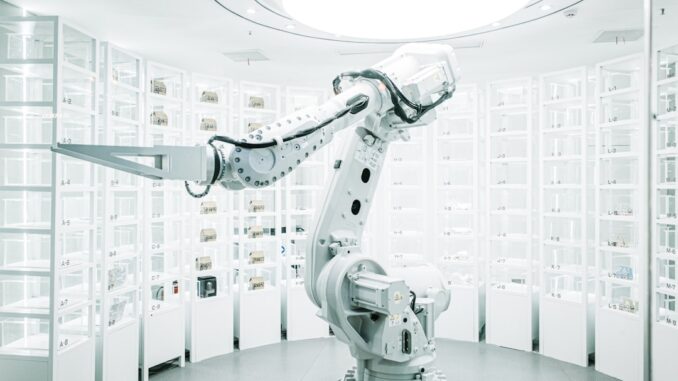
- Robotic Arms: These are the workhorses of the automated lab. Commonly, SCARA (Selective Compliance Assembly Robot Arm), delta, and articulated robots are employed. They are equipped with diverse end-effectors (grippers, pipettes, syringe pumps) to handle various laboratory consumables such as microtiter plates, vials, test tubes, and intricate glassware. Their movements are meticulously programmed to ensure precise positioning, dispensing, and manipulation.
- Liquid Handling Robots: Highly specialized systems designed for precise pipetting, dispensing, and mixing of reagents. They can handle volumes from nanoliters to milliliters with high accuracy, crucial for high-throughput screening and combinatorial chemistry.
- Mobile Robots (AGVs/AMRs): Autonomous Guided Vehicles (AGVs) or Autonomous Mobile Robots (AMRs) transport samples, reagents, or even entire experimental setups between different workstations within the laboratory. This ensures continuous workflow and reduces human intervention in material logistics.
- Integrated Instrumentation: Robotic platforms are often integrated directly with analytical instruments such as mass spectrometers, nuclear magnetic resonance (NMR) machines, plate readers, centrifuges, incubators, and chromatographs. The robot places samples into the instrument, initiates the measurement, and retrieves the sample upon completion, all without human intervention.
- Sensors and Actuators: Advanced sensors (e.g., vision systems for object recognition and quality control, force sensors for delicate manipulations, chemical sensors for real-time reaction monitoring, temperature and pH probes, spectroscopic sensors) provide critical feedback to the control system. Actuators, beyond simple grippers, include microfluidic devices for highly controlled reactions and specialized heating/cooling elements.
Medra’s ‘Physical AI’ epitomizes the capabilities of these systems. It autonomously runs lab experiments using the same tools human scientists use, but with superior consistency and speed. This extends to tasks like preparing samples, accurately dispensing minute quantities of reagents, conducting reactions under precisely controlled conditions (temperature, pressure, stirring), performing purification steps, and acquiring data from analytical instruments. The system’s ability to operate around the clock, without fatigue or boredom, dramatically increases experimental throughput and accelerates data generation.
Significant challenges in robotics include achieving sufficient dexterity for complex manipulations, preventing cross-contamination, ensuring robust operation in dynamic environments, and developing modular systems that can easily adapt to a wide array of experimental setups. Safety protocols are also paramount, especially when robots operate alongside or interact with human researchers.
Many thanks to our sponsor Esdebe who helped us prepare this research report.
3. Interaction Between Technological Components
The true power of autonomous laboratories lies not in the individual capabilities of machine learning, NLP, or robotics, but in their seamless, synergistic integration. This creates a sophisticated, closed-loop system where each component informs and enhances the others, mimicking and often surpassing the iterative nature of the human scientific method.
3.1 The Continuous Data Flow and Orchestration
The process begins with the robotic systems physically executing experiments, diligently collecting raw data through their integrated sensors. This data is not merely stored but immediately fed into the machine learning pipeline. This flow is precisely orchestrated:
- Data Acquisition: As robots perform actions (e.g., adding reagents, heating samples, taking spectroscopic readings), integrated sensors capture real-time information. This raw data is then digitized and transmitted.
- Data Pre-processing and Curation: The incoming raw data often requires cleaning, normalization, and structuring before it can be effectively used by ML algorithms. This involves removing noise, handling missing values, and converting data into standardized formats (e.g., FAIR principles: Findable, Accessible, Interoperable, Reusable).
- Real-time Analysis: Machine learning algorithms continuously analyze this processed data. This can range from basic quality control checks to complex statistical modeling, anomaly detection, and predictive analytics. For instance, an ML model might detect an unexpected reaction intermediate via mass spectrometry data or identify a suboptimal yield from a chromatographic separation.
3.2 AI-Driven Protocol Adjustment and Refinement
The insights generated by the machine learning component are not passive; they actively inform the subsequent stages of experimentation. This is where the intelligent feedback loop truly closes:
- Insight Generation: Based on the analysis, the Scientific AI (e.g., Medra’s platform) formulates insights. This could be a recommendation for modifying a reaction temperature, adjusting a reagent concentration, changing a purification step, or even proposing an entirely new experimental pathway.
- Hypothesis Refinement/Generation: At higher levels of autonomy, the ML component might refine existing hypotheses or generate new ones based on the accumulating evidence. For example, if a predicted compound shows unexpected biological activity, the AI might hypothesize a novel mechanism and propose experiments to test it.
- NLP-Mediated Protocol Update: These insights and recommendations are then translated into specific experimental protocol adjustments. This is where Natural Language Processing becomes crucial. The human researcher, or in fully autonomous systems, the AI itself, can articulate these changes in natural language. For instance, a scientist might instruct, ‘Increase the temperature of reaction step 3 by 5 degrees Celsius,’ or the system might autonomously generate the equivalent command based on its optimization algorithm.
- Robotic Re-programming: The NLP interface converts these high-level instructions into precise, low-level commands that the robotic systems can understand and execute. This involves updating control scripts for robotic arms, liquid handlers, and integrated instruments, ensuring the new protocol parameters are implemented in the next experimental run.
3.3 Continuous Learning and Iterative Optimization
This closed-loop system embodies the essence of the scientific method – hypothesis, experiment, observation, analysis, and refinement – but at an accelerated and automated pace. Each experiment conducted provides new data, which in turn trains and refines the machine learning models, improving their predictive capabilities and decision-making over time. This continuous learning enables:
- Self-Correction: The system can identify and correct errors, whether in protocol execution or initial experimental design, through iterative feedback.
- Adaptive Learning: It adapts to changing experimental conditions, reagent batches, or even subtle environmental shifts within the lab, maintaining optimal performance.
- Global Optimization: Over many iterations, the system can explore vast parameter spaces far more comprehensively than humans, leading to the discovery of optimal conditions or novel phenomena that might otherwise remain hidden.
The seamless integration of these technologies through robust middleware, standardized APIs, and a unified software architecture is paramount. It ensures that data flows efficiently, decisions are communicated effectively, and physical actions precisely reflect the system’s intelligent interpretations, ultimately enhancing the efficiency, accuracy, and innovative capacity of scientific research.
Many thanks to our sponsor Esdebe who helped us prepare this research report.
4. Levels of Autonomy Achieved
The spectrum of autonomy in laboratory systems is not binary but rather a continuum, characterized by increasing sophistication in decision-making and reduced reliance on human intervention. Understanding these levels is crucial for appreciating the current state and future potential of autonomous laboratories.
4.1 Task Automation
This foundational level involves robots performing predefined, often repetitive, tasks with minimal human intervention. The system executes a fixed sequence of operations based on a pre-programmed protocol, without real-time deviation or intelligent adaptation. Human involvement is still required for setup, monitoring, and problem-solving.
- Characteristics: Deterministic operations, high throughput for repetitive tasks, reduction of human error in manual execution.
- Examples: Automated liquid handling for drug screening, robotic plate reading, automated colony picking, high-throughput DNA sequencing sample preparation, automated cell culturing systems. Robots might transfer samples between instruments or perform basic mixing operations according to a fixed schedule.
- Limitations: Lack of flexibility; unable to respond to unexpected events or optimize parameters during a run. Any deviation requires human reprogramming.
4.2 Adaptive Experimentation
At this level, the system gains the ability to modify experimental protocols dynamically based on real-time data analysis and predefined decision rules or models. It can react to changes in the experimental environment or intermediate results to optimize the ongoing experiment, moving beyond simple automation to genuine adaptiveness.
- Characteristics: Integration of sensors and data analysis to provide feedback; ability to adjust parameters (e.g., temperature, reagent concentration, reaction time) to achieve a desired outcome; often leverages basic machine learning models or rule-based AI.
- Examples: A system adjusting solvent ratios in a chromatographic separation to optimize purity based on real-time detector feedback; a chemical reactor autonomously tuning temperature to maximize yield based on spectroscopic analysis of intermediates; a cell culture system adjusting nutrient levels based on real-time cell density measurements.
- Significance: This represents a significant leap from simple automation, allowing for more efficient optimization and robustness in experiments where conditions might vary.
4.3 Autonomous Discovery (Self-Improvement and Hypothesis Generation)
This is the pinnacle of laboratory autonomy, where the system is capable of not only adapting experiments but also learning continuously, generating novel hypotheses, designing experiments to test them, and iteratively refining its understanding of the underlying science. Such systems embody a ‘robot scientist’ capable of independent scientific inquiry.
- Characteristics: Continuous learning mechanisms (e.g., reinforcement learning, Bayesian optimization, active learning) allowing the system to enhance its performance over time; ability to generate new scientific hypotheses based on observed data and prior knowledge; autonomous design of experiments to validate these hypotheses; sophisticated reasoning capabilities.
- Examples: Medra’s platform, with its integrated Physical AI for execution and Scientific AI for interpretation and optimization, is designed to operate at this level. The Scientific AI interprets results, refines predictive models, and proposes improved experimental designs, creating a truly self-improving loop. Other examples include AI systems in materials science autonomously searching for novel compounds with specific properties, designing synthesis pathways, and characterizing the resulting materials without human guidance in the loop.
- Significance: This level accelerates the pace of discovery dramatically, frees human scientists for higher-level conceptual work, and allows for the exploration of vast, complex scientific spaces intractable for human-led research. It holds the potential to discover entirely new scientific principles and materials.
Achieving higher levels of autonomy presents substantial challenges, including developing robust common-sense reasoning, handling unforeseen events, ensuring the ethical implications of autonomous decision-making are addressed, and building generalizable AI models that can adapt to entirely new scientific domains rather than being confined to narrow tasks.
Many thanks to our sponsor Esdebe who helped us prepare this research report.
5. Impact on Scientific Research Methodology
The advent of autonomous laboratories is poised to instigate a fundamental revolution in how scientific research is conducted, shifting paradigms from human-centric, manual processes to highly efficient, AI-driven exploration. This transformation promises far-reaching benefits across the scientific ecosystem.
5.1 Accelerated Discovery and Innovation Velocity
One of the most immediate and profound impacts of autonomous labs is the dramatic acceleration of the discovery process. By automating routine, time-consuming, and labor-intensive experimental tasks, human researchers are liberated from the bench to dedicate their cognitive capacities to higher-order scientific challenges – hypothesis generation, complex data interpretation, theoretical modeling, and the articulation of novel research questions. This shift allows for:
- High-Throughput Experimentation: Autonomous systems can execute thousands or even millions of experiments in parallel or rapid succession, exploring vast parameter spaces that would be impossible for human teams. This is particularly critical in fields like drug discovery, materials science, and combinatorial chemistry, where the search space for optimal conditions or novel compounds is immense.
- Reduced Cycle Times: The iterative nature of scientific research, where one experiment informs the next, is significantly compressed. The closed-loop feedback mechanism allows for rapid iteration, where data analysis and protocol adjustments occur in minutes or hours rather than days or weeks.
- 24/7 Operation: Robots do not tire, take breaks, or sleep. They can operate continuously, maximizing instrument utilization and experimental throughput around the clock.
- Focus on ‘Why’: With the ‘how’ of experimentation handled by AI and robotics, scientists can dedicate more time to understanding the underlying mechanisms and implications of their discoveries, fostering deeper scientific insight.
5.2 Enhanced Reproducibility and Reliability
The ‘reproducibility crisis’ has cast a significant shadow over scientific research in recent years, with many published findings proving difficult or impossible to replicate. Autonomous laboratories offer a powerful antidote to this challenge:
- Standardized Execution: Robots execute protocols with unwavering precision and consistency, eliminating the variability introduced by human factors such as fatigue, subjective interpretation of instructions, or slight differences in technique between researchers.
- Precise Control: AI-driven systems maintain highly stable experimental conditions (e.g., temperature, pH, humidity) with greater accuracy than human-controlled setups, reducing experimental noise.
- Detailed Logging: Every step, parameter, and observation is meticulously recorded and timestamped, creating an immutable and auditable digital trail of the entire experiment. This comprehensive metadata facilitates verification and troubleshooting.
- Reduced Bias: Human cognitive biases, both conscious and unconscious, can subtly influence experimental design, data collection, and interpretation. Autonomous systems operate objectively based on programmed logic and data, mitigating such biases.
5.3 Resource Optimization and Sustainability
Autonomous laboratories contribute significantly to more efficient and sustainable scientific practice:
- Material Efficiency: Precise robotic dispensing and optimized experimental designs (often guided by ML) lead to reduced consumption of expensive reagents and samples, lowering operational costs.
- Energy Efficiency: Optimized workflows and intelligent scheduling can reduce overall energy consumption compared to less efficient, fragmented human-led processes.
- Reduced Waste: Fewer failed experiments due to human error and more efficient use of resources directly translate to less laboratory waste, contributing to environmental sustainability.
- Cost Savings: While initial investment can be high, long-term savings in labor costs, material consumption, and faster time-to-market for new products can be substantial.
5.4 Exploring New Scientific Frontiers
Perhaps the most exciting impact is the ability to unlock entirely new avenues of scientific exploration previously considered intractable:
- Hyper-dimensional Exploration: Autonomous systems can systematically explore vast, multi-dimensional parameter spaces (e.g., thousands of different chemical reactions, material compositions, or genetic modifications) that are simply too large and complex for human teams to navigate.
- Discovery of Non-Obvious Relationships: ML algorithms can identify subtle correlations and patterns in complex datasets that might escape human observation, potentially leading to the discovery of novel scientific principles or unexpected material properties.
- Synthesis of Novel Materials and Molecules: Autonomous labs can accelerate the discovery and synthesis of new materials with designer properties (e.g., high-temperature superconductors, catalysts, drug candidates) by rapidly iterating through synthesis and characterization cycles.
Medra’s partnership with Genentech serves as a prime example of this transformative potential in drug discovery. By integrating AI and robotics, the aim is to accelerate the identification of novel drug candidates, optimize their properties, and streamline the early-stage development process, ultimately bringing life-saving therapies to patients faster and more efficiently.
Many thanks to our sponsor Esdebe who helped us prepare this research report.
6. Case Studies and Applications
Numerous academic institutions and private enterprises are actively developing and deploying autonomous laboratory systems, each contributing unique perspectives and technological advancements to this rapidly evolving field. These case studies highlight the diverse applications and underlying philosophies driving the autonomous lab revolution.
6.1 Medra
Medra stands at the forefront of this technological shift, having developed what it terms a ‘Continuous Science Platform.’ This integrated ecosystem is designed to dramatically accelerate scientific data generation and discovery across various scientific domains, particularly in the life sciences and materials science.
At the core of Medra’s offering are two tightly coupled AI components:
- Physical AI: This represents the robotic and automation infrastructure responsible for the precise, autonomous execution of laboratory experiments. It is designed to interact with standard laboratory equipment, using advanced robotics (e.g., robotic arms, liquid handlers) to perform sample preparation, reagent dispensing, reaction monitoring, purification, and data acquisition. The key differentiator is its ability to interpret high-level instructions into robust, error-free physical actions, minimizing human intervention and ensuring high reproducibility.
- Scientific AI: This is the cognitive engine that processes the vast amounts of data generated by the Physical AI. It employs sophisticated machine learning algorithms for data interpretation, pattern recognition, predictive modeling, and, crucially, for optimizing experimental methods. This AI component closes the loop by analyzing results, suggesting modifications to protocols, and even proposing new hypotheses for further investigation. It continuously learns from each experiment, refining its models and improving its ability to guide future discovery.
The synergy between Physical AI and Scientific AI creates a truly self-improving loop, enabling rapid iteration and optimization of experimental designs. Medra’s platform allows researchers to communicate instructions and adjust protocols using natural language, either in writing or via voice commands, making complex automation accessible to a broader scientific community. Their partnership with a pharmaceutical giant like Genentech underscores the profound impact these systems are having on accelerating drug discovery pipelines, from initial target identification and lead compound screening to optimization and early-stage development.
6.2 Argonne National Laboratory: Autonomous Discovery Initiative
Argonne National Laboratory, a multidisciplinary science and engineering research center, is a leading proponent of ‘Autonomous Discovery.’ This initiative seeks to integrate advanced AI, including robotics and machine learning, to automate laboratory processes and accelerate the pace of scientific discovery, particularly in fields critical to national interests such as energy, materials science, and chemistry.
Argonne’s approach emphasizes the development of closed-loop research platforms that combine state-of-the-art experimental facilities with advanced computational intelligence. This involves:
- Integration of Large-Scale Facilities: Leveraging world-class scientific instruments like synchrotron light sources, neutron sources, and high-performance computing clusters.
- Robotics for Sample Handling and Characterization: Deploying sophisticated robotic systems to prepare and move samples to these advanced instruments, performing automated measurements and data collection.
- Machine Learning for Experimental Design and Analysis: Utilizing ML algorithms (e.g., Bayesian optimization, active learning) to intelligently select subsequent experiments, analyze the resulting data, and identify optimal conditions or novel material properties with minimal human oversight.
Their vision extends to creating ‘self-driving’ instruments and laboratories that can independently explore scientific questions, optimize synthesis routes for novel materials, and discover new phenomena with unprecedented speed. This work is pivotal for accelerating the development of next-generation batteries, catalysts, and quantum materials, directly addressing critical challenges in energy and sustainable technologies.
6.3 Autonomous Robots and Vehicles Laboratory at VCU
While the Autonomous Robots and Vehicles Laboratory (ARVL) at Virginia Commonwealth University focuses more broadly on autonomy, connected vehicles, and coordinated robotics, its research contributes fundamental principles directly applicable to the development of advanced autonomous laboratory systems. Their work on intelligent machines capable of operating autonomously or semi-autonomously, often in coordination with humans, is highly relevant.
Key areas of ARVL’s research that inform autonomous laboratories include:
- Multi-Robot Systems and Swarm Robotics: Developing algorithms for multiple robots to cooperate and coordinate tasks. In a lab context, this could mean multiple robotic arms collaboratively preparing a complex experiment or a fleet of mobile robots efficiently transporting samples across a large facility.
- Human-Robot Interaction (HRI): Research into intuitive and safe interaction between humans and robots is crucial for collaborative laboratory environments, where robots might work alongside scientists or require human intervention for complex troubleshooting.
- Robust Navigation and Manipulation: Developing intelligent perception and control systems that allow robots to navigate complex environments (e.g., crowded lab benches) and perform delicate manipulation tasks with high precision and reliability, even in the presence of uncertainty.
Although not exclusively focused on laboratory applications, ARVL’s advancements in areas like robust perception, planning, and control for autonomous systems are foundational to building the next generation of highly capable, flexible, and safe robotic components for self-driving laboratories.
These case studies collectively illustrate the diverse applications, ranging from specific commercial platforms like Medra’s to national laboratory initiatives and foundational academic research, all contributing to the overarching goal of transforming scientific discovery through enhanced autonomy.
Many thanks to our sponsor Esdebe who helped us prepare this research report.
7. Challenges and Considerations
Despite the remarkable progress and immense promise of autonomous laboratory systems, their widespread implementation and full realization of their potential are tempered by several significant challenges and critical considerations.
7.1 Integration Complexity and Interoperability
The construction of an autonomous laboratory requires the seamless integration of a heterogeneous array of hardware and software components, which often originate from different manufacturers and adhere to varying standards. This presents considerable hurdles:
- Heterogeneous Systems: Connecting disparate robotic platforms, analytical instruments, sensors, and data management systems is inherently complex. A common lack of universal communication protocols and data formats (e.g., proprietary software, non-standard APIs) necessitates extensive custom integration efforts.
- Middleware and Abstraction Layers: Developing robust middleware that can abstract away the underlying hardware specificities and provide a unified interface for AI control is challenging but essential. This layer must translate high-level AI commands into low-level device actions and vice-versa, handle error propagation, and manage real-time data streams.
- Modular Design: Ensuring that components are modular and interoperable, allowing for easy upgrades, maintenance, and adaptation to new experimental requirements, remains an ongoing engineering challenge.
- Robust Error Handling: Autonomous systems must be able to detect, diagnose, and recover from operational errors (e.g., dropped samples, clogged pipettes, instrument malfunctions) without human intervention, or at least alert humans with precise diagnostic information.
7.2 Data Quality, Curation, and Governance
The efficacy of machine learning models, the cognitive backbone of autonomous labs, is inextricably linked to the quality and quantity of data they process. The ‘garbage in, garbage out’ principle is particularly salient here:
- High-Fidelity Sensors and Calibration: Ensuring sensors provide consistently accurate and precise data, and maintaining their calibration over long operational periods, is crucial. Inaccurate sensor readings can lead to erroneous ML interpretations and suboptimal experimental decisions.
- Data Volume and Diversity: Training sophisticated ML models often requires vast and diverse datasets that accurately represent the full spectrum of experimental conditions and outcomes. Acquiring such comprehensive datasets can be costly and time-consuming.
- Data Curation and Annotation: Raw data must be rigorously cleaned, validated, and annotated to be useful. This often involves manual expert review initially, which can be a bottleneck. Automated data curation methods are an active area of research.
- Standardized Data Formats (FAIR Principles): Adherence to FAIR principles (Findable, Accessible, Interoperable, Reusable) is paramount for maximizing the value of generated data, enabling its use across different systems and for future research.
- Data Governance and Security: Managing intellectual property, ensuring data integrity, and protecting against cyber threats are critical, especially when dealing with sensitive research in competitive fields like pharmaceuticals.
7.3 Ethical, Societal, and Economic Implications
The increasing autonomy of laboratory systems raises a host of broader considerations beyond purely technical challenges:
- Accountability and Responsibility: In the event of an experimental failure, erroneous conclusion, or even an accidental release of hazardous material, who bears the ultimate responsibility? The AI developer, the research institution, the operator, or the regulatory body? Clear frameworks for accountability are needed.
- Algorithmic Bias: If the training data for ML models is biased (e.g., skewed towards certain materials, conditions, or demographic groups), the autonomous system may perpetuate and even amplify these biases, leading to skewed scientific discovery or inequitable outcomes.
- Job Transformation and Workforce Impact: While autonomous labs free scientists from routine benchwork, they also necessitate new skills (e.g., AI specialists, robotic engineers, data scientists). This will lead to job transformation rather than outright displacement, requiring significant investment in upskilling and reskilling the scientific workforce.
- Initial Investment and Accessibility: The high upfront cost of developing and implementing fully autonomous laboratory systems can be prohibitive for smaller research groups or institutions, potentially exacerbating existing resource disparities in scientific research.
- Regulatory Frameworks: New regulatory frameworks may be required to govern the development, validation, and deployment of autonomous scientific discovery systems, particularly in highly regulated industries like pharmaceuticals and biotechnology.
7.4 Generalization and Robustness
While AI excels at specific, well-defined tasks, achieving true generalization – the ability to adapt to entirely new scientific problems or unexpected experimental conditions – remains a significant hurdle. Systems often struggle with novelty or rare events not encountered in their training data. Ensuring robustness against sensor noise, hardware failures, or environmental perturbations is also critical for reliable long-term operation.
Addressing these challenges requires a concerted, interdisciplinary effort involving engineers, computer scientists, domain scientists, ethicists, and policymakers. Only through careful consideration and proactive mitigation strategies can the full, transformative potential of autonomous laboratories be safely and equitably realized.
Many thanks to our sponsor Esdebe who helped us prepare this research report.
8. Future Directions
The trajectory of autonomous laboratory systems points towards increasingly intelligent, collaborative, and scalable platforms that will fundamentally redefine the future of scientific discovery. Several key areas are ripe for continued research and development, promising to unlock even greater capabilities.
8.1 Advanced AI Models for Complex Reasoning and Discovery
The evolution of AI models will be central to enhancing the cognitive capabilities of autonomous labs, moving beyond current predictive analytics to more sophisticated forms of scientific reasoning:
- Causal AI and Explanable AI (XAI): Future AI models will not only predict outcomes but also infer causal relationships between experimental parameters and results. This will lead to deeper scientific understanding and enable transparent, explainable decision-making, addressing the ‘black box’ problem. XAI will provide human-interpretable justifications for AI’s experimental choices.
- Hybrid AI Approaches: Combining symbolic AI (rule-based reasoning, knowledge graphs) with connectionist AI (neural networks) will allow systems to leverage both explicit domain knowledge and data-driven pattern recognition, enabling more robust hypothesis generation and validation.
- Meta-Learning and Few-Shot Learning: Developing AI that can ‘learn to learn’ or rapidly adapt to new scientific problems with minimal new data will greatly enhance generalizability across diverse research domains, reducing the need for extensive, specific training datasets for every new challenge.
- AI for Higher-Level Hypothesis Generation: Advanced AI could move beyond optimizing existing experiments to truly generate novel, creative hypotheses from vast scientific literature and experimental data, pushing the boundaries of human scientific intuition.
8.2 Collaborative Robotics and Human-Robot Interaction (HRI)
While full autonomy is a goal, the future also entails sophisticated human-robot collaboration, where robots work synergistically with human researchers:
- Cobots (Collaborative Robots): Development of robots designed to safely and intuitively share workspaces with humans, assisting with delicate or tedious tasks while humans focus on cognitive aspects. This requires advanced sensing (e.g., force sensors, vision systems) for collision avoidance and context awareness.
- Intuitive Interfaces: Further development of natural language interfaces (both textual and voice-based) will make interaction seamless, allowing scientists to fluidly delegate tasks and receive updates from their robotic counterparts.
- Augmented Reality (AR) and Virtual Reality (VR): Integrating AR/VR could allow scientists to visualize ongoing experiments, monitor robot activities, and even remotely manipulate equipment in a highly immersive and intuitive manner.
- Trust and Transparency: Building trust between human scientists and AI/robot systems is paramount. This involves transparent communication of robot actions, AI decision-making processes, and robust safety protocols.
8.3 Scalability, Modularity, and Decentralized Systems
The future autonomous lab will likely be a distributed, modular, and highly scalable entity:
- Standardized Modules: Development of universally compatible, plug-and-play robotic modules and instrumentation will allow for rapid configuration and adaptation of lab setups for different research needs, reducing integration complexity and cost.
- Cloud-Based Lab Infrastructure: Moving towards cloud-managed autonomous labs will enable centralized control, data management, and AI processing, allowing researchers to access and direct experiments remotely from anywhere in the world.
- Decentralized Autonomous Labs (DALs): Imagine networks of interconnected autonomous labs sharing protocols, data, and even computational resources globally, forming a collective ‘scientific intelligence’ that can tackle grand challenges more effectively.
- Digital Twins and Simulation Environments: Creating high-fidelity ‘digital twins’ of physical labs and experiments will enable AI systems to train, test new protocols, and simulate complex reactions in a virtual environment before deployment, reducing physical resource consumption and accelerating learning.
8.4 Ethical AI Development and Governance
As autonomous labs become more powerful, proactive consideration of ethical implications and robust governance frameworks will be crucial:
- Bias Mitigation: Active research into methods for detecting and mitigating algorithmic bias in scientific datasets and AI models to ensure fair and equitable scientific outcomes.
- Accountability Frameworks: Establishing clear legal and ethical guidelines for accountability when autonomous systems make critical decisions or errors.
- Data Security and Privacy: Implementing advanced cybersecurity measures to protect sensitive research data and intellectual property in highly automated and networked lab environments.
- Societal Impact Studies: Continuous assessment of the societal and economic impact of autonomous labs, guiding policy decisions related to workforce training, accessibility, and responsible innovation.
The future of autonomous laboratories is one of profound transformation, moving towards an era of accelerated, more reliable, and ultimately more insightful scientific discovery. Through sustained interdisciplinary research and responsible development, these systems hold the key to unlocking solutions to some of humanity’s most pressing challenges.
Many thanks to our sponsor Esdebe who helped us prepare this research report.
9. Conclusion
The integration of artificial intelligence and advanced robotics into laboratory environments represents a truly transformative shift in the landscape of scientific research. Autonomous laboratory systems are rapidly evolving from mere automation tools into intelligent, self-directed entities capable of independently designing, executing, analyzing, and learning from scientific experiments. This paradigm shift addresses longstanding challenges in traditional research, such as the reproducibility crisis, slow discovery rates, and the limitations of human exploration in vast parameter spaces.
As this report has detailed, the success of autonomous laboratories hinges upon the intricate interplay of sophisticated technological components: advanced machine learning algorithms provide the cognitive engine for data interpretation, predictive modeling, and hypothesis generation; natural language processing facilitates intuitive and accessible communication between human scientists and complex machinery; and highly precise robotic systems execute physical manipulations with unparalleled accuracy and tireless efficiency. The synergy of these components creates a powerful, closed-loop scientific discovery process, exemplified by companies like Medra, whose Continuous Science Platform integrates Physical AI for execution and Scientific AI for intelligent optimization.
The impact on scientific research methodology is profound and multi-faceted. Autonomous labs promise to dramatically accelerate the pace of discovery, allowing human researchers to focus on higher-level conceptual challenges. They enhance reproducibility and reliability by standardizing protocols and eliminating human variability, thereby bolstering trust in scientific findings. Furthermore, these systems optimize resource utilization, leading to more cost-effective and sustainable research practices, and open entirely new frontiers of scientific exploration previously inaccessible to human-led efforts.
Despite these promising advancements, significant challenges remain. The complexity of integrating heterogeneous hardware and software, ensuring high-quality data curation, and navigating the ethical, societal, and economic implications demand sustained interdisciplinary research and thoughtful policy development. However, the future directions for autonomous laboratories – encompassing more advanced AI models for complex reasoning, enhanced human-robot collaboration, and scalable, modular, and decentralized systems – paint a picture of continued innovation and expanding capabilities.
In essence, autonomous laboratory systems are not merely tools; they are evolving partners in the scientific endeavor, poised to redefine the very nature of discovery. Continued research, development, and thoughtful implementation in this field are essential to address existing challenges and fully realize the immense benefits that autonomous laboratories promise for the future of scientific advancement and societal well-being.
Many thanks to our sponsor Esdebe who helped us prepare this research report.
References
-
Medra. (2025). Medra Launches Continuous Science Platform to Power the Scientific Frontier. Business Wire. (businesswire.com)
-
Argonne National Laboratory. (2025). Autonomous Discovery. Retrieved from (anl.gov)
-
Autonomous Robots and Vehicles Laboratory at VCU. (2025). Retrieved from (arvl.lab.vcu.edu)
-
Medra. (2025). Medra Raises $52 Million Series A to Build Physical AI Scientists. Business Wire. (businesswire.com)
-
Medra. (2025). Medra Raises $52M, Partners With Genentech. HLTH. (hlth.com)
-
MIT’s new AI can teach itself to control robots by watching the world through their eyes – it only needs a single camera. (2025). Live Science. (livescience.com)
-
Figure AI. (2025). Retrieved from (en.wikipedia.org)
-
S-bot mobile robot. (2025). Wikipedia. (en.wikipedia.org)
-
AgiBot. (2025). Wikipedia. (en.wikipedia.org)
-
Swarm robotic platforms. (2025). Wikipedia. (en.wikipedia.org)
-
Autonomous laboratories. (2025). National Institute of Standards and Technology. (nist.gov)
Be the first to comment