
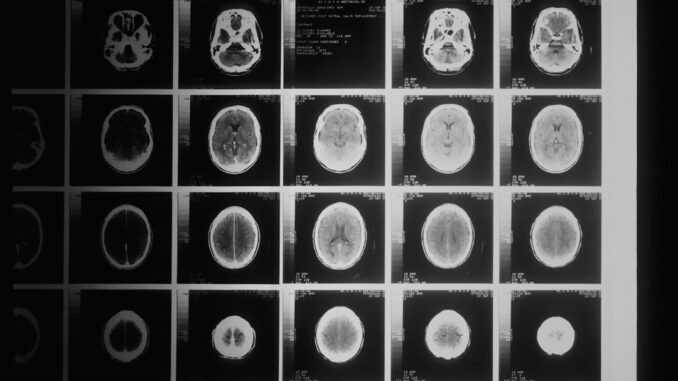

The Convergent Power of Dual-AI Engine Architectures in Advanced Medical Imaging Systems
Many thanks to our sponsor Esdebe who helped us prepare this research report.
Abstract
The integration of dual artificial intelligence (AI) engines into contemporary medical imaging systems represents a profound paradigm shift in diagnostic capabilities. This comprehensive report delves into the sophisticated design and synergistic operation of dual-AI engine architectures, examining their fundamental machine learning underpinnings, the rigorous computational infrastructure required for their deployment, and the meticulous clinical validation processes essential for ensuring their efficacy and safety. A central focus is placed on dissecting the broader implications of these advanced systems for enhancing diagnostic accuracy, markedly improving patient throughput, and optimizing operational efficiencies across a diverse spectrum of medical imaging modalities. Through a detailed technical exposition, with the Philips SmartSpeed Precise MRI system serving as an illuminating case study, this report aims to elucidate the intricate mechanisms and transformative potential inherent in the convergence of two specialized AI engines within the critical field of medical diagnostics.
Many thanks to our sponsor Esdebe who helped us prepare this research report.
1. Introduction
Medical imaging stands as a cornerstone of modern healthcare, providing invaluable insights into human anatomy and pathology. Over the past two decades, this field has undergone a profound transformation driven by technological advancements, none more impactful than the progressive incorporation of artificial intelligence (AI). Early AI applications primarily focused on post-processing tasks such as image segmentation or computer-aided detection (CAD). However, the evolution of deep learning, coupled with ever-increasing computational power, has ushered in an era where AI can intervene much earlier in the imaging pipeline, directly influencing data acquisition and fundamental image reconstruction.
Traditional medical imaging, particularly modalities like Magnetic Resonance Imaging (MRI), has historically faced a fundamental trade-off: achieving high image quality often necessitates longer scan times, while accelerating scans typically compromises resolution, signal-to-noise ratio (SNR), or introduces artifacts. This inherent tension impacts both diagnostic precision and patient experience, leading to challenges such as prolonged examination durations, increased risk of motion artifacts, and decreased patient throughput, ultimately affecting healthcare delivery and resource utilization.
The advent of dual-AI engine architectures marks a pivotal development designed to transcend this long-standing dilemma. By intelligently deploying two distinct, yet synergistically operating, AI models, these systems aim to simultaneously optimize both ends of the imaging spectrum: dramatically accelerating the acquisition of raw data and meticulously enhancing the quality of the reconstructed images. This bifocal approach represents a significant leap forward, promising not only to mitigate the traditional trade-offs but to forge new frontiers in diagnostic speed and accuracy.
This report offers a comprehensive technical exploration of these innovative dual-AI engine architectures. It meticulously details their operational mechanisms, delves into the sophisticated machine learning foundations that power them, scrutinizes the substantial computational demands and intricate system integration challenges, outlines the rigorous clinical validation methodologies, and ultimately examines their profound impact on diagnostic accuracy, patient experience, and operational efficiency within clinical environments. The Philips SmartSpeed Precise MRI system will be presented as a leading example, showcasing the practical implementation and demonstrated benefits of this advanced technological integration.
Many thanks to our sponsor Esdebe who helped us prepare this research report.
2. Dual-AI Engine Architectures in Medical Imaging
2.1 Conceptual Framework: Overcoming the Speed-Quality Dichotomy
The fundamental premise behind dual-AI engine architectures is to simultaneously address two critical, often conflicting, objectives in medical imaging: speed of acquisition and fidelity of image quality. Historically, achieving one often came at the expense of the other. For instance, in MRI, acquiring more data (filling k-space more densely) yields higher resolution and better SNR but extends scan times. Conversely, undersampling k-space accelerates the scan but introduces aliasing artifacts and reduces SNR.
Dual-AI systems ingeniously circumvent this dilemma by deploying two specialized AI models, each optimized for a distinct phase of the imaging workflow, yet working in concert to achieve a superior overall outcome. The first AI engine is strategically positioned at the initial stages of the imaging chain, primarily tasked with accelerating data acquisition. This involves intelligently reducing the amount of raw data that needs to be collected by the scanner, without discarding diagnostically relevant information. The second AI engine, operating downstream, focuses on refining image reconstruction and enhancement from the potentially undersampled or inherently noisy data. This separation of concerns allows for highly specialized optimization of each AI component, leading to a more robust, efficient, and higher-performing integrated system than a single, monolithic AI attempting to tackle both challenges simultaneously.
This bifocal strategy enables a revolutionary workflow where imaging protocols can be designed for maximal speed, leveraging the first AI engine to minimize scan duration, while the second AI engine ensures that the resultant images not only retain but often surpass the diagnostic quality of images acquired using traditional, longer protocols. The synergy between these two engines is the cornerstone of the architecture’s success, creating a harmonious interplay that elevates the entire imaging process.
2.2 Operational Mechanisms: A Deep Dive into the Imaging Pipeline
To fully appreciate the operational mechanisms of dual-AI engines, it is crucial to understand their intervention points within a typical medical imaging pipeline, particularly in MRI. The conventional MRI process involves several stages: signal excitation, signal reception, k-space data acquisition, and image reconstruction.
The First AI Engine: Data Acquisition Acceleration (Upstream Intervention)
In MRI, the first AI engine typically intervenes at the k-space data acquisition stage. K-space is a frequency domain representation of the MR signal, which, when mathematically transformed (e.g., via Fourier Transform), yields the final image. Traditional MRI fills k-space systematically, line by line, which is time-consuming. The first AI engine’s primary role is to intelligently undersample k-space while preserving diagnostic information. This is achieved through advanced algorithms that learn optimal sampling patterns from vast datasets of anatomical and pathological images. Instead of acquiring every possible k-space line, the AI identifies and collects only the most crucial data points, often leveraging principles derived from compressed sensing (CS) or deep learning-based reconstruction techniques. For instance, it might learn to predict missing k-space data from sparsely acquired lines or identify non-uniform sampling trajectories that capture essential image features more efficiently.
The output of this first engine is therefore a reduced set of raw, complex imaging data – k-space data that is significantly sparser than traditionally acquired data, but meticulously selected to contain sufficient information for subsequent high-quality reconstruction. This crucial reduction directly translates into substantially shorter scan times, as the scanner spends less time collecting redundant information.
The Second AI Engine: Image Reconstruction and Enhancement (Downstream Intervention)
The second AI engine receives this reduced, raw complex imaging data, or an initial, fast reconstruction of it. Its mission is multi-faceted: to perform robust image reconstruction from the undersampled data, mitigate any artifacts introduced by the accelerated acquisition, and enhance the overall image quality to exceed conventional standards. This engine operates primarily in the image domain or a hybrid k-space/image domain.
It employs sophisticated deep learning techniques, such as advanced Convolutional Neural Networks (CNNs), Generative Adversarial Networks (GANs), or even transformer-based architectures, to execute tasks like:
- Denoising: Effectively separating true anatomical signal from inherent background noise, which can be exacerbated by accelerated acquisition. This leads to images with higher signal-to-noise ratios (SNRs).
- Artifact Correction: Systematically identifying and correcting various imaging artifacts, including motion artifacts (patient movement during the scan), aliasing (due to undersampling), and truncation artifacts, which can obscure diagnostic details.
- Sharpening and Super-Resolution: Enhancing the clarity, definition, and spatial resolution of anatomical structures, bringing out subtle details that might otherwise be blurred or missed. This is particularly crucial for detecting small lesions or observing intricate anatomical features.
Crucially, the integration of these two AI engines is not merely sequential; it often involves a seamless, highly optimized workflow where data flows continuously and in real-time or near real-time. The initial undersampled data from the first engine is almost immediately processed by the second, allowing for rapid generation of high-quality diagnostic images. This tight coupling ensures that the benefits of speed are not offset by processing delays, ultimately delivering high-quality images at significantly reduced scan times, which directly translates into improved diagnostic outcomes and operational efficiency.
2.3 Advantages of Synergistic Operation
The decision to employ two distinct AI engines rather than a single, monolithic super-AI or purely sequential application of two independent AI models offers several key advantages:
- Specialized Optimization: Each AI engine can be hyper-optimized for its specific task. The acquisition engine can focus on the nuances of k-space sampling and reconstruction from minimal data, while the enhancement engine can concentrate purely on image fidelity and artifact suppression in the image domain. This specialization allows for higher performance in each individual task.
- Modularity and Flexibility: The modular design enhances system flexibility. As AI research progresses, individual engines can be updated or replaced independently without requiring a complete overhaul of the entire system. This also allows for adaptation to different clinical needs or imaging protocols by fine-tuning specific components.
- Robustness and Error Handling: Distributing complex tasks across two engines can enhance system robustness. If one engine encounters an issue, its impact might be localized, and the system can potentially be designed with redundancy or fallback mechanisms. It also simplifies the debugging and validation process, as each component’s behavior can be analyzed separately.
- Computational Efficiency: While the combined computational demand is high, separating the tasks can allow for more efficient allocation of hardware resources. For instance, the acquisition engine might require extreme real-time processing capabilities, while the enhancement engine might leverage more powerful but less latency-sensitive parallel processing units.
- Improved Generalization: Training specialized AI models on specific aspects of the data (k-space characteristics vs. image domain features) can lead to better generalization across diverse patient populations, anatomies, and pathologies, as each model learns a more focused representation of its respective domain.
This synergistic operation ultimately yields a more powerful, adaptable, and clinically effective solution for modern medical imaging challenges.
Many thanks to our sponsor Esdebe who helped us prepare this research report.
3. Foundational Machine Learning Models and Techniques
The efficacy of dual-AI engine architectures hinges upon the sophistication and robust implementation of the underlying machine learning models. Each engine leverages specific types of models and training strategies tailored to its unique role within the imaging pipeline.
3.1 AI Engine for Data Acquisition Acceleration
The primary goal of this engine is to intelligently reduce the amount of raw data required to reconstruct a diagnostic image, thereby accelerating the scan process. This involves sophisticated handling of k-space data, the frequency-domain representation of the MR signal.
3.1.1 Compressed Sensing (CS) Revisited and AI Integration
Compressed Sensing (CS) is a mathematical framework that postulates that a sparse signal (one that can be represented with very few non-zero coefficients in some transform domain) can be accurately reconstructed from far fewer measurements than dictated by the Nyquist-Shannon sampling theorem, provided the measurements are incoherent with the sparsity basis. In MRI, images are often sparse in wavelet or Fourier transform domains. CS enables undersampling of k-space (acquiring fewer data points) and then reconstructing the image by solving an optimization problem that minimizes both data fidelity (consistency with acquired data) and sparsity in a chosen transform domain.
AI significantly enhances CS in several ways:
- Learned Sparse Representations: Traditional CS relies on fixed transform bases (e.g., wavelets). AI, particularly deep learning, can learn optimal, data-driven sparse representations directly from large datasets. A neural network can learn a non-linear transform that makes the image truly sparse, leading to better reconstruction quality from even fewer measurements.
- Optimal Sampling Patterns: AI can design or learn adaptive k-space sampling trajectories that are not uniform or random but rather optimized to capture the most diagnostically relevant information given the expected sparsity of the image. This can involve reinforcement learning approaches where the AI learns to ‘scan’ more efficiently.
- Deep Learning-based Reconstruction: Instead of solving iterative optimization problems, deep learning models can be trained to directly reconstruct images from undersampled k-space data. These models, often called ‘unrolled optimization networks’ or ‘variational networks,’ effectively ‘learn’ the iterative steps of a CS reconstruction algorithm, but perform them in a data-driven, non-linear fashion. They can implicitly model the data consistency and sparsity constraints, leading to faster and higher-quality reconstructions. Examples include networks that map undersampled k-space directly to an image, or those that refine an initial, aliased image through a series of learned denoising and de-aliasing steps.
3.1.2 Dynamic K-space Trajectory Optimization
Beyond static undersampling patterns, AI can enable dynamic k-space trajectory optimization. In this advanced approach, the AI might analyze initial k-space data or real-time physiological signals (like respiratory motion) to adapt the subsequent sampling trajectory during the scan. For instance, if a patient moves, the AI could re-plan k-space acquisition to compensate or re-acquire corrupted lines. This intelligent, adaptive acquisition minimizes motion artifacts and optimizes data collection efficiency in challenging clinical scenarios.
3.1.3 Challenges in Data Acquisition Acceleration
Developing robust AI for data acquisition acceleration presents challenges. Models must generalize across different anatomies, pathological conditions, field strengths (e.g., 1.5T vs. 3T MRI), scanner hardware configurations (e.g., coil designs), and patient demographics. Over-aggressive undersampling can lead to loss of fine details, and training data must be diverse enough to cover the variability encountered in real clinical practice.
3.2 AI Engine for Image Reconstruction and Enhancement
The second AI engine’s role is to take the raw or initially reconstructed images (which might still be noisy, slightly blurry, or contain residual artifacts due to accelerated acquisition) and transform them into high-fidelity, diagnostically optimal images. This engine heavily relies on deep convolutional architectures.
3.2.1 Advanced Denoising Techniques
Medical images are inherently prone to various forms of noise (e.g., thermal noise, physiological noise). While traditional denoising methods (like Gaussian blurring, non-local means, or wavelet denoising) can reduce noise, they often come at the cost of blurring fine anatomical details. AI-powered denoising overcomes this limitation:
- Convolutional Neural Networks (CNNs): Architectures like U-Net (a specialized CNN for image-to-image translation) are frequently employed. These networks are trained on large datasets of noisy-clean image pairs. They learn to intelligently distinguish noise patterns from true anatomical structures, selectively removing noise while preserving edges and fine textures. The ‘skip connections’ in U-Nets allow for the combination of high-level semantic features with low-level spatial details, crucial for effective denoising without detail loss.
- Generative Adversarial Networks (GANs): GANs consist of a generator network (which creates denoised images) and a discriminator network (which tries to distinguish real clean images from generated ones). This adversarial training process encourages the generator to produce highly realistic, perceptually pleasing denoised images that are indistinguishable from true high-quality acquisitions, often outperforming CNNs in perceived sharpness and detail preservation.
- Diffusion Models: Emerging as powerful generative models, diffusion models learn to reverse a gradual ‘diffusion’ process that turns data into noise. Applied to denoising, they can generate high-fidelity, highly realistic images from noisy inputs by iteratively refining the image through a learned denoising process.
3.2.2 Artifact Correction
Motion artifacts are a ubiquitous problem in medical imaging, especially in lengthy scans or with uncooperative patients. Other artifacts like aliasing (from undersampling), susceptibility artifacts (from metallic implants), or truncation artifacts (Gibbs ringing) can obscure pathology. AI models are trained to detect and correct these:
- Motion Artifact Correction: Deep learning models learn to identify the characteristic patterns of motion artifacts in the image domain. By training on datasets of images with and without motion, or synthetically generated motion artifacts, these networks learn to effectively suppress or remove these distortions without losing underlying anatomical information. Techniques often involve estimating motion parameters and then ‘undoing’ their effect, or directly mapping artifacted images to clean ones.
- Aliasing and Truncation Correction: The second AI engine can refine initial reconstructions from undersampled data, effectively de-aliasing images and reducing Gibbs ringing, leveraging contextual information learned from extensive training data.
3.2.3 Super-Resolution and Sharpening
Enhancing the visual clarity and definition of an image is crucial for detecting subtle pathologies. AI-powered sharpening goes beyond simple unsharp masking, which can amplify noise:
- Super-Resolution (SR): SR deep learning models are trained to infer high-resolution details from lower-resolution inputs. This allows the AI engine to effectively ‘upscale’ images, creating a sharper, more detailed output that appears to have been acquired at a higher resolution. This is achieved by learning the complex mapping between low-resolution and high-resolution image features.
- Learned Sharpening: Similar to denoising, AI networks can learn to enhance edges and fine structures based on context, without amplifying noise or creating artificial ringing. This often involves applying specific convolutional filters that are adaptively learned to highlight diagnostically relevant features.
- Perceptual Loss Functions: In training sharpening and SR models, traditional pixel-wise loss functions (like Mean Squared Error) can lead to blurry results. GANs and other models often incorporate ‘perceptual loss’ (comparing features extracted by a pre-trained CNN, rather than raw pixel values) to produce outputs that are more aesthetically pleasing and diagnostically useful to human observers.
By employing these sophisticated machine learning models, the dual-AI architecture ensures that even with accelerated data acquisition, the resultant images are of superior quality, enabling more confident and accurate diagnoses.
Many thanks to our sponsor Esdebe who helped us prepare this research report.
4. Computational Infrastructure and System Integration
Implementing dual-AI engine architectures in real-world clinical settings demands a robust and high-performance computational infrastructure, coupled with intricate system integration to ensure seamless, real-time operation.
4.1 Computational Demands
The nature of deep learning, especially when applied to high-dimensional medical imaging data, inherently imposes significant computational demands. These demands are amplified in a dual-AI system, where two distinct engines operate concurrently or in rapid succession.
4.1.1 Hardware Accelerators: The Backbone of AI Processing
Modern AI models, particularly large deep neural networks, rely heavily on parallel processing capabilities. Graphics Processing Units (GPUs) have emerged as the dominant hardware accelerators for AI due to their architecture comprising thousands of small, efficient cores capable of executing multiple tasks simultaneously. For dual-AI medical imaging systems:
- GPUs: Provide the necessary computational throughput for both rapid k-space processing (first AI engine) and complex image reconstruction and enhancement (second AI engine). They are highly optimized for matrix multiplications and convolutions, which are the fundamental operations in deep learning. Systems often utilize multiple high-end GPUs to meet real-time or near real-time processing requirements.
- Tensor Processing Units (TPUs): Developed by Google, TPUs are application-specific integrated circuits (ASICs) specifically designed for neural network workloads. While less common in commercial medical imaging systems compared to GPUs, their extreme efficiency for AI tasks makes them a viable, albeit specialized, option.
- Field-Programmable Gate Arrays (FPGAs): Offer customizability and energy efficiency. FPGAs can be programmed to implement specific neural network architectures with very low latency, making them attractive for specialized tasks requiring extreme real-time performance, potentially within the scanner hardware itself for the first AI engine.
The choice of accelerator depends on a balance of performance, power consumption, cost, and the specific latency requirements of each AI engine.
4.1.2 Memory and Bandwidth Requirements
Medical imaging data, especially raw k-space data, is massive. A single MRI scan can generate gigabytes of raw data. Processing this data with deep learning models requires:
- High-Bandwidth Memory (HBM): Accelerators need fast access to large amounts of memory to store model parameters, intermediate activations, and the imaging data itself. HBM on modern GPUs provides the necessary bandwidth to prevent data bottlenecks.
- Fast Data Transfer: The infrastructure must support rapid data transfer between the scanner’s data acquisition unit, the AI processing unit(s), and the final image storage (PACS – Picture Archiving and Communication System). High-speed interconnects (e.g., PCIe Gen4/Gen5, NVLink, InfiniBand) are crucial to ensure minimal latency in the data pipeline.
4.1.3 Real-time Processing and Latency
For the first AI engine, which operates during or immediately after data acquisition, real-time processing with extremely low latency is paramount. Any delay would negate the benefits of accelerated scanning. The second AI engine also requires fast processing to integrate seamlessly into the clinical workflow, typically aiming for reconstructed images to be available within seconds of the scan completion. This necessitates highly optimized software frameworks, efficient model quantization, and careful hardware-software co-design.
4.2 System Integration Challenges
Integrating sophisticated dual-AI engines into complex medical imaging systems is not merely a matter of plugging in powerful hardware; it involves overcoming significant challenges in software, hardware, and workflow.
4.2.1 Hardware and Software Compatibility
Ensuring that the AI accelerators (GPUs, etc.) are compatible with the existing scanner hardware (e.g., sequence controllers, RF coils, gradient systems) and the scanner’s operating system is a complex task. The software stack must seamlessly integrate AI inference engines (e.g., TensorFlow Serving, ONNX Runtime) with proprietary scanner control software and image reconstruction pipelines. This often involves developing custom interfaces and APIs to facilitate data exchange and control signals.
4.2.2 Data Pipeline and Workflow Integration
A robust and fault-tolerant data pipeline is essential. Raw data must be efficiently streamed from the scanner, processed by the first AI engine, potentially fed into an intermediate reconstruction step, then passed to the second AI engine for enhancement, and finally, the diagnostic image needs to be sent to PACS. This pipeline must be resilient to failures, ensure data integrity, and minimize bottlenecks. Integrating this into the existing clinical workflow of technologists and radiologists requires careful design, user-friendly interfaces, and minimal disruption to established practices.
4.2.3 Scalability, Reliability, and Maintainability
Medical imaging systems operate 24/7 in demanding environments. The AI components must be highly reliable, with built-in redundancy and error-checking mechanisms. The system architecture needs to be scalable to handle increasing patient volumes or more complex AI models in the future. Furthermore, maintaining and updating AI models in a regulated medical environment is challenging, requiring robust version control, testing, and deployment strategies.
4.2.4 Regulatory Compliance and Safety
Perhaps the most critical integration challenge is meeting stringent regulatory standards (e.g., FDA, CE Mark). Any AI component that impacts diagnosis is considered a medical device and must undergo rigorous validation for safety, efficacy, and cybersecurity. This includes demonstrating that the AI does not introduce new artifacts, obscure pathology, or degrade image quality under any circumstances. The entire AI pipeline, from data acquisition to image display, must be validated as a cohesive system.
By meticulously addressing these computational and integration challenges, manufacturers can deploy dual-AI engine architectures that not only perform exceptionally but also operate reliably and safely within the demanding clinical ecosystem.
Many thanks to our sponsor Esdebe who helped us prepare this research report.
5. Clinical Validation and Performance Evaluation
The introduction of any new technology in medical diagnostics necessitates rigorous clinical validation to ascertain its safety, efficacy, and clinical utility. For dual-AI engine architectures, this validation process is particularly critical, as the AI directly influences the fundamental image data upon which diagnoses are made. The evaluation extends beyond mere technical performance to encompass real-world clinical impact.
5.1 Validation Methodologies: A Multi-faceted Approach
Clinical validation of dual-AI systems involves a structured, multi-phase approach, beginning with controlled laboratory settings and progressing to real-world patient studies.
5.1.1 Pre-clinical (Phantom) Studies
Before human trials, AI-enhanced systems are extensively tested using standardized phantoms. These are inanimate objects with known physical and chemical properties designed to simulate human tissues or pathologies. Phantom studies allow for quantitative assessment of fundamental image quality metrics under controlled, reproducible conditions:
- Signal-to-Noise Ratio (SNR): Measures the ratio of signal intensity to noise amplitude, indicating image clarity.
- Contrast-to-Noise Ratio (CNR): Measures the difference in signal intensity between two regions divided by noise, crucial for distinguishing adjacent tissues or lesions.
- Spatial Resolution: Assesses the ability to discern fine details, often measured using specific patterns in phantoms.
- Image Homogeneity: Evaluates the uniformity of signal across a defined region.
- Artifact Assessment: Quantifies the presence and severity of various artifacts (e.g., ghosting, aliasing, geometric distortions) compared to conventional methods.
These studies establish a baseline of technical performance and help fine-tune AI models before human studies.
5.1.2 Retrospective and Prospective Clinical Studies
Clinical studies are essential for evaluating performance in real-world patient populations:
- Retrospective Studies: Involve re-processing previously acquired clinical data with the dual-AI system and comparing the AI-enhanced images to the original conventional images. This allows for rapid evaluation on large datasets but may suffer from selection bias and lack of real-time clinical context.
- Prospective Studies: Are considered the gold standard. They involve recruiting new patients and acquiring images concurrently with both conventional protocols and the dual-AI-enhanced protocols. Crucially, these studies often involve blinding (e.g., radiologists interpreting images without knowing if they were AI-enhanced or conventional) to minimize bias. Key elements include:
- Patient Cohorts: Diverse patient populations covering various anatomies, pathologies, ages, and body habitus to ensure generalizability.
- Imaging Protocols: Standardized protocols designed to maximize comparability between AI-enhanced and conventional imaging.
- Reader Studies: A critical component where multiple expert radiologists independently evaluate images for diagnostic confidence, presence/absence of pathology, image quality (sharpness, noise, artifacts), and inter-reader variability. Standardized scoring systems are used.
5.1.3 Comparative Methodologies
Validation often involves head-to-head comparisons against the current standard of care. This may include comparing:
- AI-enhanced fast scans vs. conventional longer scans.
- AI-enhanced fast scans vs. conventional fast scans (to see if AI can make fast scans diagnostically acceptable).
- AI-enhanced images with pathological ground truth (e.g., from biopsy results or surgical findings) to directly assess diagnostic accuracy.
5.2 Performance Metrics: Quantifying Clinical Impact
The performance of dual-AI systems is evaluated using a range of quantitative and qualitative metrics that reflect both technical improvements and clinical utility.
5.2.1 Image Quality Enhancement
- Objective Metrics: Beyond phantom studies, similar objective metrics (SNR, CNR, image uniformity) can be measured in vivo when technically feasible.
- Subjective (Perceptual) Metrics: Radiologists provide scores for image sharpness, edge definition, artifact reduction, noise levels, and overall diagnostic quality on a Likert scale (e.g., 1-5).
5.2.2 Diagnostic Accuracy Improvements
- Sensitivity, Specificity, and Accuracy: For specific pathologies, these metrics measure the AI-enhanced system’s ability to correctly identify true positives, true negatives, and overall correct diagnoses, often compared to a ‘gold standard’ diagnosis (e.g., biopsy).
- Area Under the Receiver Operating Characteristic (ROC) Curve (AUC): A comprehensive measure of diagnostic performance that evaluates the trade-off between sensitivity and specificity.
- Diagnostic Confidence: Radiologists rate their confidence in a diagnosis based on the AI-enhanced images, which is a crucial indicator of clinical utility.
- Inter-reader and Intra-reader Variability: Measures the consistency of diagnoses between different radiologists and by the same radiologist over time, with improved consistency often indicating higher image quality and clarity.
5.2.3 Operational Efficiency and Patient Throughput
- Scan Time Reduction: A primary metric, quantified as the percentage or factor by which scan durations are decreased for comparable diagnostic quality.
- Patient Throughput: The number of patients scanned per unit of time, directly impacted by reduced scan times. This metric reflects the system’s ability to alleviate patient backlogs.
- Scan Success Rate: The percentage of scans completed without the need for re-scanning due to motion artifacts or insufficient quality, which impacts operational efficiency and patient experience.
- Workflow Efficiency: Qualitative and quantitative assessment of how smoothly the AI-enhanced system integrates into the existing clinical workflow, including technologists’ and radiologists’ perception of ease of use.
By meticulously collecting and analyzing these diverse metrics, medical device manufacturers can provide compelling evidence of the clinical value and safety of their dual-AI engine architectures, ultimately leading to regulatory approval and widespread adoption.
Many thanks to our sponsor Esdebe who helped us prepare this research report.
6. Case Study: Philips SmartSpeed Precise MRI System
The Philips SmartSpeed Precise MRI system serves as an exemplary illustration of the practical implementation and significant benefits derived from a dual-AI engine architecture in a leading medical imaging modality. This system integrates advanced AI capabilities to redefine the balance between speed and image quality in MRI.
6.1 System Overview
The Philips SmartSpeed Precise MRI system is designed to fundamentally address the long-standing challenge in MRI of balancing efficient image acquisition with superior diagnostic image quality. It achieves this by seamlessly integrating two distinct AI engines, each playing a critical, complementary role in the imaging pipeline. According to Philips, this integration allows for a dramatic reduction in scan times—up to three times faster—while simultaneously delivering a significant improvement in image sharpness, up to 80% compared to conventional MRI methods.
This system is not merely an incremental upgrade; it represents a comprehensive rethinking of the MRI workflow, driven by AI at its core. The dual-AI approach allows clinicians to optimize for either ultra-fast scans without compromising diagnostic quality, or to achieve unprecedented image detail within standard scan durations, offering unprecedented flexibility in clinical practice.
6.2 Technological Components: The Dual-AI Synergy in Action
6.2.1 Compressed SENSE (CS) as the Acceleration Engine
At the heart of the first AI engine’s function in SmartSpeed Precise is Philips’ proprietary Compressed SENSE technology. While Compressed SENSE predates the term ‘AI engine’ in some contexts, its underlying principles align perfectly with the goals of AI-driven data acquisition acceleration. Compressed SENSE leverages a combination of compressed sensing principles and parallel imaging techniques (SENSE, Sensitivity Encoding) to significantly undersample k-space data. The ‘AI’ aspect here lies in the sophisticated algorithms that learn optimal k-space sampling patterns and reconstruction kernels from extensive datasets. These algorithms efficiently reconstruct images from sparsely acquired data by exploiting inherent redundancies and sparsity in MR images, dramatically reducing the number of data points needed for a diagnostic-quality image. This direct reduction in data acquisition time is what allows for the ‘up to three times faster’ scan capability, forming the foundation of the speed enhancement.
6.2.2 AI-Powered Denoising Engine
Following the accelerated data acquisition and initial reconstruction (which might inherently have lower SNR due to undersampling), the raw complex imaging data is fed into the second AI engine, specifically its denoising component. This AI-powered denoising engine utilizes advanced deep learning algorithms, likely sophisticated Convolutional Neural Networks (CNNs) trained on vast datasets of noisy and clean MRI images. Its function is to:
- Intelligent Noise Suppression: Unlike traditional denoising filters that indiscriminately blur images, the AI engine learns to distinguish between true anatomical signals and random noise. It selectively suppresses noise while meticulously preserving fine anatomical details, which are crucial for accurate diagnosis. This results in images with a higher signal-to-noise ratio (SNR) and improved contrast resolution, making subtle pathologies more discernible.
- Artifact Reduction: Beyond just random noise, this engine also likely contributes to the reduction of residual artifacts that might arise from aggressive undersampling (e.g., aliasing) or patient motion during the faster scan. By learning the characteristic patterns of these artifacts, the AI can effectively ‘clean up’ the image.
6.2.3 AI-Powered Sharpening Engine
Complementing the denoising engine, the second AI engine also incorporates an AI-powered sharpening component. This module is responsible for enhancing the clarity and definition of anatomical structures, contributing to the ‘up to 80% image sharpness improvement’. Its mechanisms likely involve:
- Edge Enhancement: The AI identifies and accentuates edges and boundaries of tissues and organs, making them more distinct. This is critical for delineating lesions, assessing joint integrity, or visualizing intricate vascular structures.
- Fine Detail Preservation and Super-Resolution: Instead of simply applying a static sharpening filter, the AI learns context-aware enhancement. It can effectively increase the perceived resolution of the image by intelligently inferring fine details from the acquired data, making small anatomical features or subtle pathological changes more apparent. This could involve deep learning models that act as ‘super-resolvers’, synthesizing higher-frequency information that was not explicitly acquired.
The orchestration of Compressed SENSE for speed, followed by sophisticated AI-powered denoising and sharpening, creates a holistic solution. The output is a high-quality, high-resolution image, obtained in a fraction of the time, thereby improving both the diagnostic utility and the operational efficiency of the MRI suite.
6.3 Clinical Validation and Impact
Clinical studies and early adoption reports from institutions using the SmartSpeed Precise MRI system have consistently demonstrated its advantages. These validations typically involve comparisons of images acquired with SmartSpeed Precise against conventional MRI scans, often in a blinded fashion, where radiologists assess image quality and diagnostic confidence.
- Reduced Scan Times: Studies confirm that scan times for various anatomical regions (e.g., brain, spine, abdomen, knee) can be significantly shortened, often by factors of two or three. This has a direct impact on patient comfort, reducing the likelihood of motion artifacts and allowing for a higher throughput of patients. For claustrophobic patients or those in pain, shorter scans are particularly beneficial.
- Enhanced Image Quality: Radiologists have reported improvements in image sharpness, reduced noise, and better delineation of anatomical structures and pathologies. This enhanced quality can lead to increased diagnostic confidence, especially for subtle findings, and potentially allow for the detection of smaller lesions than previously possible.
- Increased Diagnostic Accuracy: By providing sharper, clearer images, the system contributes to improved diagnostic accuracy across a range of pathologies. This is particularly important in areas like neuroimaging (for detecting subtle white matter lesions), musculoskeletal imaging (for fine cartilage detail), and abdominal imaging (for small liver lesions or pancreatic ducts).
- Operational Efficiency: The ability to complete more scans per day, coupled with reduced re-scan rates due to fewer motion artifacts, significantly boosts the operational efficiency of MRI departments. This translates into reduced patient wait lists, better resource utilization, and ultimately, more timely patient care.
The Philips SmartSpeed Precise system exemplifies how a well-integrated dual-AI engine architecture can move beyond incremental improvements to deliver a truly transformative impact on MRI diagnostics and workflow, setting a new benchmark for speed, precision, and patient experience.
Many thanks to our sponsor Esdebe who helped us prepare this research report.
7. Broader Implications, Challenges, and Future Directions
The advent of dual-AI engine architectures in medical imaging heralds a new era of diagnostic capability, with profound implications for patient care, clinical workflows, and the future trajectory of medical technology. However, alongside these promising advancements come significant challenges and opportunities for future development.
7.1 Impact on Diagnostic Accuracy and Patient Outcomes
The most immediate and significant implication of dual-AI systems is their potential to revolutionize diagnostic practices:
7.1.1 Earlier and More Precise Disease Detection
By providing faster, sharper, and higher-quality images, these systems enable clinicians to detect diseases earlier and with greater precision. Smaller lesions, subtle inflammatory changes, or early signs of neurodegeneration that might be missed on conventional scans can become visible. For conditions where early intervention is critical (e.g., cancer, stroke, certain cardiac diseases), this capability can profoundly improve patient outcomes by facilitating prompt diagnosis and treatment initiation.
7.1.2 Enhanced Assessment of Disease Progression and Treatment Efficacy
Improved image quality allows for more accurate baseline assessments and subsequent monitoring of disease progression. Clinicians can more precisely quantify changes in lesion size, tissue characteristics, or anatomical structures over time. This aids in evaluating the effectiveness of treatments, guiding therapeutic decisions, and tailoring personalized medicine approaches, ensuring that patients receive the most appropriate and effective care.
7.1.3 Reduced Patient Anxiety and Improved Experience
Shorter scan times significantly enhance the patient experience. Patients, especially those with claustrophobia, pain, or anxiety, find lengthy MRI examinations extremely challenging. Reduced scan durations minimize discomfort, decrease the need for sedation (particularly beneficial for pediatric or critically ill patients), and alleviate patient stress, potentially leading to more cooperative patients and fewer motion artifacts.
7.1.4 Potentially Lowered Costs (Long-term)
While the initial investment in advanced AI systems might be higher, the long-term benefits in efficiency (more patients per scanner, fewer re-scans) and improved diagnostic accuracy (avoiding misdiagnoses, facilitating earlier treatment) can lead to overall cost reductions in the healthcare system by optimizing resource utilization and preventing more expensive late-stage interventions.
7.2 Enhancing Patient Throughput and Operational Efficiency
The operational benefits of dual-AI engines are equally transformative for healthcare providers:
7.2.1 Alleviating Patient Backlogs and Reducing Wait Times
In many healthcare systems, patient wait times for advanced imaging like MRI can be weeks or even months long. By drastically reducing scan times, dual-AI systems enable MRI departments to increase their capacity, process more patients per day, and significantly reduce backlogs. This ensures more timely access to crucial diagnostic information, which can be life-saving in many cases.
7.2.2 Optimized Scanner Utilization
Faster scans mean that each MRI scanner can be utilized more efficiently throughout the day. This maximizes the return on investment for expensive imaging equipment and can potentially reduce the need for acquiring additional scanners, even as patient demand grows. Increased scanner uptime and reduced re-scan rates further contribute to optimal utilization.
7.2.3 Streamlined Workflow and Staffing
With predictable and shorter scan times, radiology technologists can manage their schedules more effectively. Reduced motion artifacts also mean fewer interruptions or re-acquisitions, leading to a smoother workflow. Radiologists benefit from consistently high-quality images, potentially reducing interpretation time and improving reporting accuracy.
7.3 Ethical and Regulatory Considerations
As AI becomes more integrated into diagnostic processes, several critical ethical and regulatory challenges must be addressed:
- Bias in AI Models: AI models are only as unbiased as the data they are trained on. If training datasets are not representative of diverse patient populations (e.g., ethnicity, age, body habitus), the AI’s performance may be biased, leading to differential diagnostic accuracy across demographic groups. Ensuring fairness and generalizability is paramount.
- Transparency and Explainability (XAI): The ‘black box’ nature of deep learning models can make it difficult for clinicians to understand why an AI produced a particular image enhancement or reconstruction. For regulatory approval and clinician trust, there is a growing demand for explainable AI (XAI) that provides insight into its decision-making process.
- Data Privacy and Security: The use of vast amounts of patient imaging data for AI training and deployment raises significant privacy and security concerns. Robust anonymization techniques and adherence to data protection regulations (e.g., HIPAA, GDPR) are essential.
- Liability: In instances of misdiagnosis where AI has influenced image quality, the question of liability (manufacturer, clinician, AI itself) becomes complex and requires clear legal frameworks.
- Over-reliance and Deskilling: There is a risk that clinicians may become overly reliant on AI, potentially leading to a deskilling effect where fundamental diagnostic skills diminish. AI should augment, not replace, human expertise.
7.4 Future Research and Development Directions
The dual-AI architecture is just one step in the ongoing evolution of AI in medical imaging. Future research will focus on expanding its capabilities and addressing current limitations:
- Optimization for Real-time Adaptive Imaging: Current dual-AI systems provide significant acceleration, but truly real-time adaptive imaging, where the AI dynamically adjusts scanning parameters based on real-time physiological signals (e.g., cardiac motion, respiration) or immediate image quality assessment during the scan, remains an active area of research. This could further reduce artifacts and optimize data collection on the fly.
- Reducing Computational Requirements: While hardware is advancing, making AI models more computationally efficient (e.g., through model compression, quantization, or new network architectures) will be crucial for broader adoption, especially in resource-constrained environments.
- Expanding to Other Imaging Modalities: The principles of dual-AI (acquisition acceleration + image enhancement) are highly transferable. Research will focus on applying these architectures to Computed Tomography (CT), Positron Emission Tomography (PET), Ultrasound, and even X-ray, to reduce radiation dose, improve image quality, and accelerate scans.
- Multi-modal AI Integration: Integrating AI from various imaging modalities (e.g., combining MRI, CT, and PET data) to create a more comprehensive, holistic view of patient pathology. AI could learn to synthesize complementary information from different scans to provide a more definitive diagnosis.
- Personalized Imaging Protocols: Developing AI that can tailor imaging protocols not just for speed and quality, but also for individual patient characteristics, genetic predispositions, or specific clinical questions, optimizing the diagnostic yield for each unique case.
- Longitudinal Monitoring and Predictive Analytics: Beyond single-scan enhancement, AI could analyze sequences of images over time to track disease progression, predict treatment response, or even forecast disease onset based on subtle imaging biomarkers.
- Federated Learning and Collaborative AI: To overcome data privacy concerns and leverage larger, more diverse datasets, federated learning approaches will become more prevalent. This allows AI models to be trained across multiple institutions without sensitive patient data ever leaving its source, improving model robustness and generalizability.
- Seamless Integration with Clinical Decision Support Systems: Moving beyond image processing, AI could integrate enhanced images directly into clinical decision support systems, providing radiologists with AI-derived measurements, risk scores, or even differential diagnoses, further augmenting human expertise.
- Standardization and Benchmarking: The rapid proliferation of AI tools necessitates the development of industry standards and robust benchmarking methodologies to objectively compare and validate the performance of different AI solutions.
The trajectory of dual-AI engine architectures in medical imaging is one of continuous innovation. As these systems mature and integrate further into clinical practice, they promise to unlock unprecedented capabilities in diagnostics, paving the way for more precise, efficient, and patient-centric healthcare.
Many thanks to our sponsor Esdebe who helped us prepare this research report.
8. Conclusion
The integration of dual-AI engine architectures into medical imaging systems represents a transformative milestone in diagnostic technology. By strategically deploying two specialized AI models—one meticulously optimized for accelerating data acquisition and another for comprehensively enhancing image reconstruction and quality—these systems have effectively broken the long-standing trade-off between scan speed and image fidelity. This synergistic approach addresses critical challenges in the field, paving the way for a new paradigm in patient care.
The detailed examination of the underlying machine learning models, from advanced compressed sensing techniques to sophisticated deep learning-based denoising and sharpening algorithms, underscores the profound computational intelligence embedded within these systems. While demanding substantial computational resources and intricate system integration, the clinical validation processes rigorously demonstrate their capacity to deliver superior image quality at significantly reduced scan times.
The Philips SmartSpeed Precise MRI system stands as a compelling testament to this innovation, showcasing tangible benefits such as dramatically shorter scan durations and markedly improved image sharpness. These advancements directly translate into enhanced diagnostic accuracy, enabling earlier and more precise disease detection, and ultimately leading to improved patient outcomes. Furthermore, the operational efficiencies gained through increased patient throughput and optimized scanner utilization are critical for alleviating healthcare burdens and ensuring more timely access to vital diagnostic information.
Looking ahead, the potential for dual-AI architectures to evolve further and integrate with other modalities, embrace multi-modal data, and contribute to personalized and predictive medicine is immense. While challenges related to ethical considerations, regulatory compliance, and continued computational optimization remain, ongoing research and development are poised to unlock the full potential of these groundbreaking systems. Dual-AI engine architectures are not merely an incremental improvement; they are a fundamental shift, promising to reshape the landscape of medical imaging and elevate the standard of patient care for decades to come.
Many thanks to our sponsor Esdebe who helped us prepare this research report.
References
- Philips. (2025). FDA clearance for Philips SmartSpeed Precise. Retrieved from (usa.philips.com)
- Philips. (2025). Next-gen SmartSpeed Precise MR technology. Retrieved from (philips.com)
- Philips. (2025). Dual AI engines in SmartSpeed Precise – Media library. Retrieved from (philips.com)
- Bougourzi, F., Dornaika, F., Distante, C., & Taleb-Ahmed, A. (2024). D-TrAttUnet: Toward Hybrid CNN-Transformer Architecture for Generic and Subtle Segmentation in Medical Images. arXiv preprint arXiv:2405.04169.
- Jha, D., Riegler, M. A., Johansen, D., Halvorsen, P., & Johansen, H. D. (2020). DoubleU-Net: A Deep Convolutional Neural Network for Medical Image Segmentation. arXiv preprint arXiv:2006.04868.
- Wikipedia. (n.d.). Dual-axis optical coherence tomography. Retrieved from (en.wikipedia.org)
Be the first to comment